Gov. Hickenlooper (D-CO) on the Federal Fight Against Weed
Colorado Governor John Hickenlooper says the only way to stay on the federal government’s good side in the fight against cannabis is to “regulate the living daylights out of it.”
The democrat told Cheddar in an interview Wednesday that Attorney General Jeff Sessions’ negative stance towards marijuana creates friction between state and federal authorities.
“It’s very frustrating,” he said. “If states really are the laboratories of democracy, [legalization] is a huge social experiment going on all across the country.”
That friction only creates uncertainty in the cannabis industry, leaving business leaders in a lurch.
“[But Sessions] wants that uncertainty, he wants it to be bad for business,” said Hickenlooper.
In order to maintain a positive relationship with the federal government, states like Colorado have to make sure there’s no risk of funny business, so opponents won’t be able to make a case against them.
“We’re going to make sure that it is not corrupt, we don’t have gangs, we don’t have cartels, we are really going to work as hard as we can to make this…clean and above board,” Hickenlooper explained, pointing out that Colorado’s cannabis industry is currently worth $1.5 billion a year and “there’s taxes collected” on that.
In 2012, Colorado became one of the first states to legalize marijuana for recreational purposes.
“You can’t have laws that nobody obeys,” he said. “It’s just not good for society.”
For the full interview, [click here](https://cheddar.com/videos/the-one-thing-that-wakes-colorado-governor-john-hickenlooper-up-at-night).
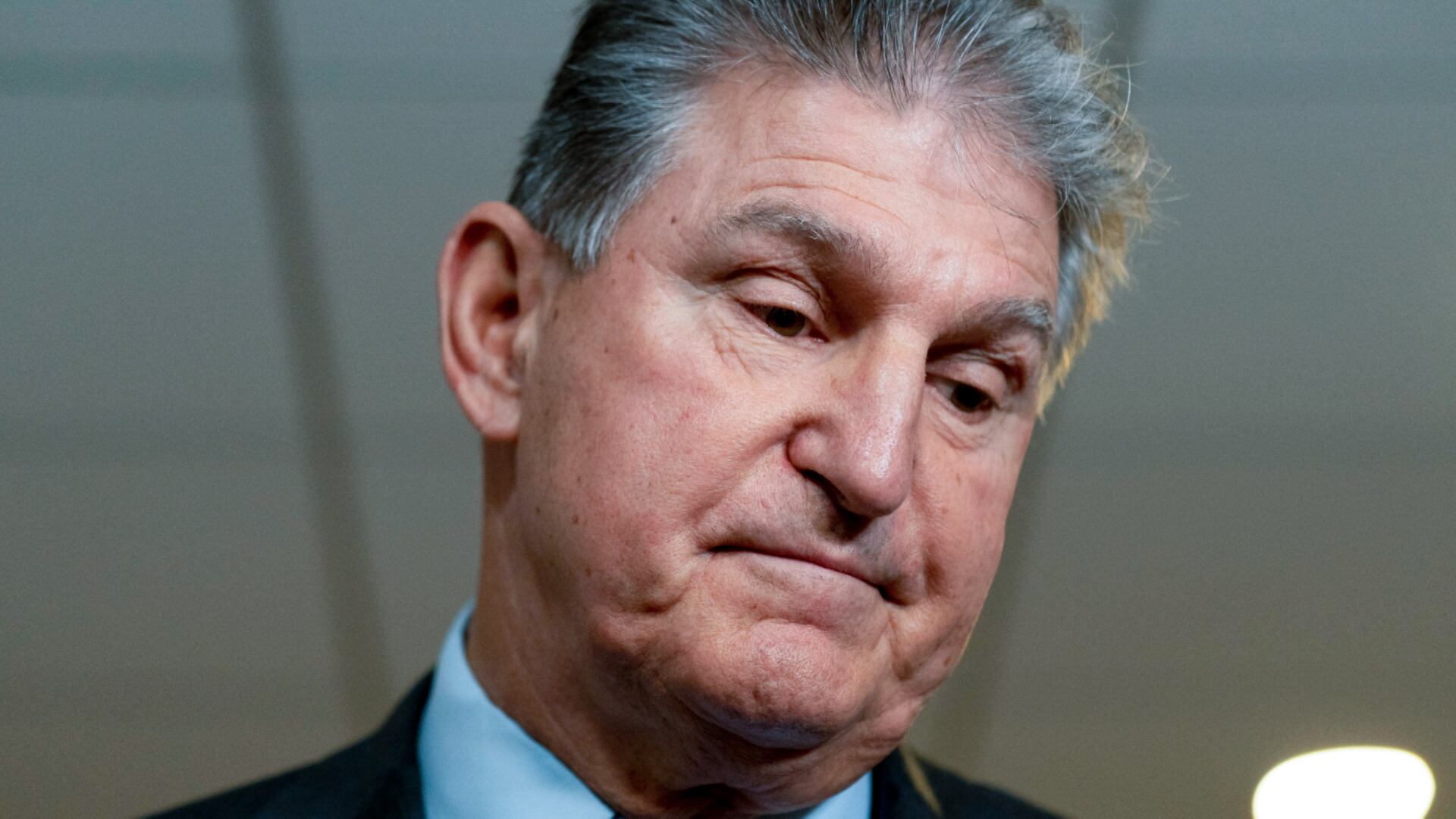
The Hill's White House Correspondent Alex Gangitano joined Wake Up With Cheddar to break down the deterioration of Senator Manchin and President Biden's relationship, as the White House calls out the West Virginia lawmaker for "breaching his commitments to the President."
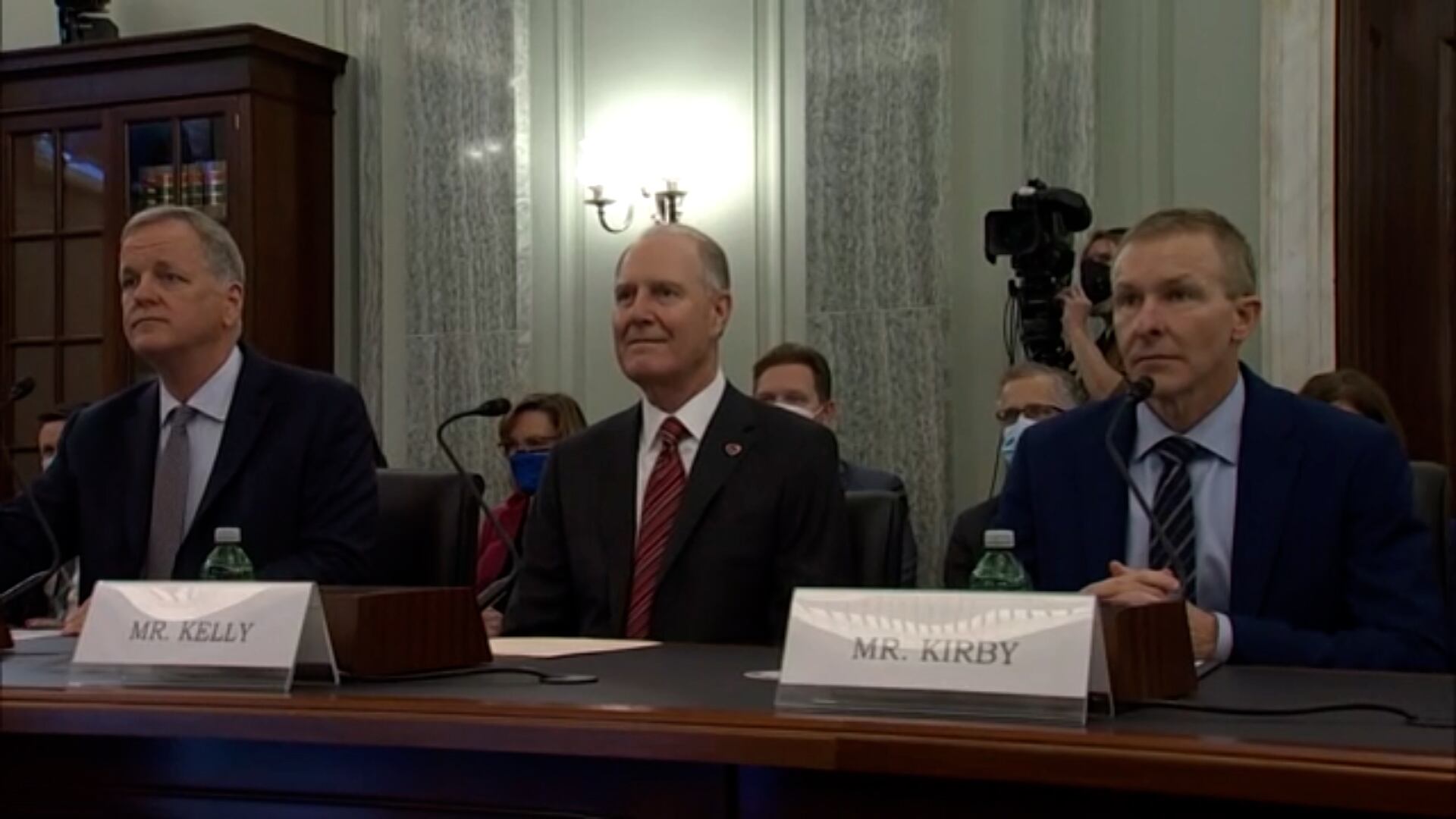
Airline executives faced tough questions from a Senate panel on Wednesday after receiving a $54 billion dollar Covid-19 government lifeline. Congress approved the fund in three rounds covering much of US airlines’ payroll costs for 18 months. During the hearing lawmakers asked CEO’s how they used the federal bailout funds, about staffing issues, flight cancellations, and delays. U.S. airlines reported a record $35 billion dollar loss last year when travel came to an abrupt halt because of the pandemic. Michael Boyd, CEO at the Boyd Group International explains why customers may not be returning to the skies quite so soon.
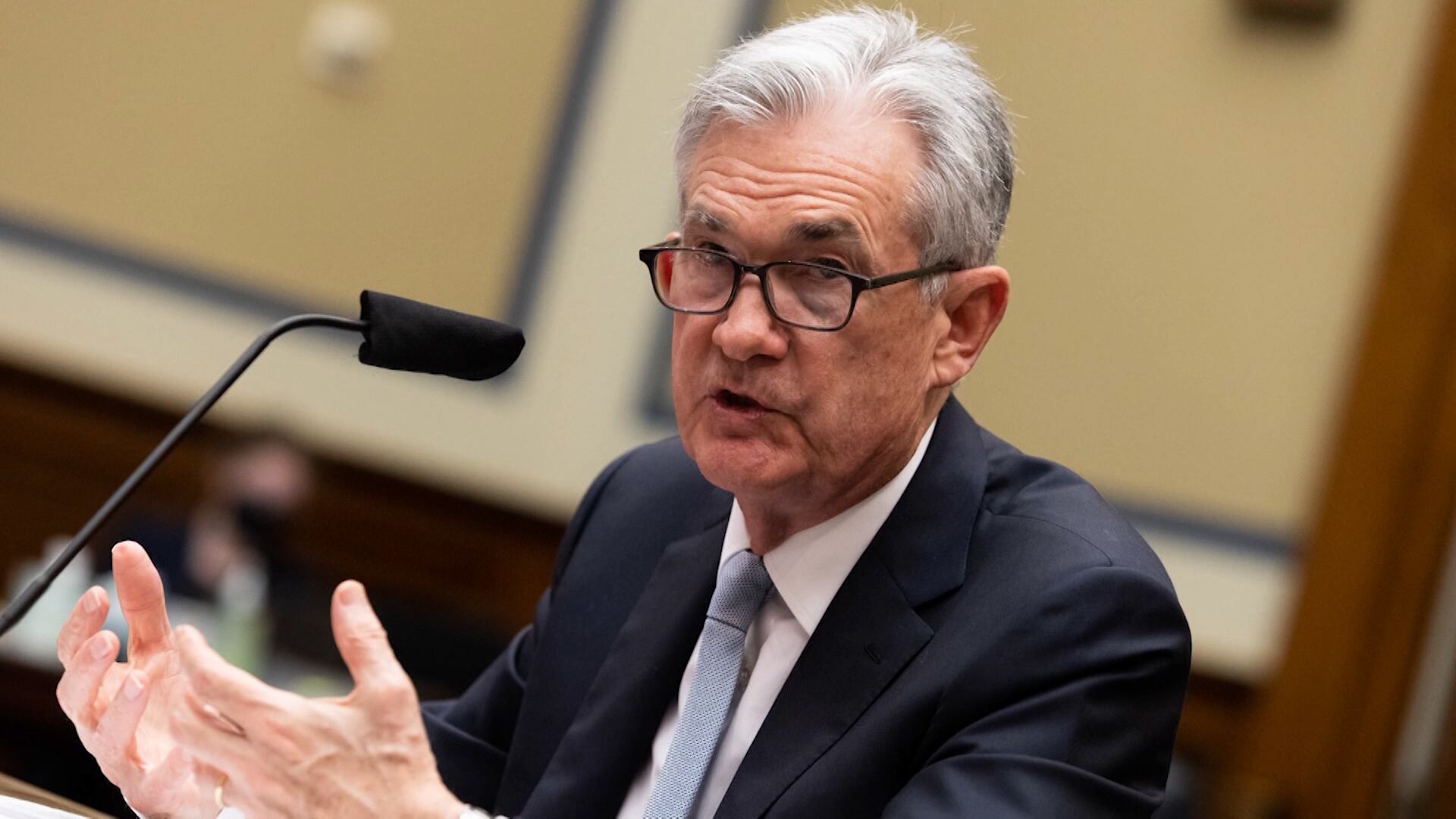
Senior Global Market Strategist at Wells Fargo Investment Institute Scott Wren joined Wake Up With Cheddar to recap the central bank's policy change, and how it may impact the economy moving forward.
Carlo's joined by a quarantining Baker to discuss the headlines from the weekend as Omicron spreads like wildfire, Manchin kills Biden's signature bill and Spider-Man throws a lifeline to the box office.
President Joe Biden is pledging to do “whatever it takes, as long as it takes” to help Kentucky and other states recover and rebuild after a series of deadly tornadoes that he says left a trail of unimaginable devastation.
The Federal Reserve has nixed the controversial word "transitory" to describe inflation in its latest policy statement. The change in language comes as the Fed plans to speed up its tapering of monthly asset purchases.