Gov. Hickenlooper (D-CO) on the Federal Fight Against Weed
Colorado Governor John Hickenlooper says the only way to stay on the federal government’s good side in the fight against cannabis is to “regulate the living daylights out of it.”
The democrat told Cheddar in an interview Wednesday that Attorney General Jeff Sessions’ negative stance towards marijuana creates friction between state and federal authorities.
“It’s very frustrating,” he said. “If states really are the laboratories of democracy, [legalization] is a huge social experiment going on all across the country.”
That friction only creates uncertainty in the cannabis industry, leaving business leaders in a lurch.
“[But Sessions] wants that uncertainty, he wants it to be bad for business,” said Hickenlooper.
In order to maintain a positive relationship with the federal government, states like Colorado have to make sure there’s no risk of funny business, so opponents won’t be able to make a case against them.
“We’re going to make sure that it is not corrupt, we don’t have gangs, we don’t have cartels, we are really going to work as hard as we can to make this…clean and above board,” Hickenlooper explained, pointing out that Colorado’s cannabis industry is currently worth $1.5 billion a year and “there’s taxes collected” on that.
In 2012, Colorado became one of the first states to legalize marijuana for recreational purposes.
“You can’t have laws that nobody obeys,” he said. “It’s just not good for society.”
For the full interview, [click here](https://cheddar.com/videos/the-one-thing-that-wakes-colorado-governor-john-hickenlooper-up-at-night).
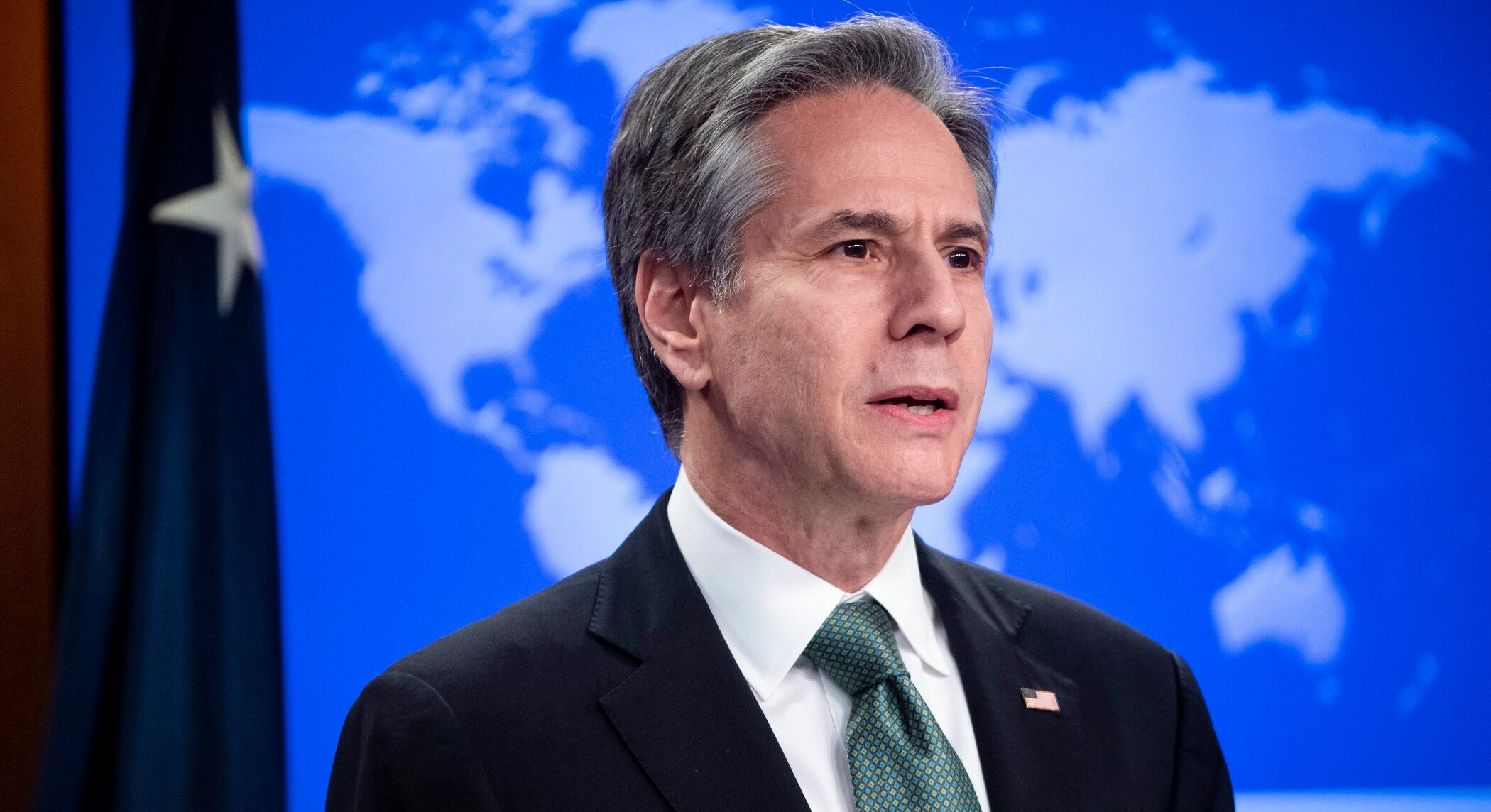
Secretary of State Antony Blinken says the Biden administration has made a formal determination that Russian troops have committed war crimes in Ukraine.
As the Russian invasion of Ukraine continues, Ukrainian President Volodymyr Zelenskyy has assumed the role of an unlikely hero. Donning his iconic green t-shirt, the Ukrainian Leader has been praised for his relatable look and unique war-time approach as support pours in for his country under attack. Melinda Haring, deputy director, Eurasia Center, Atlantic Council joined Cheddar's Opening Bell to discuss Zelenskyy's rise from comedian to a leader on the world stage.
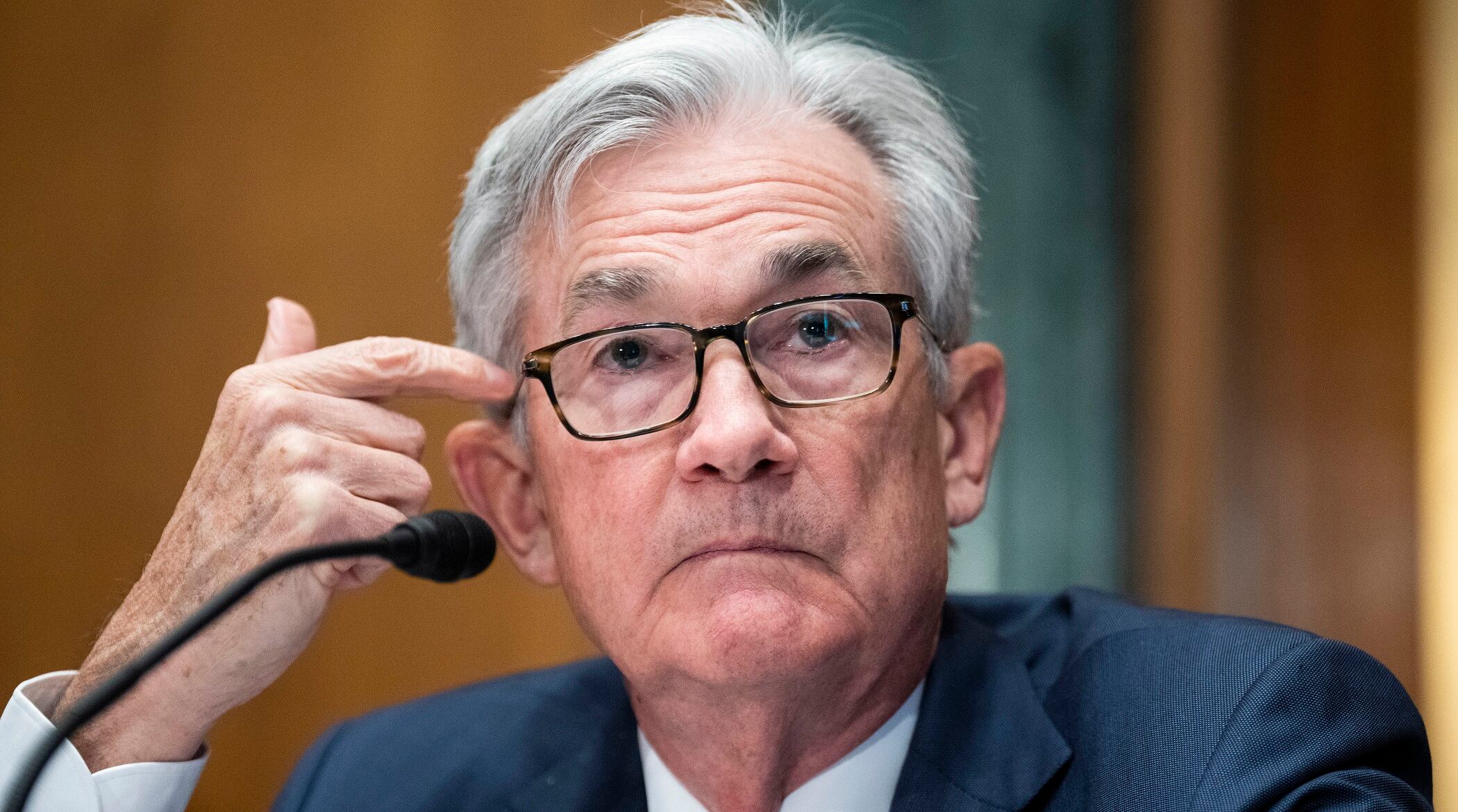
Federal Reserve Chair Jerome Powell went ahead and stirred the pot this week with a series of public talks signaling a firmer hand from the central bank going forward.
Turkish media reports say a second superyacht belonging to Chelsea soccer club owner and sanctioned Russian oligarch Roman Abramovich has docked in a resort in southwestern Turkey.
Catching you up on what you Need to Know on Mar 23, 2022, as NATO meets in Brussels to discuss Ukraine, mortgage rates rise, Justin Trudeau is set to lead Canada until 2025, tornadoes sweep through Louisiana, California may do away with SATs, and a Starbucks in Seattle unionizes.
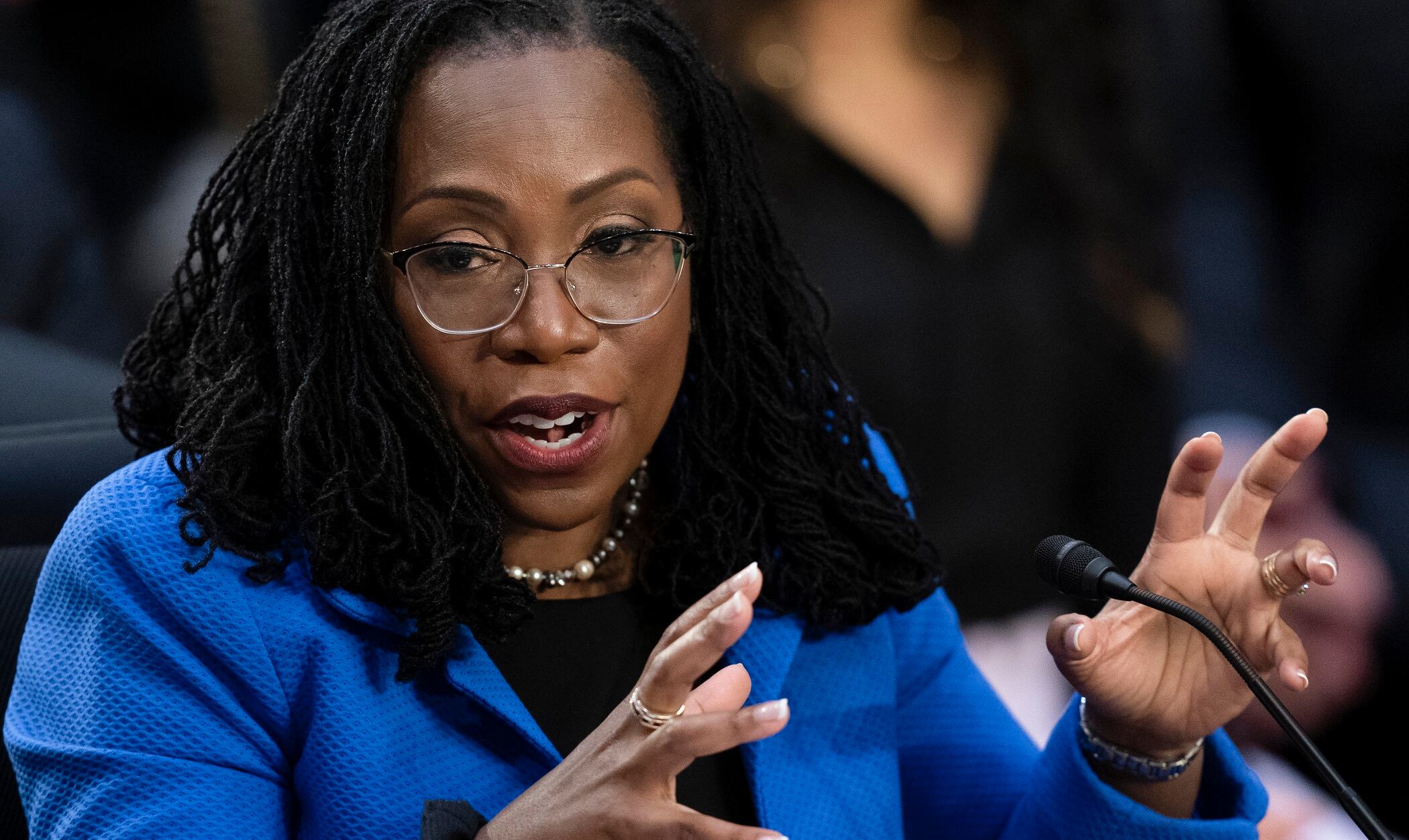
Supreme Court nominee Ketanji Brown Jackson is declaring at her confirmation hearing that she will rule “without any agendas” if approved as the high court’s first black female justice.
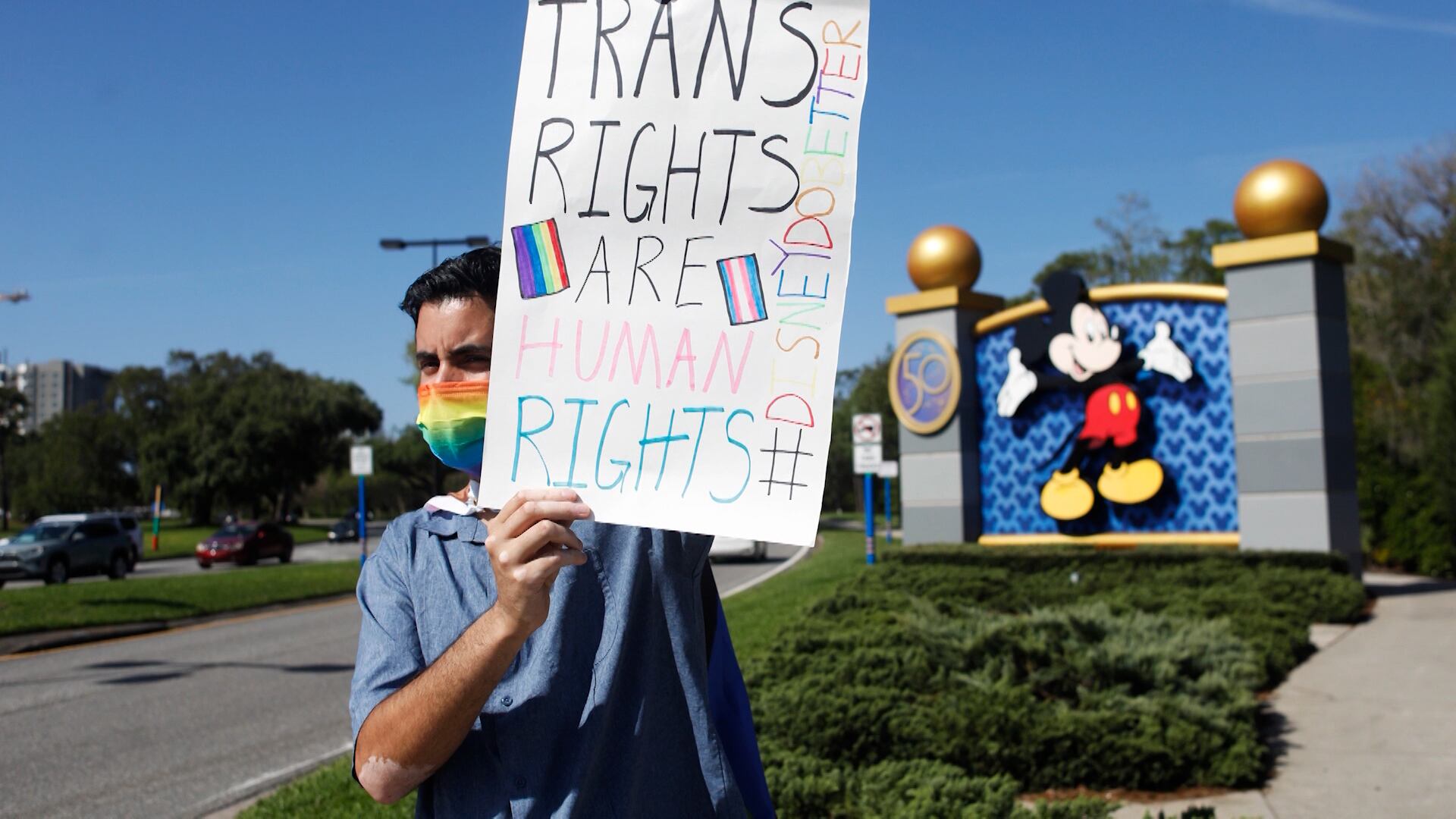
In response to the Florida ‘Don’t’ Say Gay Bill,’ Disney employees staged a companywide walkout after CEO Bob Chapek was late to condemn the legislation. Cheddar News speaks with Maxx Fenning, president at Florida LGBTQ+ advocacy group PRISM on the issue.
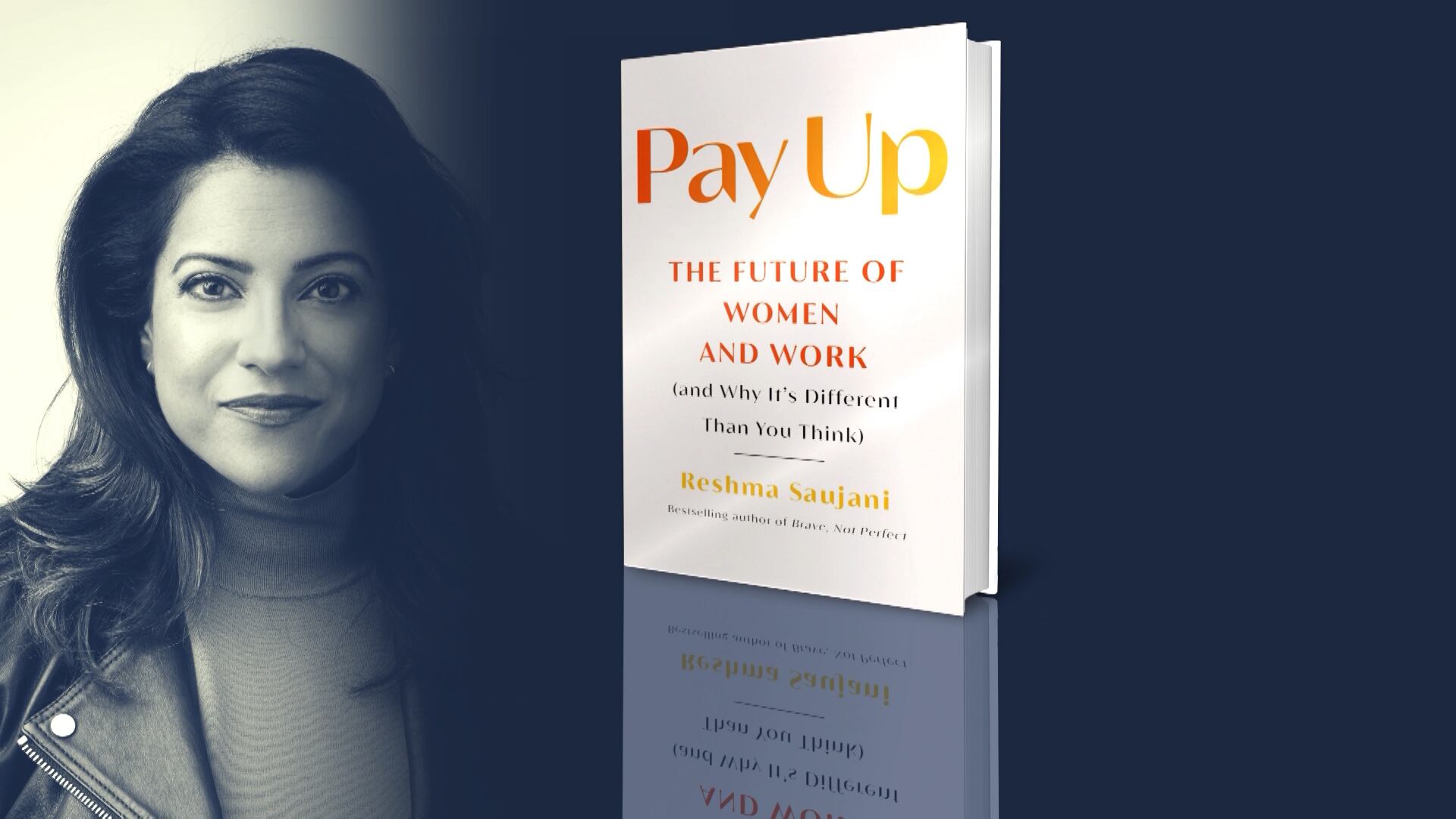
Reshma Saujani, the founder of Girls Who Code and author of "Pay Up: The Future of Women and Work (and Why It's Different Than You Think), joined Cheddar to discuss the many challenges for women in the workplace after the upheaval caused by the pandemic and the solutions she presents.
Hate crimes from the start of 2022 against Asians reportedly more than doubled compared to 2021, according to the NYPD. Amid the surge of attacks, Amber Reed, the president and co-founder of the grassroots organization AAPI Montclair, joined Cheddar News to talk about how it's looking to help Asian Americans with classes and techniques to defend themselves. “We're seeing racism literally killing people who look like us, and these self defense classes are a chance for us to rewrite a narrative of victimhood into one of empowerment," she said. "We learn first how to be aware of our surroundings because we know that being distracted, appearing weak can make you a target, and then that we focus on disengagement."