Gov. Hickenlooper (D-CO) on the Federal Fight Against Weed
Colorado Governor John Hickenlooper says the only way to stay on the federal government’s good side in the fight against cannabis is to “regulate the living daylights out of it.”
The democrat told Cheddar in an interview Wednesday that Attorney General Jeff Sessions’ negative stance towards marijuana creates friction between state and federal authorities.
“It’s very frustrating,” he said. “If states really are the laboratories of democracy, [legalization] is a huge social experiment going on all across the country.”
That friction only creates uncertainty in the cannabis industry, leaving business leaders in a lurch.
“[But Sessions] wants that uncertainty, he wants it to be bad for business,” said Hickenlooper.
In order to maintain a positive relationship with the federal government, states like Colorado have to make sure there’s no risk of funny business, so opponents won’t be able to make a case against them.
“We’re going to make sure that it is not corrupt, we don’t have gangs, we don’t have cartels, we are really going to work as hard as we can to make this…clean and above board,” Hickenlooper explained, pointing out that Colorado’s cannabis industry is currently worth $1.5 billion a year and “there’s taxes collected” on that.
In 2012, Colorado became one of the first states to legalize marijuana for recreational purposes.
“You can’t have laws that nobody obeys,” he said. “It’s just not good for society.”
For the full interview, [click here](https://cheddar.com/videos/the-one-thing-that-wakes-colorado-governor-john-hickenlooper-up-at-night).
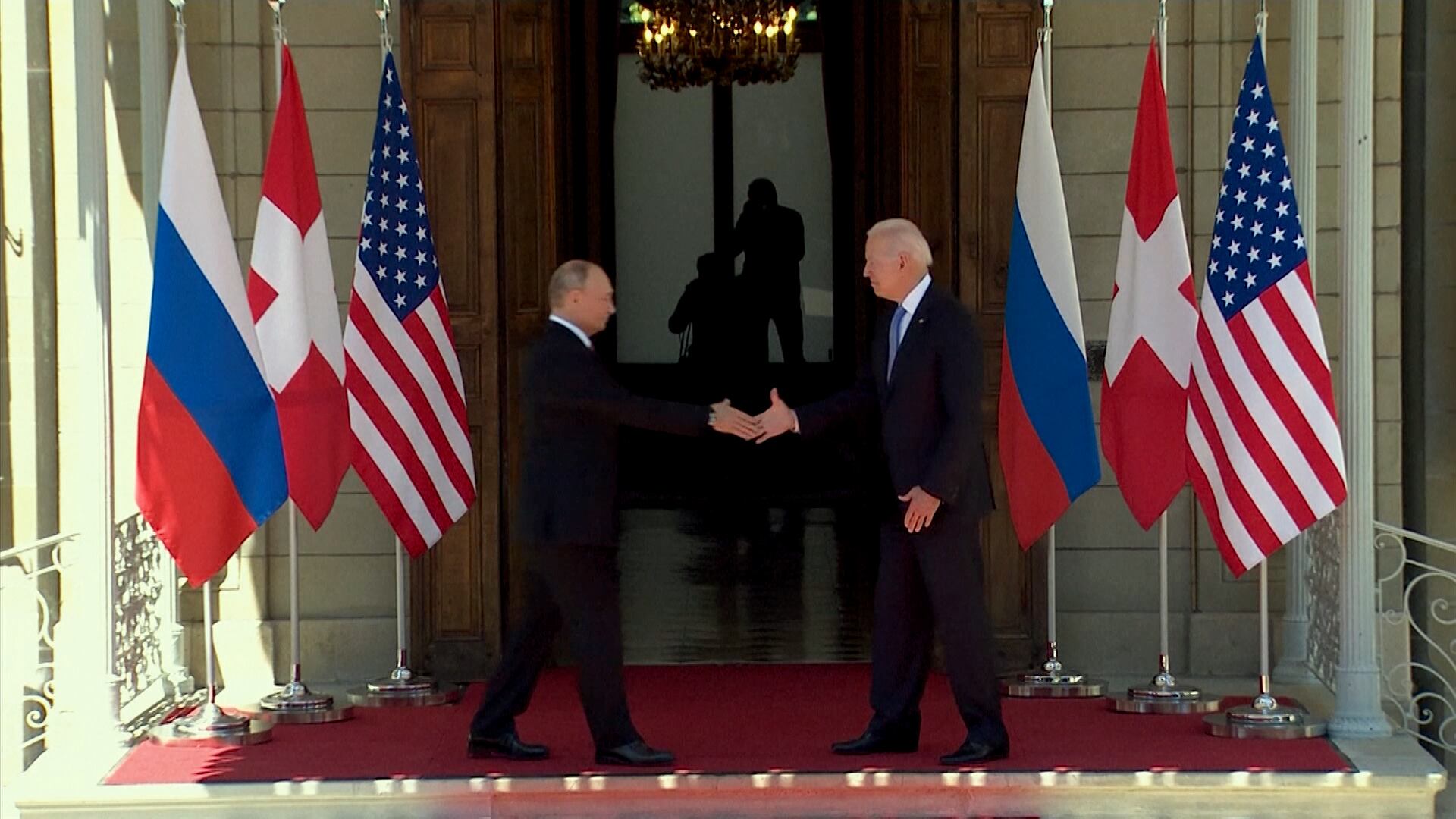
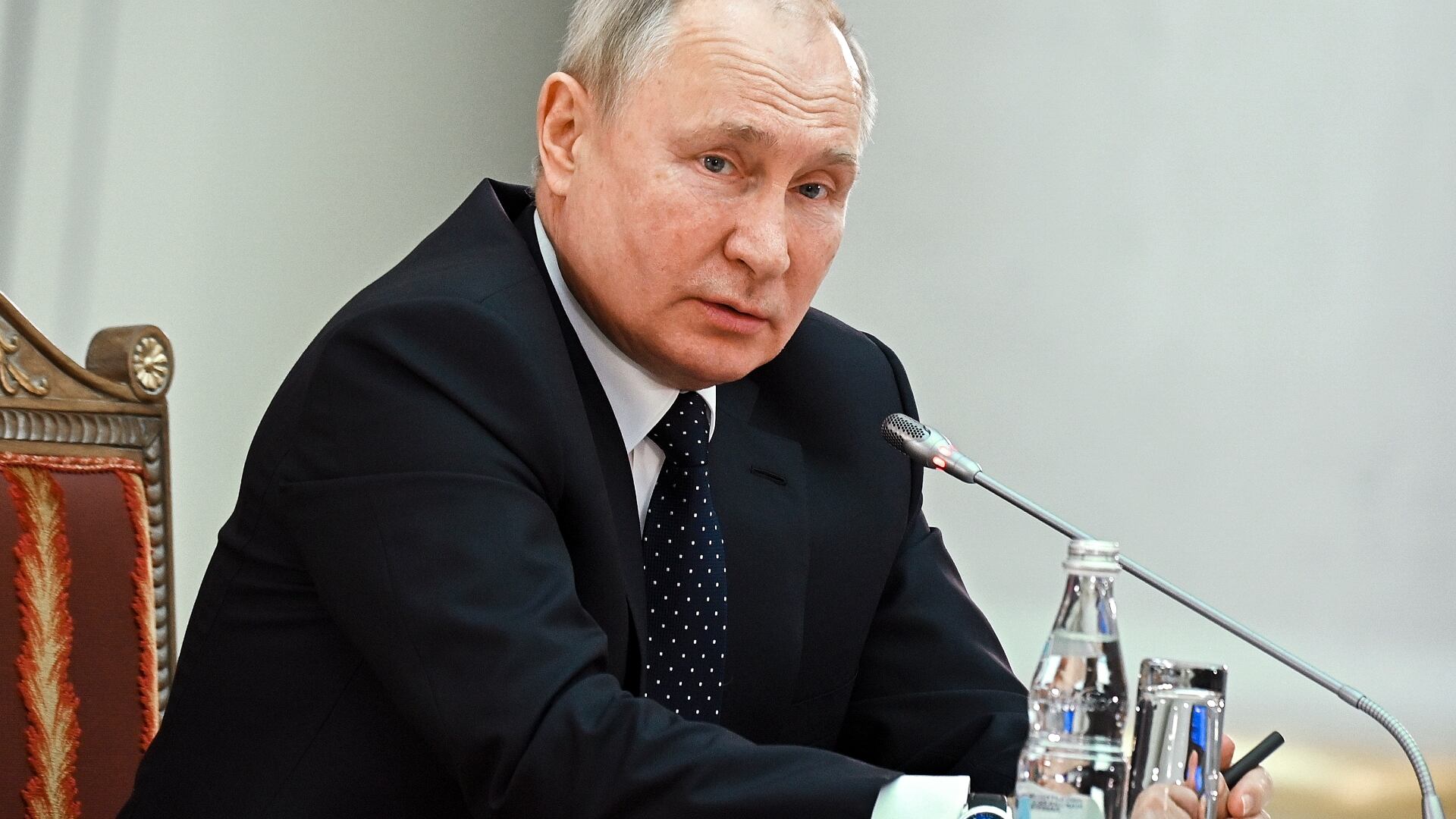
Matt Hayden, vice president of govtech solutions at Exiger and a former assistant secretary of cyber at Department of Homeland Security, joined Cheddar to discuss the surprise phone call initiated by Russian President Vladimir Putin to President Joe Biden, ahead of January security talks about the rising tensions over Ukraine. "We're hoping to hear that we're able to talk about the aggression and the leadup of the Ukrainian militarization," Hayden said. "But we're also looking to hear is how the Kremlin leveraged their talking points to try to test their negotiation stance with the United States leading into this January 10th meeting."
The No Surprises Act begins implementation on January 1, 2022. The legislation is meant to curb the practice of unexpected billing for care from providers the patient was unaware were out-of-network from their insurance. Patricia Kelmar, director of health care campaigns for U.S. PIRG joined Cheddar to describe the hundreds, sometimes thousands, of dollars charged to unsuspecting patients and how things will change under the new law. "If we are picking an in-network doctor and an in-network hospital, we should not see those added costs from anesthesiologists, radiologists, scrub-in surgeons," she said. "The other area it protects you is in air ambulances — not ground ambulances, unfortunately — but the helicopters or the airplanes you might need to transport you in an emergency situation."
President Joe Biden and Russian President Vladmir Putin are expected to have another conversation surrounding escalating tensions between Russia and Ukraine. Ariel Cohen, senior fellow at the Atlantic Council, joined Cheddar's Ken Buffa to discuss the ongoing tensions and why Putin's request for a conversation with Biden comes now. "This is very serious. This is the worst security crisis we had since the collapse of the Soviet Union," Cohen told Cheddar.
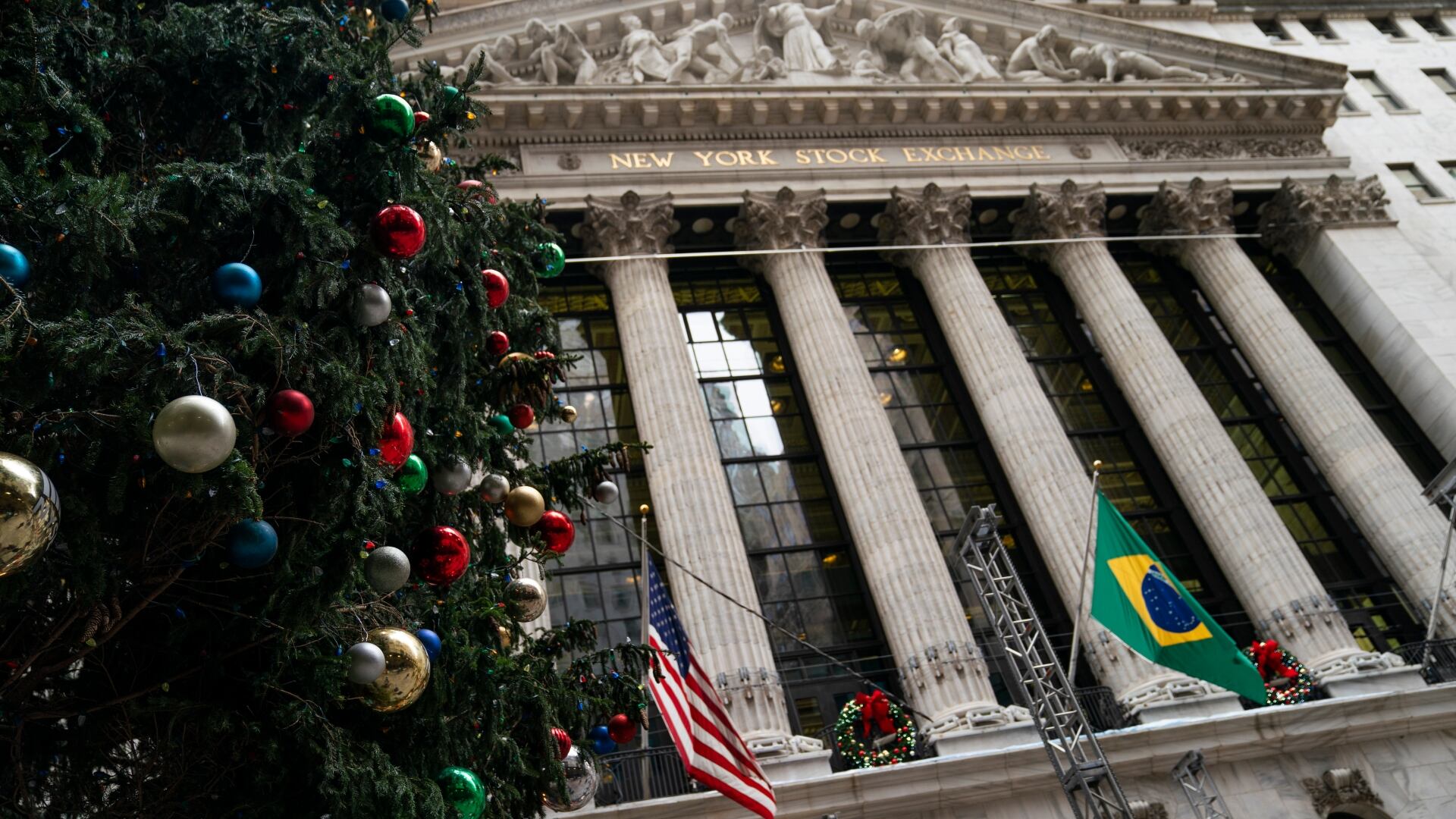
Stocks closed mixed on Wednesday, but two indexes - the Dow and the S&P 500 - ended the session with a new record. Akshata Bailkeri, Equity Analyst at Bruderman Asset Management, joins Cheddar News' Closing Bell, where she says there is a consensus for robust consumer spreading in 2022, especially as the Omicron variant is proving to be milder than other COVID-19 strains.
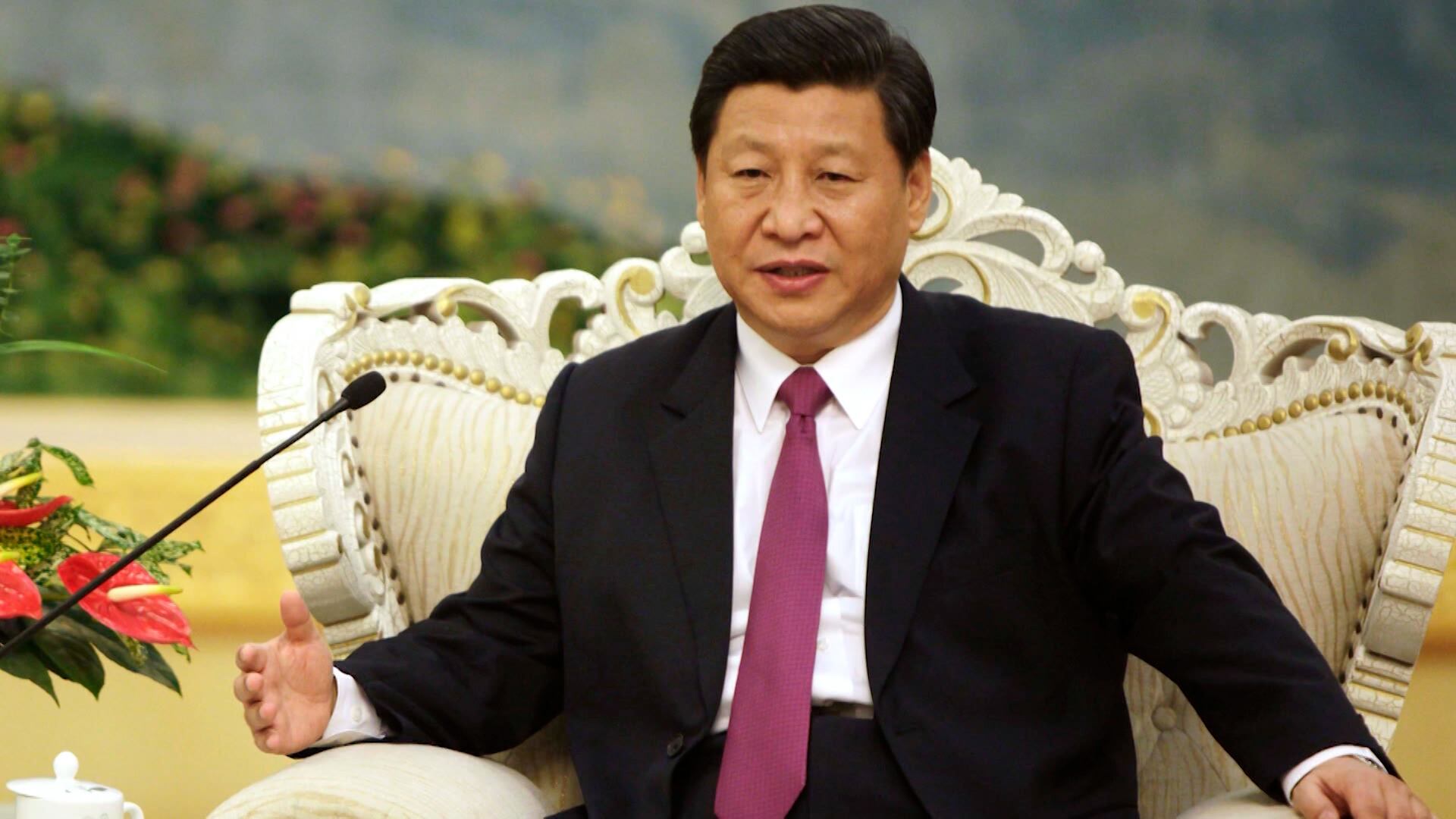
John Quelch, Dean of Miami Herbert Business School, joins Cheddar News' Closing Bell, where he says the retail giant is acting in accordance to President Biden's new law banning goods from China's Xinjiang region. Quelch also elaborates on the importance of China in Walmart's overall strategy.