Colorado Governor John Hickenlooper says the only way to stay on the federal government’s good side in the fight against cannabis is to “regulate the living daylights out of it.”
The democrat told Cheddar in an interview Wednesday that Attorney General Jeff Sessions’ negative stance towards marijuana creates friction between state and federal authorities.
“It’s very frustrating,” he said. “If states really are the laboratories of democracy, [legalization] is a huge social experiment going on all across the country.”
That friction only creates uncertainty in the cannabis industry, leaving business leaders in a lurch.
“[But Sessions] wants that uncertainty, he wants it to be bad for business,” said Hickenlooper.
In order to maintain a positive relationship with the federal government, states like Colorado have to make sure there’s no risk of funny business, so opponents won’t be able to make a case against them.
“We’re going to make sure that it is not corrupt, we don’t have gangs, we don’t have cartels, we are really going to work as hard as we can to make this…clean and above board,” Hickenlooper explained, pointing out that Colorado’s cannabis industry is currently worth $1.5 billion a year and “there’s taxes collected” on that.
In 2012, Colorado became one of the first states to legalize marijuana for recreational purposes.
“You can’t have laws that nobody obeys,” he said. “It’s just not good for society.”
For the full interview, [click here](https://cheddar.com/videos/the-one-thing-that-wakes-colorado-governor-john-hickenlooper-up-at-night).
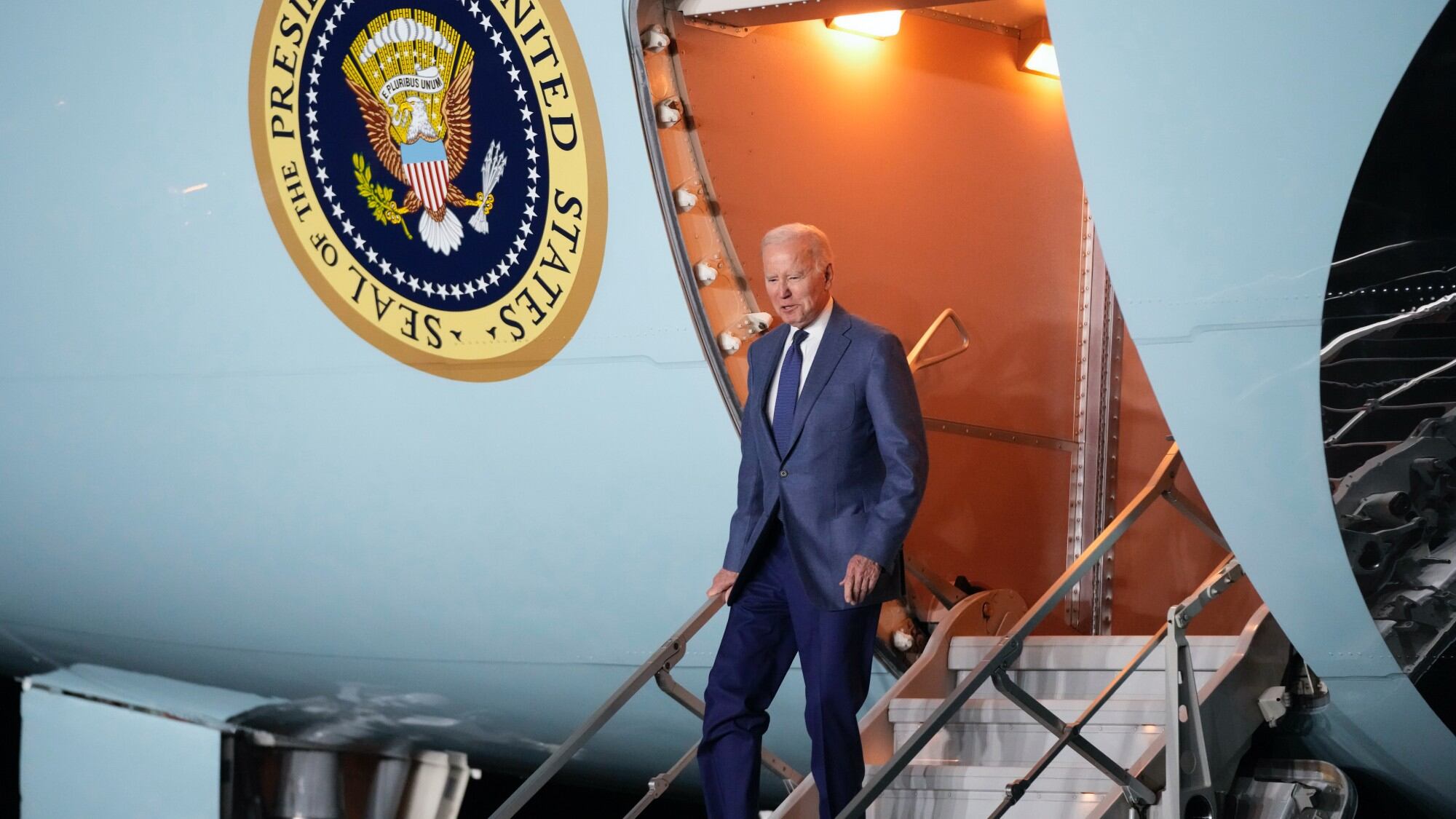
In Ireland this week, well-wishers have lined the streets to catch a mere glimpse of President Joe Biden. Photos of his smiling face are plastered on shop windows, and one admirer held a sign reading, “2024 — Make Joe President Again.”
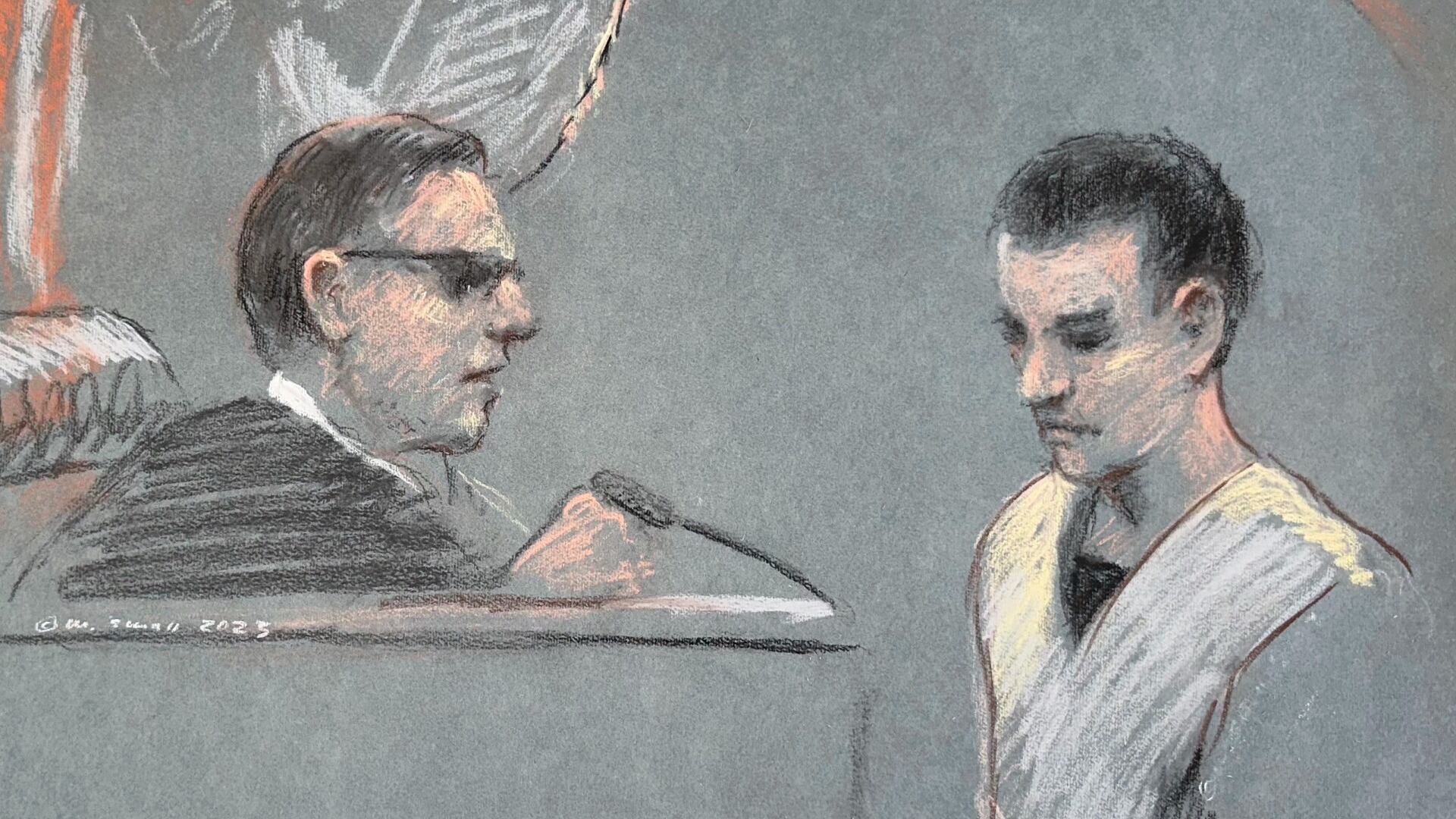
A Massachusetts Air National Guardsman has appeared in court, accused in the leak of highly classified military documents.
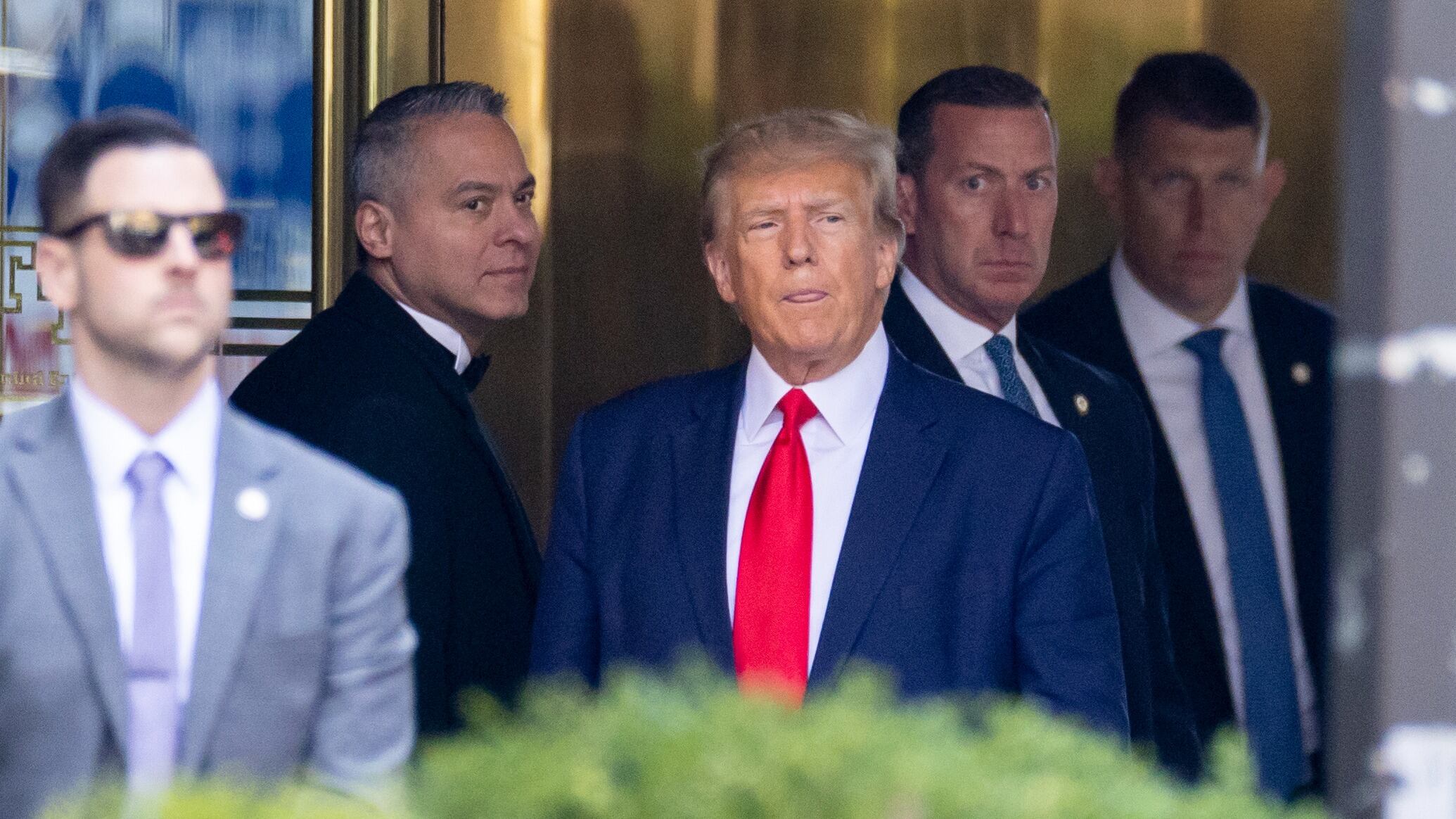
Former President Donald Trump answered questions for nearly seven hours Thursday during his second deposition in a legal battle with New York's attorney general over his company's business practices, reversing an earlier decision to invoke his Fifth Amendment protection against self-incrimination and remain silent.
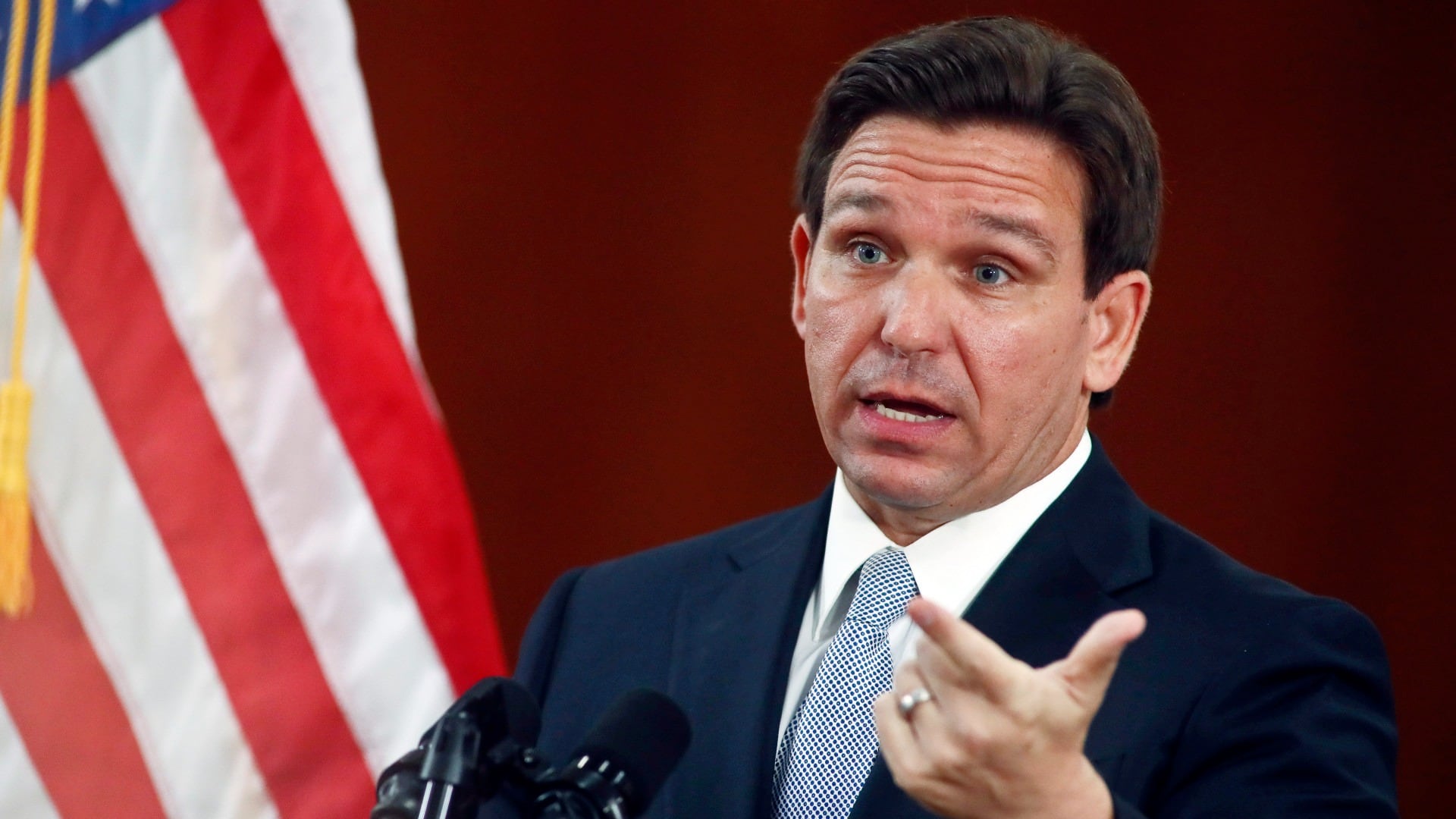
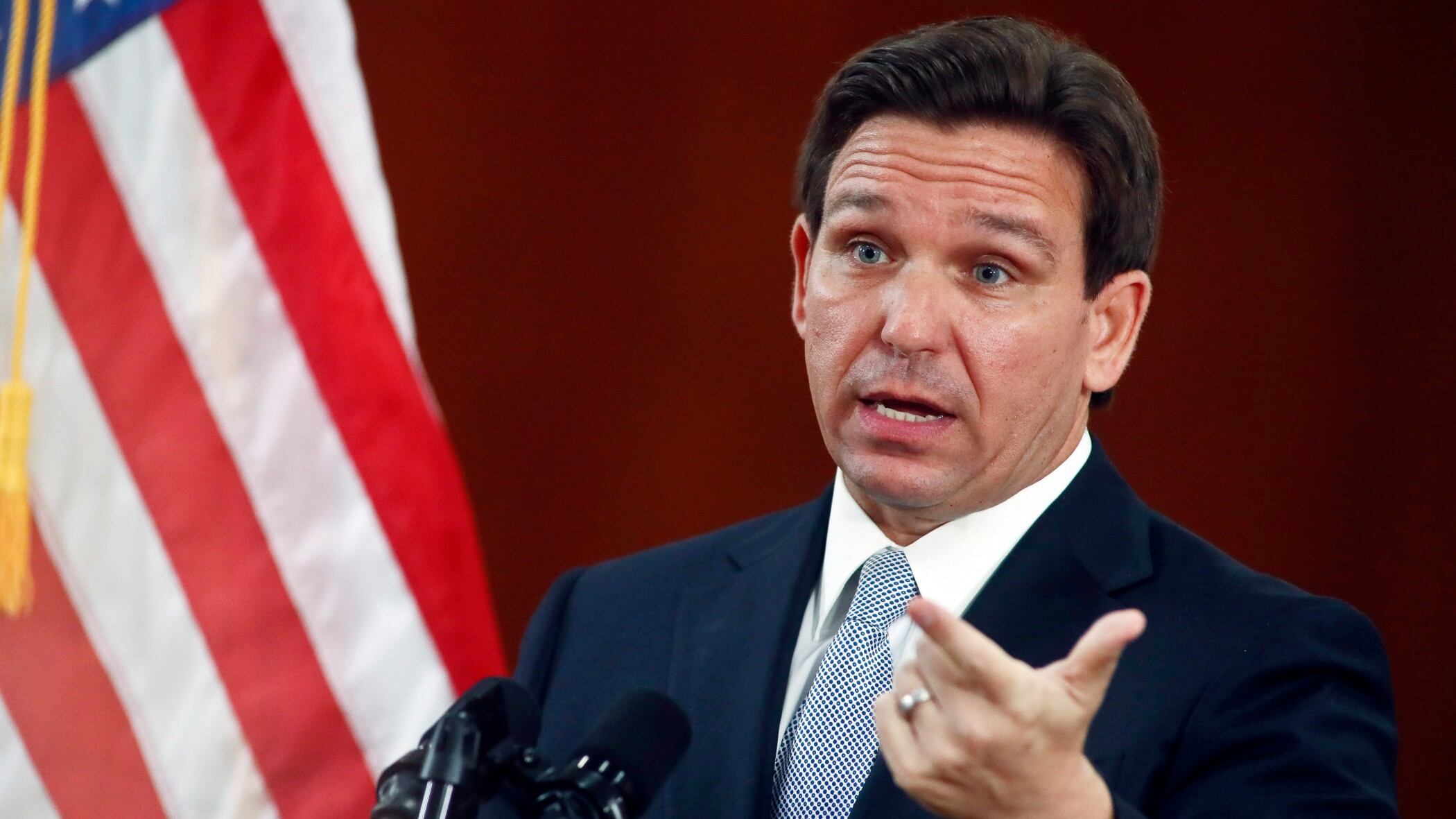
Republican Gov. Ron DeSantis has signed into law a bill approved by the Republican-dominated Florida Legislature to ban abortions after six weeks of pregnancy.
The legislation would ban abortions after a period when many women don't know they're pregnant yet.
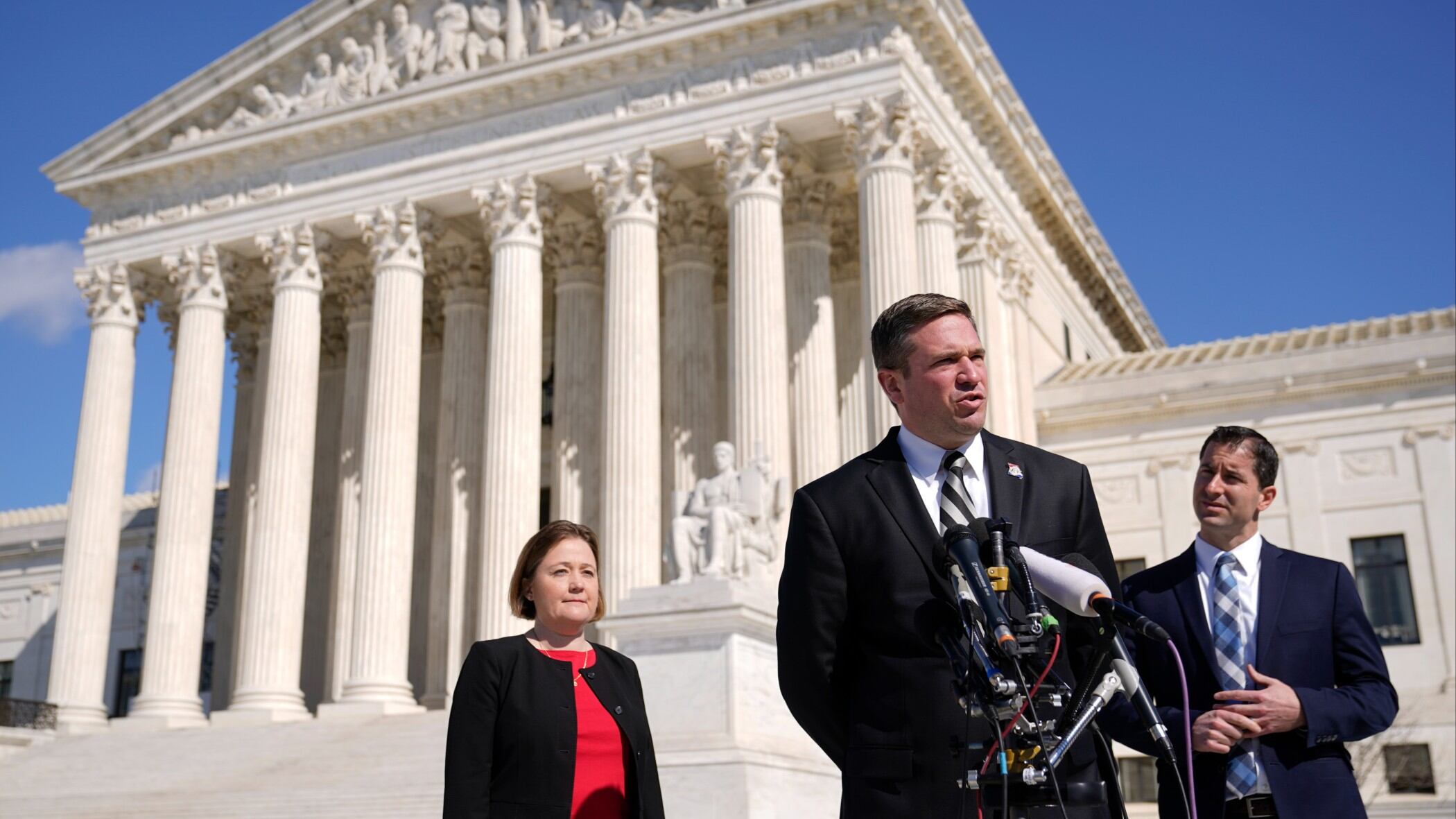
The attorney general's new restrictions on gender-affirming care is believed to be the first that also restricts adults, not just minors.
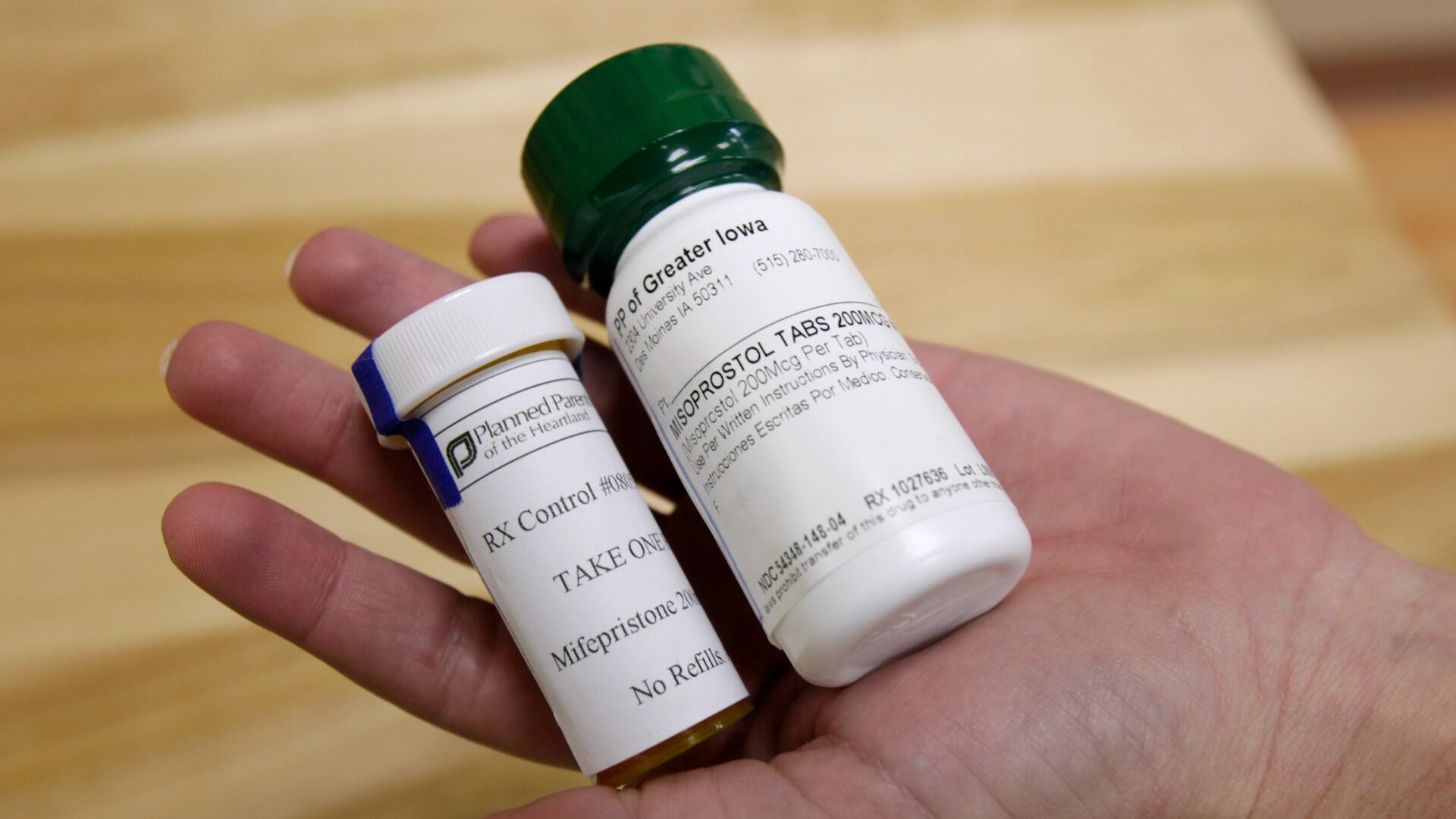
A federal appeals court has ruled that the abortion pill mifepristone can still be used for now but reduced the period of pregnancy when the drug can be taken and said it could not be dispensed by mail.
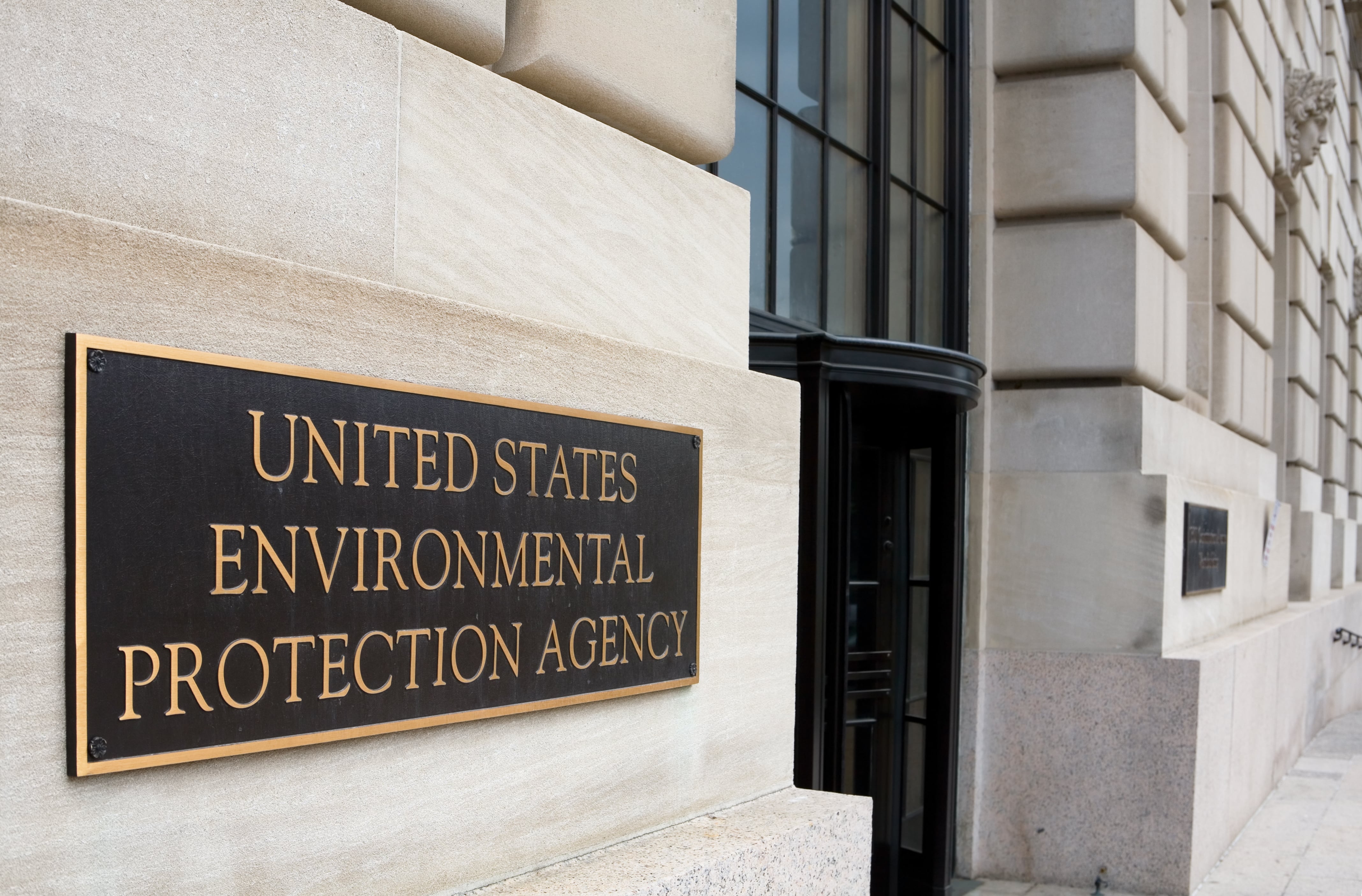
EPA Proposes Stringent Emissions Standards on Automakers in Effort to Reduce Pollution
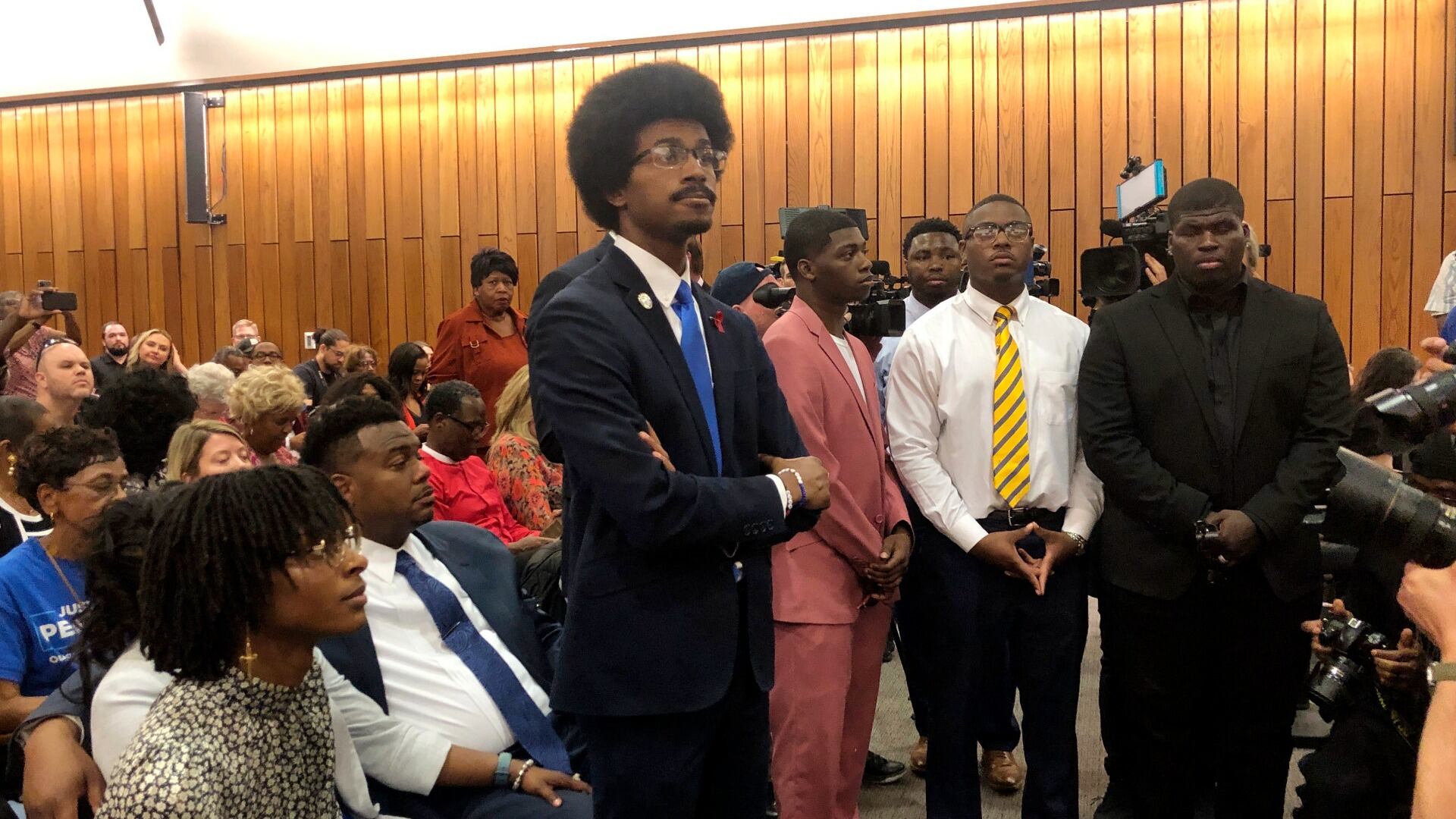
The second of two Black Democrats expelled from the Republican-led Tennessee House will return to the Legislature after a Memphis commission voted to reinstate him Wednesday.
Some abortion clinics are fielding lots of calls from patients since a court ruling last Friday threatened the availability of a main drug used in medication abortion, mifepristone.