New York Gov. Andrew Cuomo said he plans to sign an executive order that would allow the state government to take personal protective equipment and ventilators from hospitals with less need and redeploy them to areas harder hit by the coronavirus outbreak.
The governor said he has spoken with hospital administrators and understands the reluctance to give up essential equipment, but that he wants to avoid a situation where COVID-19 patients are dying in one part of the state while ventilators sit unused in another part of the state.
"The theory is that if the government gets them, they will never get them back. I understand that, but I don't have an option," Cuomo said.
The move marks an expansion of a broader effort to coordinate the state's patchwork of regional health systems and public and private hospitals. The state is surveying hospitals nightly to determine case-loads, personnel needs, and inventories of needed medical supplies.
"Those institutions will either get their ventilator back or they will be reimbursed and paid for their ventilator so they can buy a new ventilator," the governor said. "I can't do anything more than that."
Several hundred ventilators could be shifted from upstate to downstate New York, according to Cuomo, though the exact amount remains to be determined. He said he's banking on hospitals' goodwill and pushed back against the use of the word "seize" in describing the policy.
"First of all, don't use the word seize," he said. "That's a harsh kind of word. It's sharing of resources. We're not going to have any part of the state not have the resources we need because we didn't share resources."
Cuomo also announced that the 2,500-bed emergency field hospital at the Javits Center in Manhattan will transition into treating COVID-19 patients. It was formerly intended as an overflow hospital for non-COVID cases, but there hasn't been enough demand for those cases.
"As it turned out, we don't have non-COVID people to any great extent in the hospitals," he said. "Hospitals have now turned into, effectively, ICU hospitals for COVID patients."
He said that the general shutdown of the state economy has led to a downturn in other types of medical needs, due to a drop in automobile-related injuries, violent crimes, and other incidents.
The latest numbers on the outbreak include 102,836 total cases, 14,810 hospitalizations, and more than 2,900 deaths, up from 2,300 deaths, which Cuomo called the "highest single increase in the number of deaths since we started."
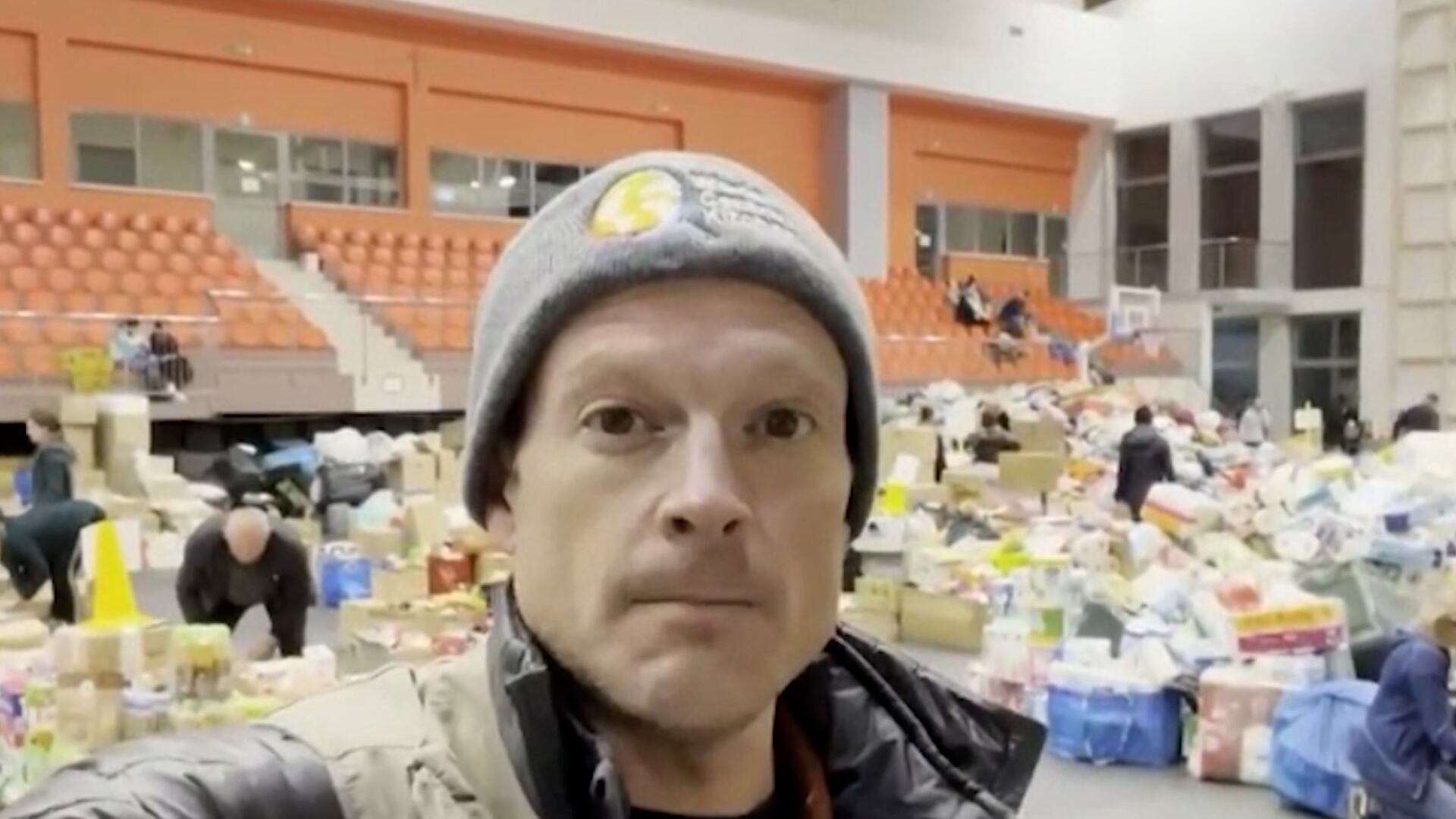
World Central Kitchen is Ukraine helping to feed people remaining in the country or fleeing from the Russian forces. Nate Mook, CEO for the non-profit, joined Cheddar New to discuss the efforts being made to help those in need in a very tenuous situation and how the invasion disrupted the lives of Ukrainian people."We met a young woman from Kyiv who had crossed into Poland, she had a great job, she just moved into a new apartment. She was really excited about decorating her apartment. You know, things that we all do on a day-to-day basis, and she had to just abandon her life," he said.
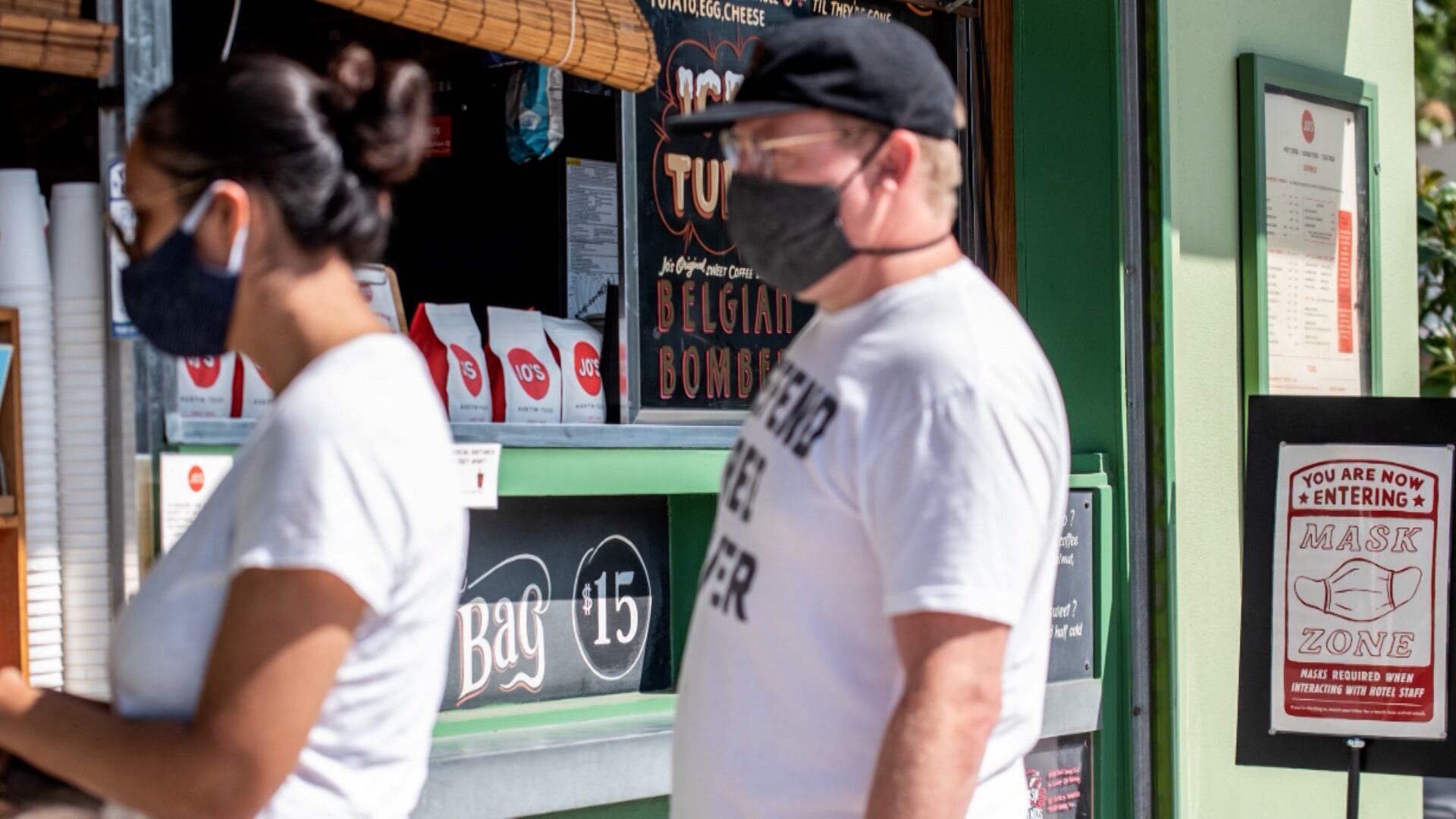
Bina Venkataraman, Boston Globe Editorial Page Editor & former White House disaster policy adviser joins Cheddar News to discuss the current state of the pandemic as well as Biden's handling of the crisis
Michael Li senior counsel for the Brennan Center's Democracy Program joins Cheddar News to discuss gerrymandering and how it's impacting American politics
As half a million Ukrainians fled when Russia invaded its neighbor, some civilians chose to stay in harm's way. Igor Gamaniuk, a 17-year-old Ukrainian college student, joined Cheddar News to talk about his decision to remain in his beloved country and volunteer to support soldiers with food, clothing, and supplies. "Right now people are pretty calm in my town. We are trying not to panic. But we have to be cautious because every day and every night the siren could sound and we have to move away from the window or go to the nearest shelter," Gamaniuk explained.
As Russia continues to invade Ukraine, its tech outsourcing sector is at risk. Over the past few years, the country has become a popular outsourcing destination for American and European tech companies, but now the future of that industry is uncertain. Isabelle Bousquette, enterprise technology reporter, for The Wall Street Journal, discusses what repercussions the crisis might have on the industry, and what companies are doing to mitigate possible disruptions.
In a nearly 3,700 page UN report, climate scientists outline the imminent dangers caused by climate change, saying fossil fuels are 'choking humanity.' The report calls some of the impacts of global warming 'irreversible,' warning of extreme consequences in the near future. Kristie L. Ebi, Professor of Global Health and Environmental and Occupational Health Sciences, University of Washington joined Cheddar's Opening Bell to discuss.