New York Gov. Andrew Cuomo said he plans to sign an executive order that would allow the state government to take personal protective equipment and ventilators from hospitals with less need and redeploy them to areas harder hit by the coronavirus outbreak.
The governor said he has spoken with hospital administrators and understands the reluctance to give up essential equipment, but that he wants to avoid a situation where COVID-19 patients are dying in one part of the state while ventilators sit unused in another part of the state.
"The theory is that if the government gets them, they will never get them back. I understand that, but I don't have an option," Cuomo said.
The move marks an expansion of a broader effort to coordinate the state's patchwork of regional health systems and public and private hospitals. The state is surveying hospitals nightly to determine case-loads, personnel needs, and inventories of needed medical supplies.
"Those institutions will either get their ventilator back or they will be reimbursed and paid for their ventilator so they can buy a new ventilator," the governor said. "I can't do anything more than that."
Several hundred ventilators could be shifted from upstate to downstate New York, according to Cuomo, though the exact amount remains to be determined. He said he's banking on hospitals' goodwill and pushed back against the use of the word "seize" in describing the policy.
"First of all, don't use the word seize," he said. "That's a harsh kind of word. It's sharing of resources. We're not going to have any part of the state not have the resources we need because we didn't share resources."
Cuomo also announced that the 2,500-bed emergency field hospital at the Javits Center in Manhattan will transition into treating COVID-19 patients. It was formerly intended as an overflow hospital for non-COVID cases, but there hasn't been enough demand for those cases.
"As it turned out, we don't have non-COVID people to any great extent in the hospitals," he said. "Hospitals have now turned into, effectively, ICU hospitals for COVID patients."
He said that the general shutdown of the state economy has led to a downturn in other types of medical needs, due to a drop in automobile-related injuries, violent crimes, and other incidents.
The latest numbers on the outbreak include 102,836 total cases, 14,810 hospitalizations, and more than 2,900 deaths, up from 2,300 deaths, which Cuomo called the "highest single increase in the number of deaths since we started."
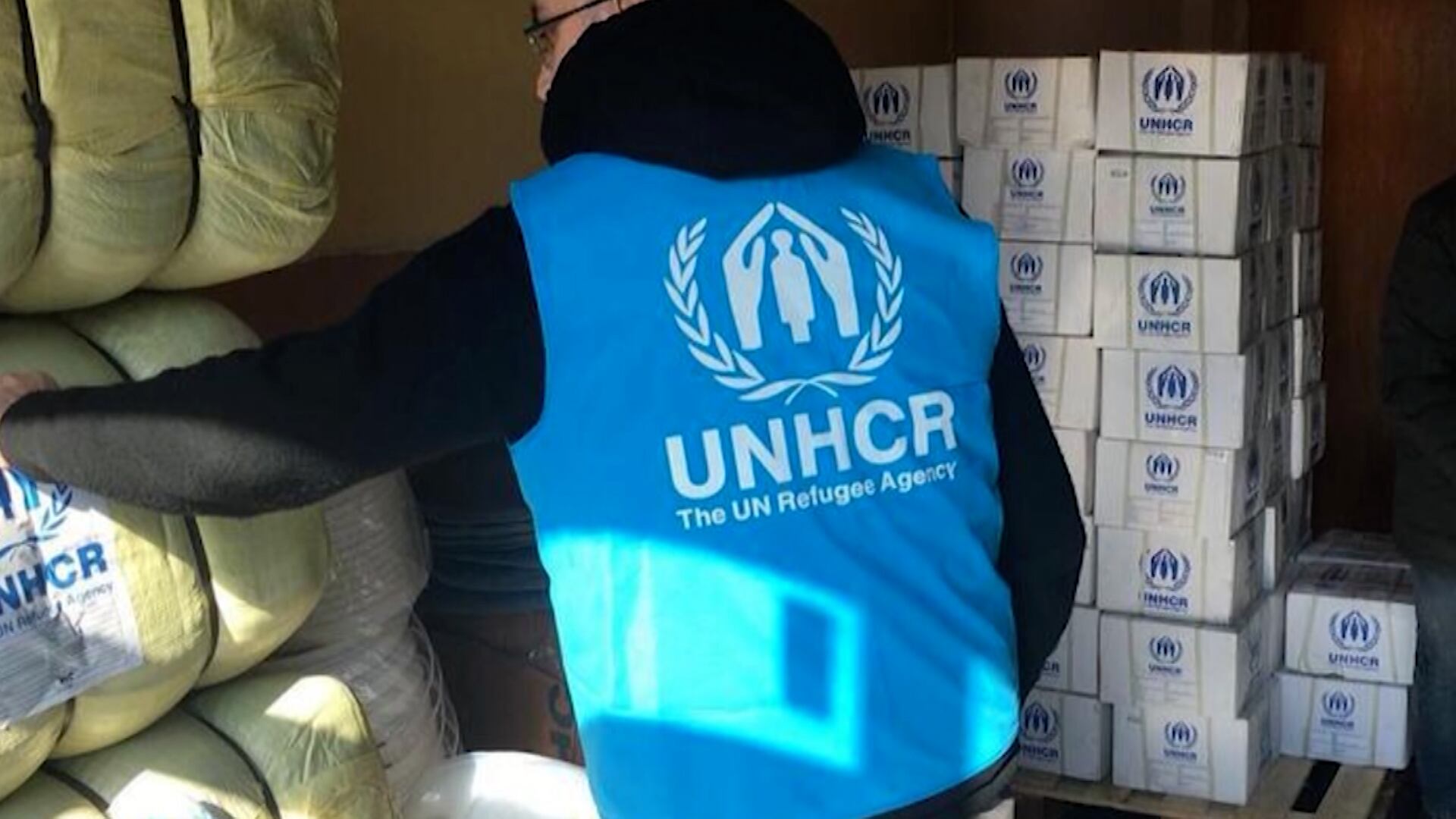
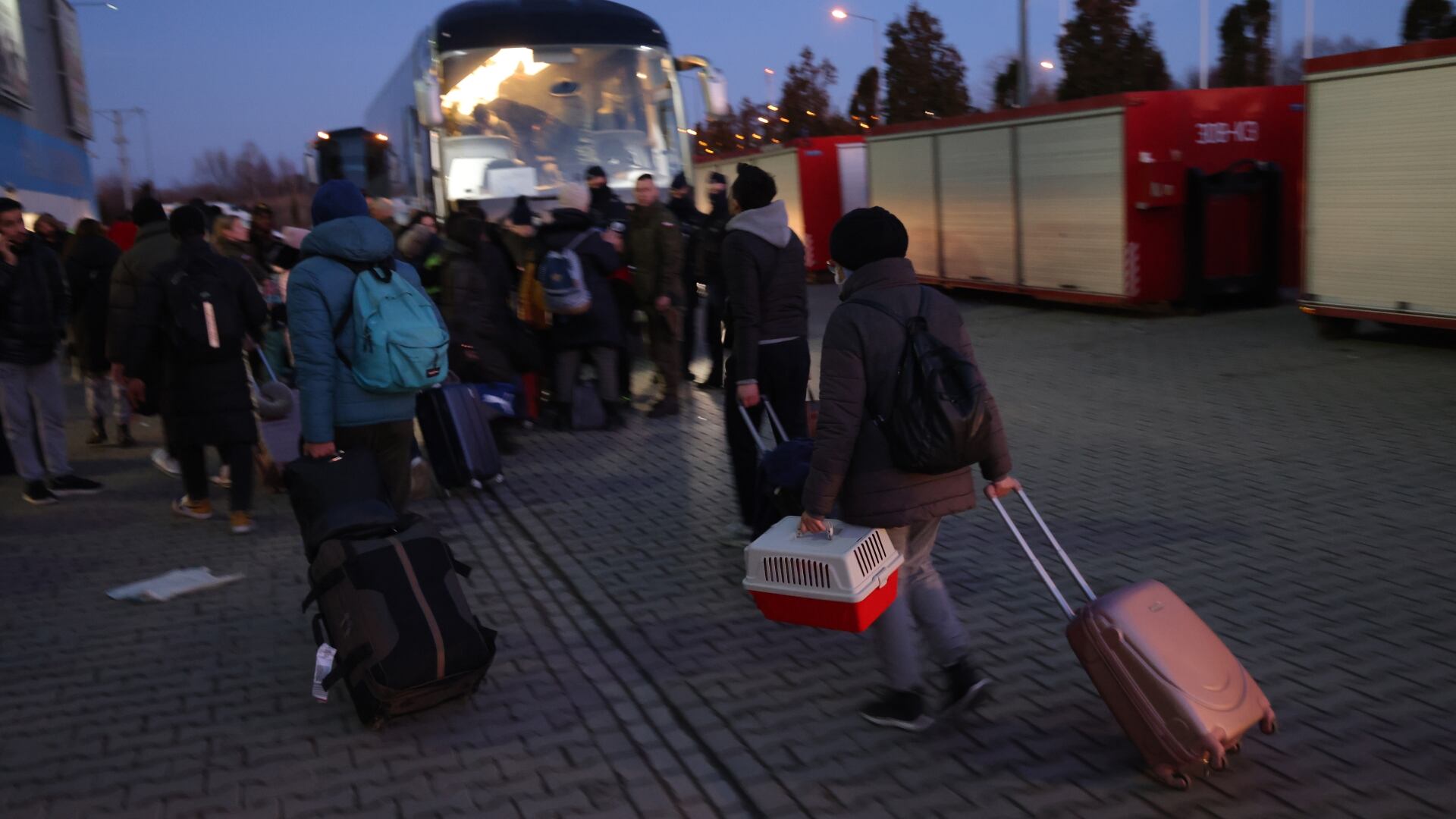
The United Nations High Commissioner for Refugees (UNHCR) has reported that an estimated one million people have fled from Ukraine since Russia invaded. Christopher Boian, senior communications officer at UNHCR, joined Cheddar News to report on the current refugee crisis and what the world might expect if conditions continue to worsen. "We have planning figures that forecast as many as four million people could be forced to flee Ukraine," he said. "But that very much depends on how the conflict underway in that country at the moment unfolds in the days and possibly weeks ahead."
Under the U.S. Renewable Fuel Standard (RFS), corn-based ethanol has been mixed into gasoline sold at pumps in the U.S. since 2005, when a policy was enacted aimed at reducing emissions. Corn-based ethanol had been thought to be a relatively greener energy source compared to other biofuels, but now, a new study published in the Proceedings of the National Academy of Sciences reports it may be actually worse for the climate than straight gasoline. Tyler Lark, an assistant scientist at the University of Wisconsin-Madison's Center for Sustainability, joined Cheddar News' Closing Bell and discussed the pushback against the study. "Essentially when you need to produce more corn to meet the demand for use as ethanol as fuel, farmers respond and they switch more crops like soybeans and wheat into corn," Lark said. "They also bring more land into production, so things that used to be pasture grassland, and both those activities are associated with increased greenhouse gas emissions."
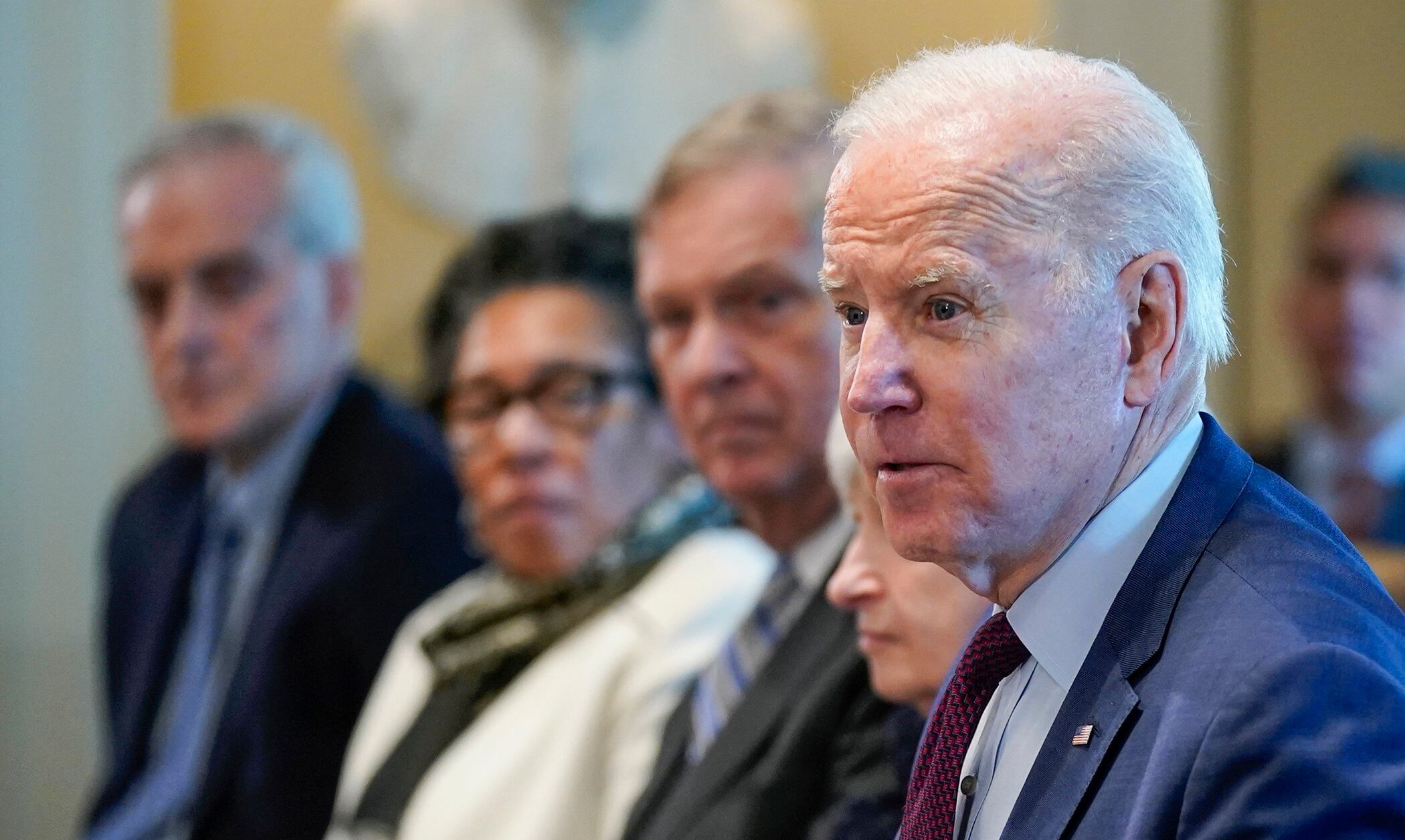
U.S. President Joe Biden’s administration on Thursday announced new sanctions against Russian oligarchs and others in President Vladimir Putin’s inner circle.
Christian Blauvelt, executive managing editor at IndieWire, joins Cheddar News to discuss the growing number of studios pulling content from Russia over Ukraine invasion.
Russian forces are battling for control of a crucial energy-producing city in Ukraine’s south and gaining ground in their bid to cut off the country from the sea.
In the past few years, Betthany Frankel has made a major name for herself as a philanthropist after founding the
BStrong initiative, which has provided relief to people impacted by natural disasters as well as the COVID-19 pandemic. Now, BStrong is shifting its focus to Ukraine, raising millions of dollars in donations for those impacted by Russia's invasion. Bethenny Frankel, the founder of BStrong, joins Cheddar News' Closing Bell to discuss.
Bryan Lee, Chief Investment Officer at Blue Zone Wealth Advisors, joins Cheddar News' Closing Bell, where he elaborates on the volatility we've seen in the markets this week fueled by rising oil prices and the ongoing Russian invasion of Ukraine.
Francesca Chambers, White House correspondent for McClatchy, joins Cheddar News to discuss all the topics President Biden has to juggle in his State of the Union address.