New York Gov. Andrew Cuomo said he plans to sign an executive order that would allow the state government to take personal protective equipment and ventilators from hospitals with less need and redeploy them to areas harder hit by the coronavirus outbreak.
The governor said he has spoken with hospital administrators and understands the reluctance to give up essential equipment, but that he wants to avoid a situation where COVID-19 patients are dying in one part of the state while ventilators sit unused in another part of the state.
"The theory is that if the government gets them, they will never get them back. I understand that, but I don't have an option," Cuomo said.
The move marks an expansion of a broader effort to coordinate the state's patchwork of regional health systems and public and private hospitals. The state is surveying hospitals nightly to determine case-loads, personnel needs, and inventories of needed medical supplies.
"Those institutions will either get their ventilator back or they will be reimbursed and paid for their ventilator so they can buy a new ventilator," the governor said. "I can't do anything more than that."
Several hundred ventilators could be shifted from upstate to downstate New York, according to Cuomo, though the exact amount remains to be determined. He said he's banking on hospitals' goodwill and pushed back against the use of the word "seize" in describing the policy.
"First of all, don't use the word seize," he said. "That's a harsh kind of word. It's sharing of resources. We're not going to have any part of the state not have the resources we need because we didn't share resources."
Cuomo also announced that the 2,500-bed emergency field hospital at the Javits Center in Manhattan will transition into treating COVID-19 patients. It was formerly intended as an overflow hospital for non-COVID cases, but there hasn't been enough demand for those cases.
"As it turned out, we don't have non-COVID people to any great extent in the hospitals," he said. "Hospitals have now turned into, effectively, ICU hospitals for COVID patients."
He said that the general shutdown of the state economy has led to a downturn in other types of medical needs, due to a drop in automobile-related injuries, violent crimes, and other incidents.
The latest numbers on the outbreak include 102,836 total cases, 14,810 hospitalizations, and more than 2,900 deaths, up from 2,300 deaths, which Cuomo called the "highest single increase in the number of deaths since we started."
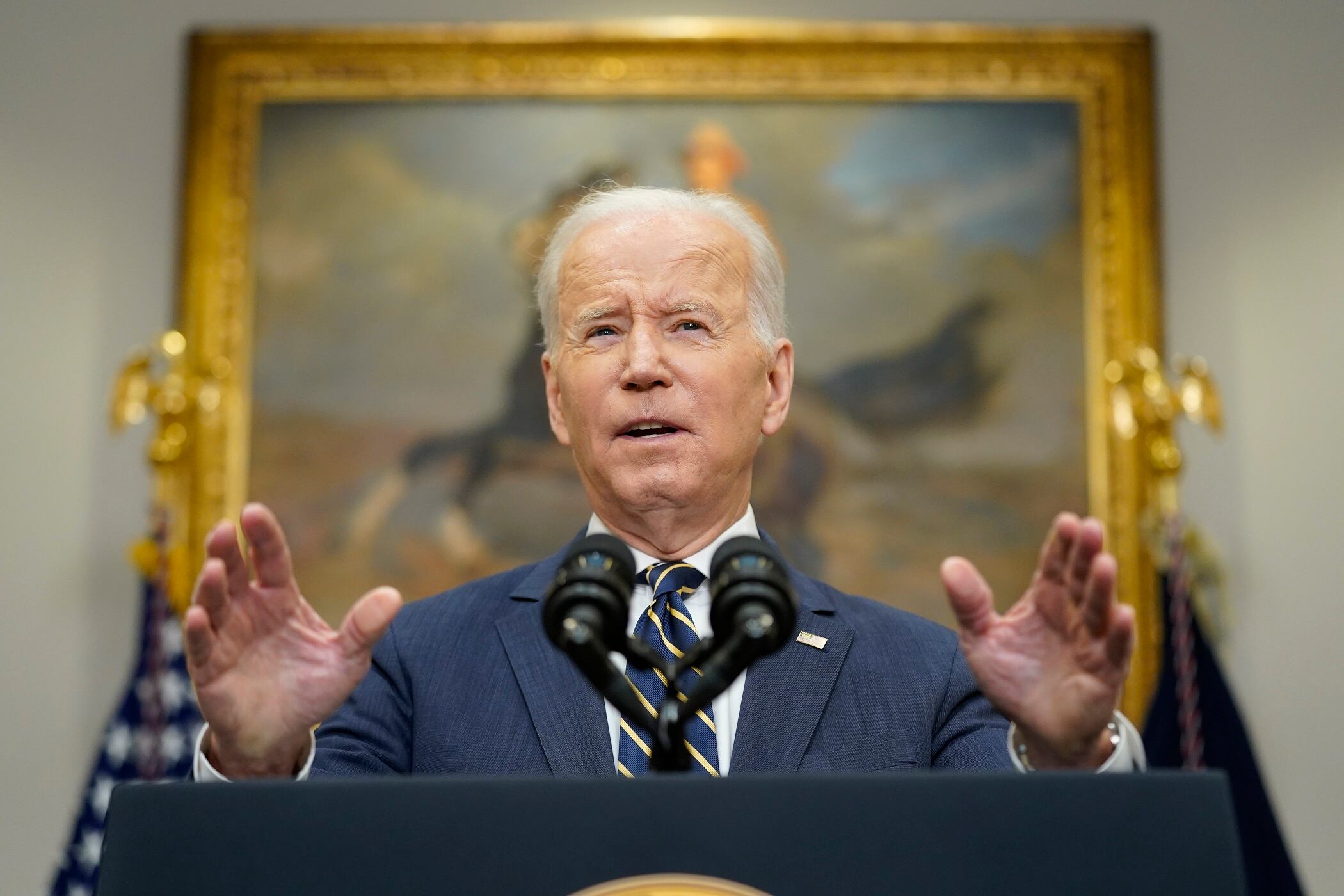
President Joe Biden announced Friday that along with the European Union and the Group of Seven countries, the U.S. will revoke “most favored nation” trade status for Russia over its invasion of Ukraine.
The consumer price index jumped 7.9 percent in February, marking a 40-year high for inflation in the U.S. This report comes less than a week ahead of the Fed's all important meeting. Kayla Bruun, Economic Analyst, Morning Consult, joined Cheddar's Opening Bell to discuss.
Markets opened lower amid hotter-than-expected inflation data, which surged to its highest level in nearly 40 years. Lisa Erickson, Senior Vice President and Co-Head, Public Markets Group, U.S. Bank joined Cheddar's Opening Bell to discuss the significance of this figure ahead of the Federal Reserve's FOMC meeting.
As the Russia-Ukraine war disrupts the global economy, sending markets on a roller coaster ride, gold remains hovering around $2,000 an ounce. Often seen as a safe haven in times of economic crisis, Jason Cozens, founder and CEO of gold-as-currency platform Glint Pay, joined Cheddar’s Opening Bell to discuss the latest gold rush, how the war is impacting prices, and how people can use Glint to trade in the precious metal. “You know the stock markets and cryptocurrencies are risky investments," he stated. "Whereas gold is just reliable money. It's no one else's liability if you own."
As Western sanctions weigh on Russia's economy, the country is at the risk of defaulting on its debt. Fitch ratings agency has downgraded Russia's debt for the second time in a week, warning a "sovereign default is imminent." Jesse Wheeler, Economic Analyst at Morning Consult, explains what that means, and how it could have ripple effects across the global economy.
Uber Lyft and Doordash are all set to spend $1 million dollars on a campaign and efforts to stop lawmakers from classifying their gig workers as employees. The campaign features TV and online ads highlighting Washington area workers who say they prefer the flexibility of being an independent contractor rather than following the model of a company employee. Professor at NYU. Stern School of Business and author of the sharing economy, Arun Sundararajan, joined Cheddar to discuss more.
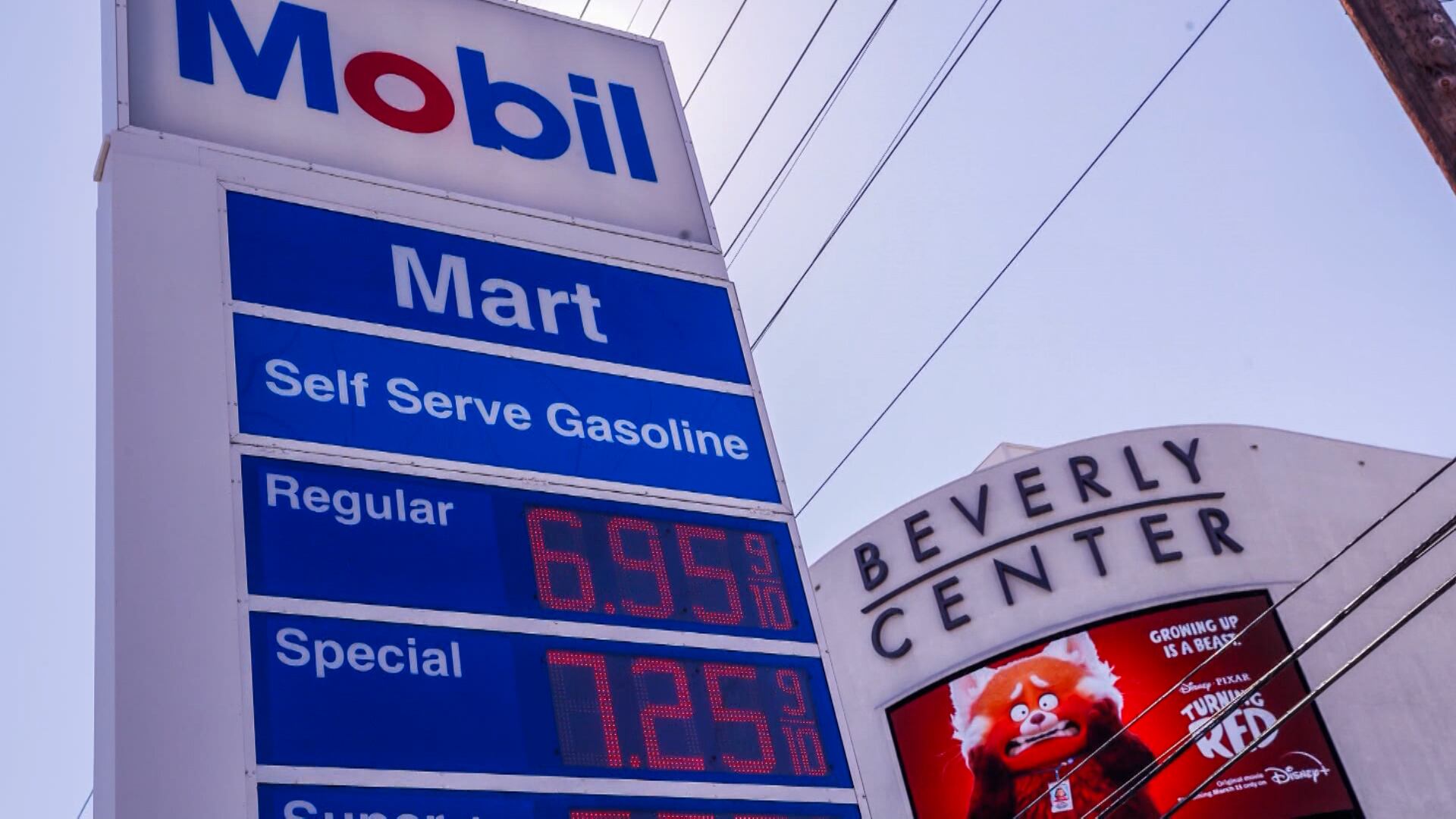
President Biden is looking at unlikely partners to buy oil, after banning all Russian energy imports. Among them is Venezuela, a regime that has been sanctioned by the U.S. since 2019. Ariel Cohen of the Atlantic Council explains to Cheddar News why that might not be a bad choice.