New York Gov. Andrew Cuomo said he plans to sign an executive order that would allow the state government to take personal protective equipment and ventilators from hospitals with less need and redeploy them to areas harder hit by the coronavirus outbreak.
The governor said he has spoken with hospital administrators and understands the reluctance to give up essential equipment, but that he wants to avoid a situation where COVID-19 patients are dying in one part of the state while ventilators sit unused in another part of the state.
"The theory is that if the government gets them, they will never get them back. I understand that, but I don't have an option," Cuomo said.
The move marks an expansion of a broader effort to coordinate the state's patchwork of regional health systems and public and private hospitals. The state is surveying hospitals nightly to determine case-loads, personnel needs, and inventories of needed medical supplies.
"Those institutions will either get their ventilator back or they will be reimbursed and paid for their ventilator so they can buy a new ventilator," the governor said. "I can't do anything more than that."
Several hundred ventilators could be shifted from upstate to downstate New York, according to Cuomo, though the exact amount remains to be determined. He said he's banking on hospitals' goodwill and pushed back against the use of the word "seize" in describing the policy.
"First of all, don't use the word seize," he said. "That's a harsh kind of word. It's sharing of resources. We're not going to have any part of the state not have the resources we need because we didn't share resources."
Cuomo also announced that the 2,500-bed emergency field hospital at the Javits Center in Manhattan will transition into treating COVID-19 patients. It was formerly intended as an overflow hospital for non-COVID cases, but there hasn't been enough demand for those cases.
"As it turned out, we don't have non-COVID people to any great extent in the hospitals," he said. "Hospitals have now turned into, effectively, ICU hospitals for COVID patients."
He said that the general shutdown of the state economy has led to a downturn in other types of medical needs, due to a drop in automobile-related injuries, violent crimes, and other incidents.
The latest numbers on the outbreak include 102,836 total cases, 14,810 hospitalizations, and more than 2,900 deaths, up from 2,300 deaths, which Cuomo called the "highest single increase in the number of deaths since we started."
Meet the new generation running for office in the midterm elections. Maxwell Frost, a 24-year-old Democrat, is the youngest candidate running for Florida’s 10th congressional district. A member of Gen Z (those born after 1996) Frost spoke to Cheddar about objectives that he believes are top of mind for his age bracket, including tackling gun violence, healthcare for all, and LGBTQ+ rights, especially in light of his state's recently enacted, so-called “Don’t Say Gay" law.
President Biden has announced a historic release of oil from the U.S. reserves in an attempt to cut down surging gas prices across the country. The administration will release 1 million barrels of oil per day for the next six months, marking the largest withdrawal in the nearly 50-year history of the country's emergency supply of oil. Patrick DeHaan, Head of Petroleum Analysis at GasBuddy, breaks down why the Biden administration is making this unprecedented move, and what impact it could have on prices at the pump.
The Biden administration plans to freeze federal student loan payments through Aug. 31, extending a moratorium that has allowed millions of Americans to postpone payments during the coronavirus pandemic.
Catching you up on what you need to know on April 5, 2022, with Biden's call for a war crimes trial for Putin, another arrest made in the Sacramento mass shooting, NYC rolling out a campaign against Florida’s "Don’t Say Gay" bill, an aluminum shortage potentially affecting beer and cat food cans, and more.
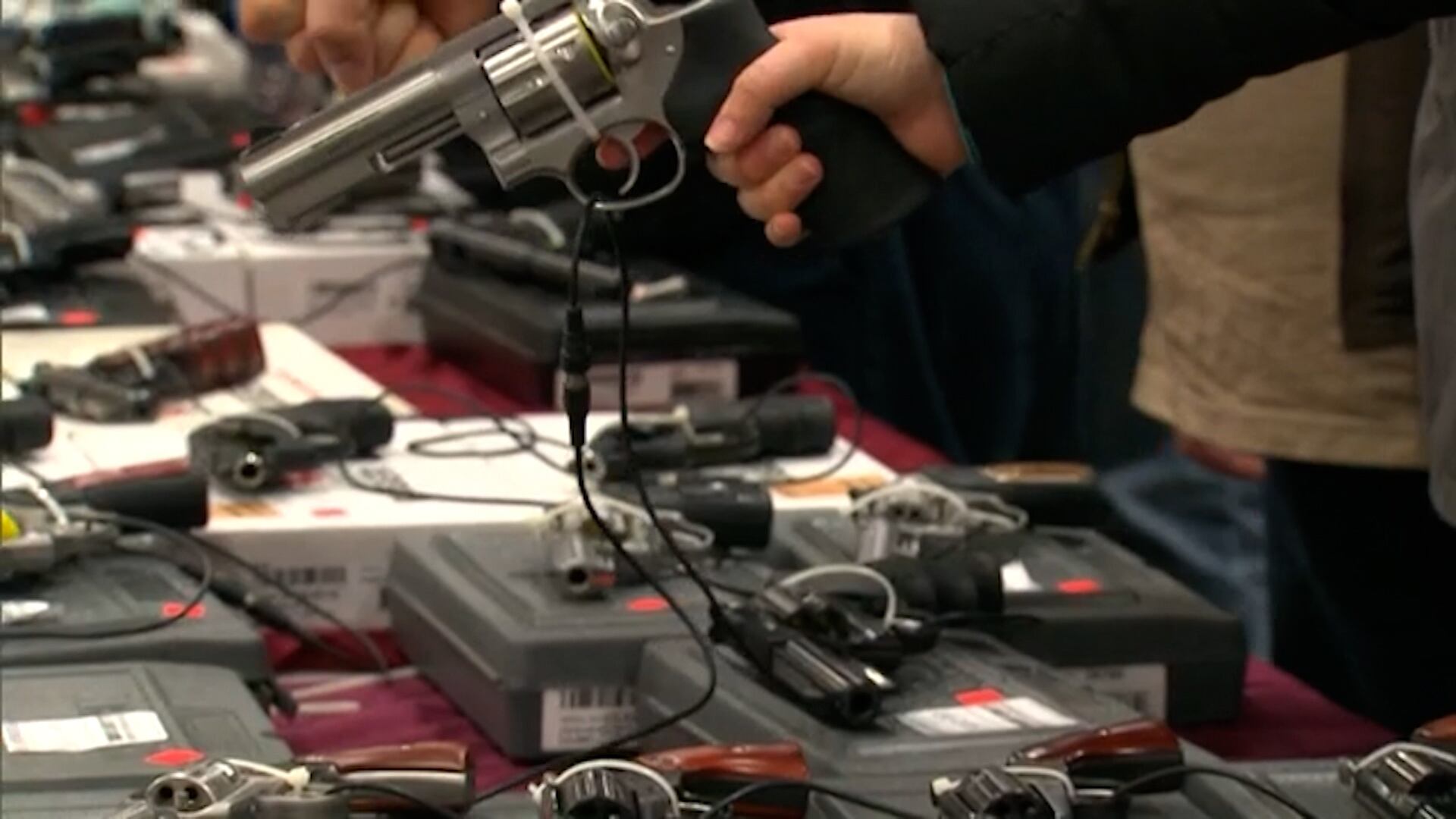
After a devastating mass shooting in Sacramento over the weekend that killed six people and wounded a dozen more, arguments about gun reform are also resurfacing. David Pucino, deputy chief counsel at Giffords Law Center to Prevent Gun Violence, joined Cheddar News to talk about efforts to curb gun violence such as community intervention programs — and the more that needs to be done by lawmakers. "One thing that would be really important is at the federal level closing the loopholes that allow for private sales to go forward without a background check," he noted.