New York Gov. Andrew Cuomo said he plans to sign an executive order that would allow the state government to take personal protective equipment and ventilators from hospitals with less need and redeploy them to areas harder hit by the coronavirus outbreak.
The governor said he has spoken with hospital administrators and understands the reluctance to give up essential equipment, but that he wants to avoid a situation where COVID-19 patients are dying in one part of the state while ventilators sit unused in another part of the state.
"The theory is that if the government gets them, they will never get them back. I understand that, but I don't have an option," Cuomo said.
The move marks an expansion of a broader effort to coordinate the state's patchwork of regional health systems and public and private hospitals. The state is surveying hospitals nightly to determine case-loads, personnel needs, and inventories of needed medical supplies.
"Those institutions will either get their ventilator back or they will be reimbursed and paid for their ventilator so they can buy a new ventilator," the governor said. "I can't do anything more than that."
Several hundred ventilators could be shifted from upstate to downstate New York, according to Cuomo, though the exact amount remains to be determined. He said he's banking on hospitals' goodwill and pushed back against the use of the word "seize" in describing the policy.
"First of all, don't use the word seize," he said. "That's a harsh kind of word. It's sharing of resources. We're not going to have any part of the state not have the resources we need because we didn't share resources."
Cuomo also announced that the 2,500-bed emergency field hospital at the Javits Center in Manhattan will transition into treating COVID-19 patients. It was formerly intended as an overflow hospital for non-COVID cases, but there hasn't been enough demand for those cases.
"As it turned out, we don't have non-COVID people to any great extent in the hospitals," he said. "Hospitals have now turned into, effectively, ICU hospitals for COVID patients."
He said that the general shutdown of the state economy has led to a downturn in other types of medical needs, due to a drop in automobile-related injuries, violent crimes, and other incidents.
The latest numbers on the outbreak include 102,836 total cases, 14,810 hospitalizations, and more than 2,900 deaths, up from 2,300 deaths, which Cuomo called the "highest single increase in the number of deaths since we started."
Catching you up on what you need to know on April 13, 2022, with President Biden referring to the Russian invasion of Ukraine as a genocide, a suspect has been identified in the Brooklyn subway shooting that injured 23 people, New York’s lieutenant governor has resigned due to bribery allegations, and more.
A shooter opened fire inside a busy subway car in New York on Tuesday creating chaos. Cheddar News speaks with Ralph Cilento, Professor of Police Science at John Jay College of Criminal Justice who gives tips on how to proceed in active shooter situations.
David Katz, a former federal agent with the Department of Justice, and currently founder, CEO, and owner of Global Security Group, joined Cheddar News to talk about the Tuesday mass shooting on a subway train in Brooklyn, N.Y. even as local authorities have so far stated it was not being investigated as a potential terrorist attack. "At this point between the commissioner of the NYPD and the governor of New York, they're almost saying, 'well, it's an active shooter incident.' Okay, but active shooter incidents can also be motivated by terrorism, so until we know motive, we can't make that conclusion at all," Katz said.
Catching you up with what you need to know on Apr 12, 2022, with Russia concentrating forces in eastern Ukraine, rising inflation, severe weather from Minnesota to the Gulf Coast, Philadelphia brings back its indoor mask mandate, PG&E pays $55 million for wildfire settlement, and more
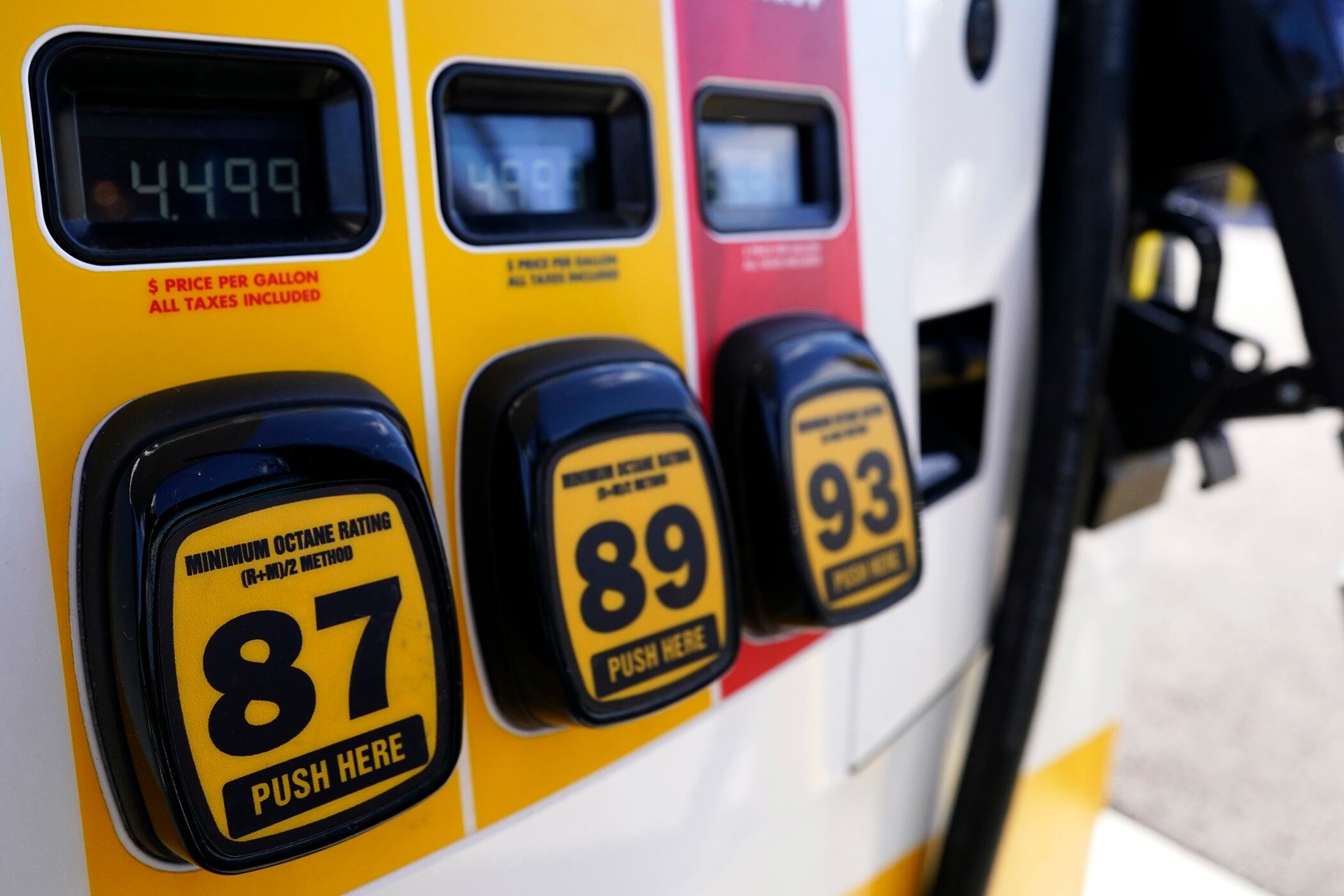
President Joe Biden is visiting corn-rich Iowa to announce he’ll suspend a federal rule preventing the sale of higher ethanol blend gasoline in the summer.
The March consumer price index showed a 1.2 percent month-over-month increase and 8.5 percent increase from a year ago, which was the highest reading since 1981.
U.S. stocks saw a jump in the final hour of Thursday's session, and ultimately closed slightly higher for the day. Tim Pagliara, Chief Investment Officer of CapWealth, joined Cheddar News' Closing Bell to discuss. "The markets have had to digest a lot of action from the federal reserve this quarter and it's affecting everything from mortgage rates to how they value stocks," he said.
Rukmani Bhatia, Senior Federal Affairs Manager at Giffords, joined Cheddar News' Closing Bell to discuss the importance of regulating ghost guns as a way to curb U.S. gun violence, which kills more than 40,000 Americans every year.
Gary Schlossberg, Global Strategist at Wells Fargo Investment Institute, joined Cheddar News' Closing Bell to discuss the dire situation caused by Russia's war on Ukraine, as the region is key for exporting grains and corn, and as the UN Food & Agriculture Organization says food prices rose to the highest levels ever in March.