New York Gov. Andrew Cuomo said he plans to sign an executive order that would allow the state government to take personal protective equipment and ventilators from hospitals with less need and redeploy them to areas harder hit by the coronavirus outbreak.
The governor said he has spoken with hospital administrators and understands the reluctance to give up essential equipment, but that he wants to avoid a situation where COVID-19 patients are dying in one part of the state while ventilators sit unused in another part of the state.
"The theory is that if the government gets them, they will never get them back. I understand that, but I don't have an option," Cuomo said.
The move marks an expansion of a broader effort to coordinate the state's patchwork of regional health systems and public and private hospitals. The state is surveying hospitals nightly to determine case-loads, personnel needs, and inventories of needed medical supplies.
"Those institutions will either get their ventilator back or they will be reimbursed and paid for their ventilator so they can buy a new ventilator," the governor said. "I can't do anything more than that."
Several hundred ventilators could be shifted from upstate to downstate New York, according to Cuomo, though the exact amount remains to be determined. He said he's banking on hospitals' goodwill and pushed back against the use of the word "seize" in describing the policy.
"First of all, don't use the word seize," he said. "That's a harsh kind of word. It's sharing of resources. We're not going to have any part of the state not have the resources we need because we didn't share resources."
Cuomo also announced that the 2,500-bed emergency field hospital at the Javits Center in Manhattan will transition into treating COVID-19 patients. It was formerly intended as an overflow hospital for non-COVID cases, but there hasn't been enough demand for those cases.
"As it turned out, we don't have non-COVID people to any great extent in the hospitals," he said. "Hospitals have now turned into, effectively, ICU hospitals for COVID patients."
He said that the general shutdown of the state economy has led to a downturn in other types of medical needs, due to a drop in automobile-related injuries, violent crimes, and other incidents.
The latest numbers on the outbreak include 102,836 total cases, 14,810 hospitalizations, and more than 2,900 deaths, up from 2,300 deaths, which Cuomo called the "highest single increase in the number of deaths since we started."
Carlo and Baker cover the latest developments with the Omicron variant, and break down what we know and what we still don't. Plus, a relatively tame Black Friday, and more.
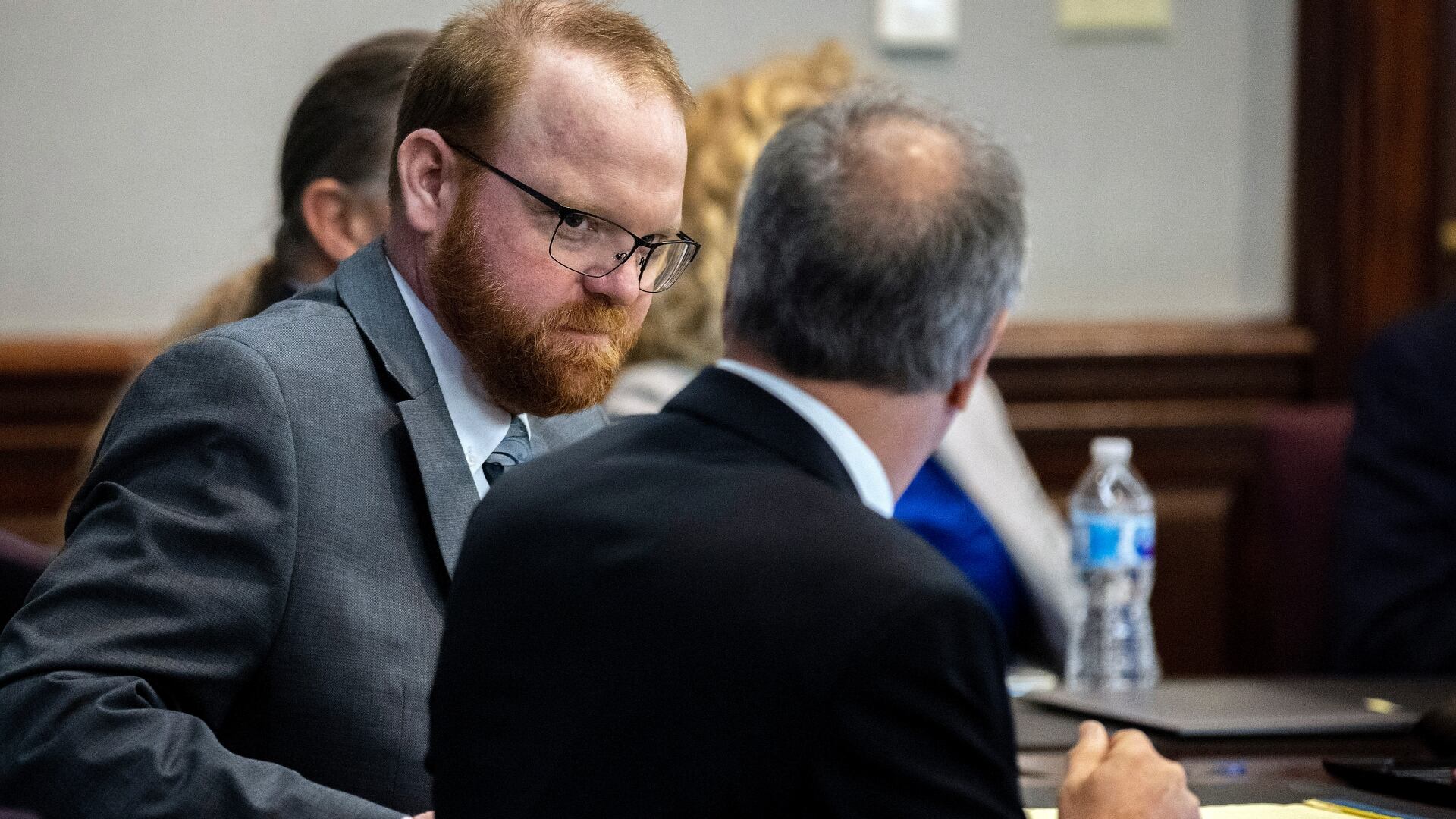
Jurors on Wednesday convicted the three white men charged in the death of Ahmaud Arbery, the Black man who was chased and fatally shot while running through their Georgia neighborhood in an attack that became part of the larger national reckoning on racial injustice during the summer of 2020. Trial attorney and former prosecutor Leslie Ricard Chambers joins Cheddar News' Closing Bell to discuss the verdict, possible sentencing, and more.
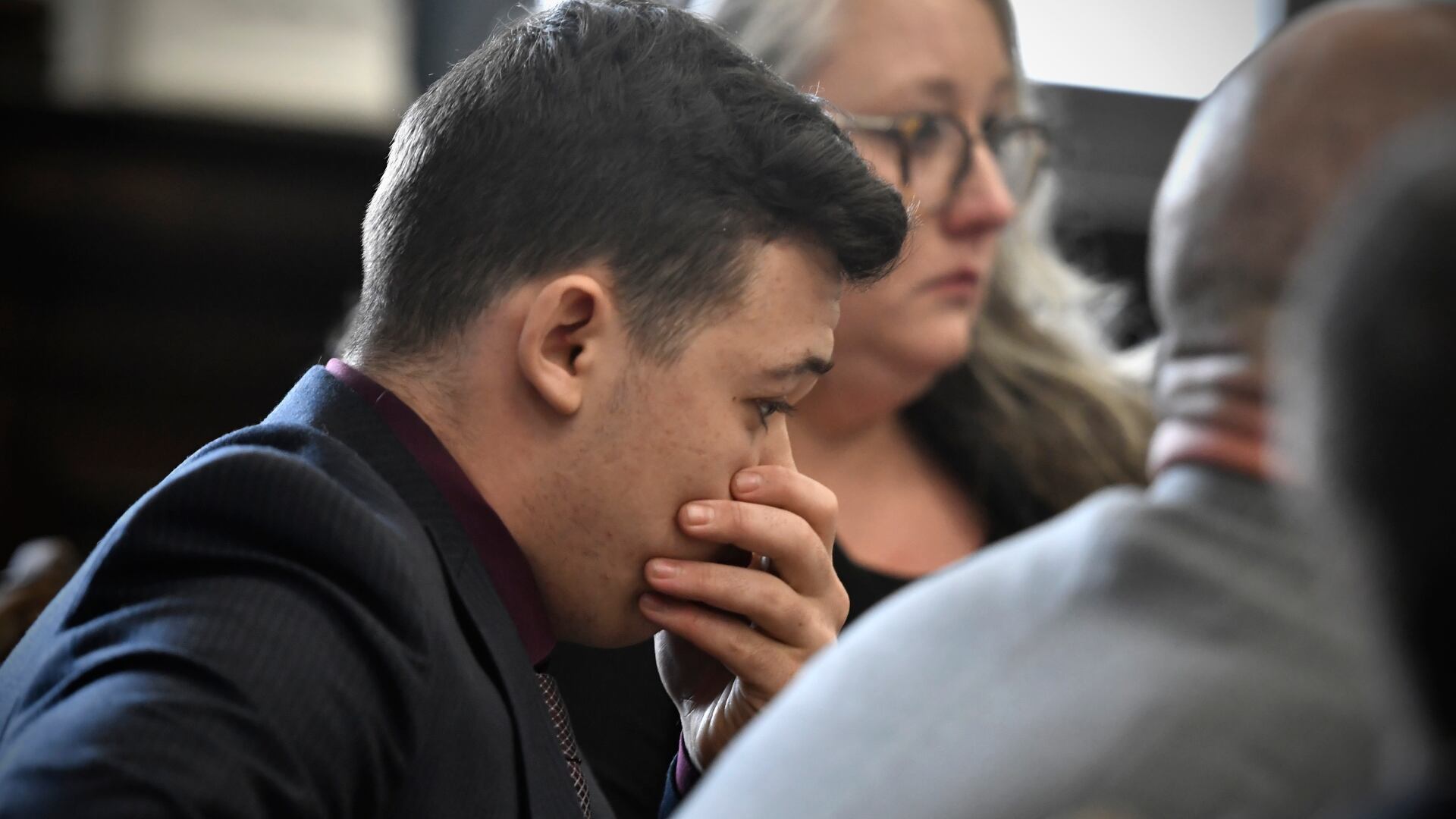
Kyle Rittenhouse was acquitted of all charges Friday after pleading self-defense in the deadly Kenosha shootings that became a flashpoint in the debate over guns, vigilantism and racial injustice in the U.S. Criminal Defense Attorney Anthony Tall joins Cheddar News' Closing Bell to discuss the verdict, potential judicial precedent, and more.
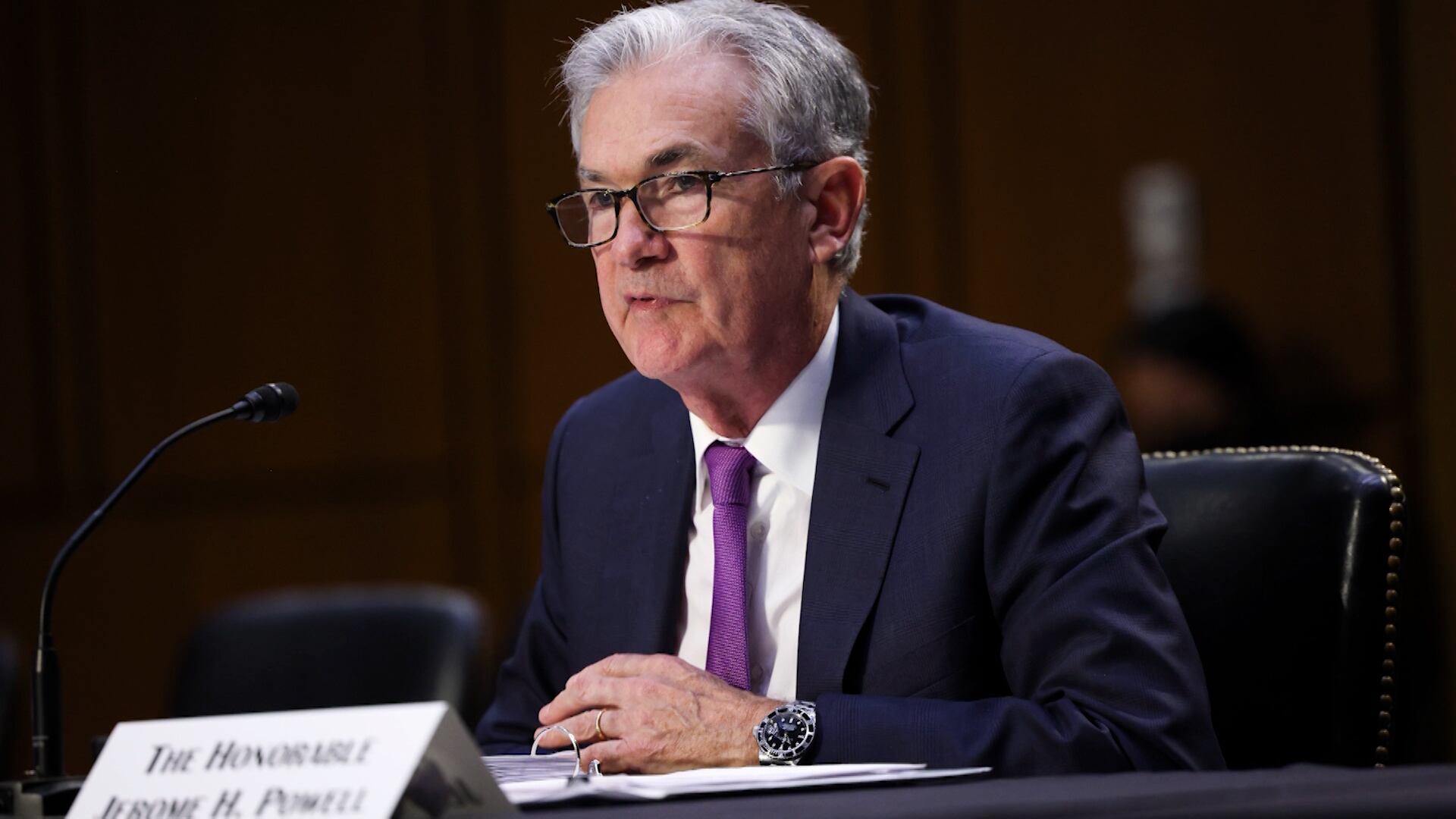
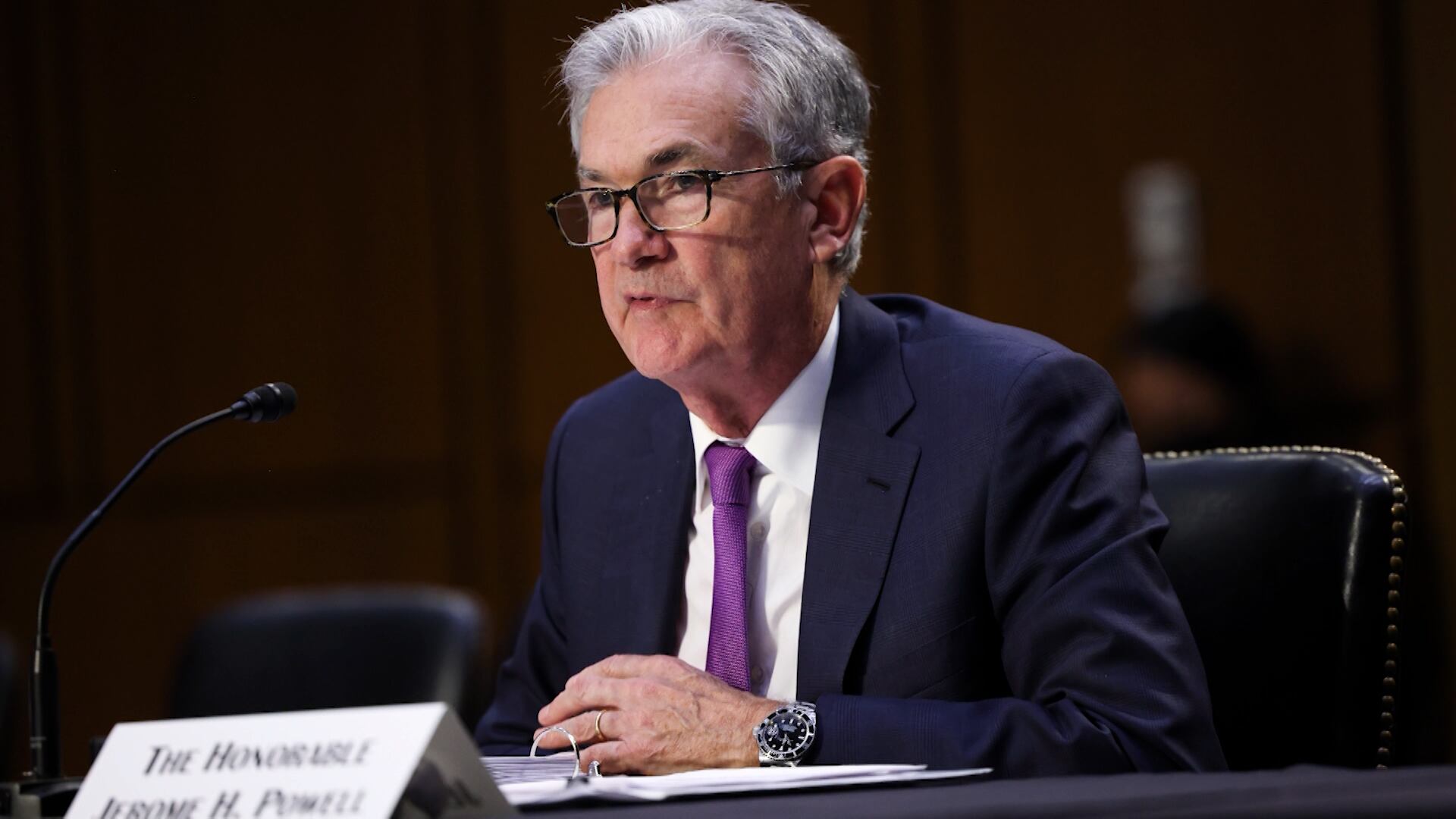
President Biden has announced his intent to nominate Fed chair Jerome Powell for another four-year term, with Lael Brainard serving as vice chair. This comes at a crucial time for the economy as inflation is surging, the supply chain is broken, and labor shortages are hampering businesses across the country. Sabrina Escobar, reporter for Barron's, discusses why Biden passed up the opportunity to put the central bank in the hands of a Democrat, and what challenges Powell faces in his second term.
Jill and Carlo are a bit delayed today on account of Carlo's internet not working. Better late than never, they discuss what we know about the suspect in the Christmas parade crash, closing arguments in the Arbery killing trial, and more.
Stocks began the week closing at session lows on a day when bond yields rose and President Biden decided to stick with Jerome Powell as Fed Chair. Bryan Lee, Chief Investment Officer at Blue Zone Wealth Advisors, joins Cheddar News' Closing Bell, where he breaks down the day's activity and discusses what the Fed now needs to do going forward.
President Joe Biden announced Monday he is re-nominating Federal Reserve Chairman Jerome Powell after weeks of speculation that he would choose Democrat and Fed Governor Lael Brainard to fill the role. Biden could be looking for continuity as the U.S. continues to grapple with COVID-19 and high inflation, and investors could be on the same page: markets and treasuries ticked up after the White House made the announcement. MarketWatch Senior Reporter Greg Robb joins Cheddar News' Closing Bell to discuss Powell's re-nomination, what we can expect from the Fed's December meeting, whether it will speed up its taper timeline, and more.