New York Gov. Andrew Cuomo said he plans to sign an executive order that would allow the state government to take personal protective equipment and ventilators from hospitals with less need and redeploy them to areas harder hit by the coronavirus outbreak.
The governor said he has spoken with hospital administrators and understands the reluctance to give up essential equipment, but that he wants to avoid a situation where COVID-19 patients are dying in one part of the state while ventilators sit unused in another part of the state.
"The theory is that if the government gets them, they will never get them back. I understand that, but I don't have an option," Cuomo said.
The move marks an expansion of a broader effort to coordinate the state's patchwork of regional health systems and public and private hospitals. The state is surveying hospitals nightly to determine case-loads, personnel needs, and inventories of needed medical supplies.
"Those institutions will either get their ventilator back or they will be reimbursed and paid for their ventilator so they can buy a new ventilator," the governor said. "I can't do anything more than that."
Several hundred ventilators could be shifted from upstate to downstate New York, according to Cuomo, though the exact amount remains to be determined. He said he's banking on hospitals' goodwill and pushed back against the use of the word "seize" in describing the policy.
"First of all, don't use the word seize," he said. "That's a harsh kind of word. It's sharing of resources. We're not going to have any part of the state not have the resources we need because we didn't share resources."
Cuomo also announced that the 2,500-bed emergency field hospital at the Javits Center in Manhattan will transition into treating COVID-19 patients. It was formerly intended as an overflow hospital for non-COVID cases, but there hasn't been enough demand for those cases.
"As it turned out, we don't have non-COVID people to any great extent in the hospitals," he said. "Hospitals have now turned into, effectively, ICU hospitals for COVID patients."
He said that the general shutdown of the state economy has led to a downturn in other types of medical needs, due to a drop in automobile-related injuries, violent crimes, and other incidents.
The latest numbers on the outbreak include 102,836 total cases, 14,810 hospitalizations, and more than 2,900 deaths, up from 2,300 deaths, which Cuomo called the "highest single increase in the number of deaths since we started."
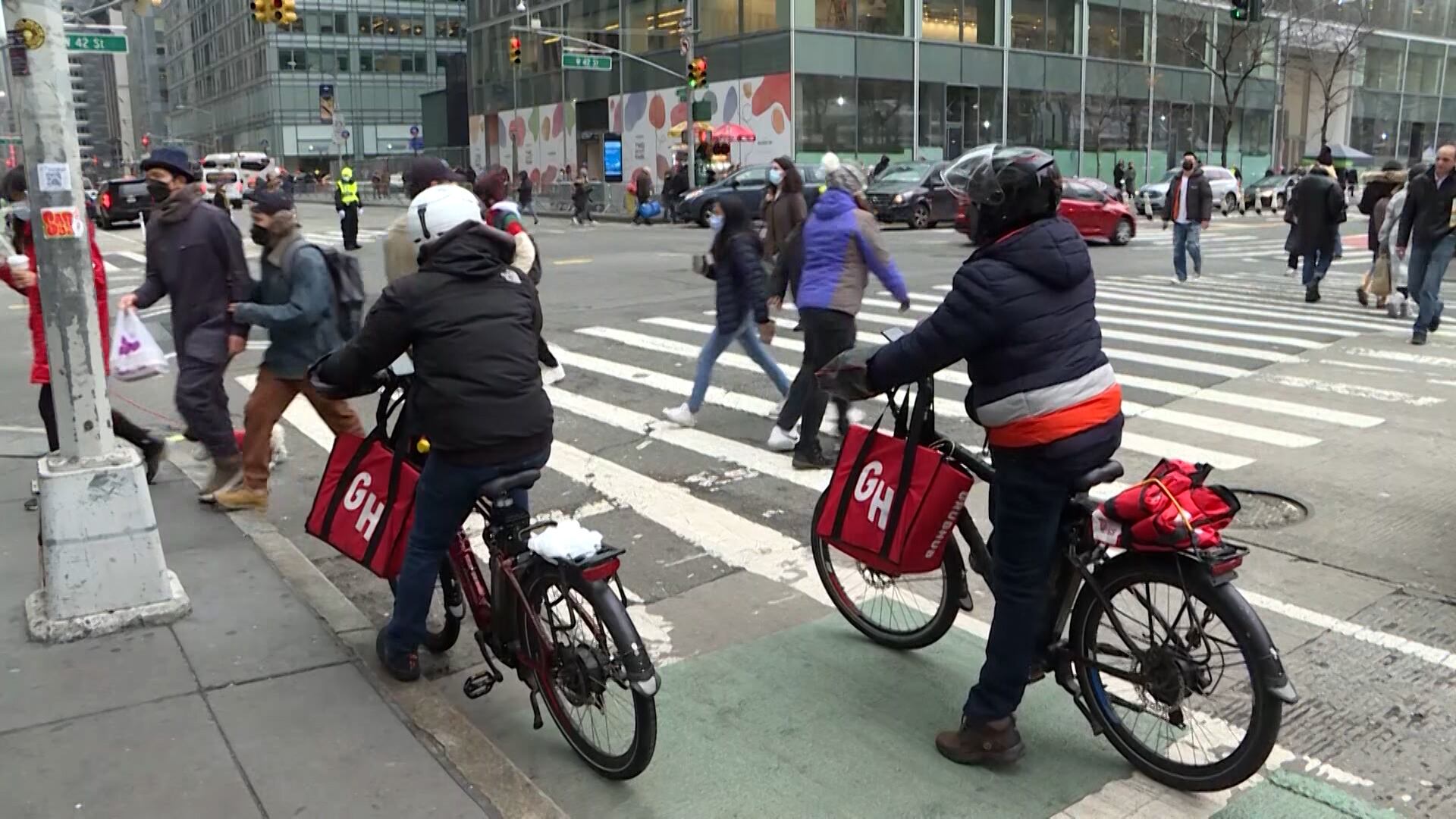
Big Apple workers who deliver for food apps like Doordash and Grubhub will now receive a number of legal protections provided through a package of new regulations that have started going into effect. These updated rules include more control over their deliveries, pay and tip transparency, a higher minimum pay rate, and access to restaurant bathrooms during the workday. New York City Comptroller Brad Lander joined Cheddar to elaborate on the regulations and how the platform holders reacted. "I have to say it's a mixed bag," he said. "Grubhub actually welcomed the legislation and said they recognize they need to do better by their deliveristas, but DoorDash, unfortunately, has actually been pushing back against the legislation."
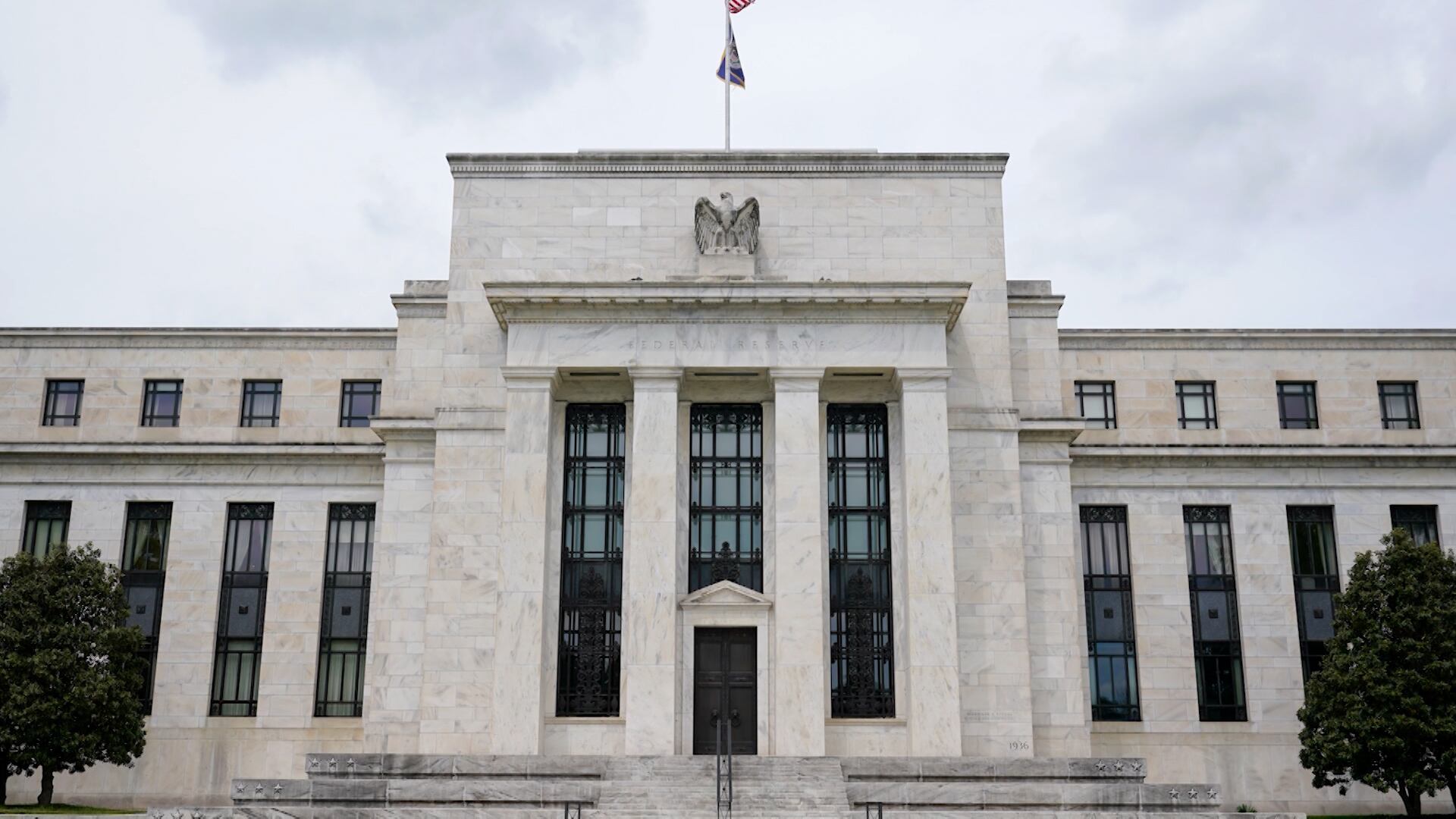
Thomas Hoenig, Former CEO of Federal Reserve Bank of Kansas City and currently Distinguished Senior Fellow with the Mercatus Center, joined Cheddar News' Closing Bell, where he says the Fed's decision was no surprise, but believes the Fed is behind the curve on raising rates.
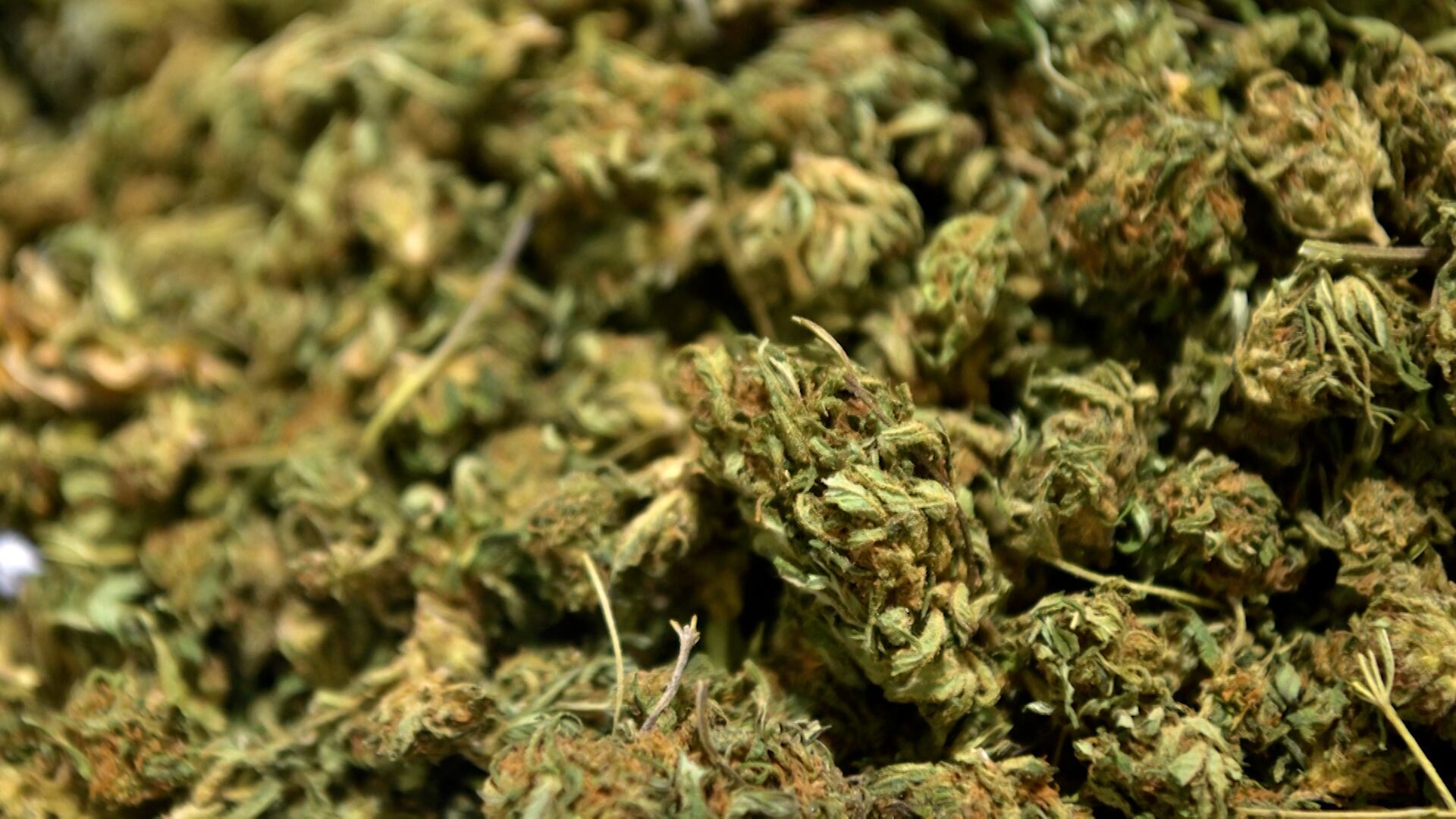
Legal cannabis businesses are having a hard time surviving in California with the high cost of doing business and a still-thriving illicit market. In response, nonprofit Supernova Women, founded by women of color, is advocating on behalf of Black and brown shareholders in the cannabis industry. Amber Senter, co-founder, executive director, and chairman of the organization, spoke with Cheddar News about calling for changes in the Golden State's taxation system for legal marijuana. "We're really leaning on the legislators now to support the industry and make sure that this industry, in particular craft cannabis, can survive," said Senter.
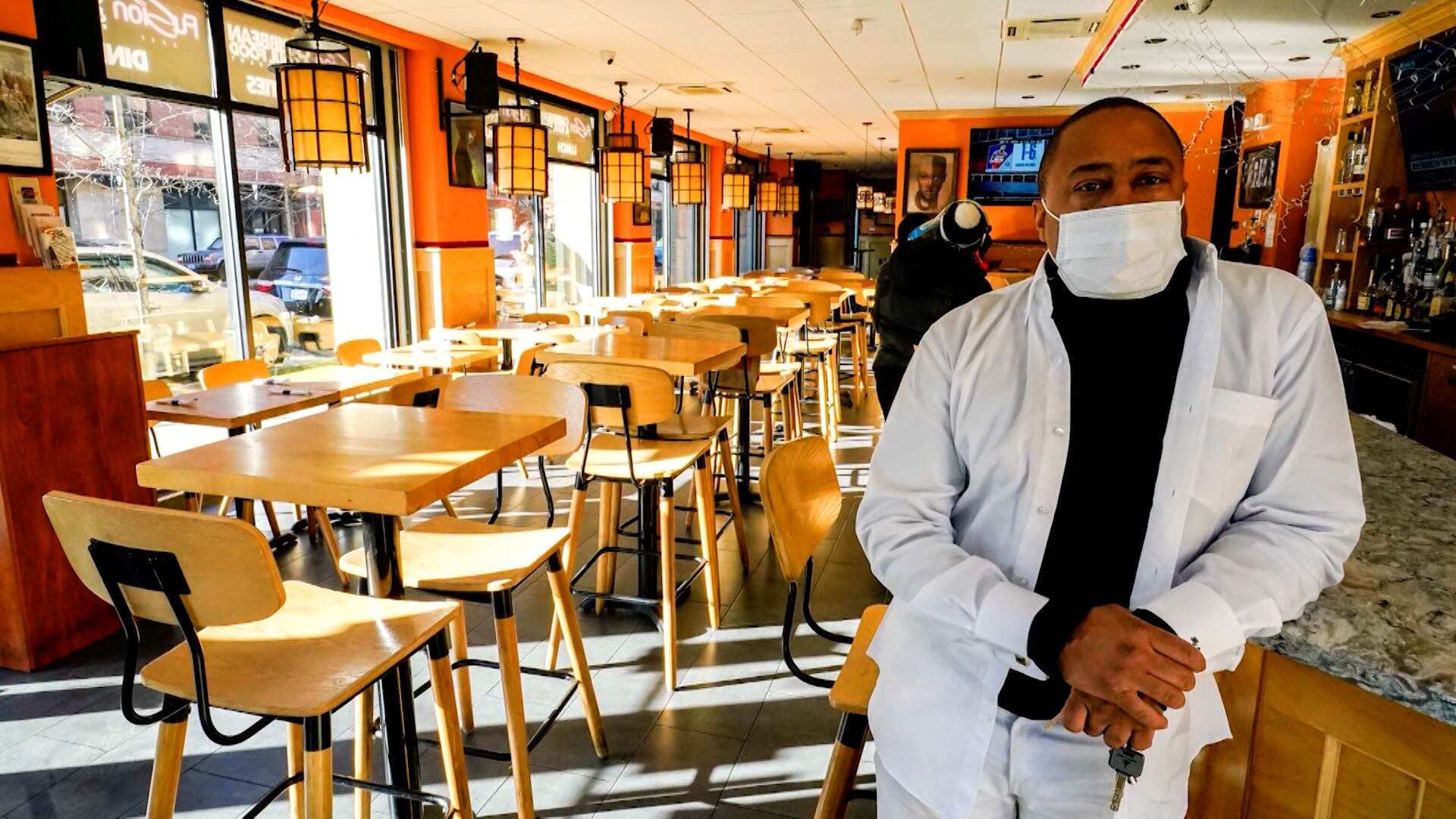
After being among the hardest-hit industries by the pandemic, restaurants are still having a hard time staying afloat, with owners claiming that business is worse now due to closures from staff shortages and customer decline than it was three months ago. Mike Whatley, vice president of state affairs and grassroots advocacy for the National Restaurant Association, spoke to Cheddar News about how the sector is reaching out to lawmakers for help. "Working with Senators Wicker, Sinema, and a whole host of bipartisan leaders, we're trying to get the Restaurant Revitalization Fund replenished," Whatley said.
Communities of color are disproportionately affected by climate change and continuously feel the impacts. Mark Magaña, founding president and CEO of Green Latinos joined All Hands to discuss.
The memoir, "COMPROMISED: Counterintelligence and the Threat of Donald J. Trump", tells a familiar story from a bit of a different source: Peter Strzok himself, former FBI Counterintelligence Agents and Agency Veteran who spent most of his very long career investigating some of the most controversial inquiries, most notably in recent American history. Those inquiries were Hillary Clinton's email to even Trump Russia investigations. Former FBI Agent and Author of "Compromised" Peter Strzok, joined Cheddar to discuss more.
President Biden's first year did not come to the close that he had hoped after last night's Senate vote blocked the voting rights bill, a priority that Biden has promoted since his inauguration. Joining us to discuss the voting rights bill, and many others passing through congress is congresswoman Lori Trahan, representing Massachusett's 3rd district.