Within the hallways of the U.S. Capitol, there is growing confidence by GOP Senators that Senate Majority Leader Mitch McConnell can whip his caucus to block a vote on witnesses Friday.
While returning to the chamber after a short break Thursday, Senator Tim Scott (R-S.C.) told Cheddar he's "feeling good" about tomorrow's expected vote.
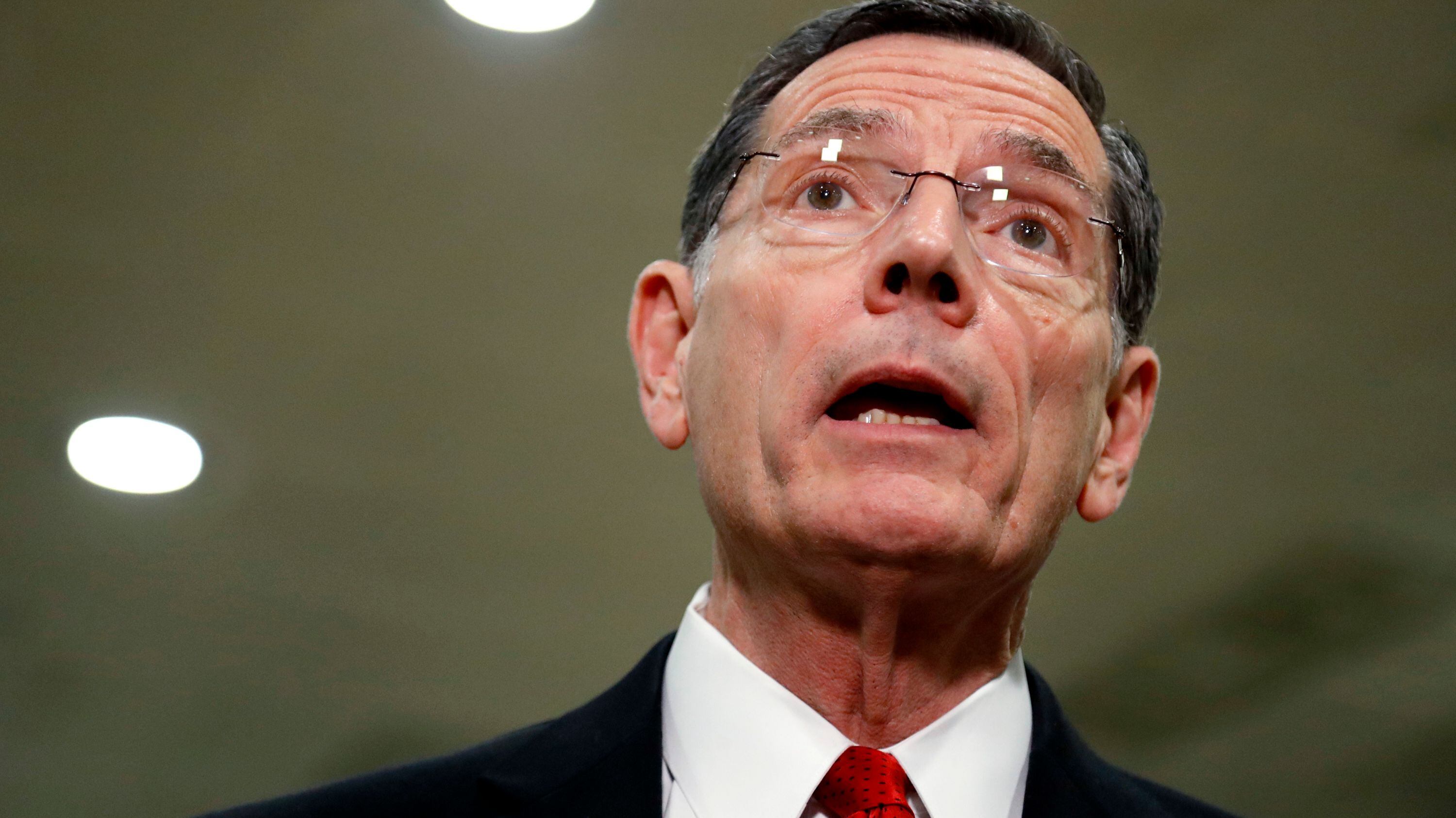
Senator John Barrasso (R-Wyo.) told reporters during the break that Republicans have the "momentum" to move to end the trial tomorrow without witnesses. "If we're able to say no [to witnesses] and go right to final judgment, we'd move in that direction and stay here until that work is decided and completed Friday evening. That's where all the momentum is now."
Still up for debate is what, exactly, happens, if the Republicans vote to end the debate on witnesses quickly.
Meanwhile, back in the chamber, lead impeachment manager Adam Schiff said witness depositions could be limited to just one week and said that the trial should not be rushed just because the State of the Union is Tuesday.
After the break, Senators asked two bipartisan questions, both of which were from senators who may still be undecided on the issue of whether to allow witnesses. First, Senators Joe Manchin (D-W.Va.), Susan Collins (R-Maine), Lisa Murkowski (R-Alaska), and Kyrsten Sinema (D-Ariz.) asked the defense team if the president would assure them that private citizens would not be directed to conduct foreign policy unless formally designated by the president and the State Department.
Murkowski and Senator Brian Schatz (D-Hawaii) submitted the second bipartisan question, asking if any action a president takes is inherently political and where the line is between permissible political actions and impeachable political actions.
In President Bill Clinton's impeachment trial, there was only one bipartisan question asked, which Sen. Collins had signed onto at the time.
The federal government's budget is set to expire this Friday at midnight. In a last-ditch attempt to avoid a fiscal cliff, House Speaker Paul Ryan (R-WI) is trying to woo Democrats by pushing a short-term stopgap bill that would extend the Children's Health Insurance Program (CHIP) for six years.
Bitcoin continues its downward spiral on regulation fears. The fight for net neutrality is gaining traction after 21 states filed a lawsuit challenging the FCC's recent decision to roll back Obama-era regulations. The spotlight is on Former White House aide Steve Bannon in the Russia investigation. Plus, we'll tell you where Wal-Mart's best ideas are coming from.
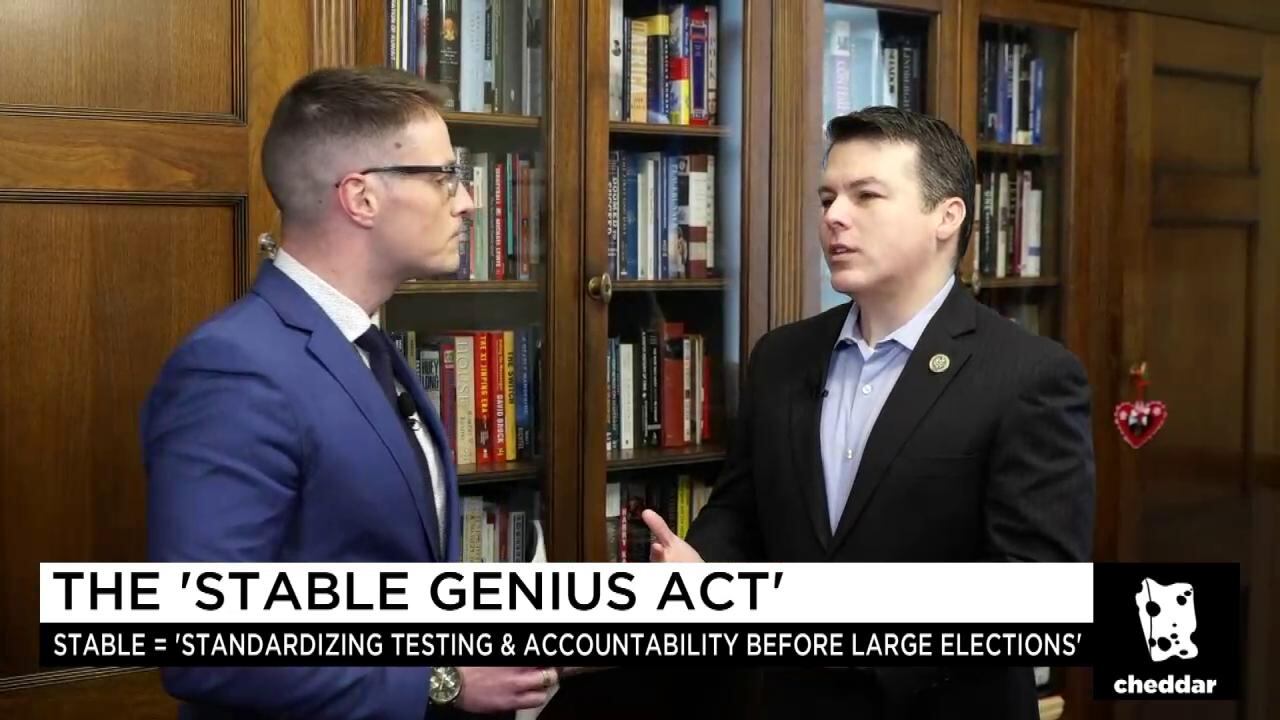
Rep. Boyle (D-PA) introduced a bill, the "Stable Genius Act," that would provide a safeguard for Americans by requiring a physical and cognitive exam for presidential candidates.
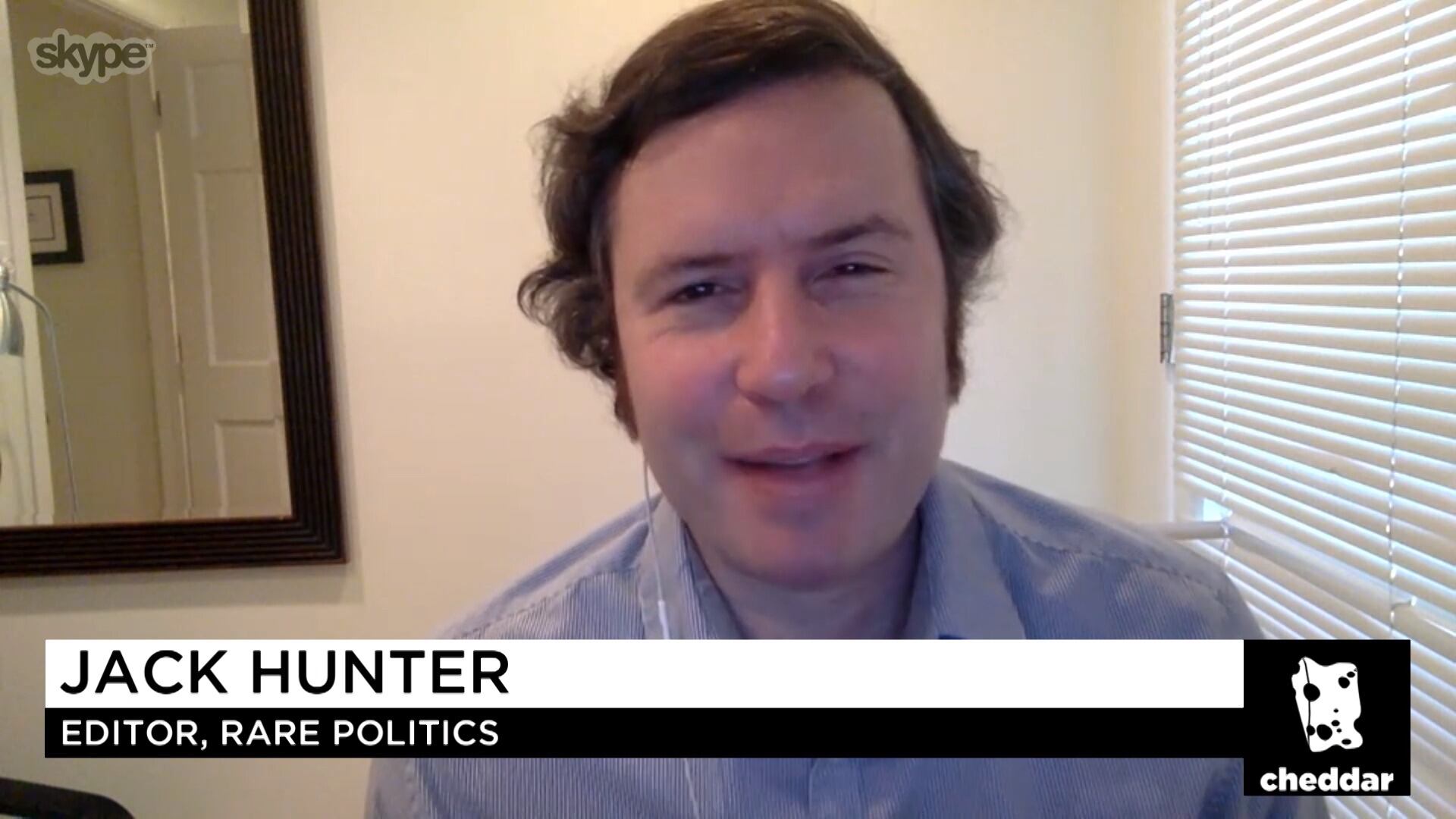
Jack Hunter, editor of Rare Politics, discusses Bannon's 10-hour testimony before the House Intel Committee yesterday where he cited executive privilege to avoid answering questions about his time in the West Wing. Hunter also digs into the government shutdown that will take place at the end of the week if the House and Senate are not able to agree on a plan to extend government funding.
A look at the business of marijuana on Cheddar Cannabiz. Vermont awaits the Governor's signature on a bill making recreational marijuana legal. A former Brooklyn D.A. prosecutor has a new crime series. Facebook announce changes are coming to messenger. Bitcoin and other cryptocurrencies plunge as some countries call for more regulation. The White House releases the results of President Trump's health exam.
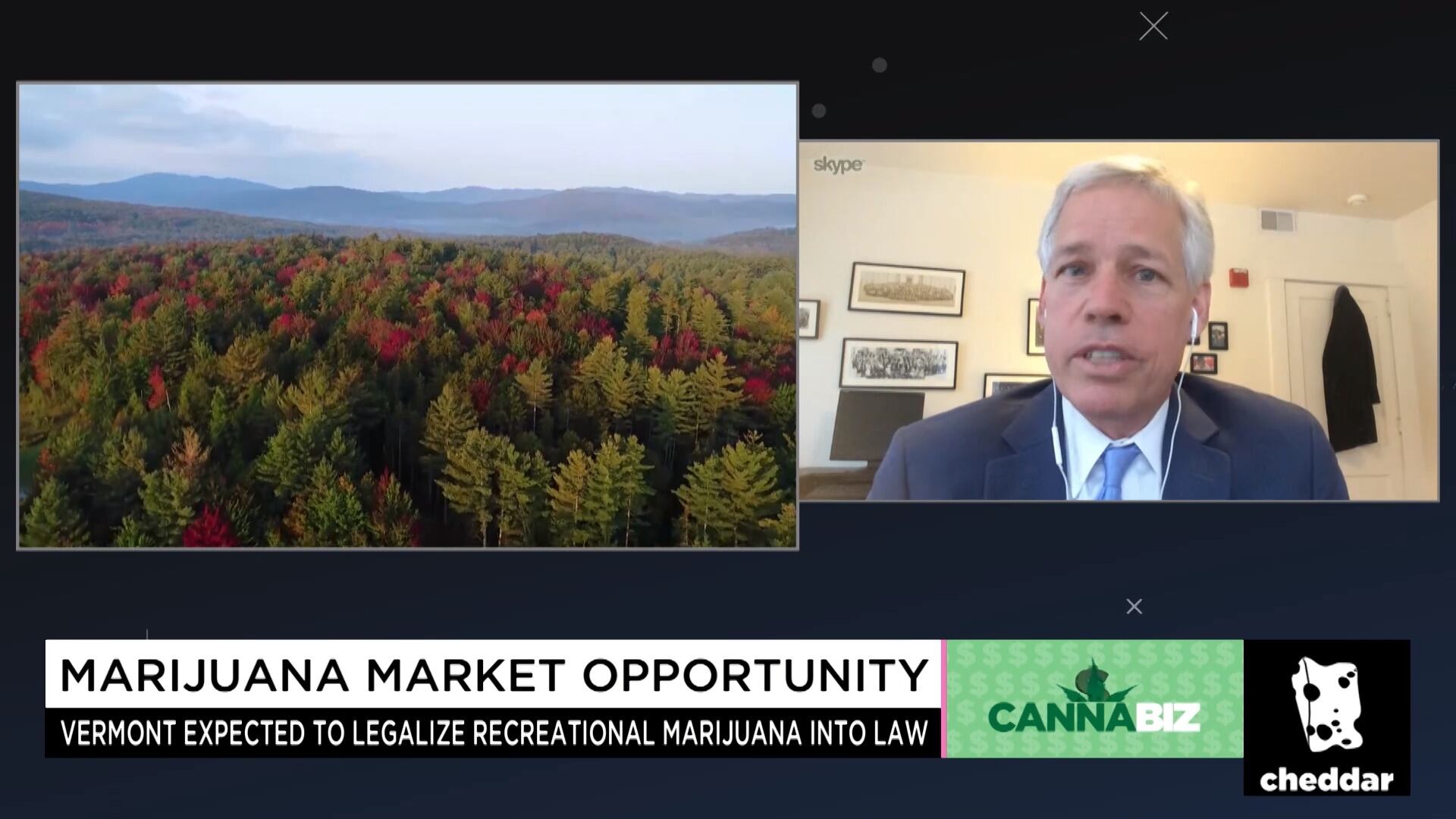
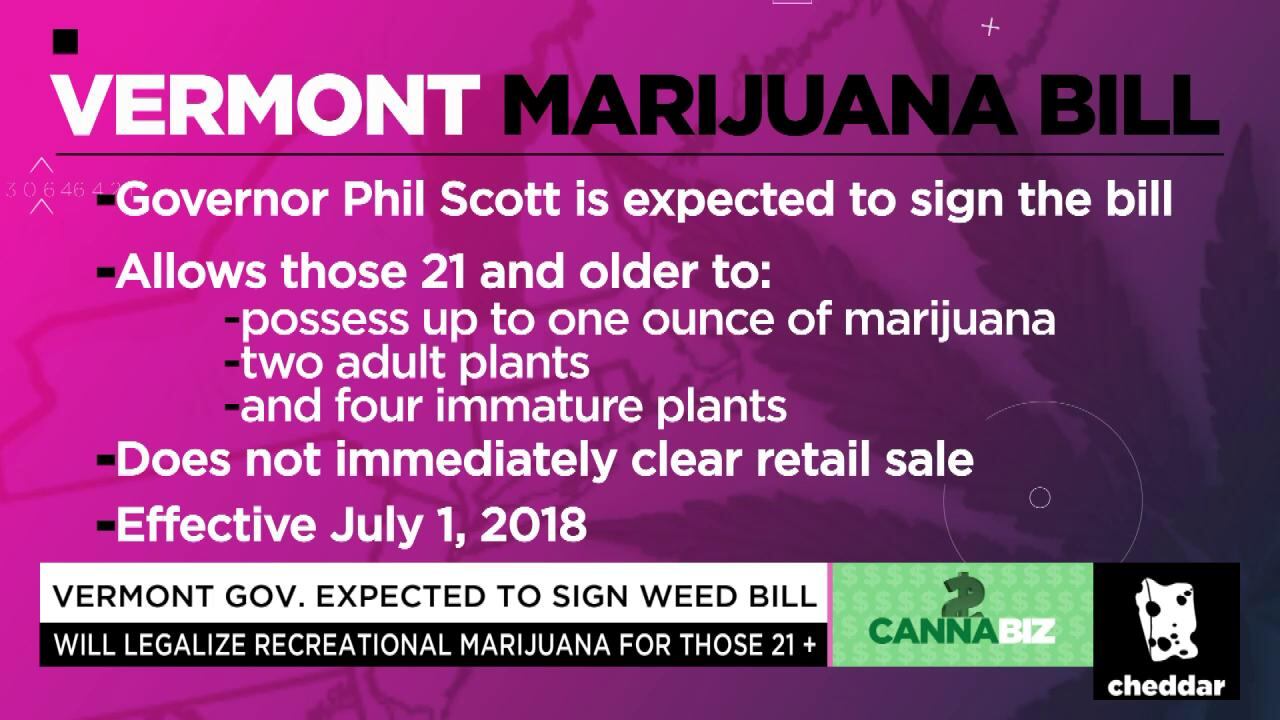
Vermont could be the next state to change it's current marijuana laws. Vermont Governor Phil Scott planning to sign a bill to legalize marijuana for those 21 years or older. This will make Vermont the first state to do so through legislation. Montpelier, Vermont Mayor John Hollar explains how this could impact the growing market.
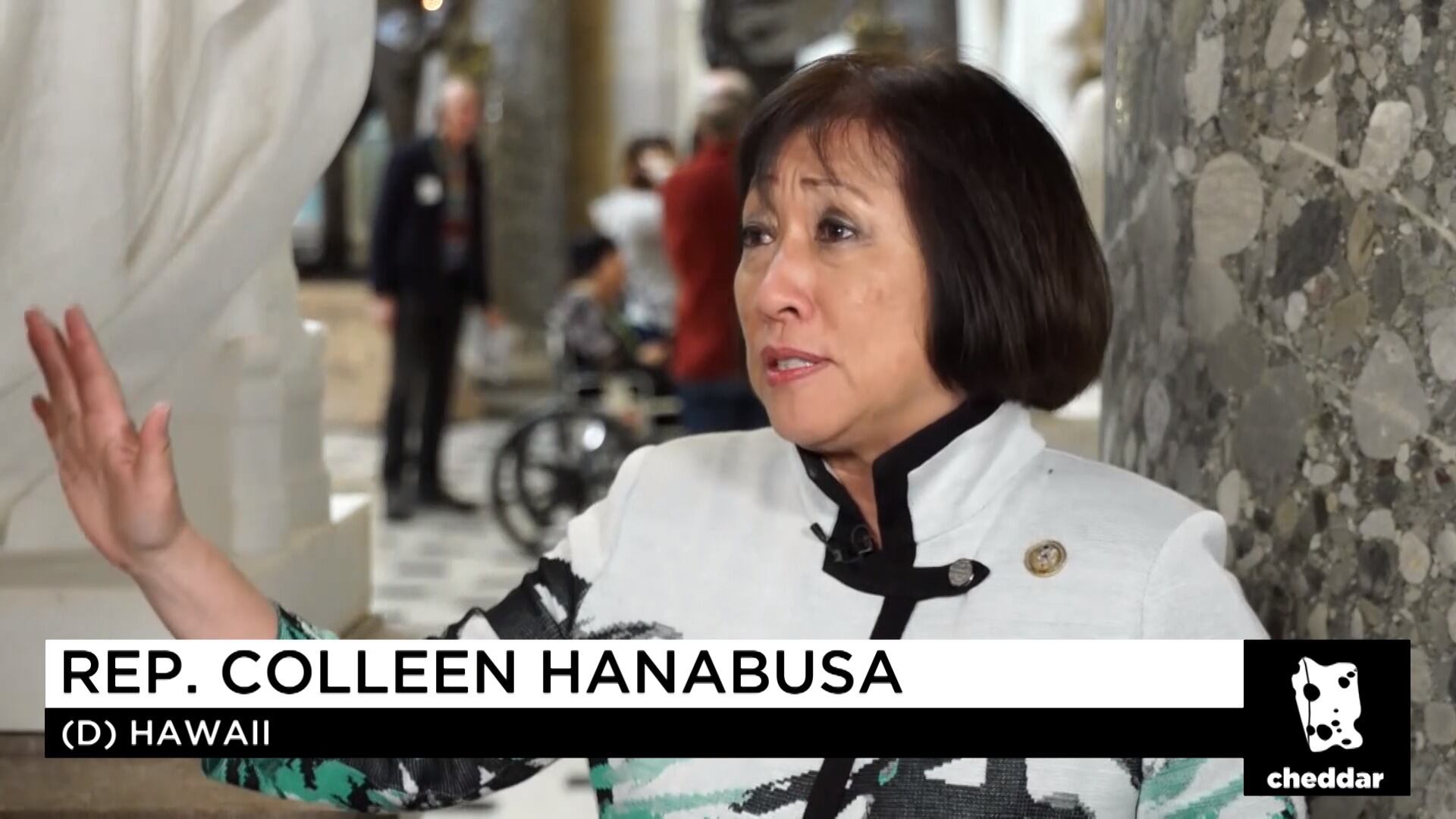
An emergency alert warning of an inbound ballistic missile was blasted out to Hawaii residents on Saturday, causing chaos for 38 minutes before being retracted. Congresswoman Colleen Hanabusa represents the first district of Hawaii, and calls the false alarm unacceptable.
John Hollar, Mayor of capital city Montpelier, says that although cannabis is being legalized in Vermont, more needs to be done on a federal level.
This Changes Things: Advice for the executives and leaders of tomorrow, brought to you by American Express OPEN. On Between Bells: the Aziz Ansari controversy, Hawaii's false alarm, and Aaron Carter. With Entrepreneur, CinemaBlend, and more.
As DACA's fate heads into a crucial week, it's still unclear whether the president fully grasps the key numbers and definitions behind the divisive issue. FactCheck.org's Robert Farley joins Cheddar to break down exactly how many people DACA affects and what it really means.