Within the hallways of the U.S. Capitol, there is growing confidence by GOP Senators that Senate Majority Leader Mitch McConnell can whip his caucus to block a vote on witnesses Friday.
While returning to the chamber after a short break Thursday, Senator Tim Scott (R-S.C.) told Cheddar he's "feeling good" about tomorrow's expected vote.
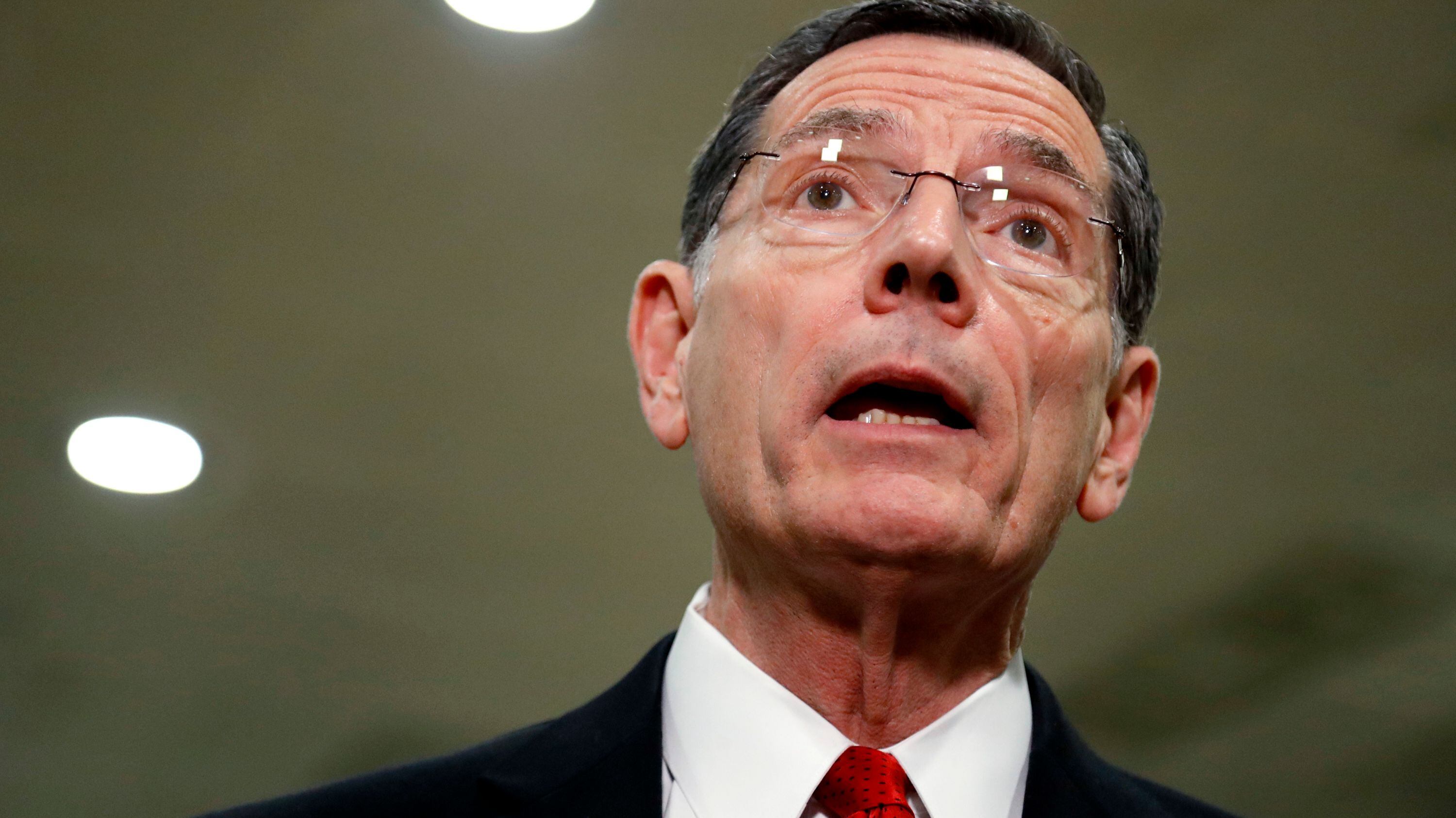
Senator John Barrasso (R-Wyo.) told reporters during the break that Republicans have the "momentum" to move to end the trial tomorrow without witnesses. "If we're able to say no [to witnesses] and go right to final judgment, we'd move in that direction and stay here until that work is decided and completed Friday evening. That's where all the momentum is now."
Still up for debate is what, exactly, happens, if the Republicans vote to end the debate on witnesses quickly.
Meanwhile, back in the chamber, lead impeachment manager Adam Schiff said witness depositions could be limited to just one week and said that the trial should not be rushed just because the State of the Union is Tuesday.
After the break, Senators asked two bipartisan questions, both of which were from senators who may still be undecided on the issue of whether to allow witnesses. First, Senators Joe Manchin (D-W.Va.), Susan Collins (R-Maine), Lisa Murkowski (R-Alaska), and Kyrsten Sinema (D-Ariz.) asked the defense team if the president would assure them that private citizens would not be directed to conduct foreign policy unless formally designated by the president and the State Department.
Murkowski and Senator Brian Schatz (D-Hawaii) submitted the second bipartisan question, asking if any action a president takes is inherently political and where the line is between permissible political actions and impeachable political actions.
In President Bill Clinton's impeachment trial, there was only one bipartisan question asked, which Sen. Collins had signed onto at the time.
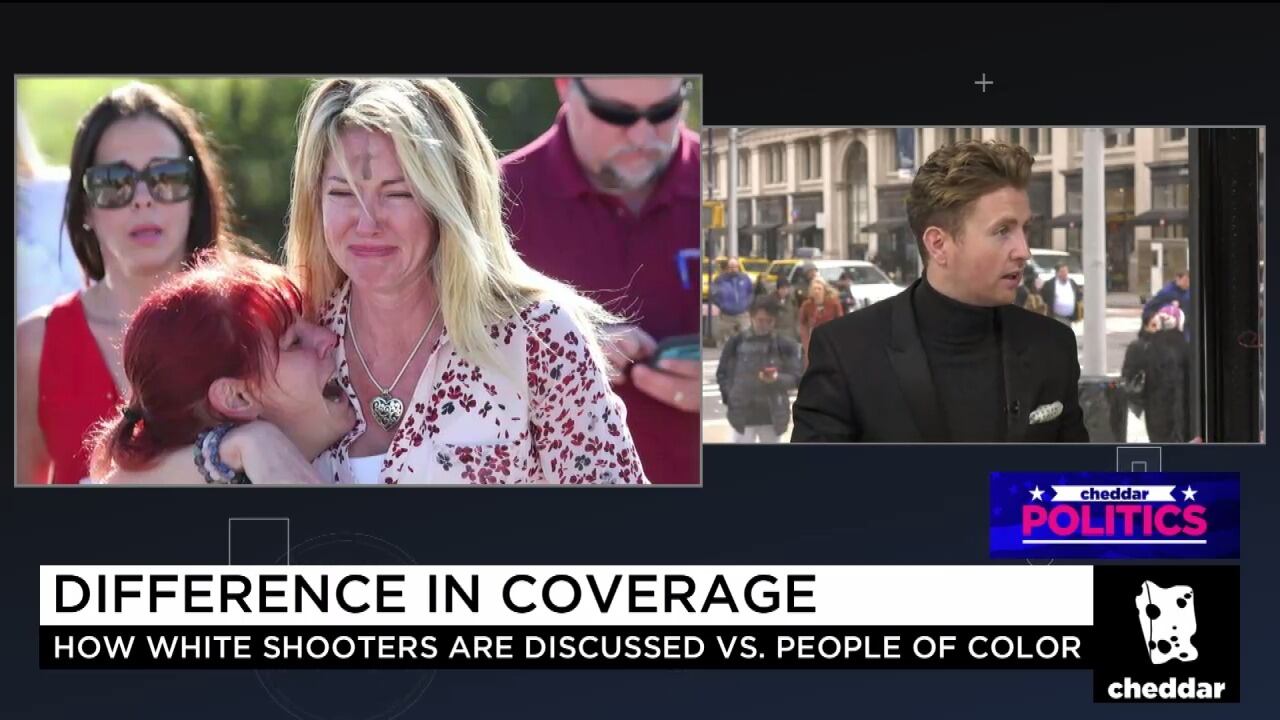
In the wake of the shooting at Marjory Stoneman Douglas High School in Parkland, Florida, many people quickly pointed to mental health as the issue at hand. The quick pivot from guns to mental health once again raises the question - how does the media treat white shooters versus people of color?
In the wake of the Parkland shooting, President Trump and a number of Republicans have suggested raising the minimum age for buying a gun to 21. Will President Trump actually follow through? The Root's Michael Harriott and CRTV's Jon Miller discuss.
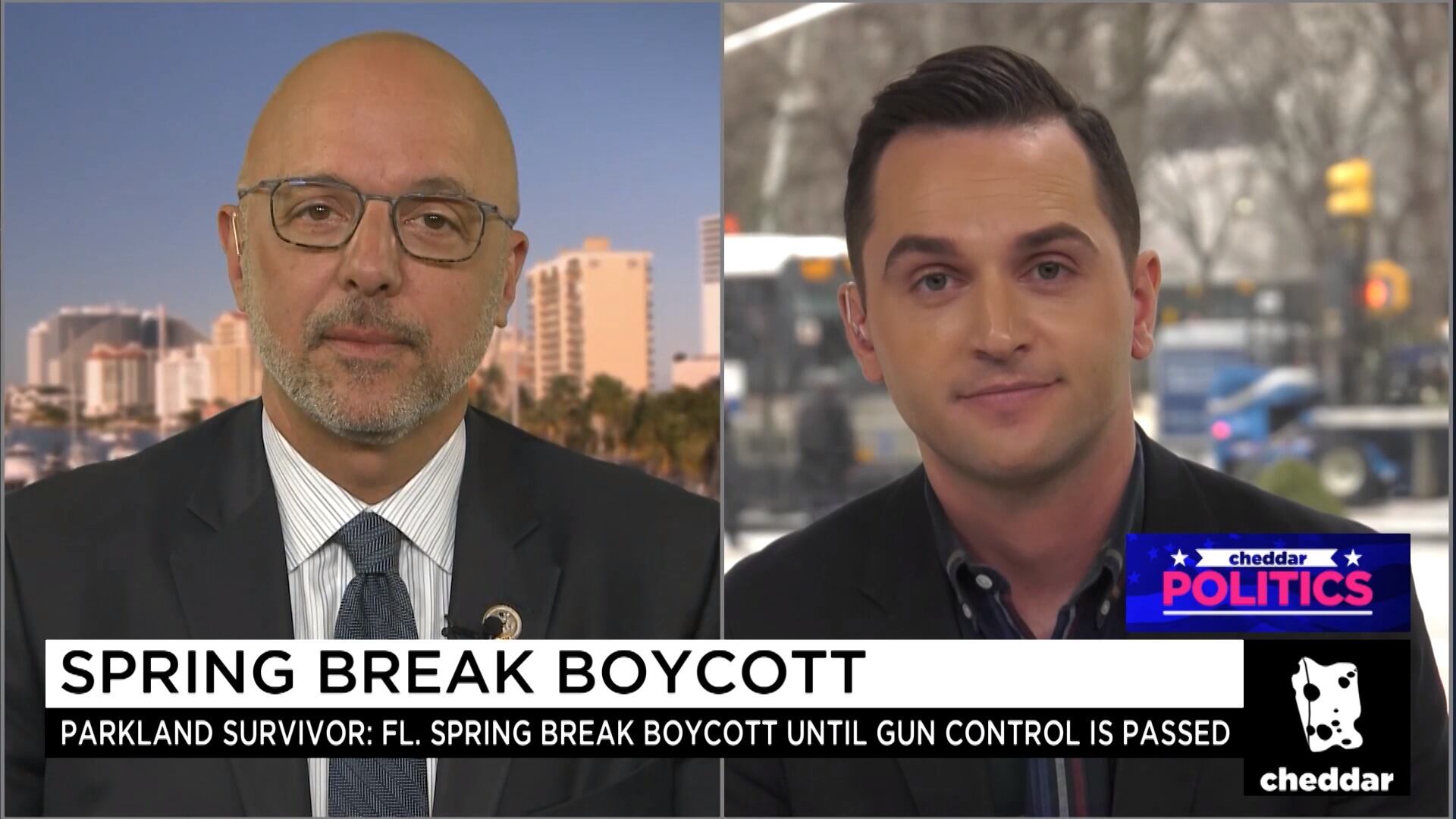
Congressman Ted Deutch (D-FL) represents Parkland, Florida and the victims of the Marjory Stoneman Douglas High School shooting. He joins Cheddar to discuss the state of gun control reform as Congress returns to Capitol Hill.
Congress is back in Washington as gun control jumps to the top of the legislative docket. Rare Politics' Jack Hunter joins Cheddar to break down the current state of the gun reform debate.
The Supreme Court declined to take up the Trump Administration's appeal on DACA. The nation's highest court refused to hear Trump's challenge to a lower court ruling that temporarily block the government from winding down the Obama-era immigration program. Rafael Bernal, Staff Writer at The Hill Latino, explains what this means for Congress's March 5 deadline on immigration reform.
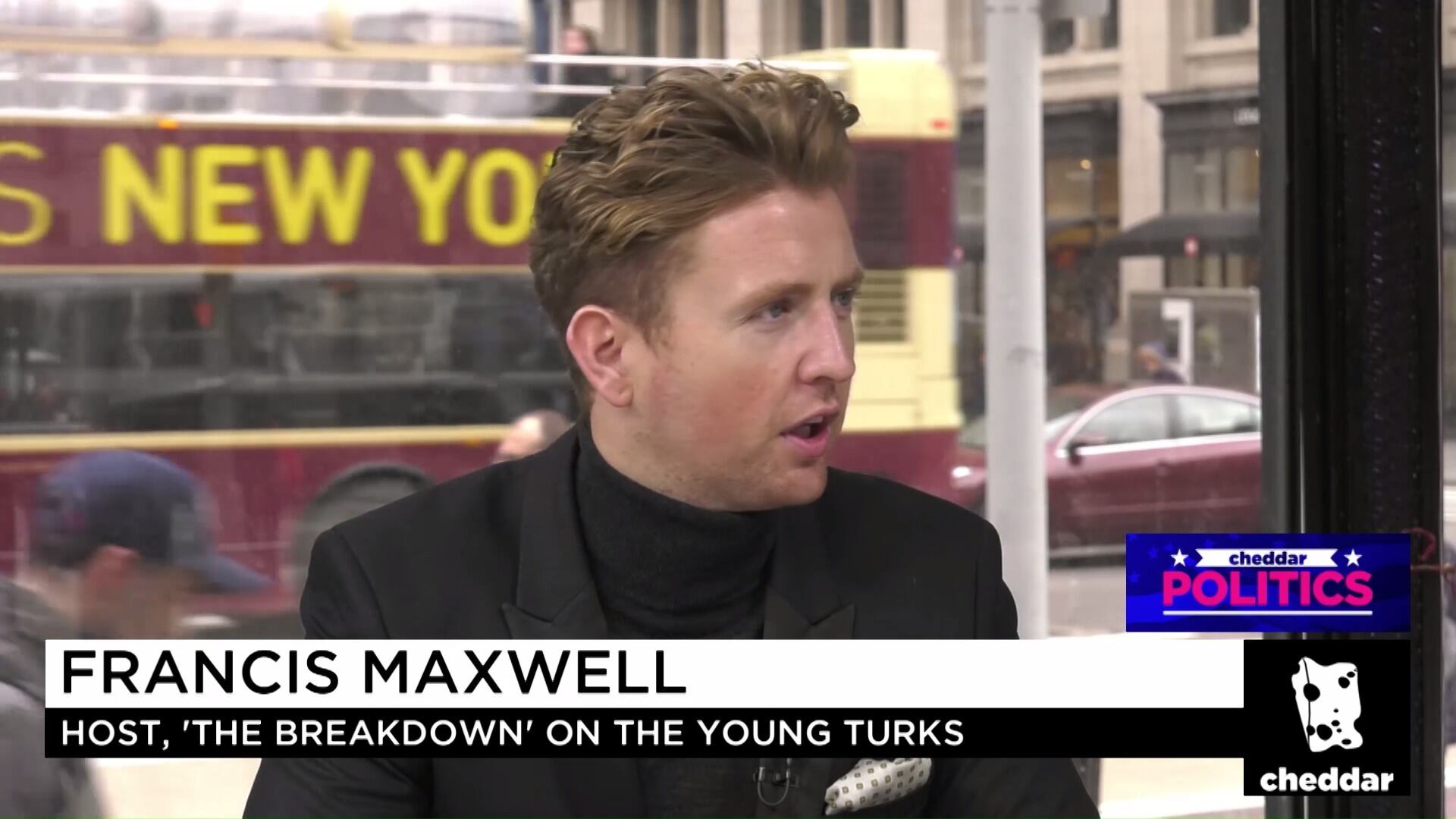
When the shooter is white, we focus on mental health issues, says The Young Turks' Francis Maxwell. But when he's a person of color, we focus on immigration.
Florida Congressman Ted Deutch says he's hearing from lawmakers on both sides of the aisle that this could be the opportunity to get "weapons of war" off the streets.
James Yoder, founder and CEO of Chat Sports, shares his thoughts on the biggest moments from the PyeongChang Winter Olympics. Yoder says he was underwhelmed by the closing ceremony and the performance of the U.S. team.
Kelly Macias, staff writer for Daily Kos, and James Arkin, congressional reporter for RealClearPolitics, discuss the release of the Democratic counter memo in response to the Republican memo released weeks earlier.
There is no shortage of opinions on Barack and Michelle Obama's official portraits. Both break the mold, and look completely different from any other presidential portrait hanging in the National Portrait Gallery. Cheddar Chief Art Correspondent Cheryl McGinnis explains the historical significance of the two works of art.