Within the hallways of the U.S. Capitol, there is growing confidence by GOP Senators that Senate Majority Leader Mitch McConnell can whip his caucus to block a vote on witnesses Friday.
While returning to the chamber after a short break Thursday, Senator Tim Scott (R-S.C.) told Cheddar he's "feeling good" about tomorrow's expected vote.
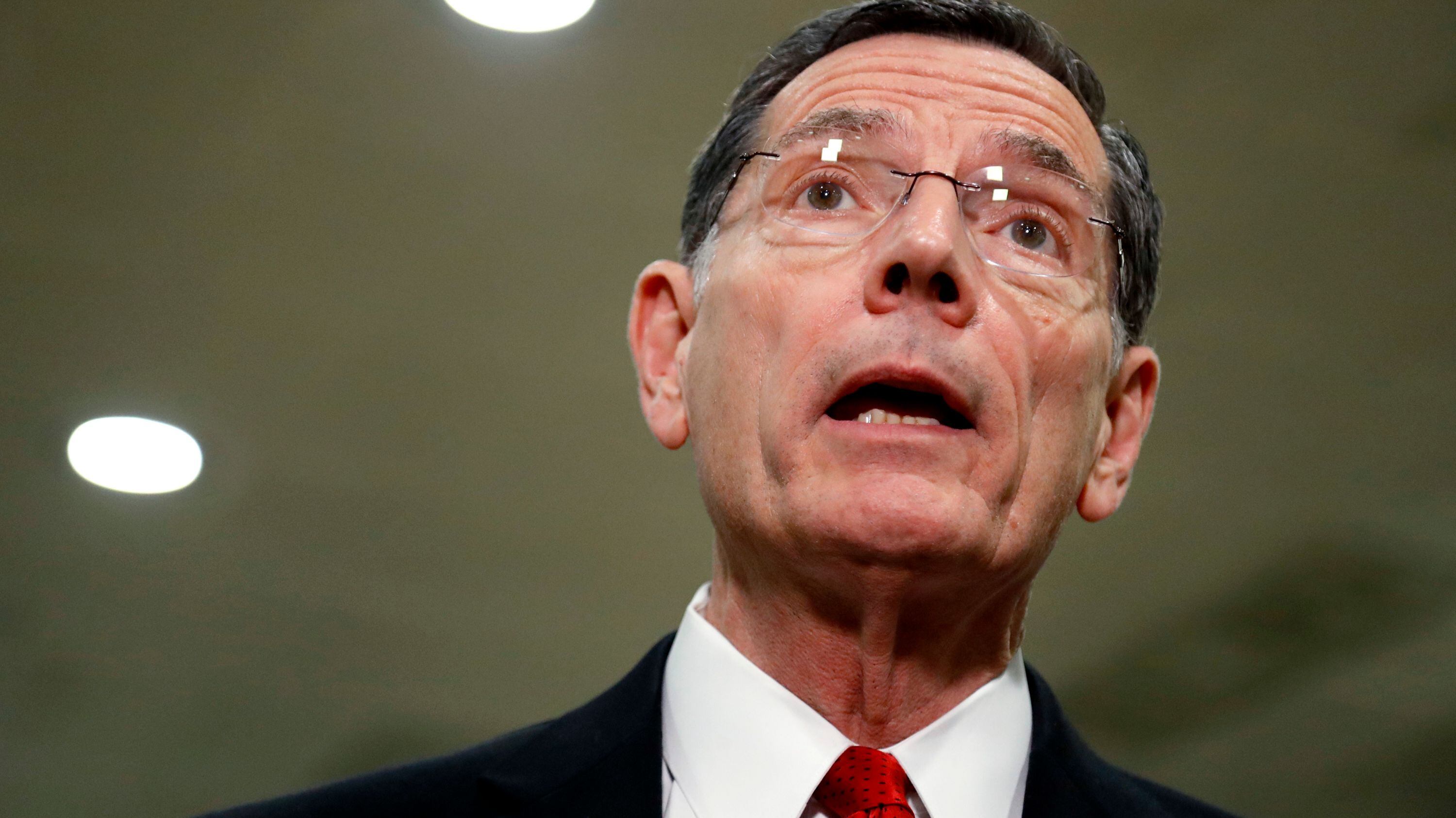
Senator John Barrasso (R-Wyo.) told reporters during the break that Republicans have the "momentum" to move to end the trial tomorrow without witnesses. "If we're able to say no [to witnesses] and go right to final judgment, we'd move in that direction and stay here until that work is decided and completed Friday evening. That's where all the momentum is now."
Still up for debate is what, exactly, happens, if the Republicans vote to end the debate on witnesses quickly.
Meanwhile, back in the chamber, lead impeachment manager Adam Schiff said witness depositions could be limited to just one week and said that the trial should not be rushed just because the State of the Union is Tuesday.
After the break, Senators asked two bipartisan questions, both of which were from senators who may still be undecided on the issue of whether to allow witnesses. First, Senators Joe Manchin (D-W.Va.), Susan Collins (R-Maine), Lisa Murkowski (R-Alaska), and Kyrsten Sinema (D-Ariz.) asked the defense team if the president would assure them that private citizens would not be directed to conduct foreign policy unless formally designated by the president and the State Department.
Murkowski and Senator Brian Schatz (D-Hawaii) submitted the second bipartisan question, asking if any action a president takes is inherently political and where the line is between permissible political actions and impeachable political actions.
In President Bill Clinton's impeachment trial, there was only one bipartisan question asked, which Sen. Collins had signed onto at the time.
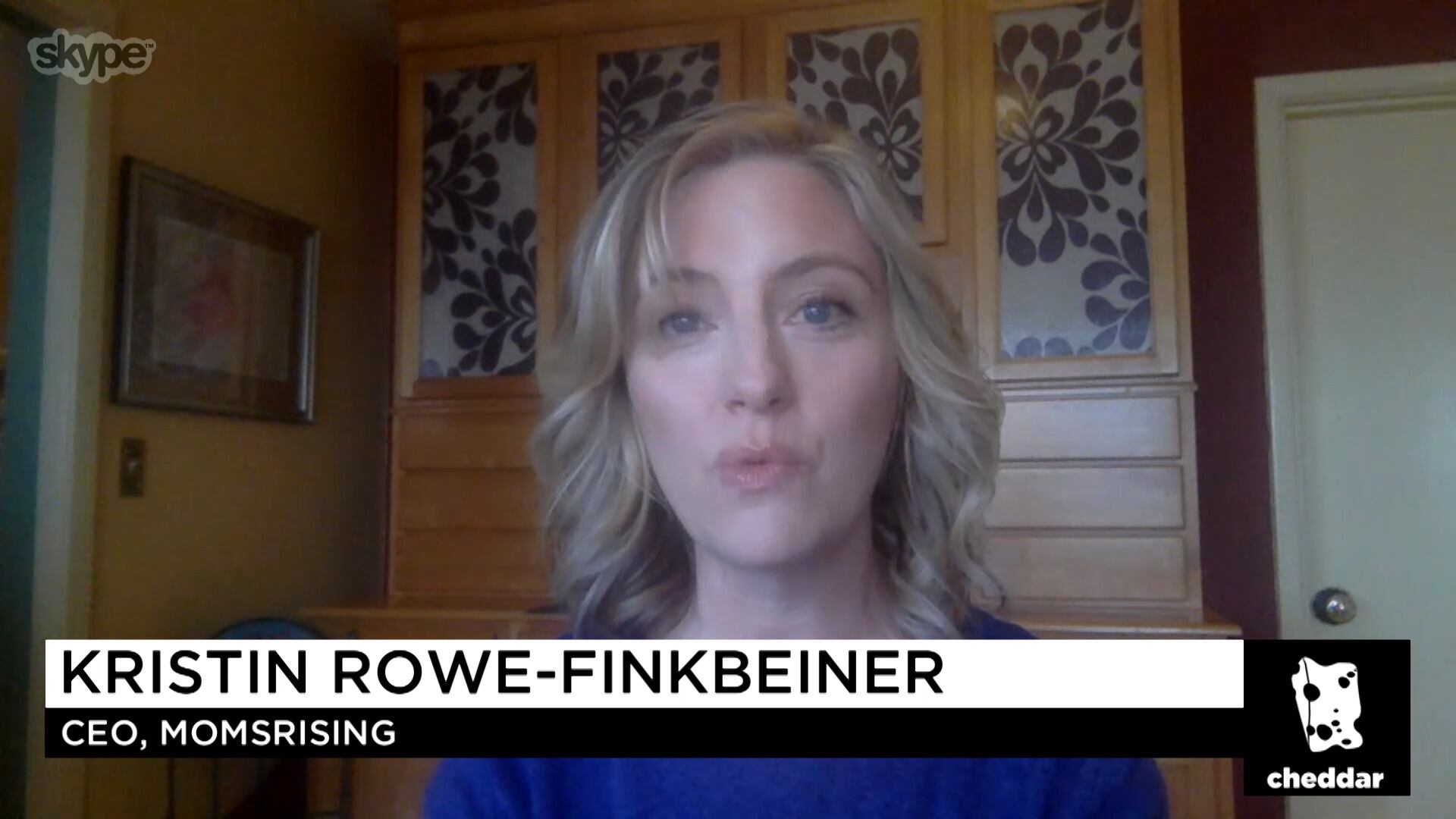
You can't have a discussion about equality for women without discussing the wage gap. According to the Census Bureau, on average, women earned just 80 cents to a man's dollar last year, but that figure only tells part of the story. MomsRising CEO Kristin Rowe-Finkbeiner explains.
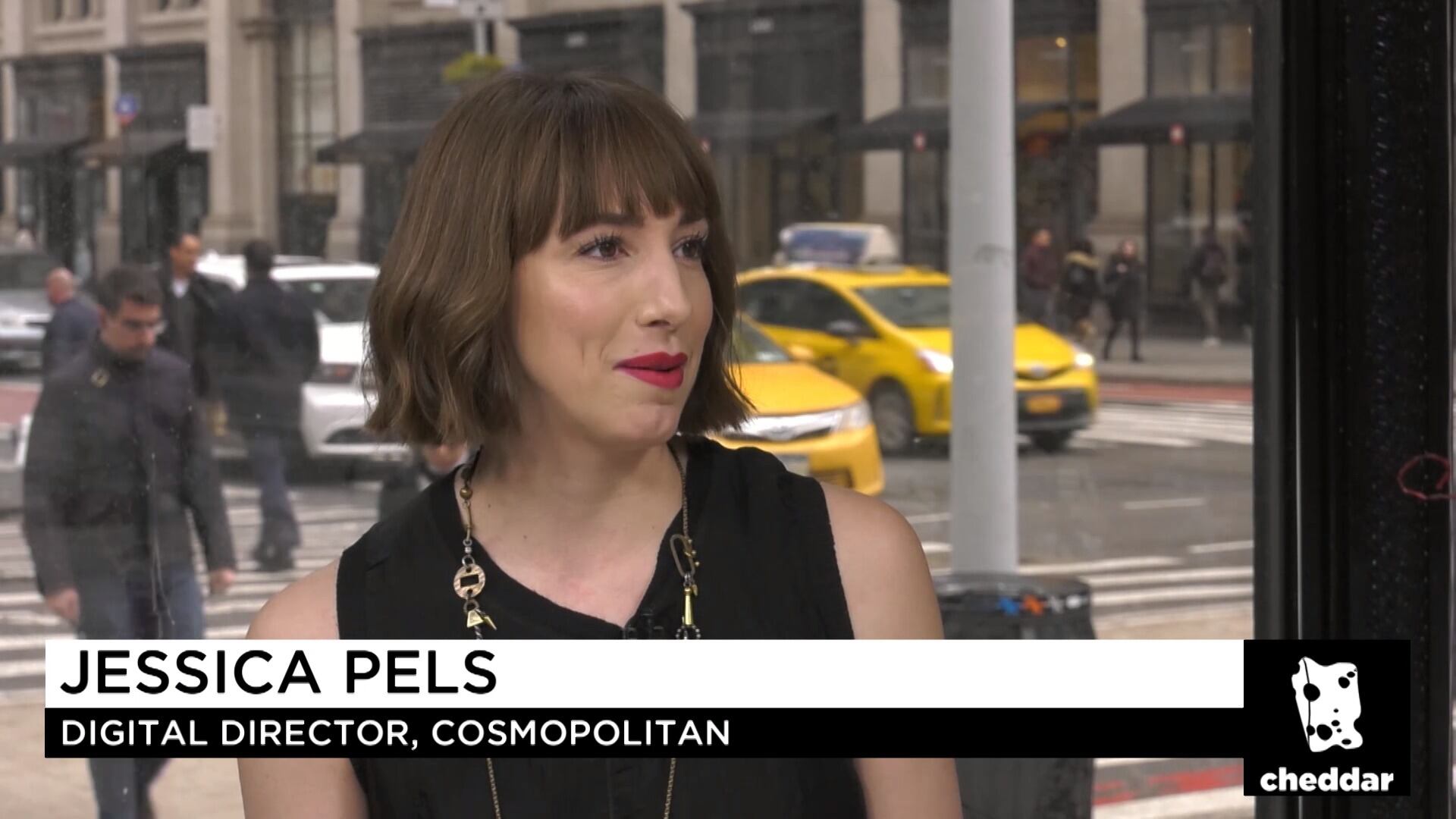
A record-breaking number of female candidates ran for office in this week's Texas state primaries, and will go head-to-head in three runoff races across the state. Cosmopolitan's Jessica Pels explains why this trend is so historic.
Wyoming lawmakers want to bring in blockchain related businesses. This week the state legislature voted on a bill that exempts certain types of cryptocurrency assets from securities laws. State Representative Tyler Lindholm (R-District 1) and State Senator Tara Nethercott (R-District 4) explain how they create opportunities for businesses in their districts.
Ben Dreyfuss, senior editor for Mother Jones, discusses new allegations that President Trump asked witnesses about what they told Special Counsel Robert Mueller in interviews.
A major deal in insurance, and Uber's ex-CEO has a new gig. Plus is President Trump tampering with witnesses? And how much are Uber drivers actually getting paid? And the debut of our "Crypto Craze" show powered by TradeStation!
Rep. Luis Gutierrez (D-IL) wants the SEC to investigate possible insider trading by Carl Icahn, President Trump's friend and former adviser, who sold shares in industrial company Manitowoc days before tariffs were announced.
The White House is considering excepting Canada and Mexico from steel and aluminum tariffs. California lawmakers fight back as the Justice Department sues the state over sanctuary city rules. The SEC is requiring crypto exchanges to file with the agency.
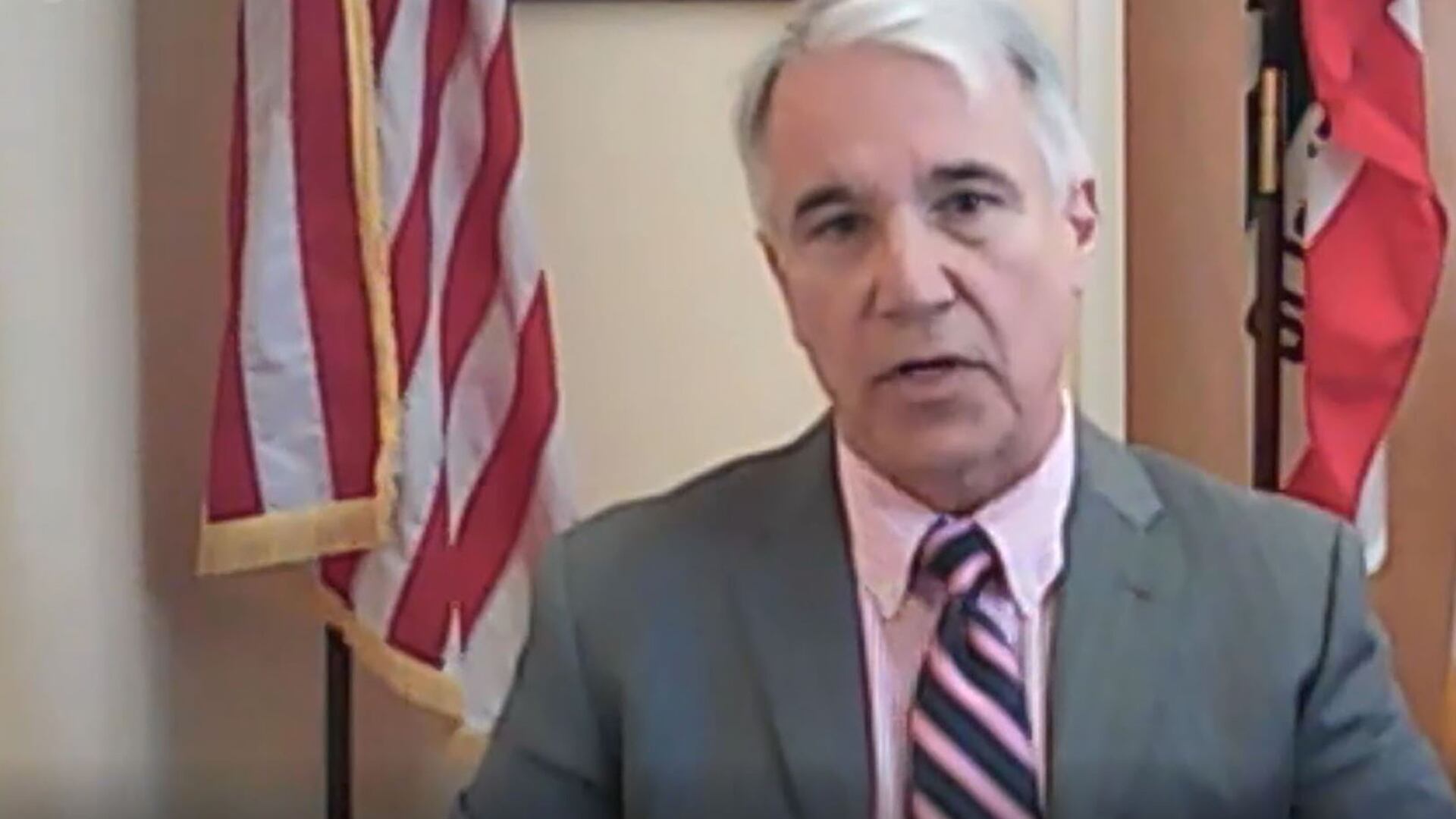
George Gascón joined Cheddar to discuss the Justice Department's lawsuit against the state of California over sanctuary laws.
Attorney General Sessions cracking down on sanctuary cities in California. UC Berkeley Sohpmore Bradley Devlin, who is a contribute for the Lone Conservative site, shares his reaction to the lawsuit filed by Sessions against the state.
The Trump administration is cracking down on California over its sanctuary city laws. Attorney General Jeff Session visited Sacramento, and formally announced a lawsuit against the state over its failure to comply with federal immigration rules. Cheddar's Brad Smith speaks with San Francisco District Attorney George Gascón to get his reaction.