Within the hallways of the U.S. Capitol, there is growing confidence by GOP Senators that Senate Majority Leader Mitch McConnell can whip his caucus to block a vote on witnesses Friday.
While returning to the chamber after a short break Thursday, Senator Tim Scott (R-S.C.) told Cheddar he's "feeling good" about tomorrow's expected vote.
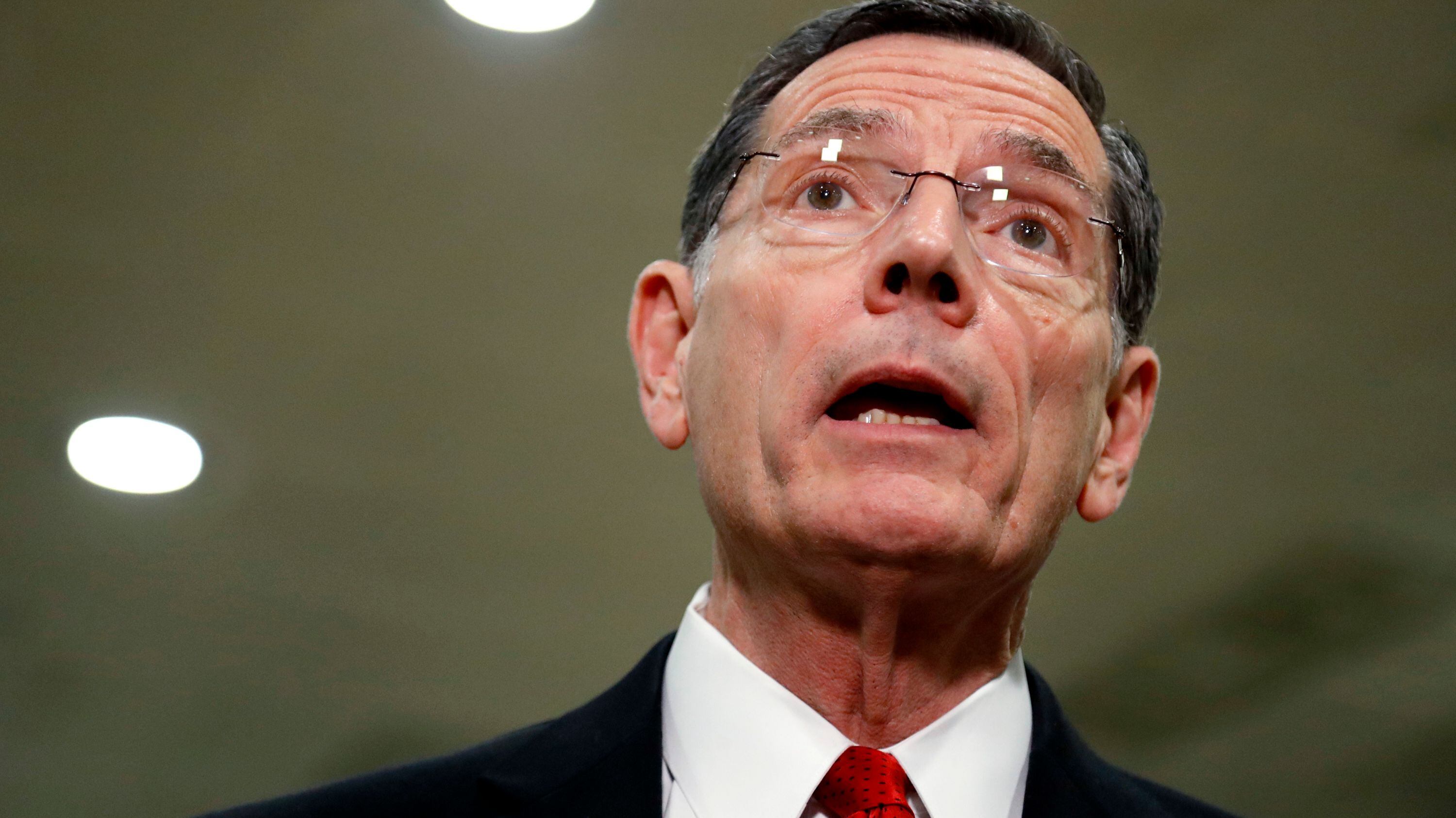
Senator John Barrasso (R-Wyo.) told reporters during the break that Republicans have the "momentum" to move to end the trial tomorrow without witnesses. "If we're able to say no [to witnesses] and go right to final judgment, we'd move in that direction and stay here until that work is decided and completed Friday evening. That's where all the momentum is now."
Still up for debate is what, exactly, happens, if the Republicans vote to end the debate on witnesses quickly.
Meanwhile, back in the chamber, lead impeachment manager Adam Schiff said witness depositions could be limited to just one week and said that the trial should not be rushed just because the State of the Union is Tuesday.
After the break, Senators asked two bipartisan questions, both of which were from senators who may still be undecided on the issue of whether to allow witnesses. First, Senators Joe Manchin (D-W.Va.), Susan Collins (R-Maine), Lisa Murkowski (R-Alaska), and Kyrsten Sinema (D-Ariz.) asked the defense team if the president would assure them that private citizens would not be directed to conduct foreign policy unless formally designated by the president and the State Department.
Murkowski and Senator Brian Schatz (D-Hawaii) submitted the second bipartisan question, asking if any action a president takes is inherently political and where the line is between permissible political actions and impeachable political actions.
In President Bill Clinton's impeachment trial, there was only one bipartisan question asked, which Sen. Collins had signed onto at the time.
Providing equal pay, national paid leave, and paid sick days will all bring real changes to the workplace, says Valerie Jarrett. The former senior adviser to President Obama is now focused on tackling these issues.
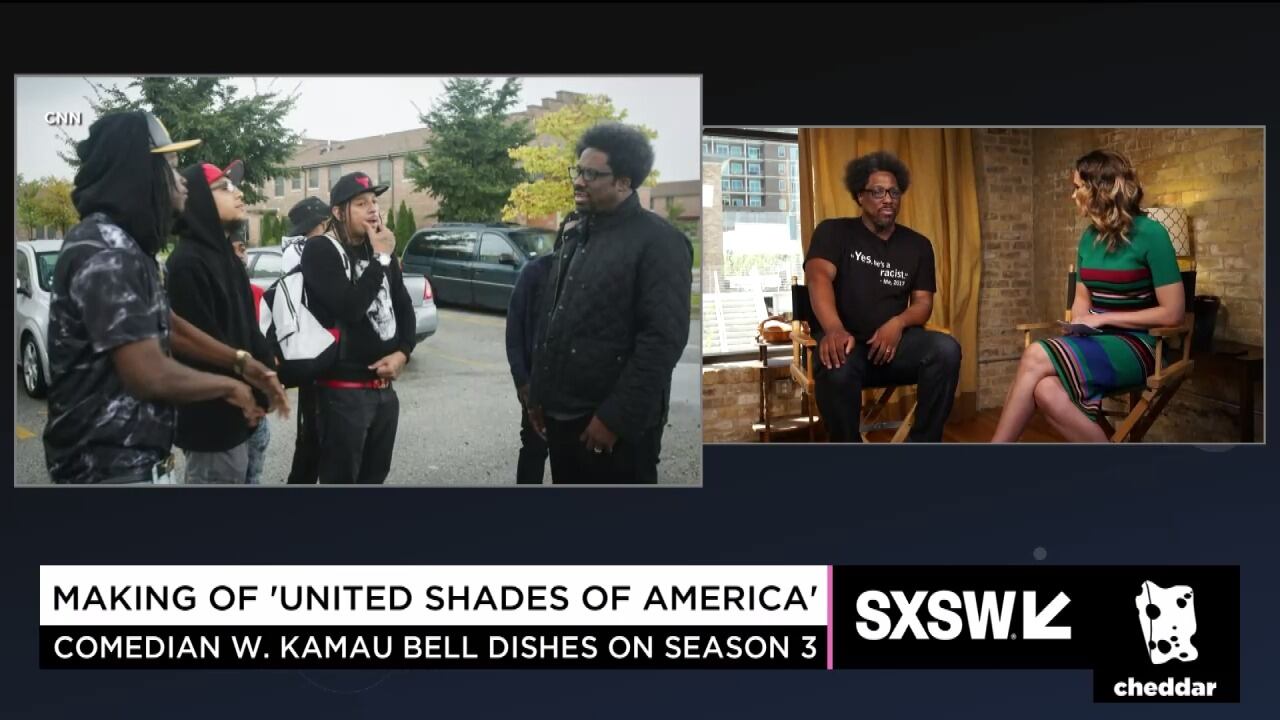
The host and comedian joined Cheddar to talk about the CNN show's third season. He explains the role social media had in choosing to feature the Sikh community in an episode.
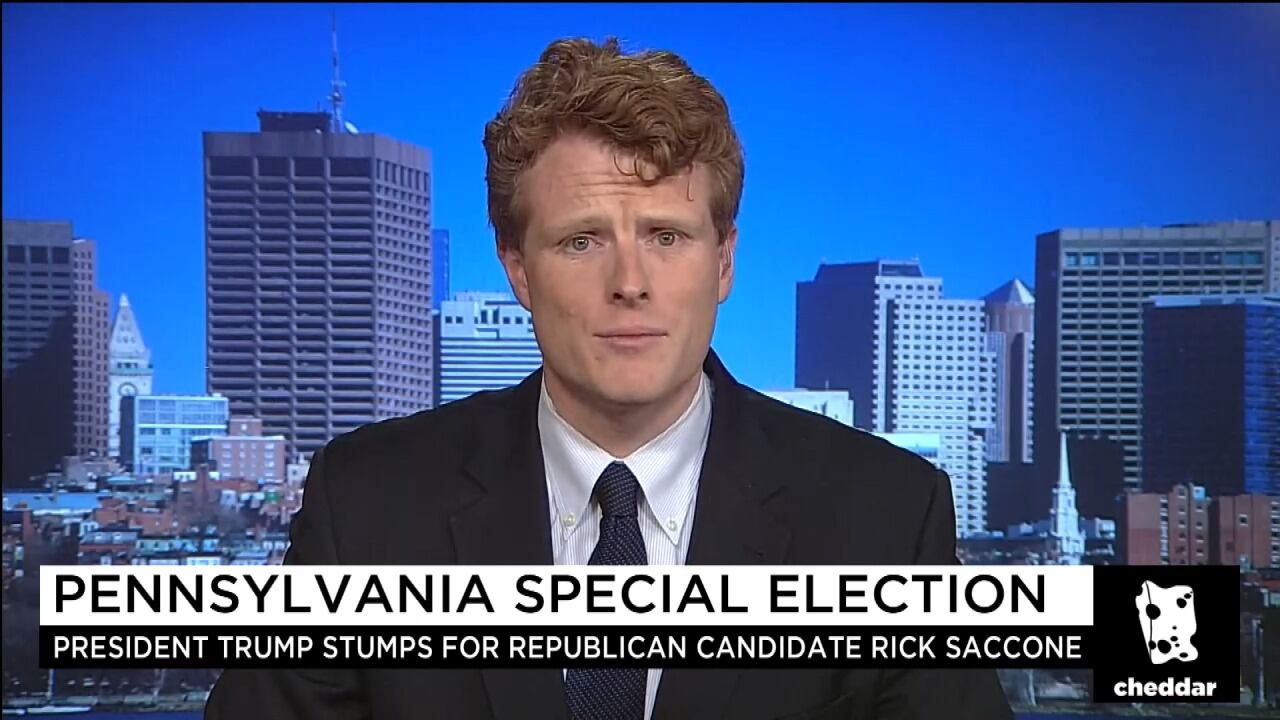
The Democratic congressman from Massachusetts told Cheddar that constituents are not happy with the Trump administration and will take their concerns to the polls.
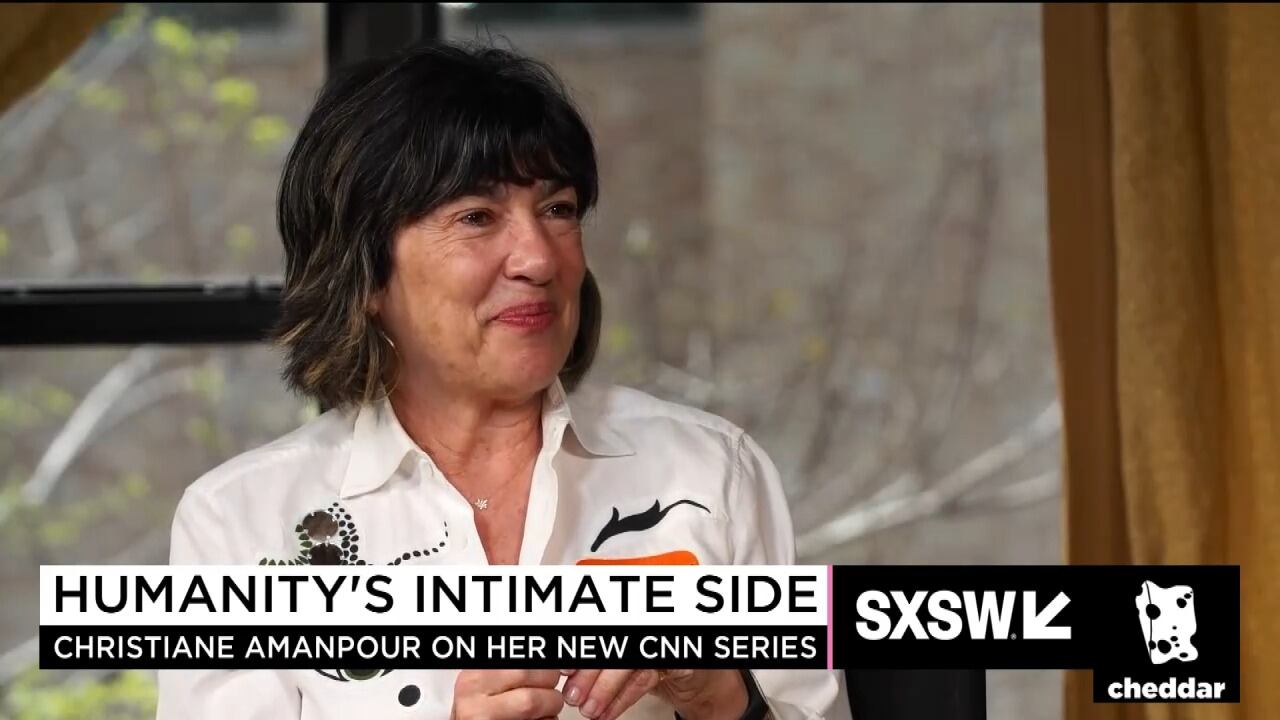
The world-renowned journalist is known for asking the tough questions. In her new CNN series "Sex & Love," those questions get intimate.
Attorney General Jeff Sessions is suing California for policies that obstruct "enforcement of federal immigration law." But Sacramento's Democratic Mayor Darrell Steinberg says the sanctuary city does, in fact, cooperate with federal agencies when it comes to people with serious criminal records.
Michael Harriot, columnist at The Root, discusses the Pennsylvania special election for the 18th Congressional district. Currently, it's a toss-up with only 24 hours remaining before residents head to the polls.
Last summer, trans members of the military had thriving careers. But when President Trump tweeted about potentially banning them from serving, many felt their lives were back in jeopardy.
A new study finds fakes news travels 6 times faster on Twitter than real news. The head of Goldman Sachs responds to reports he is leaving his post. Florida Governor Rick Scott signs a gun safety bill. The bull market celebrates its 9th birthday. The Nasdaq hits a record high.
Fake news on Twitter travels six times faster than real news and reaches far more users according to a study released by researchers at MIT. Can fake news be stopped?
There is a special election in Pennsylvania's 18th district Tuesday that could provide a clue as to what we'll see in November. Managing editor of political site Sabato's Crystal Ball, Kyle Kondik, says the party that holds the White House historically pays a penalty down the ballot.