Within the hallways of the U.S. Capitol, there is growing confidence by GOP Senators that Senate Majority Leader Mitch McConnell can whip his caucus to block a vote on witnesses Friday.
While returning to the chamber after a short break Thursday, Senator Tim Scott (R-S.C.) told Cheddar he's "feeling good" about tomorrow's expected vote.
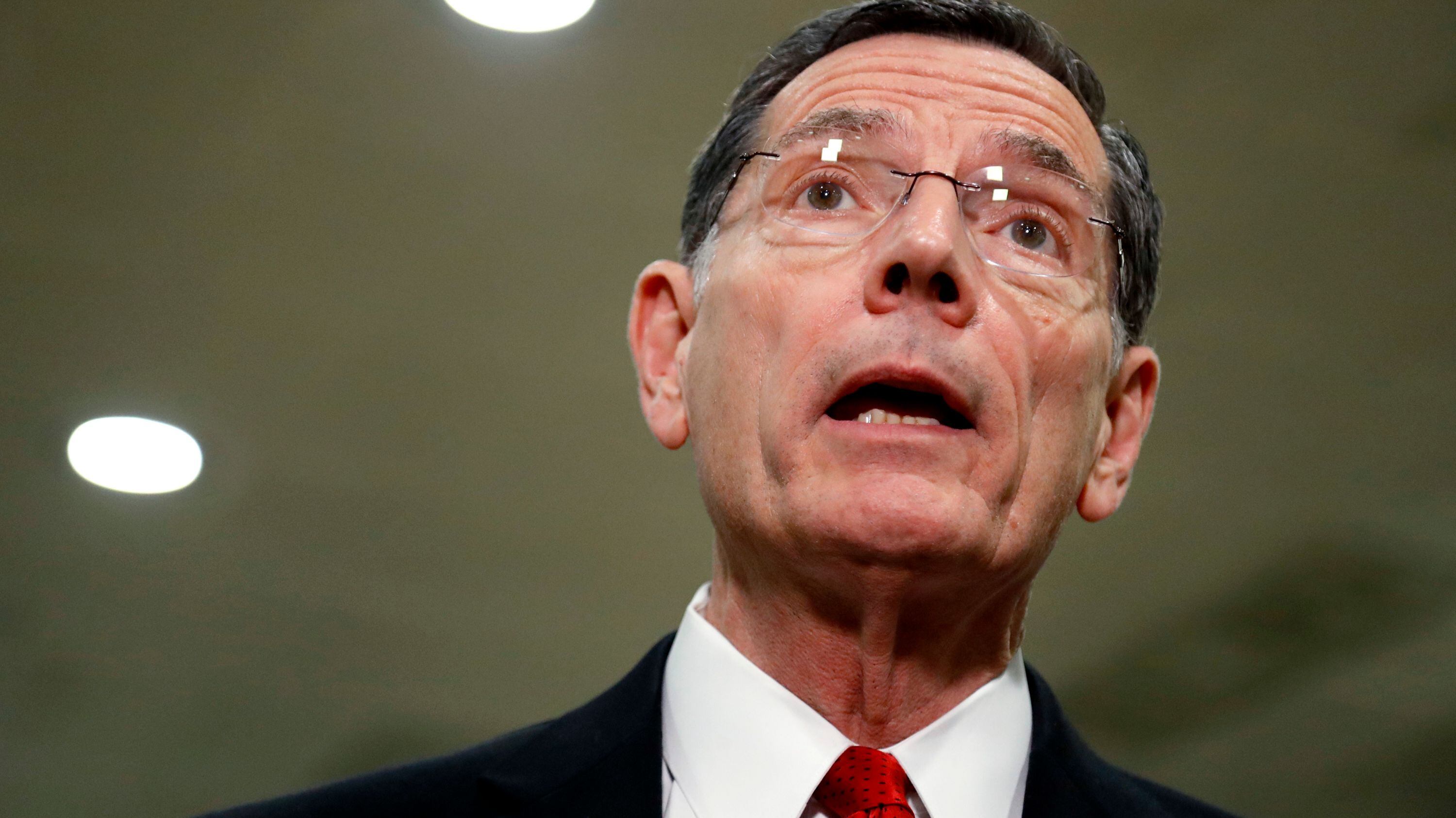
Senator John Barrasso (R-Wyo.) told reporters during the break that Republicans have the "momentum" to move to end the trial tomorrow without witnesses. "If we're able to say no [to witnesses] and go right to final judgment, we'd move in that direction and stay here until that work is decided and completed Friday evening. That's where all the momentum is now."
Still up for debate is what, exactly, happens, if the Republicans vote to end the debate on witnesses quickly.
Meanwhile, back in the chamber, lead impeachment manager Adam Schiff said witness depositions could be limited to just one week and said that the trial should not be rushed just because the State of the Union is Tuesday.
After the break, Senators asked two bipartisan questions, both of which were from senators who may still be undecided on the issue of whether to allow witnesses. First, Senators Joe Manchin (D-W.Va.), Susan Collins (R-Maine), Lisa Murkowski (R-Alaska), and Kyrsten Sinema (D-Ariz.) asked the defense team if the president would assure them that private citizens would not be directed to conduct foreign policy unless formally designated by the president and the State Department.
Murkowski and Senator Brian Schatz (D-Hawaii) submitted the second bipartisan question, asking if any action a president takes is inherently political and where the line is between permissible political actions and impeachable political actions.
In President Bill Clinton's impeachment trial, there was only one bipartisan question asked, which Sen. Collins had signed onto at the time.
Kayleigh McEnany confirms to Cheddar's J.D. Durkin that Michael Cohen remains as Deputy Finance Chair of the RNC, despite being under criminal investigation. "We'll take it step by step, day by day," she says.
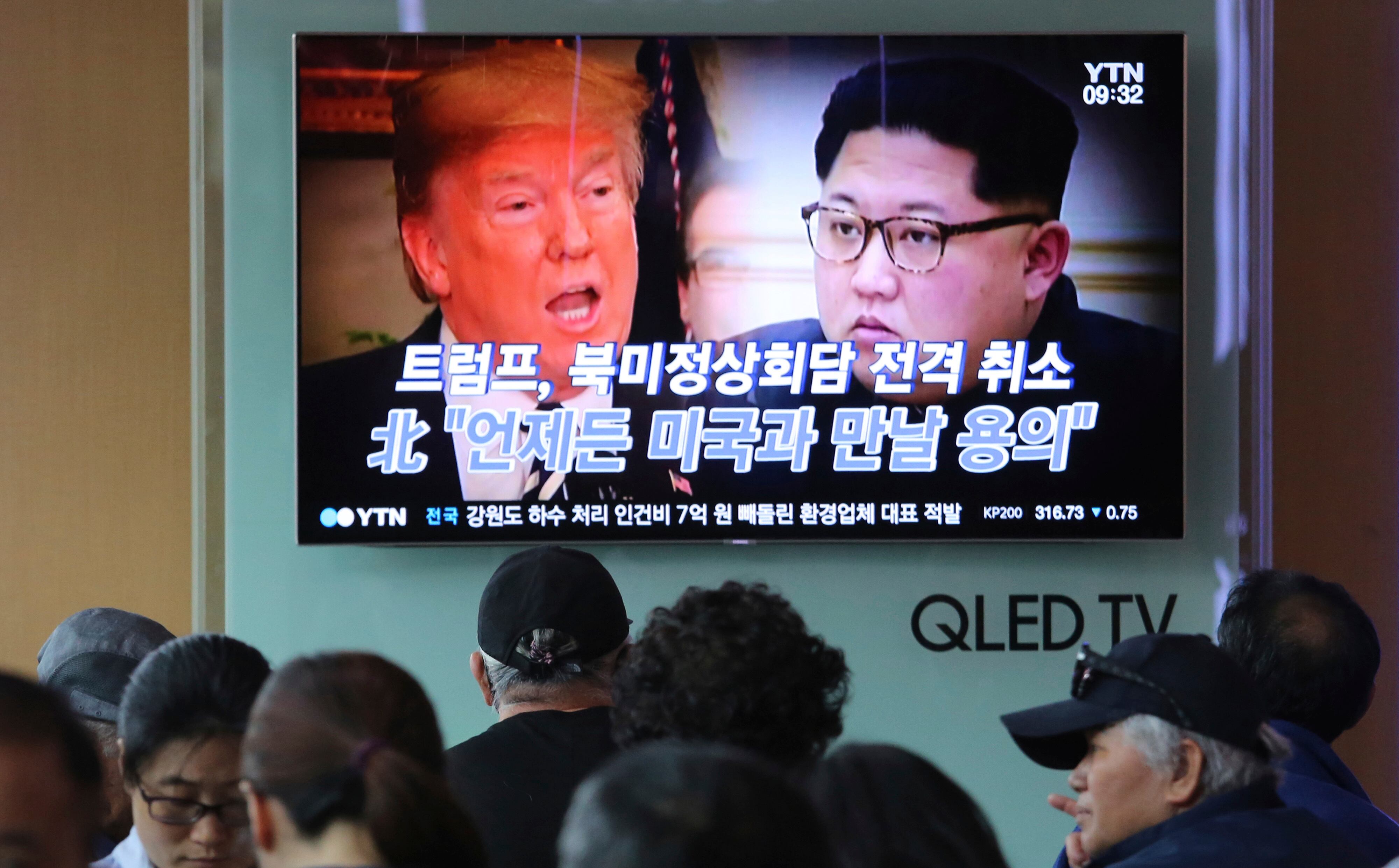
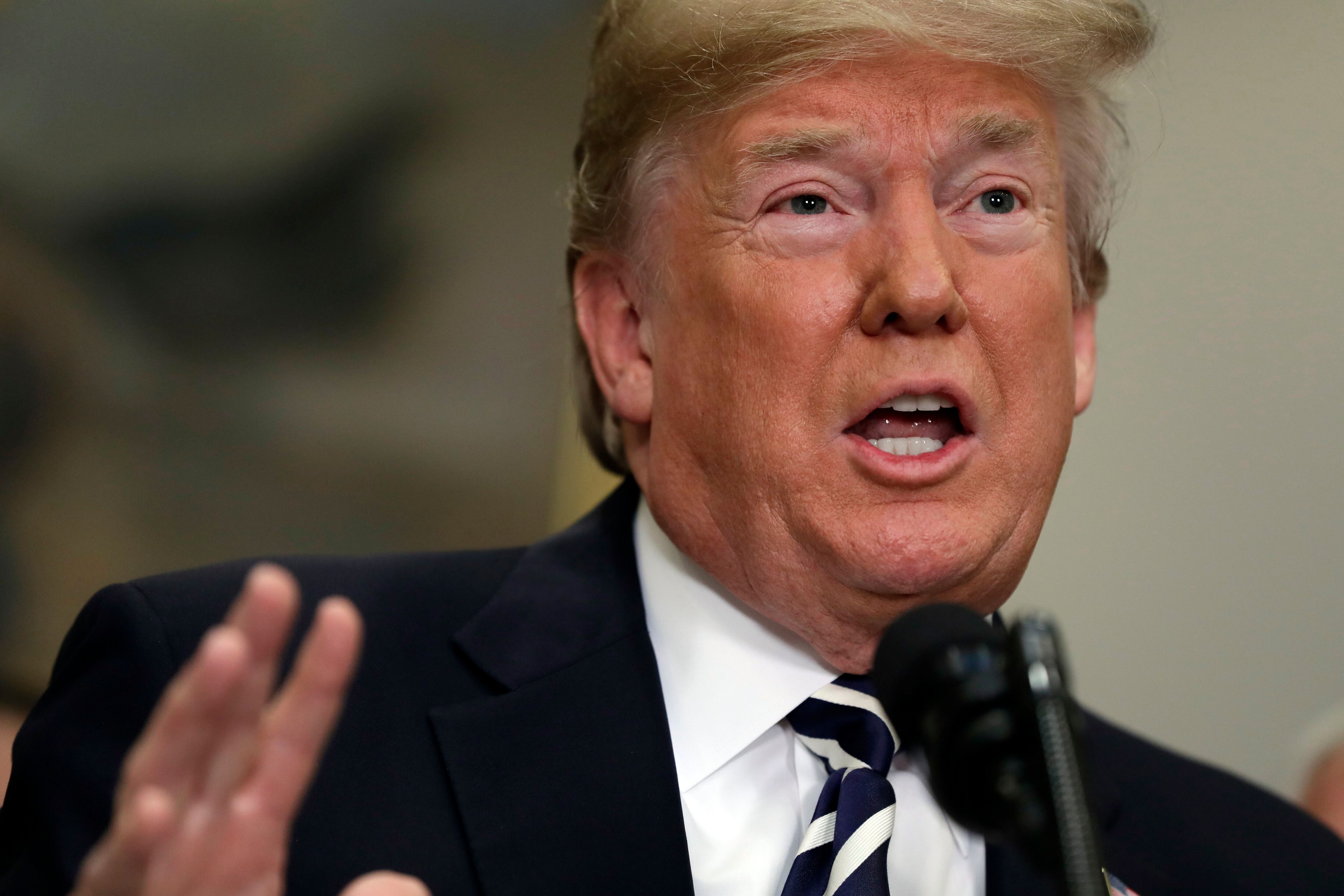
A day after President Trump canceled the North Korea summit, Kim Jong-un said he is still willing to sit down with the U.S. president "at any time." This outcome is what "good negotiating looks like," says Kayleigh McEnany, spokeswoman for the Republican National Committee.
Though President Trump abruptly canceled his planned meeting with North Korea's Kim Jong-un, there's still a possibility the summit could take place in the future if the two sides can tamp down their antagonism and agree to a framework for denuclearization.
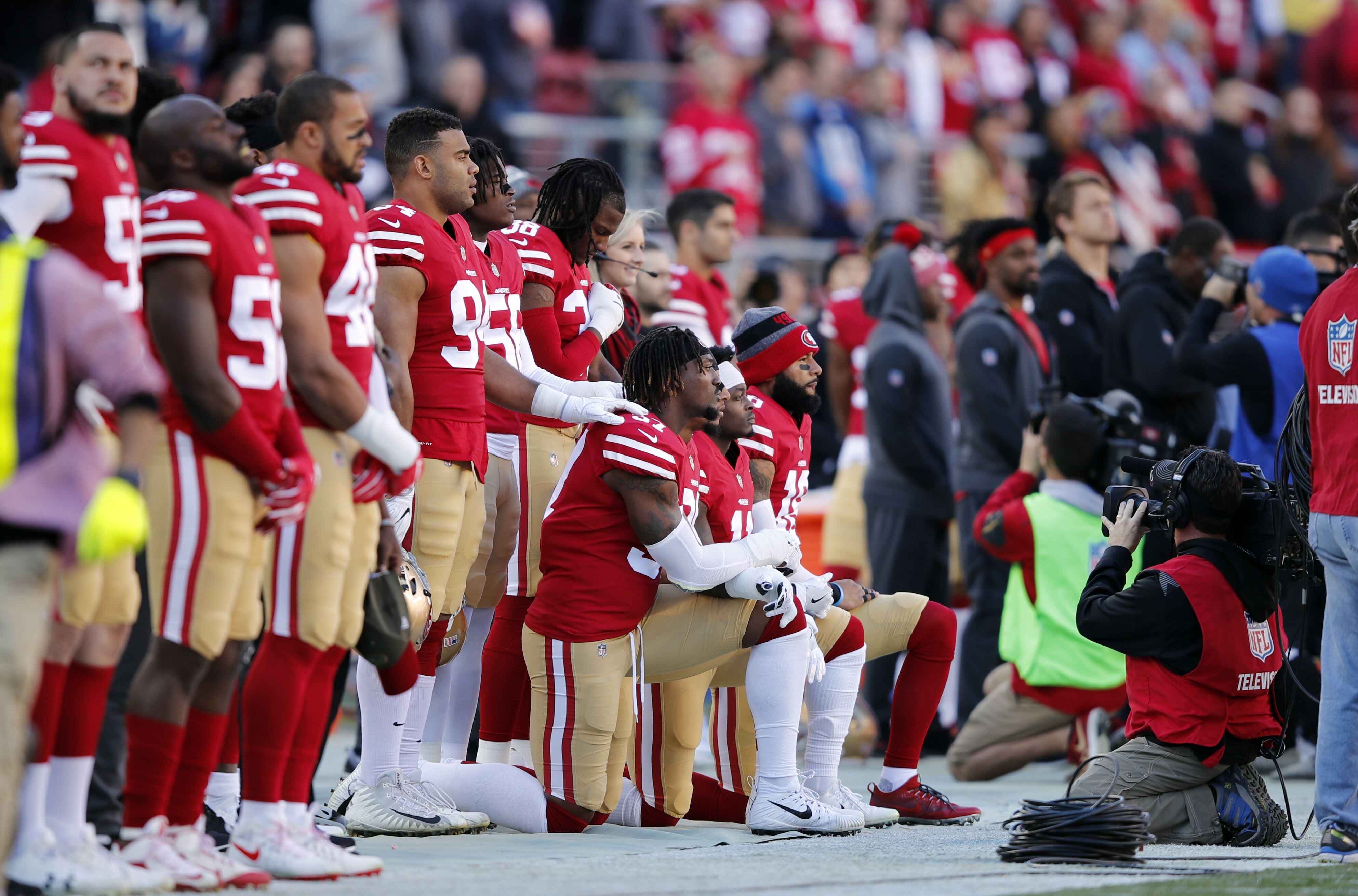
Frank Zaccanelli, a former owner of the NBA's Dallas Mavericks, says the NFL's decision to adopt a new policy on the national anthem without consulting the NFL Players Association was, "one of the dumbest things I've ever heard."
Tea Party Republicans and President Trump ran campaigns on a platform of being the Washington outsiders needed to save the country. Now the Democrats will have their own opportunity in the 2018 midterms.
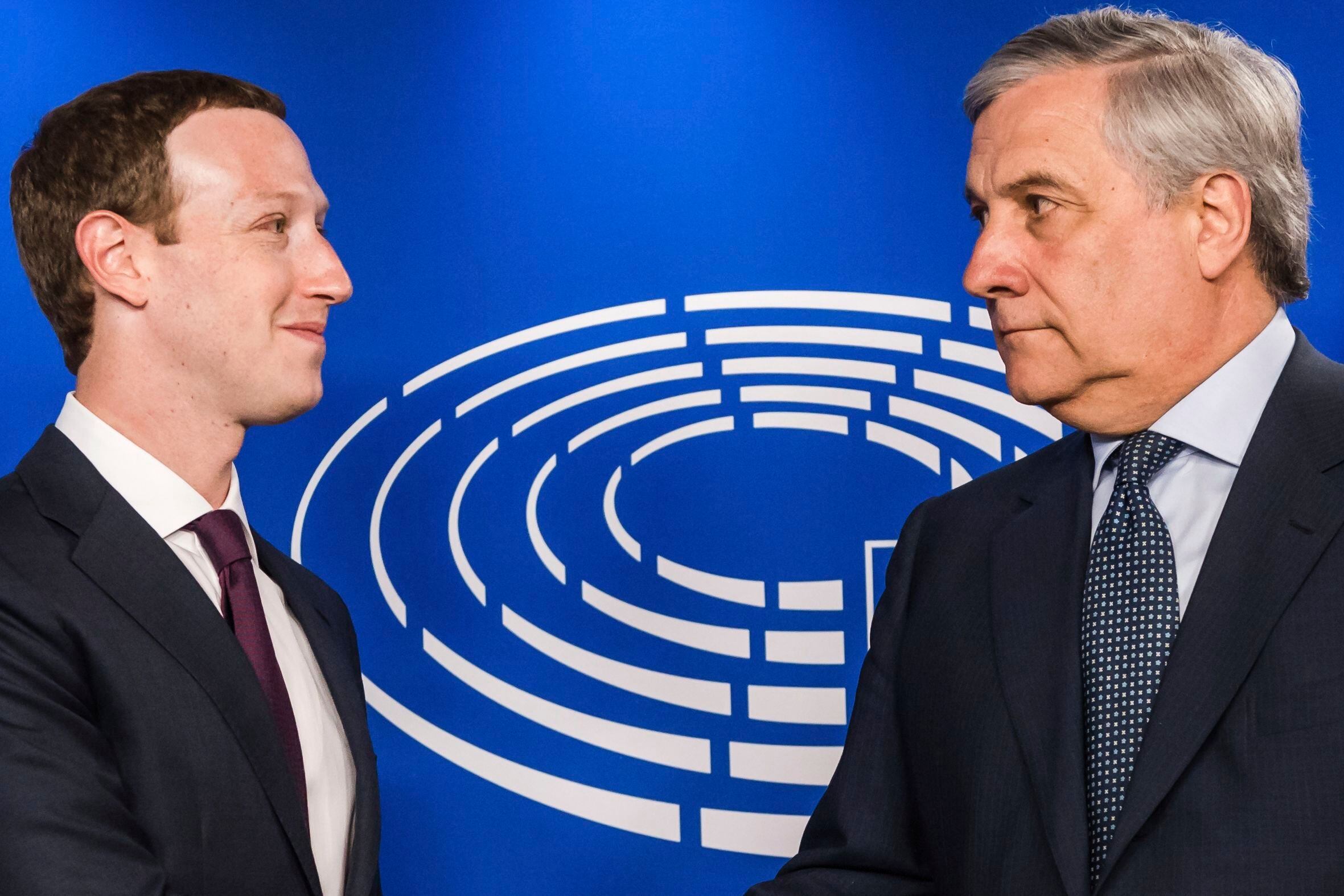
Mark Zuckerberg Testifies Before EU Parliament
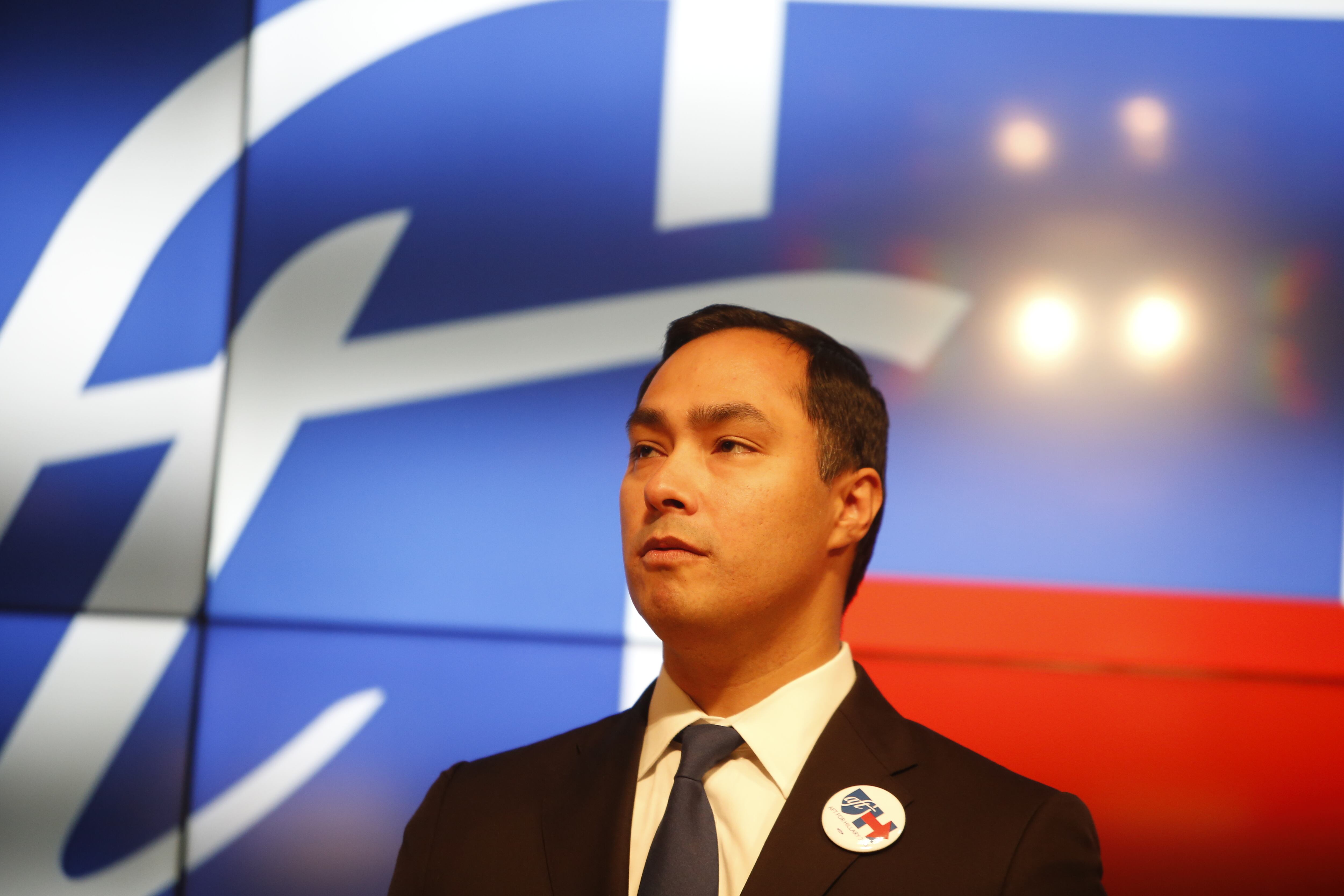
The Democratic Congressman from Texas says state and local officials should do more to limit the places people can carry guns, not introduce more guns into schools. "Like so many other teachers, they didn't sign up to be soldiers or police officers," says Castro.
European lawmakers aggressively questioned Facebook's CEO on Tuesday, indicating they may consider further restricting the social media company's unchecked growth and regulating its business practices.
Align Technology, which makes Invisalign orthodontics, opened its first manufacturing plant in China in 2017 and expects to have a "good, contained business" there by the end of the year, despite a wider reassessment of U.S.-China trade relations, says Joe Hogan, the CEO of Align Technology.
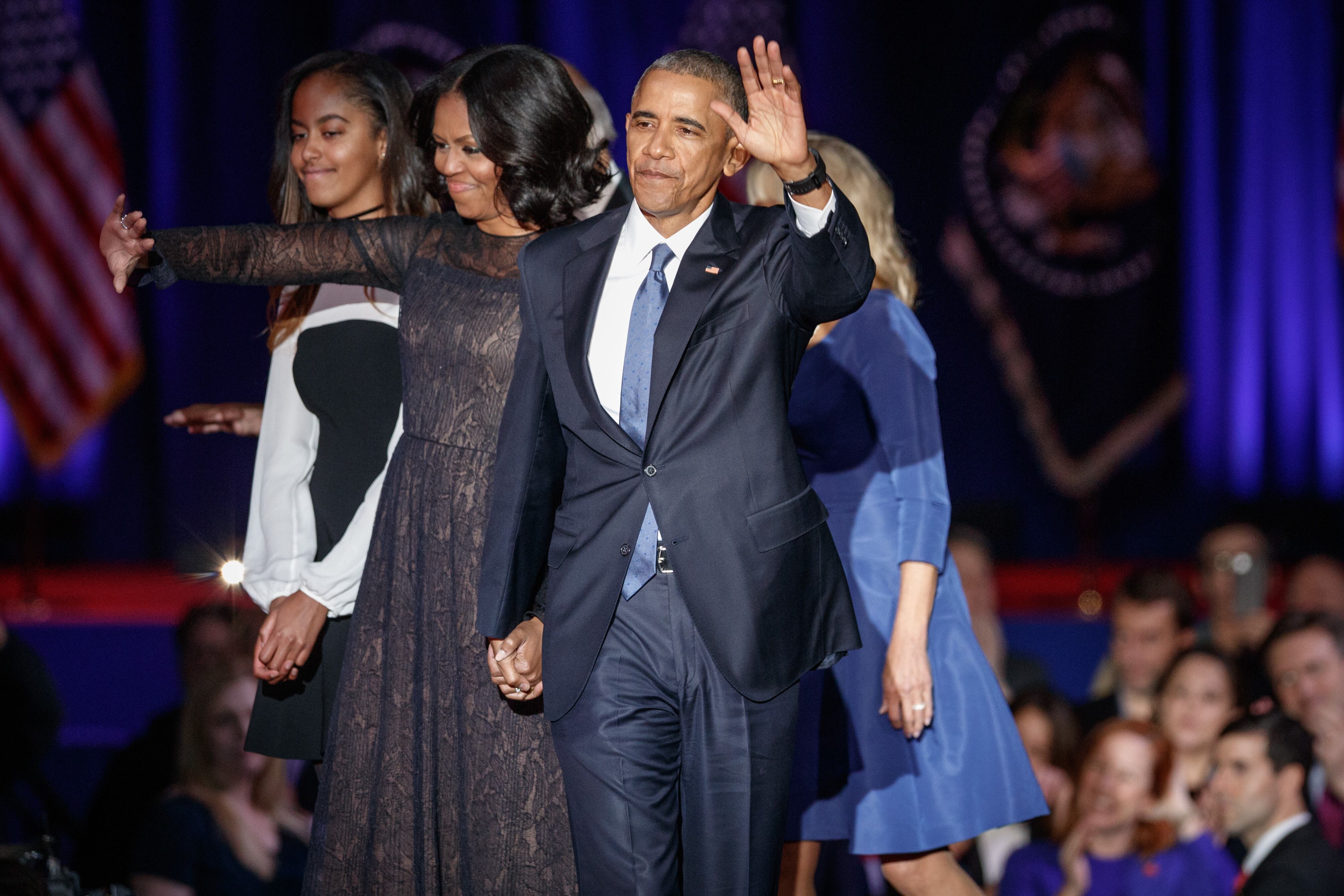
The streaming platform will give the former president and first lady a global platform to focus on issues important to them. But they need to be mindful of making that content available to communities that don't have access to high-speed internet or Netflix, says Alexander Heffner, the host of "The Open Mind" on PBS.