Within the hallways of the U.S. Capitol, there is growing confidence by GOP Senators that Senate Majority Leader Mitch McConnell can whip his caucus to block a vote on witnesses Friday.
While returning to the chamber after a short break Thursday, Senator Tim Scott (R-S.C.) told Cheddar he's "feeling good" about tomorrow's expected vote.
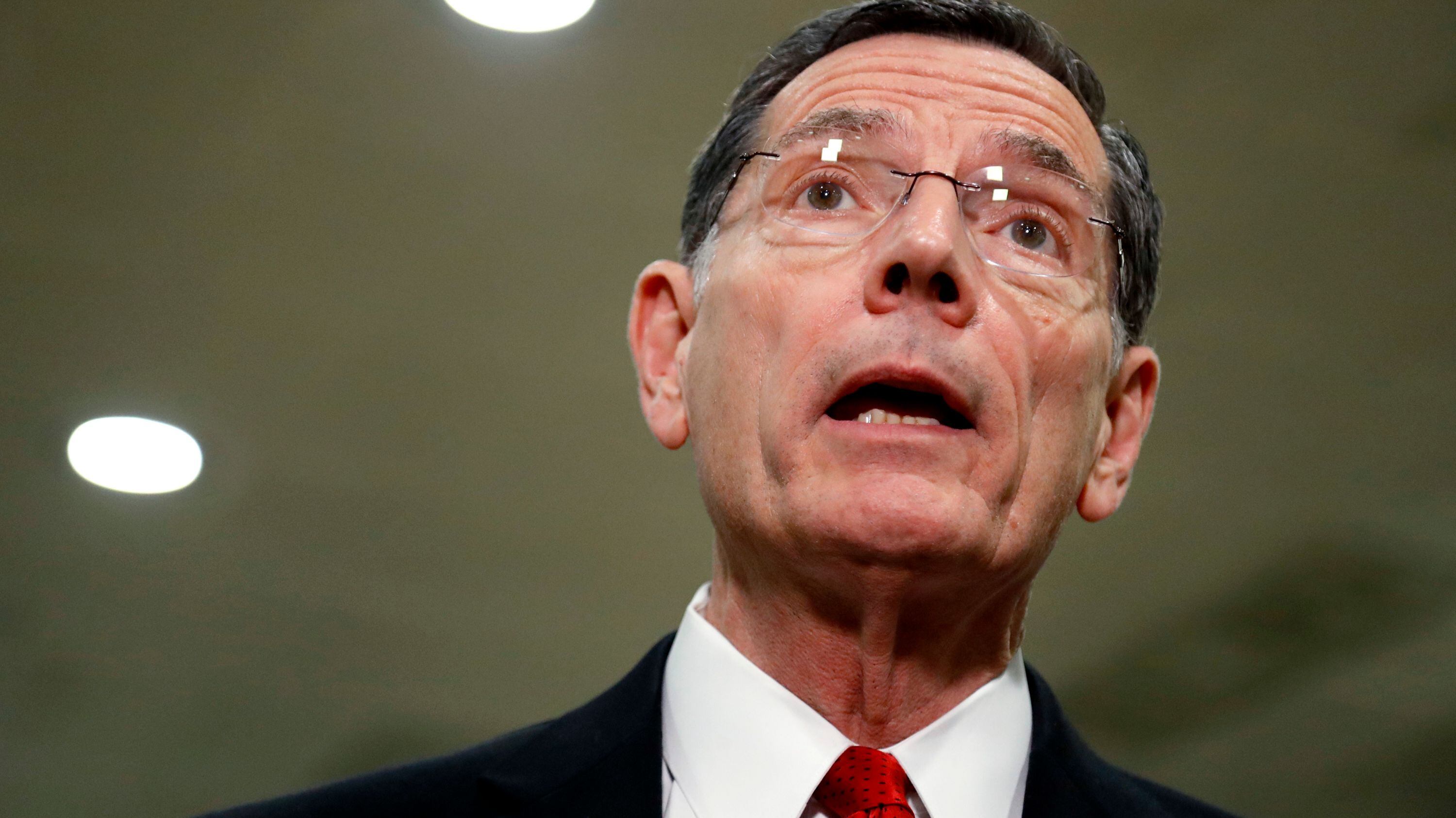
Senator John Barrasso (R-Wyo.) told reporters during the break that Republicans have the "momentum" to move to end the trial tomorrow without witnesses. "If we're able to say no [to witnesses] and go right to final judgment, we'd move in that direction and stay here until that work is decided and completed Friday evening. That's where all the momentum is now."
Still up for debate is what, exactly, happens, if the Republicans vote to end the debate on witnesses quickly.
Meanwhile, back in the chamber, lead impeachment manager Adam Schiff said witness depositions could be limited to just one week and said that the trial should not be rushed just because the State of the Union is Tuesday.
After the break, Senators asked two bipartisan questions, both of which were from senators who may still be undecided on the issue of whether to allow witnesses. First, Senators Joe Manchin (D-W.Va.), Susan Collins (R-Maine), Lisa Murkowski (R-Alaska), and Kyrsten Sinema (D-Ariz.) asked the defense team if the president would assure them that private citizens would not be directed to conduct foreign policy unless formally designated by the president and the State Department.
Murkowski and Senator Brian Schatz (D-Hawaii) submitted the second bipartisan question, asking if any action a president takes is inherently political and where the line is between permissible political actions and impeachable political actions.
In President Bill Clinton's impeachment trial, there was only one bipartisan question asked, which Sen. Collins had signed onto at the time.
Melania Trump received a lot of criticism for wearing a jacket with the phrase "I DON'T REALLY CARE, DO U?" scrawled across the back on her way to meet with migrant children at the Texas-Mexico border. The bizarre choice, at such a heated moment, may have been "a very calculated move," said Vox reporter Rebecca Jennings.
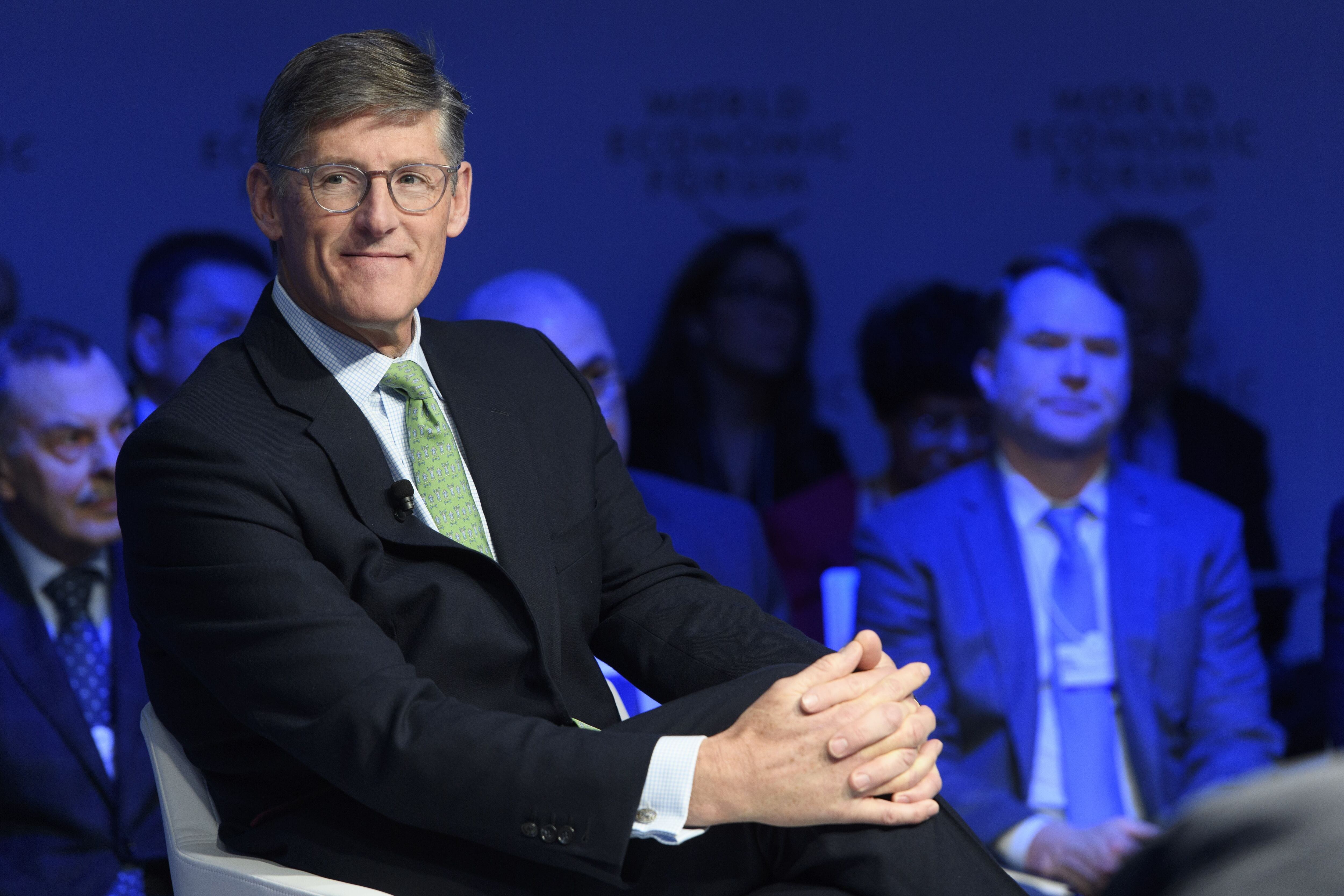
Citigroup CEO Michael Corbat weighs in on the backlash over family separation at the border and the need for immigration reform.
Image Credit: Shutterstock
The country's top court on Thursday ruled that states can force online retailers to charge sales taxes on purchases even if they don't have a physical presence in the state. D.A. Davidson's Tom Forte says Amazon may actually end up benefiting from that rule.
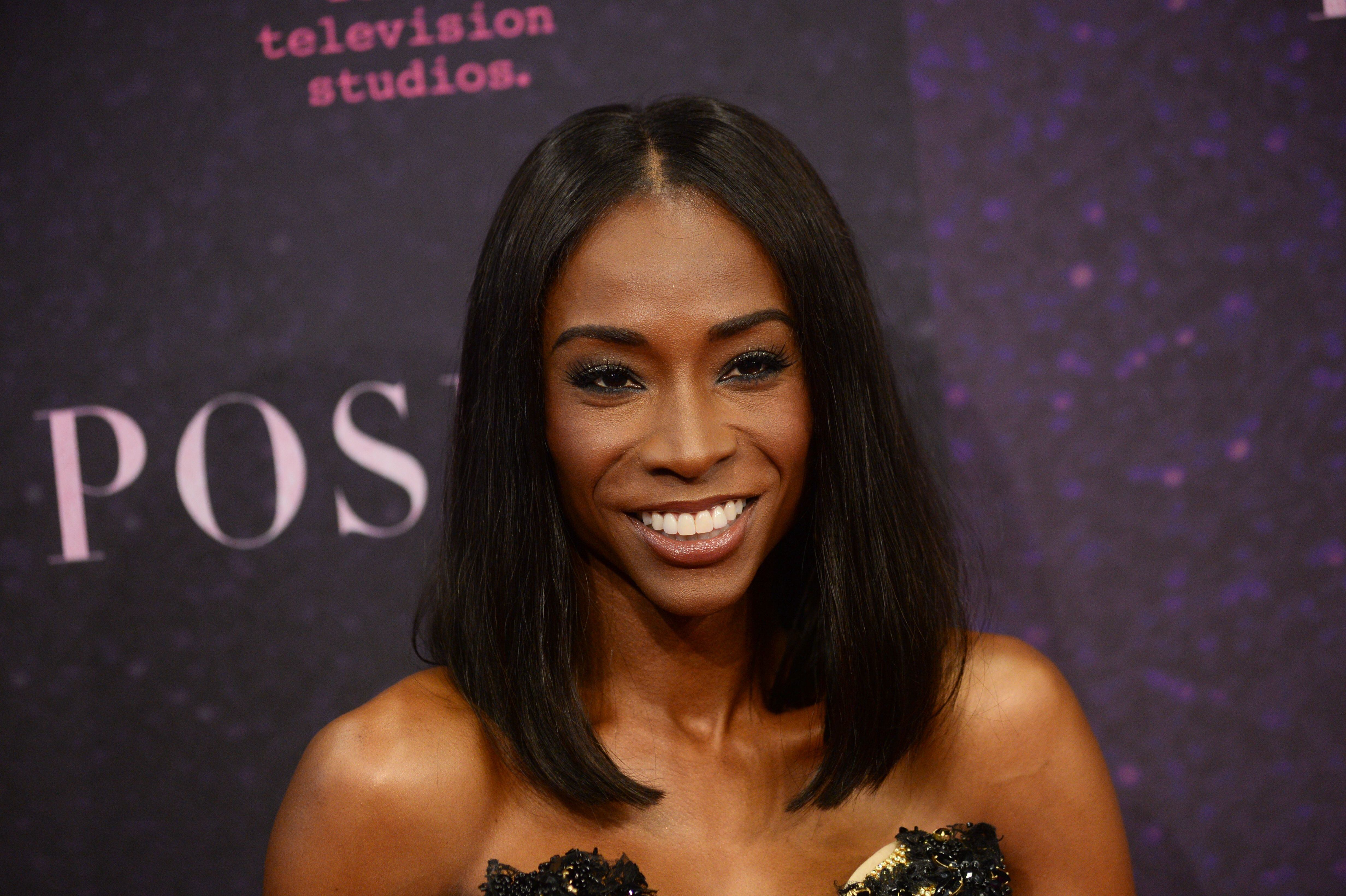
The recent crisis at the U.S.-Mexico border isn't that different from the injustices committed against the transgender community, says actress and transgender rights activist Angelica Ross. "We, as a country and as a global society, have lost touch with our humanity," she tells Cheddar.
Mike Corbat, head of the fourth biggest bank in the U.S. with $1.84 trillion in assets, said that, while many of the current trade agreements in place need to be updated to reflect the modern economy, it's 'unfortunate' that progress from other policies, like tax reform, could be hampered by the threat of trade wars.
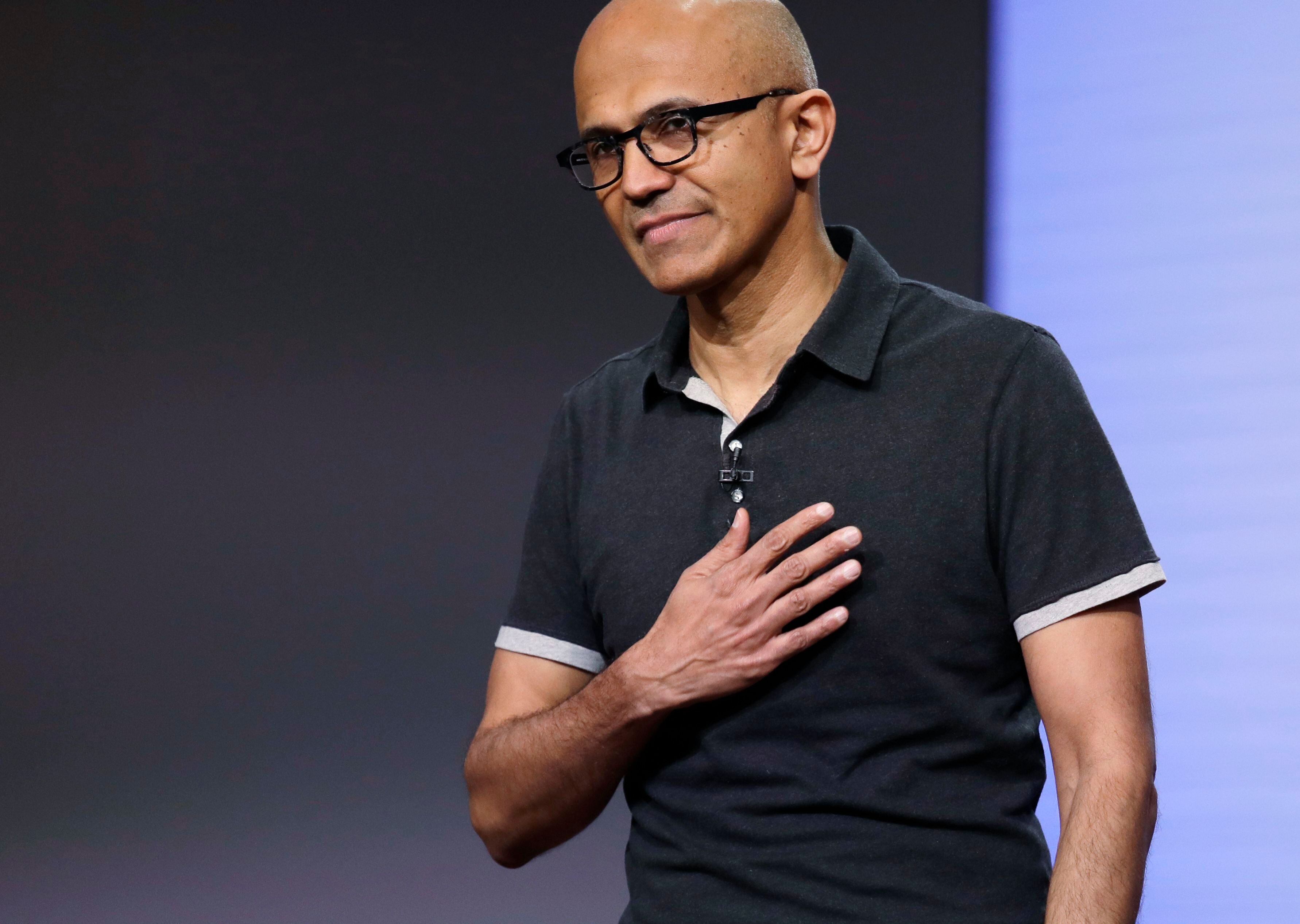
Employees of big tech companies hold their leaders to a high moral standard and force them to speak out, says Dana Wollman, executive editor at Endgadget. Microsoft staff recently protested against letting U.S. Immigration and Customs Enforcement, which has been criticized for its treatment of migrant children at the border, use the company's Azure cloud technology.
The president said he will sign an executive order as soon as Wednesday to prohibit officials from separating children and parents at the southern border, after days of standing by the zero tolerance policy. His changed stance may stem from national backlash in the political and private sectors, says Jack Crowe, news writer at the National Review.
President Trump on Tuesday again deflected blame for tearing apart families at the U.S. border and suggested deporting entire family units, and Republicans scrambled to come up with a legislative fix for the crisis.
The former president of Mexico, a long-time advocate of legalizing cannabis globally, joined the board of the cannabis culture company. Adam Levine, CEO of High Times, said his addition will lend support to its efforts.
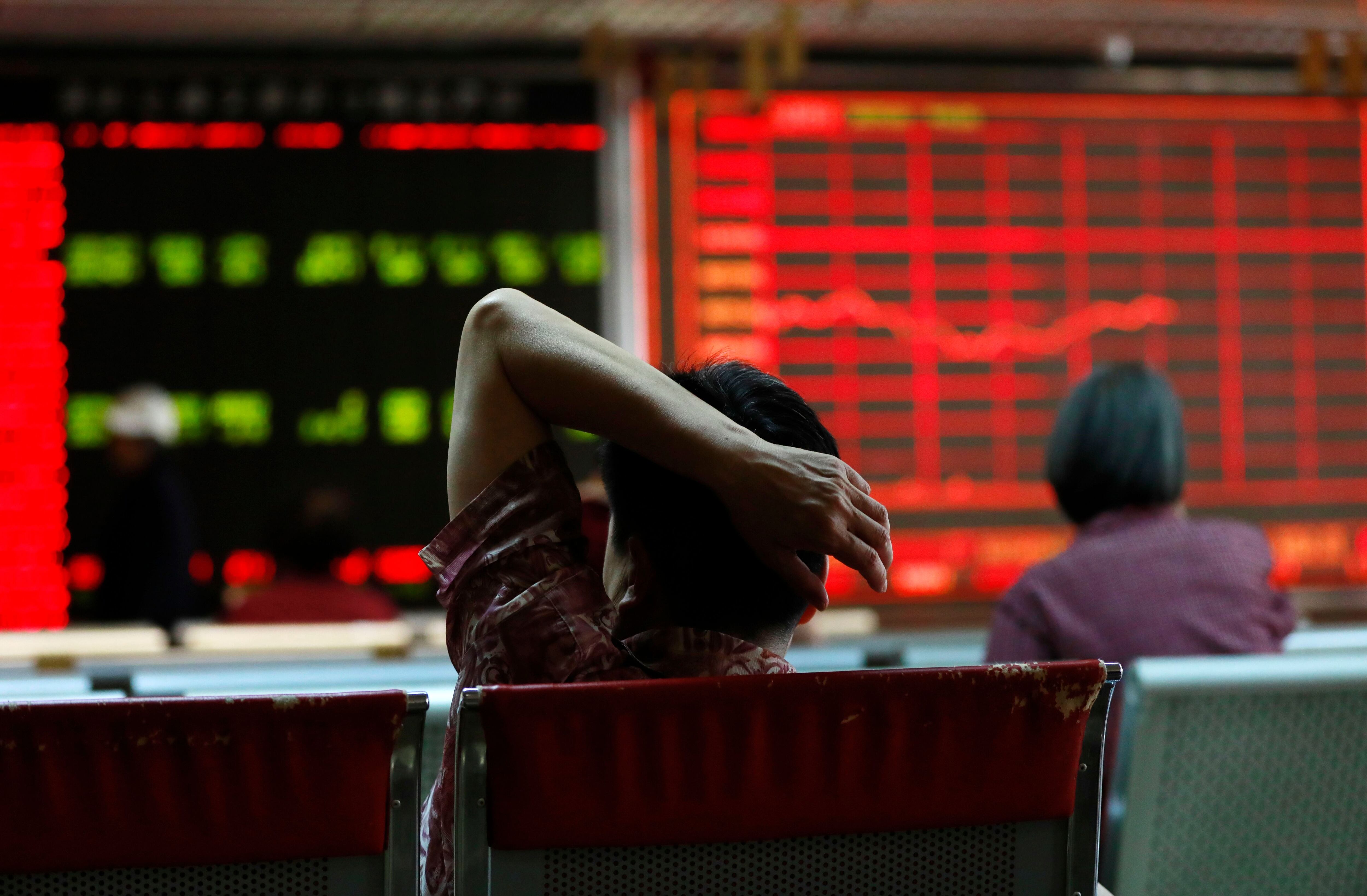
Markets opened sharply lower on Tuesday after President Trump directed his administration to identify an additional $200 billion worth of Chinese goods that could be hit with taxes, upping the ante in the potential U.S.-China trade war. Trump's announcement comes in response to China's threats to retaliate against an original round of tariffs, targeting $50 billion worth of U.S. imports.