Within the hallways of the U.S. Capitol, there is growing confidence by GOP Senators that Senate Majority Leader Mitch McConnell can whip his caucus to block a vote on witnesses Friday.
While returning to the chamber after a short break Thursday, Senator Tim Scott (R-S.C.) told Cheddar he's "feeling good" about tomorrow's expected vote.
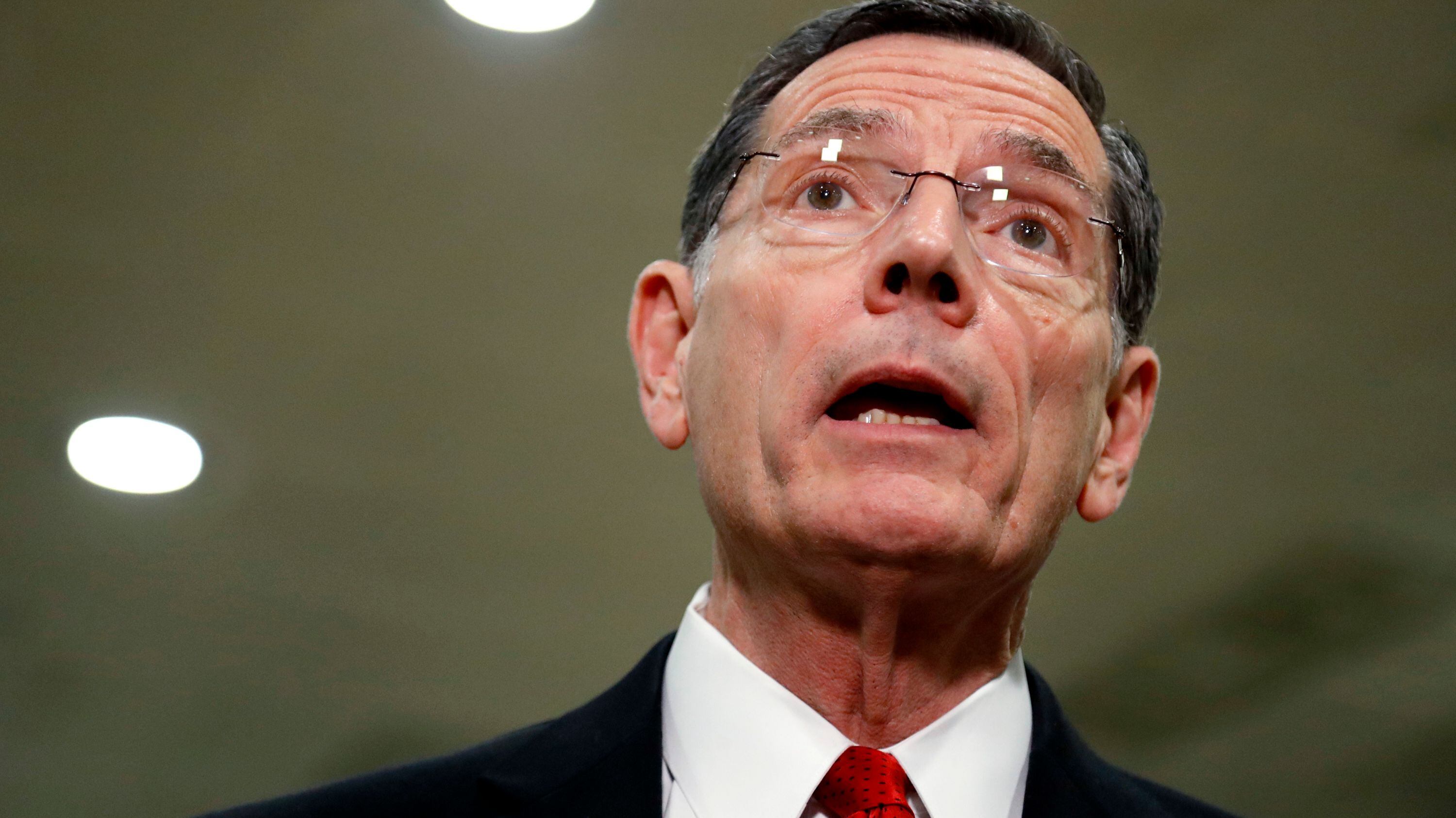
Senator John Barrasso (R-Wyo.) told reporters during the break that Republicans have the "momentum" to move to end the trial tomorrow without witnesses. "If we're able to say no [to witnesses] and go right to final judgment, we'd move in that direction and stay here until that work is decided and completed Friday evening. That's where all the momentum is now."
Still up for debate is what, exactly, happens, if the Republicans vote to end the debate on witnesses quickly.
Meanwhile, back in the chamber, lead impeachment manager Adam Schiff said witness depositions could be limited to just one week and said that the trial should not be rushed just because the State of the Union is Tuesday.
After the break, Senators asked two bipartisan questions, both of which were from senators who may still be undecided on the issue of whether to allow witnesses. First, Senators Joe Manchin (D-W.Va.), Susan Collins (R-Maine), Lisa Murkowski (R-Alaska), and Kyrsten Sinema (D-Ariz.) asked the defense team if the president would assure them that private citizens would not be directed to conduct foreign policy unless formally designated by the president and the State Department.
Murkowski and Senator Brian Schatz (D-Hawaii) submitted the second bipartisan question, asking if any action a president takes is inherently political and where the line is between permissible political actions and impeachable political actions.
In President Bill Clinton's impeachment trial, there was only one bipartisan question asked, which Sen. Collins had signed onto at the time.
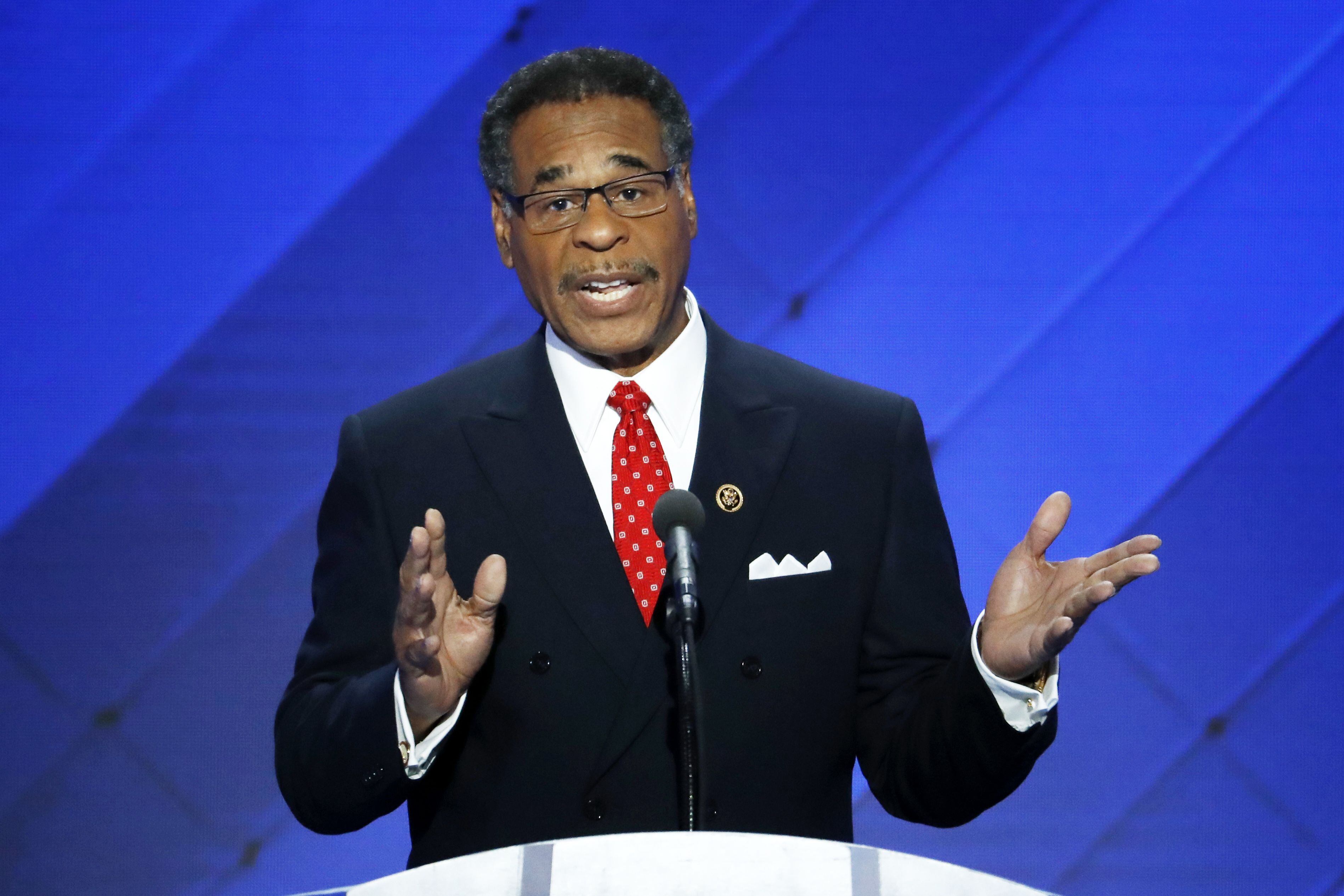
The Missouri congressman and former Kansas City mayor said that Harley-Davidson's decision to move some of its motorcycle production abroad is just the first sign of a slowdown in the American economy and that President Trump's tariffs are to blame.
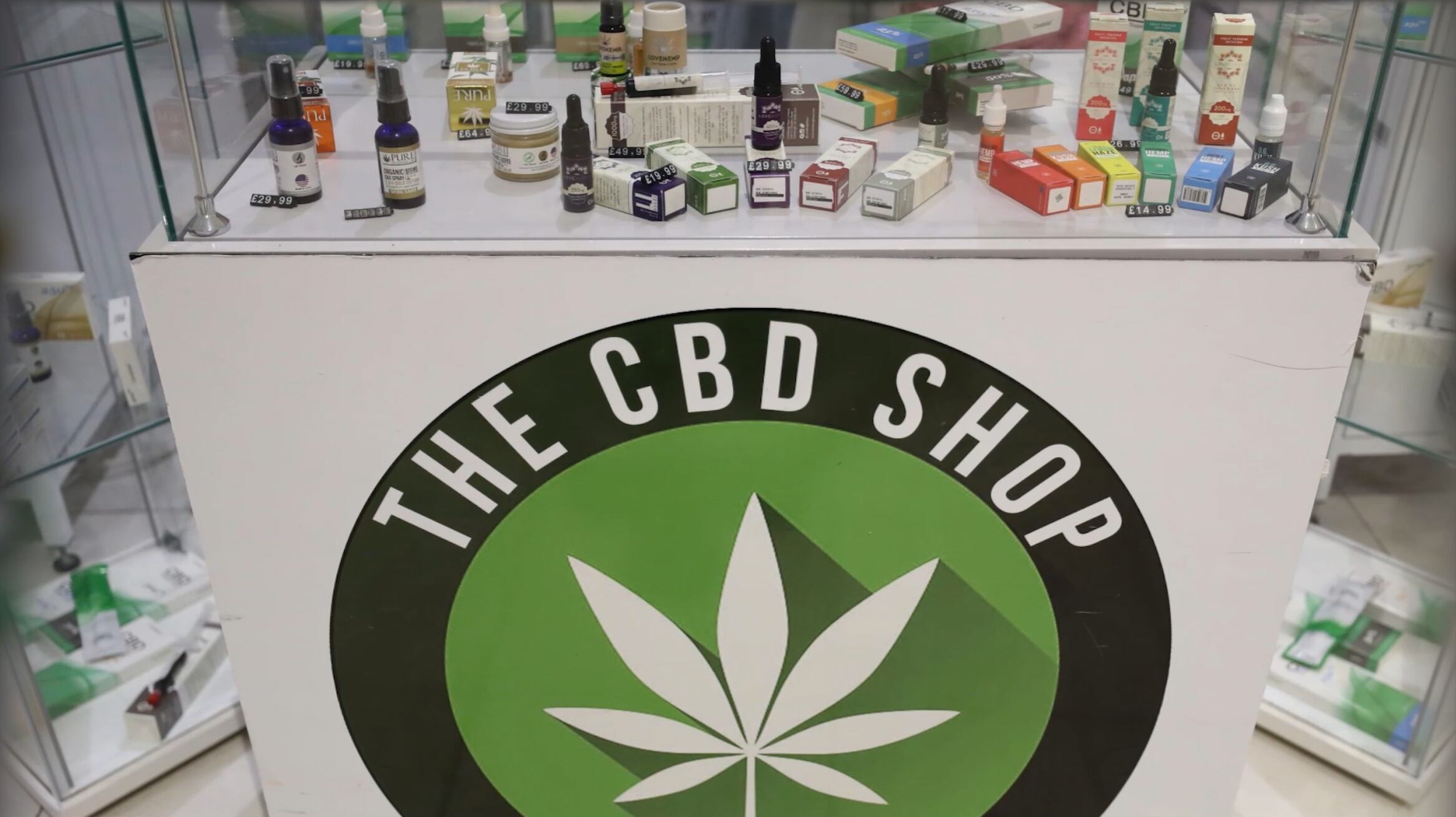
Instagram is now estimated at over $100 billion in value. Venmo rolls out an actual plastic debit card with Mastercard. The FDA approves its first marijuana-derived medication. The newest member of the Bush family is Sully the service dog. The yellow lab has been assigned to President George H.W. Bush, who is 94, and recovering from recent hospitalizations.
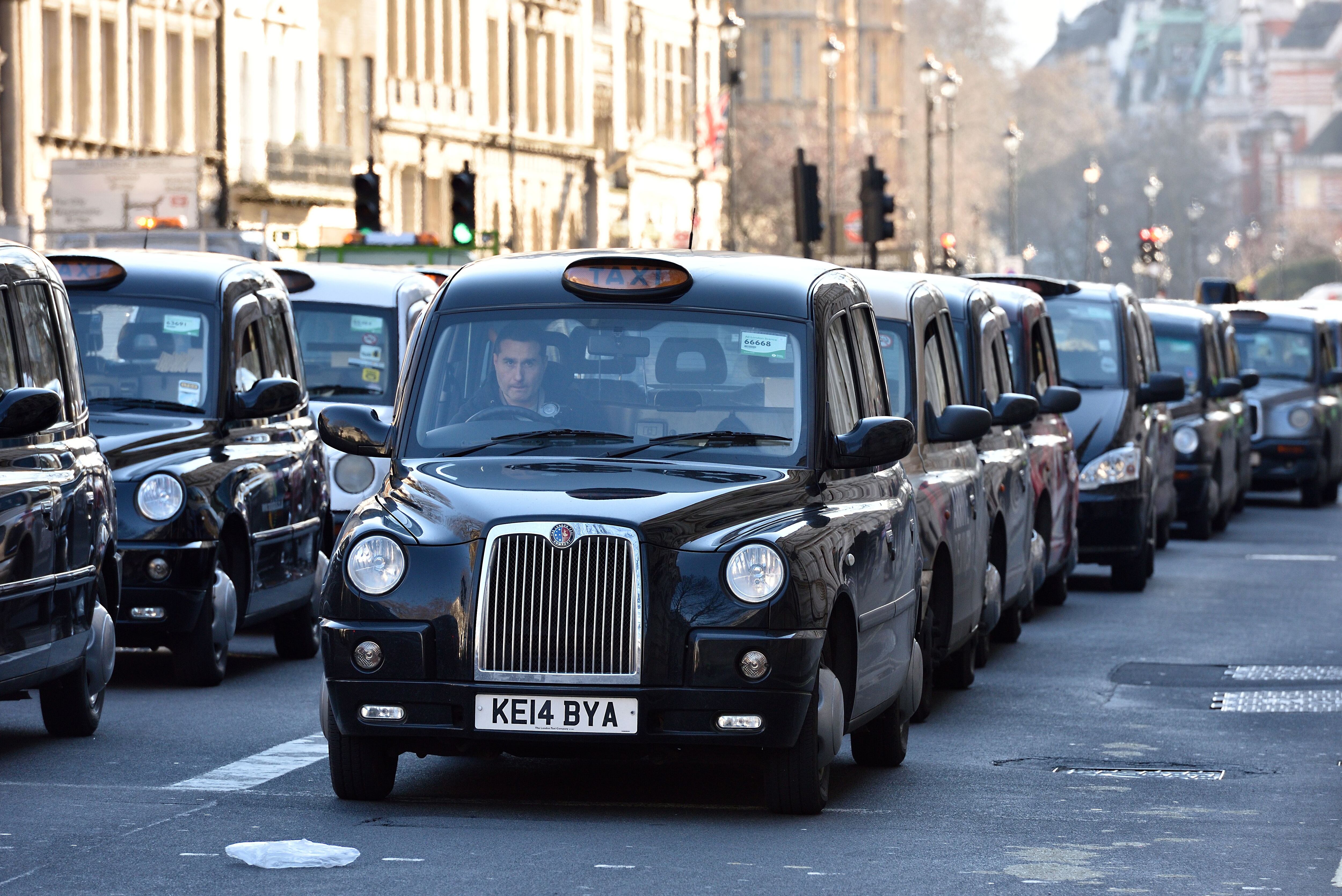
A UK court ruled that the company had made "substantial changes" to how it runs its business and is now "fit and proper" to operate in one of its largest markets. The court renewed Uber's license for 15 months, subject to strict conditions. London's transport authority refused to renew Uber's license in September, citing its working conditions and lack of strong safety measures.
Though FAANG stocks hit an all-time high last week, their gains could be undermined by the Trump administration's trade stand-off with China that could soon widen into the technology sector, says Jason Ware, chief investment officer at Albion Financial Group.
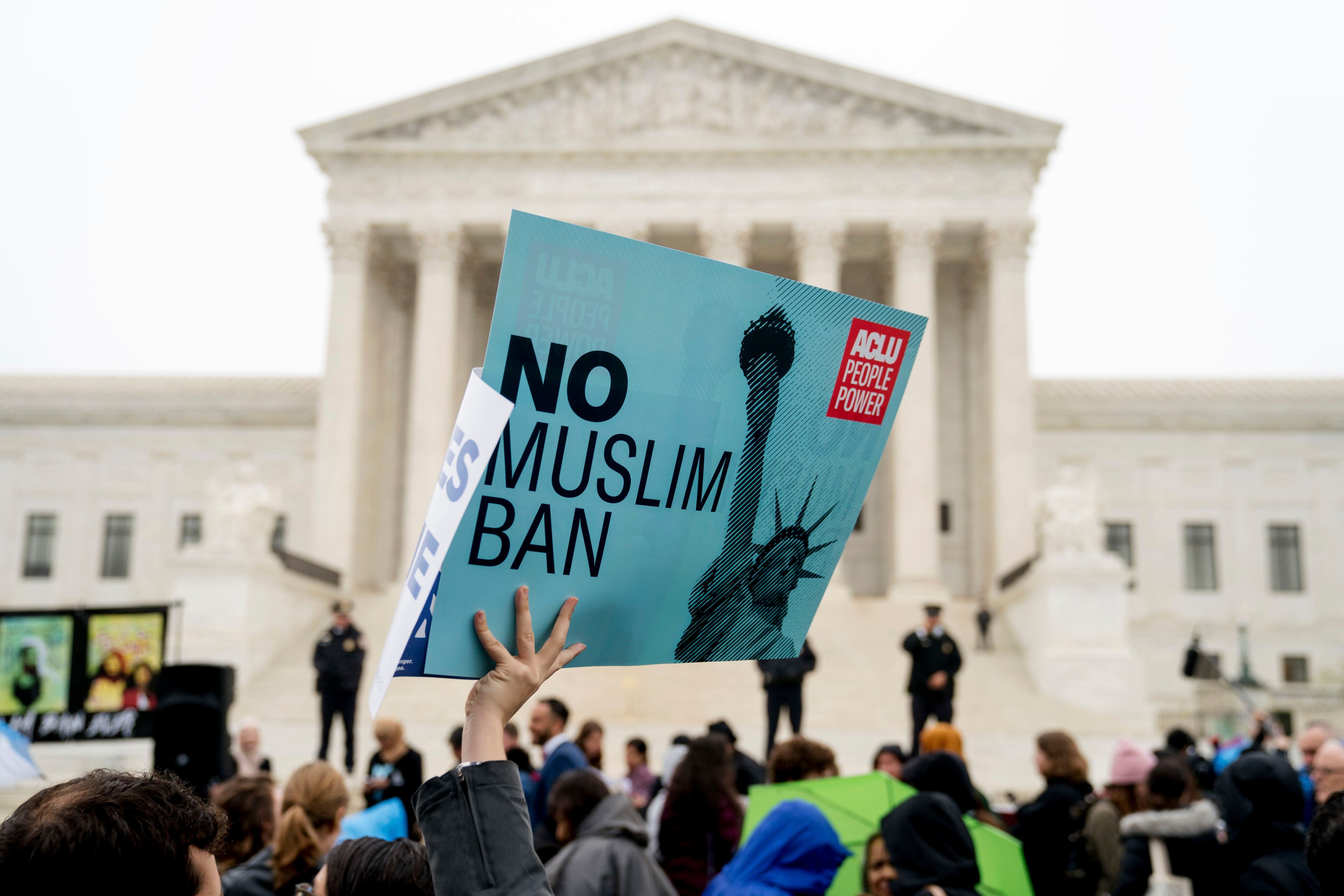
The country's highest court on Tuesday ruled in favor of the travel ban the Trump administration attempted to implement last year. The court rejected the argument that the policy exceeded the president's authority and that it discriminated against Muslims.
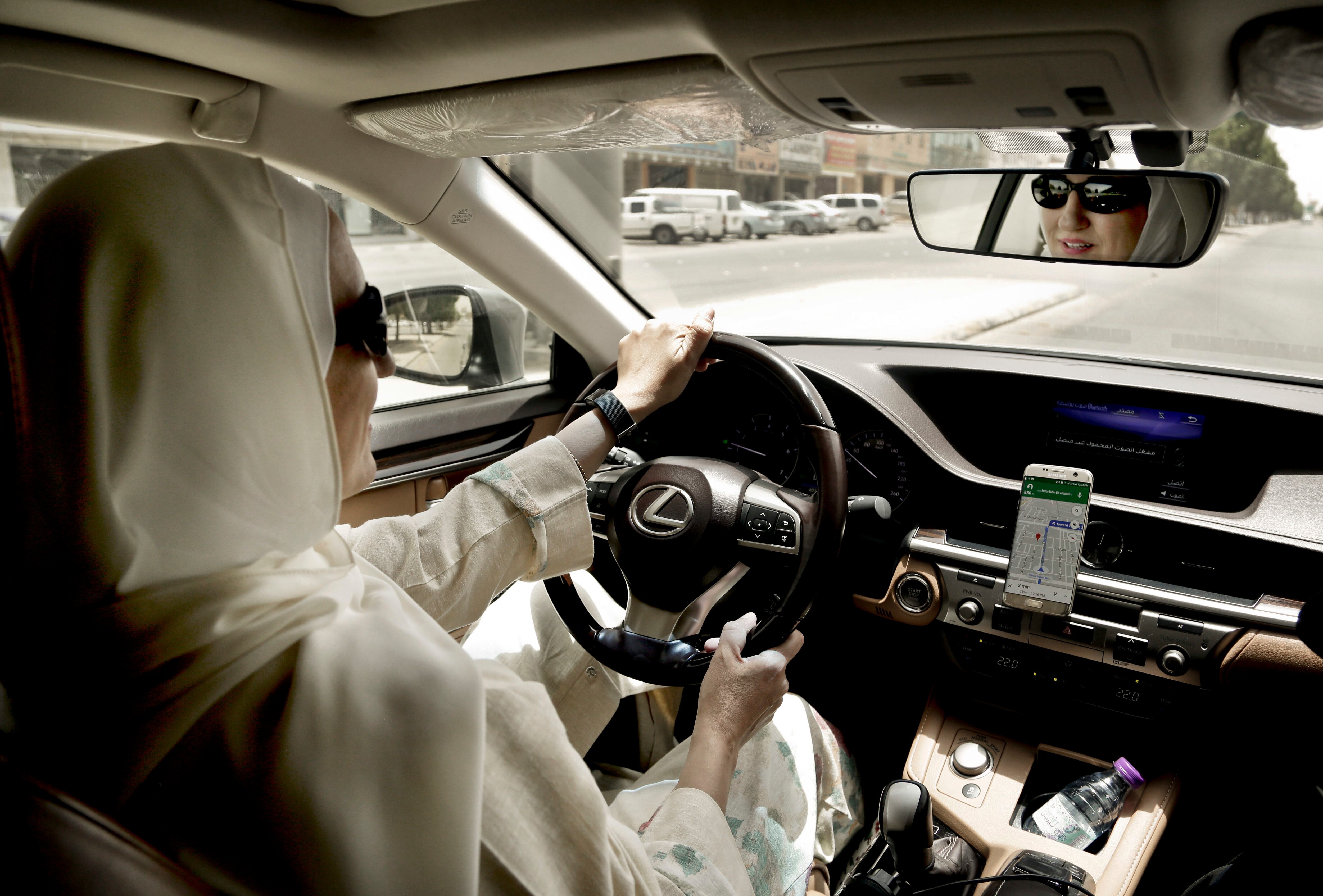
Letting women drive will make them "good workers and consumers," says Hiba Zayadin, the acting Saudi researcher at Human Rights Watch. But "the power structures and systems that keep women as second-class citizens" remain prevalent., she tells Cheddar.
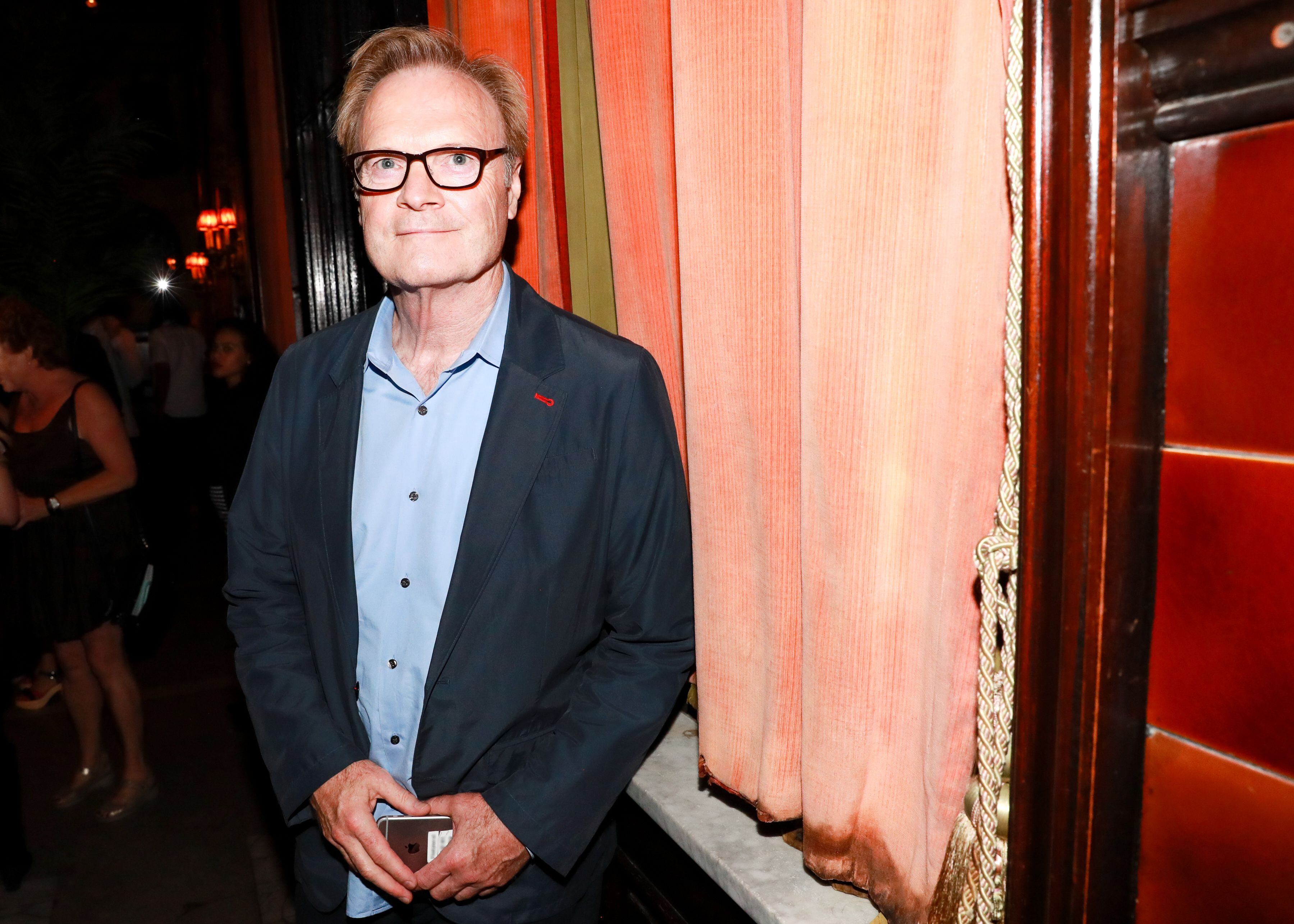
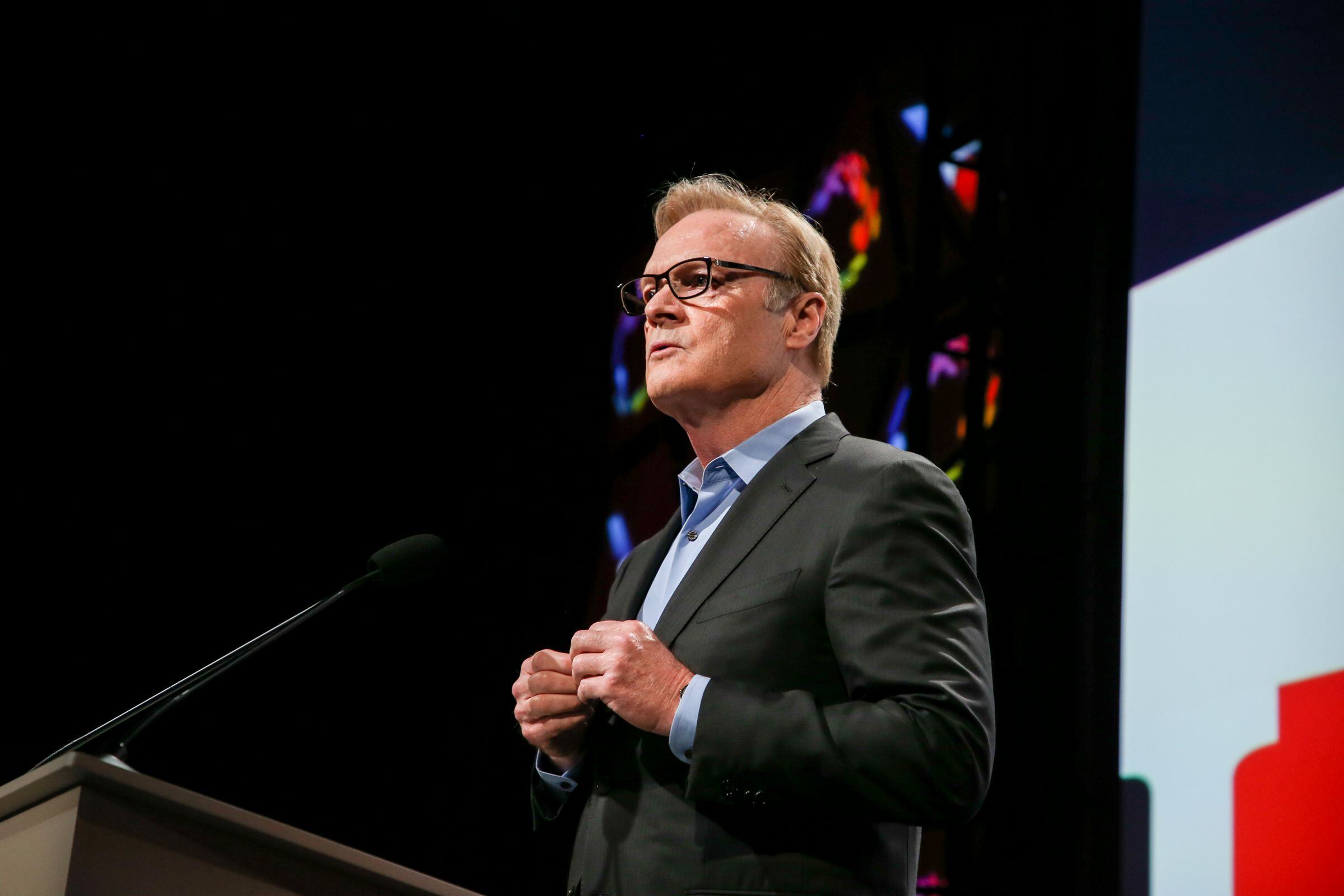
Police shootings have persisted in America for the last several decades but now personal video footage is holding officers accountable, says O'Donnell. The MSNBC host is re-publishing his book "Deadly Force" that chronicles the 1975 police shooting of an unarmed black man that was criticized as "basically a murder".
The president's consistent attacks on media outlets like CNN is "very, very good for business." But Trump has avoided directing his wrath at MSNBC since taking the White House, because the network "is much higher rated" and "he would prefer people to watch CNN," which features many pro-Trump speakers, says O'Donnell.
The MSNBC host explains what happened leading up to the moment when his co-worker, Rachel Maddow, broke down in tears on air while covering the border crisis. O'Donnell tells Cheddar that if he had to report the story on tender age shelters, he might have cried too.
Markets plunged on Monday as President Trump escalated already-tense trade relations with China and investors saw the first sign of American manufacturers feeling the impact of the Trump administration’s increasingly protectionist stance.