Within the hallways of the U.S. Capitol, there is growing confidence by GOP Senators that Senate Majority Leader Mitch McConnell can whip his caucus to block a vote on witnesses Friday.
While returning to the chamber after a short break Thursday, Senator Tim Scott (R-S.C.) told Cheddar he's "feeling good" about tomorrow's expected vote.
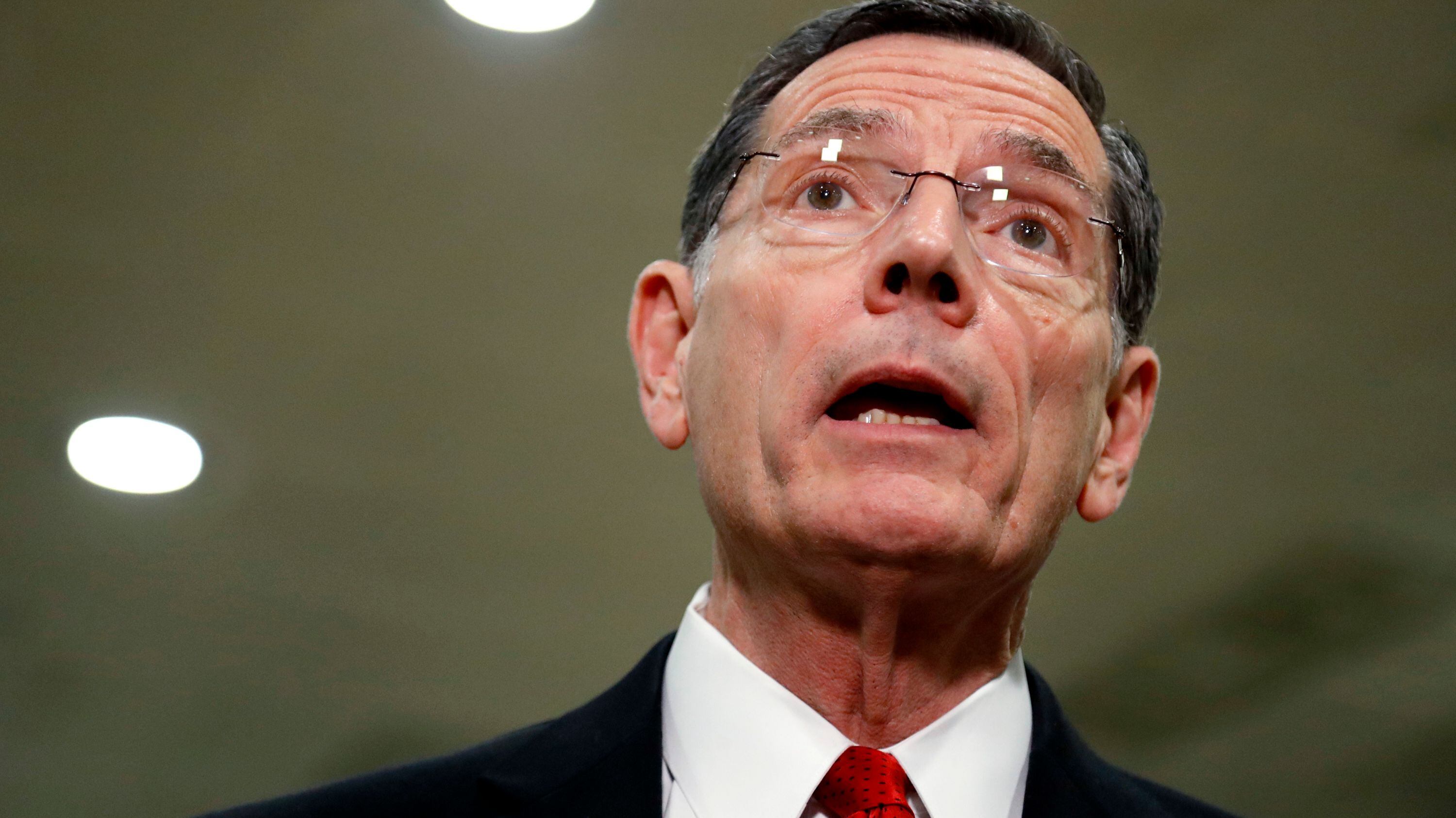
Senator John Barrasso (R-Wyo.) told reporters during the break that Republicans have the "momentum" to move to end the trial tomorrow without witnesses. "If we're able to say no [to witnesses] and go right to final judgment, we'd move in that direction and stay here until that work is decided and completed Friday evening. That's where all the momentum is now."
Still up for debate is what, exactly, happens, if the Republicans vote to end the debate on witnesses quickly.
Meanwhile, back in the chamber, lead impeachment manager Adam Schiff said witness depositions could be limited to just one week and said that the trial should not be rushed just because the State of the Union is Tuesday.
After the break, Senators asked two bipartisan questions, both of which were from senators who may still be undecided on the issue of whether to allow witnesses. First, Senators Joe Manchin (D-W.Va.), Susan Collins (R-Maine), Lisa Murkowski (R-Alaska), and Kyrsten Sinema (D-Ariz.) asked the defense team if the president would assure them that private citizens would not be directed to conduct foreign policy unless formally designated by the president and the State Department.
Murkowski and Senator Brian Schatz (D-Hawaii) submitted the second bipartisan question, asking if any action a president takes is inherently political and where the line is between permissible political actions and impeachable political actions.
In President Bill Clinton's impeachment trial, there was only one bipartisan question asked, which Sen. Collins had signed onto at the time.
These are the headlines you Need 2 Know.
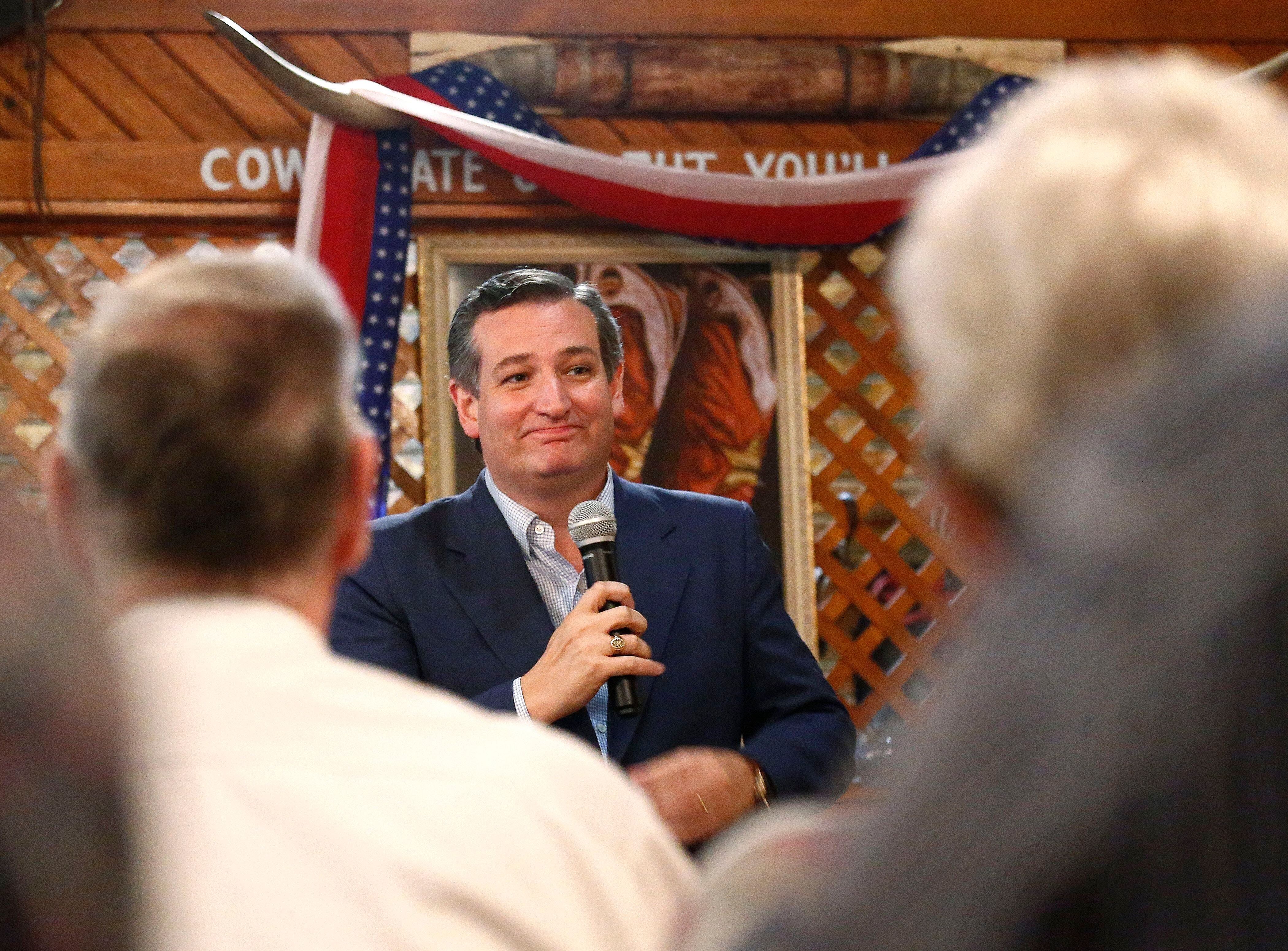
Carlos Sanchez, news and politics editor at Texas Monthly, said that Ted Cruz has a "likeability" problem, showing low approval rankings in the Lone Star State.
Omarosa Manigault Newman, author of "Unhinged" and former White House staffer, said that President Trump won't be able to handle a blue wave in the midterms. Omarosa and Trump have been at odds since she was fired from the administration and wrote a book calling him unfit to lead
Victor Santos is what America is all about: Brazilian born, he came to the U.S. with his parents, graduated from Berkeley, worked at Google, and founded his own company to help "unbanked" people in the third world get access to basic banking infrastructure. But because of his status as a Dreamer, he could be deported.
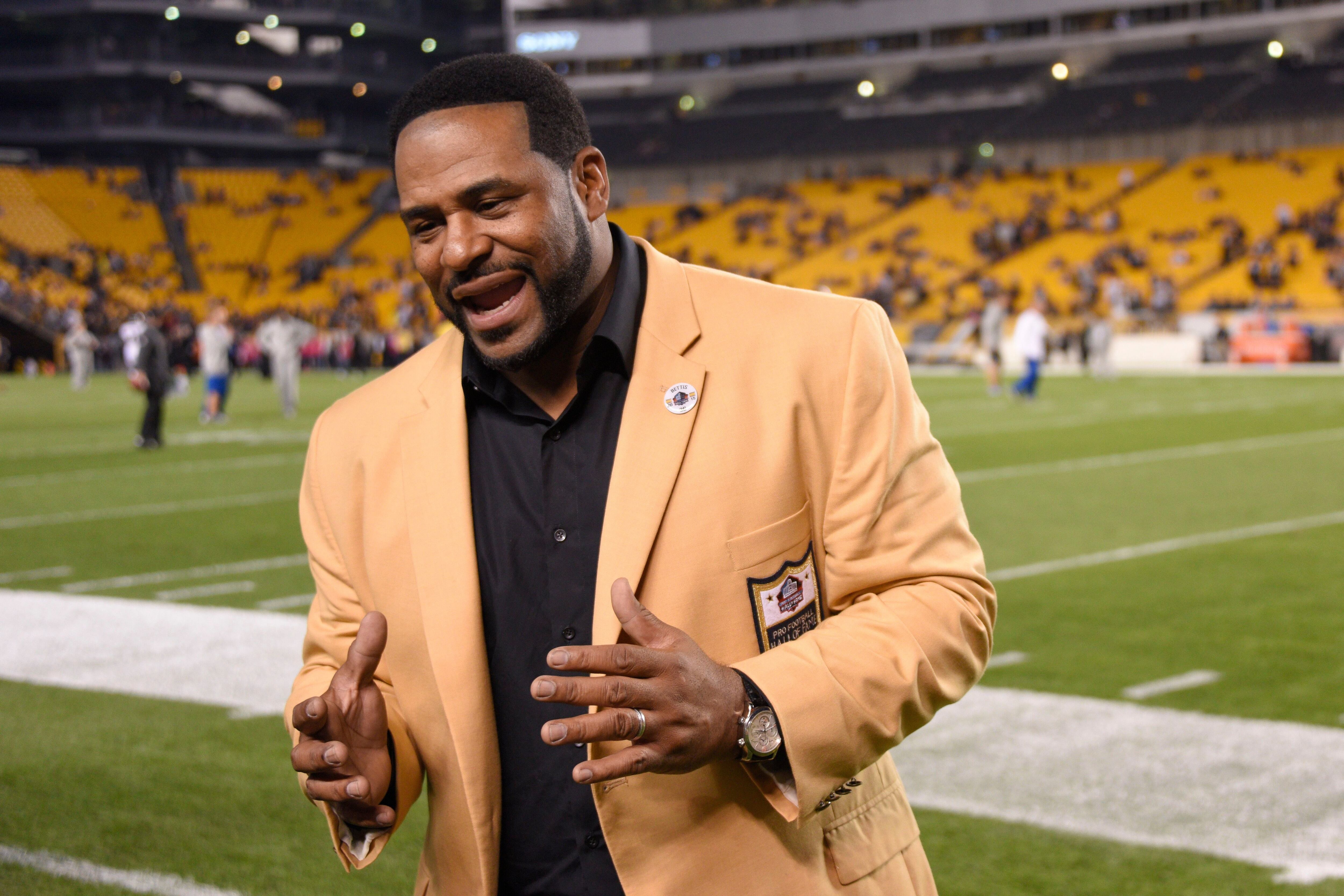
Bettis, known as "The Bus" when he was an unstoppable running back for the Pittsburgh Steelers, voiced support for the NFL player protests but also said he thought the league was "doing the right thing" in a tense situation.
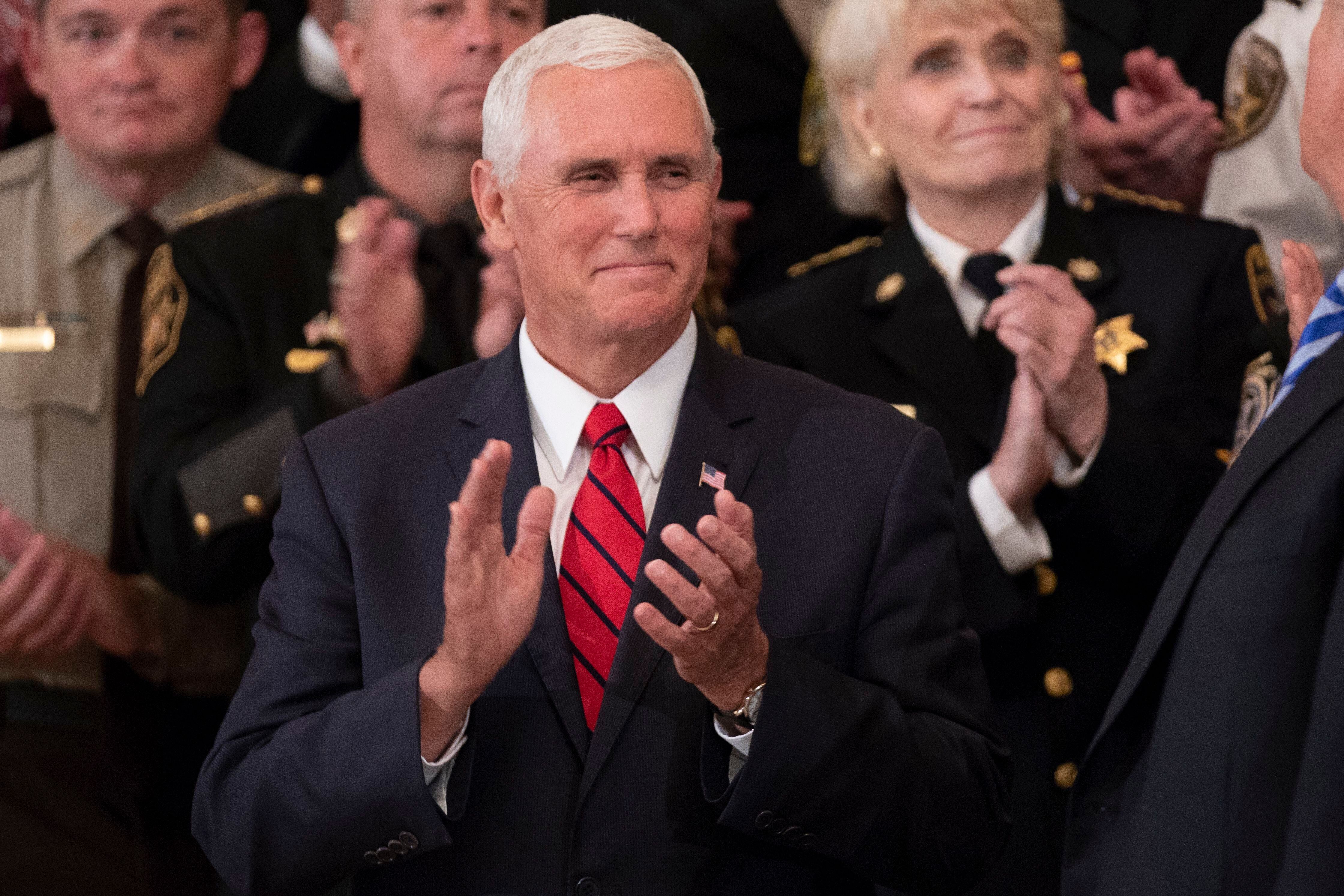
The Vice President walks a fine line between unbreakable devotion to the president and keeping himself above the multiple scandals ensnaring the White House. Pete Eisner, co-author of "The Shadow President: The Truth About Mike Pence," said that's no coincidence.
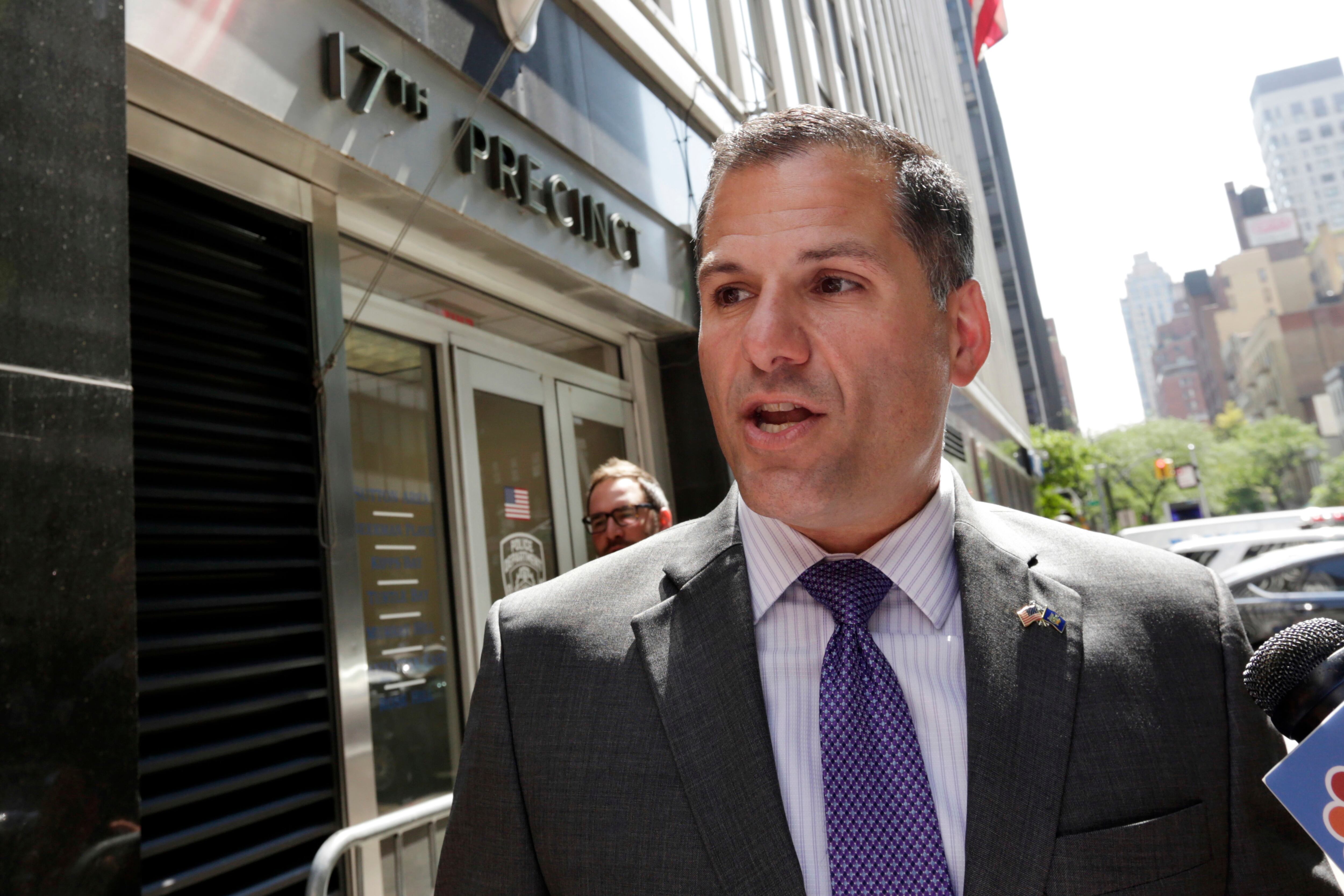
Marc Molinaro, the Republican candidate running to replace Andrew Cuomo as New York's governor, said his first action items would be cleaning up Albany and lowering property taxes. Molinaro trails Cuomo by more than 20 points.
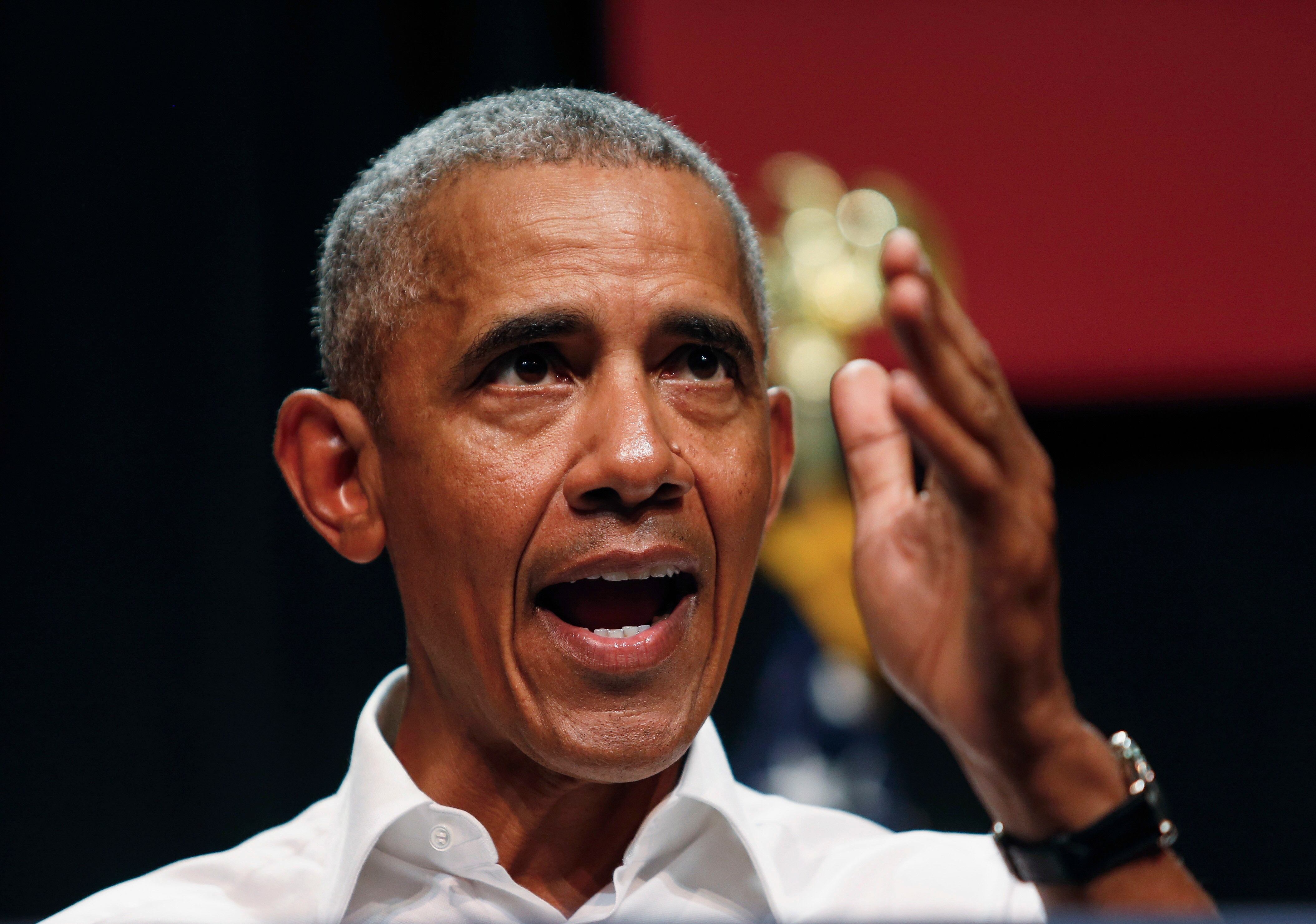
Obama will be a galvanizing force on the trail for Democrats but could also rally the more moderate GOP base against the sitting president, said Eric Boehm of Reason.com.
These are the headlines you Need 2 Know.
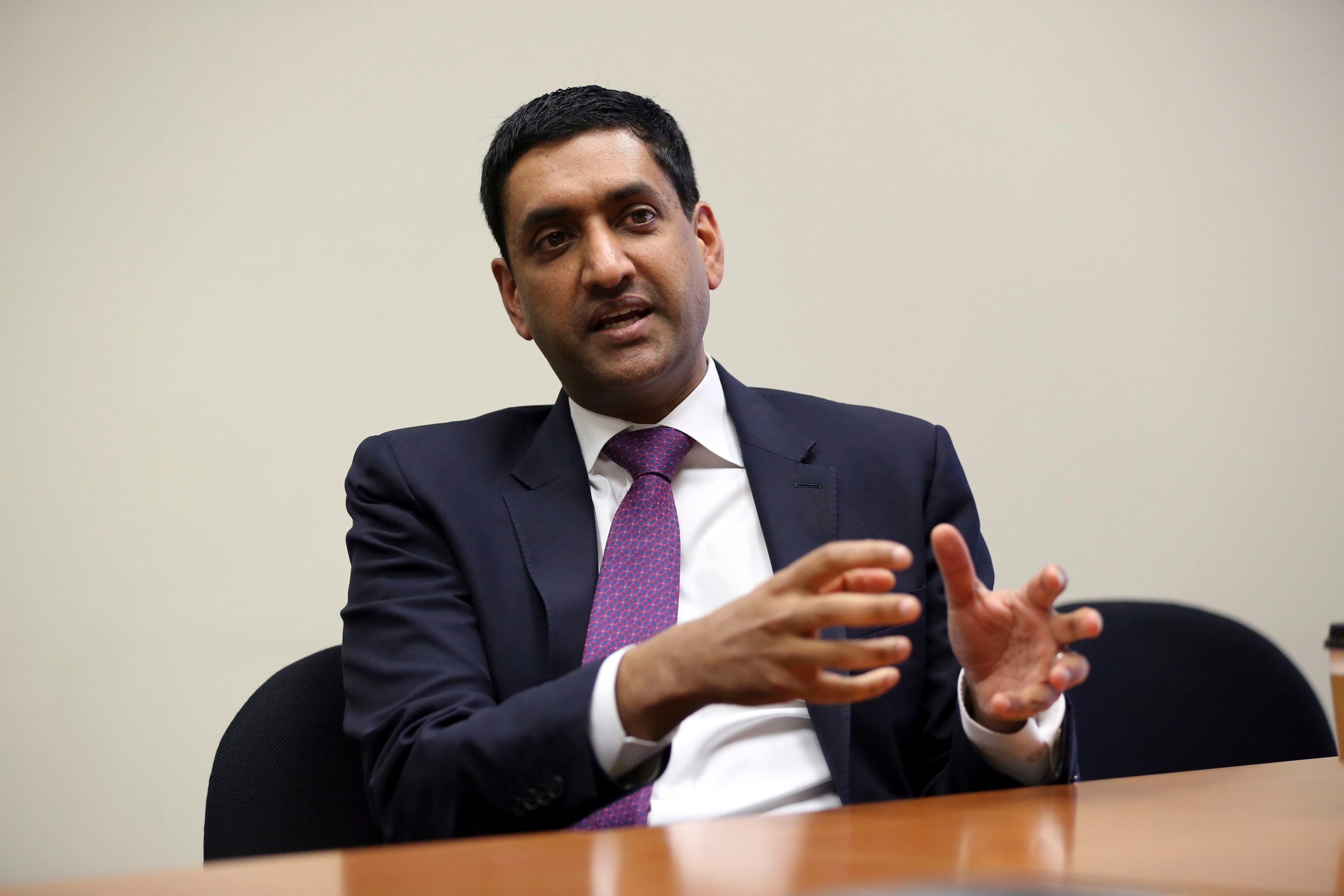
The Congressman who represents Silicon Valley told Cheddar that the new legislation he's co-authored with Sen. Bernie Sanders of Vermont is intended to force massive, profitable companies like Amazon to help lift workers at the bottom of the economic ladder. Otherwise, he said, Uncle Sam ends up footing the bill.