Within the hallways of the U.S. Capitol, there is growing confidence by GOP Senators that Senate Majority Leader Mitch McConnell can whip his caucus to block a vote on witnesses Friday.
While returning to the chamber after a short break Thursday, Senator Tim Scott (R-S.C.) told Cheddar he's "feeling good" about tomorrow's expected vote.
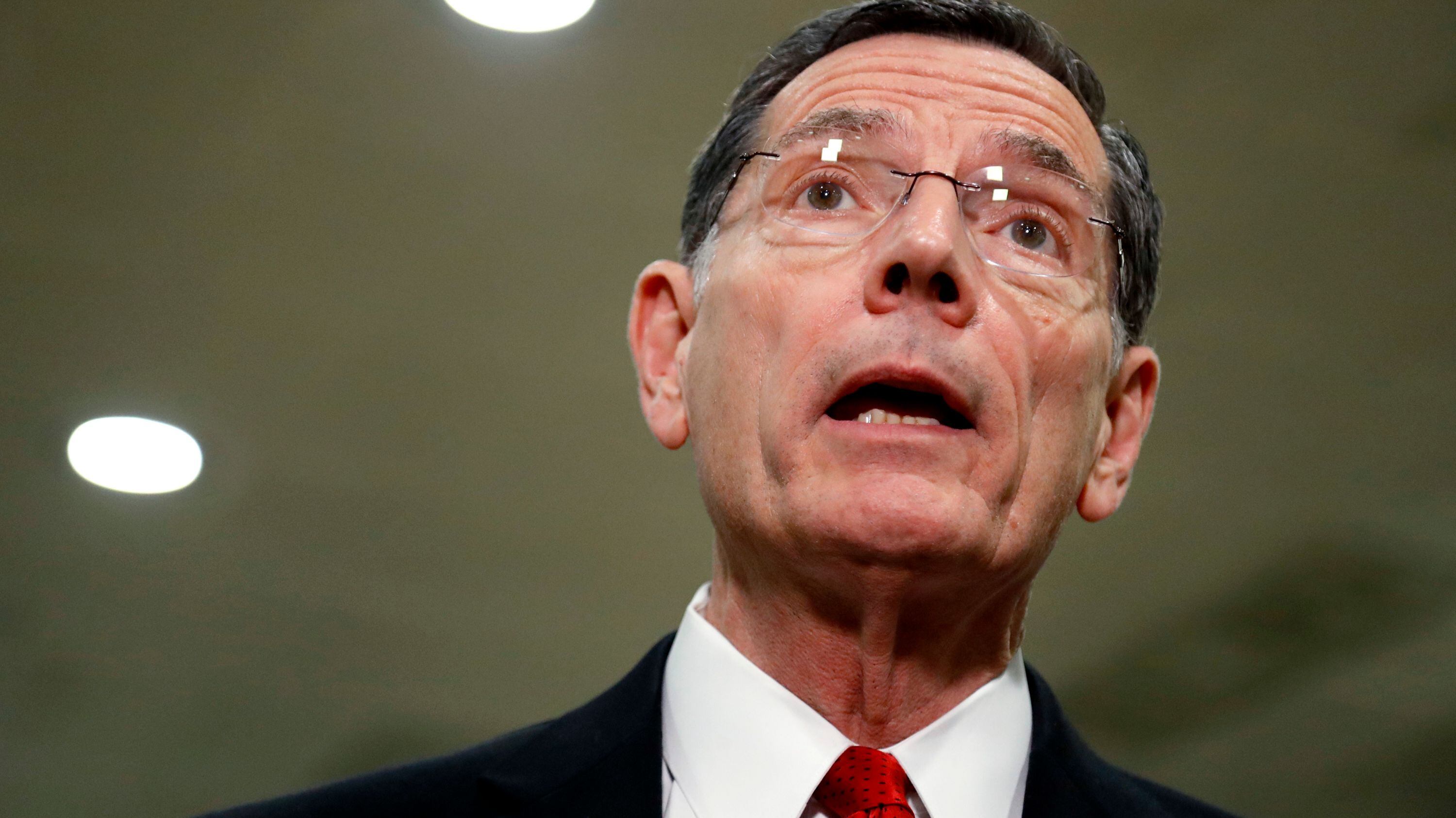
Senator John Barrasso (R-Wyo.) told reporters during the break that Republicans have the "momentum" to move to end the trial tomorrow without witnesses. "If we're able to say no [to witnesses] and go right to final judgment, we'd move in that direction and stay here until that work is decided and completed Friday evening. That's where all the momentum is now."
Still up for debate is what, exactly, happens, if the Republicans vote to end the debate on witnesses quickly.
Meanwhile, back in the chamber, lead impeachment manager Adam Schiff said witness depositions could be limited to just one week and said that the trial should not be rushed just because the State of the Union is Tuesday.
After the break, Senators asked two bipartisan questions, both of which were from senators who may still be undecided on the issue of whether to allow witnesses. First, Senators Joe Manchin (D-W.Va.), Susan Collins (R-Maine), Lisa Murkowski (R-Alaska), and Kyrsten Sinema (D-Ariz.) asked the defense team if the president would assure them that private citizens would not be directed to conduct foreign policy unless formally designated by the president and the State Department.
Murkowski and Senator Brian Schatz (D-Hawaii) submitted the second bipartisan question, asking if any action a president takes is inherently political and where the line is between permissible political actions and impeachable political actions.
In President Bill Clinton's impeachment trial, there was only one bipartisan question asked, which Sen. Collins had signed onto at the time.
While President Trump and Florida Gov. Rick Scott continue to claim the recount in three tight Florida races is rampant with abuse, state law enforcement authorities say they have no concrete allegation of voter fraud to investigate. Ana Ceballos, politics reporter for the USA Today Network in Florida, updated Cheddar on the latest.
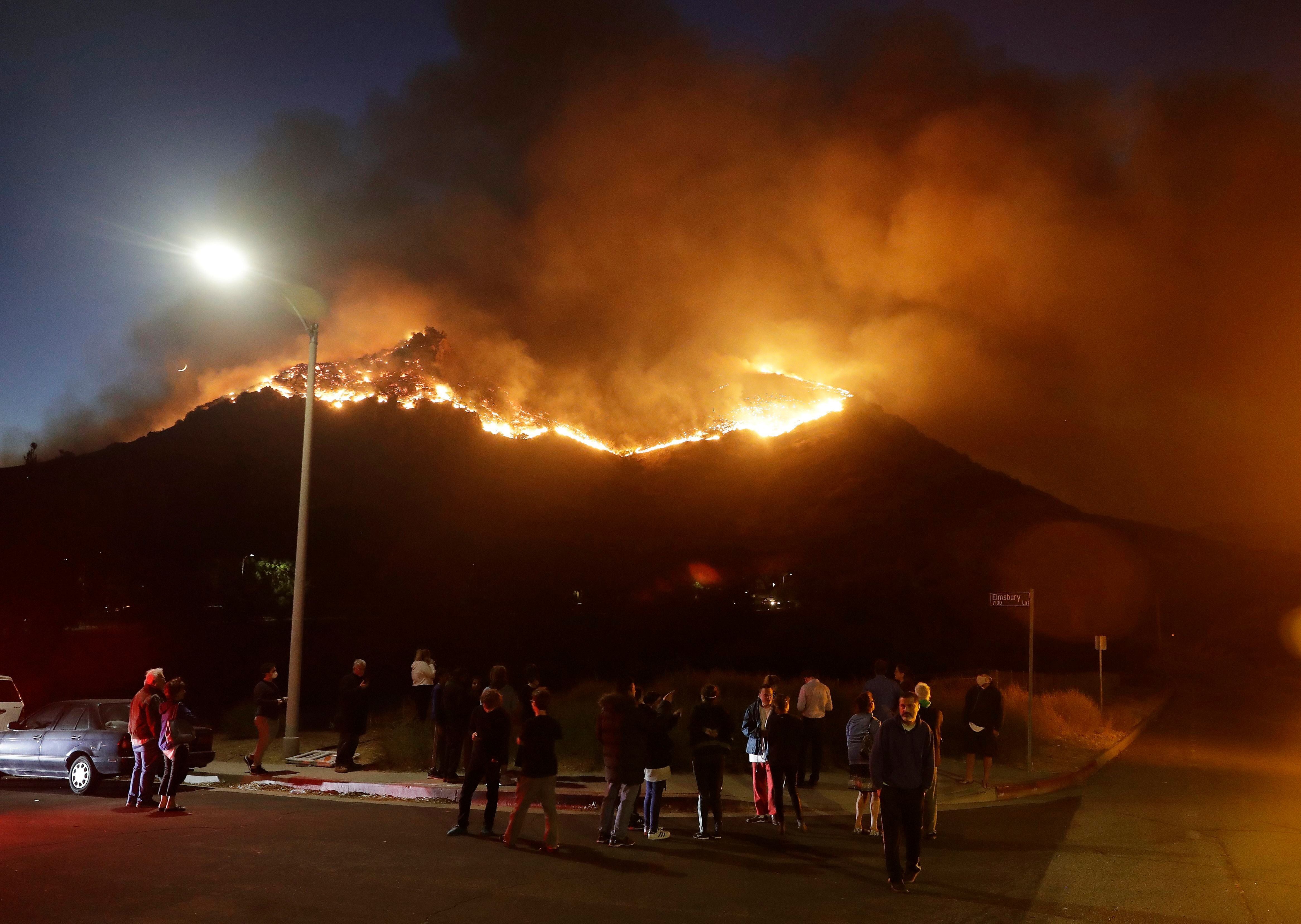
Not many Californians are pleased with President Trump's weekend Twitter response to the wildfires that are devastating parts of California ー especially not Congressman-elect Harley Rouda. Fresh off a victory in California's 48th Congressional District, the newly-elected House Democrat had some choice words for the president during an interview on Cheddar Monday.
Over the weekend, the NRA criticized doctors for advocating for gun control by telling them to "stay in your lane." That was swiftly met with an online movement of doctors sharing their stories of seeing the aftermath of gun violence up close.
Dr. Ana Maria Lopez, president of the American College of Physicians, told Cheddar that physicians live by a code that requires them to address gun violence as a crisis.
These are the headlines you Need 2 Know.
These are the top stories, from Wall Street to Silicon Valley, that moved markets and had investors, business leaders, and entrepreneurs talking this week on Cheddar.
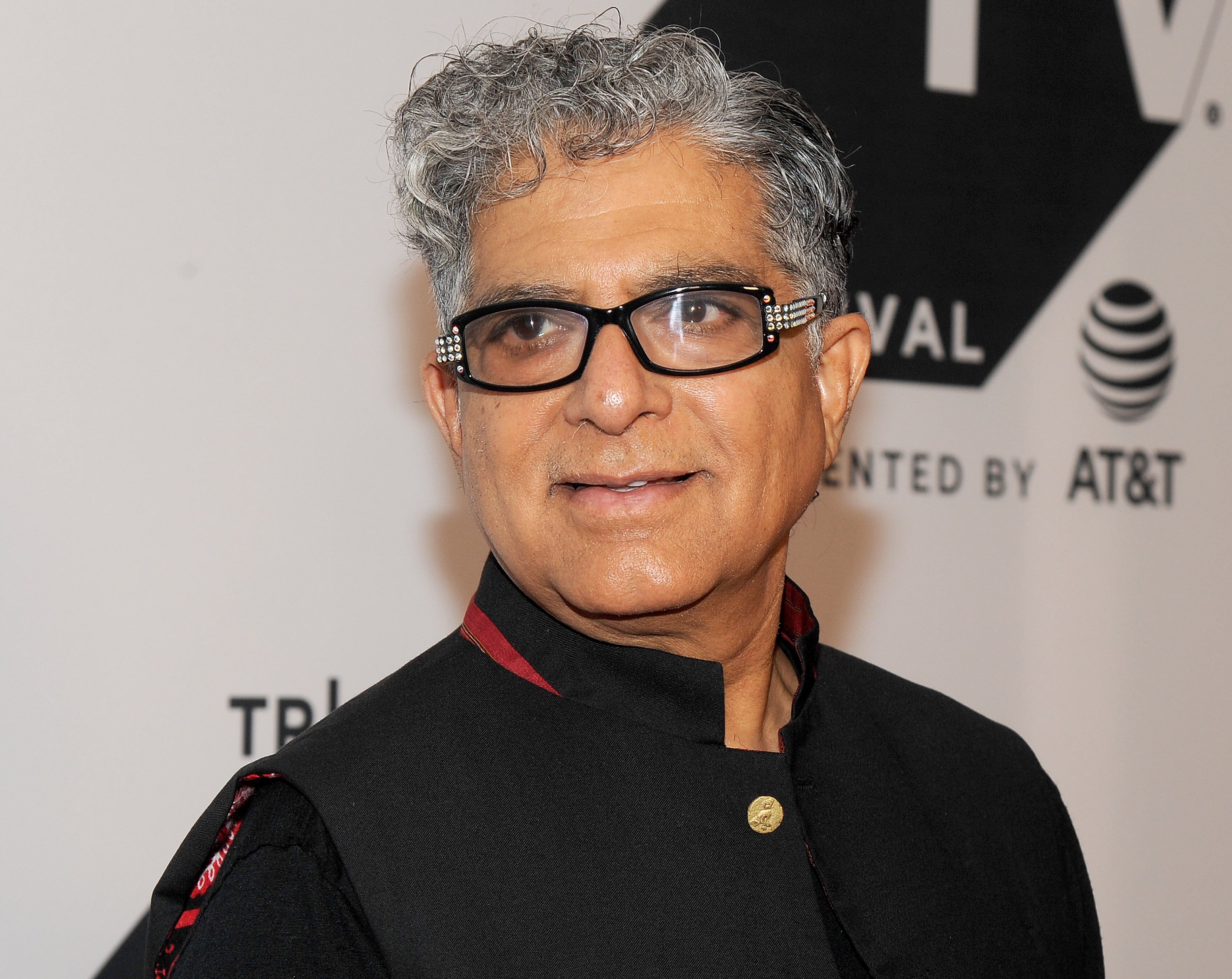
The internet can be a toxic place ー but it doesn't have to be, according to Deepak Chopra. The bestselling author and new age advocate is helping to build a healthier internet through a new Amazon Alexa skill that delivers his daily "intentions." The skill is a result of a partnership with A.I.-provider LivePerson's innovation lab, LivePerson Studios.
These are the headlines you Need 2 Know.
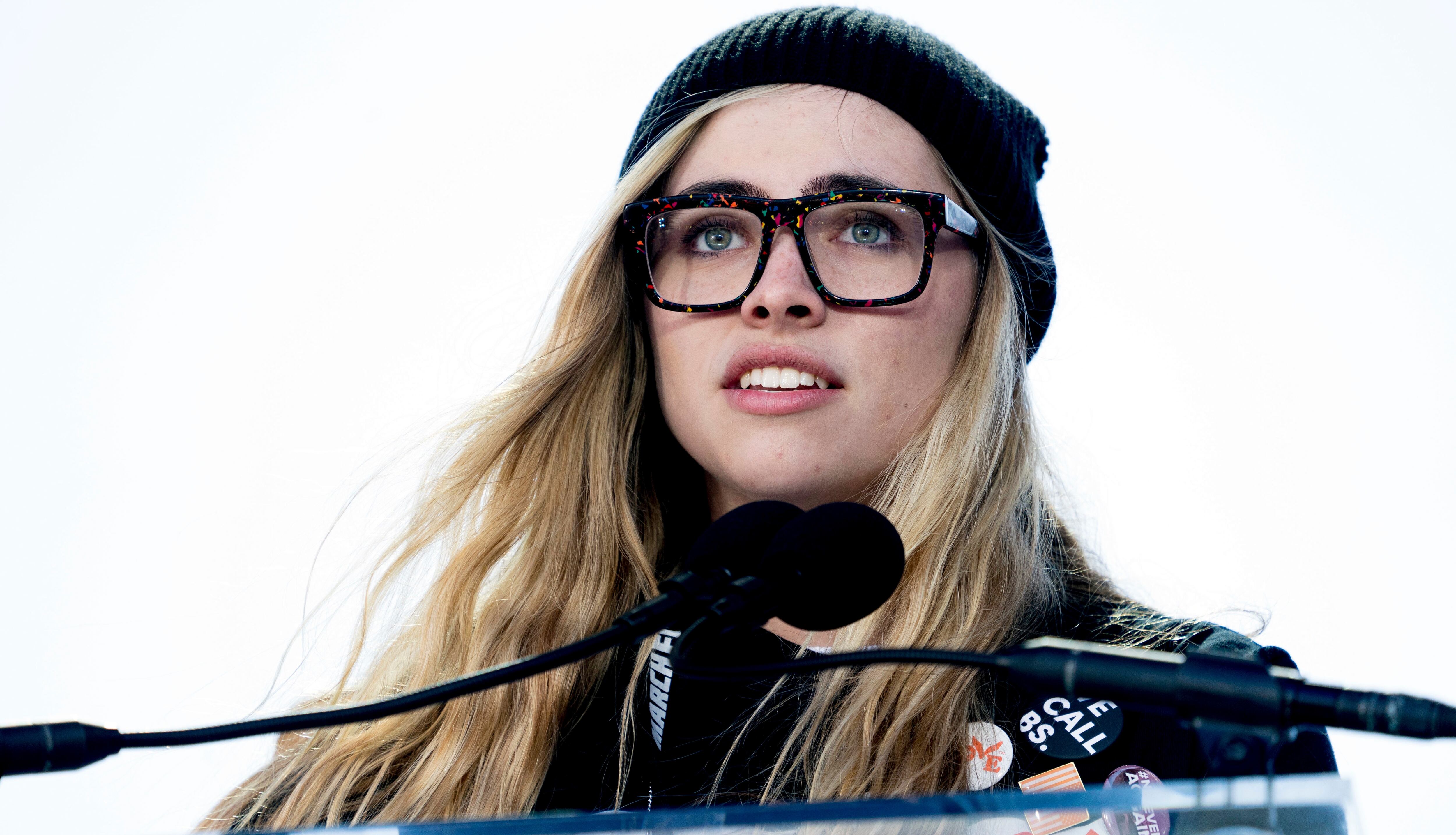
Parkland shooting survivor and March for Our Lives co-founder Delaney Tarr worries people will keep dying at the hands of gun violence until "everyone has a story." "It's that mentality of, 'It's not important to vote on because it hasn't happened to us yet.' But, increasingly, every community in this country is affected by gun violence," she told Cheddar Big News on Thursday. "If we don't start voting on it now like it is one of the most important issues ー because it is ー then people are just going to keep dying."
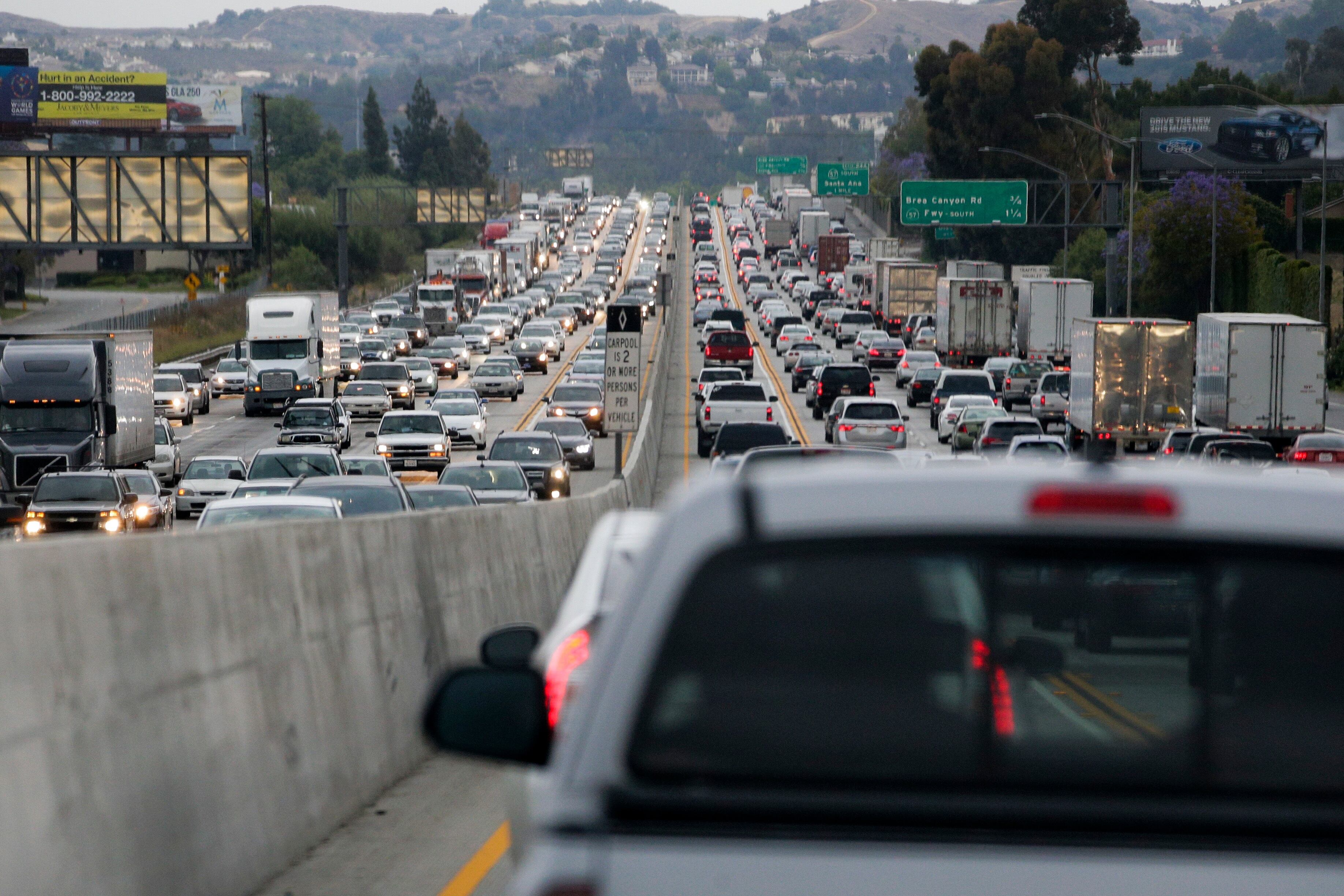
Americans seem to agree on at least one thing: no one likes a traffic jam — and congestion is at its all-time worst. Transportation was a prominent subject of this year's midterm elections. Election Day hosted over 300 transportation and infrastructure initiatives on the ballot, and on both the state and local levels, a number of newly-elected officials are now faced with the task of shaping that legislation and policy.
These are the headlines you Need 2 Know.