Within the hallways of the U.S. Capitol, there is growing confidence by GOP Senators that Senate Majority Leader Mitch McConnell can whip his caucus to block a vote on witnesses Friday.
While returning to the chamber after a short break Thursday, Senator Tim Scott (R-S.C.) told Cheddar he's "feeling good" about tomorrow's expected vote.
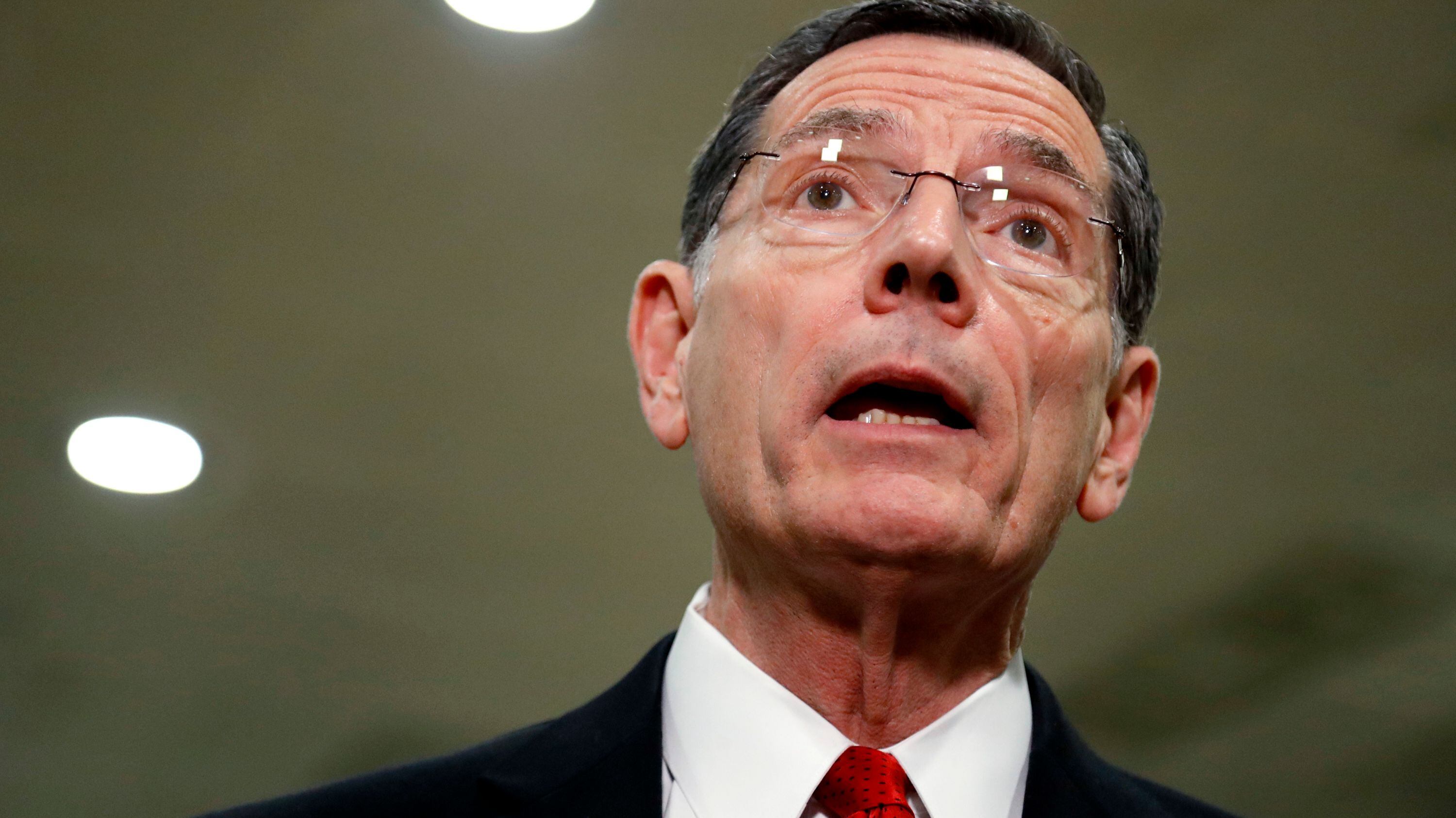
Senator John Barrasso (R-Wyo.) told reporters during the break that Republicans have the "momentum" to move to end the trial tomorrow without witnesses. "If we're able to say no [to witnesses] and go right to final judgment, we'd move in that direction and stay here until that work is decided and completed Friday evening. That's where all the momentum is now."
Still up for debate is what, exactly, happens, if the Republicans vote to end the debate on witnesses quickly.
Meanwhile, back in the chamber, lead impeachment manager Adam Schiff said witness depositions could be limited to just one week and said that the trial should not be rushed just because the State of the Union is Tuesday.
After the break, Senators asked two bipartisan questions, both of which were from senators who may still be undecided on the issue of whether to allow witnesses. First, Senators Joe Manchin (D-W.Va.), Susan Collins (R-Maine), Lisa Murkowski (R-Alaska), and Kyrsten Sinema (D-Ariz.) asked the defense team if the president would assure them that private citizens would not be directed to conduct foreign policy unless formally designated by the president and the State Department.
Murkowski and Senator Brian Schatz (D-Hawaii) submitted the second bipartisan question, asking if any action a president takes is inherently political and where the line is between permissible political actions and impeachable political actions.
In President Bill Clinton's impeachment trial, there was only one bipartisan question asked, which Sen. Collins had signed onto at the time.
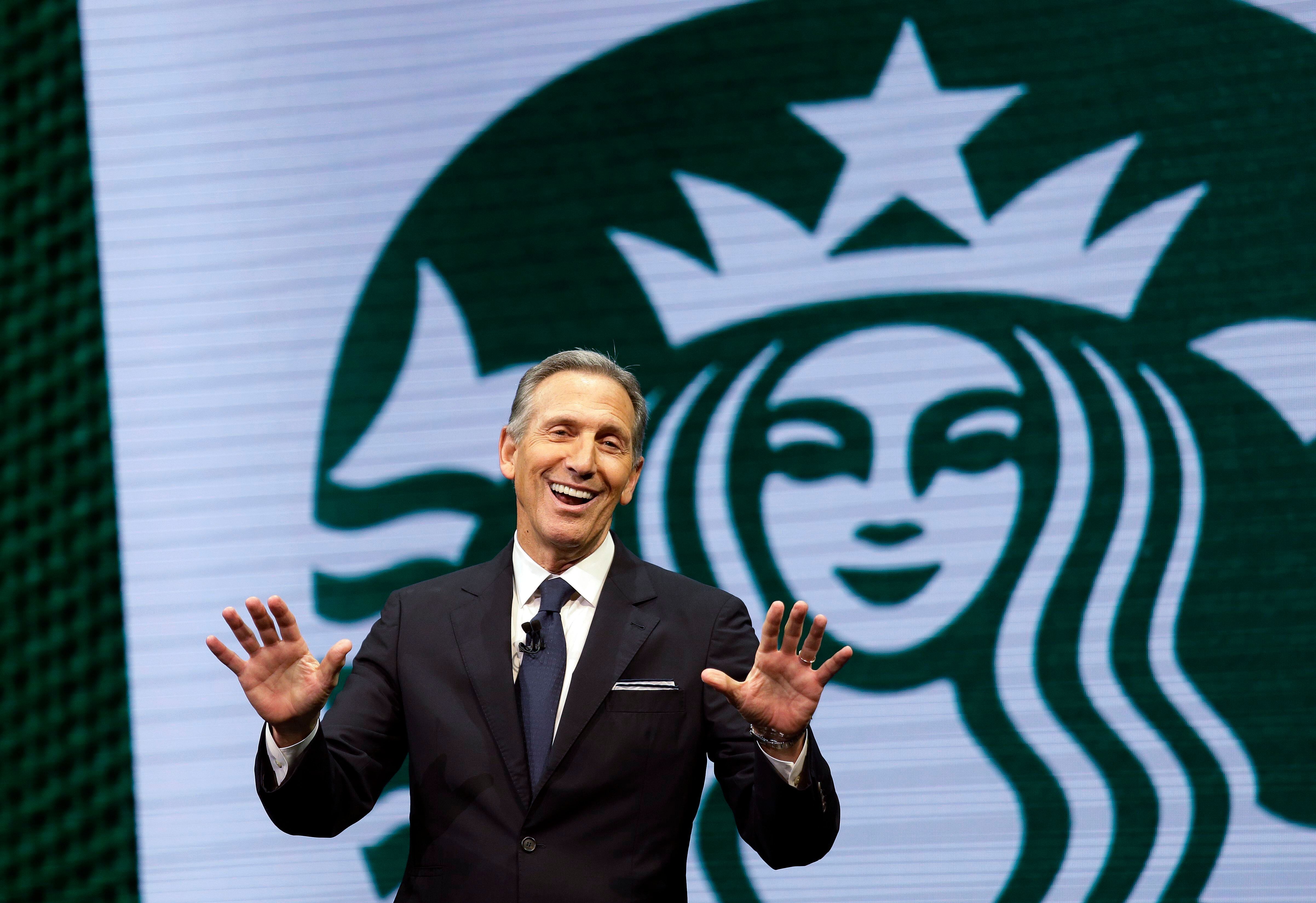
The battle of the billionaires may be heating up ahead of the 2020 presidential race, as former mayor and media mogul Michael Bloomberg took a swipe at ex-Starbucks CEO Howard Schultz after he announced a potential run for president as an independent during an interview on "60 Minutes" Sunday. The two billionaires are looking in part to capitalize on their corporate success to gain an edge against President Trump, who leveraged his business career to gain the presidency. "Anything is really possible at this point, and you don't want to ignore a white billionaire announcing a candidacy for president," Julia Manchester, reporter at The Hill, told Cheddar Monday. "We saw it happen in 2015 and \[Trump]\ won."
The U.S. Treasury on Monday announced sanctions against Venezuela's state-owned oil firm in an effort to undermine incumbent president Nicolás Maduro and reinforce support for interim president Juan Guaidó. Brett Bruen, a former diplomat and director of global engagement under President Obama, called the administration's decision a "rare bright spot" in Trump's foreign policy. "The Trump administration is holding firm to defend democracy, they are standing up for human rights, they are standing up for the rule of law," Bruen told Cheddar Monday.
Trump's political calculus to appeal to his base ー an older, whiter, more conservative demographic ー is coming at the expense of his popularity among millennials, said Kristen Soltis Anderson, a Republican pollster and author of "The Selfie Vote: Where Millennials Are Leading America." That poses a problem for the GOP as it seeks to broaden its tent in anticipation of a future when Donald Trump is not on the ballot.
Tax filing season is officially upon us, just as the IRS returns to full strength following the five-week government shutdown. But tax filers should expect some turbulence along the way, said Nicole Kaeding, director of federal projects at the Tax Foundation, a tax policy think tank.
These are the headlines you Need 2 Know for Monday, Jan. 28, 2019.
From Wall Street to Silicon Valley, these are the top stories that moved markets and had investors, business leaders, and entrepreneurs talking this week on Cheddar.
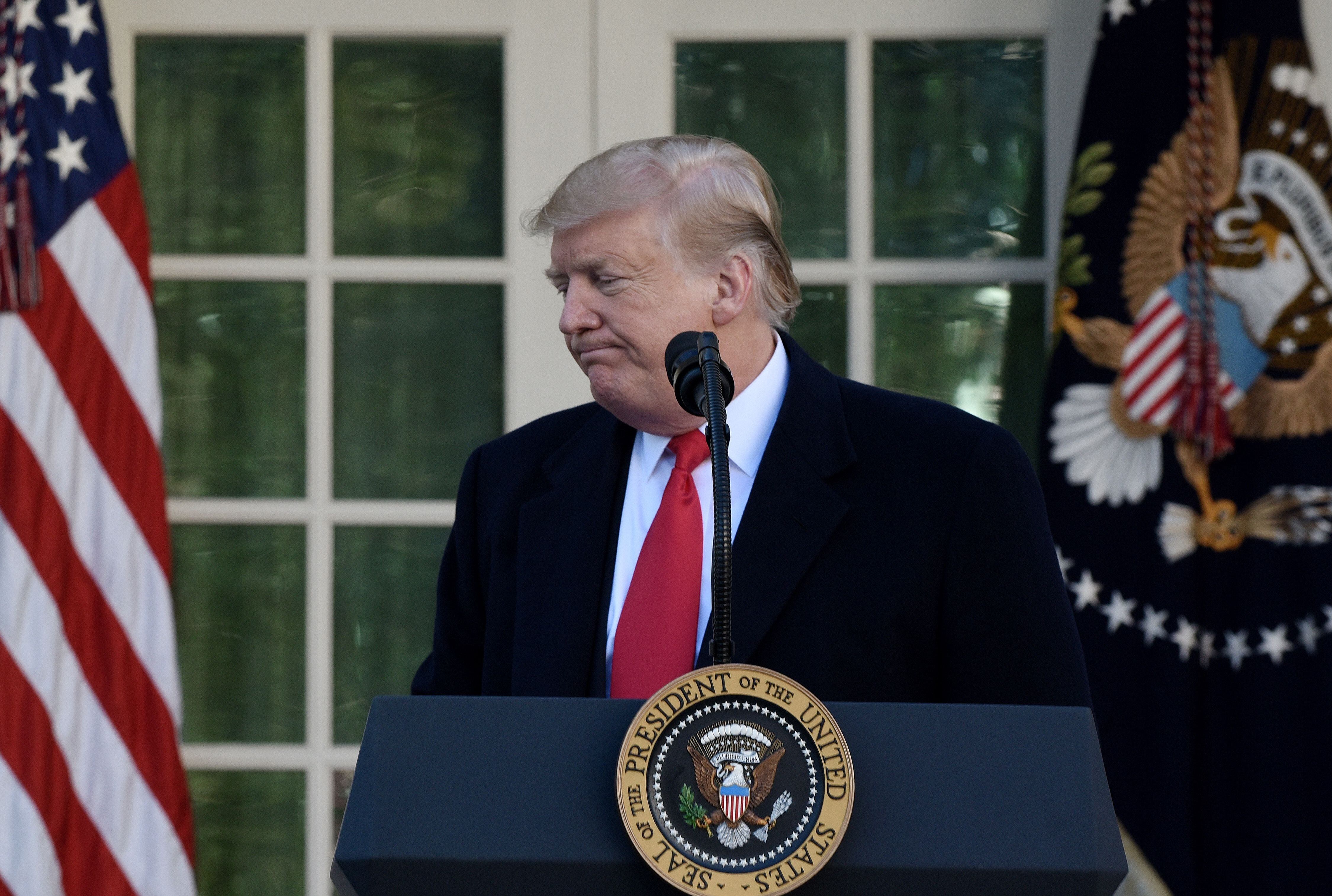
President Trump announced on Friday that he reached a tentative deal with Democrats to reopen the government temporarily while the two sides continue to negotiate on border security. The continuing resolution would fund the government at current levels for three weeks, until Feb. 15. While Trump framed the deal as a victory, he was essentially agreeing to the same proposal that was offered by Democrats before the shutdown, which he had rejected.
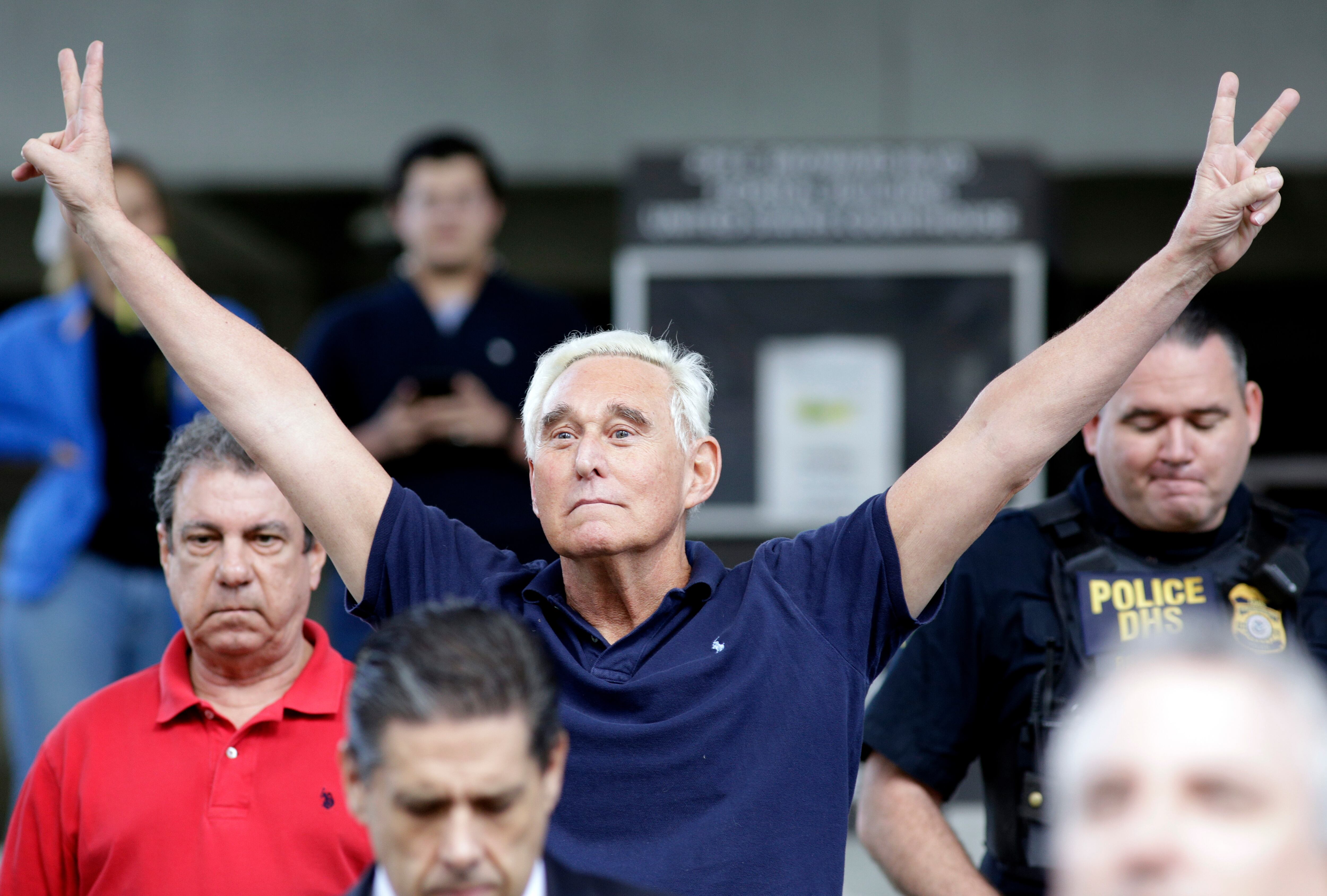
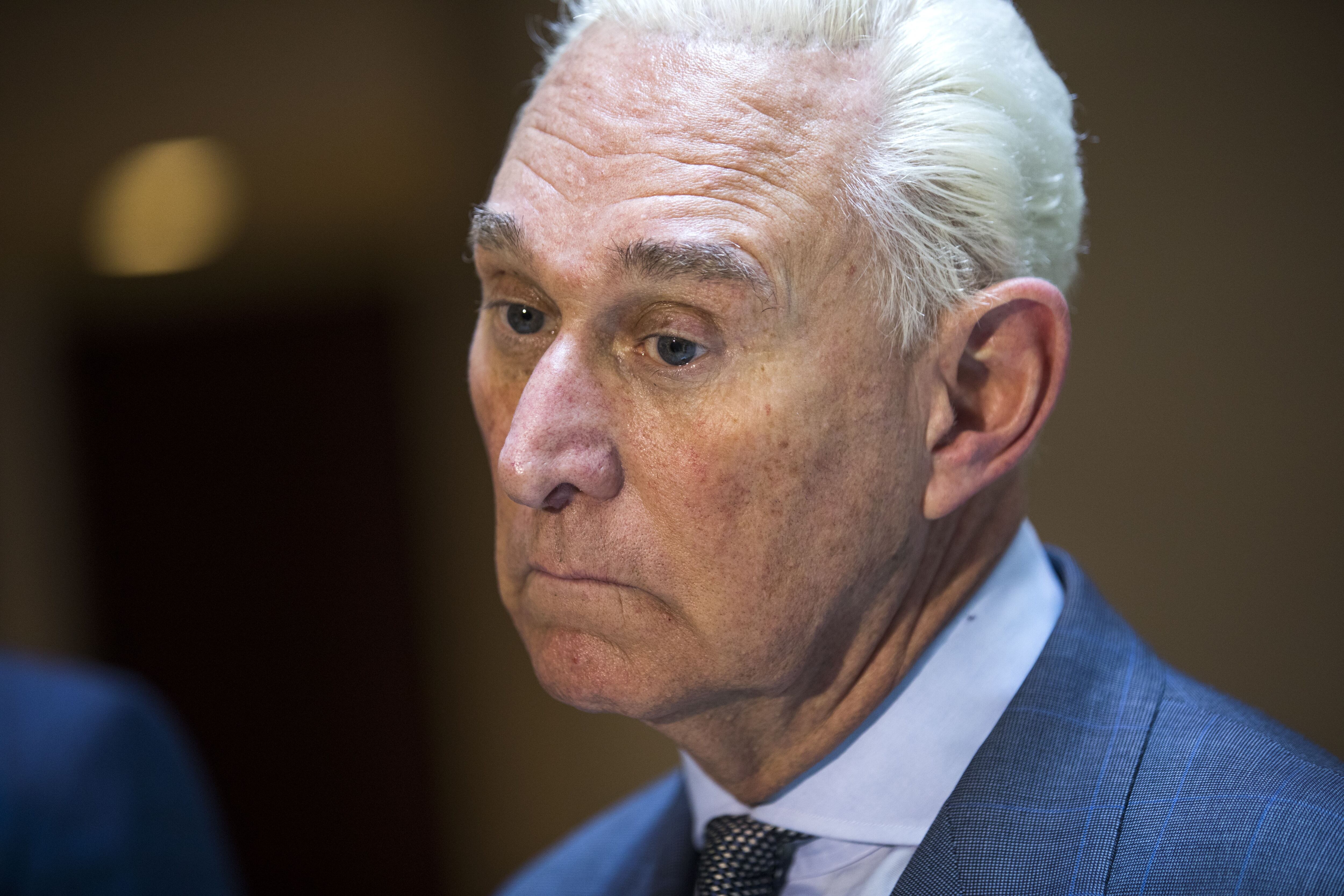
President Trump's longtime ally Roger Stone was arrested Friday in connection with Robert Mueller's Russia probe. The FAA reported delays at several major airports across the U.S. because of an increase in employees taking sick leave at air traffic control centers. And Lois Backon, head of Corporate Partner Marketing for JPMorgan Chase, tells Cheddar how the bank partners with celebrities to share their financial planning tips.
Early Friday morning, FBI agents in riot gear arrested Roger Stone, a longtime Trump adviser, at his Florida home. He was charged with five counts of making false statements, one count of witness tampering and one count of obstruction, related to Special Counsel Robert Mueller's investigation into Russian meddling in the election.
These are the headlines you Need 2 Know for Friday, Jan. 25, 2019.