Within the hallways of the U.S. Capitol, there is growing confidence by GOP Senators that Senate Majority Leader Mitch McConnell can whip his caucus to block a vote on witnesses Friday.
While returning to the chamber after a short break Thursday, Senator Tim Scott (R-S.C.) told Cheddar he's "feeling good" about tomorrow's expected vote.
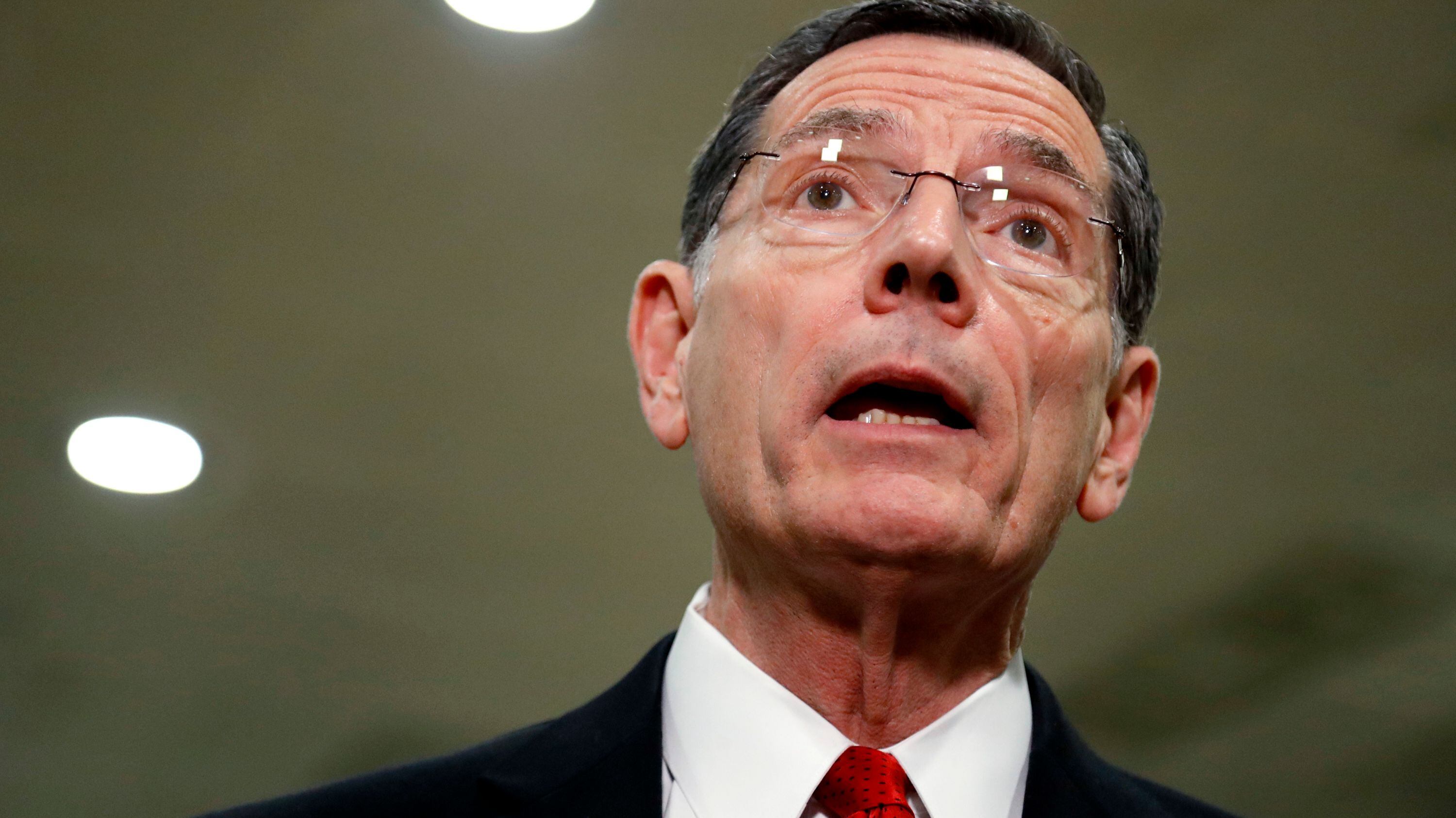
Senator John Barrasso (R-Wyo.) told reporters during the break that Republicans have the "momentum" to move to end the trial tomorrow without witnesses. "If we're able to say no [to witnesses] and go right to final judgment, we'd move in that direction and stay here until that work is decided and completed Friday evening. That's where all the momentum is now."
Still up for debate is what, exactly, happens, if the Republicans vote to end the debate on witnesses quickly.
Meanwhile, back in the chamber, lead impeachment manager Adam Schiff said witness depositions could be limited to just one week and said that the trial should not be rushed just because the State of the Union is Tuesday.
After the break, Senators asked two bipartisan questions, both of which were from senators who may still be undecided on the issue of whether to allow witnesses. First, Senators Joe Manchin (D-W.Va.), Susan Collins (R-Maine), Lisa Murkowski (R-Alaska), and Kyrsten Sinema (D-Ariz.) asked the defense team if the president would assure them that private citizens would not be directed to conduct foreign policy unless formally designated by the president and the State Department.
Murkowski and Senator Brian Schatz (D-Hawaii) submitted the second bipartisan question, asking if any action a president takes is inherently political and where the line is between permissible political actions and impeachable political actions.
In President Bill Clinton's impeachment trial, there was only one bipartisan question asked, which Sen. Collins had signed onto at the time.
Keith McCarty, CEO and founder of Wayv, wants to use tech to ease the many “friction points” in the complicated world of business-to-business cannabis logistics.
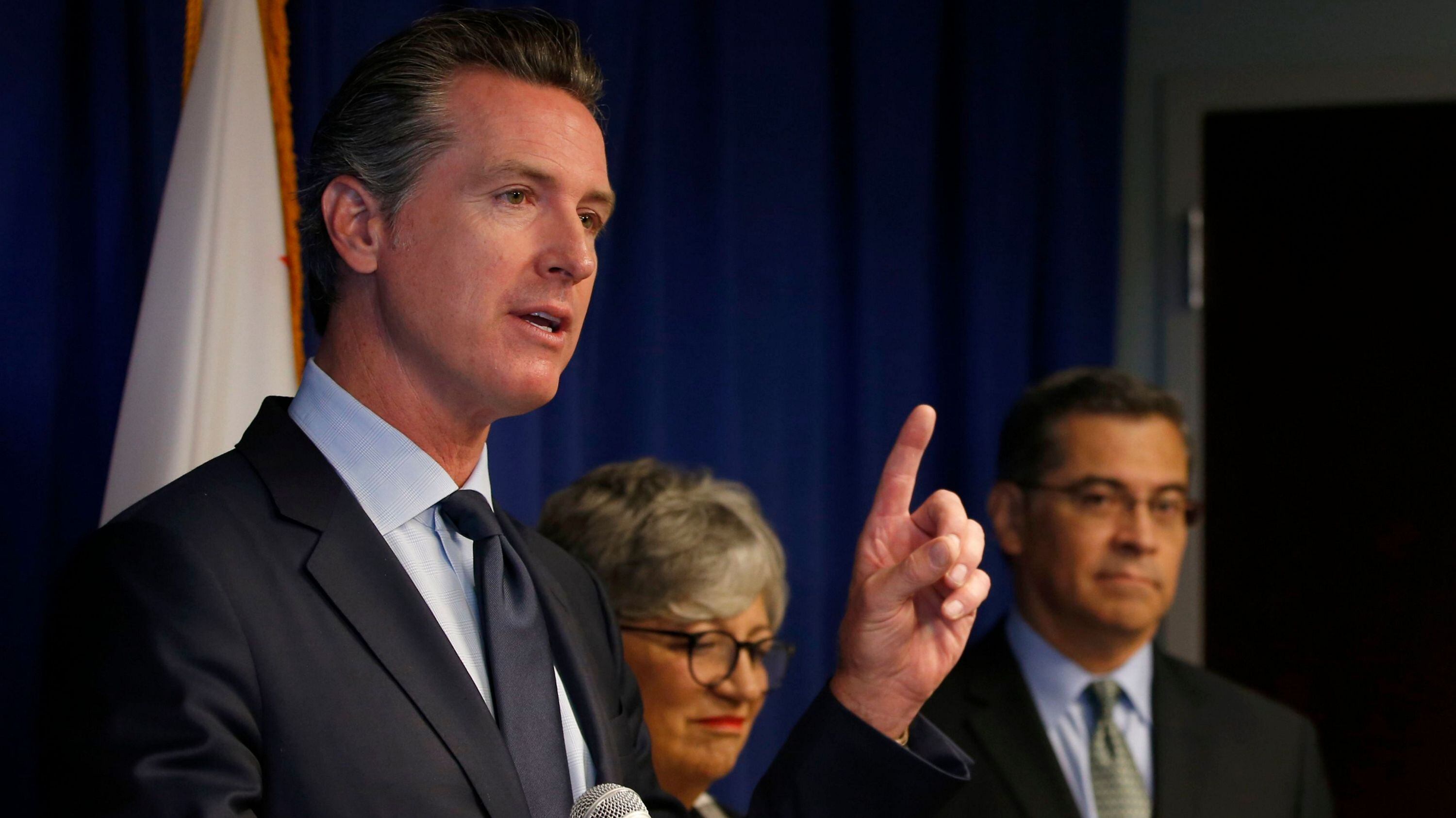
In a resolute response, California said it is set to launch a major legal challenge — one that will surely be lengthy and have broad implications on the way the U.S. confronts the climate crisis and on state's rights.
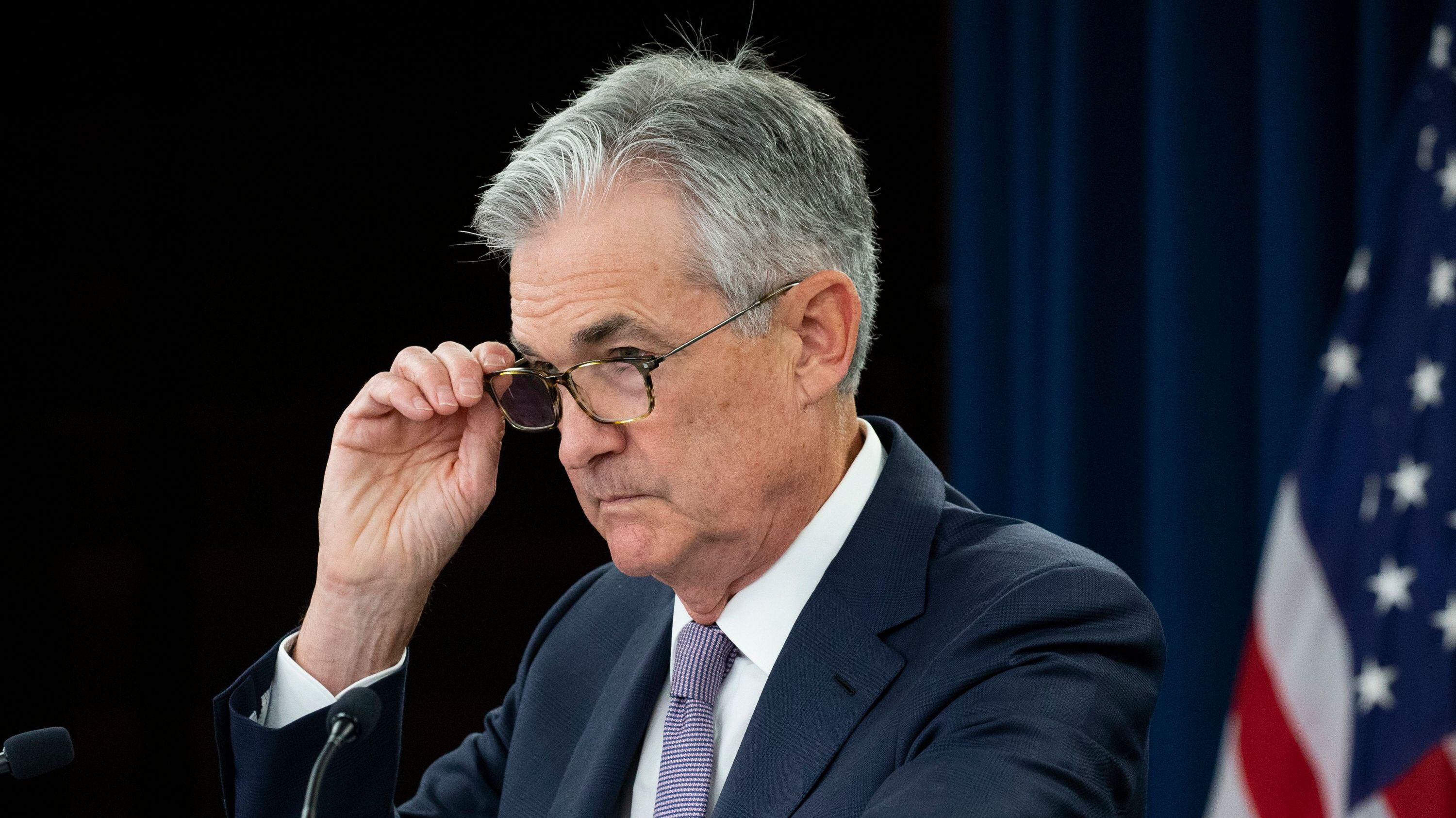
The Fed said in a statement that the decision to lower rates was influenced by the "implications of global developments for the economic outlook" and "muted inflation pressures."
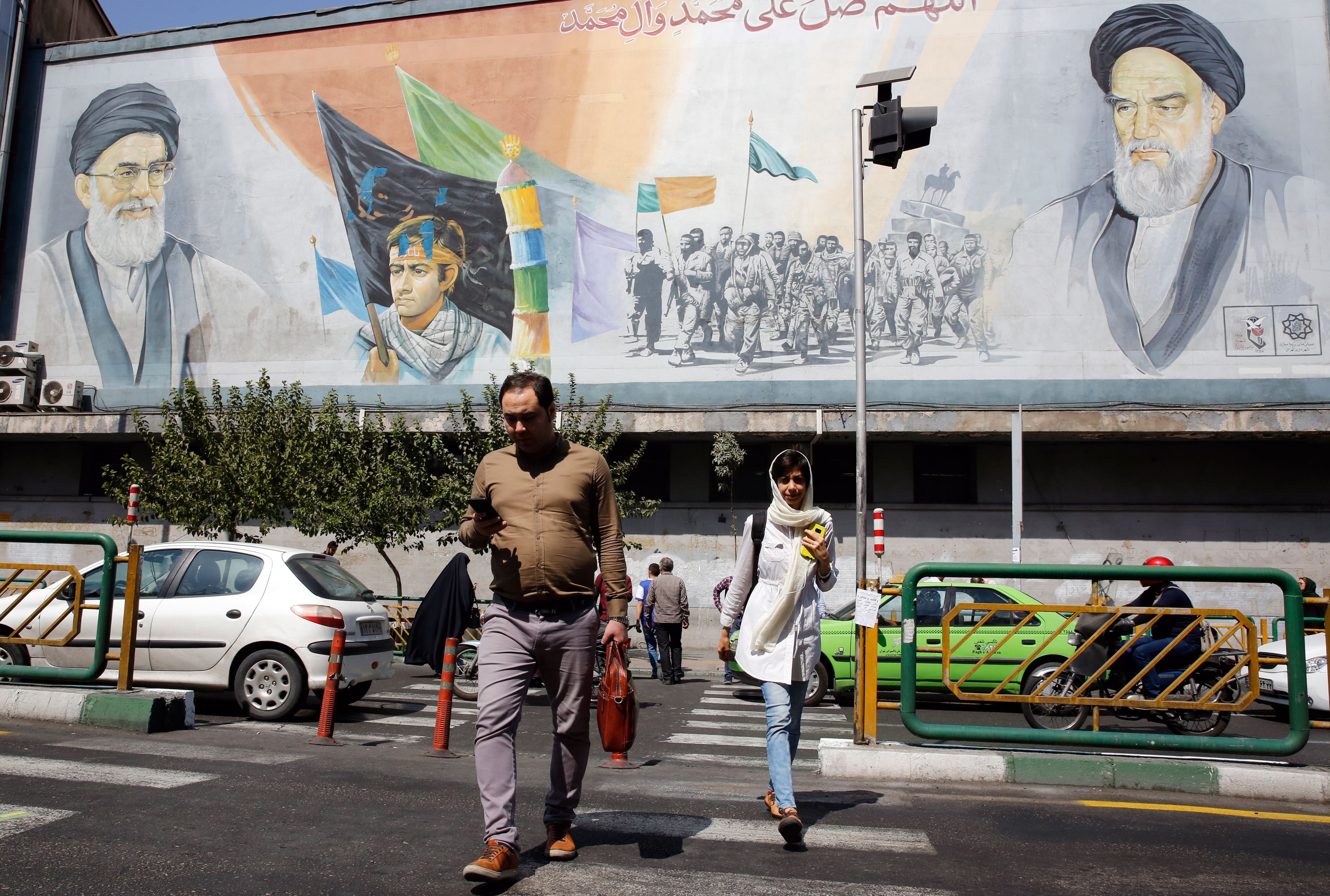
The escalating measure follows several days of heightened tensions between the two countries over the attack on oil facilities in Saudi Arabia over the weekend.
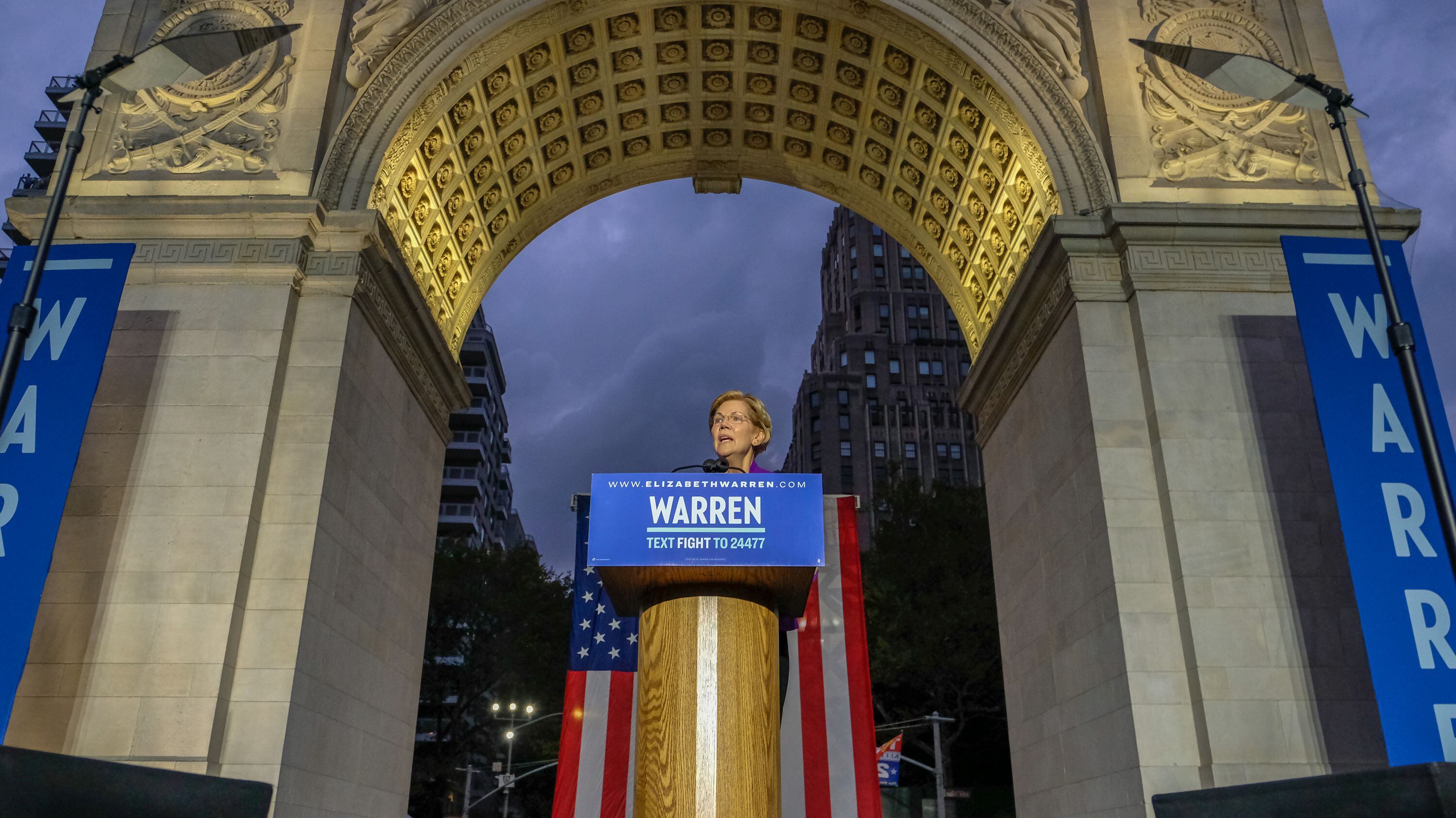
In the shadow of the Washington Square Arch Monday night in front of a crowd of thousands, the presidential hopeful outlined her platform to fight corruption in Washington D.C.
Governments and energy markets worldwide remain on edge Monday as the U.S. continues to blame Iran for the drone attack on two oil installations in Saudi Arabia over the weekend.
The détente emerged Wednesday after China approved tariff exemptions for a number of U.S. imports and President Trump announced that the U.S. will postpone its forthcoming tariff hikes.
Reporter's Notebook: While Houstonians may be used to weather in the 90s in mid-September, perhaps some of Thursday night's hottest takes happened on the debate stage, as the gloves came off between the top ten Democratic primary candidates.
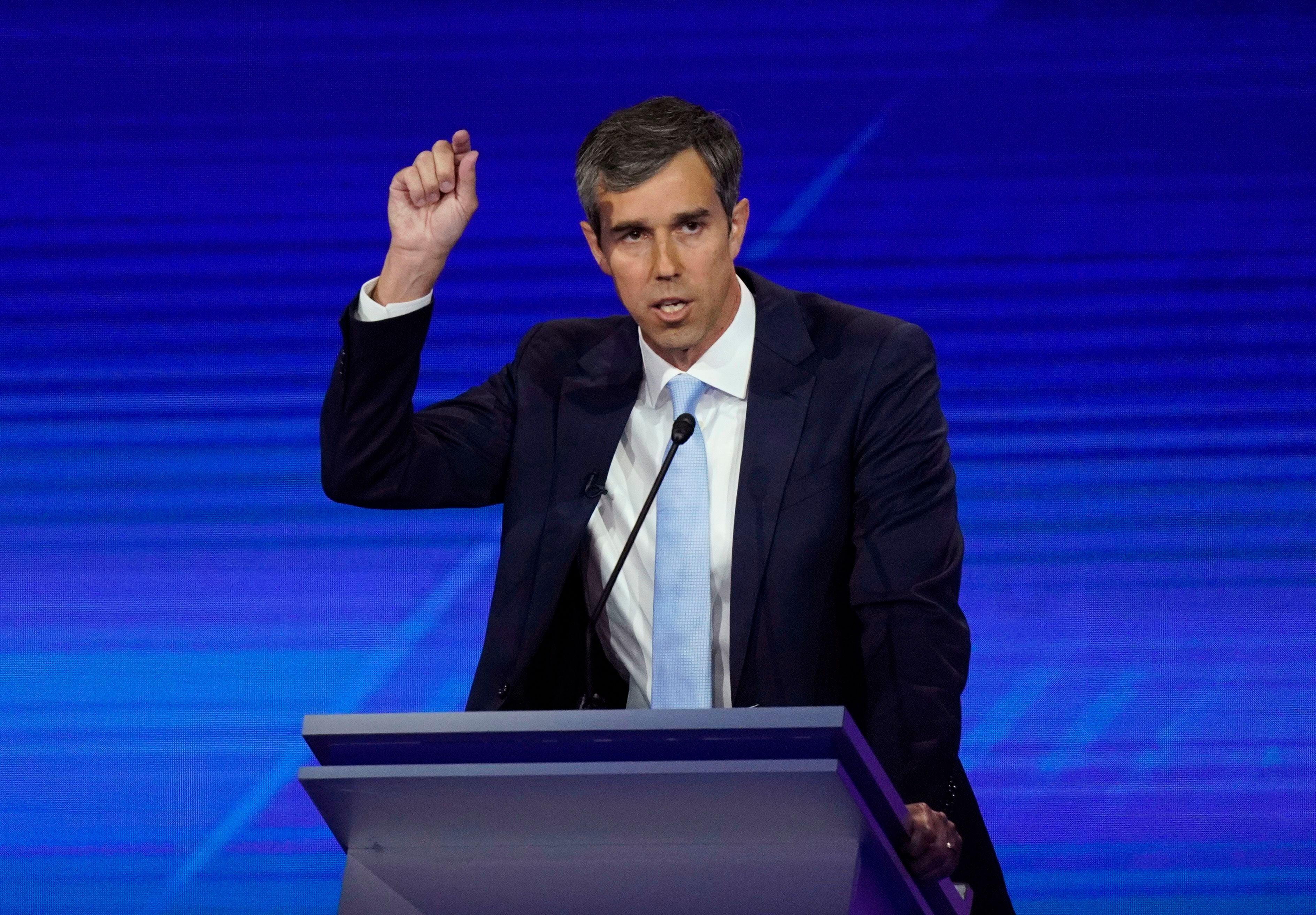
In the wake of two mass shootings last month in Texas, gun control took center stage at the third Democratic debate Thursday night, and gave former Congressman Beto O’Rourke one of the best moments of his campaign.
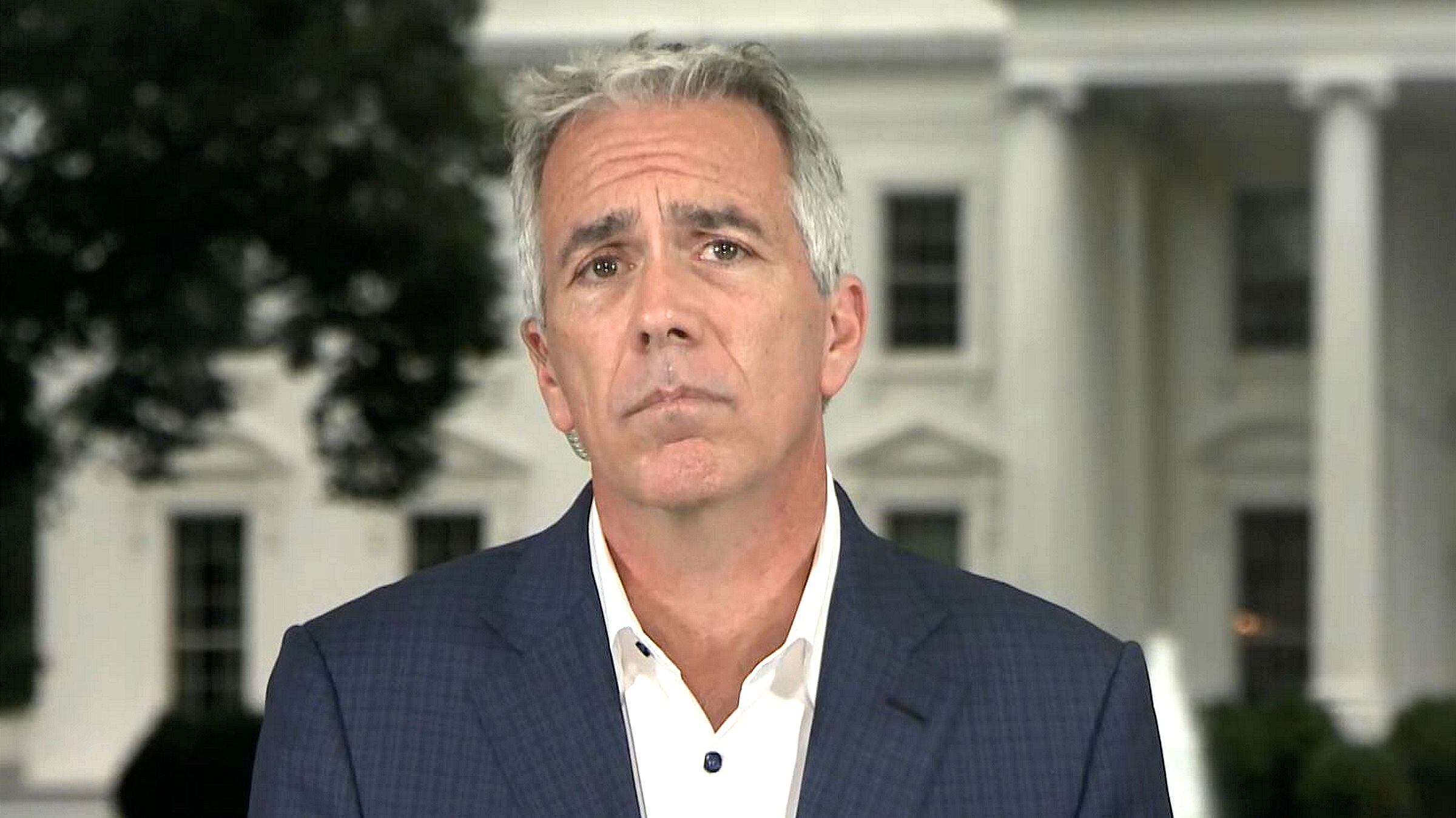
Walsh, a former Congressman from Illinois and conservative radio host, launched his campaign last month by trying to make the case that Trump is uniquely and morally unfit to lead the nation.