Within the hallways of the U.S. Capitol, there is growing confidence by GOP Senators that Senate Majority Leader Mitch McConnell can whip his caucus to block a vote on witnesses Friday.
While returning to the chamber after a short break Thursday, Senator Tim Scott (R-S.C.) told Cheddar he's "feeling good" about tomorrow's expected vote.
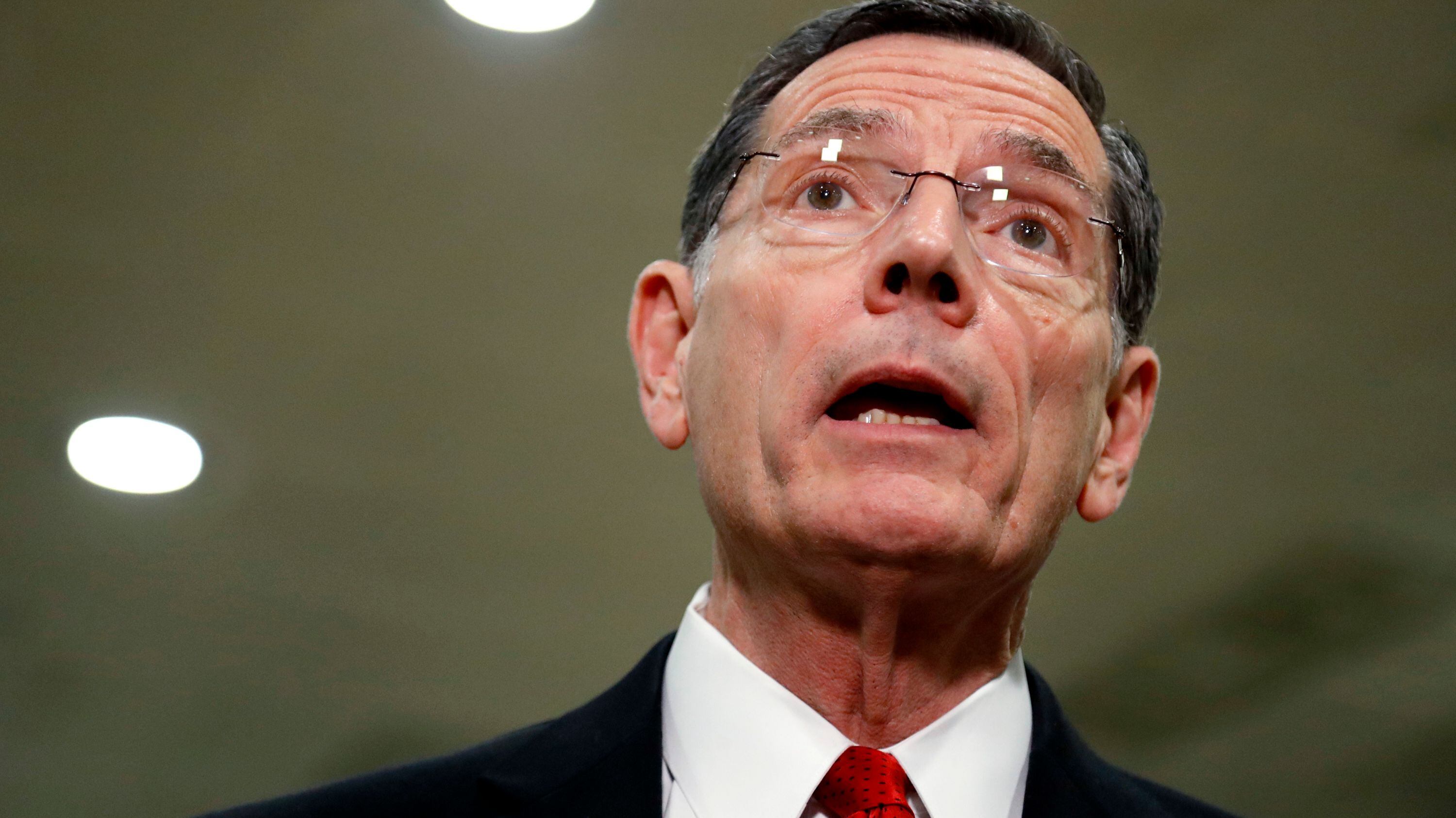
Senator John Barrasso (R-Wyo.) told reporters during the break that Republicans have the "momentum" to move to end the trial tomorrow without witnesses. "If we're able to say no [to witnesses] and go right to final judgment, we'd move in that direction and stay here until that work is decided and completed Friday evening. That's where all the momentum is now."
Still up for debate is what, exactly, happens, if the Republicans vote to end the debate on witnesses quickly.
Meanwhile, back in the chamber, lead impeachment manager Adam Schiff said witness depositions could be limited to just one week and said that the trial should not be rushed just because the State of the Union is Tuesday.
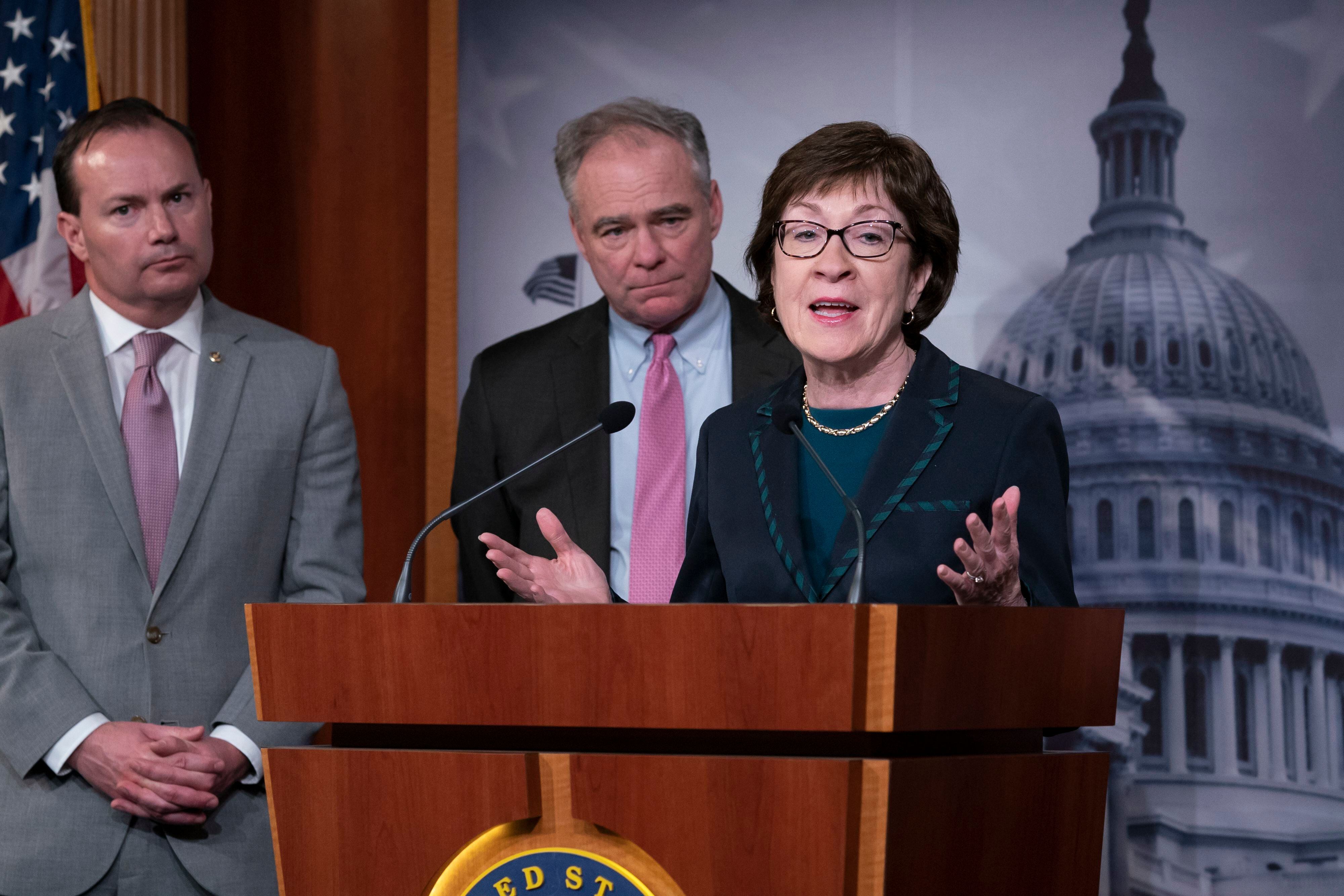
After the break, Senators asked two bipartisan questions, both of which were from senators who may still be undecided on the issue of whether to allow witnesses. First, Senators Joe Manchin (D-W.Va.), Susan Collins (R-Maine), Lisa Murkowski (R-Alaska), and Kyrsten Sinema (D-Ariz.) asked the defense team if the president would assure them that private citizens would not be directed to conduct foreign policy unless formally designated by the president and the State Department.
Murkowski and Senator Brian Schatz (D-Hawaii) submitted the second bipartisan question, asking if any action a president takes is inherently political and where the line is between permissible political actions and impeachable political actions.
In President Bill Clinton's impeachment trial, there was only one bipartisan question asked, which Sen. Collins had signed onto at the time.
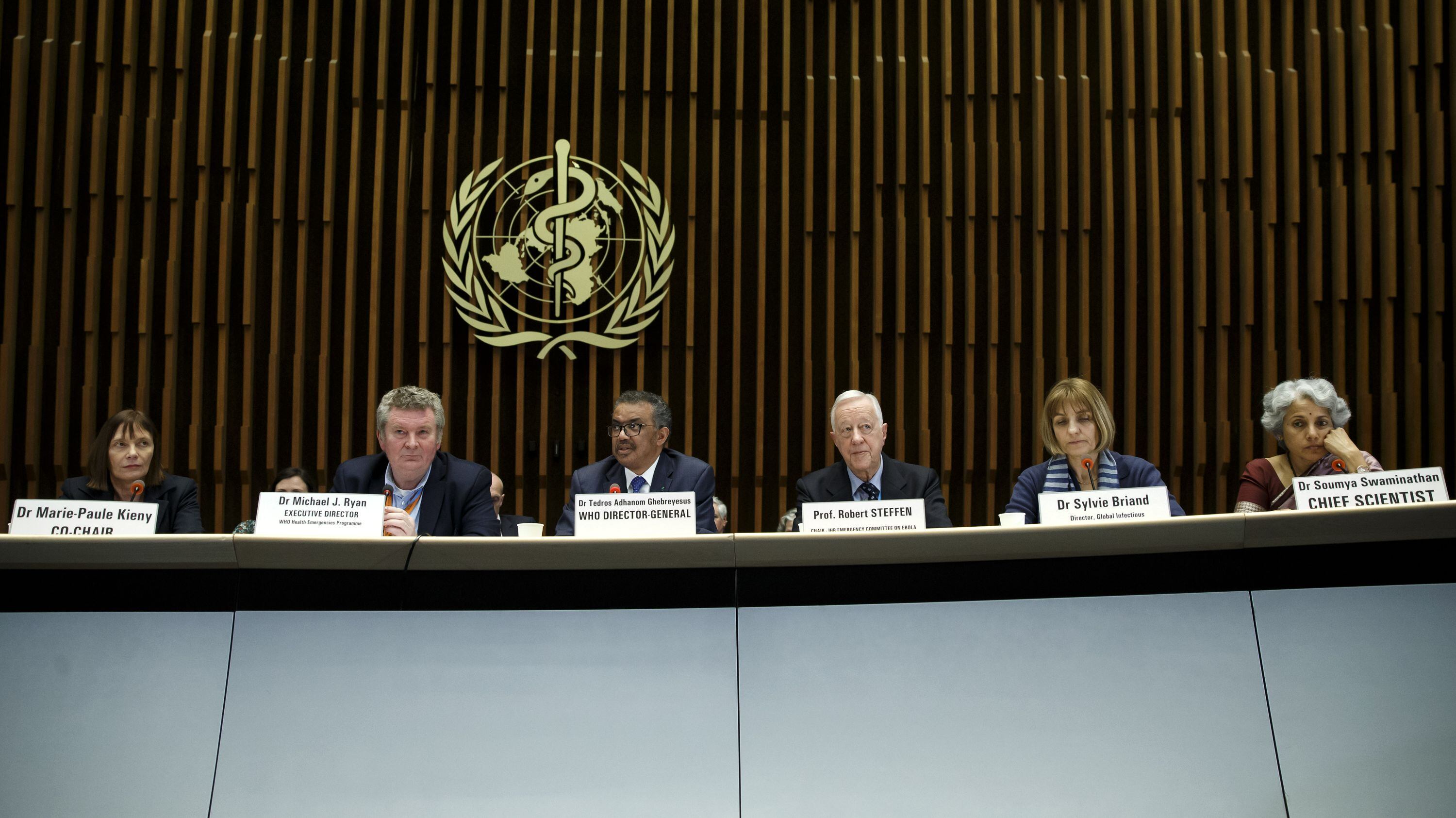
The World Health Organization Thursday pointed to a change in reporting, rather than a sudden acceleration of infections. But for many, it strengthened the concern that nobody really knows how widespread the illness is, and there appears to be no good way to figure it out.
The Senate has approved a bipartisan measure limiting President Donald Trump's authority to launch military operations against Iran. The resolution says Trump must seek approval from Congress before engaging in further military action.
These are the headlines you Need 2 Know for Thursday, February 13, 2020.
With two ships at sea, one recently allowed to dock, as quarantines are put in place, the WHO is communicating to countries to change the practice as the cruise industry insists it's able to ramp up its procedures to protect people from the health emergency.
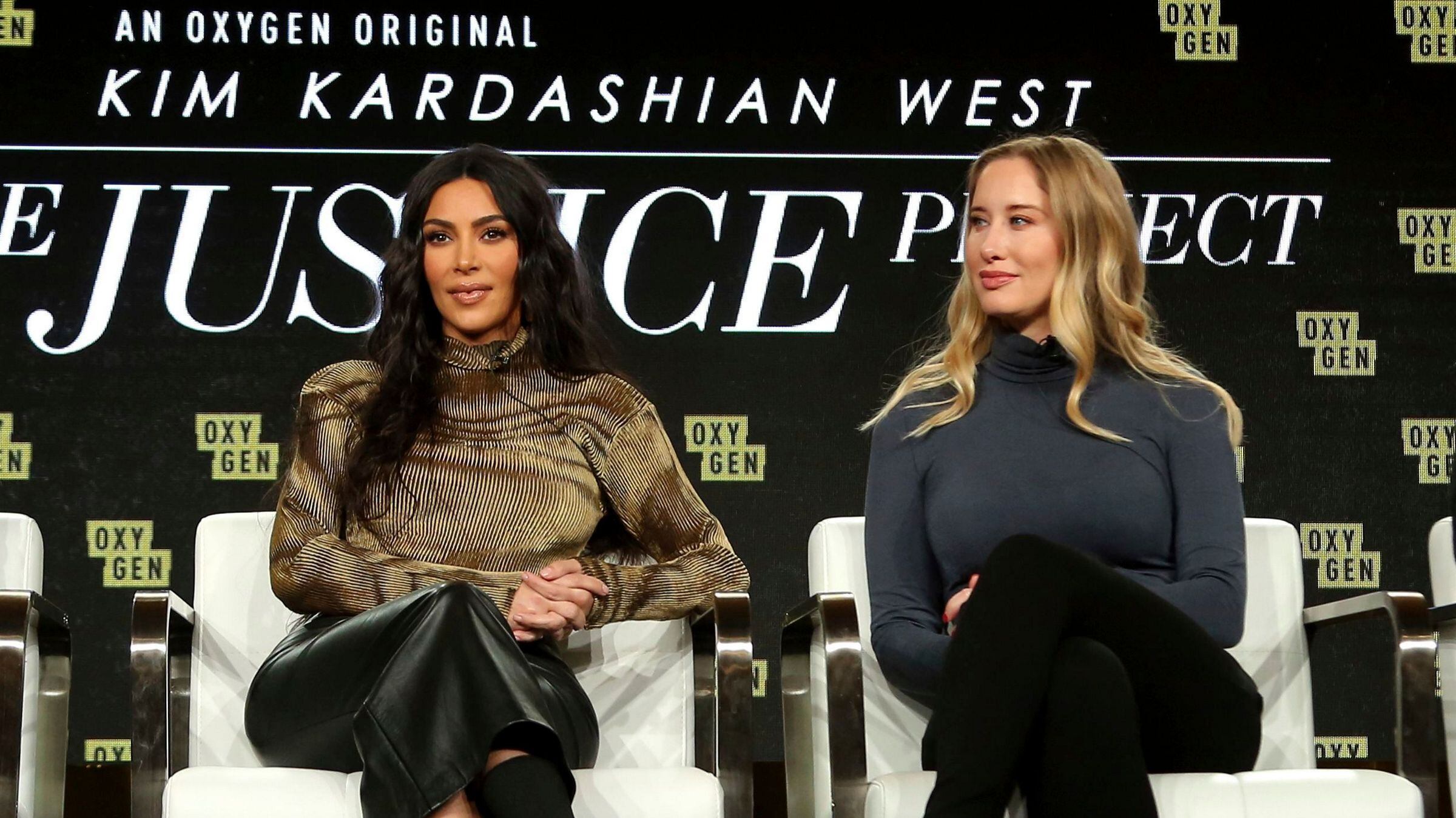
Jessica Jackson, chief advocacy officer at REFORM Alliance, says getting the First Step Act passed in 2019 with the aid of celebrity Kim Kardashian-West, was literally just the initial hurdle in reforming the criminal justice system.
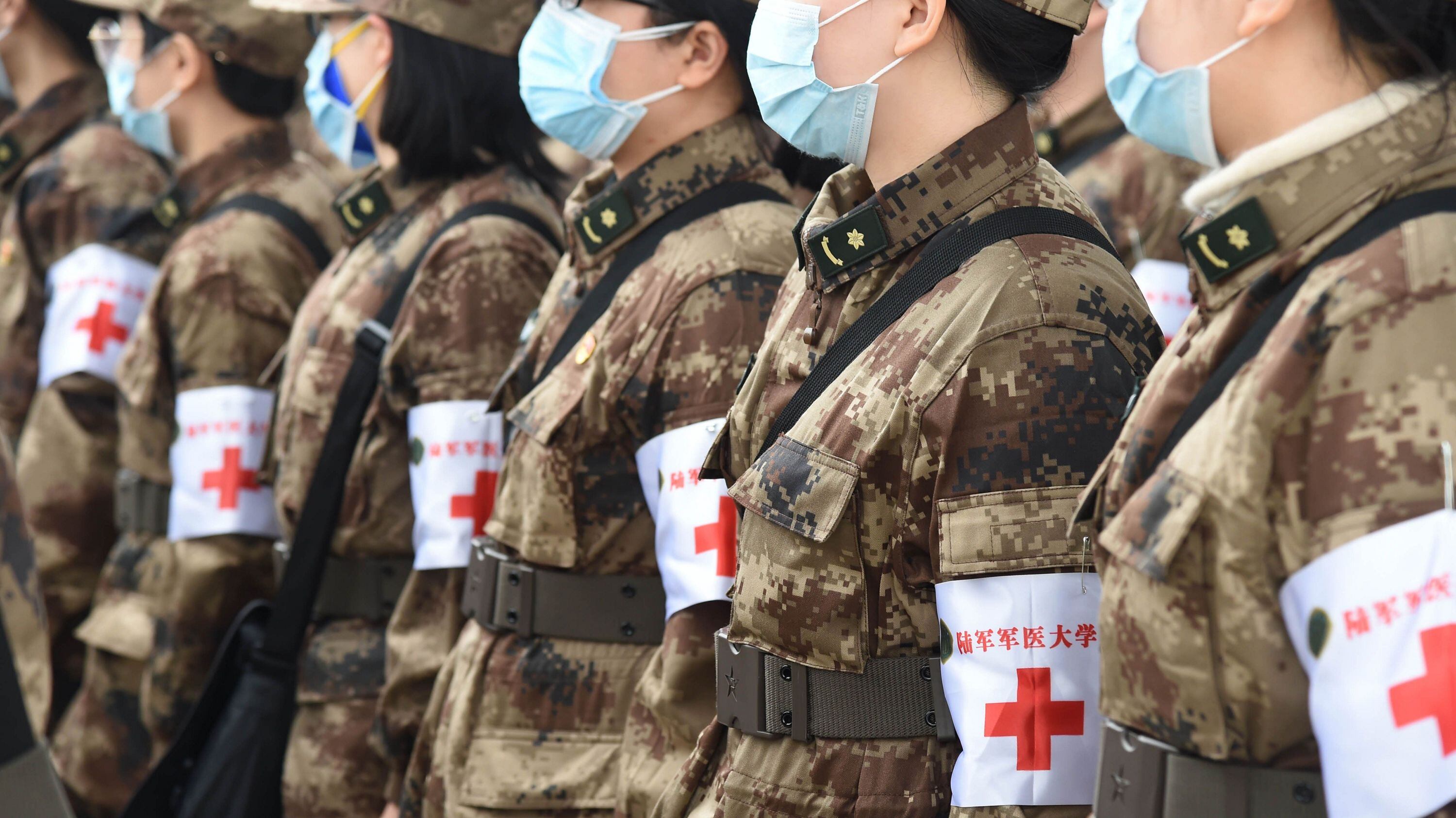
WHO Director-General Dr. Tedros Adhanom Ghebreyesus indicated the body's support has stemmed from the drastic actions China has taken, despite the obvious impact to its citizens and economy.
These are the headlines you Need 2 Know for Wednesday, February 12, 2020.
The operators of a cruise ship that was barred from docking by four governments announced Wednesday it will finally land and disembark passengers in Cambodia.
Political ad spending will reach $6.89 billion this election cycle according to eMarketer, up 63.3 percent compared to the 2016 elections.
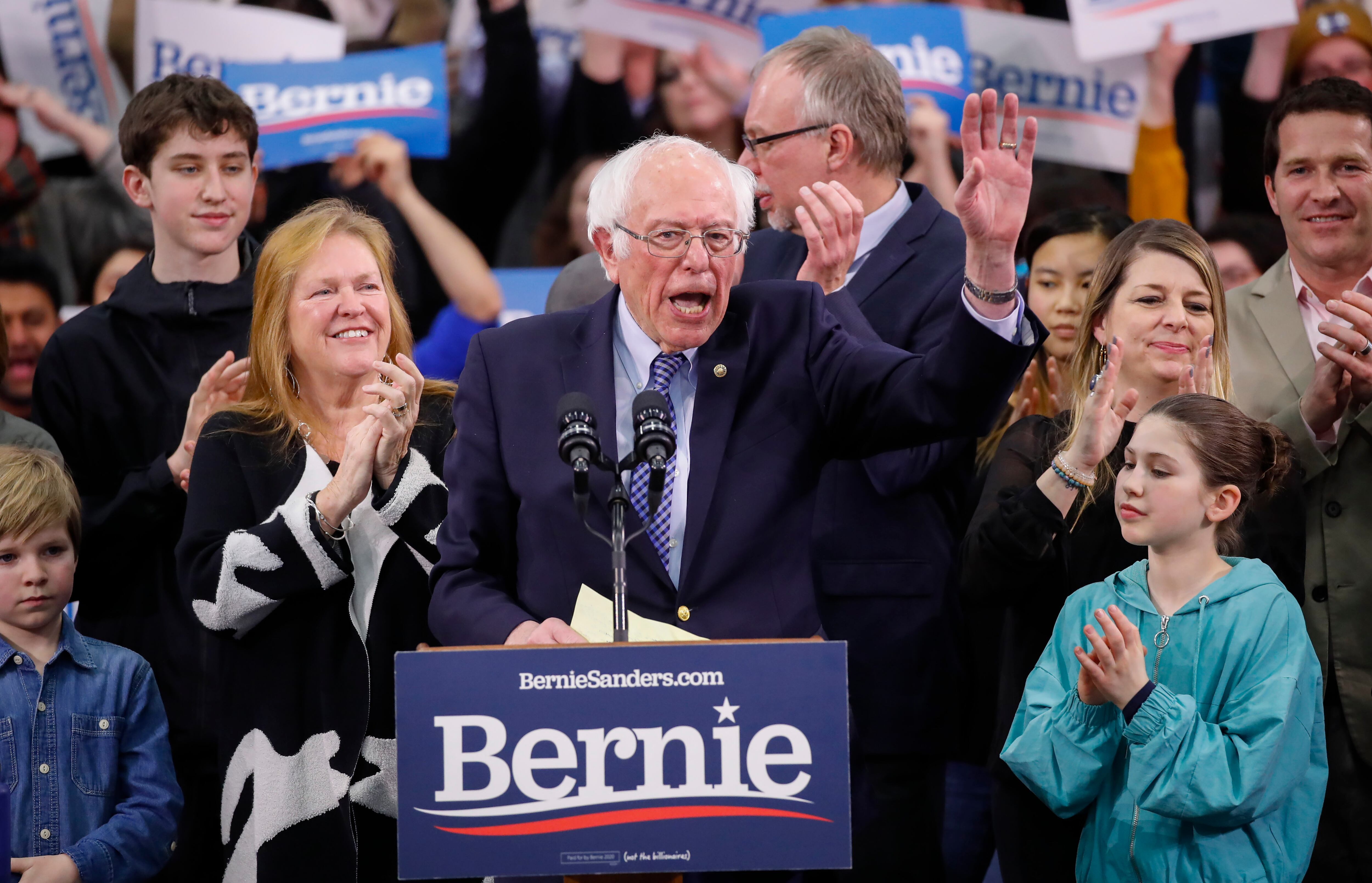
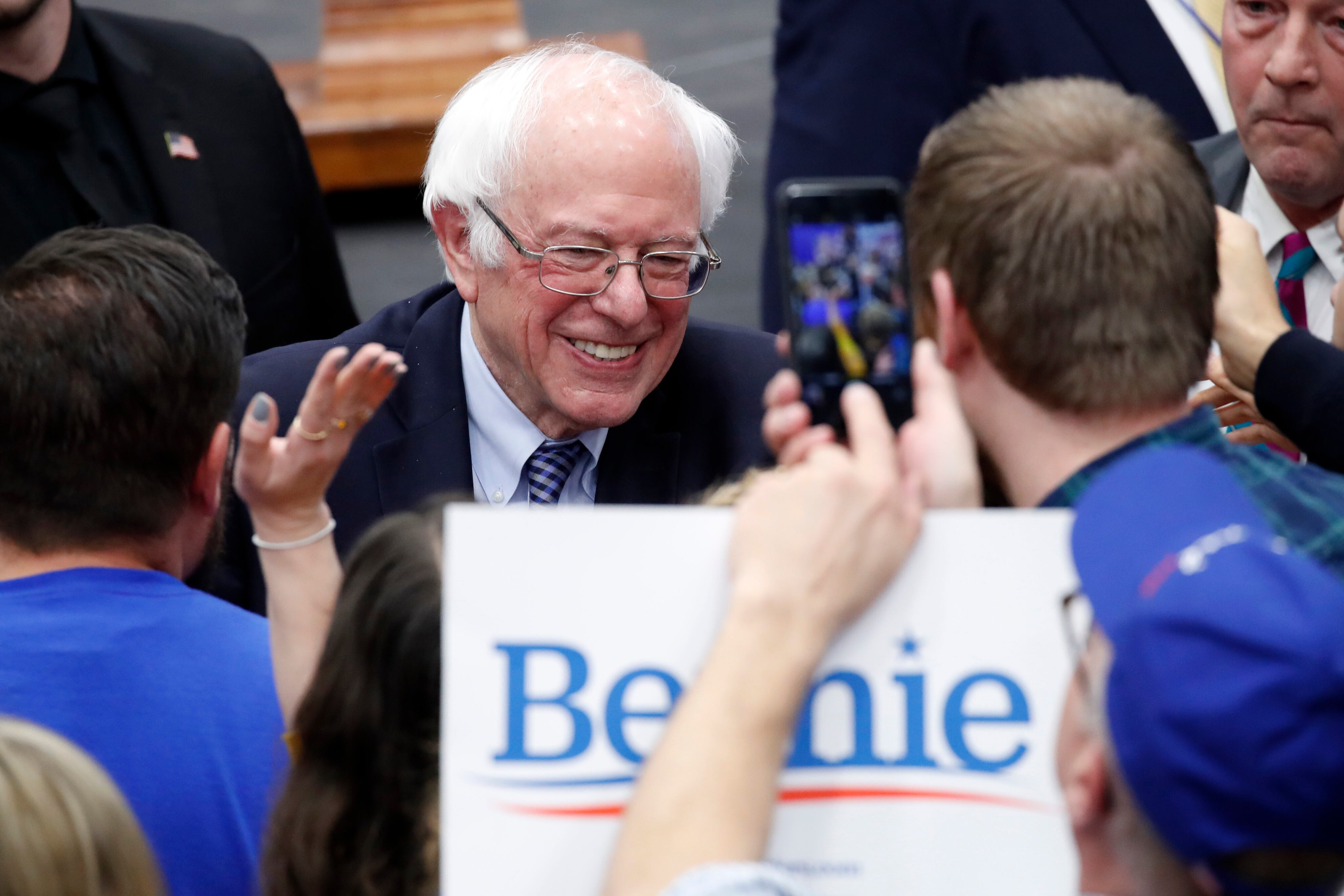
Vermont Senator Bernie Sanders declared victory in New Hampshire’s first-in-the-nation primary late Tuesday, maintaining a slim lead over former South Bend Mayor Pete Buttigieg. Minnesota Senator Amy Klobuchar ended the night with a comfortable third-place finish.