Within the hallways of the U.S. Capitol, there is growing confidence by GOP Senators that Senate Majority Leader Mitch McConnell can whip his caucus to block a vote on witnesses Friday.
While returning to the chamber after a short break Thursday, Senator Tim Scott (R-S.C.) told Cheddar he's "feeling good" about tomorrow's expected vote.
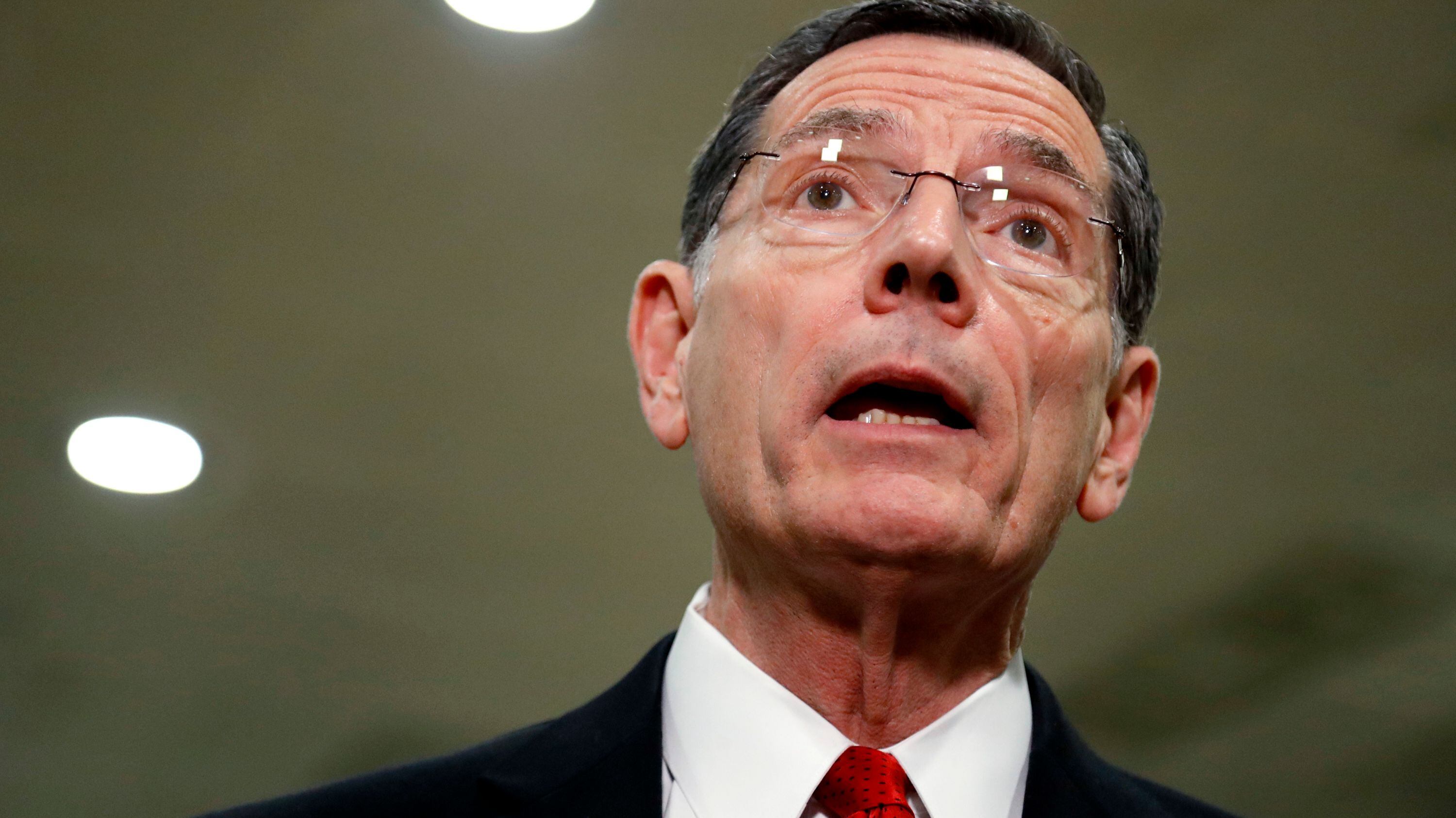
Senator John Barrasso (R-Wyo.) told reporters during the break that Republicans have the "momentum" to move to end the trial tomorrow without witnesses. "If we're able to say no [to witnesses] and go right to final judgment, we'd move in that direction and stay here until that work is decided and completed Friday evening. That's where all the momentum is now."
Still up for debate is what, exactly, happens, if the Republicans vote to end the debate on witnesses quickly.
Meanwhile, back in the chamber, lead impeachment manager Adam Schiff said witness depositions could be limited to just one week and said that the trial should not be rushed just because the State of the Union is Tuesday.
After the break, Senators asked two bipartisan questions, both of which were from senators who may still be undecided on the issue of whether to allow witnesses. First, Senators Joe Manchin (D-W.Va.), Susan Collins (R-Maine), Lisa Murkowski (R-Alaska), and Kyrsten Sinema (D-Ariz.) asked the defense team if the president would assure them that private citizens would not be directed to conduct foreign policy unless formally designated by the president and the State Department.
Murkowski and Senator Brian Schatz (D-Hawaii) submitted the second bipartisan question, asking if any action a president takes is inherently political and where the line is between permissible political actions and impeachable political actions.
In President Bill Clinton's impeachment trial, there was only one bipartisan question asked, which Sen. Collins had signed onto at the time.
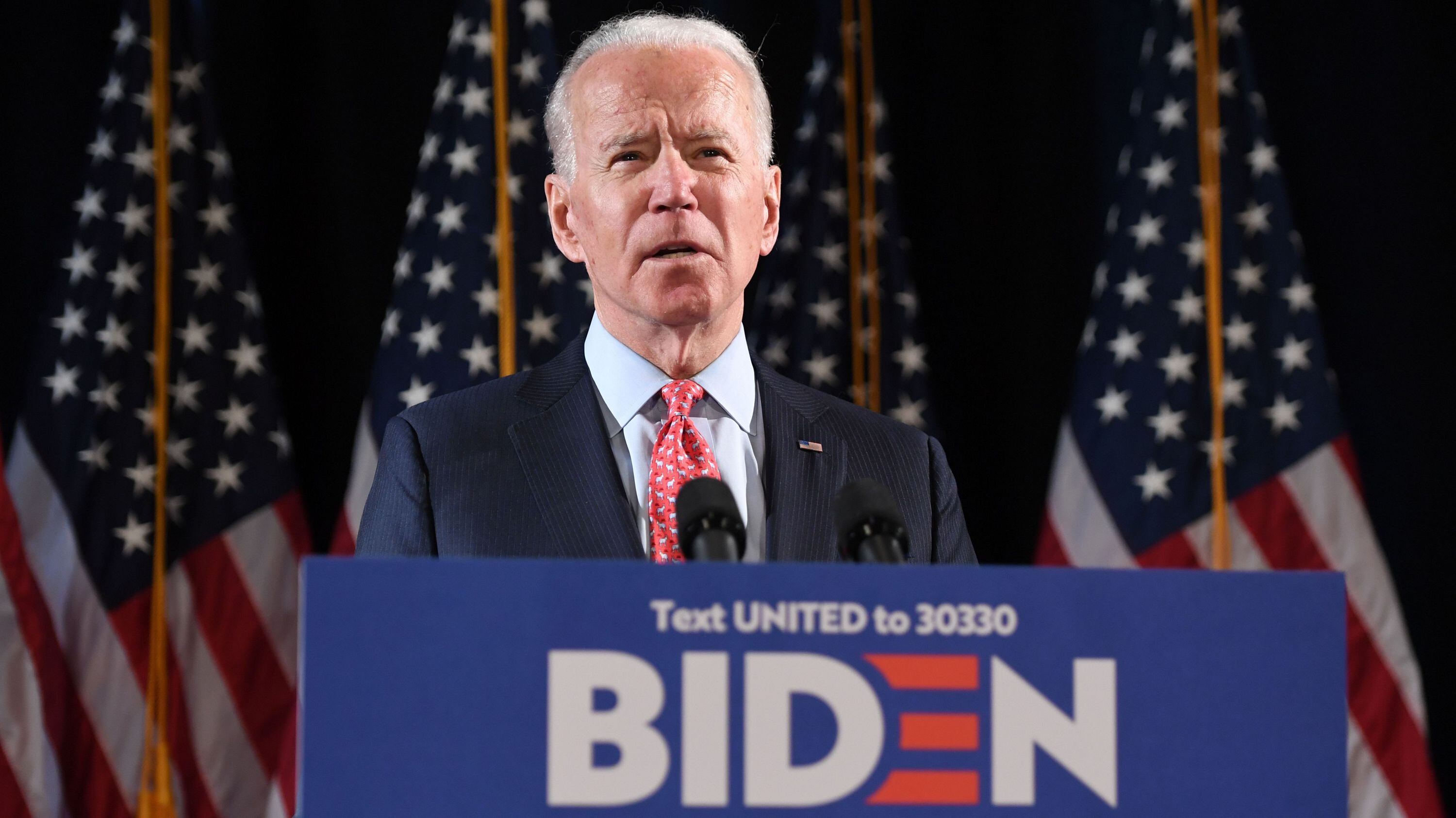
Speaking from Delaware, the state he represented in Congress for nearly 40 years, the former vice president criticized President Donald Trump for hollowing out government agencies, presenting guidance contradicting health officials, and failing to act quickly to understand and track the outbreak.
The New York Federal Reserve is stepping up its purchases of Treasurys to try to ease jitters in the financial markets over the coronavirus outbreak.
The European Commission has issued a statement condemning President Donald Trump’s travel ban to 26 European countries, announced last night in a widely criticized speech.
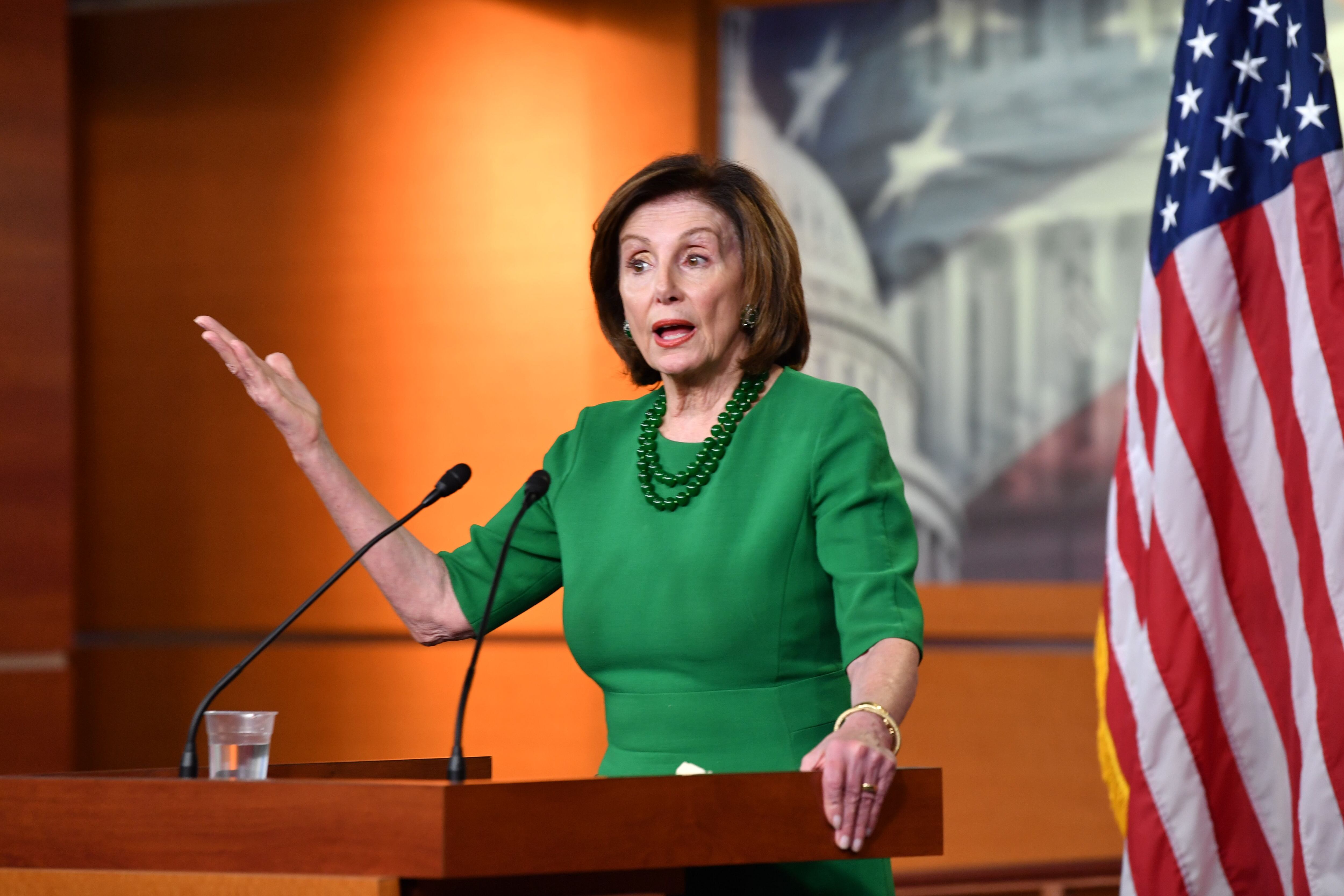
Massachusetts Rep. Katherine Clark called out Republican leaders for characterizing the House Democratic aid bill as being "partisan."
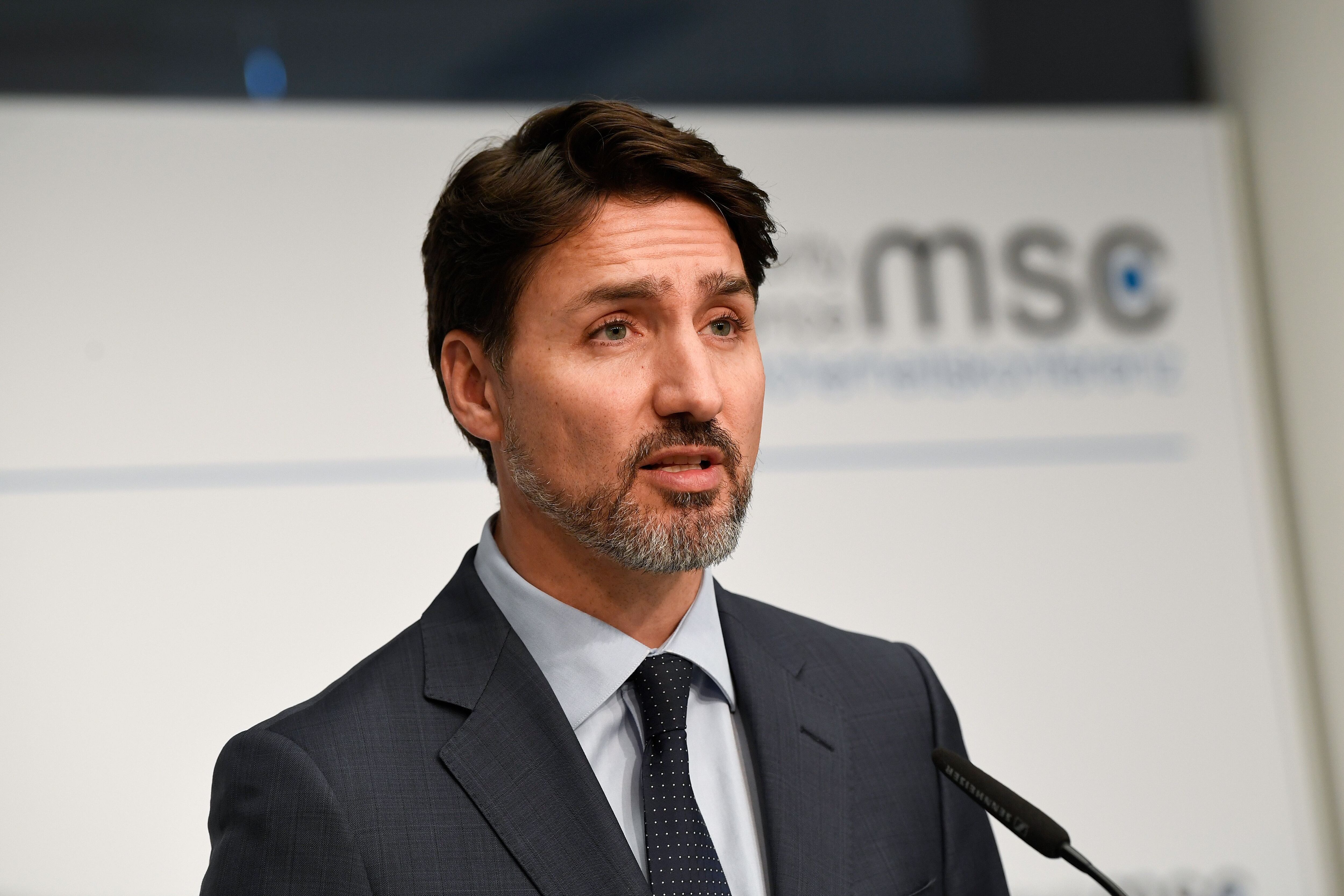
Canadian Prime Minister Justin Trudeau is quarantining himself at home after his wife exhibited flu-like symptoms. Trudeau's office said Thursday that Sophie Grégoire Trudeau returned from a speaking engagement in Britain and had mild flu-like symptoms, including a low fever late, Wednesday night.
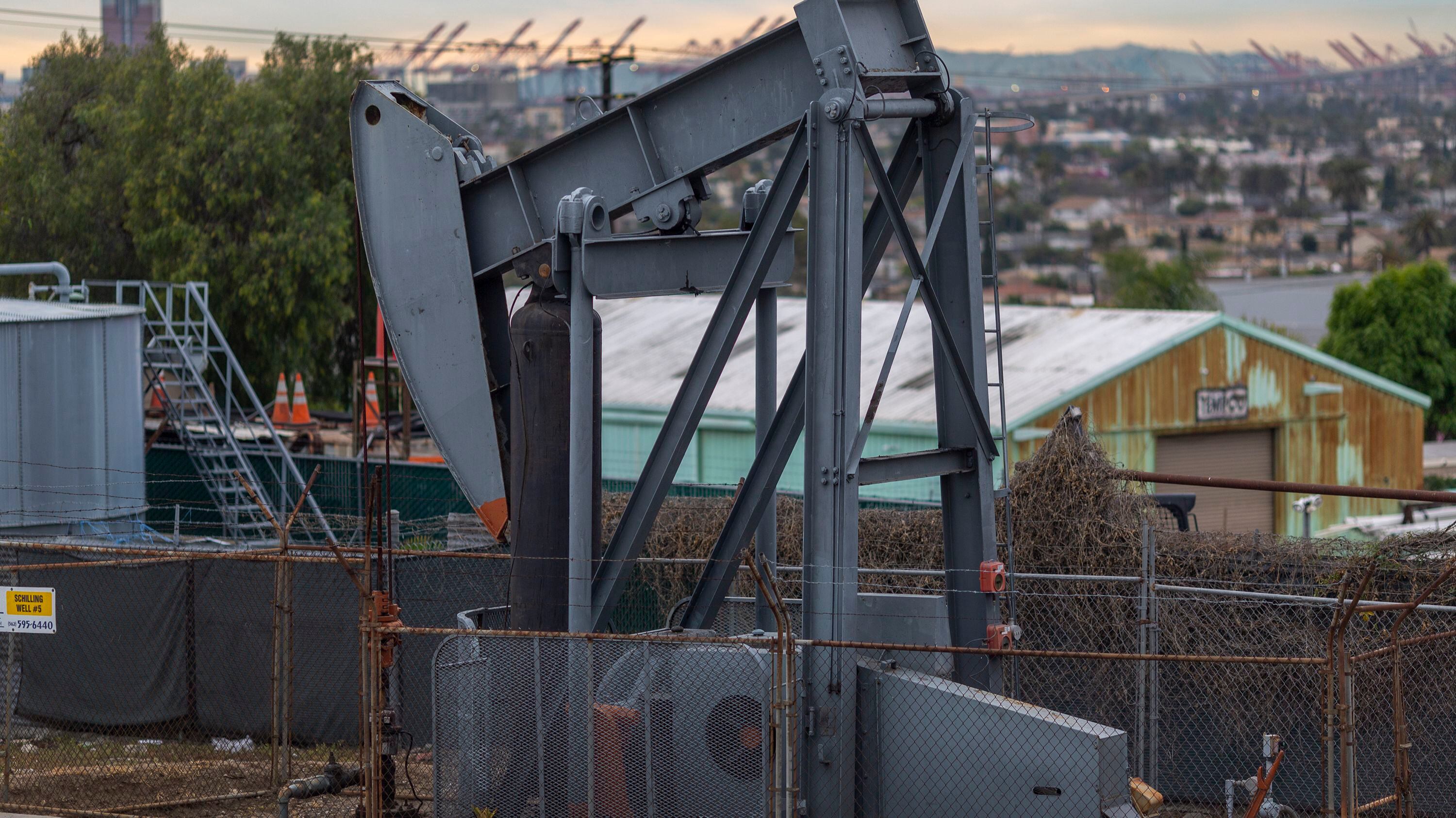
Turbulent oil prices dropped to the low $30s on Thursday, falling to 16-year lows just hours after President Donald Trump announced a 30-day ban on travel from more than two dozen countries in Europe in an attempt to stem the spread of coronavirus.
She confirmed that Democrats and Republicans are working closely to pass a bill today that would provide additional protections, and free testing, following an $8.3 billion aid package last week. "No one will say I can't afford it," she said.
President Donald Trump said Wednesday he is suspending all travel between the U.S. and Europe for 30 days beginning Friday as he seeks to combat a viral pandemic.
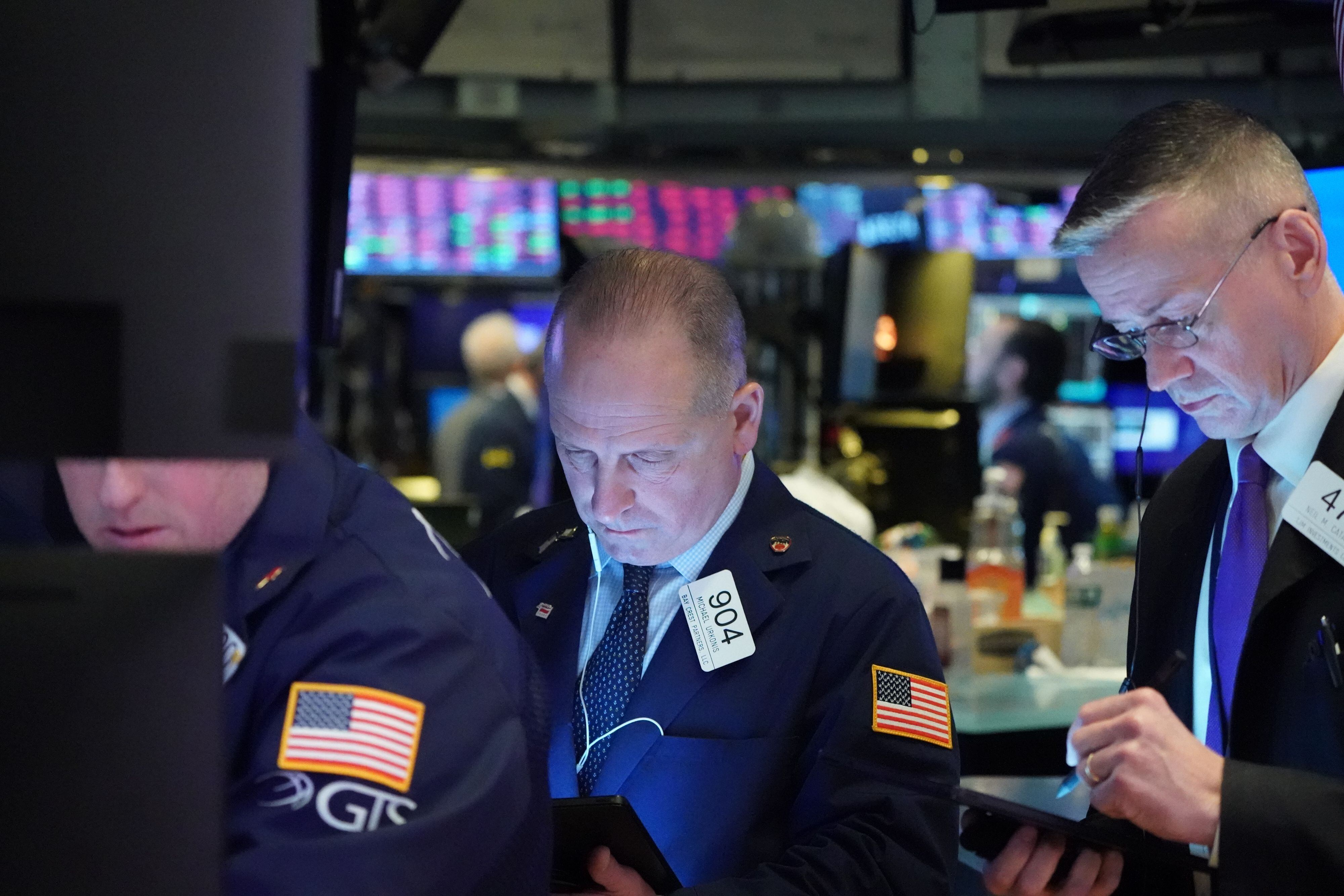
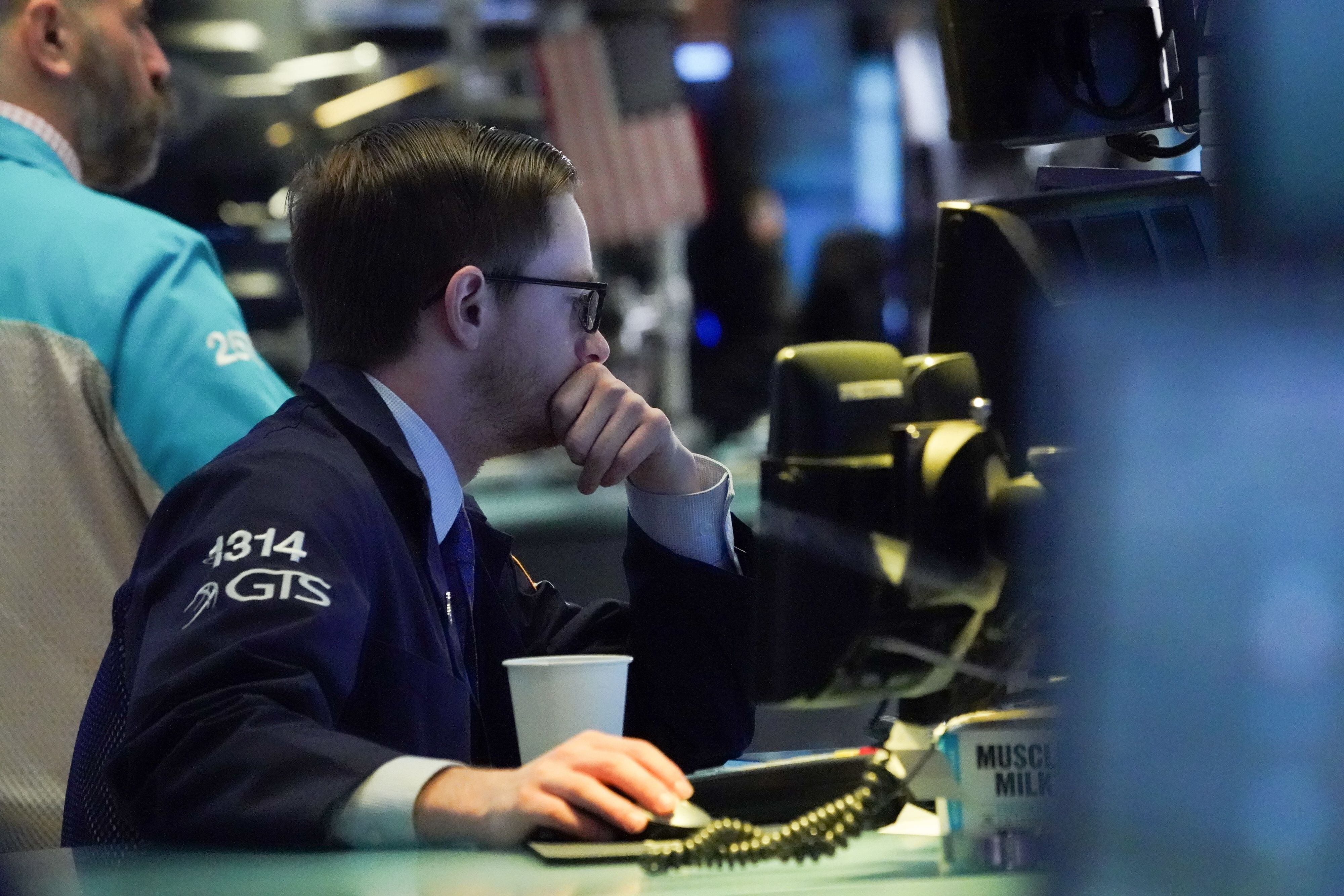
Dow drops more than 1,400 points, or 5.9 percent.
Stocks are tumbling again Wednesday, and indexes lost more than 4 percent to wipe out their huge gains from a day earlier as Wall Street keeps reeling on worries about the coronavirus.