Within the hallways of the U.S. Capitol, there is growing confidence by GOP Senators that Senate Majority Leader Mitch McConnell can whip his caucus to block a vote on witnesses Friday.
While returning to the chamber after a short break Thursday, Senator Tim Scott (R-S.C.) told Cheddar he's "feeling good" about tomorrow's expected vote.
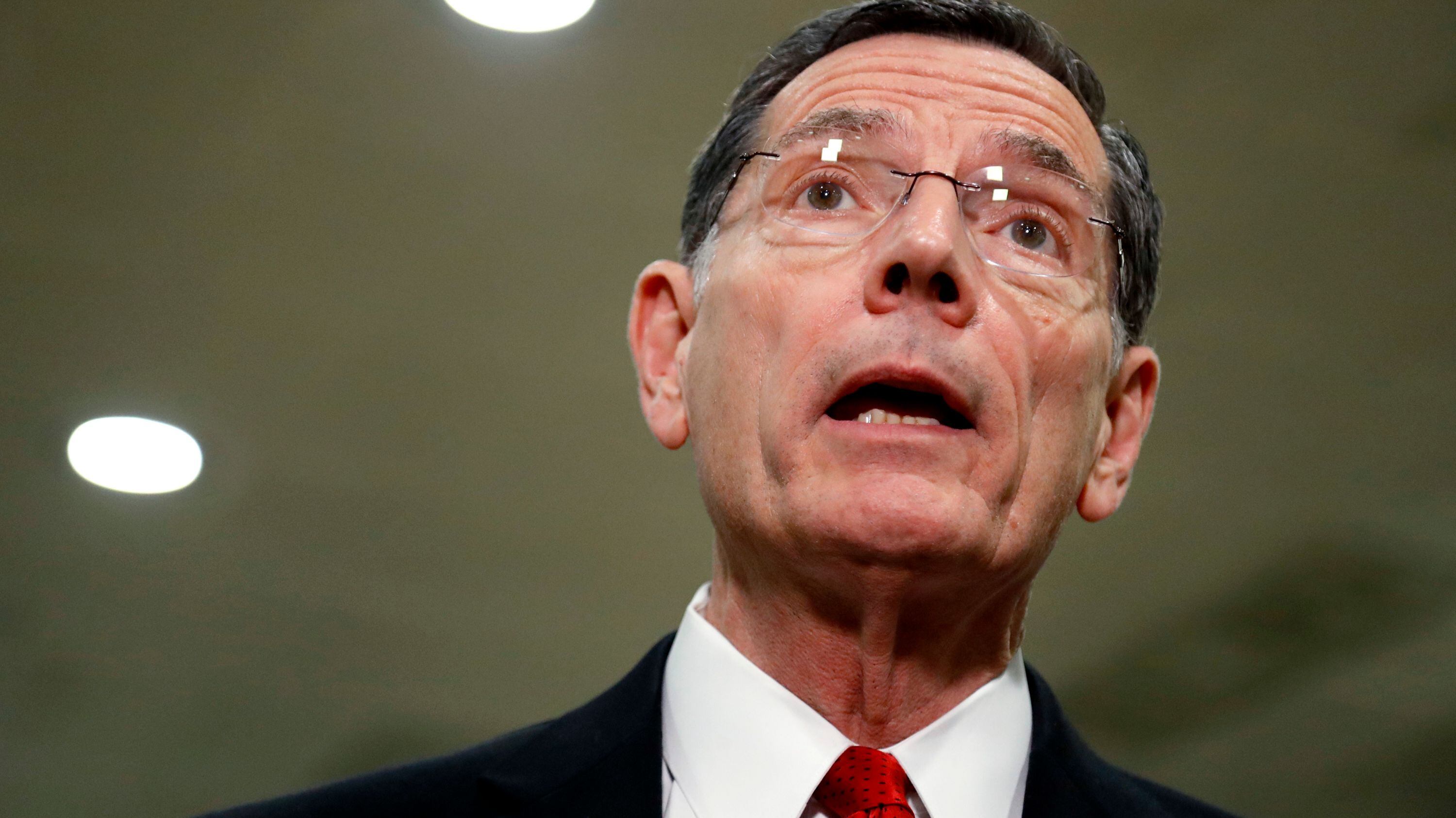
Senator John Barrasso (R-Wyo.) told reporters during the break that Republicans have the "momentum" to move to end the trial tomorrow without witnesses. "If we're able to say no [to witnesses] and go right to final judgment, we'd move in that direction and stay here until that work is decided and completed Friday evening. That's where all the momentum is now."
Still up for debate is what, exactly, happens, if the Republicans vote to end the debate on witnesses quickly.
Meanwhile, back in the chamber, lead impeachment manager Adam Schiff said witness depositions could be limited to just one week and said that the trial should not be rushed just because the State of the Union is Tuesday.
After the break, Senators asked two bipartisan questions, both of which were from senators who may still be undecided on the issue of whether to allow witnesses. First, Senators Joe Manchin (D-W.Va.), Susan Collins (R-Maine), Lisa Murkowski (R-Alaska), and Kyrsten Sinema (D-Ariz.) asked the defense team if the president would assure them that private citizens would not be directed to conduct foreign policy unless formally designated by the president and the State Department.
Murkowski and Senator Brian Schatz (D-Hawaii) submitted the second bipartisan question, asking if any action a president takes is inherently political and where the line is between permissible political actions and impeachable political actions.
In President Bill Clinton's impeachment trial, there was only one bipartisan question asked, which Sen. Collins had signed onto at the time.
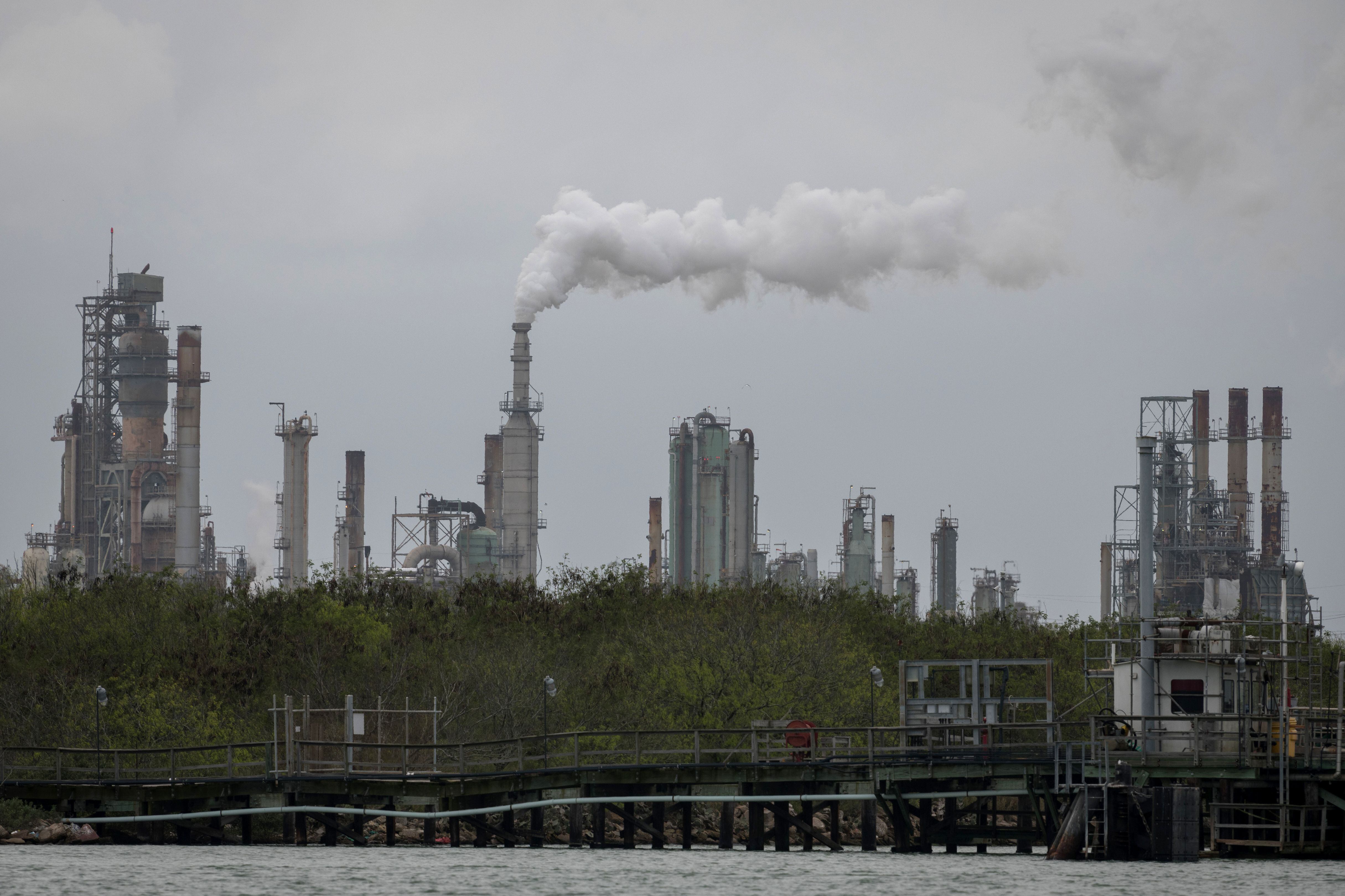
The move underscores the pain being inflicted on U.S. oil producers by the abrupt crash in oil prices earlier this month, sparked by the outbreak of a price war between Saudi Arabia and Russia and exacerbated by the global response to the coronavirus.
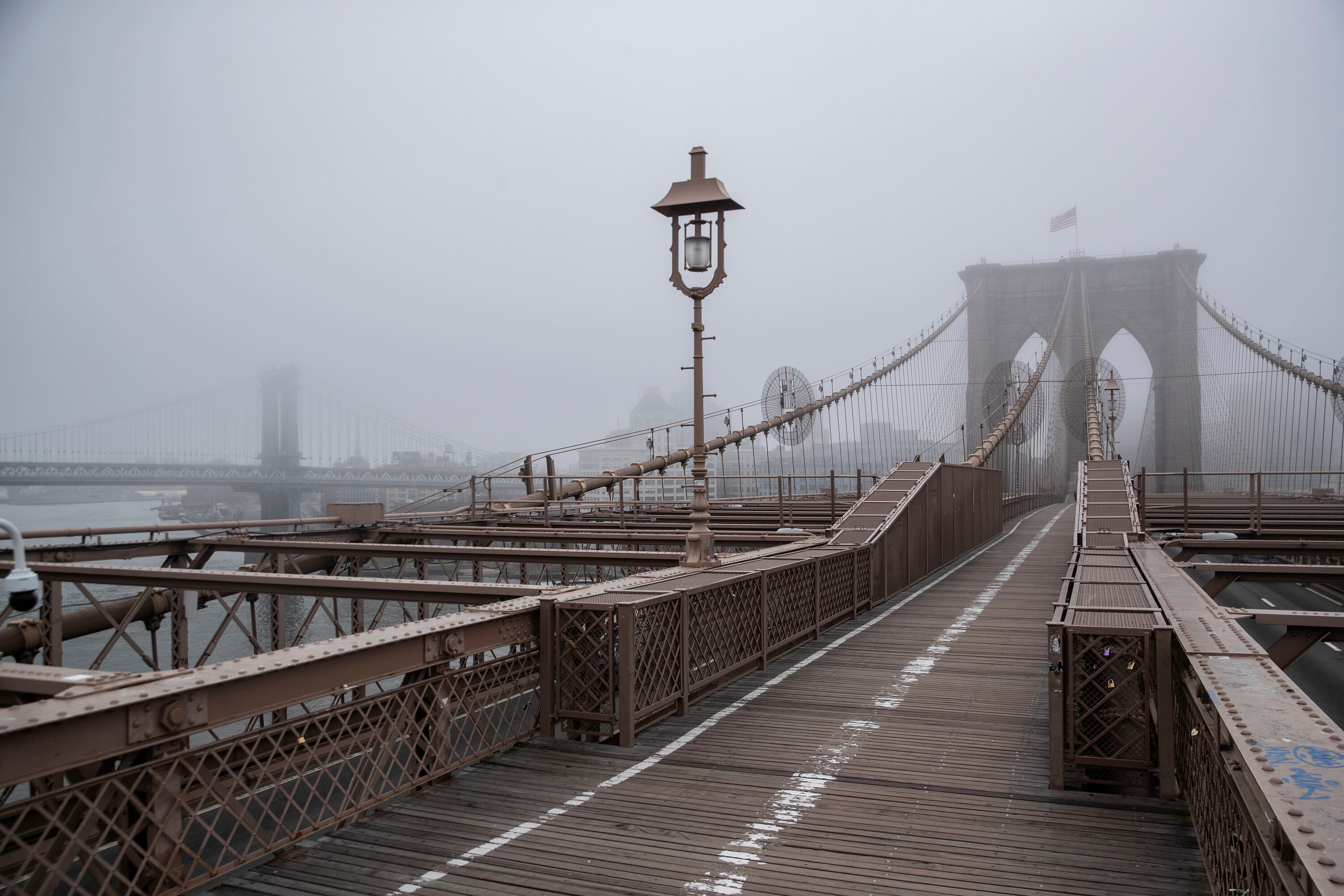
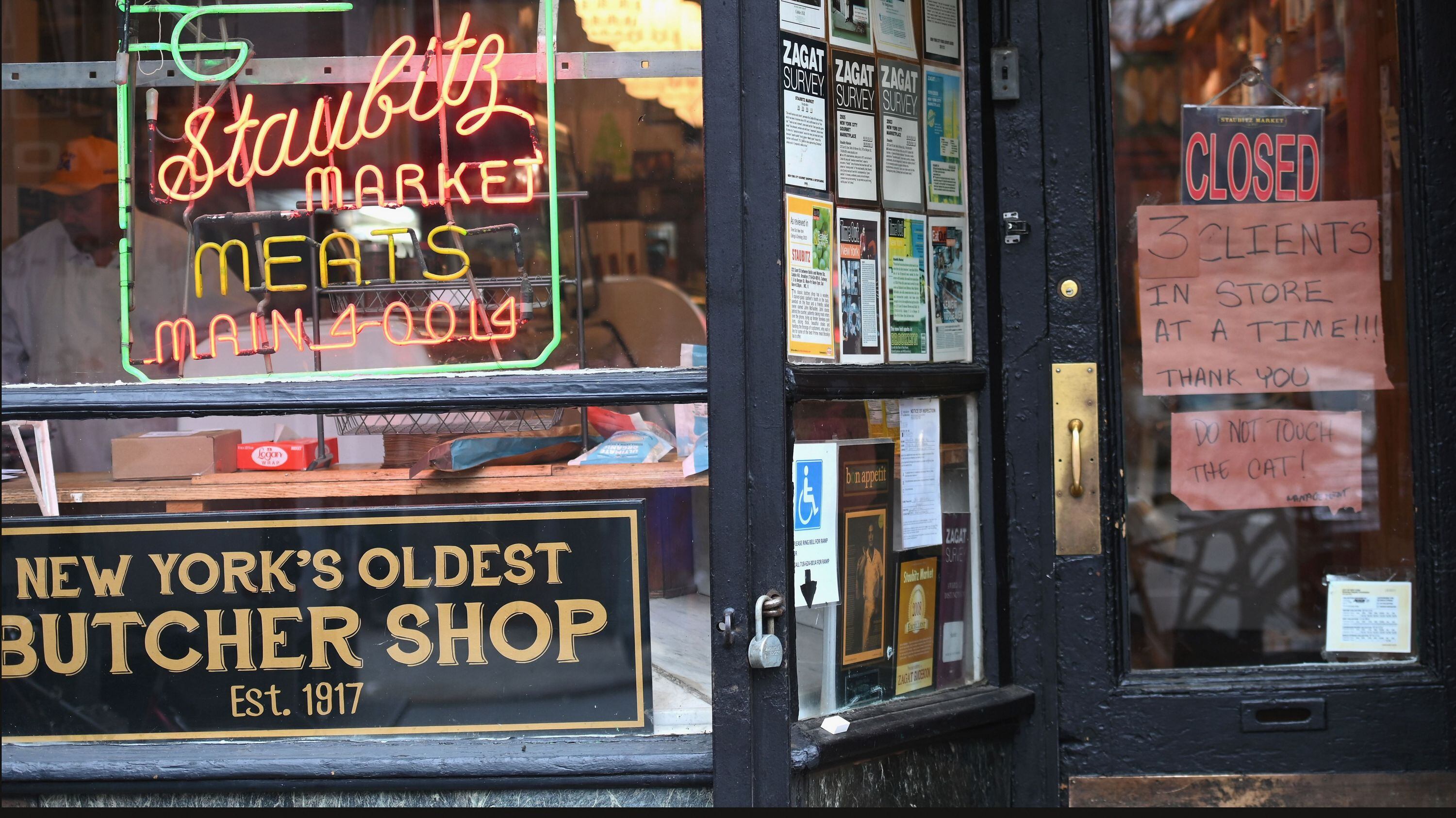
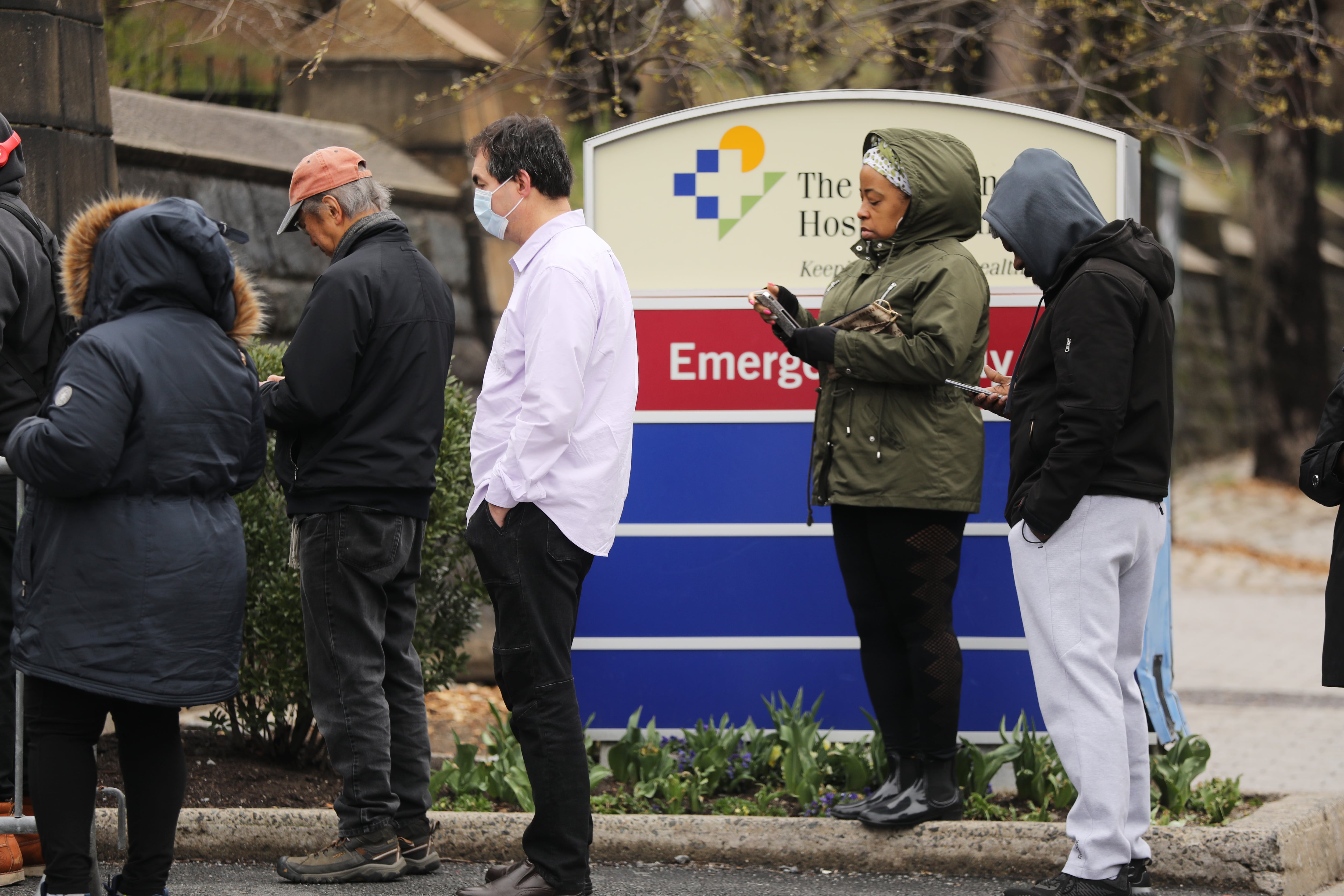
New York is joining California in seriously altering daily operations after Governor Andrew Cuomo announced he will sign an executive order mandating that 100 percent of the non-essential workforce stay home. The order will go into effect Sunday night.
Stocks turned lower Friday on Wall Street after New York became the latest major state to mandate nearly all workers stay home to limit the spread of the new coronavirus.
Senator Richard Burr (R-N.C.) is under intense scrutiny after an NPR report showed that he revealed the severity of the impending coronavirus crisis to a group of North Carolinians in private and warned of major life disruptions weeks before the federal government did the same. And, as the coronavirus outbreak continues to wreak havoc on supply chains, hospitals and markets, new financial disclosures show that Burr made big money moves before the indices showed the historic declines seen in recent weeks.
More than 60 percent of Americans also think a recession will come in the next year, according to a new study by YouGov.
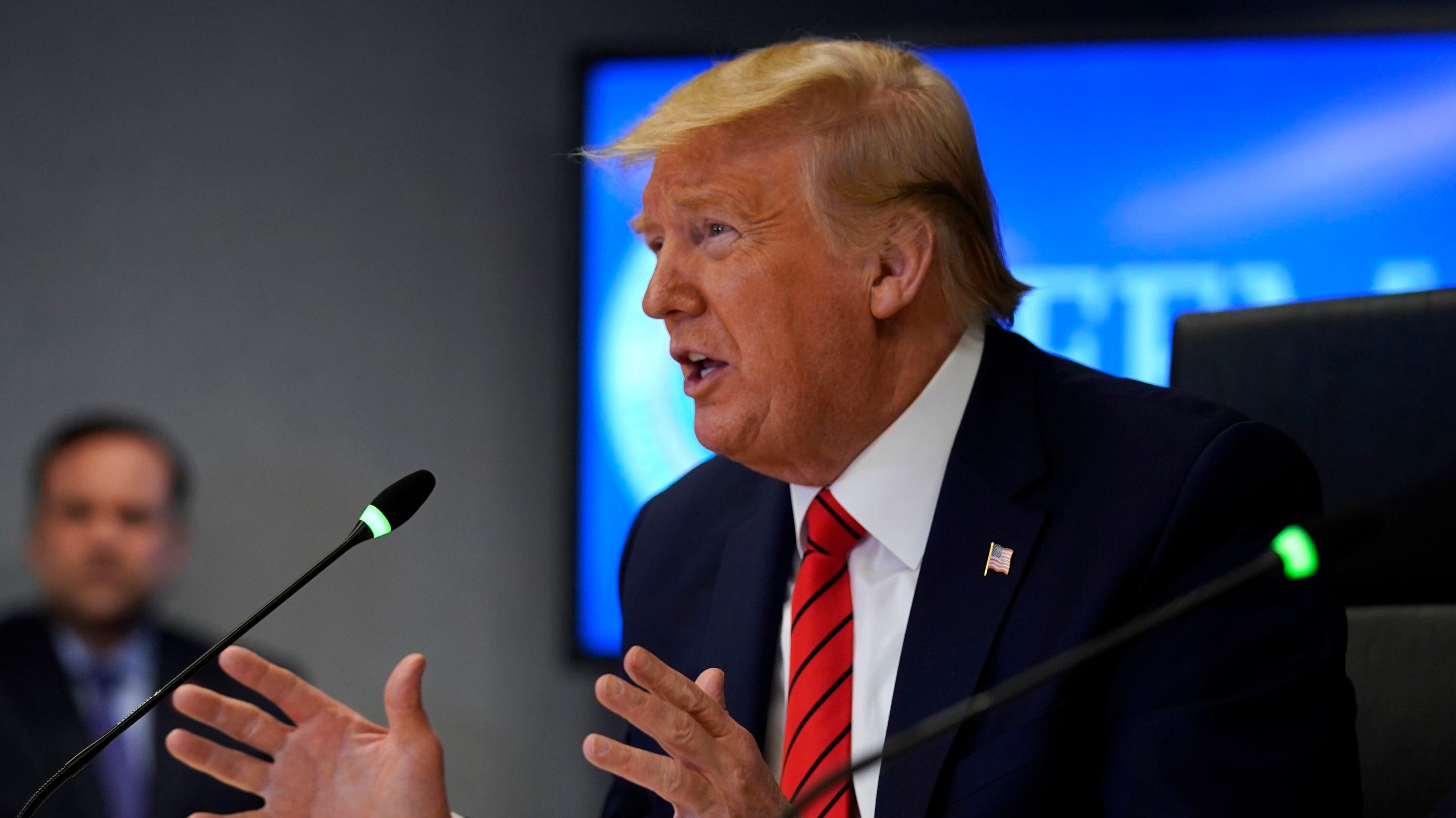
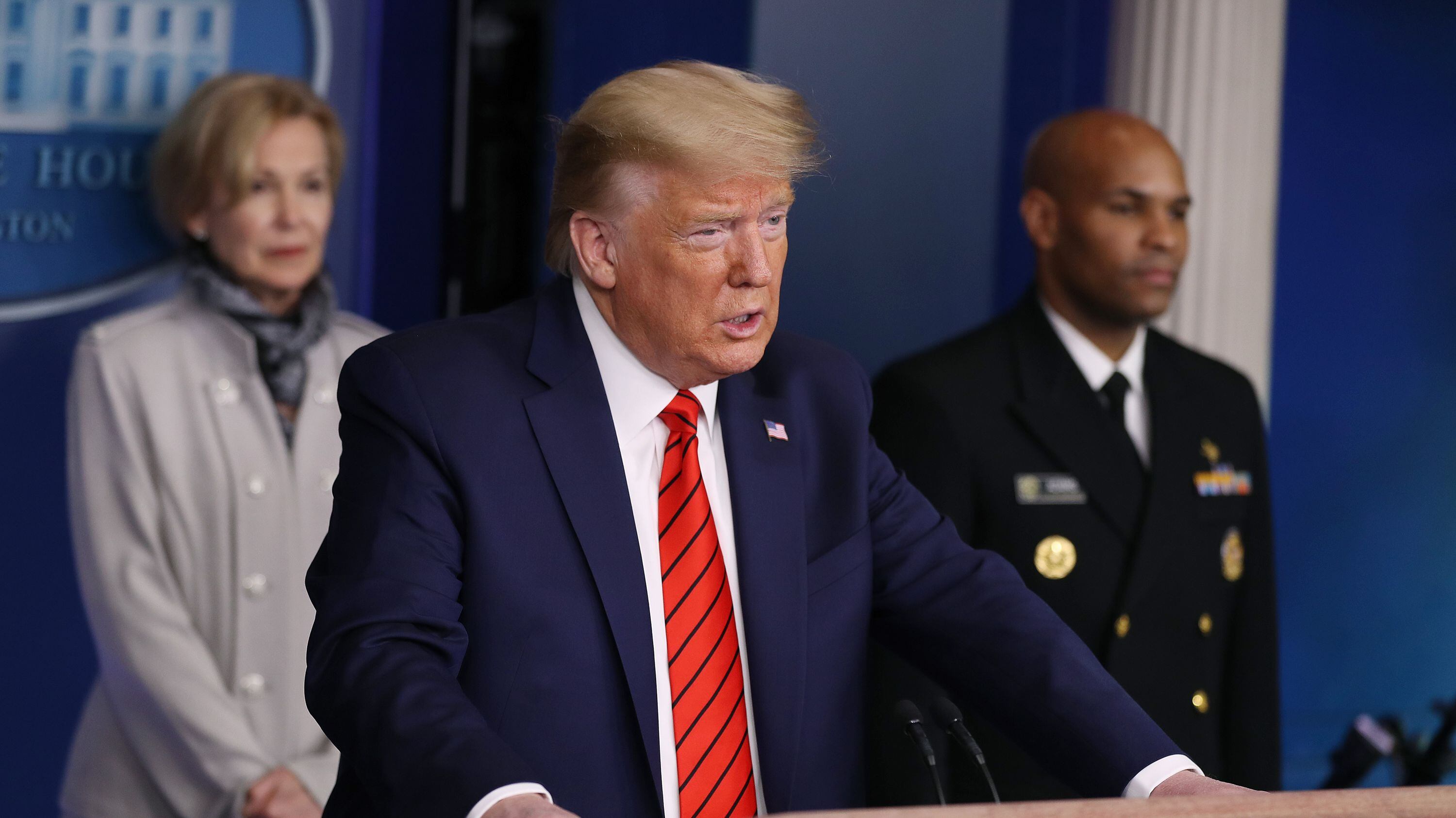
Trump’s coronavirus task force on Thursday afternoon visited the Federal Emergency Management Agency to hear from several governors about the challenges facing their states.
In the morning conference, the governor also waived mortgage payments for 90 days and revealed the spike in new cases bringing the full total to 4,152, the most in the nation.
The drug, hydroxychloroquine, was developed more than a half-century ago and is approved for treating malaria, arthritis, and other ailments. Reports out of China and Italy suggest the drug may help, but there is no hard data yet.
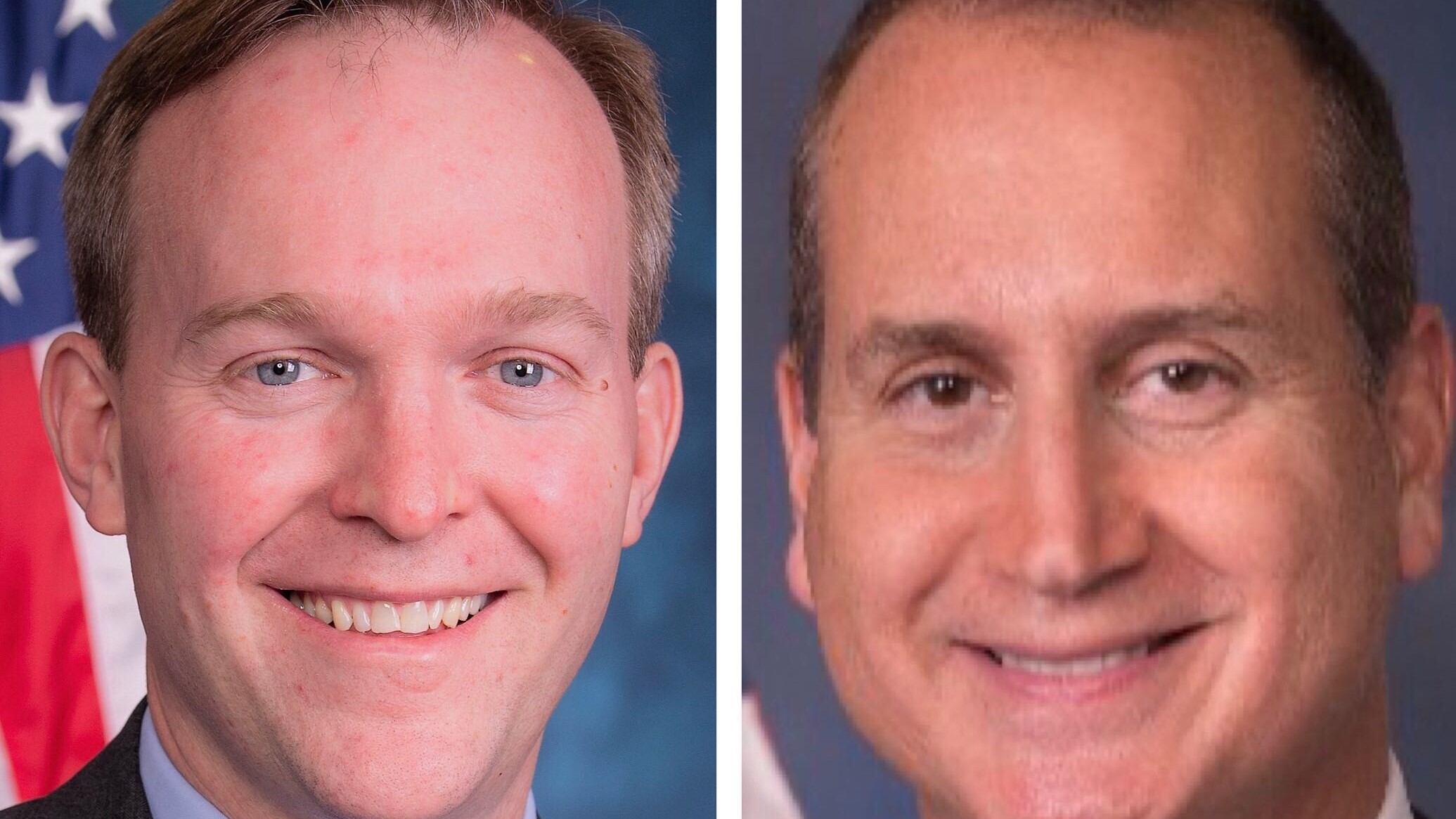
Coronavirus has hit Capitol Hill, as the first members of Congress have tested positive for the virus. Reps. Mario Diaz-Balart (R-Fla.) and Ben McAdams (D-Utah) announced diagnoses late Wednesday.
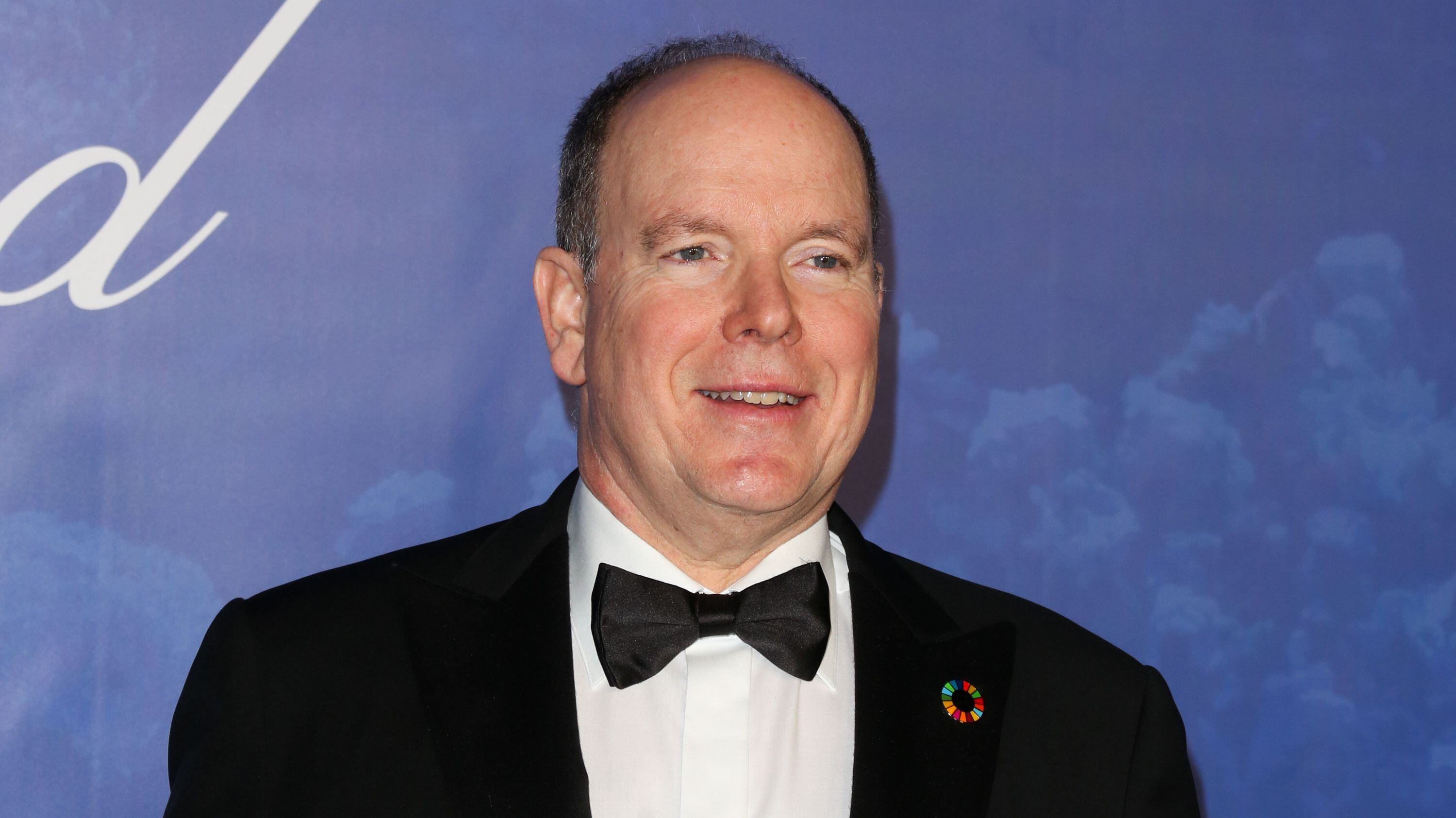
The palace of Monaco says its head of state, Prince Albert II, has tested positive for the new coronavirus. In a statement Thursday, the palace of the tiny Mediterranean principality said that his health is not worrying.