Within the hallways of the U.S. Capitol, there is growing confidence by GOP Senators that Senate Majority Leader Mitch McConnell can whip his caucus to block a vote on witnesses Friday.
While returning to the chamber after a short break Thursday, Senator Tim Scott (R-S.C.) told Cheddar he's "feeling good" about tomorrow's expected vote.
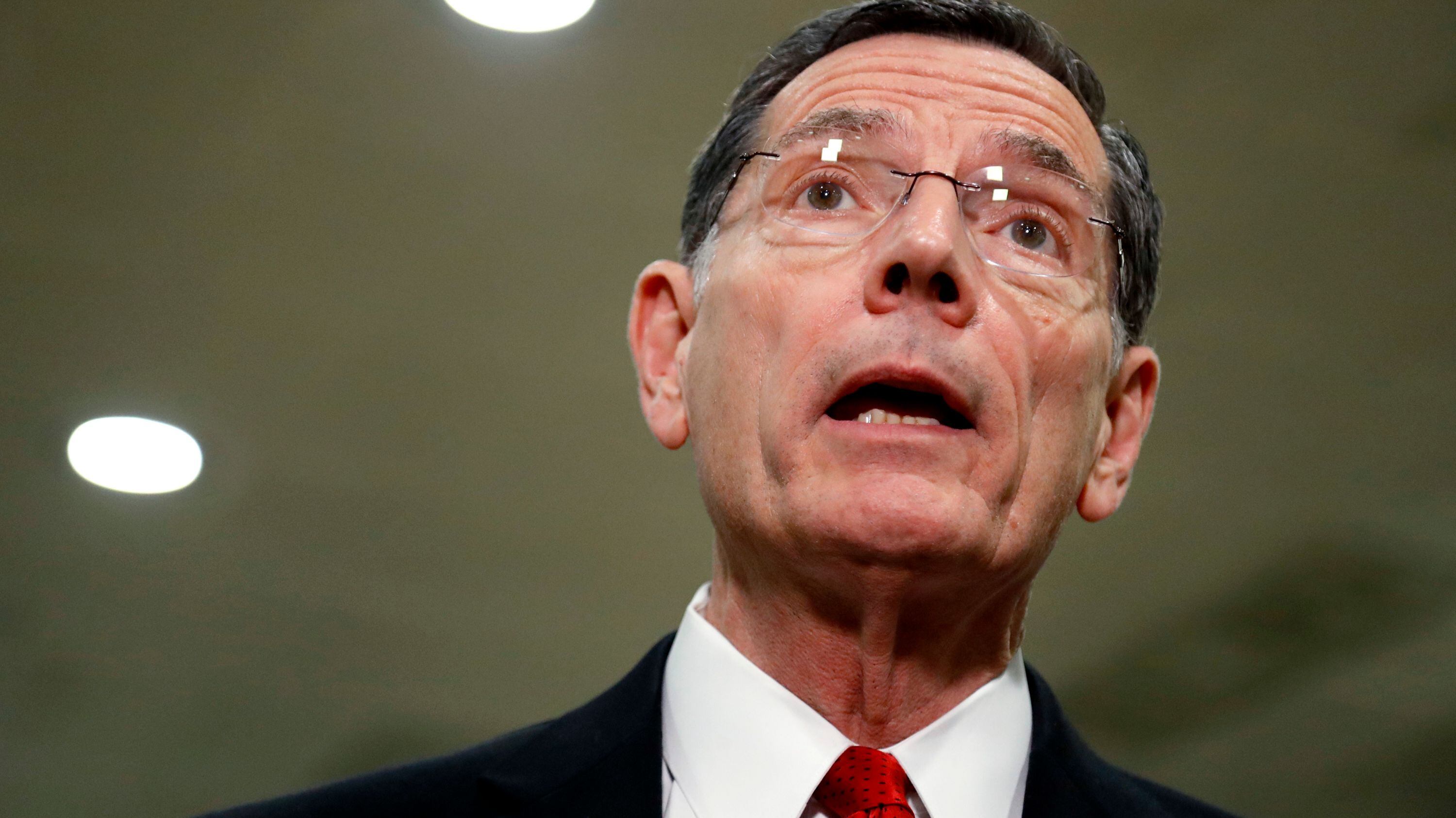
Senator John Barrasso (R-Wyo.) told reporters during the break that Republicans have the "momentum" to move to end the trial tomorrow without witnesses. "If we're able to say no [to witnesses] and go right to final judgment, we'd move in that direction and stay here until that work is decided and completed Friday evening. That's where all the momentum is now."
Still up for debate is what, exactly, happens, if the Republicans vote to end the debate on witnesses quickly.
Meanwhile, back in the chamber, lead impeachment manager Adam Schiff said witness depositions could be limited to just one week and said that the trial should not be rushed just because the State of the Union is Tuesday.
After the break, Senators asked two bipartisan questions, both of which were from senators who may still be undecided on the issue of whether to allow witnesses. First, Senators Joe Manchin (D-W.Va.), Susan Collins (R-Maine), Lisa Murkowski (R-Alaska), and Kyrsten Sinema (D-Ariz.) asked the defense team if the president would assure them that private citizens would not be directed to conduct foreign policy unless formally designated by the president and the State Department.
Murkowski and Senator Brian Schatz (D-Hawaii) submitted the second bipartisan question, asking if any action a president takes is inherently political and where the line is between permissible political actions and impeachable political actions.
In President Bill Clinton's impeachment trial, there was only one bipartisan question asked, which Sen. Collins had signed onto at the time.
The entrepreneur sued the New York State Board of Elections in April after it canceled the state's presidential primary by stripping Sen. Bernie Sander's name from the ballot.
The U.S. Education Department has finalized campus sexual assault rules that bolster the rights of students who are accused of assault and harassment, reduce legal liabilities for schools and colleges, and narrow the scope of cases they will be required to investigate.
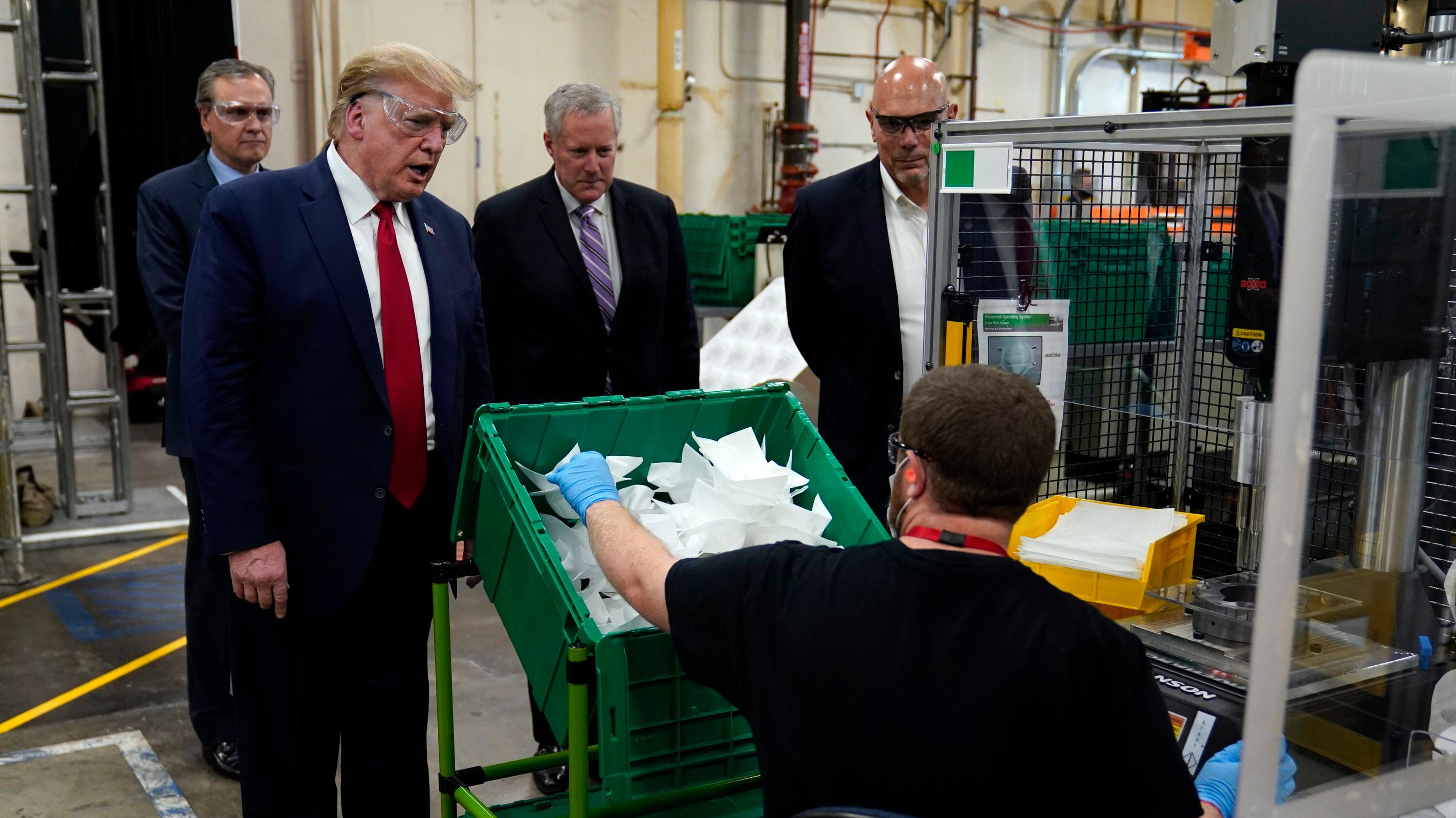
One day after saying that the COVID-19 task force would be winding down, President Donald Trump says it would continue on indefinitely, but focus on rebooting the economy.
David Banmiller, an airline industry insider and former CEO of Pan Am, doesn't like referring to the $25 billion of relief the airline industry got from the federal government as a 'bailout.'
An Associated Press analysis finds that taking the New York metropolitan area’s progress against the coronavirus out of the equation shows the rest of the U.S. moving in the wrong direction, with the infection rate rising even as states move to lift their lockdowns.
Stocks closed higher on Wall Street but gave up about half of their early gains in a late-afternoon bout of selling. The S&P 500 rose 0.9% Tuesday after being up 2% earlier.
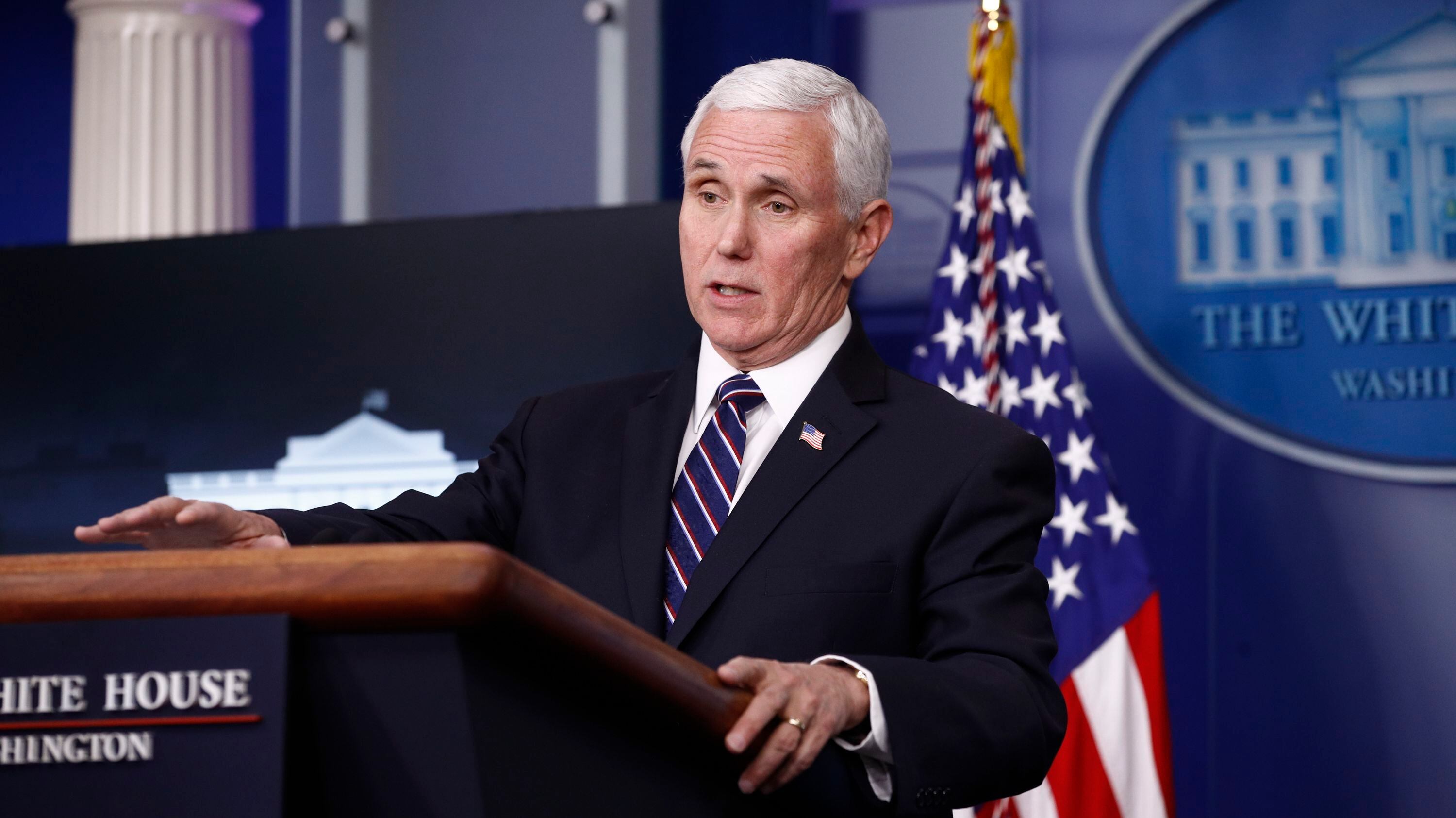
Vice President Mike Pence says the White House coronavirus task force could wind down its work by early June.
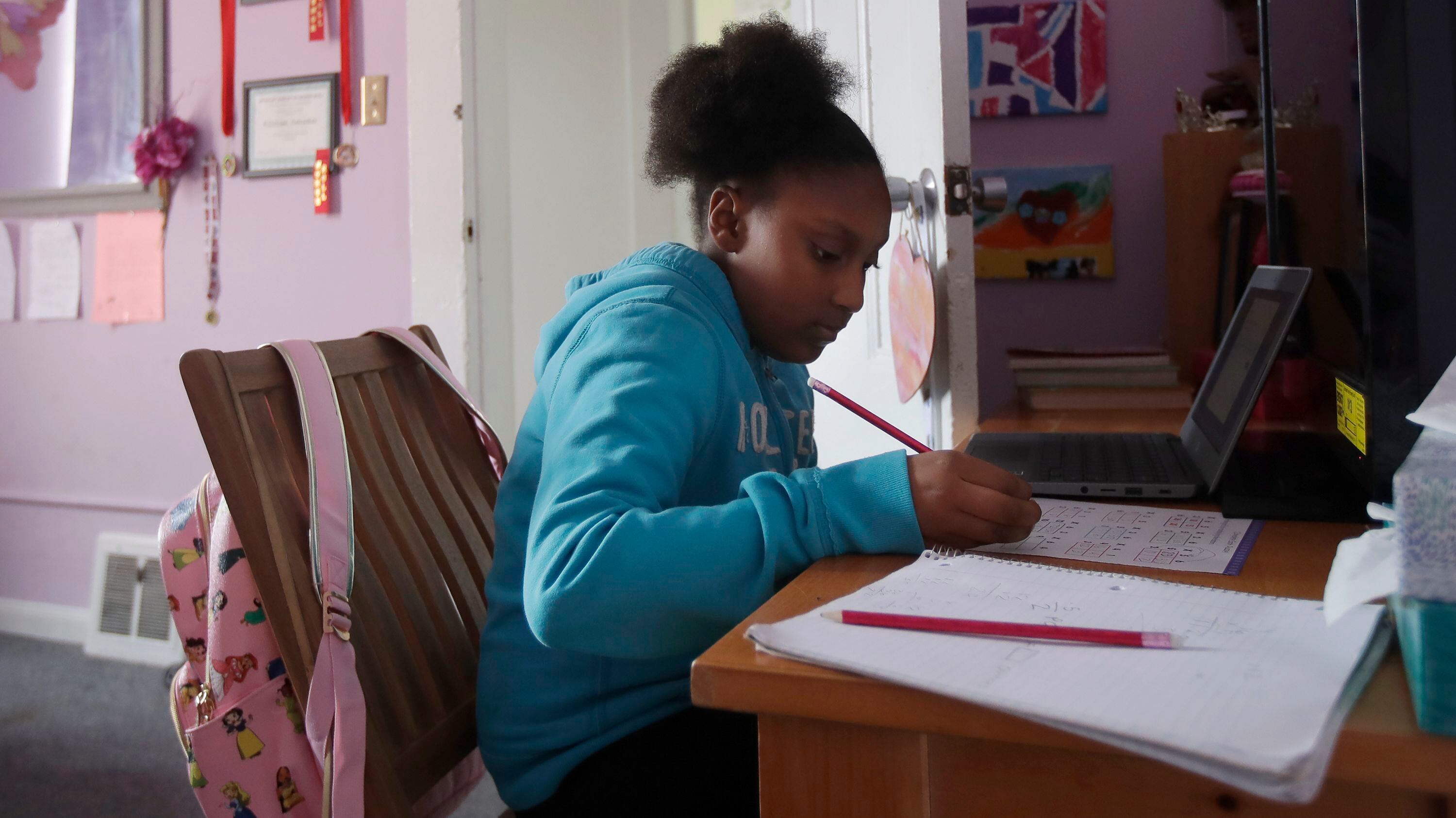
Randi Weingarten, president of the American Federation of Teachers, told Cheddar on Tuesday that they were not prepared to switch so quickly and have been working well with what they have, but online learning simply isn't the same as teaching in person.
The trip means a small army of advisers, logistical experts and security staff will also resume regularly hitting the road and taking a measure of risk to assist Trump.
Stocks are rallying worldwide on Tuesday as more countries relaxed restrictions on businesses, raising hopes for a recovery from the historic plunge sweeping the global economy.