Within the hallways of the U.S. Capitol, there is growing confidence by GOP Senators that Senate Majority Leader Mitch McConnell can whip his caucus to block a vote on witnesses Friday.
While returning to the chamber after a short break Thursday, Senator Tim Scott (R-S.C.) told Cheddar he's "feeling good" about tomorrow's expected vote.
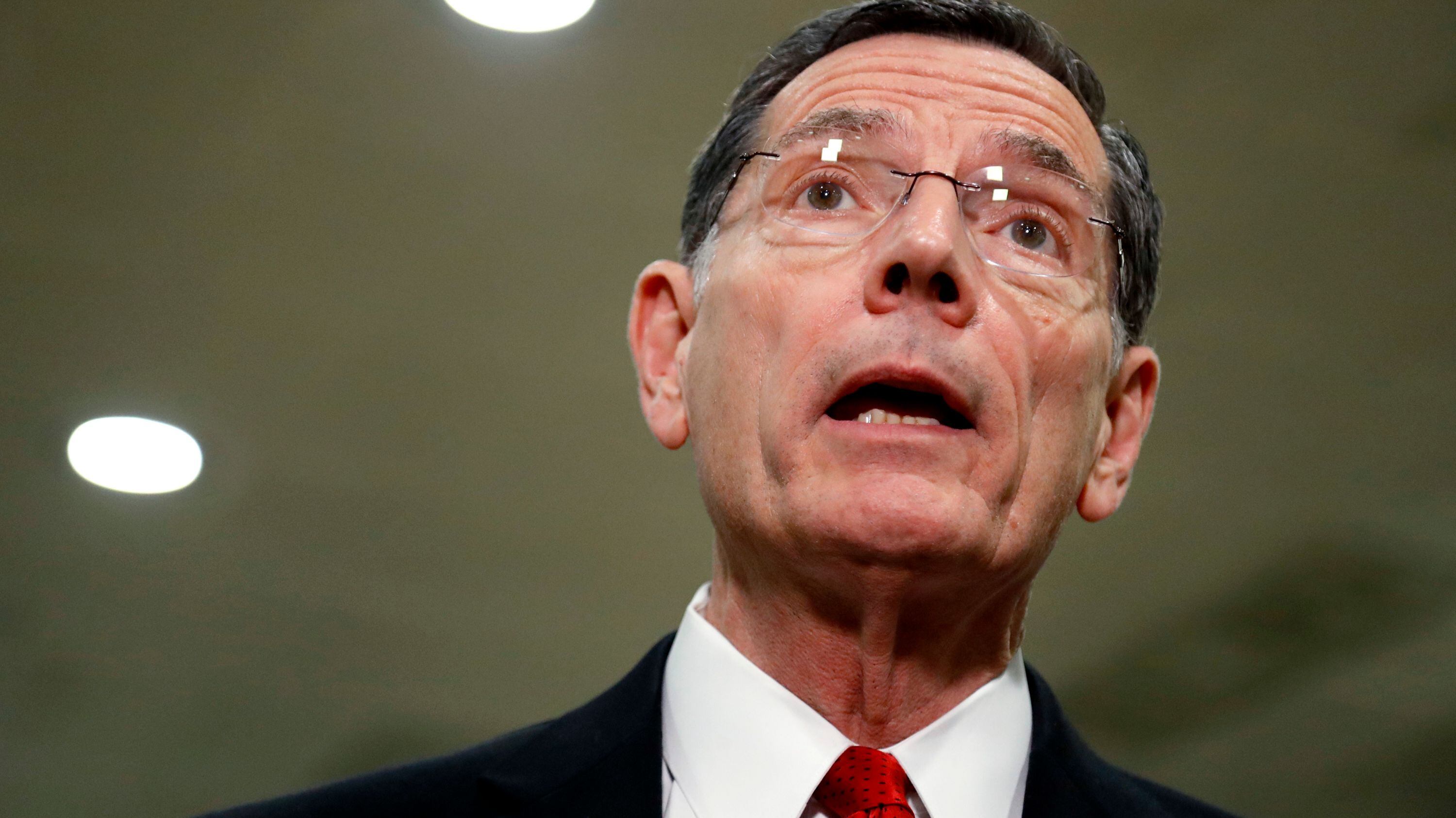
Senator John Barrasso (R-Wyo.) told reporters during the break that Republicans have the "momentum" to move to end the trial tomorrow without witnesses. "If we're able to say no [to witnesses] and go right to final judgment, we'd move in that direction and stay here until that work is decided and completed Friday evening. That's where all the momentum is now."
Still up for debate is what, exactly, happens, if the Republicans vote to end the debate on witnesses quickly.
Meanwhile, back in the chamber, lead impeachment manager Adam Schiff said witness depositions could be limited to just one week and said that the trial should not be rushed just because the State of the Union is Tuesday.
After the break, Senators asked two bipartisan questions, both of which were from senators who may still be undecided on the issue of whether to allow witnesses. First, Senators Joe Manchin (D-W.Va.), Susan Collins (R-Maine), Lisa Murkowski (R-Alaska), and Kyrsten Sinema (D-Ariz.) asked the defense team if the president would assure them that private citizens would not be directed to conduct foreign policy unless formally designated by the president and the State Department.
Murkowski and Senator Brian Schatz (D-Hawaii) submitted the second bipartisan question, asking if any action a president takes is inherently political and where the line is between permissible political actions and impeachable political actions.
In President Bill Clinton's impeachment trial, there was only one bipartisan question asked, which Sen. Collins had signed onto at the time.
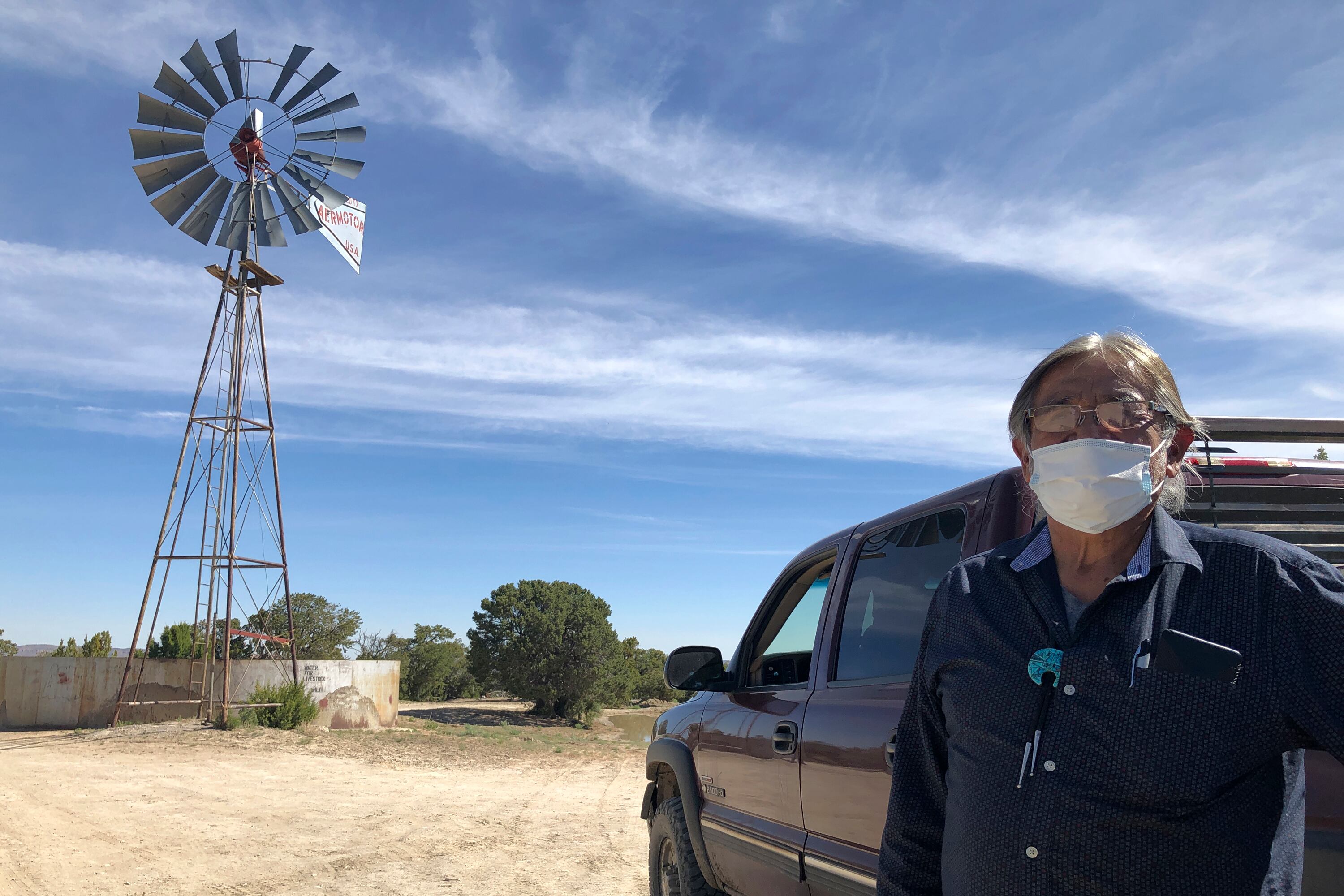
Even as some states begin the process of reopening their economies, Native American tribes are dealing with disproportionate challenges during the pandemic. The Navajo Nation, in particular, has suffered greatly. "The native communities are the ones that are suffering the most from the virus," former New Mexico Governor Bill Richardson told Cheddar. "Close to 30 to 40 percent of those that are afflicted are tribal members, especially the Navajo Nation."
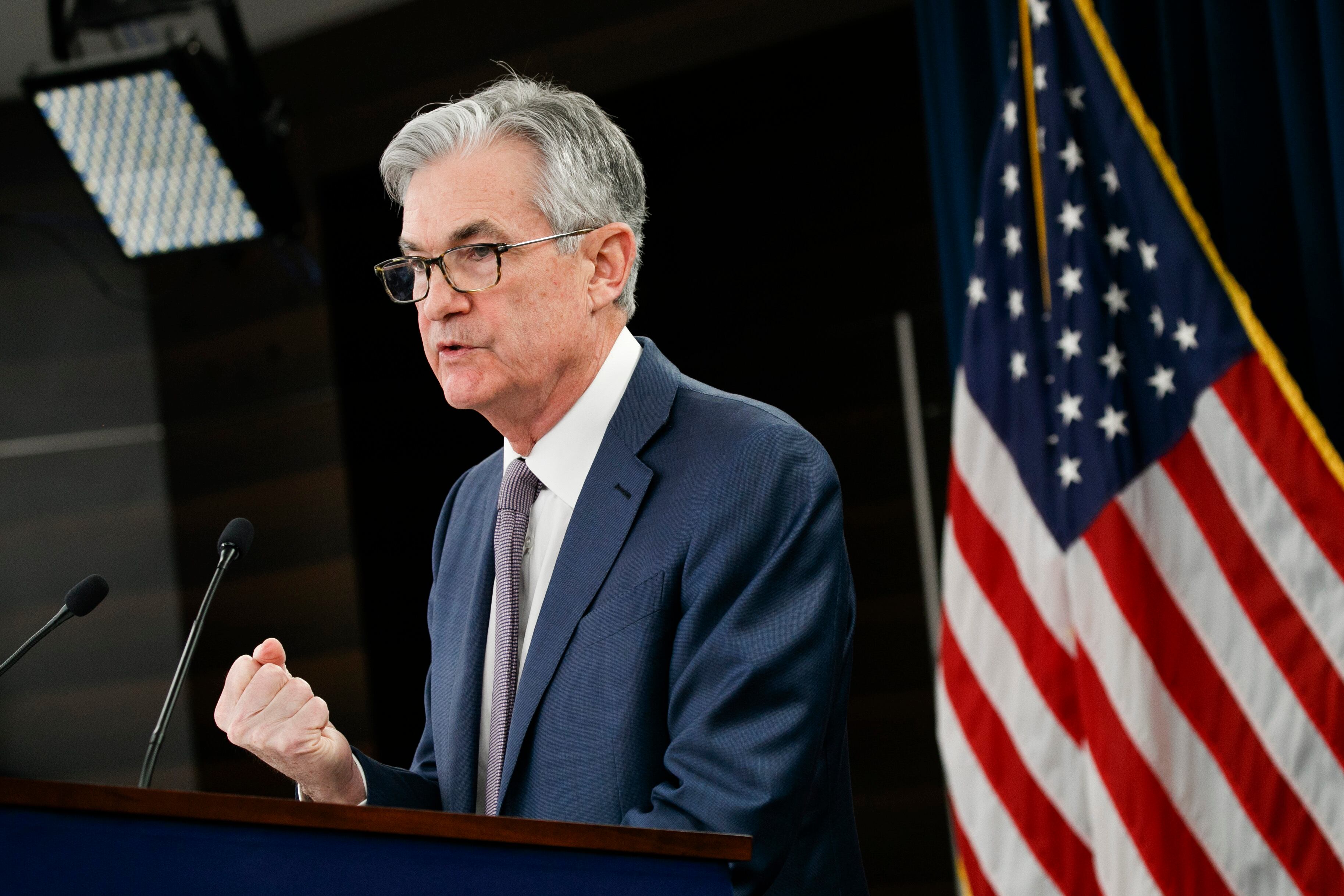
Federal Reserve Chair Jerome Powell said Tuesday that the central bank’s lending programs for medium-sized businesses and state and local governments will be operational by the end of this month.
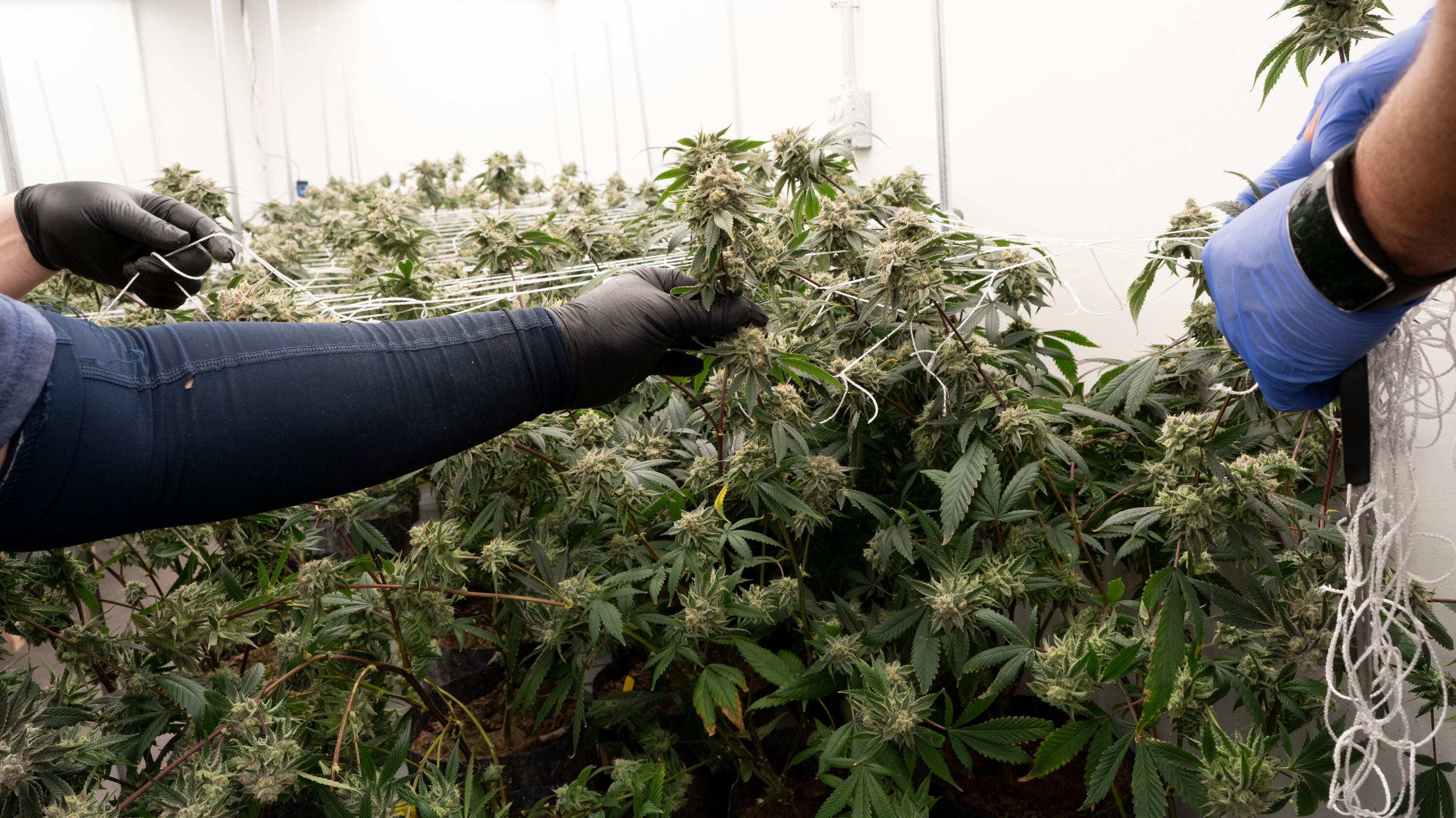
The U.S. House of Representatives narrowly approved a $3 trillion coronavirus stimulus bill on Friday that includes provisions for cannabis banking, even as opposition to the measure builds in the Republican-controlled Senate.
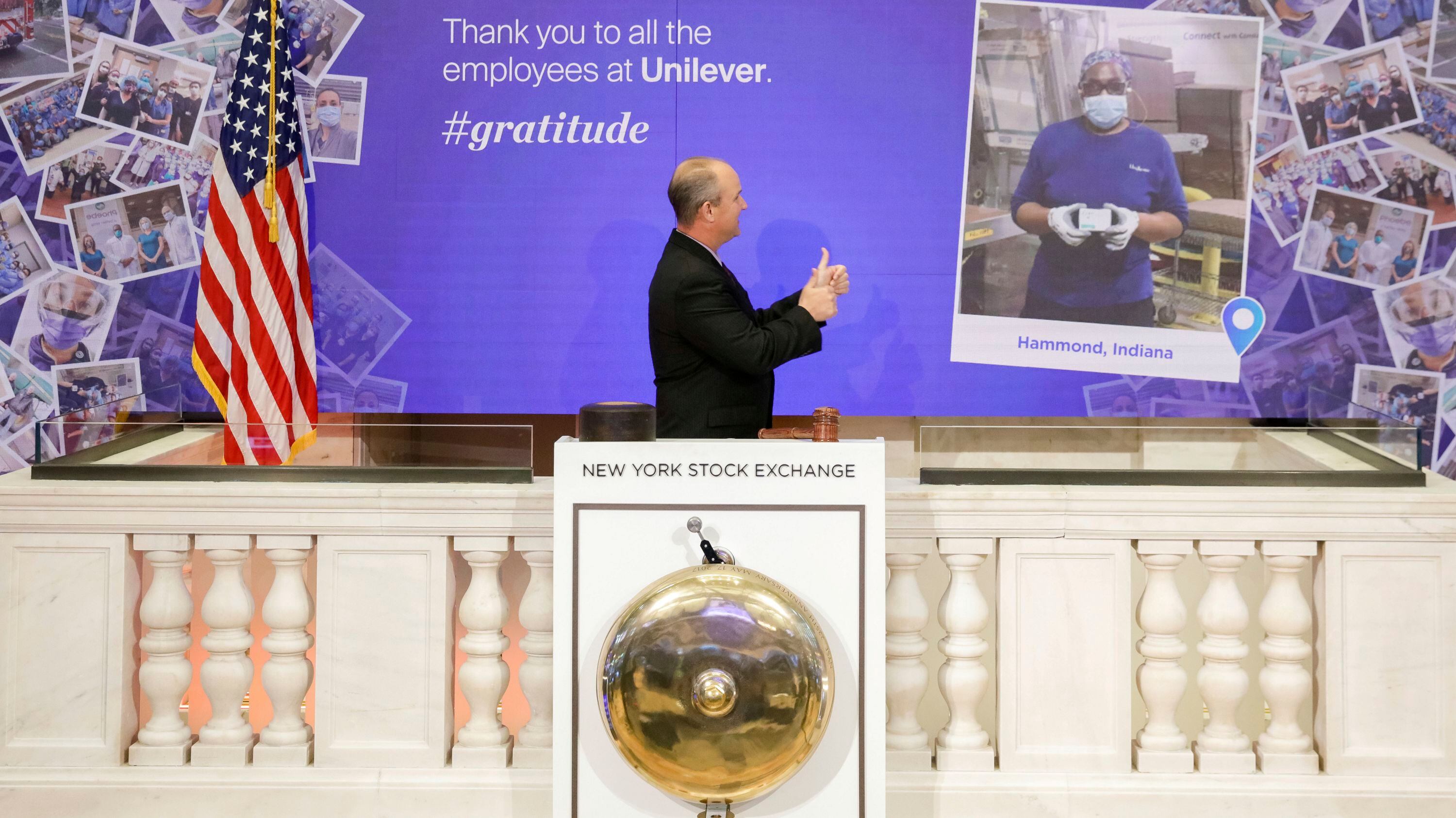
Stocks are mixed in early trading on Wall Street Tuesday, a day after the market had its biggest jump in more than five weeks.
Director of the Rhode Island Labor Department, Scott Jensen discussed how Amazon's tech aided the state amid the widespread unemployment during the pandemic.
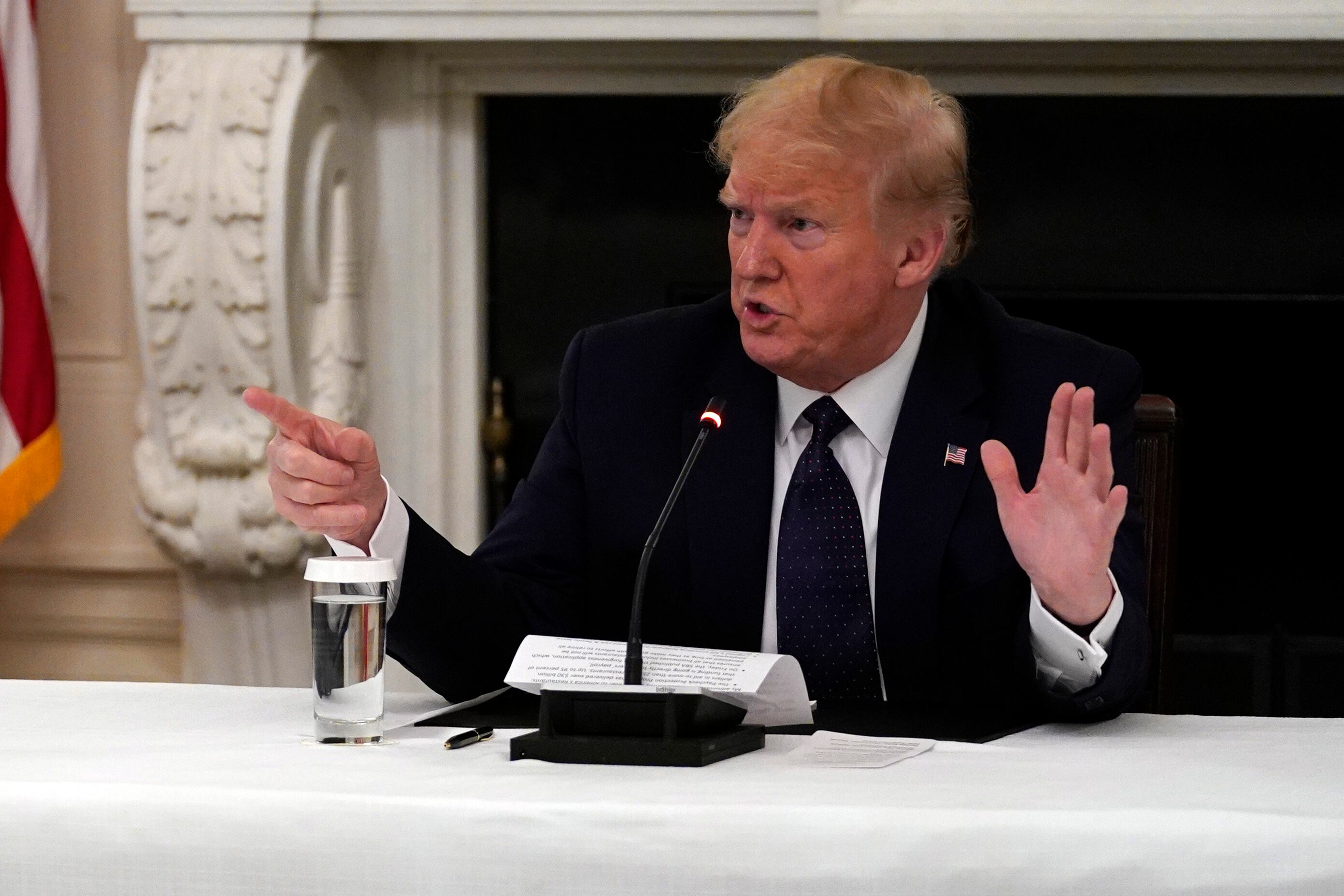
President Donald Trump said Monday that he is taking a malaria drug to lessen symptoms should he get the new coronavirus, even though the drug is unproven for fighting COVID-19.
As large swaths of New York begin to reopen this weekend, mayors and local officials across the state are feeling the squeeze from budget cuts, furloughs, and frustrated constituents.
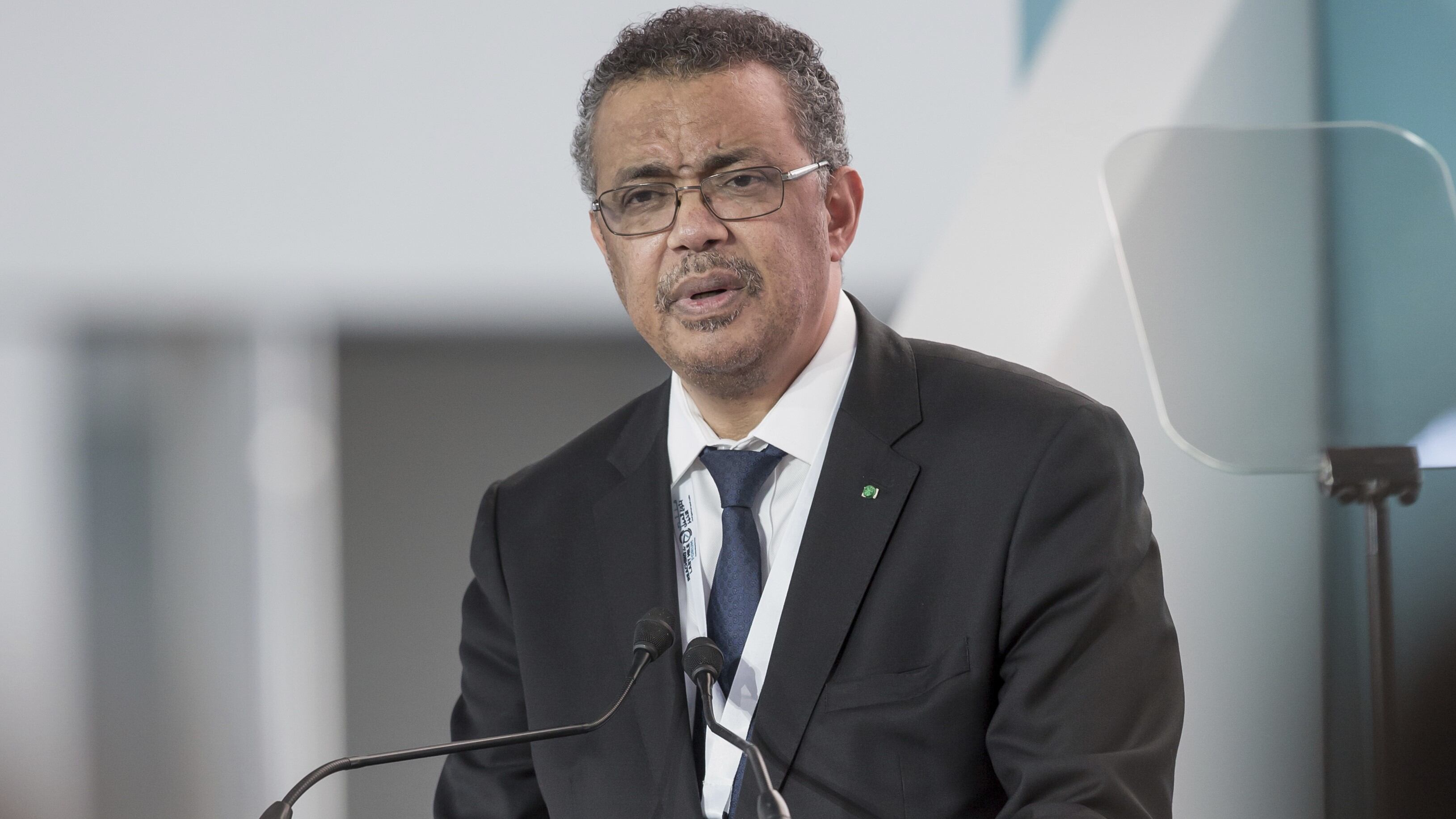
WHO Director-General Tedros Adhanom Ghebreyesus says he will begin an independent evaluation of the U.N. health agency’s response to the coronavirus pandemic “at the earliest appropriate moment.”
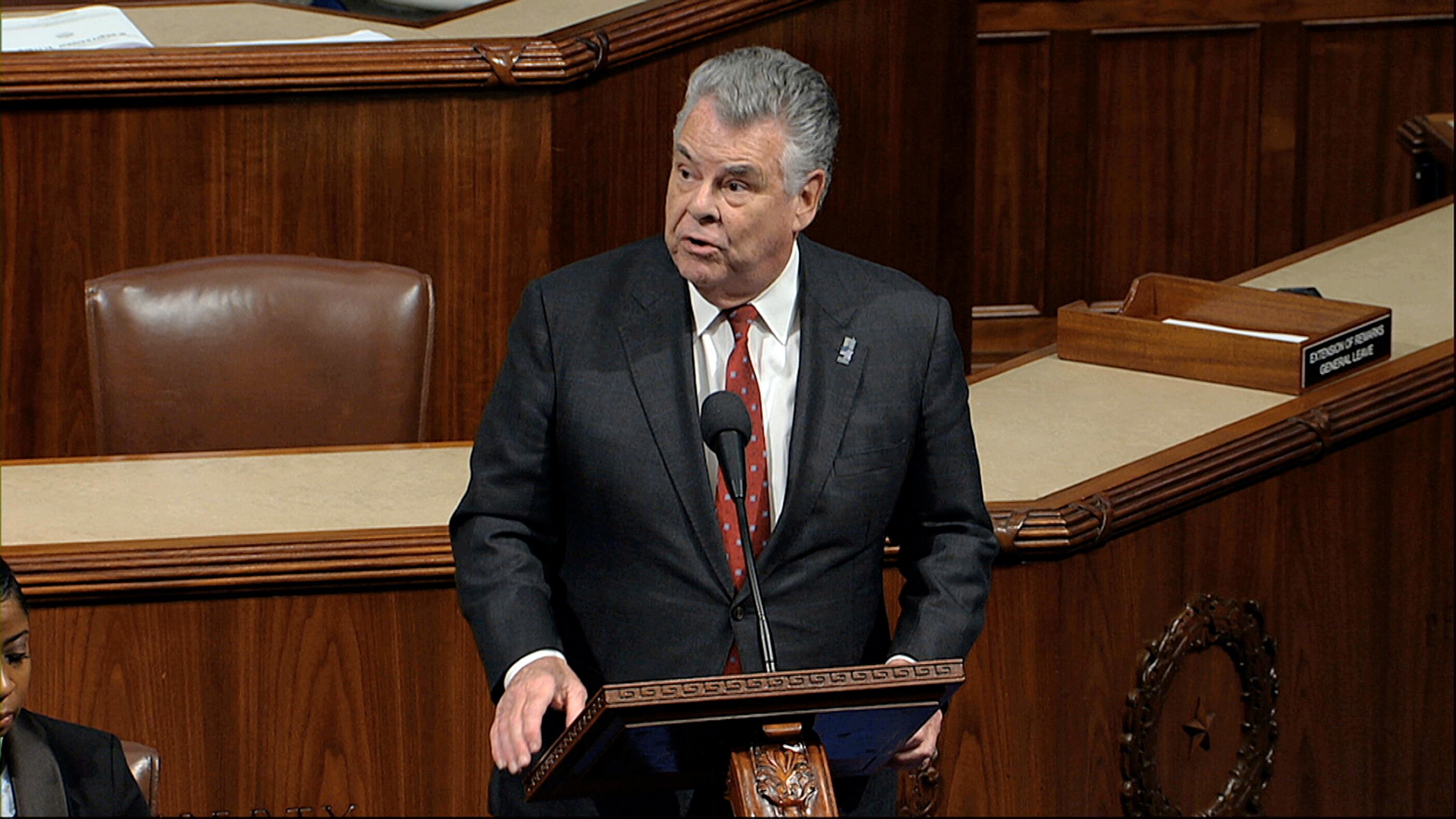
Congressman Peter King (R-N.Y. 2nd District) tells Cheddar exclusively that he plans to vote in favor of the $3 trillion coronavirus relief bill introduced by Democratic Speaker of the House Nancy Pelosi earlier this week.
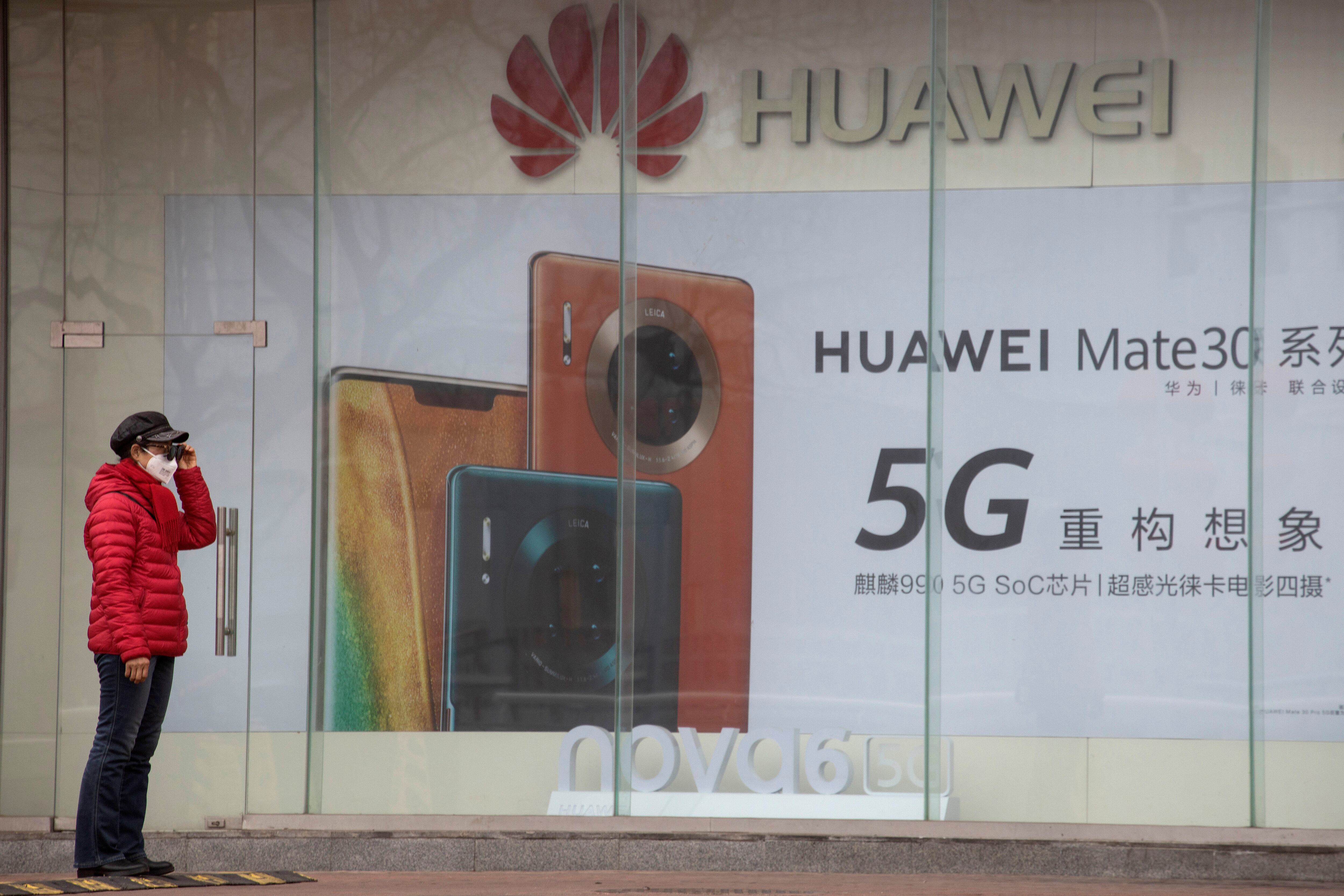
The U.S. government is imposing new restrictions on Chinese tech giant Huawei by limiting its ability to use American technology to build its semiconductors.