Within the hallways of the U.S. Capitol, there is growing confidence by GOP Senators that Senate Majority Leader Mitch McConnell can whip his caucus to block a vote on witnesses Friday.
While returning to the chamber after a short break Thursday, Senator Tim Scott (R-S.C.) told Cheddar he's "feeling good" about tomorrow's expected vote.
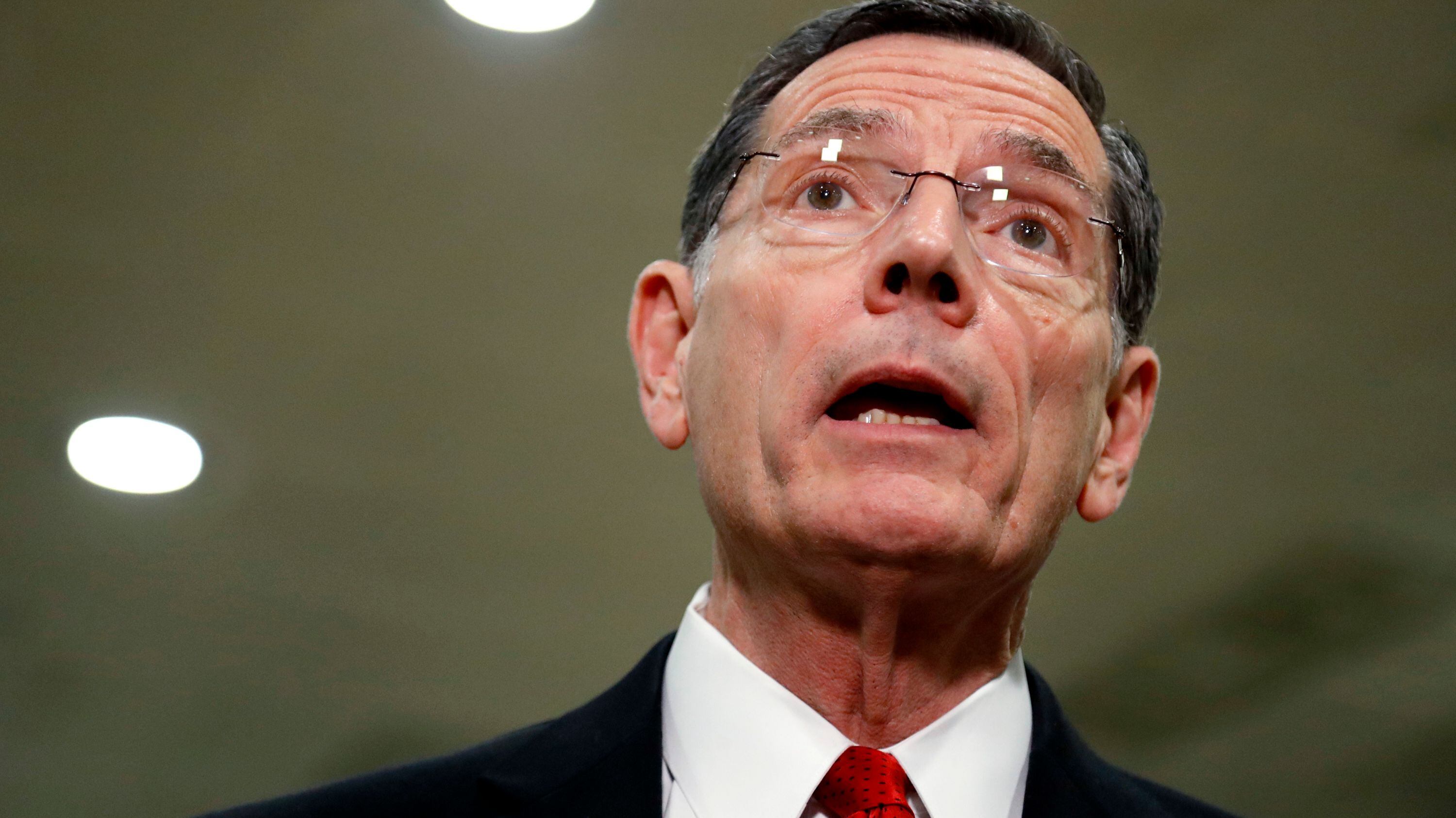
Senator John Barrasso (R-Wyo.) told reporters during the break that Republicans have the "momentum" to move to end the trial tomorrow without witnesses. "If we're able to say no [to witnesses] and go right to final judgment, we'd move in that direction and stay here until that work is decided and completed Friday evening. That's where all the momentum is now."
Still up for debate is what, exactly, happens, if the Republicans vote to end the debate on witnesses quickly.
Meanwhile, back in the chamber, lead impeachment manager Adam Schiff said witness depositions could be limited to just one week and said that the trial should not be rushed just because the State of the Union is Tuesday.
After the break, Senators asked two bipartisan questions, both of which were from senators who may still be undecided on the issue of whether to allow witnesses. First, Senators Joe Manchin (D-W.Va.), Susan Collins (R-Maine), Lisa Murkowski (R-Alaska), and Kyrsten Sinema (D-Ariz.) asked the defense team if the president would assure them that private citizens would not be directed to conduct foreign policy unless formally designated by the president and the State Department.
Murkowski and Senator Brian Schatz (D-Hawaii) submitted the second bipartisan question, asking if any action a president takes is inherently political and where the line is between permissible political actions and impeachable political actions.
In President Bill Clinton's impeachment trial, there was only one bipartisan question asked, which Sen. Collins had signed onto at the time.
Rep. Clarke spoke to Cheddar about the NYPD and Mayor De Blasio's handling on two NYPD squad cars driving into a crowd of protesters over the weekend.
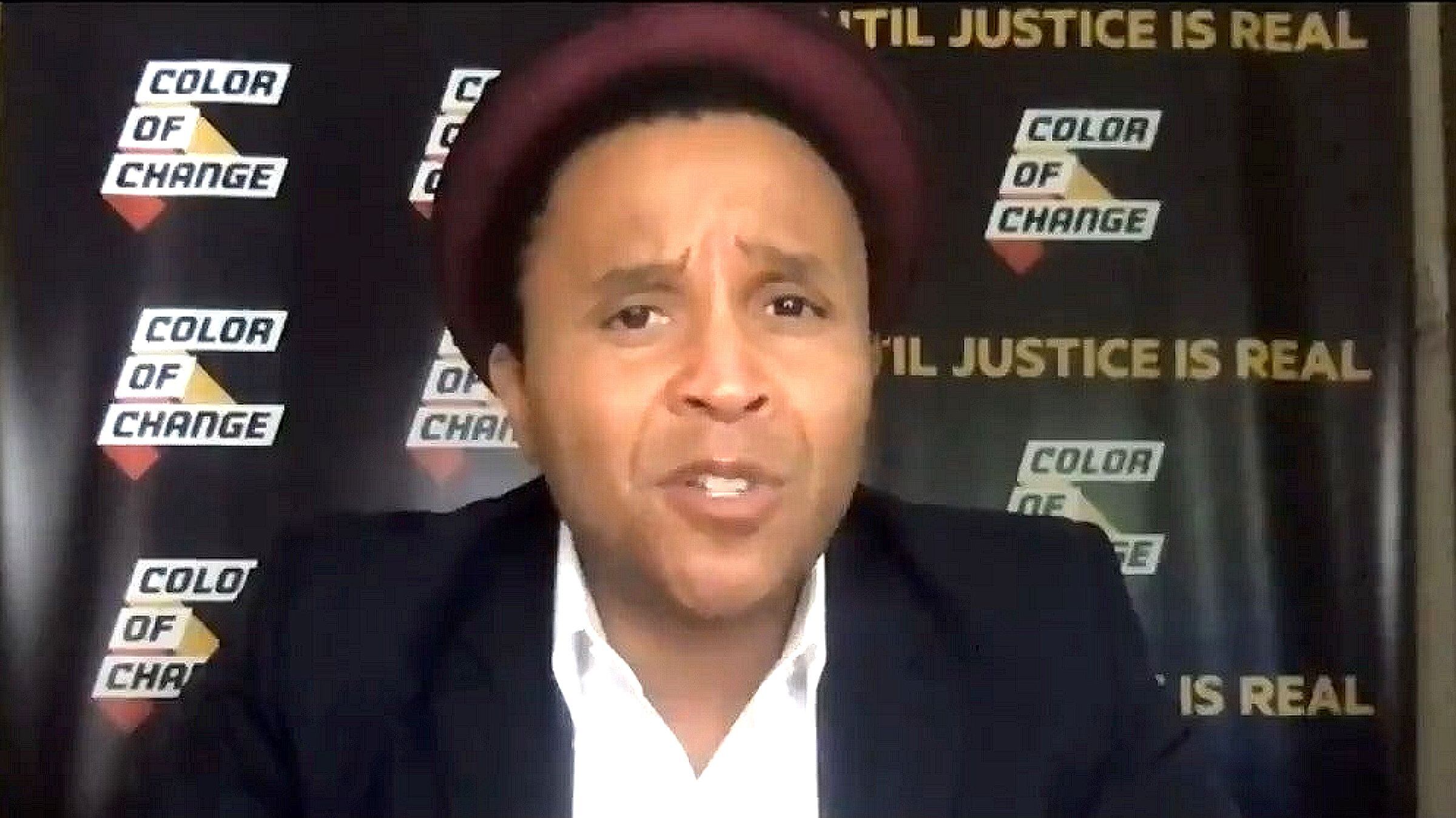
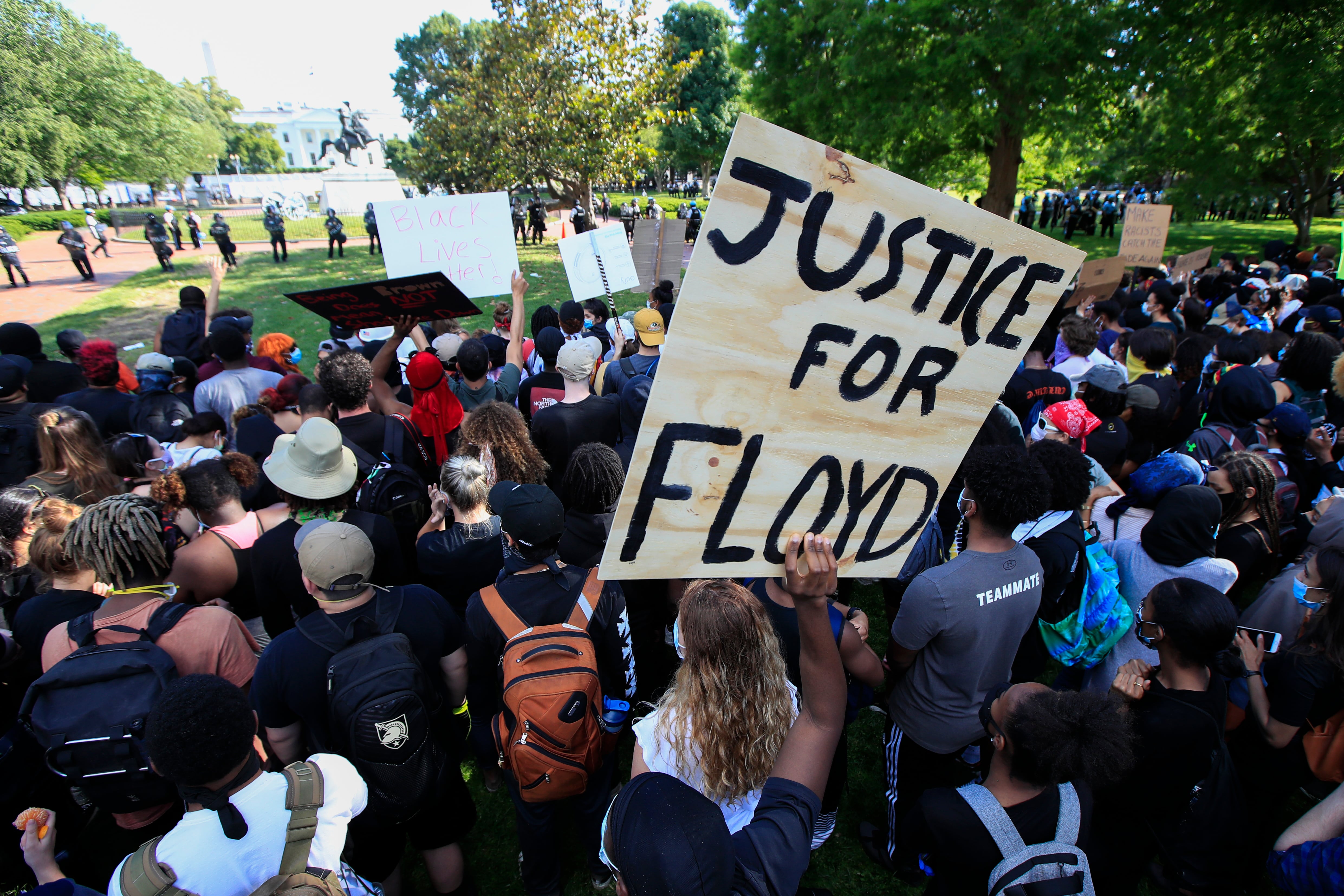
As demonstrations across the country grow more violent by the day, Rashad Robinson says a lack of leadership in the White House is part of the issue.
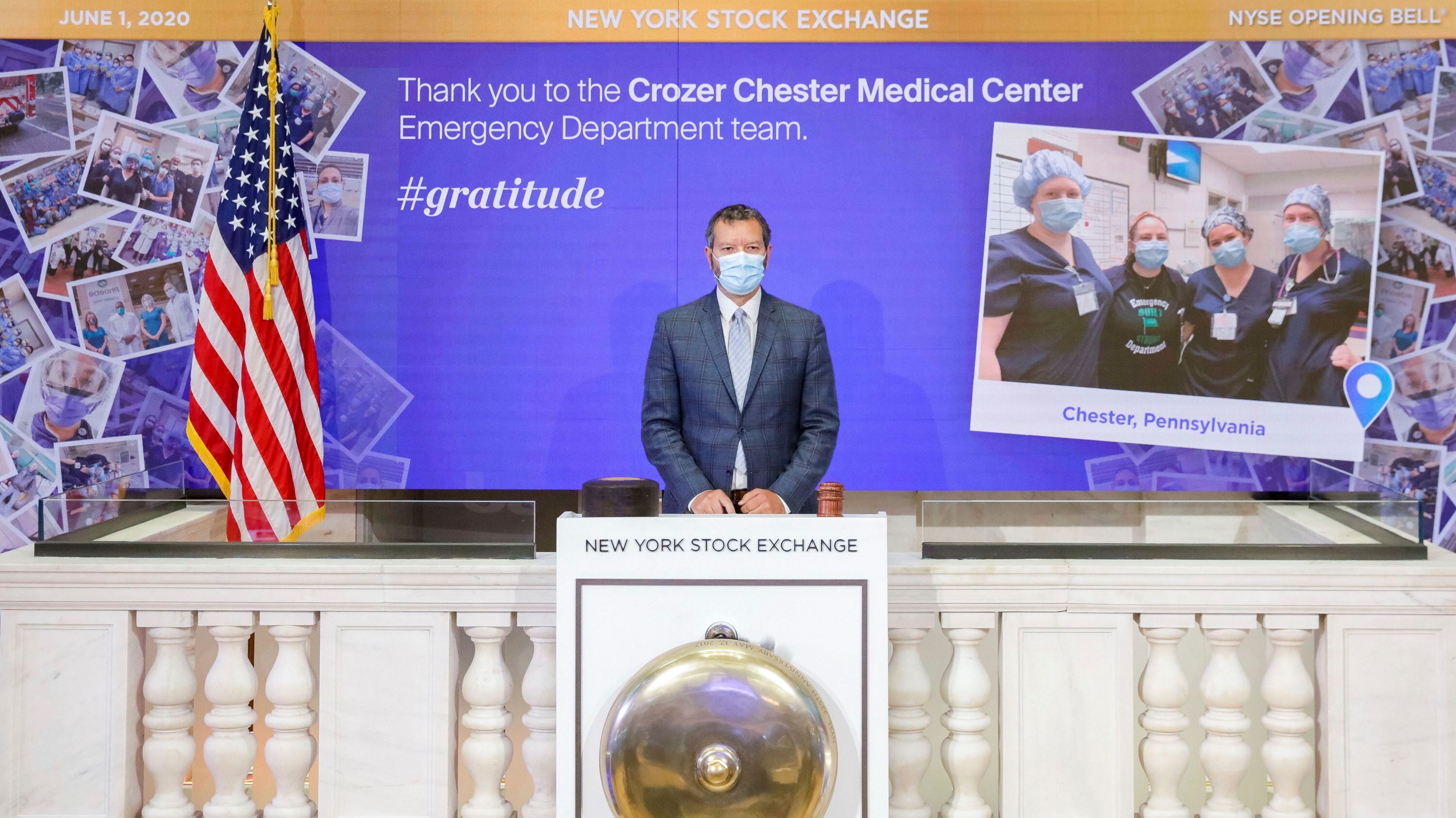
The S&P 500 climbed 0.4% after wavering between small gains and losses in the early going.
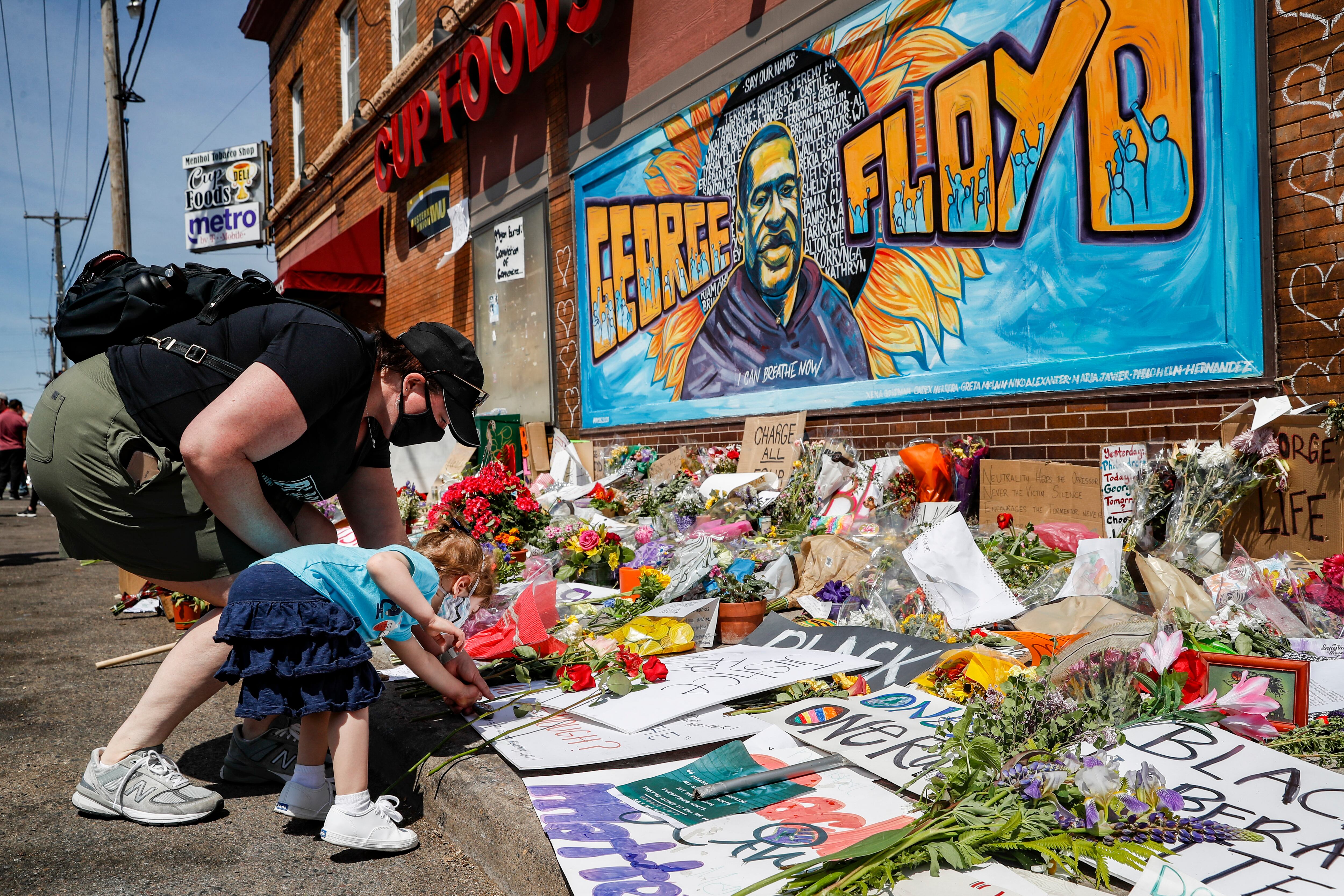
An autopsy commissioned for George Floyd’s family found that Floyd died of asphyxiation due to neck and back compression when a Minneapolis police officer kneeled on his neck for several minutes and ignored his cries of distress, the Floyd family’s attorneys said Monday.
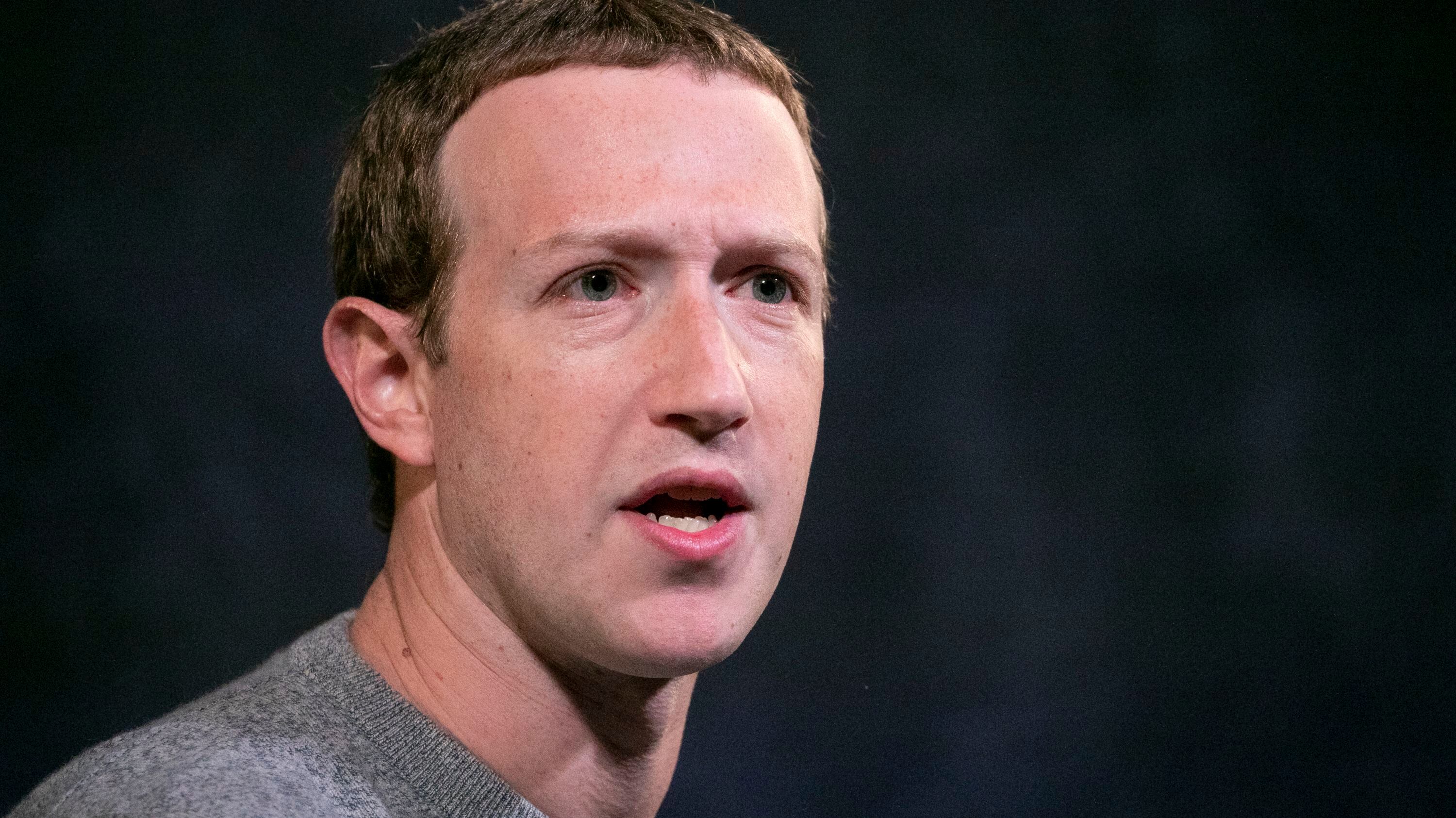
Facebook employees are using Twitter to register their frustration over CEO Mark Zuckerberg’s decision to leave up posts by President Donald Trump that suggested protesters in Minneapolis could be shot.
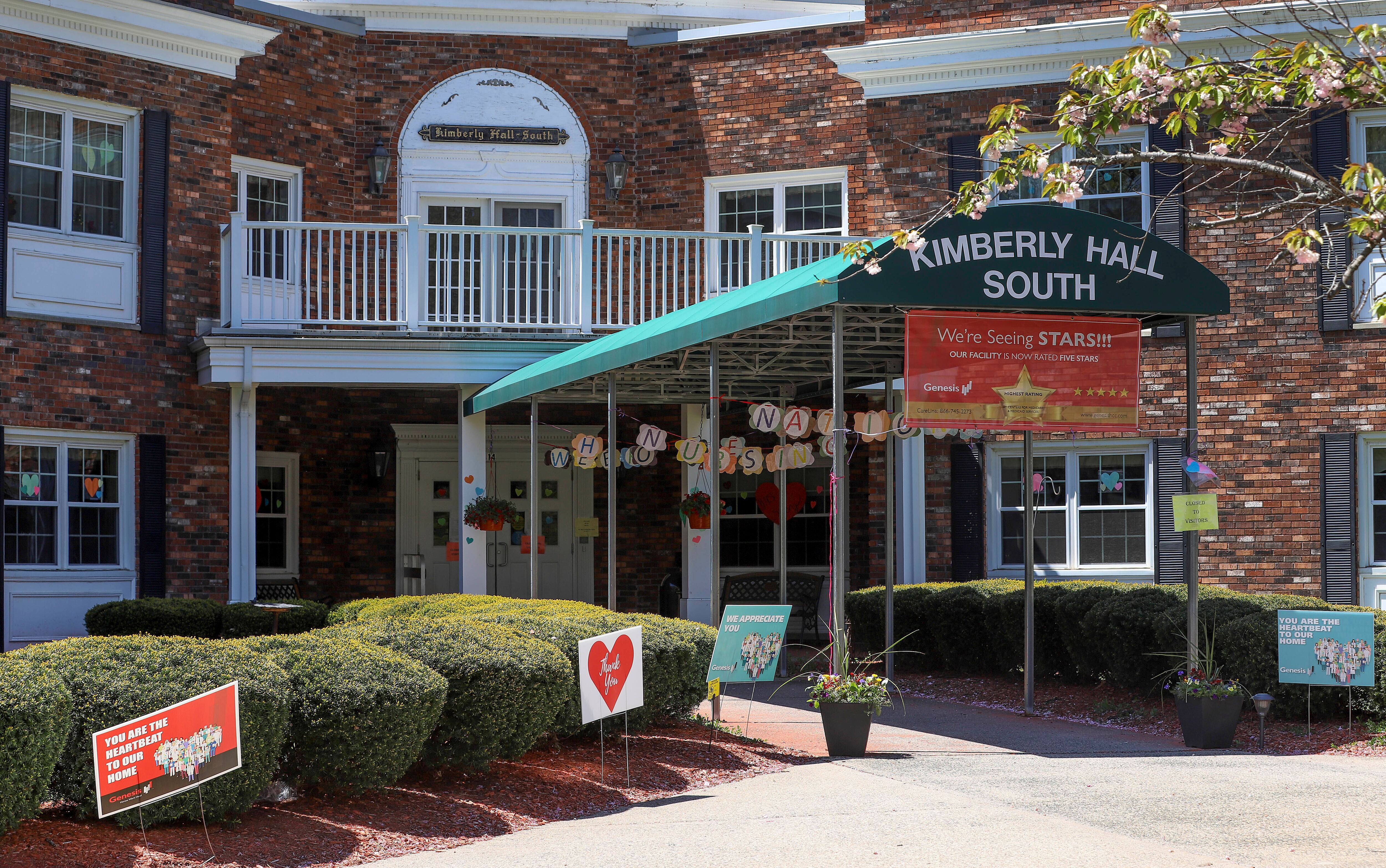
Federal health authorities have received reports of nearly 26,000 nursing home residents dying from COVID-19, according to materials prepared for the nation's governors. That number is partial and likely to go higher.
Leslie Ricard Chambers, deputy executive counsel for Louisiana Governor John Bel Edwards, talked to Cheddar Monday morning, as cities across the country woke up after another night of unrest.
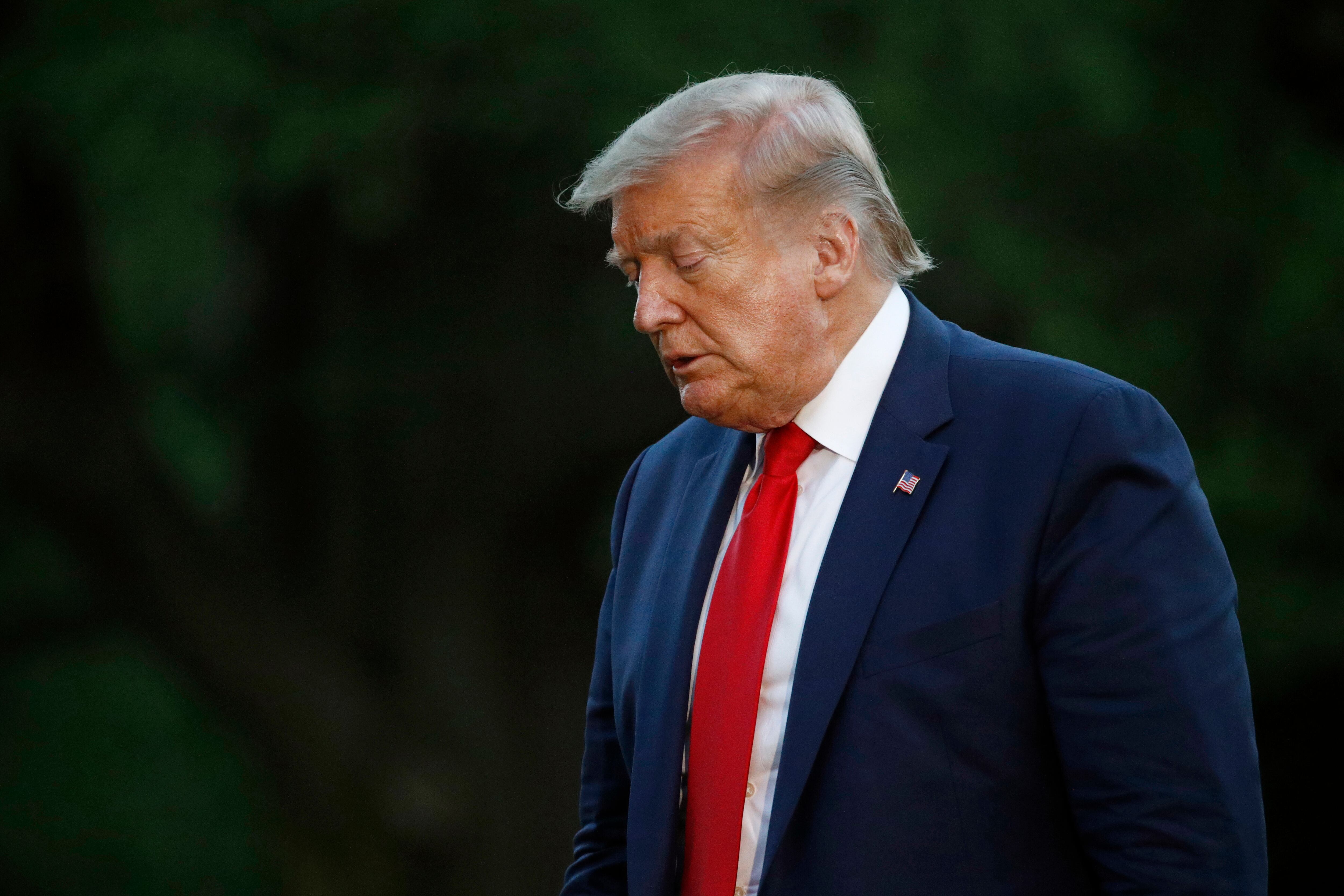
President Donald Trump is deriding the nation’s governors as “weak” and demanding tougher crackdowns on protesters in the aftermath of more violent protests in dozens of American cities.
President Donald Trump spent time in a White House bunker during Friday night's protests outside the executive mansion. Secret Service agents rushed him there as some of the demonstrators were throwing rocks and tugging at police barricades.
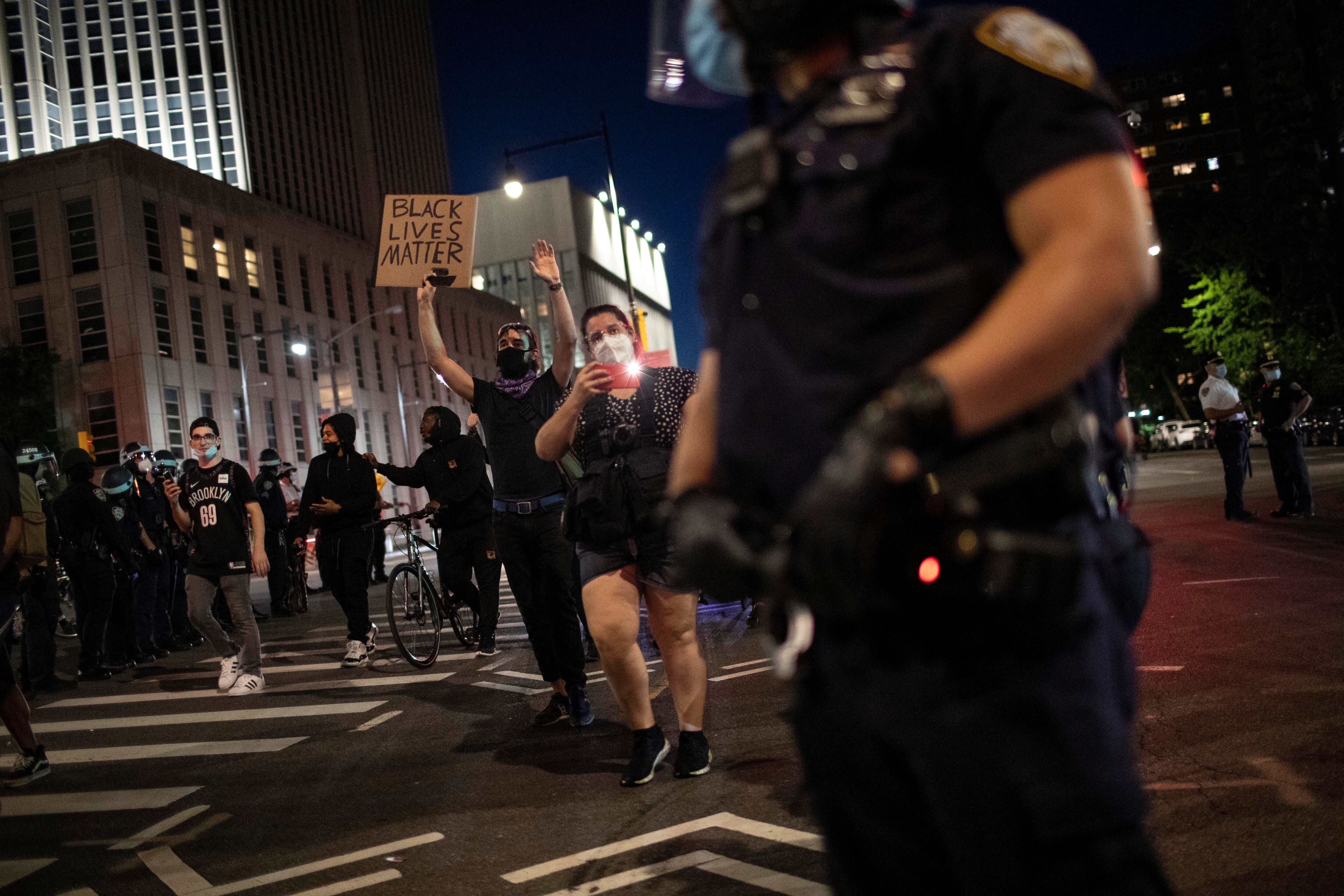
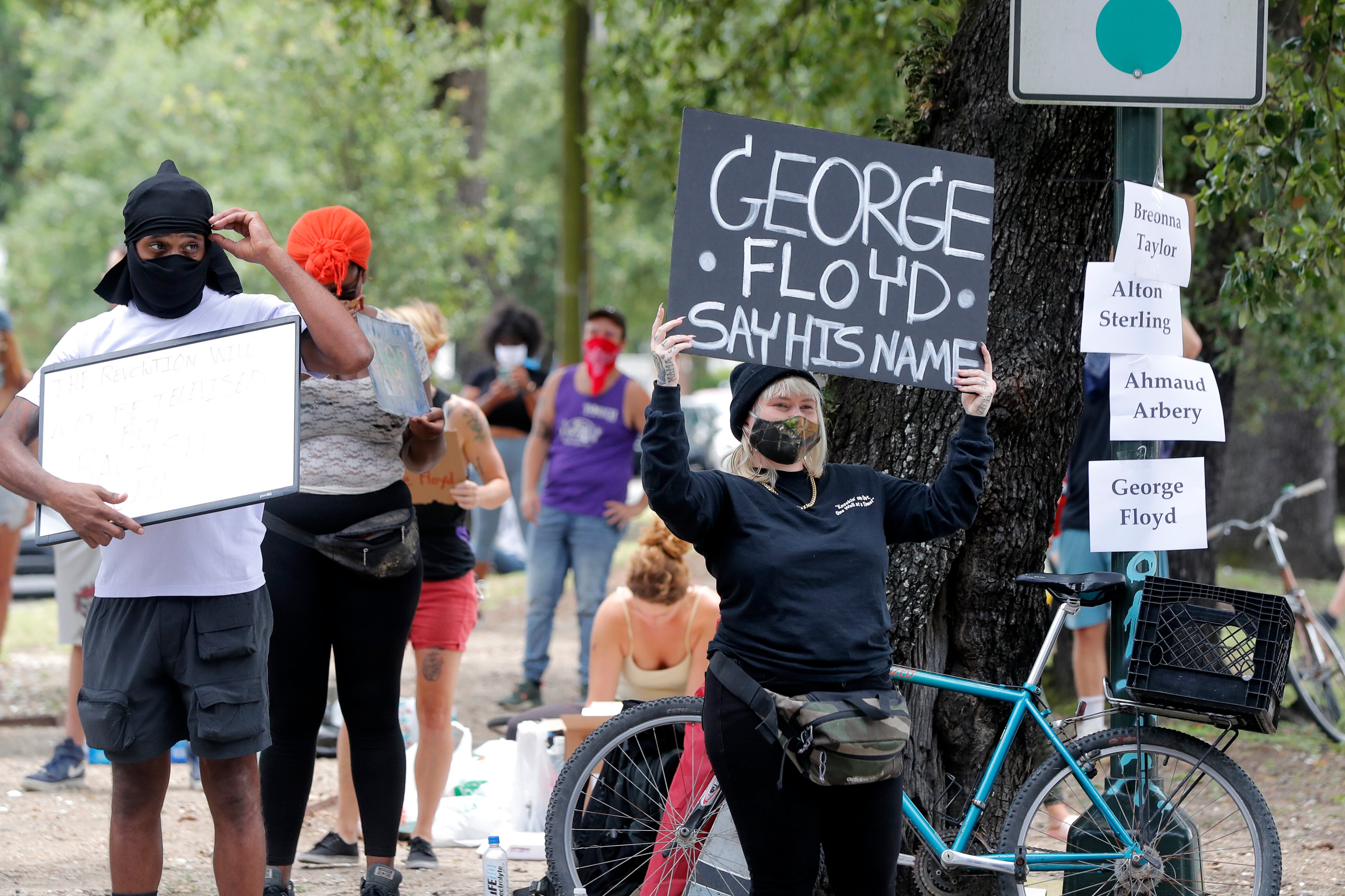
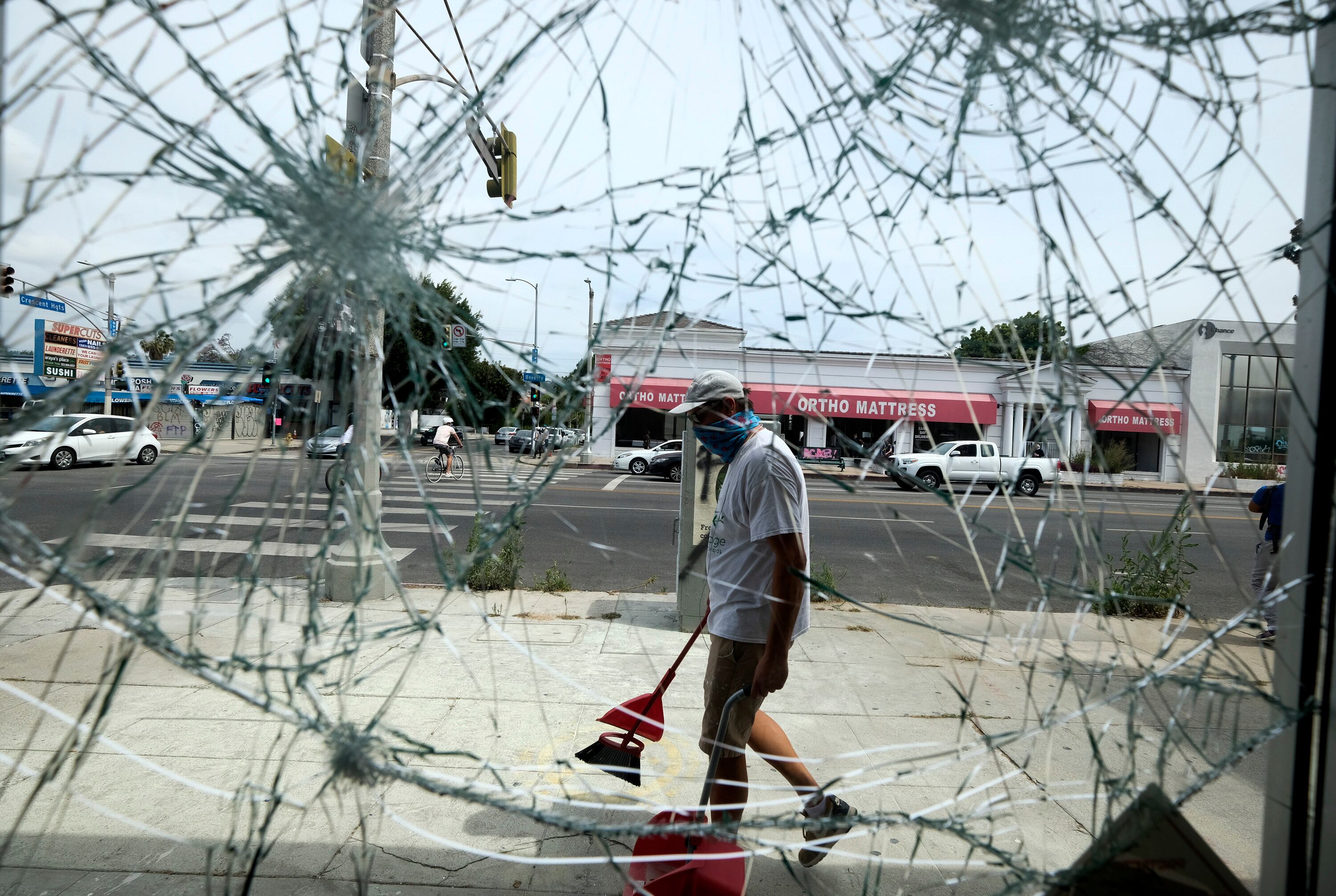
America’s cities boarded up windows, swept up glass and covered graffiti Sunday as the country's most significant night of protests in a half-century spilled into another day of unrest fueled by killings of black people at the hands of police.