Within the hallways of the U.S. Capitol, there is growing confidence by GOP Senators that Senate Majority Leader Mitch McConnell can whip his caucus to block a vote on witnesses Friday.
While returning to the chamber after a short break Thursday, Senator Tim Scott (R-S.C.) told Cheddar he's "feeling good" about tomorrow's expected vote.
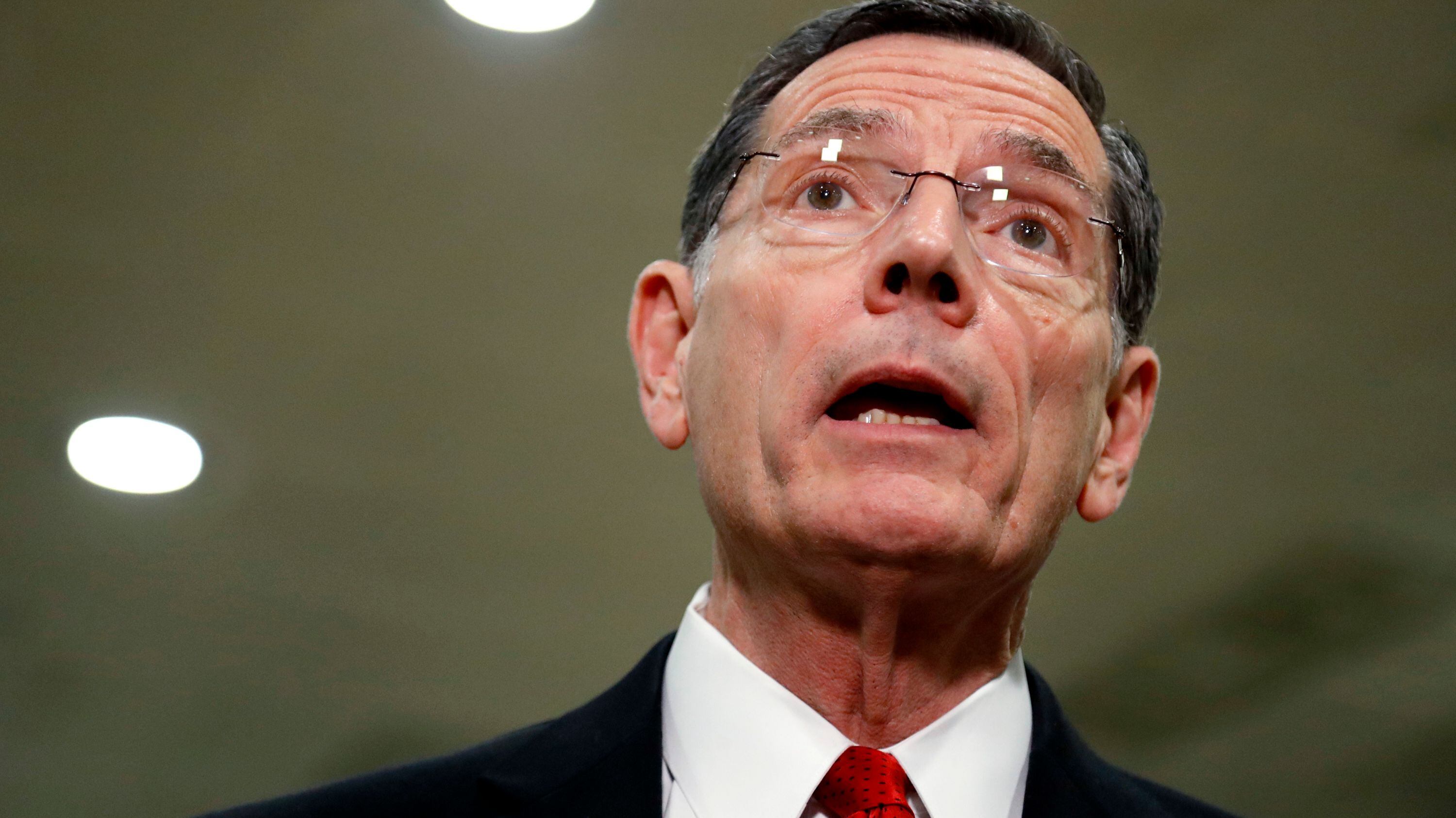
Senator John Barrasso (R-Wyo.) told reporters during the break that Republicans have the "momentum" to move to end the trial tomorrow without witnesses. "If we're able to say no [to witnesses] and go right to final judgment, we'd move in that direction and stay here until that work is decided and completed Friday evening. That's where all the momentum is now."
Still up for debate is what, exactly, happens, if the Republicans vote to end the debate on witnesses quickly.
Meanwhile, back in the chamber, lead impeachment manager Adam Schiff said witness depositions could be limited to just one week and said that the trial should not be rushed just because the State of the Union is Tuesday.
After the break, Senators asked two bipartisan questions, both of which were from senators who may still be undecided on the issue of whether to allow witnesses. First, Senators Joe Manchin (D-W.Va.), Susan Collins (R-Maine), Lisa Murkowski (R-Alaska), and Kyrsten Sinema (D-Ariz.) asked the defense team if the president would assure them that private citizens would not be directed to conduct foreign policy unless formally designated by the president and the State Department.
Murkowski and Senator Brian Schatz (D-Hawaii) submitted the second bipartisan question, asking if any action a president takes is inherently political and where the line is between permissible political actions and impeachable political actions.
In President Bill Clinton's impeachment trial, there was only one bipartisan question asked, which Sen. Collins had signed onto at the time.
Cheddar delves into the differences on approaches toward economic recovery and business between the House Democrats and the Senate Republicans.
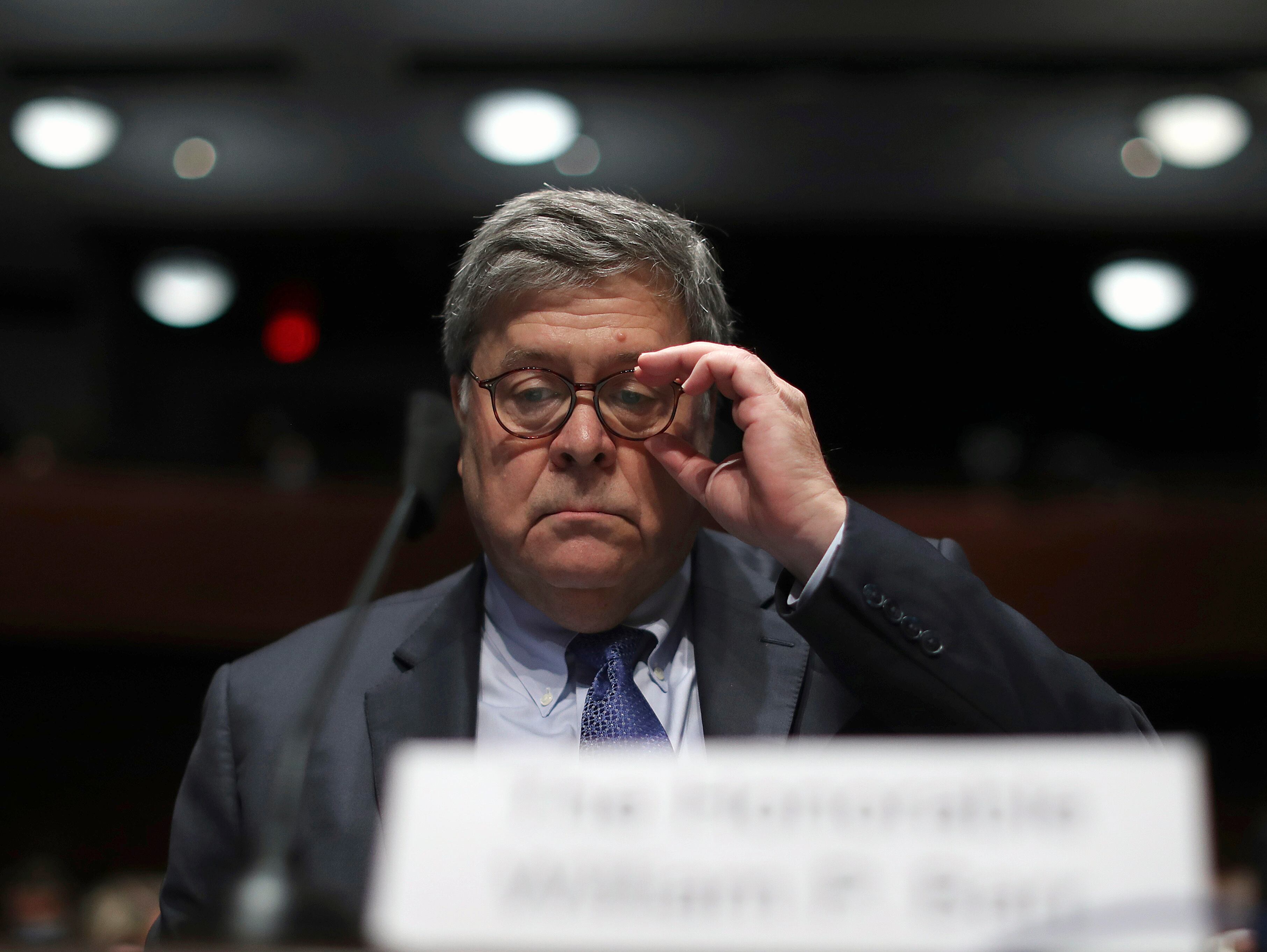
Attorney General William Barr is defending the aggressive federal law enforcement response to civil unrest in America, saying “violent rioters and anarchists have hijacked legitimate protests” sparked by George Floyd’s death at the hands of Minneapolis police.
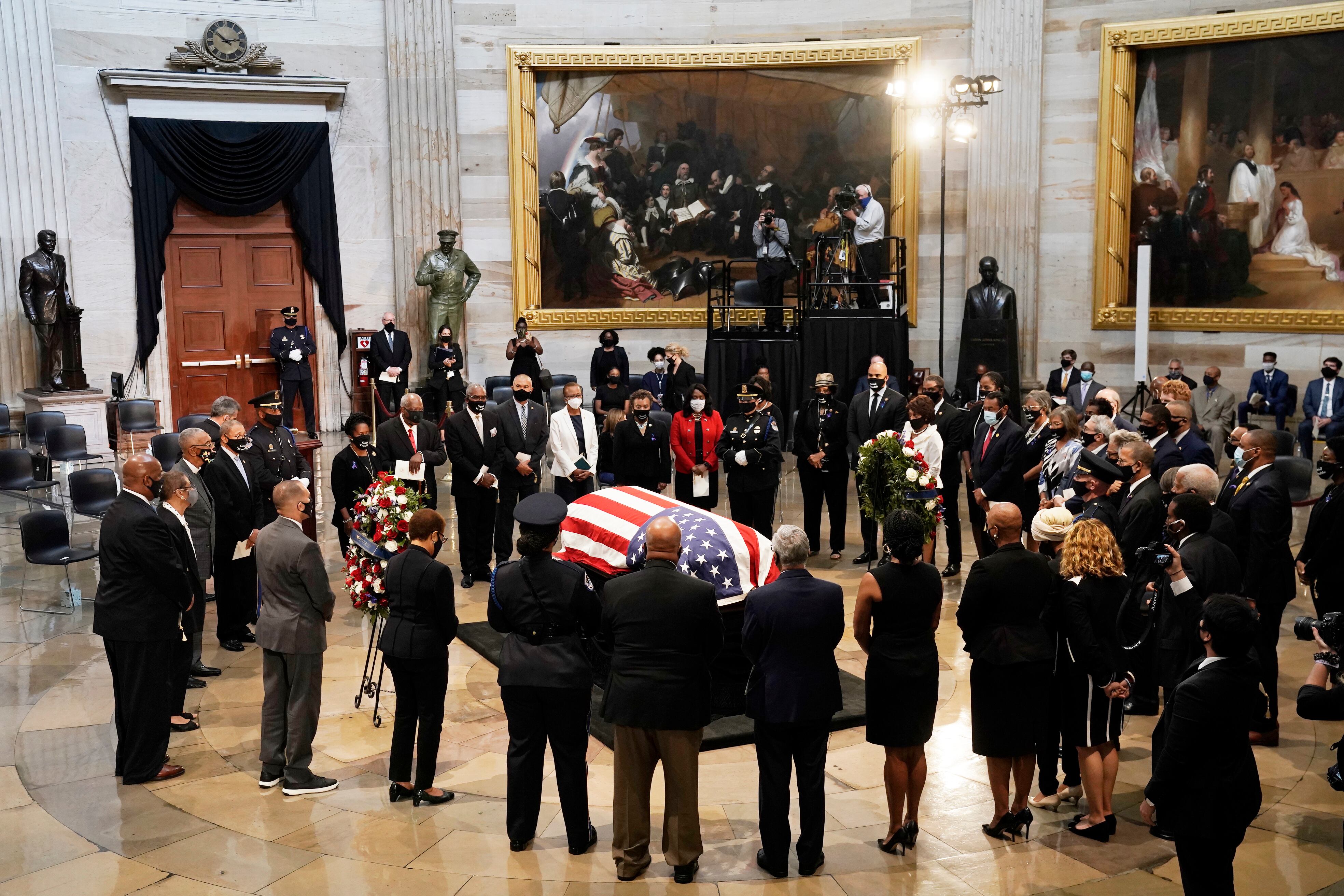
Congressional leaders are praising the late Rep. John Lewis as a moral force for the nation in a Capitol Rotunda ceremony rich with symbolism and punctuated by the booming, recorded voice of the late civil rights icon.
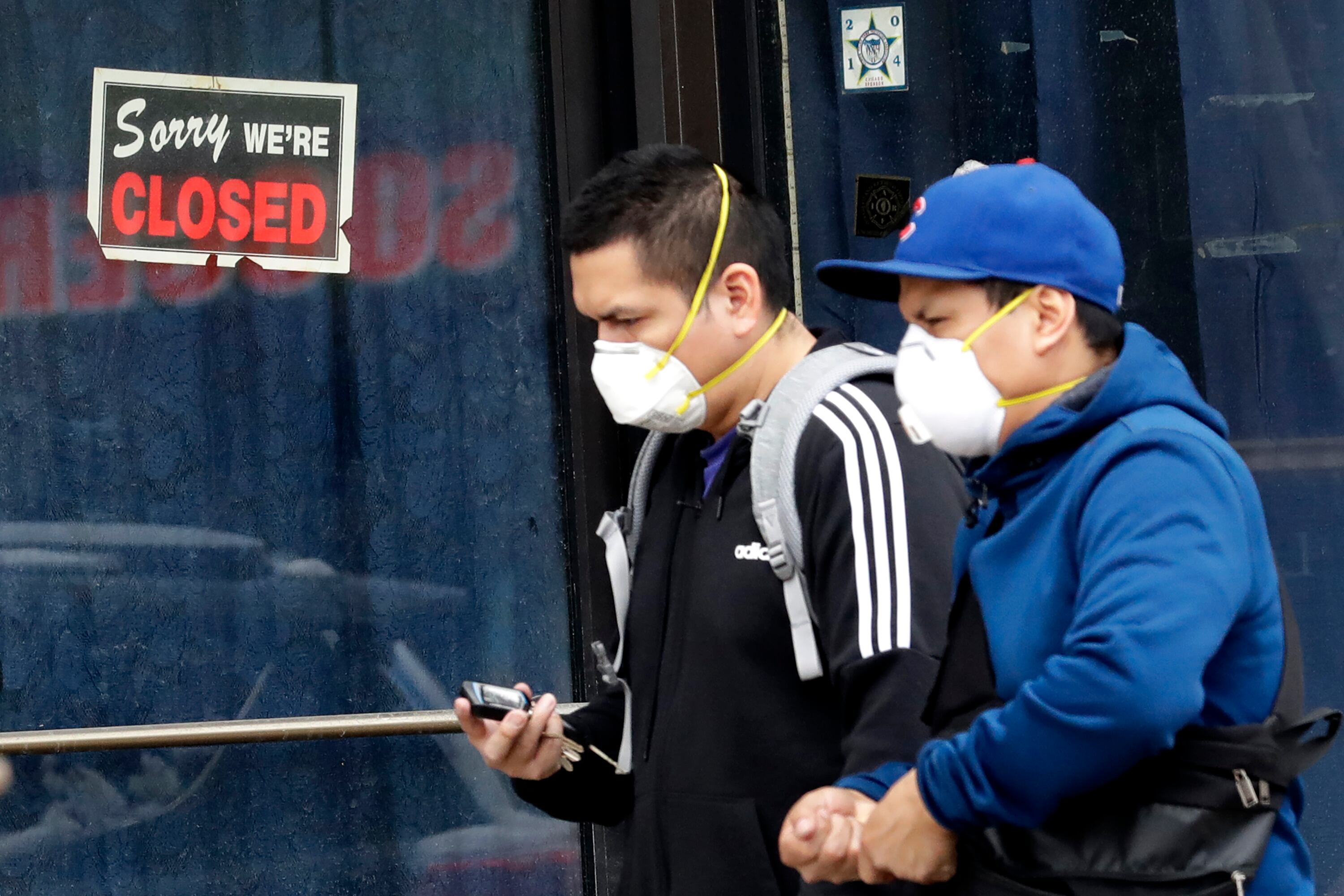
As the coronavirus pandemic hits Americans' wallets, it is also exposing the long standing wealth gap between minority communities and white Americans, according to Damon Jones, professor at the University of Chicago.
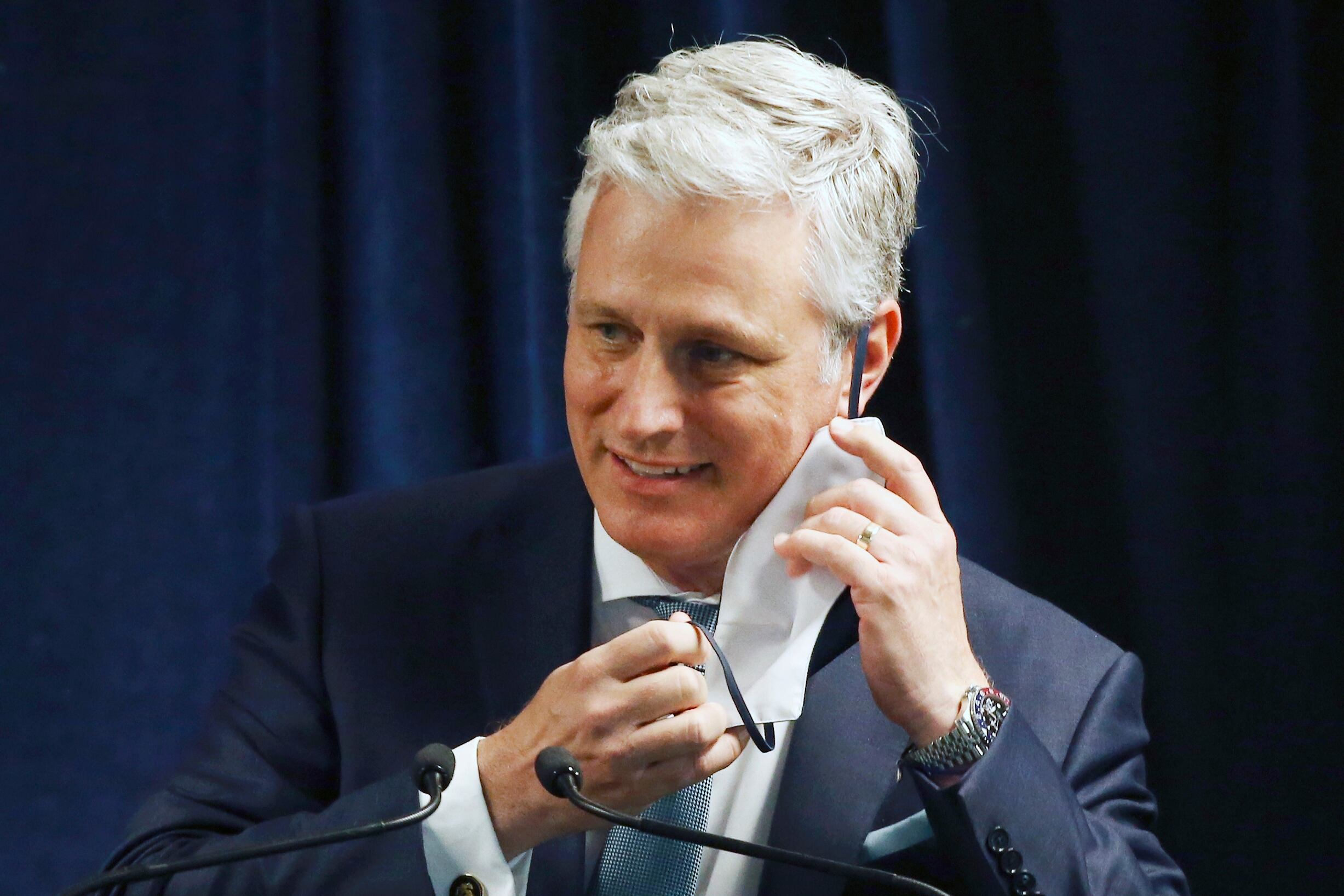
President Donald Trump's National Security Adviser Robert O'Brien has tested positive for the coronavirus — making him the highest-ranking official to test positive so far.
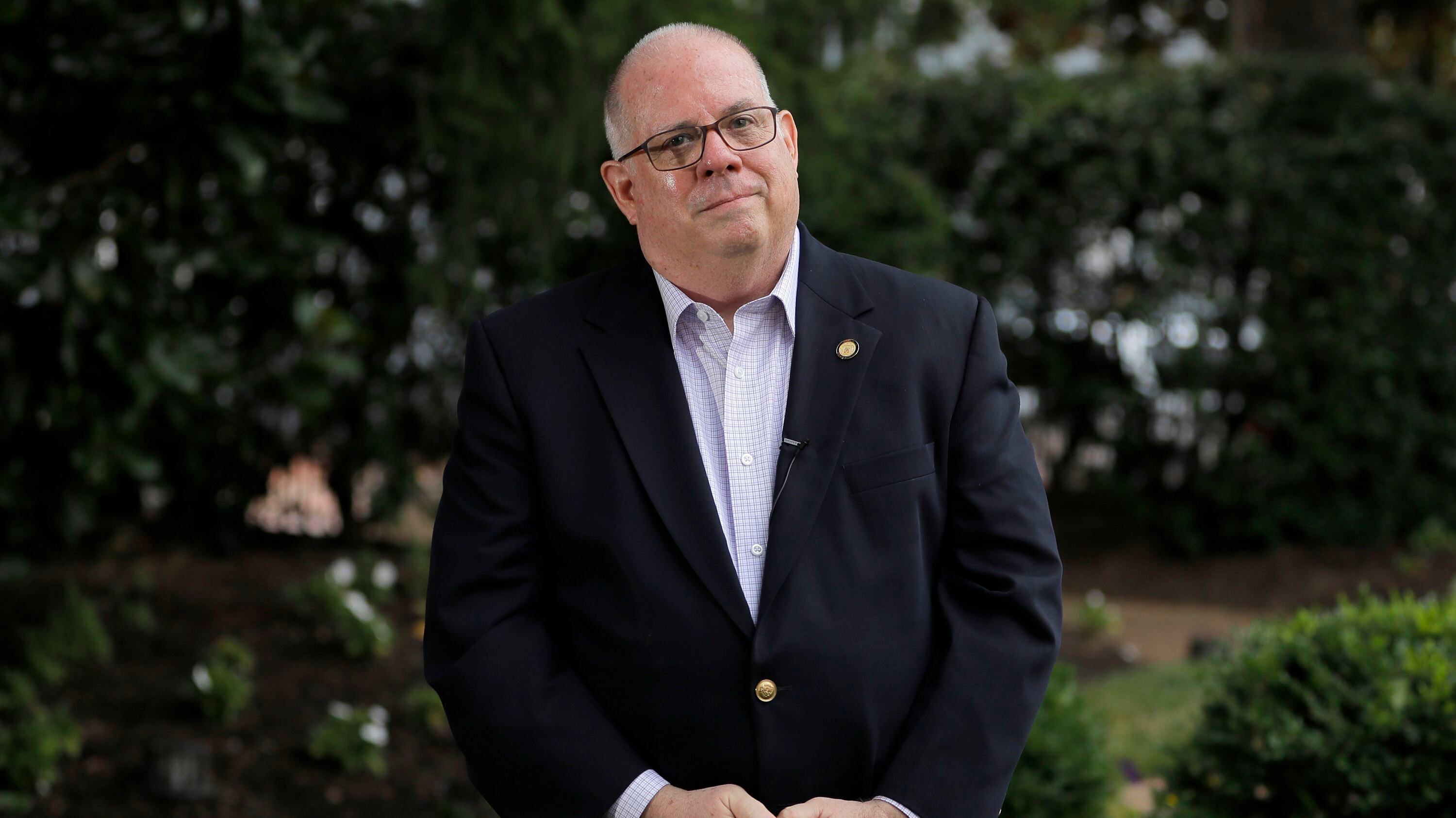
Maryland Governor Larry Hogan says a GOP shake-up is on the horizon following the Trump presidency as calls for change echo across the U.S.
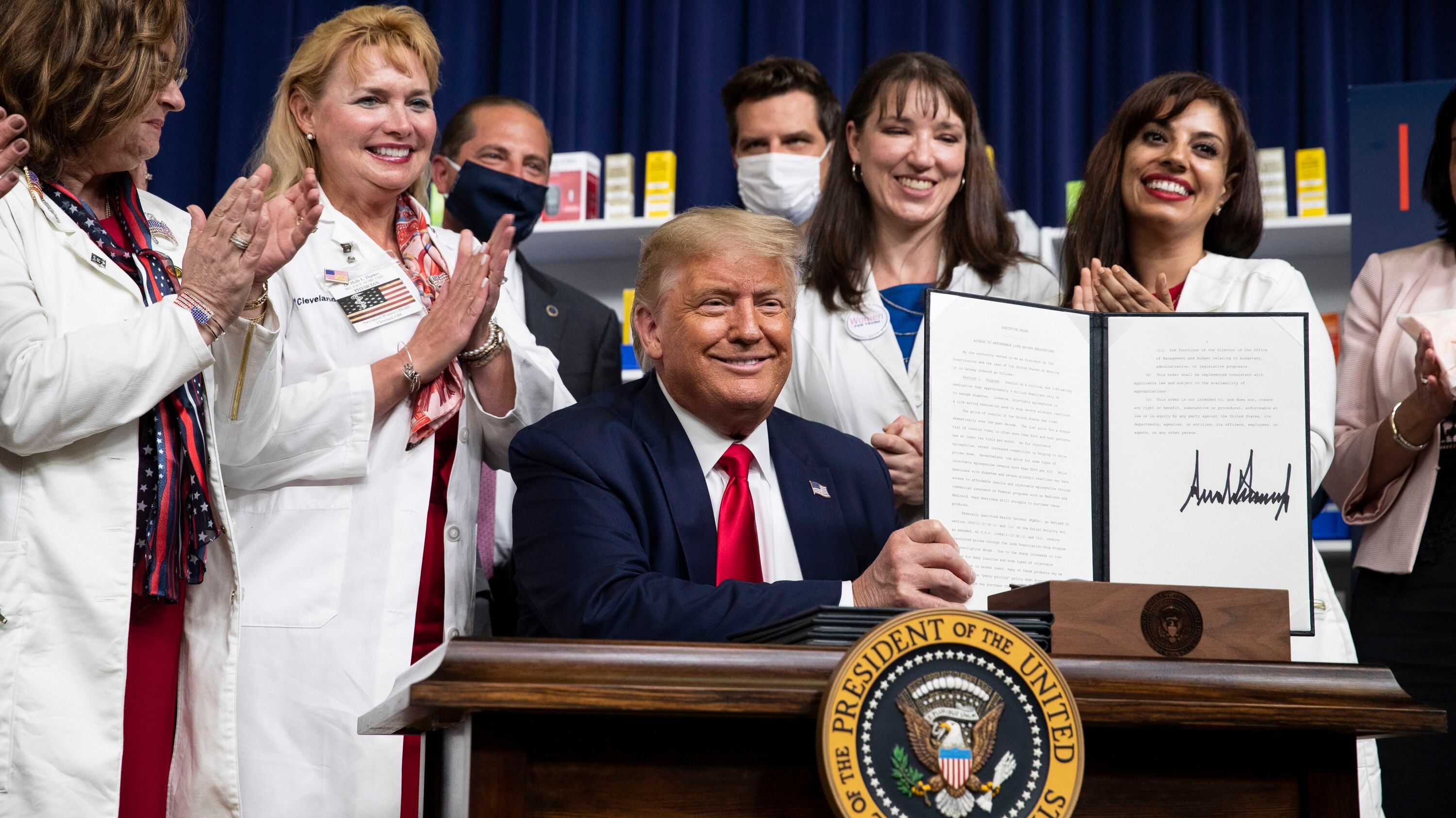
President Donald Trump has been unable to land the big deal he sought with Congress to curb drug costs. But now he's moving on his own to allow imports of cheaper prescription medicines, along with other limited steps that could still have election-year appeal.
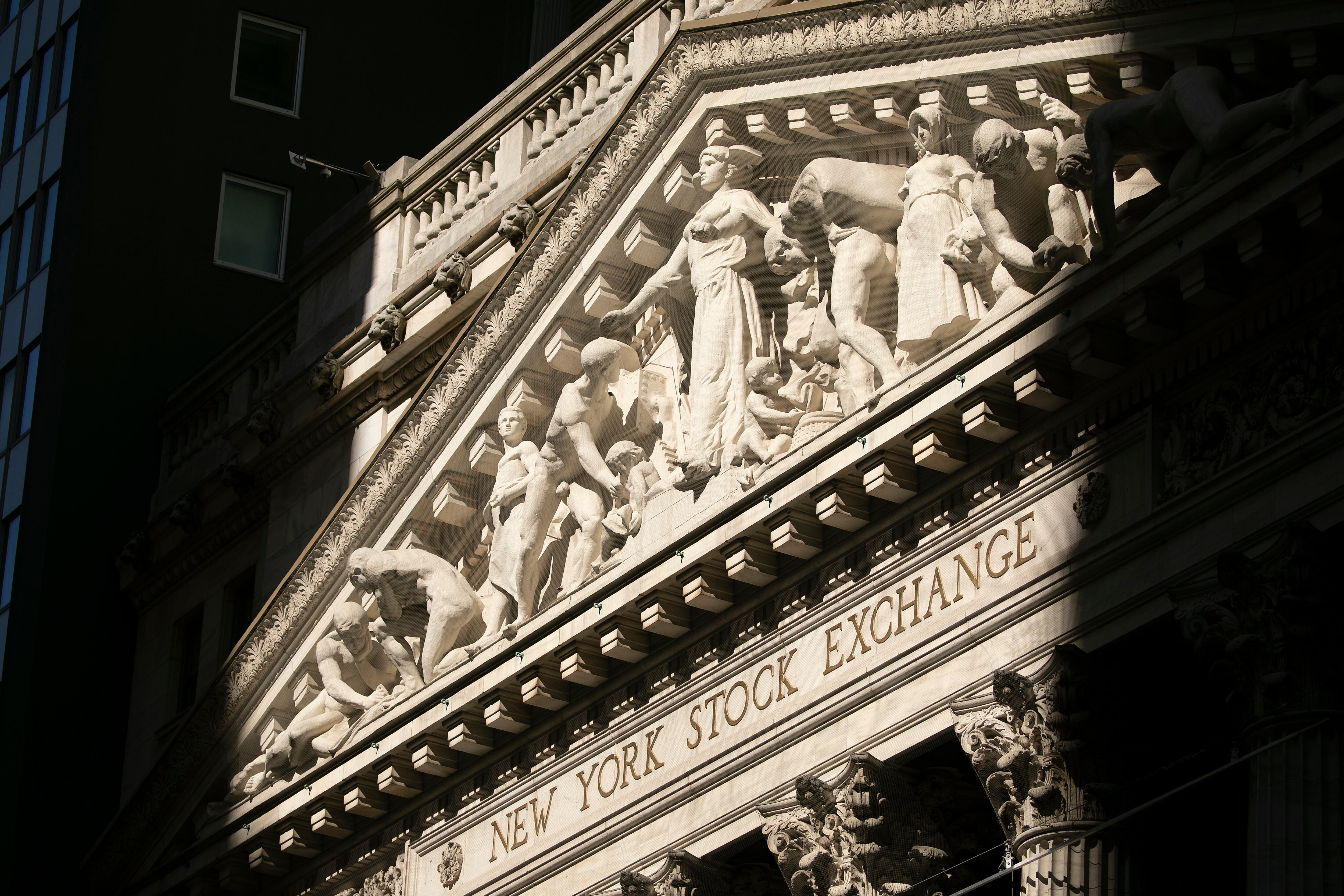
Stocks closed broadly lower for the second day in a row Friday as Wall Street gave back some of its gains from a mostly solid July rally.
From Wall Street to Silicon Valley, these are the top stories that moved markets and had investors, business leaders, and entrepreneurs talking this week on Cheddar.
As President Trump's actions are dissected since protests erupted following the killing of George Floyd at the hands of police, much has been made of how past presidents responded to civil unrest over the last century.