Within the hallways of the U.S. Capitol, there is growing confidence by GOP Senators that Senate Majority Leader Mitch McConnell can whip his caucus to block a vote on witnesses Friday.
While returning to the chamber after a short break Thursday, Senator Tim Scott (R-S.C.) told Cheddar he's "feeling good" about tomorrow's expected vote.
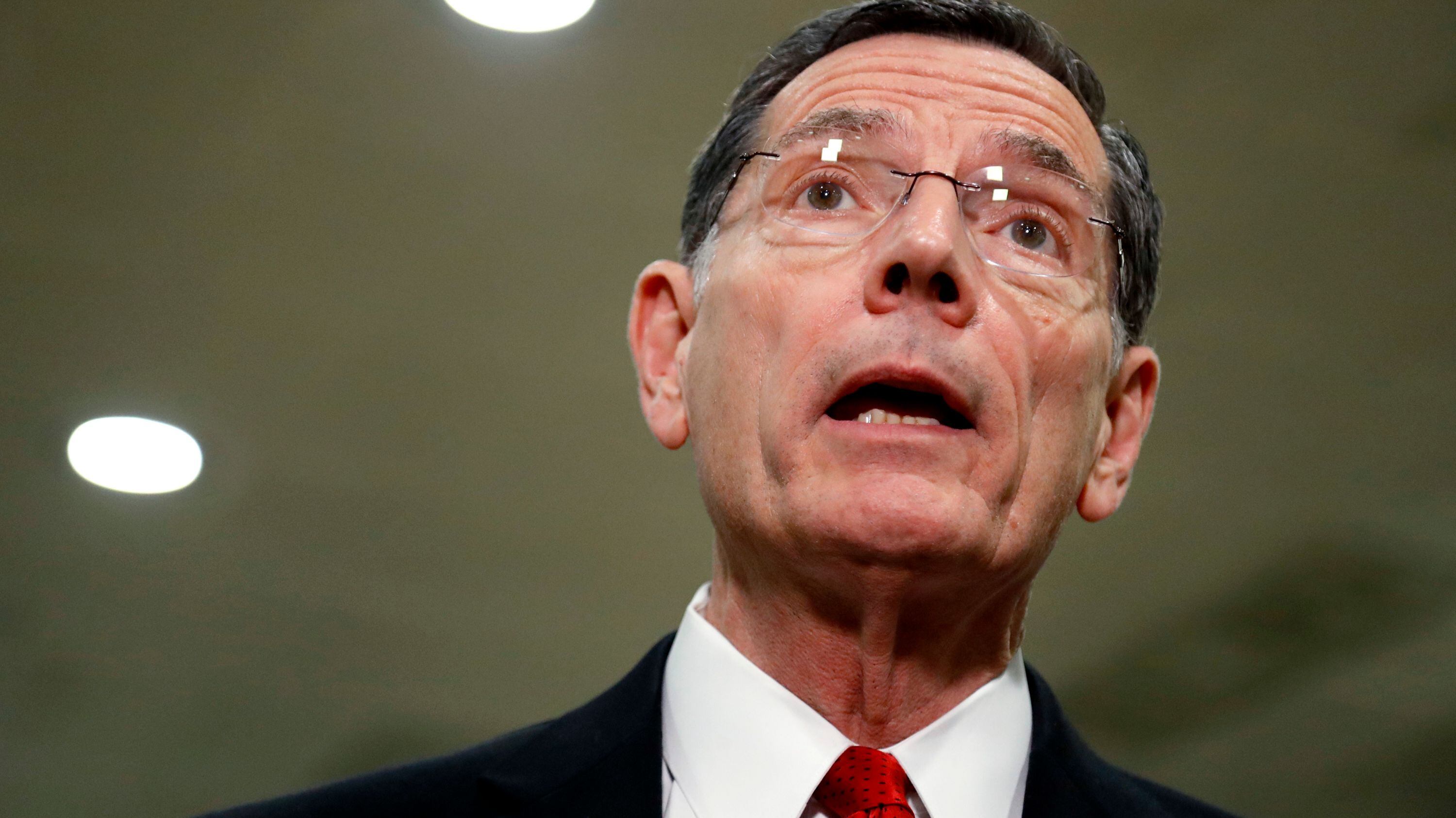
Senator John Barrasso (R-Wyo.) told reporters during the break that Republicans have the "momentum" to move to end the trial tomorrow without witnesses. "If we're able to say no [to witnesses] and go right to final judgment, we'd move in that direction and stay here until that work is decided and completed Friday evening. That's where all the momentum is now."
Still up for debate is what, exactly, happens, if the Republicans vote to end the debate on witnesses quickly.
Meanwhile, back in the chamber, lead impeachment manager Adam Schiff said witness depositions could be limited to just one week and said that the trial should not be rushed just because the State of the Union is Tuesday.
After the break, Senators asked two bipartisan questions, both of which were from senators who may still be undecided on the issue of whether to allow witnesses. First, Senators Joe Manchin (D-W.Va.), Susan Collins (R-Maine), Lisa Murkowski (R-Alaska), and Kyrsten Sinema (D-Ariz.) asked the defense team if the president would assure them that private citizens would not be directed to conduct foreign policy unless formally designated by the president and the State Department.
Murkowski and Senator Brian Schatz (D-Hawaii) submitted the second bipartisan question, asking if any action a president takes is inherently political and where the line is between permissible political actions and impeachable political actions.
In President Bill Clinton's impeachment trial, there was only one bipartisan question asked, which Sen. Collins had signed onto at the time.
From Wall Street to Silicon Valley, these are the top stories that moved markets and had investors, business leaders, and entrepreneurs talking this week on Cheddar.
On the heels of the RNC's final night, former senior advisor to President Barack Obama, Valerie Jarrett, joined Cheddar to discuss President Trump's speech.
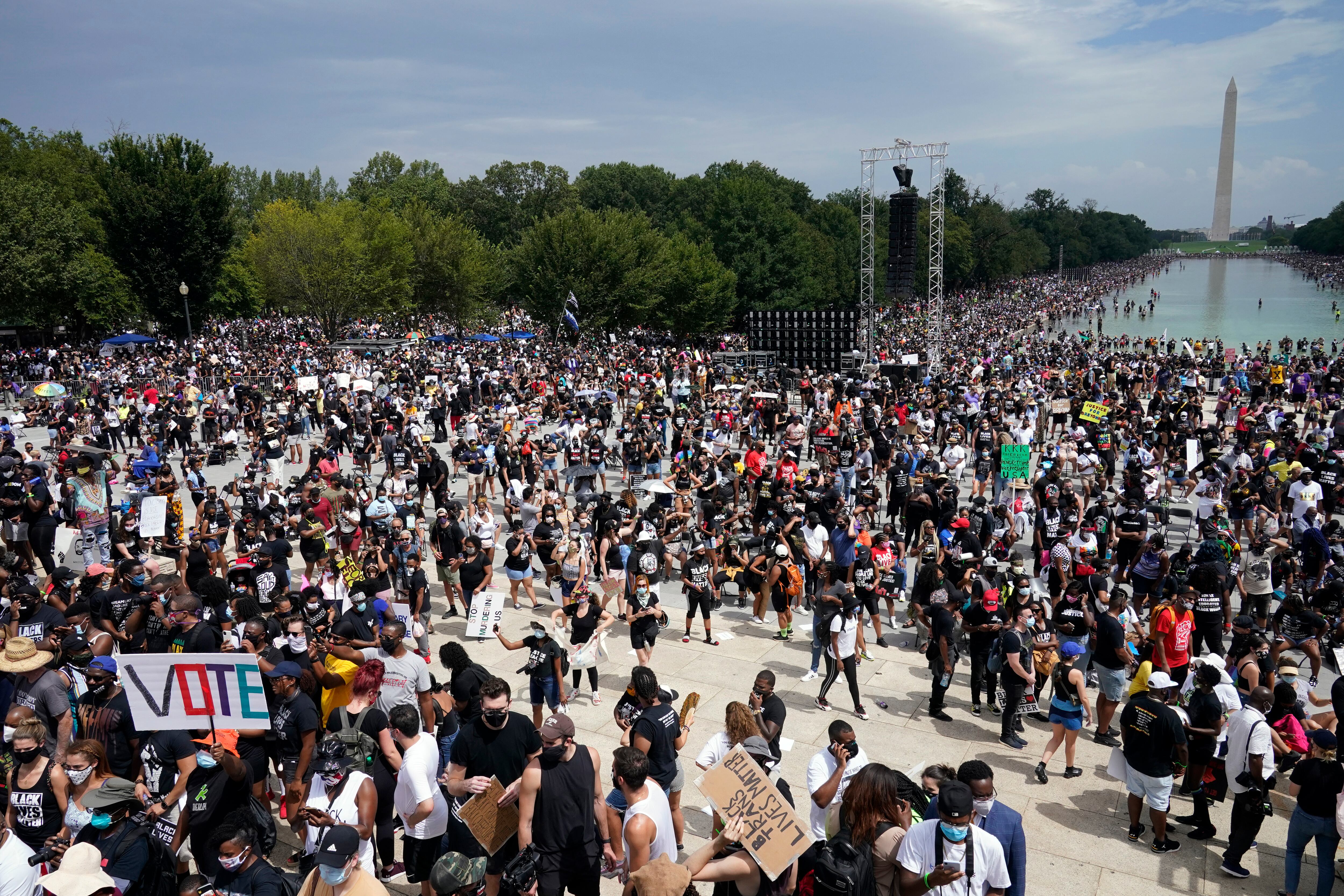
Derrick Johnson, president and CEO of the NAACP, joined Cheddar to discuss the 2020 March on Washington happening today. Johnson also discussed the need for police reform in the U.S.
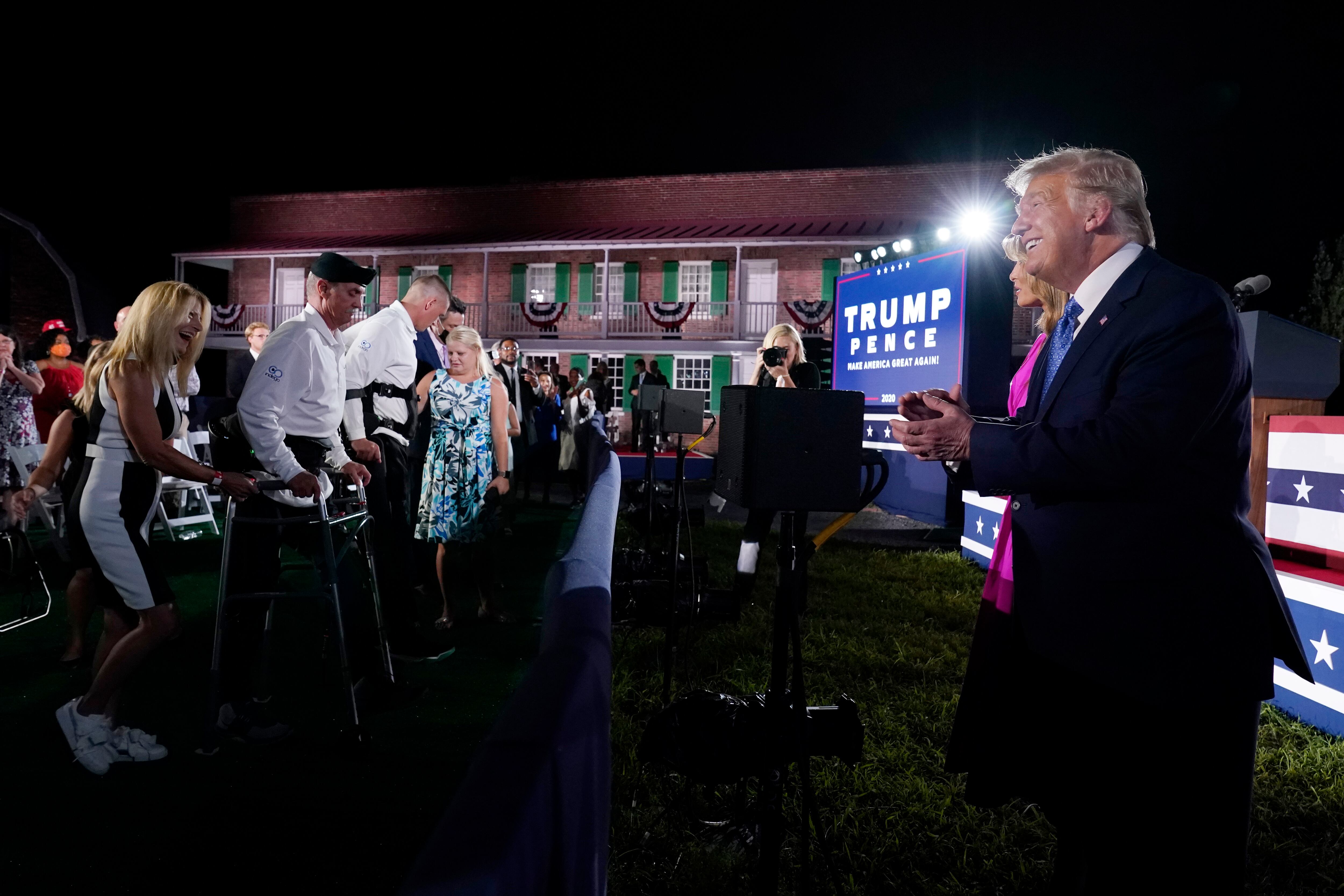
President Donald Trump plans to tell voters that Democratic rival Joe Biden would pursue the "most extreme set of proposals ever put forward by a major party nominee" when he delivers his acceptance speech,
Walmart said Thursday it may join Microsoft to buy the U.S. business of TikTok, the popular Chinese-owned video app that has come under fire from the Trump administration.
TikTok CEO Kevin Mayer has resigned amid U.S. pressure for its Chinese owner to sell the popular video app, which the White House says is a security risk.
New York Congresswoman, Yvette Clarke, joined Cheddar to discuss the recent policing shooting of Jacob Blake in Kenosha, Wisconsin. Clarke also discusses Sen. Kamala Harris' nomination as the Democratic candidate for the vice presidency.
U.S. health officials have sparked a wave of confusion after posting guidelines that coronavirus testing is not necessary for people who have been in close contact with infected people.
First lady Melania Trump portrayed her husband as an authentic, uncompromising leader in a Rose Garden address as President Donald Trump turned to family, farmers and the trappings of the presidency to boost his reelection chances on the second night of the scaled-down Republican National Convention.
A new poll from The Associated Press-NORC Center for Public Affairs Research finds 45% of Americans say they are setting aside more money than usual during the coronavirus pandemic.
Load More