Within the hallways of the U.S. Capitol, there is growing confidence by GOP Senators that Senate Majority Leader Mitch McConnell can whip his caucus to block a vote on witnesses Friday.
While returning to the chamber after a short break Thursday, Senator Tim Scott (R-S.C.) told Cheddar he's "feeling good" about tomorrow's expected vote.
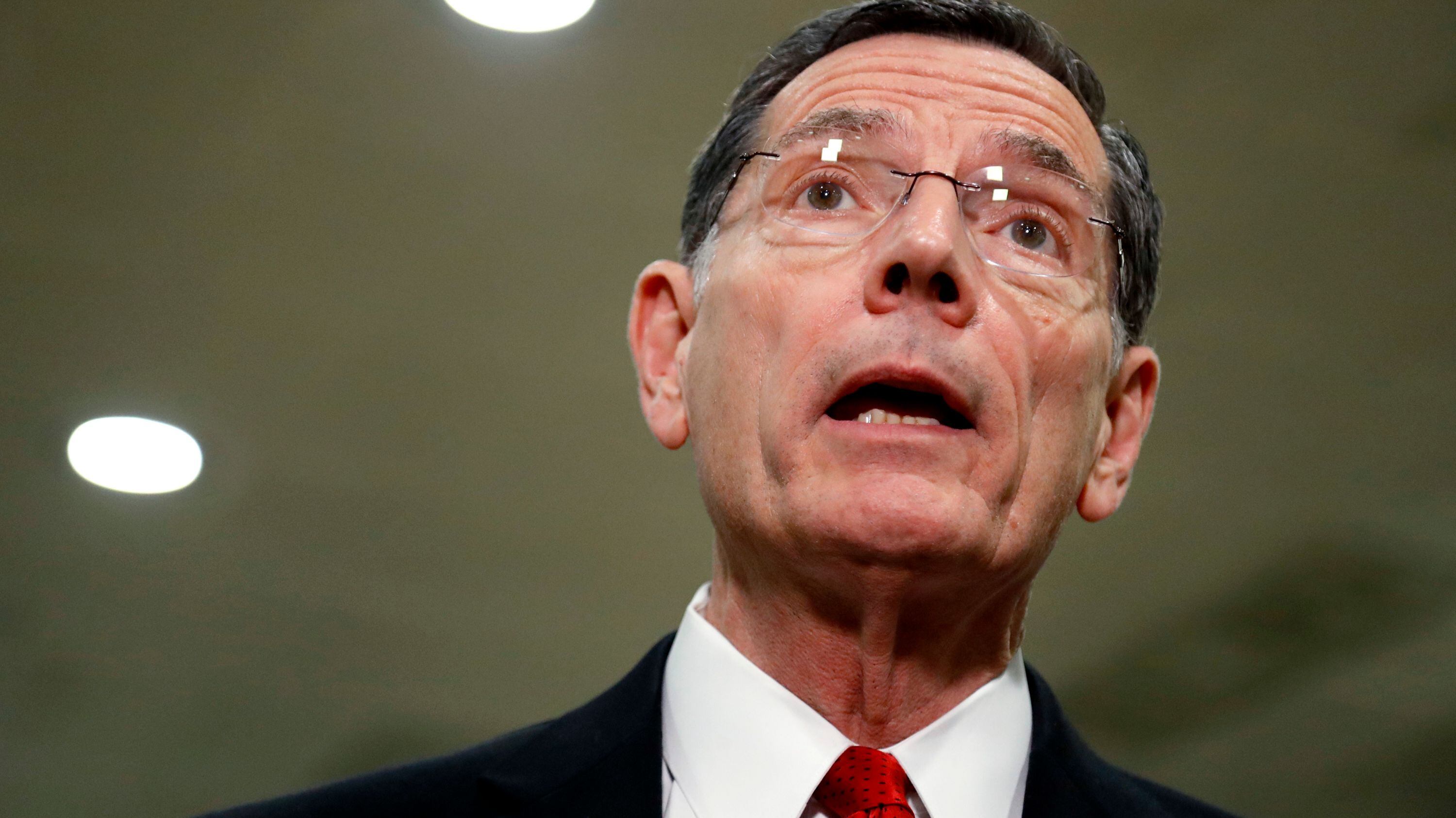
Senator John Barrasso (R-Wyo.) told reporters during the break that Republicans have the "momentum" to move to end the trial tomorrow without witnesses. "If we're able to say no [to witnesses] and go right to final judgment, we'd move in that direction and stay here until that work is decided and completed Friday evening. That's where all the momentum is now."
Still up for debate is what, exactly, happens, if the Republicans vote to end the debate on witnesses quickly.
Meanwhile, back in the chamber, lead impeachment manager Adam Schiff said witness depositions could be limited to just one week and said that the trial should not be rushed just because the State of the Union is Tuesday.
After the break, Senators asked two bipartisan questions, both of which were from senators who may still be undecided on the issue of whether to allow witnesses. First, Senators Joe Manchin (D-W.Va.), Susan Collins (R-Maine), Lisa Murkowski (R-Alaska), and Kyrsten Sinema (D-Ariz.) asked the defense team if the president would assure them that private citizens would not be directed to conduct foreign policy unless formally designated by the president and the State Department.
Murkowski and Senator Brian Schatz (D-Hawaii) submitted the second bipartisan question, asking if any action a president takes is inherently political and where the line is between permissible political actions and impeachable political actions.
In President Bill Clinton's impeachment trial, there was only one bipartisan question asked, which Sen. Collins had signed onto at the time.
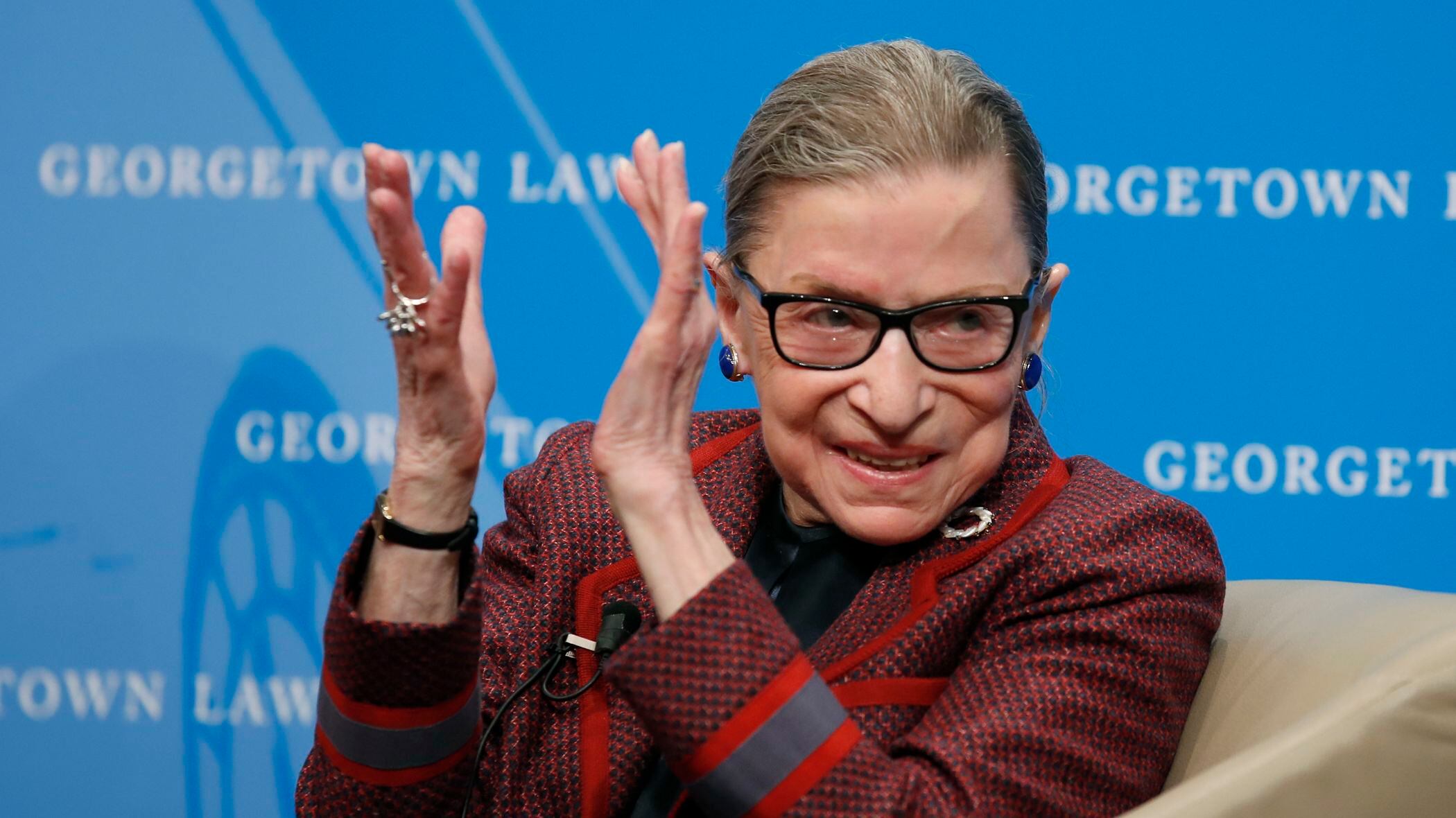
Supreme Court Justice Ruth Bader Ginsburg, a diminutive yet towering women’s rights champion who became the court’s second female justice, has died at her home in Washington.
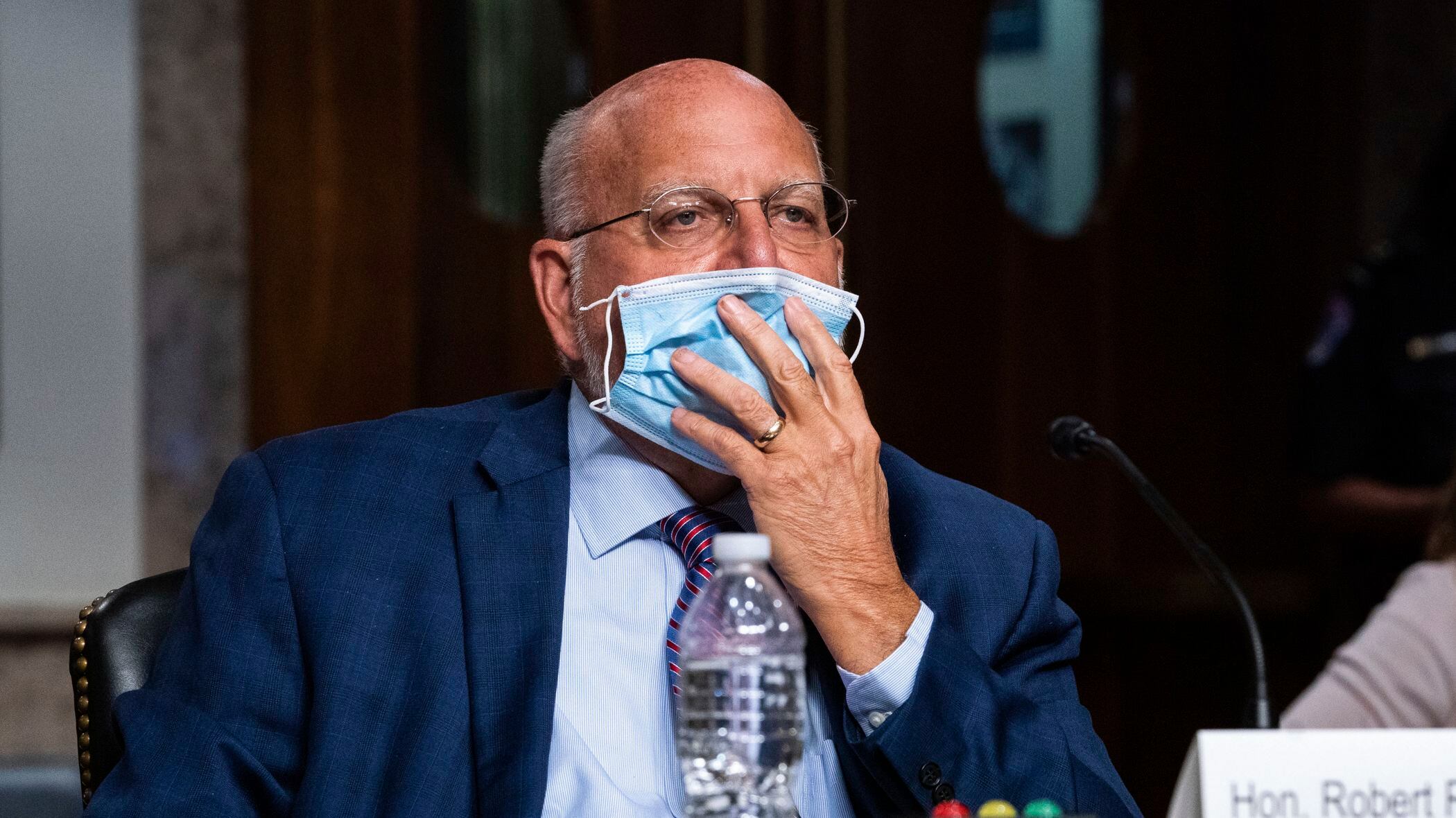
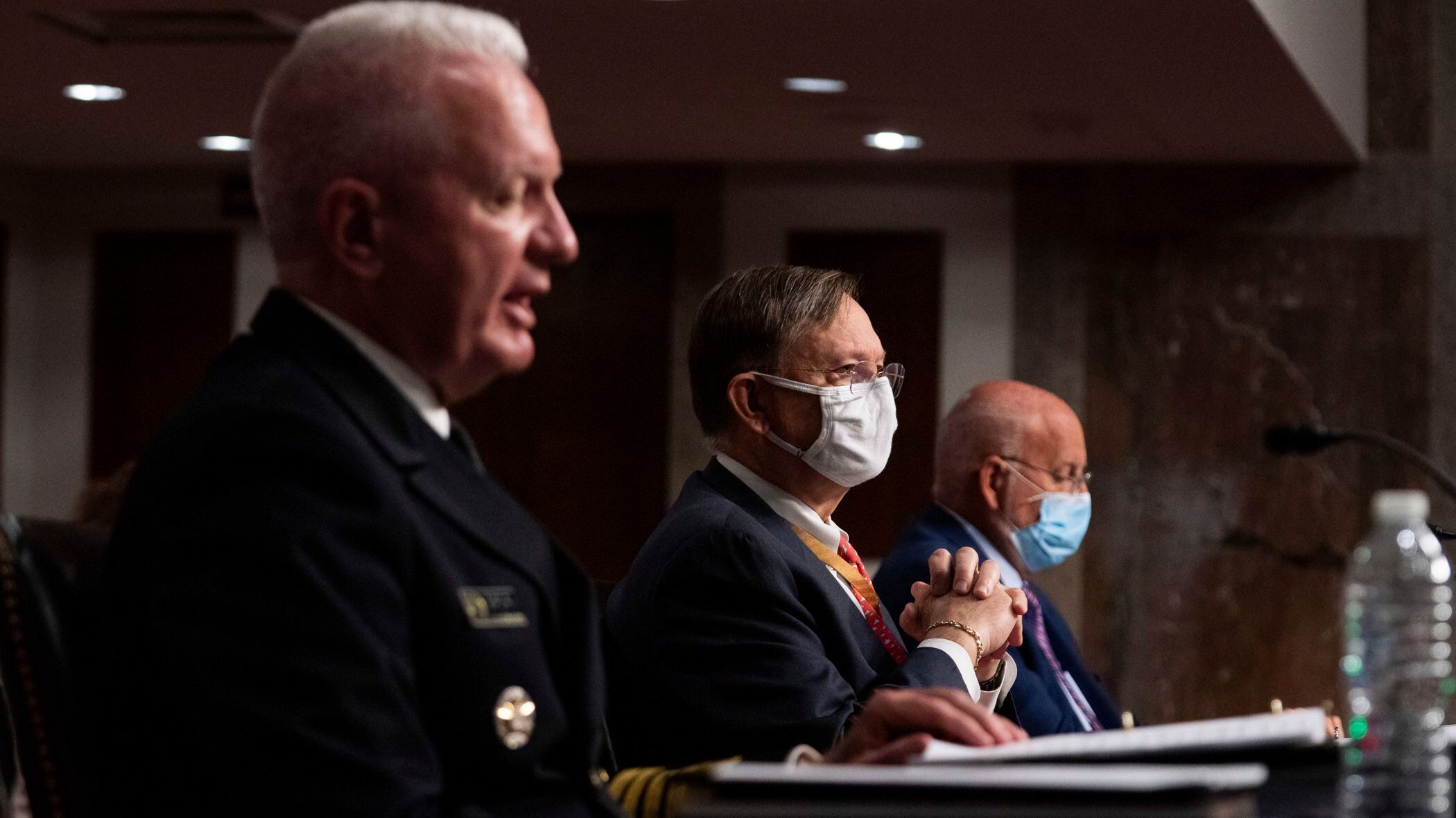
U.S. health officials are dropping a controversial piece of coronavirus guidance and telling all those who have been in close contact with infected people to get tested.
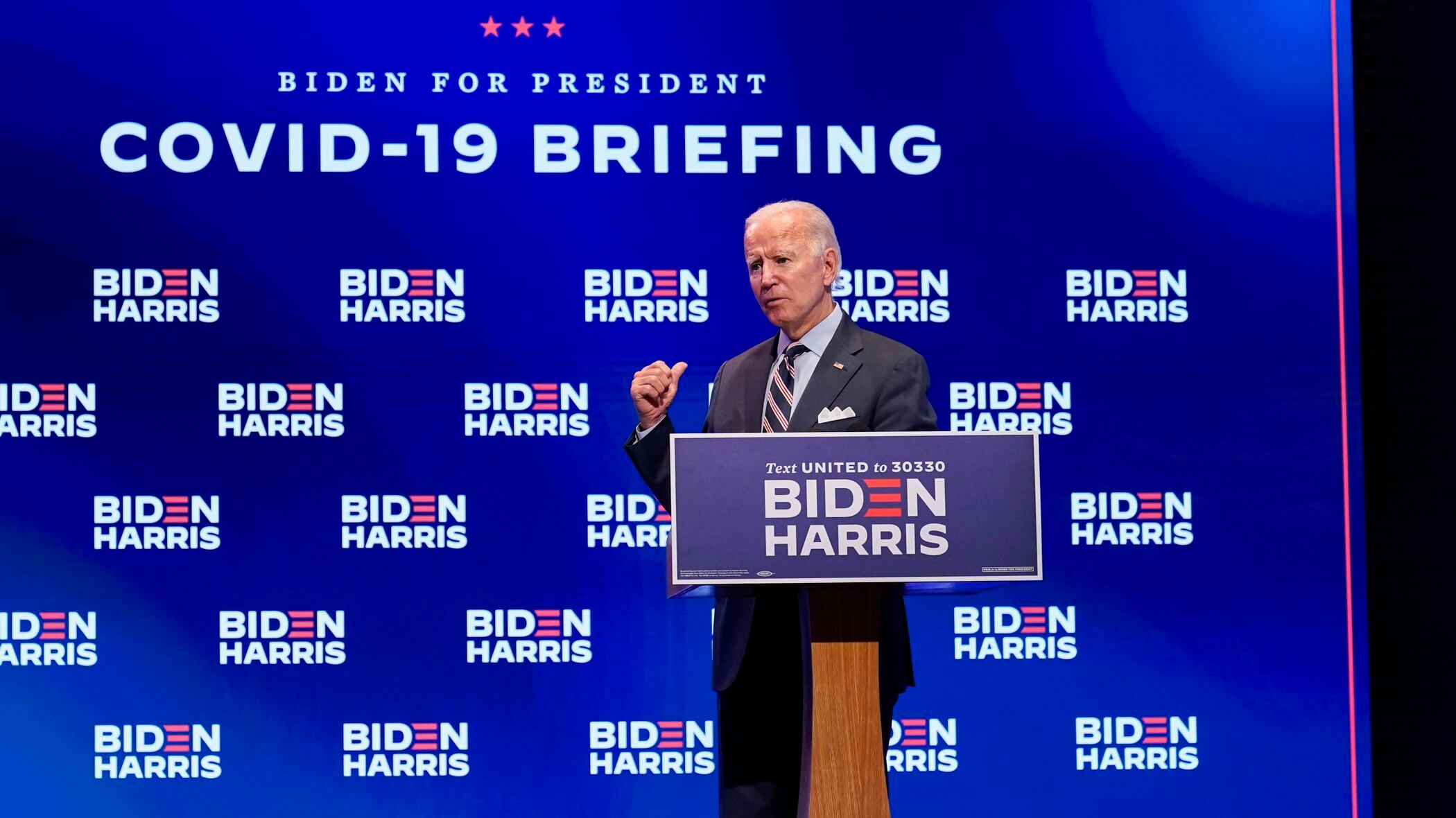
Senator Jon Tester of Montana joined Cheddar to discuss movement on a new stimulus deal in Congress after talks paused in August. Tester also discusses how Joe Biden can win back rural voters this November.
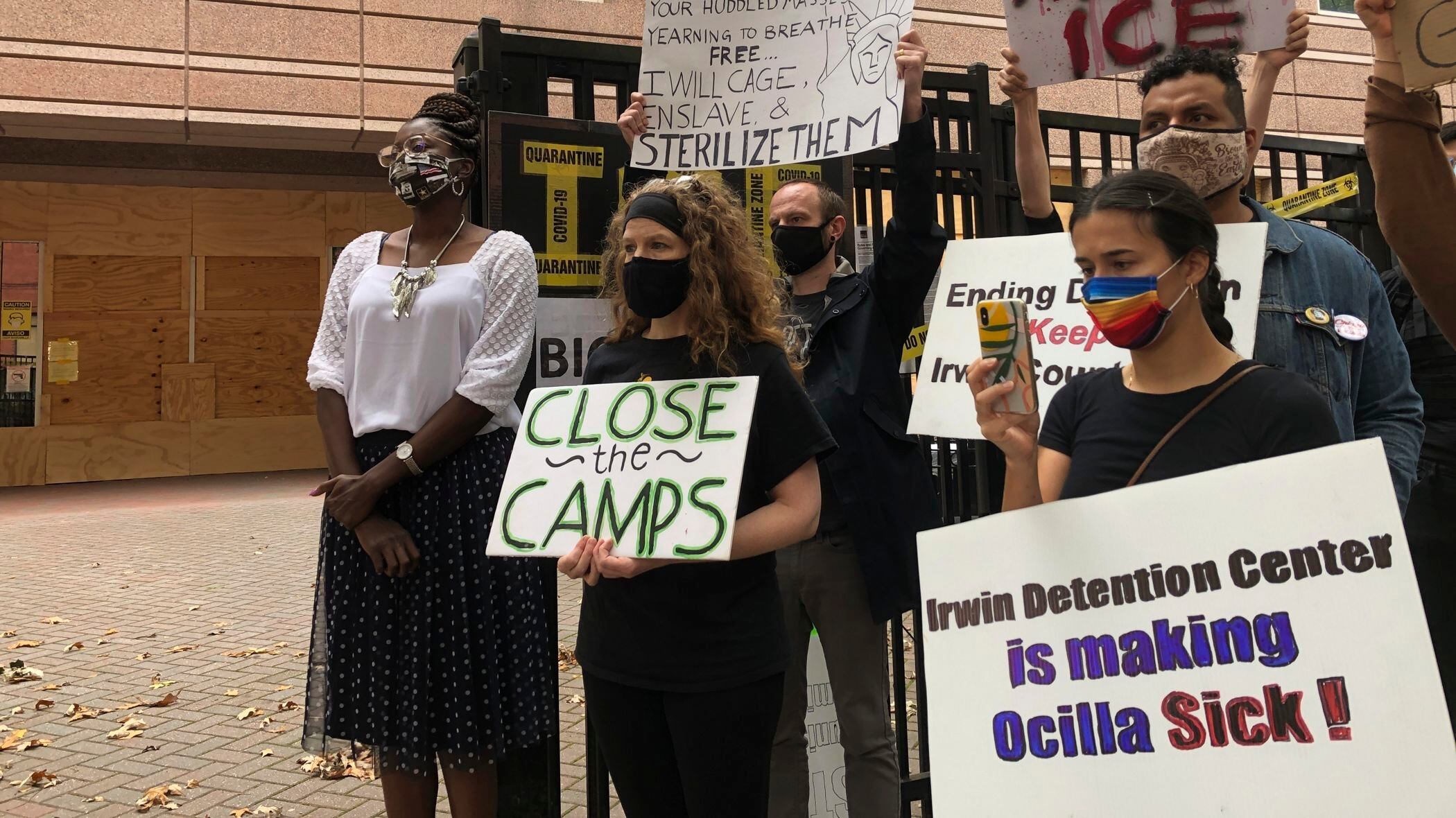
An Associated Press review found growing allegations that a gynecologist performed surgeries and other procedures that detained migrant women never sought or didn’t fully understand.
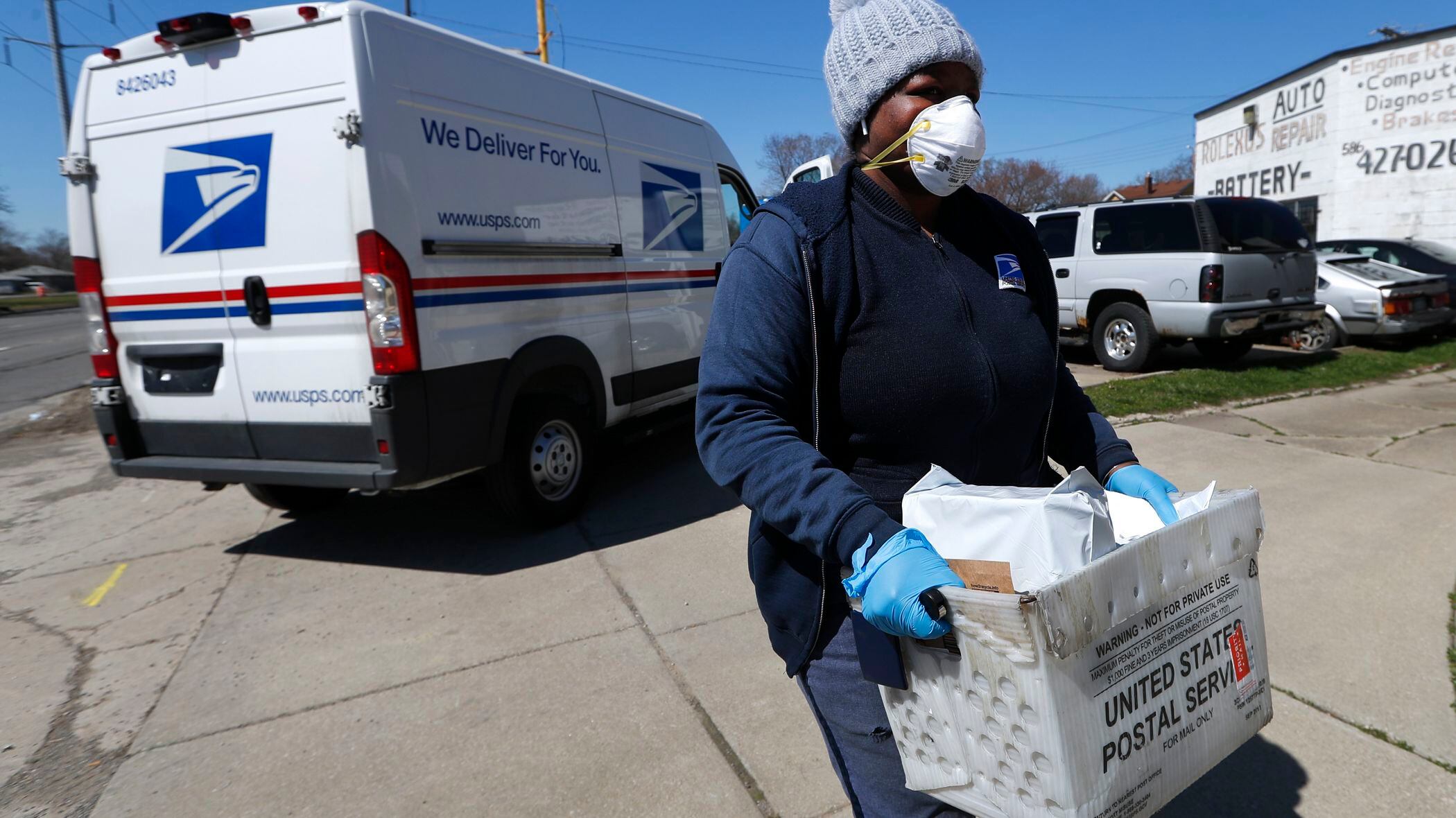
Judge Stanley Bastian in Yakima, Washington, said he was issuing a nationwide preliminary injunction sought by 14 states that sued the Trump administration and the U.S. Postal Service.
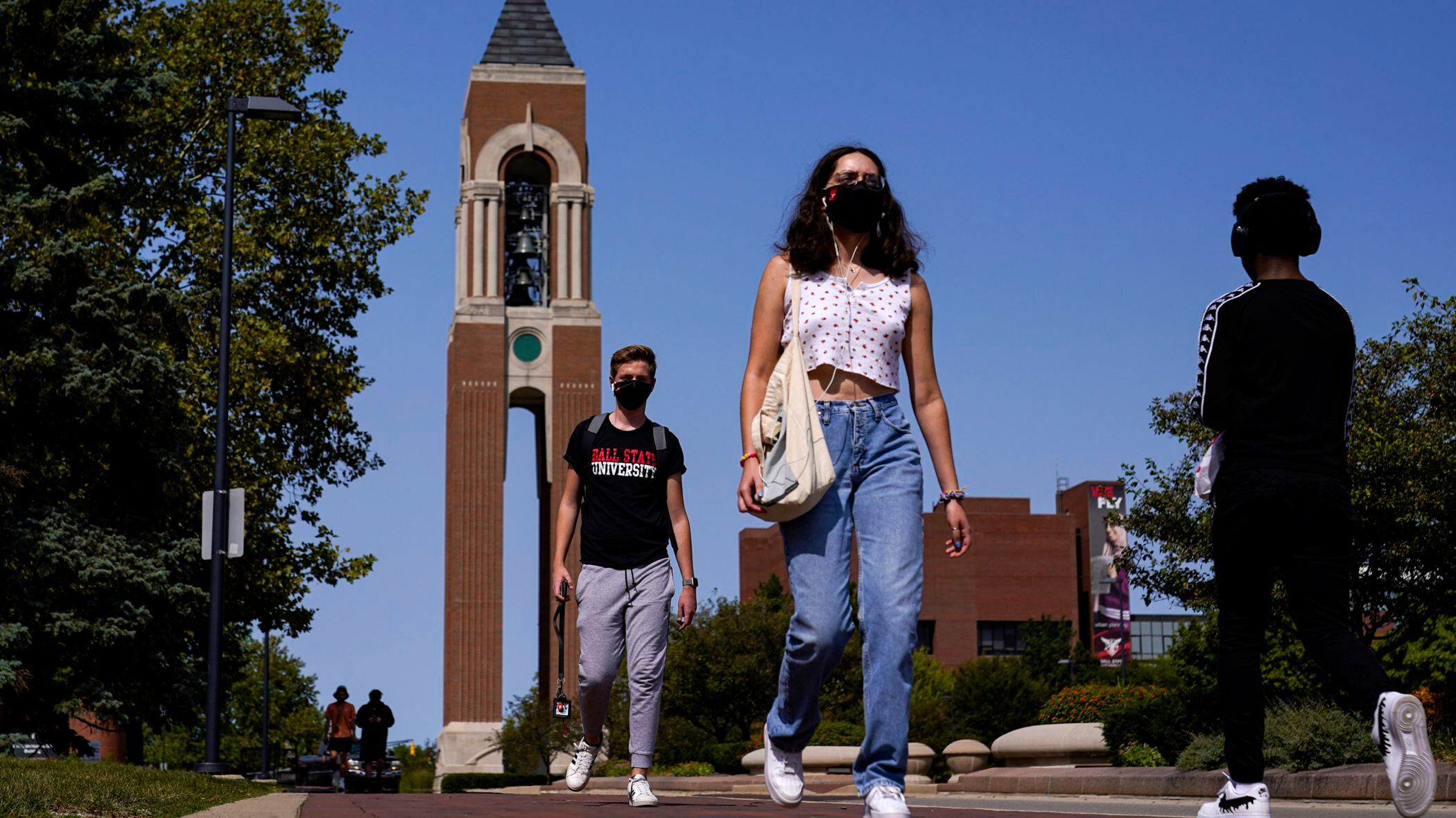
College towns across the U.S. have emerged as virus hot spots in recent weeks as schools struggle to contain the virus.
As the U.S. treks into the 7th month of the coronavirus pandemic, trust in government agencies and top medical officials is dropping among Republican voters. Dr. Richard Besser, president and CEO of the Robert Wood Johnson Foundation, joined Cheddar to discuss how people can navigate advice from medical professionals as some guidances are deemed political.
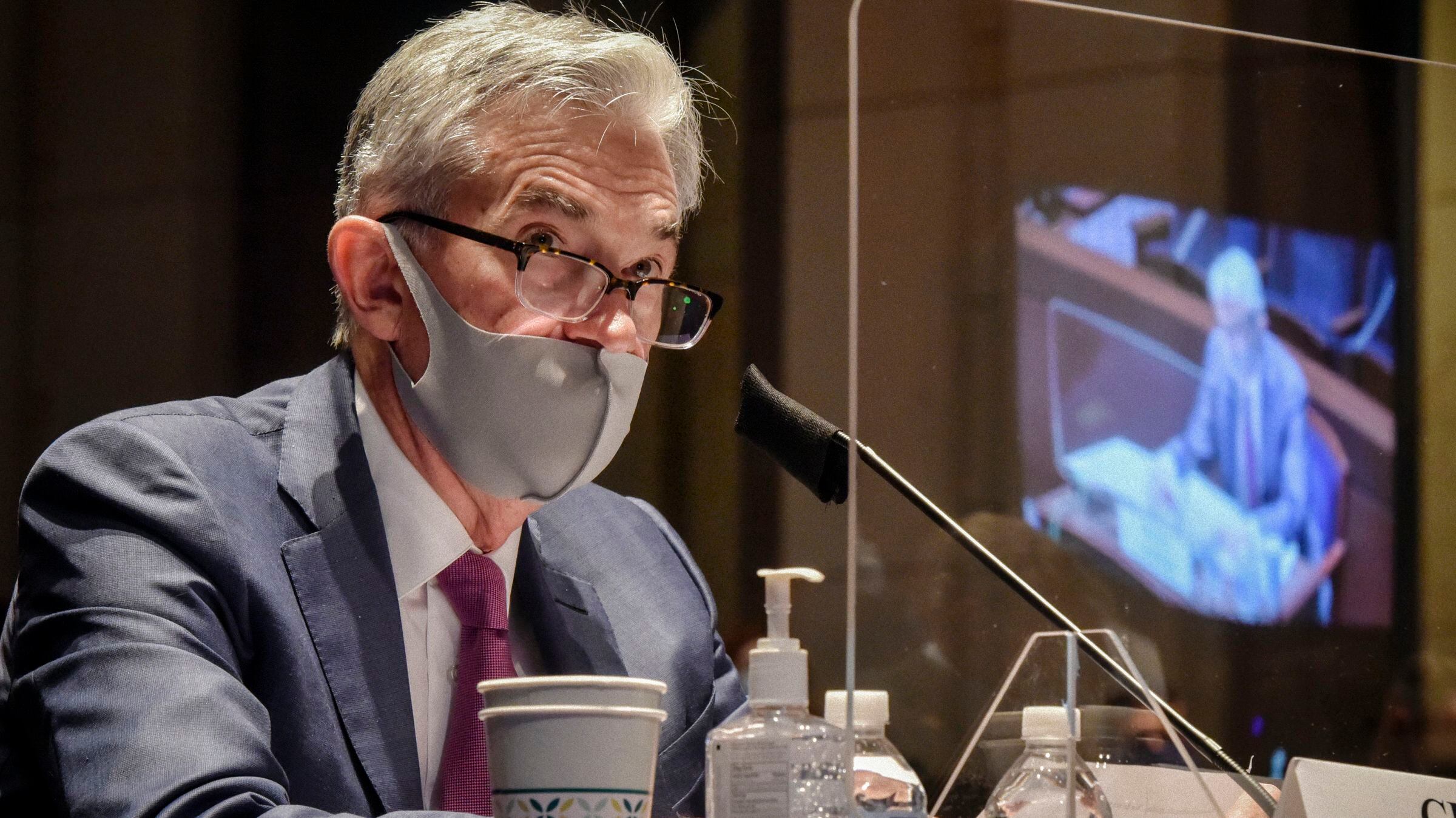
The Federal Reserve adjusted its inflation target to seek price increases above 2% annually, a move that will likely keep interest rates low for years to come.
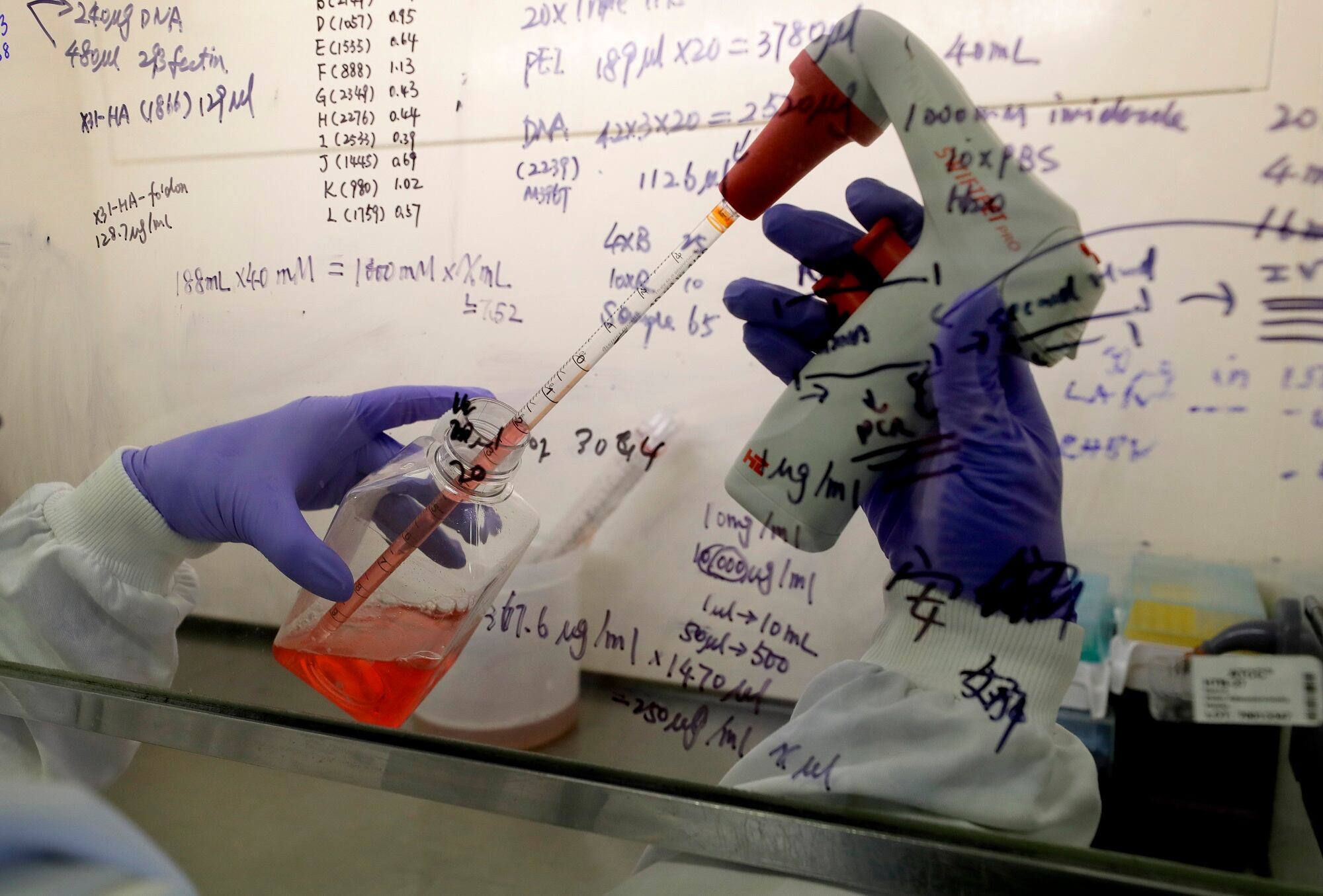
The federal government is outlining a sweeping plan to make COVID-19 vaccines available for free to all Americans.
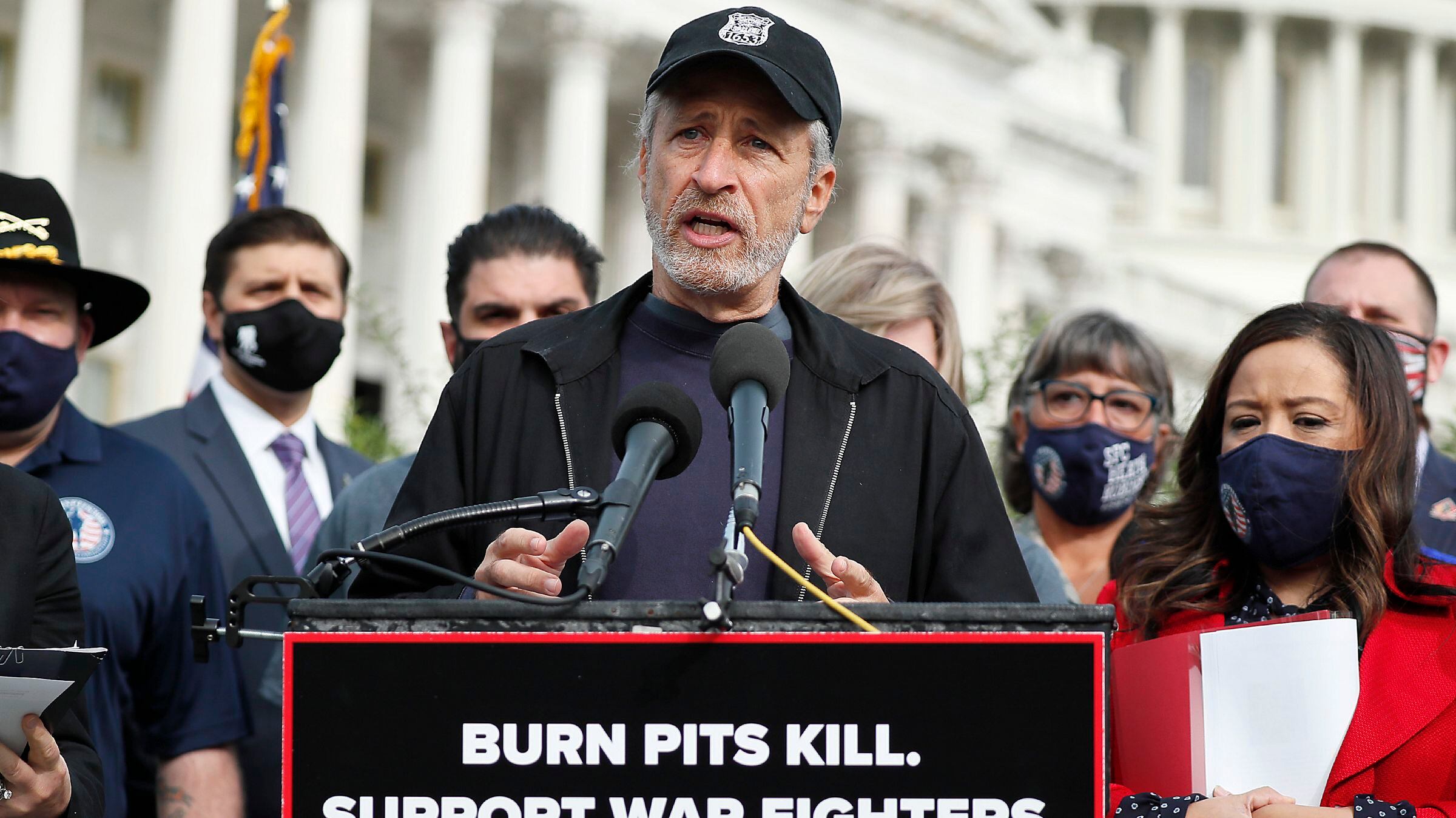
This week Jon Stewart helped bring forth new legislation aimed at providing financial relief for burn pit victims. Stewart said the battle with congress is just a continued fight in getting first responders aid in the 9/11 Victim Compensation Fund. Cheddar's JD Durkin reports.