Within the hallways of the U.S. Capitol, there is growing confidence by GOP Senators that Senate Majority Leader Mitch McConnell can whip his caucus to block a vote on witnesses Friday.
While returning to the chamber after a short break Thursday, Senator Tim Scott (R-S.C.) told Cheddar he's "feeling good" about tomorrow's expected vote.
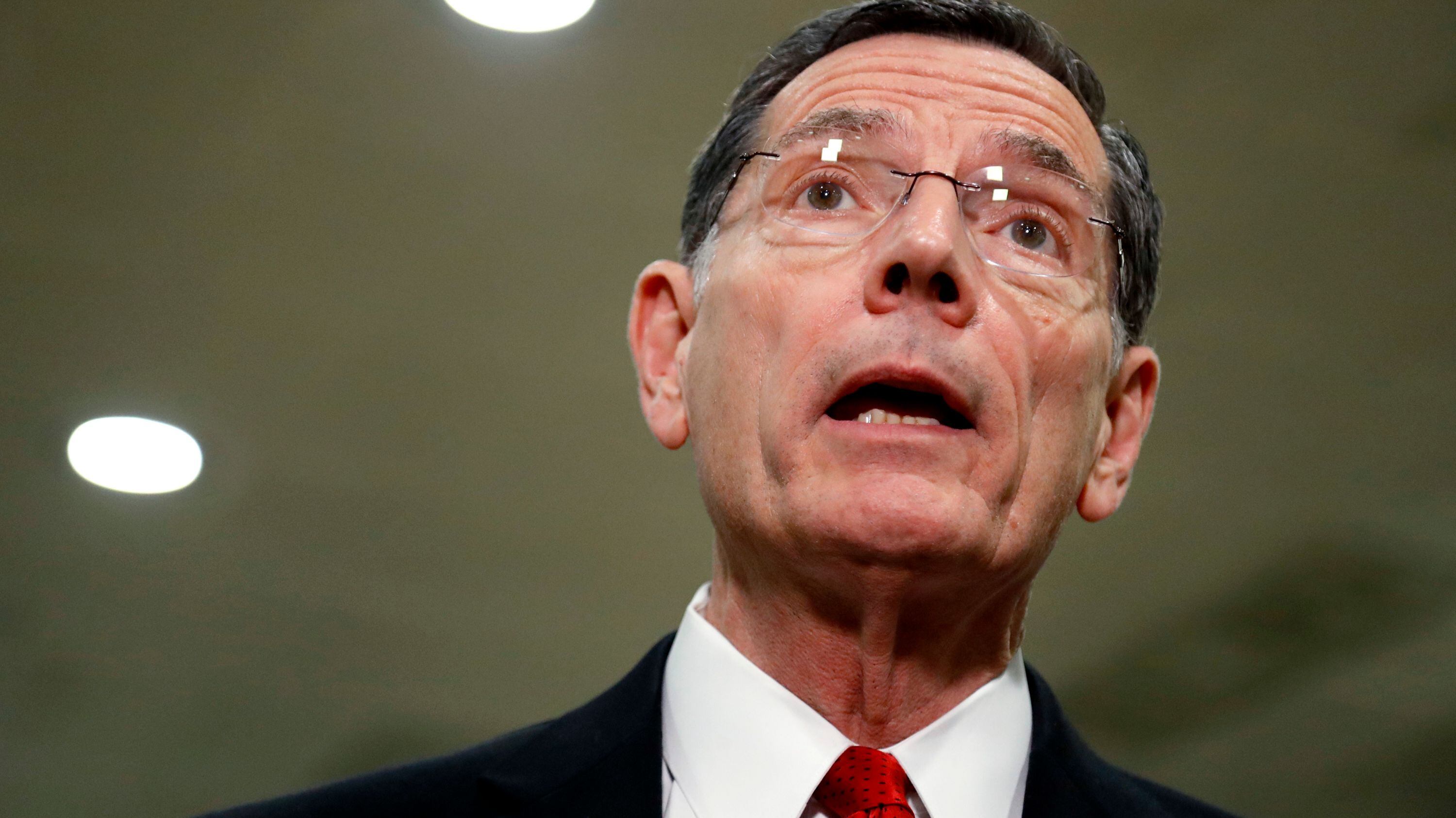
Senator John Barrasso (R-Wyo.) told reporters during the break that Republicans have the "momentum" to move to end the trial tomorrow without witnesses. "If we're able to say no [to witnesses] and go right to final judgment, we'd move in that direction and stay here until that work is decided and completed Friday evening. That's where all the momentum is now."
Still up for debate is what, exactly, happens, if the Republicans vote to end the debate on witnesses quickly.
Meanwhile, back in the chamber, lead impeachment manager Adam Schiff said witness depositions could be limited to just one week and said that the trial should not be rushed just because the State of the Union is Tuesday.
After the break, Senators asked two bipartisan questions, both of which were from senators who may still be undecided on the issue of whether to allow witnesses. First, Senators Joe Manchin (D-W.Va.), Susan Collins (R-Maine), Lisa Murkowski (R-Alaska), and Kyrsten Sinema (D-Ariz.) asked the defense team if the president would assure them that private citizens would not be directed to conduct foreign policy unless formally designated by the president and the State Department.
Murkowski and Senator Brian Schatz (D-Hawaii) submitted the second bipartisan question, asking if any action a president takes is inherently political and where the line is between permissible political actions and impeachable political actions.
In President Bill Clinton's impeachment trial, there was only one bipartisan question asked, which Sen. Collins had signed onto at the time.
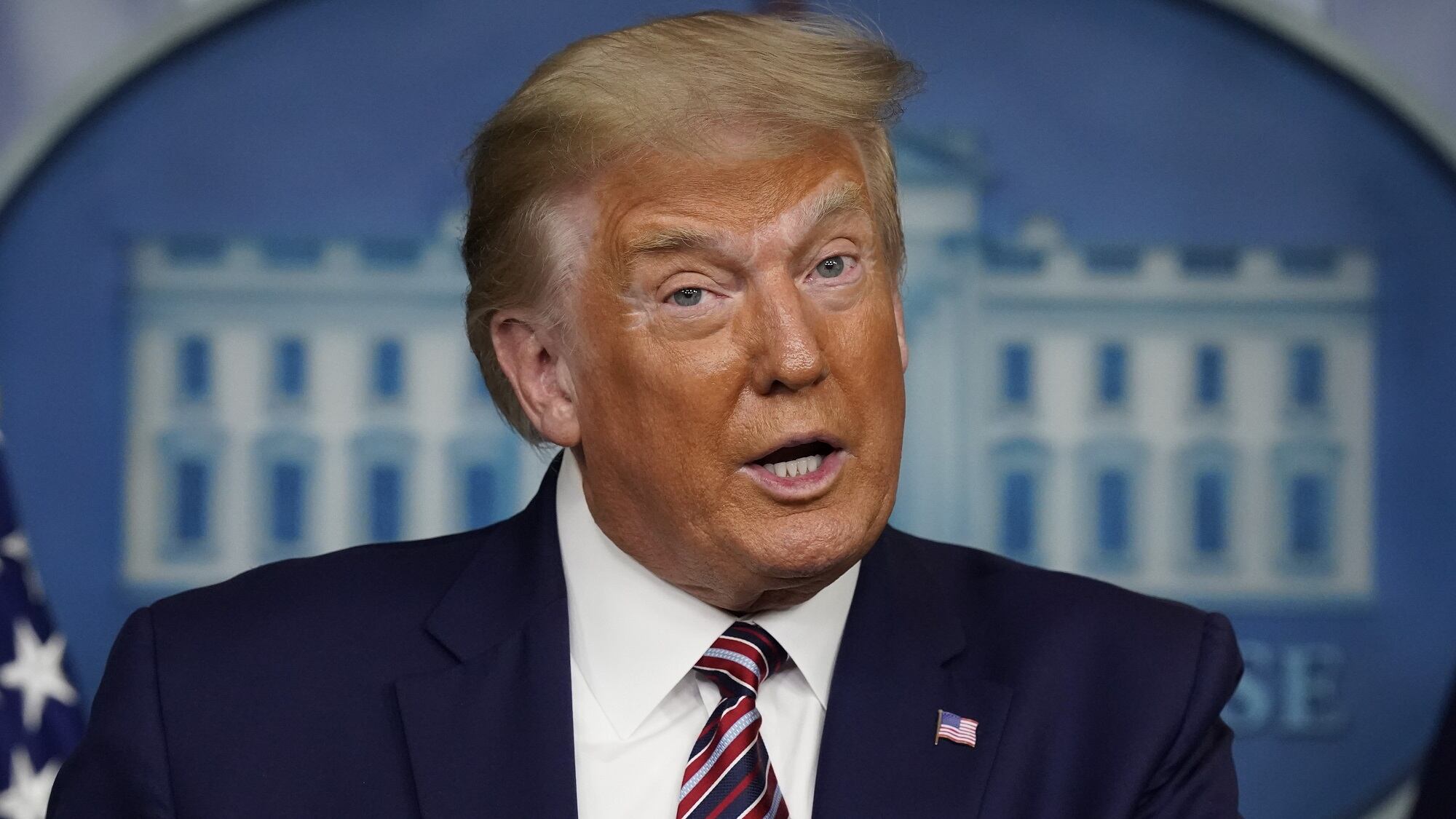
President Donald Trump paid just $750 in federal income taxes the year he ran for president and in his first year in the White House, according to a report Sunday in The New York Times.
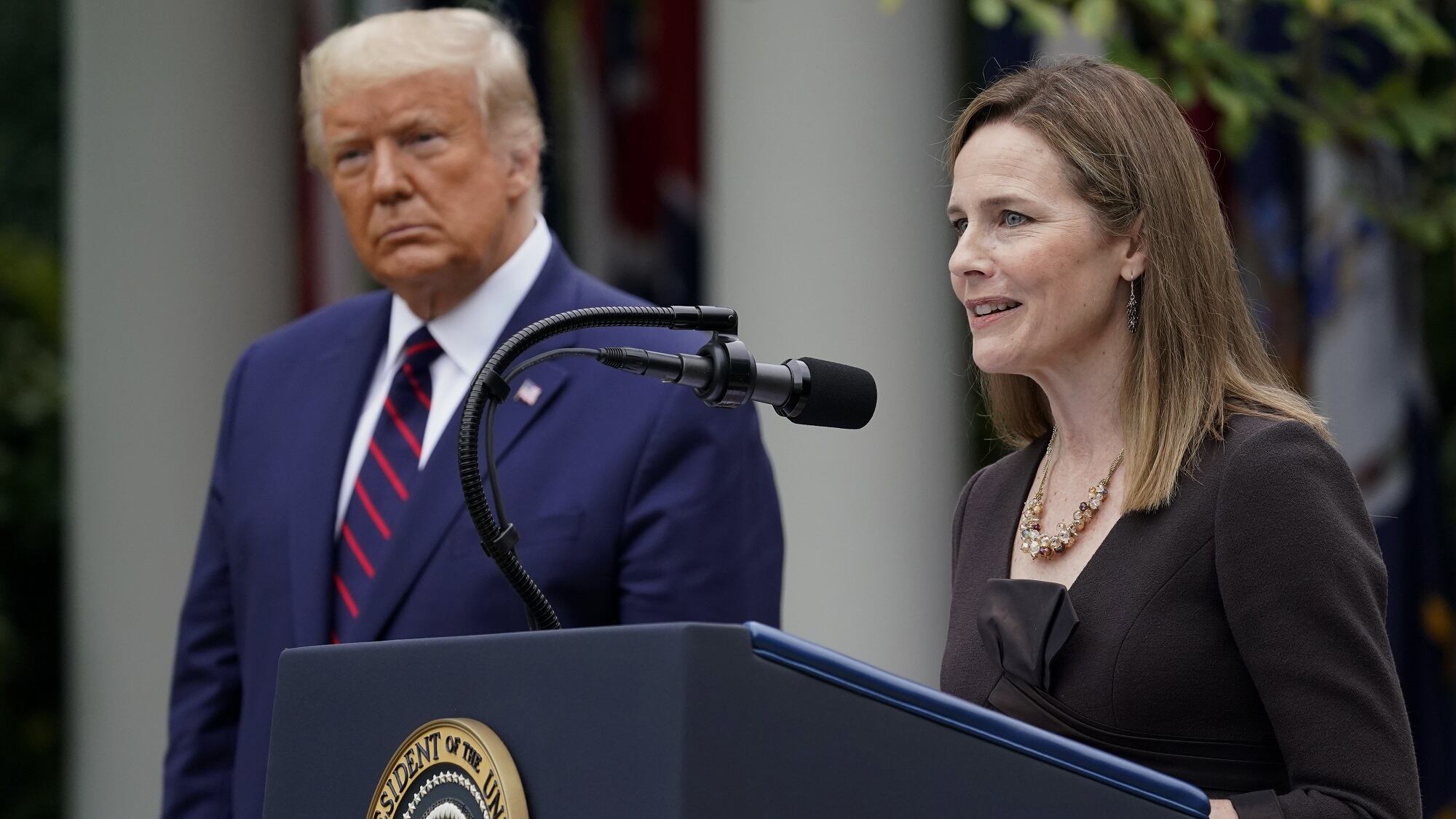
President Donald Trump nominated Judge Amy Coney Barrett to the Supreme Court on Saturday, capping a dramatic reshaping of the federal judiciary that will resonate for a generation and that he hopes will provide a needed boost to his reelection effort.
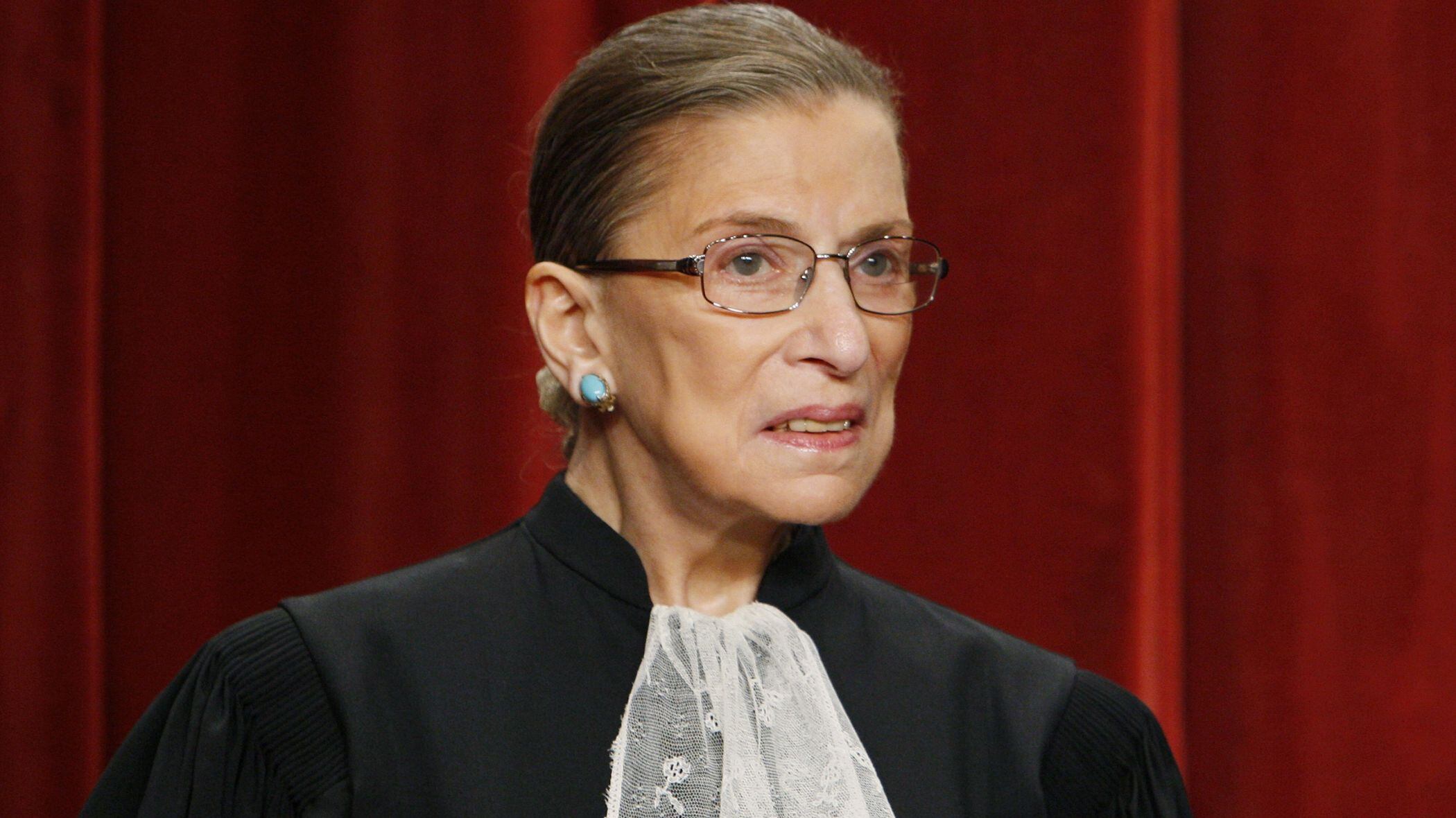
The late Supreme Court Justice Ruth Bader Ginsburg lay in state at the U.S. Capitol on Friday, the first woman in American history so honored at the domed building.
From Wall Street to Silicon Valley, these are the top stories that moved markets and had investors, business leaders, and entrepreneurs talking this week on Cheddar.
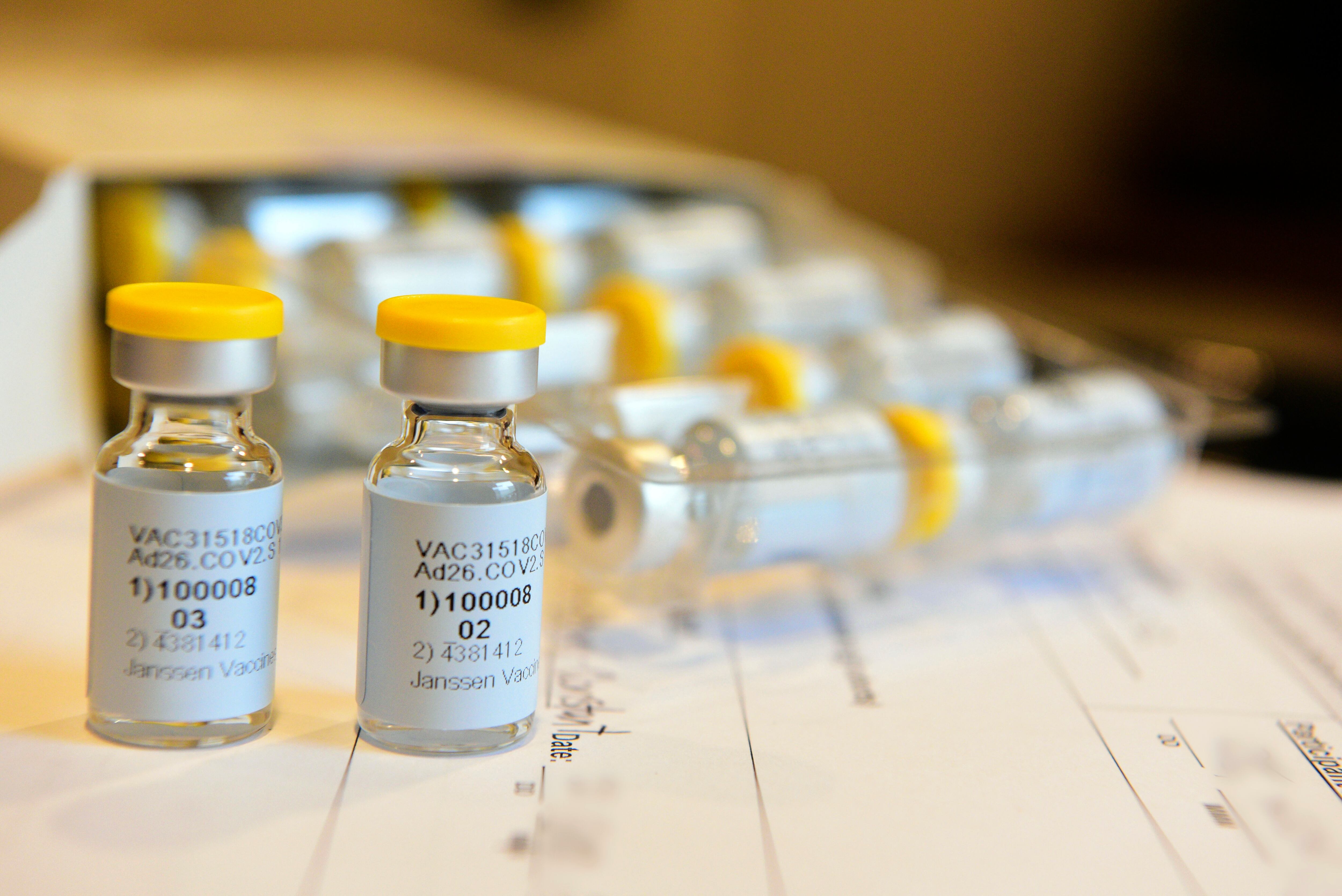
Dr. Paul Stoffels, chief scientific officer at Johnson & Johnson, joined Cheddar to discuss phase three COVID-19 vaccine trials. More than 60,000 people worldwide have volunteered to be part of the study.
A closer look at some key areas where Ginsburg was most influential reveals a jurist who defied easy ideological categories, especially when it came to business.
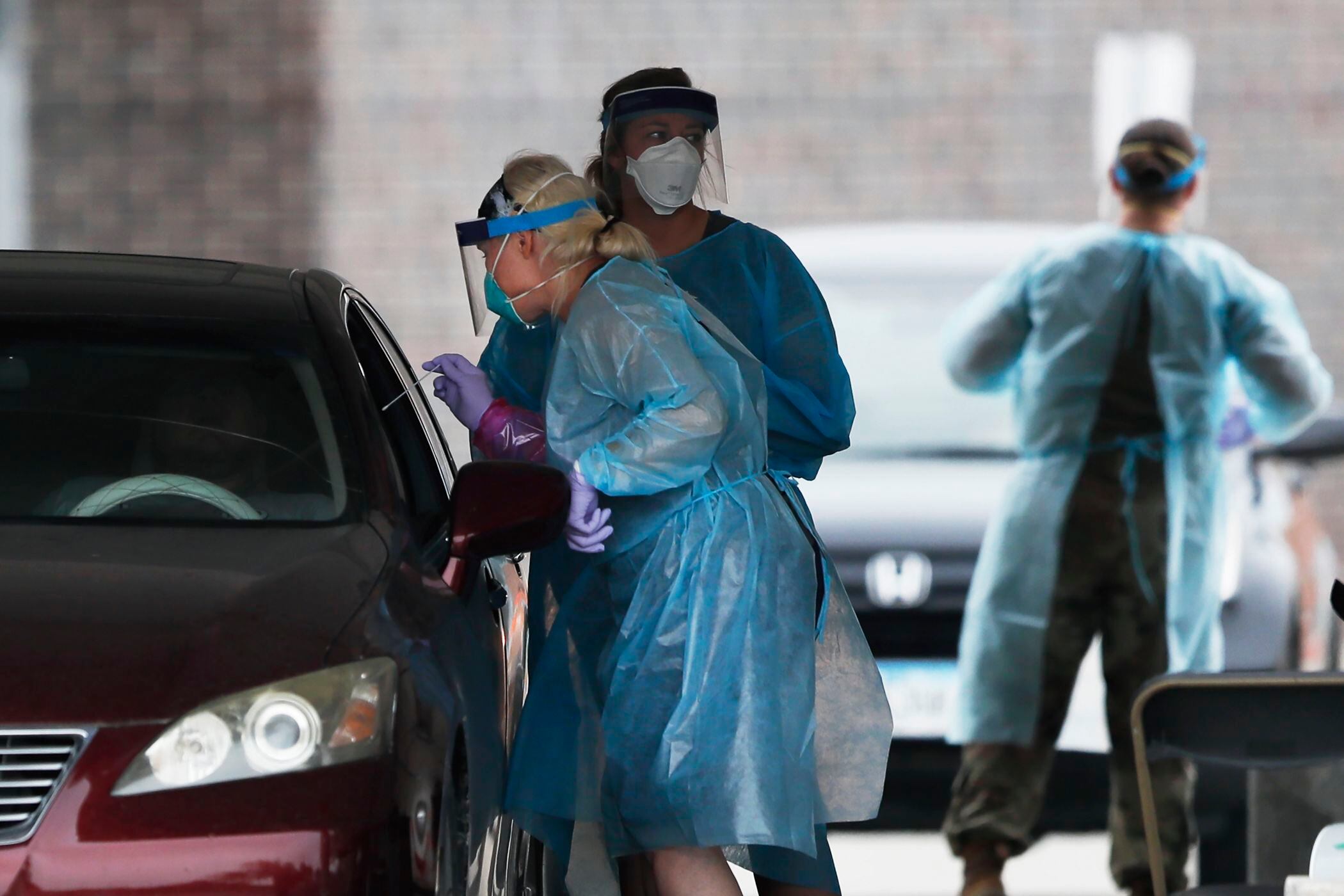
The pandemic is now striking cities with much smaller populations, often in conservative corners of America where anti-mask sentiment runs high.
Ohio Rep. Bob Latta joined Cheddar to discuss new safety legislation he's introduced for autonomous vehicles. The Self-Drive Act will create a national standard for operation of self-driving cars.
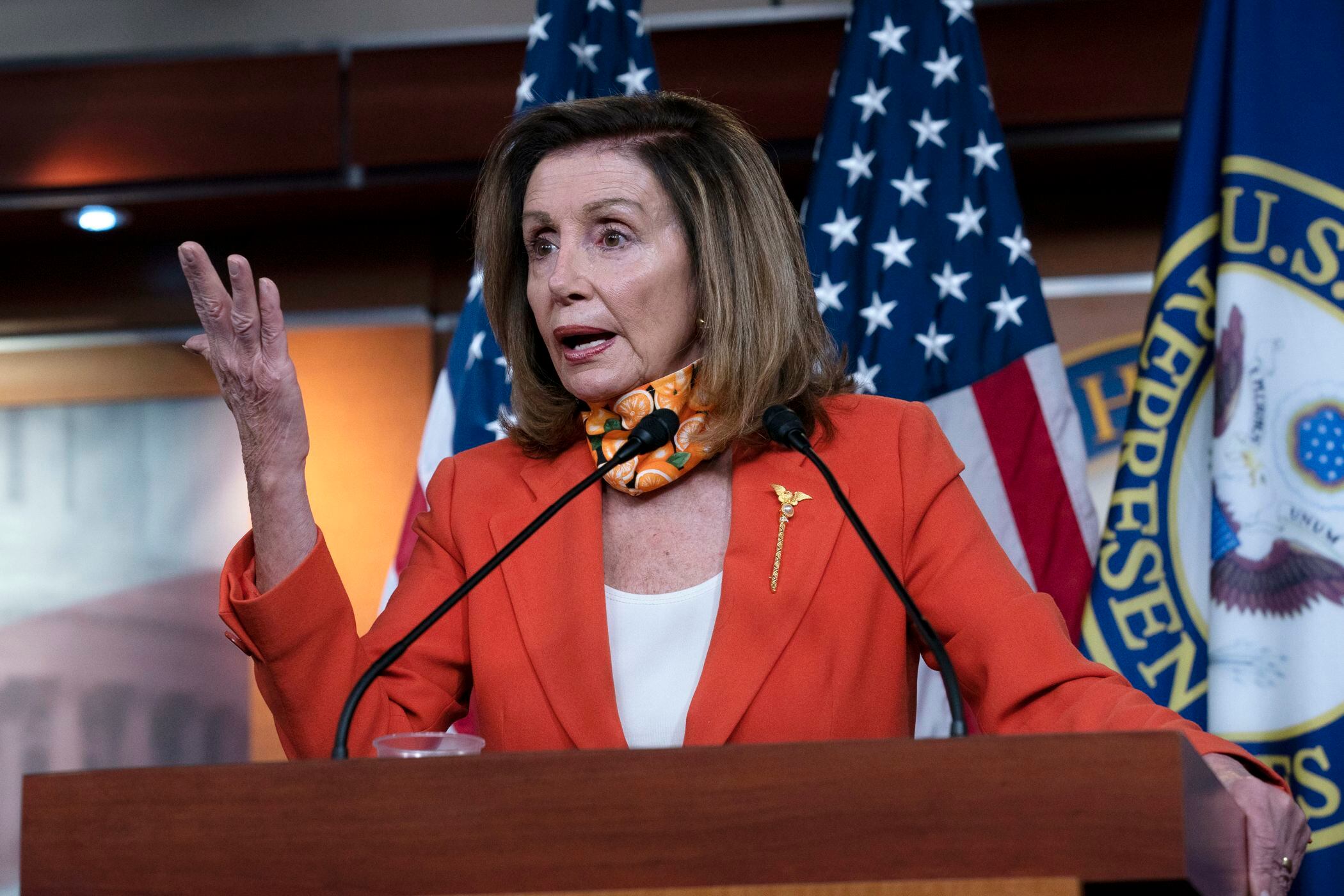
Democrats are going back to the drawing board on a huge virus relief bill. House Democrats say they are paring back their proposal in an attempt to jump-start negotiations with the Trump administration.
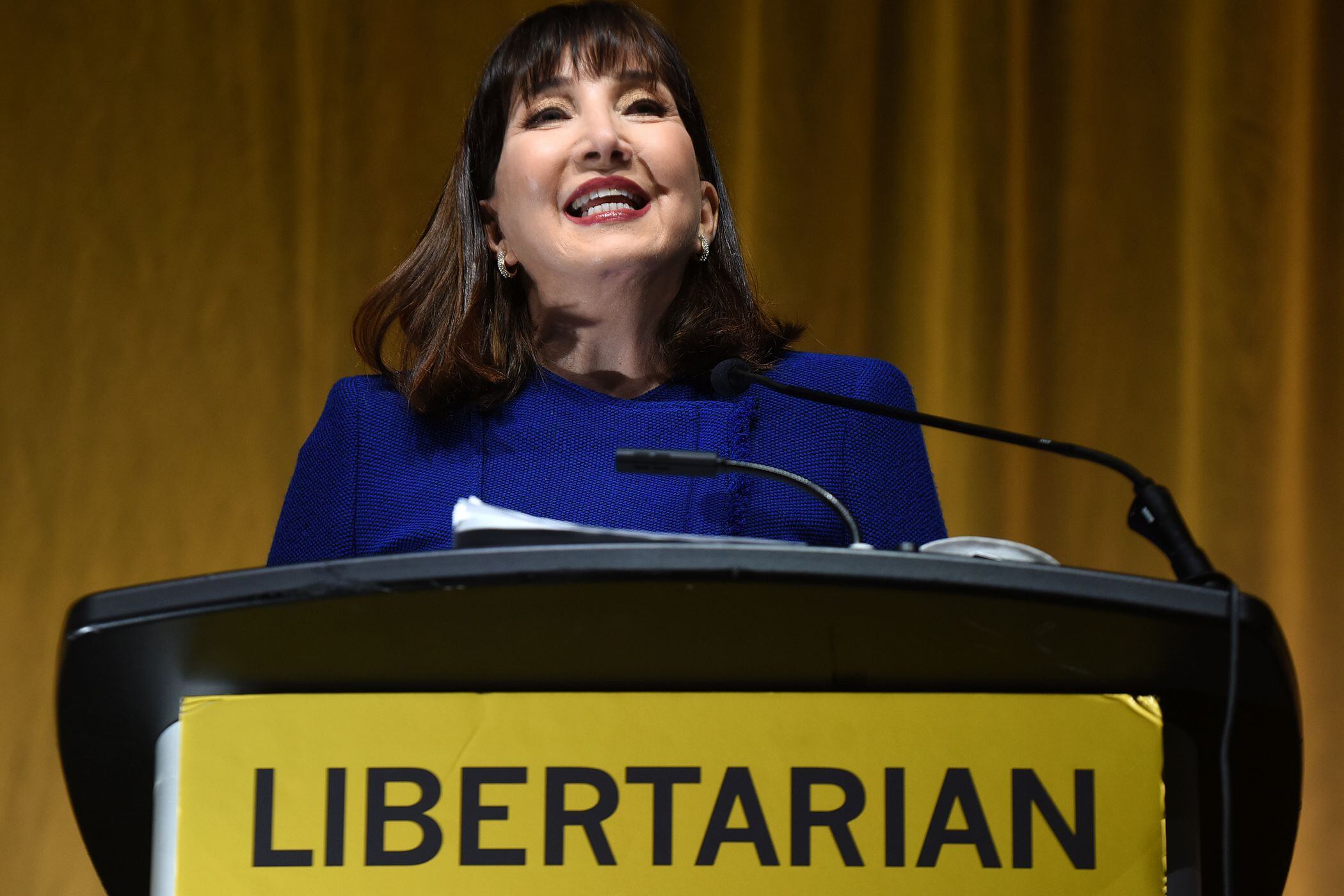
Dr. Jo Jorgensen, the 2020 Libertarian candidate for President, joined Cheddar to discuss her role in this year's election and whether third party candidates dictate the outcome. Jorgensen also provides her position on mask wearing when it comes to mitigating the spread of COVID-19.