Within the hallways of the U.S. Capitol, there is growing confidence by GOP Senators that Senate Majority Leader Mitch McConnell can whip his caucus to block a vote on witnesses Friday.
While returning to the chamber after a short break Thursday, Senator Tim Scott (R-S.C.) told Cheddar he's "feeling good" about tomorrow's expected vote.
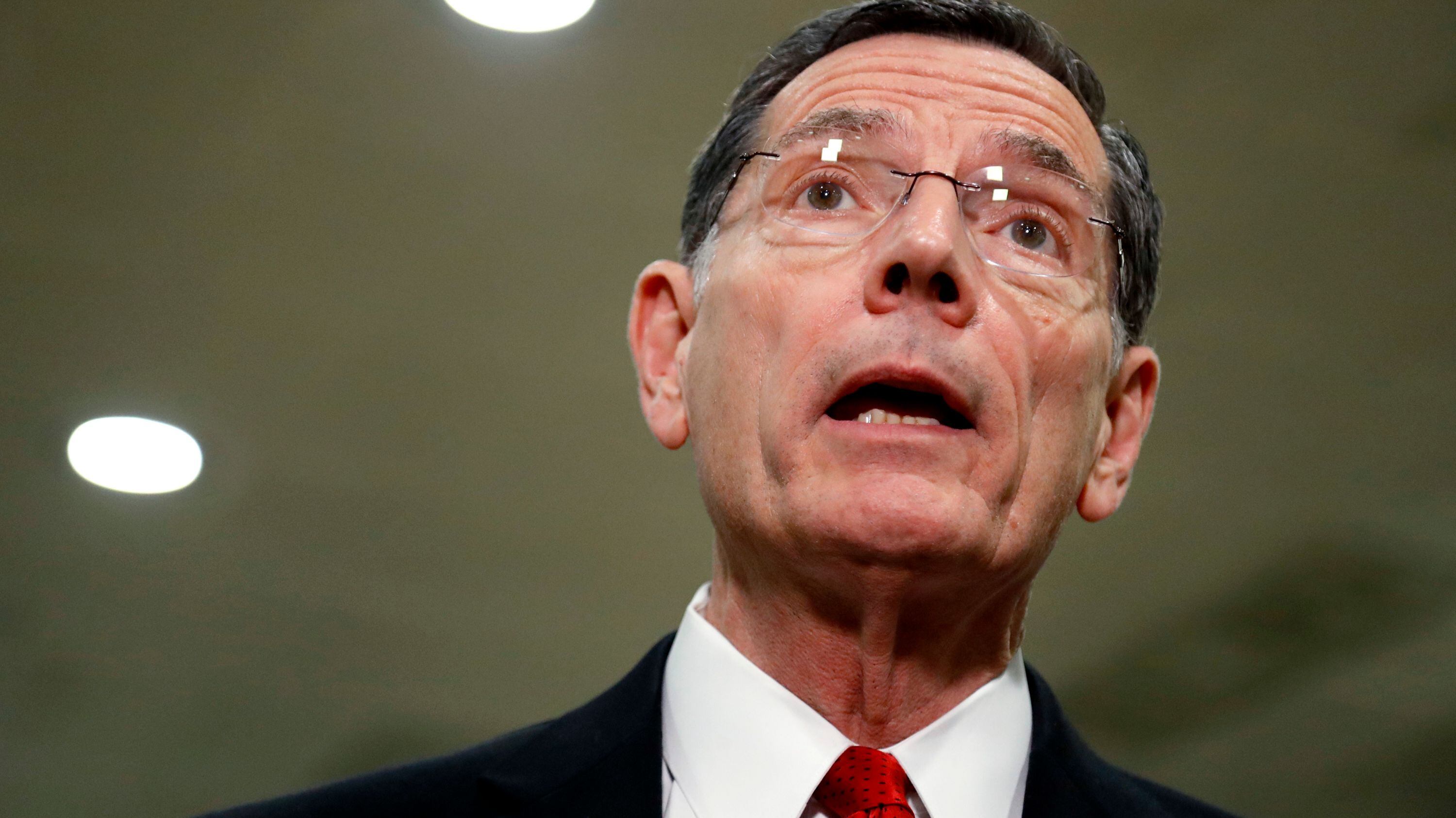
Senator John Barrasso (R-Wyo.) told reporters during the break that Republicans have the "momentum" to move to end the trial tomorrow without witnesses. "If we're able to say no [to witnesses] and go right to final judgment, we'd move in that direction and stay here until that work is decided and completed Friday evening. That's where all the momentum is now."
Still up for debate is what, exactly, happens, if the Republicans vote to end the debate on witnesses quickly.
Meanwhile, back in the chamber, lead impeachment manager Adam Schiff said witness depositions could be limited to just one week and said that the trial should not be rushed just because the State of the Union is Tuesday.
After the break, Senators asked two bipartisan questions, both of which were from senators who may still be undecided on the issue of whether to allow witnesses. First, Senators Joe Manchin (D-W.Va.), Susan Collins (R-Maine), Lisa Murkowski (R-Alaska), and Kyrsten Sinema (D-Ariz.) asked the defense team if the president would assure them that private citizens would not be directed to conduct foreign policy unless formally designated by the president and the State Department.
Murkowski and Senator Brian Schatz (D-Hawaii) submitted the second bipartisan question, asking if any action a president takes is inherently political and where the line is between permissible political actions and impeachable political actions.
In President Bill Clinton's impeachment trial, there was only one bipartisan question asked, which Sen. Collins had signed onto at the time.
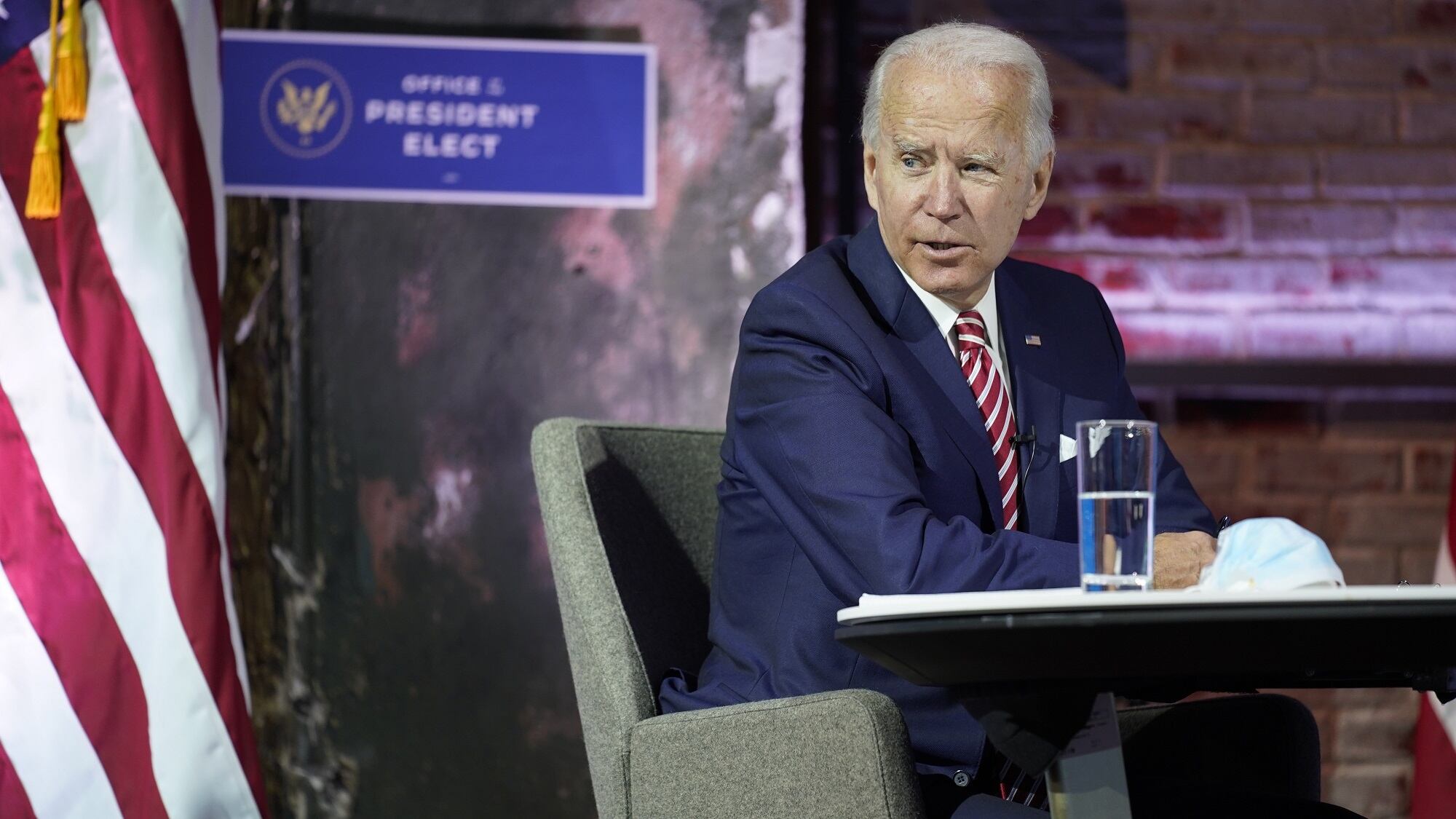
Joe Biden expressed concern Thursday that President Donald Trump's unprecedented attempt to block the peaceful transition of power at the White House has hindered the flow of information about programs to fast-track a coronavirus vaccine.
With both of Georgia's Senate races moving on to runoff elections, Democrat Jon Ossoff has another six weeks to make his case to voters.
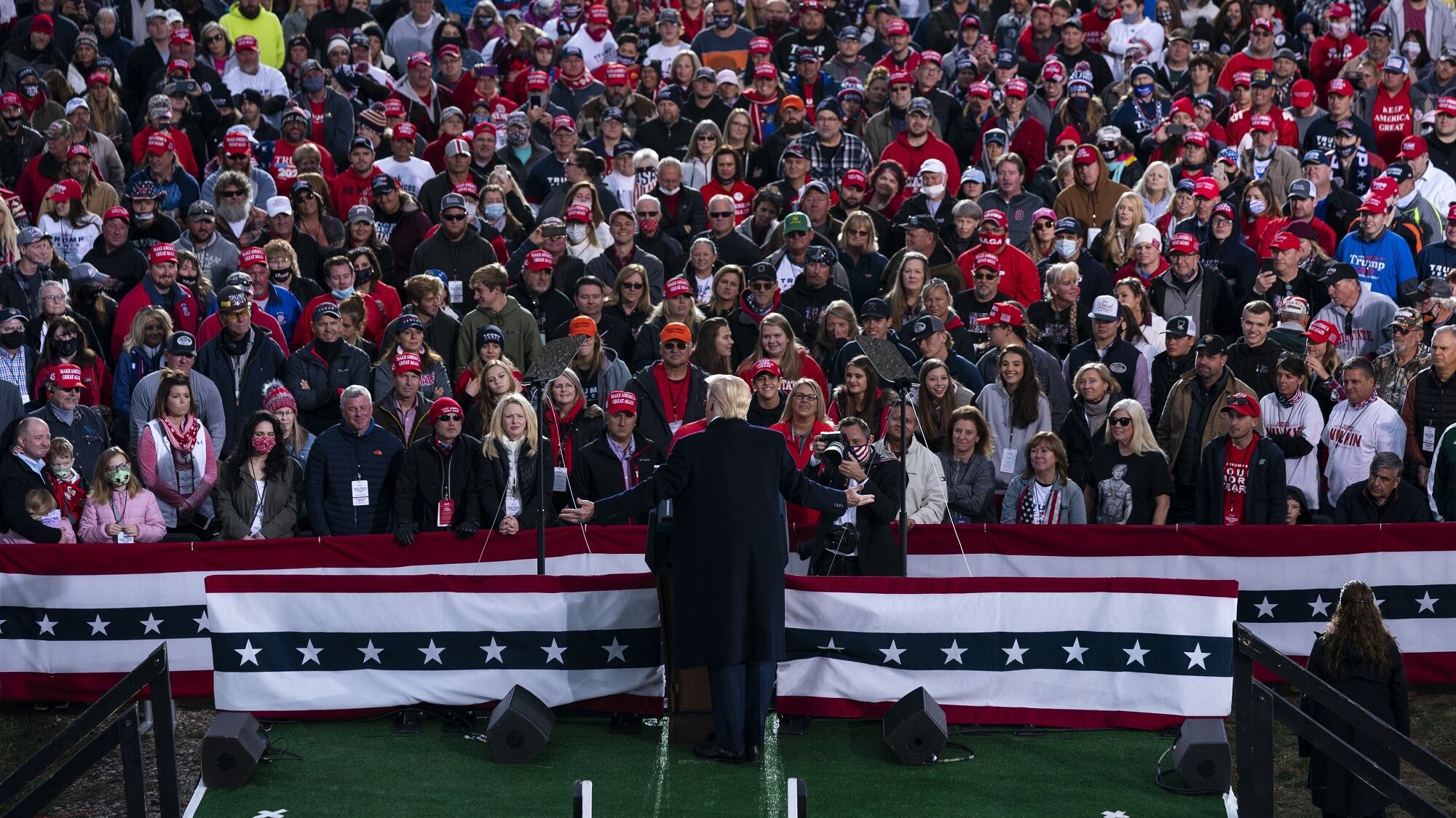
President Donald Trump’s 2020 reelection campaign was powered by a cell phone app that allowed staff to monitor the movements of his millions of supporters, and offered intimate access to their social networks.
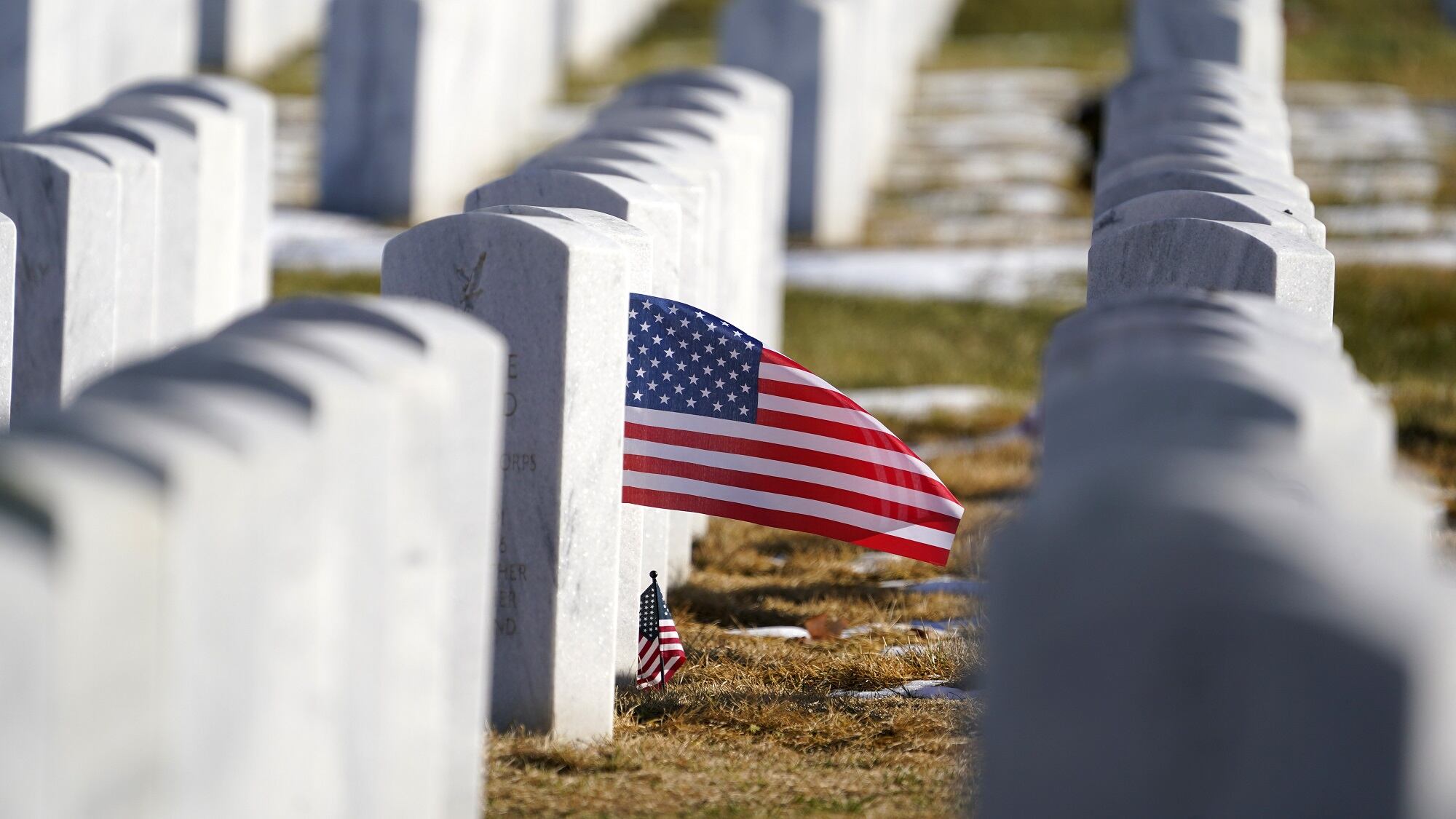
Rep. Chris Pappas is optimistic that President Donald Trump will sign the bipartisan Veterans COMPACT Act to provide mental health care and prevent veteran suicides.
the Trump administration’s unwillingness to begin steps to transition power to President-elect Joe Biden is preventing him from creating a national response, said Kathleen Sebelius, former United States Secretary of Health and Human Services under President Barack Obama.
President-elect Joe Biden on Monday said his administration would strengthen the country's vulnerable economy despite the exploding pandemic as he pushed forward with the business of preparing to assume the presidency.
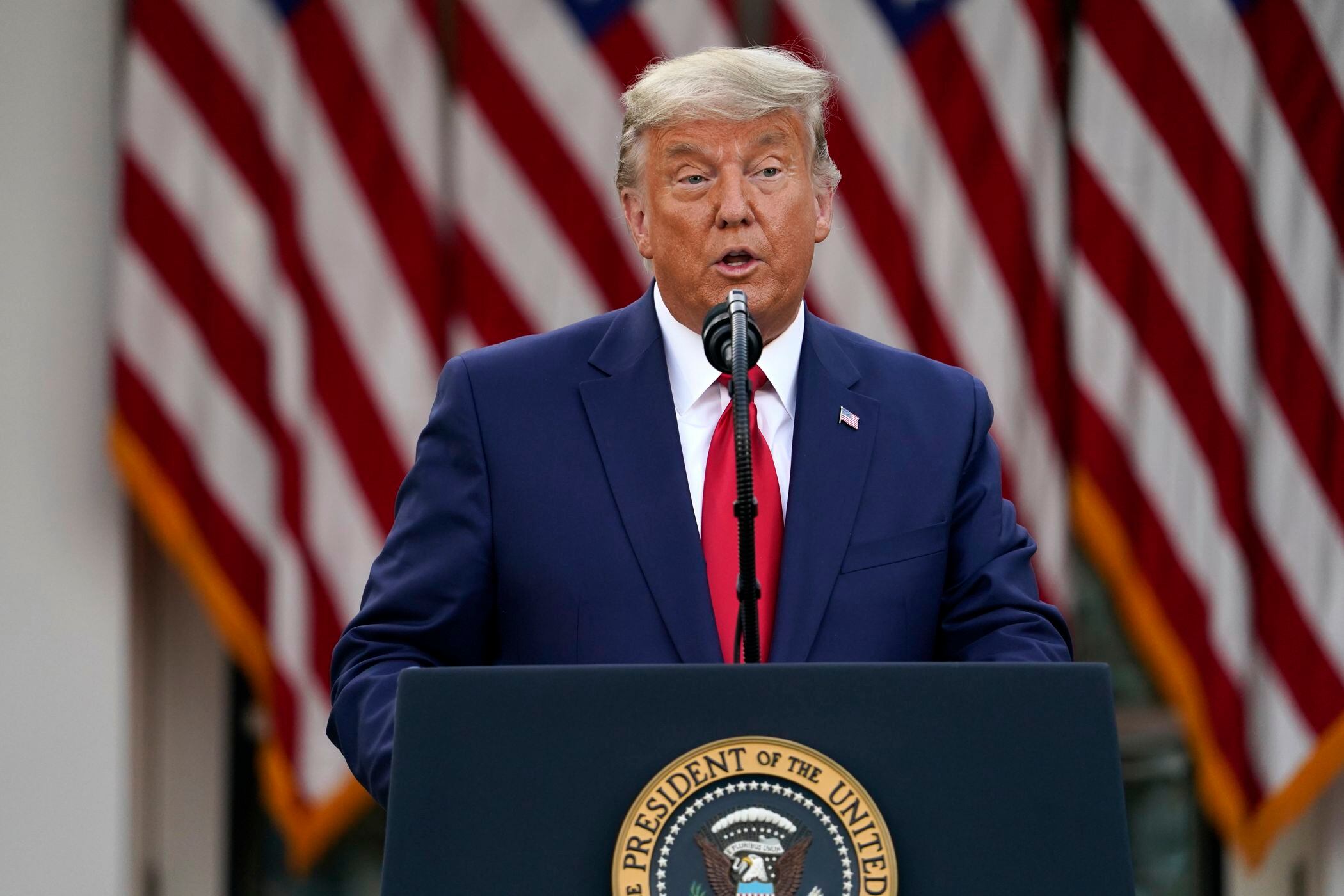
President Donald Trump has hailed developments in the race for a vaccine for the resurgent coronavirus. He delivered his first public remarks Friday since his defeat by President-elect Joe Biden, even as he refuses to concede the election.
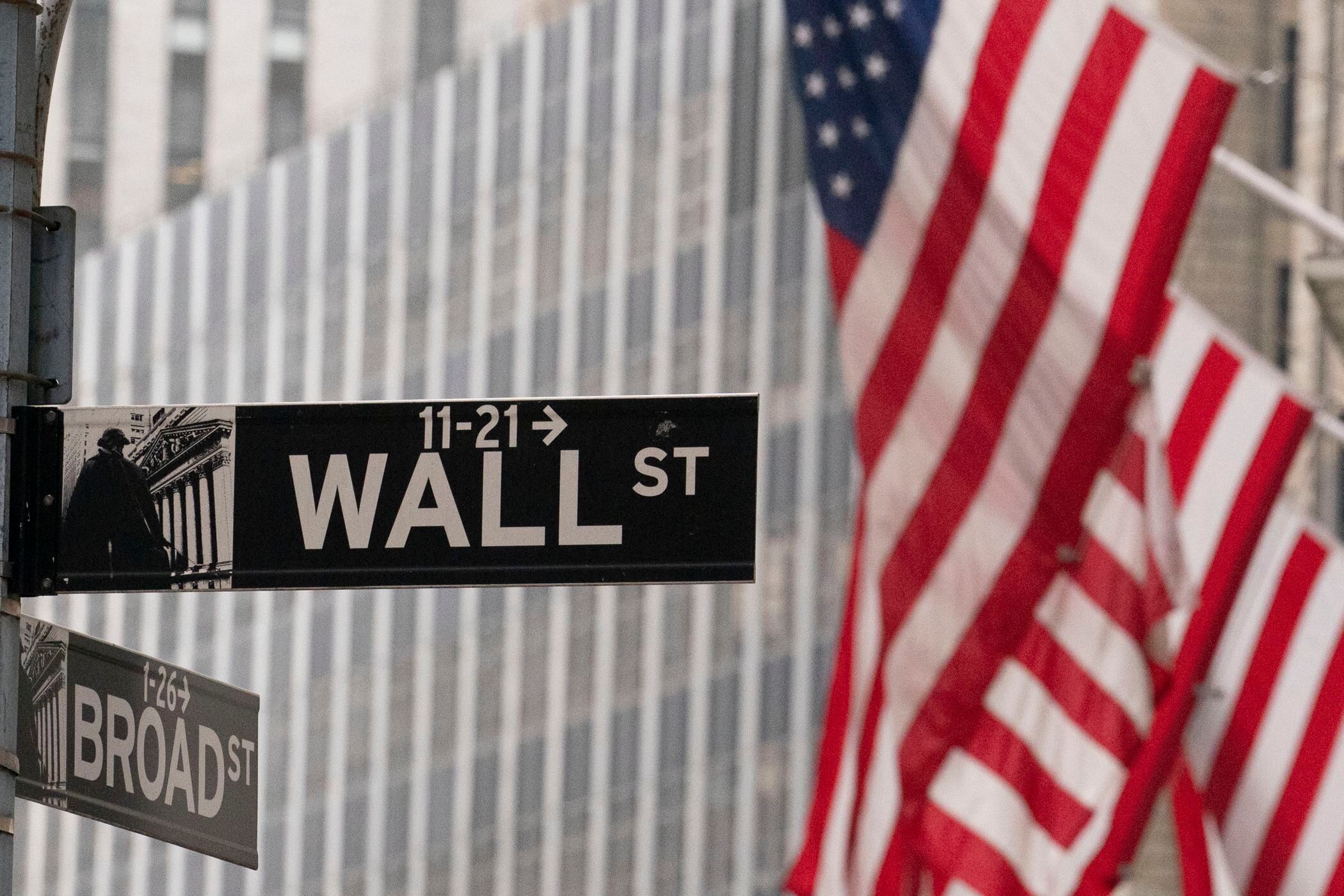
The reason for such calm is that Wall Street doesn't see Trump's anger, tweets or legal actions changing the results. And encouraging data about a potential COVID-19 vaccine has renewed investors' optimism even though virus cases are on the rise.
Just days following the presidential election, Twitter has stepped up its efforts to crackdown on misinformation, but questions are being raised about how marketers and users will interact with social media platforms going forward. Cheddar's Michelle Castillo reports.
New York's Lieutenant Governor, Kathy Hochul, joined Cheddar to discuss new state guidelines set to take effect as COVID-19 cases spike nationwide.