Within the hallways of the U.S. Capitol, there is growing confidence by GOP Senators that Senate Majority Leader Mitch McConnell can whip his caucus to block a vote on witnesses Friday.
While returning to the chamber after a short break Thursday, Senator Tim Scott (R-S.C.) told Cheddar he's "feeling good" about tomorrow's expected vote.
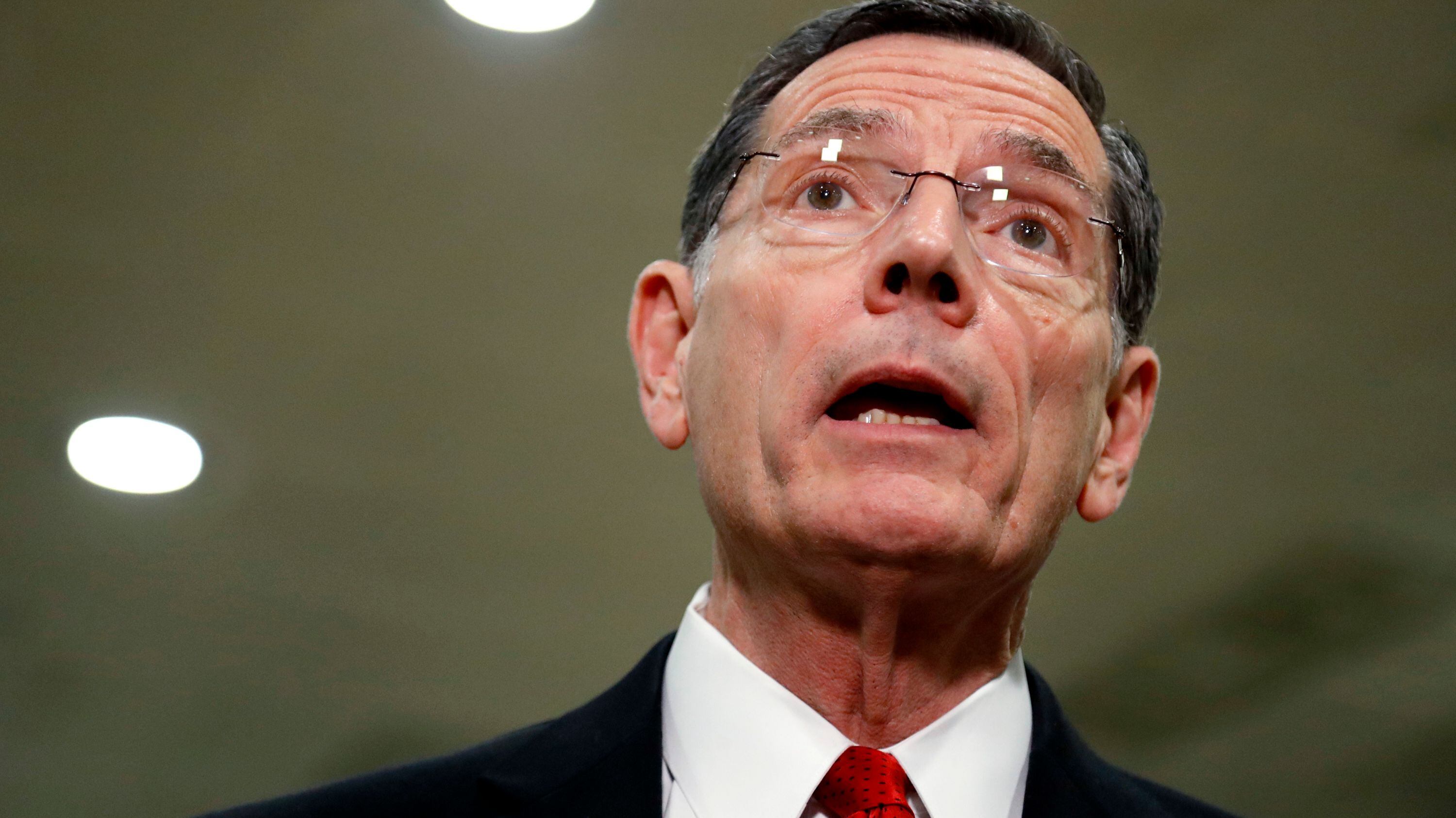
Senator John Barrasso (R-Wyo.) told reporters during the break that Republicans have the "momentum" to move to end the trial tomorrow without witnesses. "If we're able to say no [to witnesses] and go right to final judgment, we'd move in that direction and stay here until that work is decided and completed Friday evening. That's where all the momentum is now."
Still up for debate is what, exactly, happens, if the Republicans vote to end the debate on witnesses quickly.
Meanwhile, back in the chamber, lead impeachment manager Adam Schiff said witness depositions could be limited to just one week and said that the trial should not be rushed just because the State of the Union is Tuesday.
After the break, Senators asked two bipartisan questions, both of which were from senators who may still be undecided on the issue of whether to allow witnesses. First, Senators Joe Manchin (D-W.Va.), Susan Collins (R-Maine), Lisa Murkowski (R-Alaska), and Kyrsten Sinema (D-Ariz.) asked the defense team if the president would assure them that private citizens would not be directed to conduct foreign policy unless formally designated by the president and the State Department.
Murkowski and Senator Brian Schatz (D-Hawaii) submitted the second bipartisan question, asking if any action a president takes is inherently political and where the line is between permissible political actions and impeachable political actions.
In President Bill Clinton's impeachment trial, there was only one bipartisan question asked, which Sen. Collins had signed onto at the time.
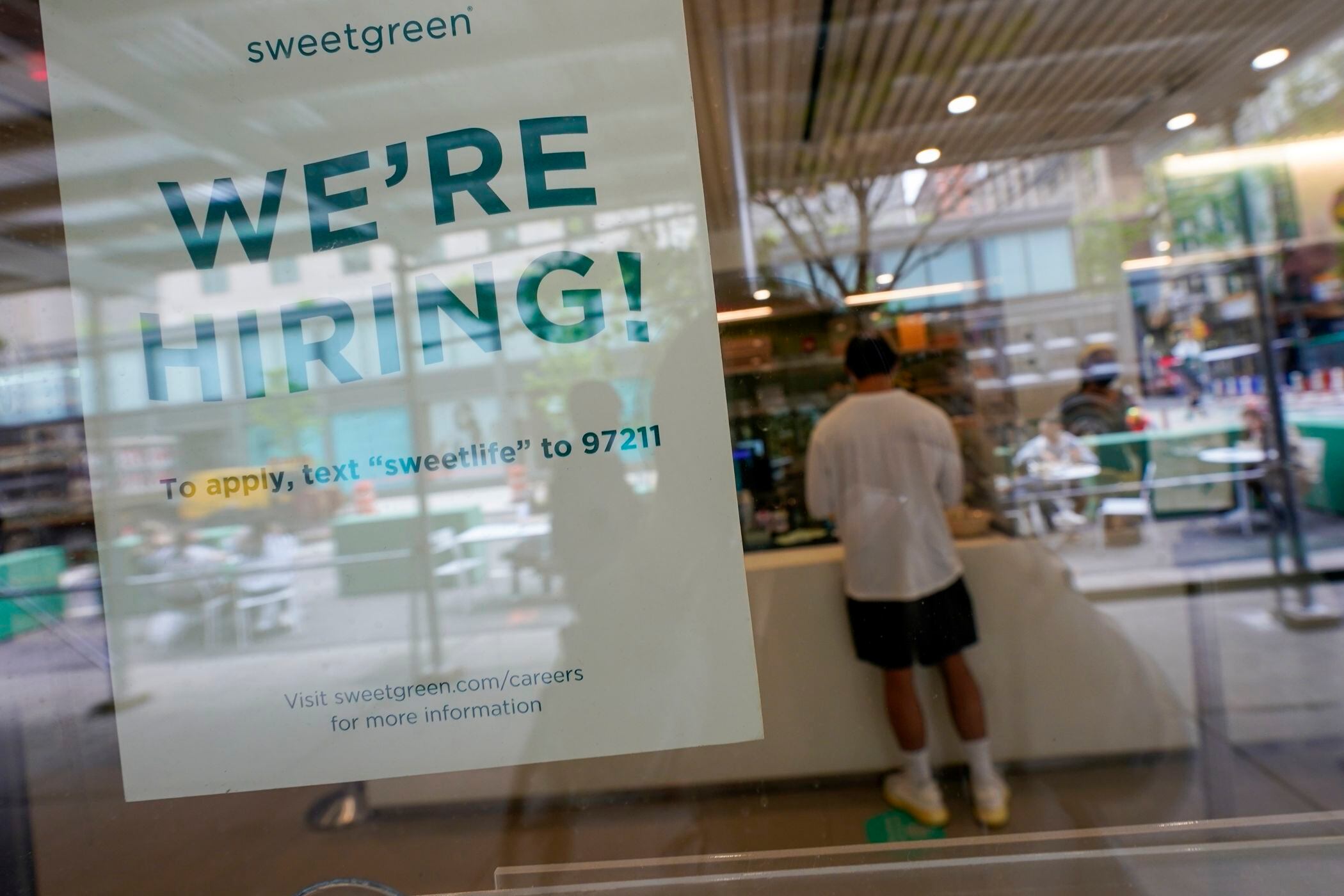
The recovery of America’s job market hit a pause last month as many businesses — from restaurants and hotels to factories and construction companies — struggled to find enough workers to catch up with a rapidly strengthening economic rebound.
Amusement park regulation varies from state to state, but no American amusement park receives federal oversight. In fact, the largest parks are free to regulate themselves.
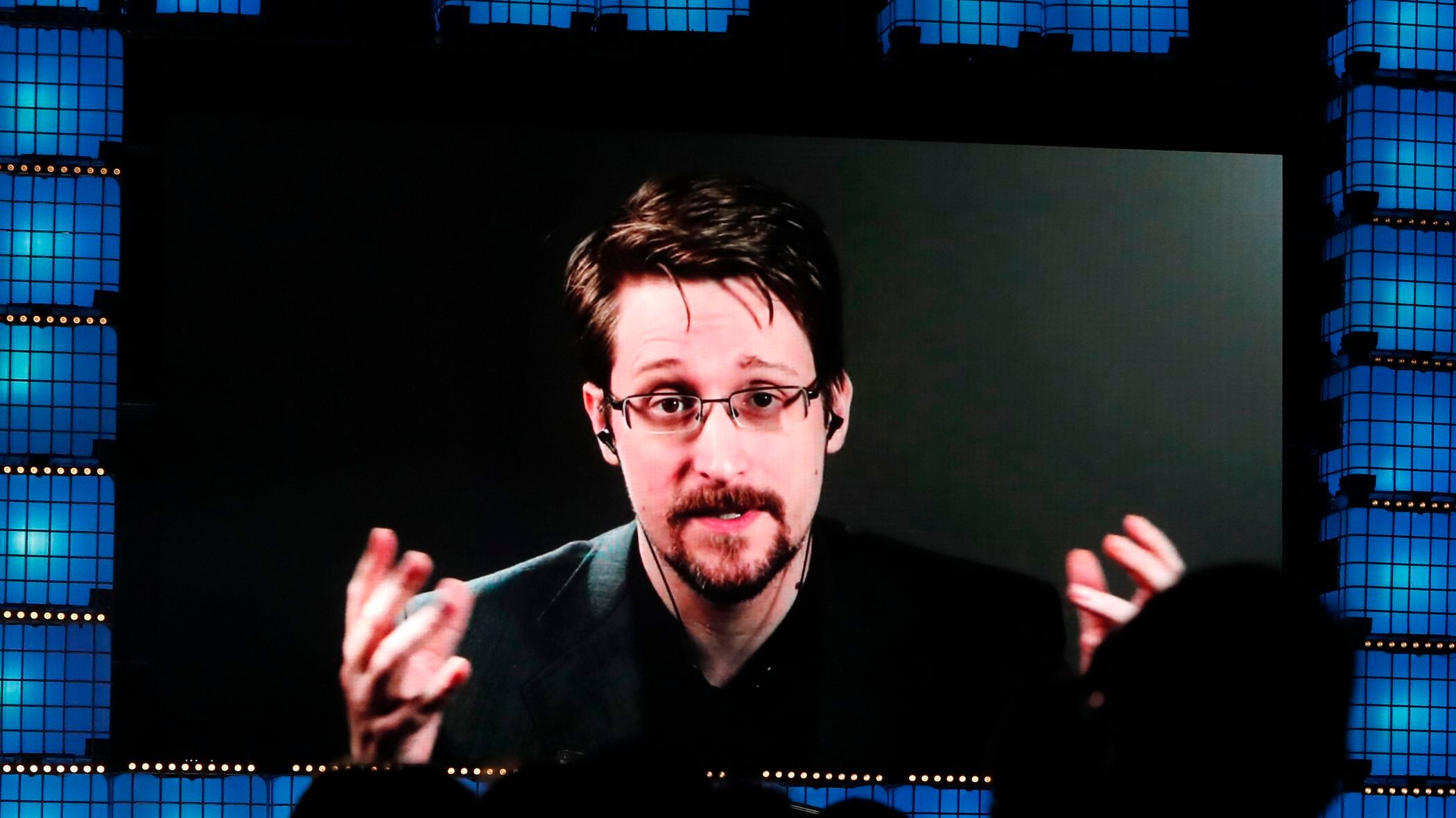
Edward Snowden, a former U.S. National Security Agency and CIA contractor-turned whistleblower, on Thursday criticized what he called bitcoin's lack of privacy protections.
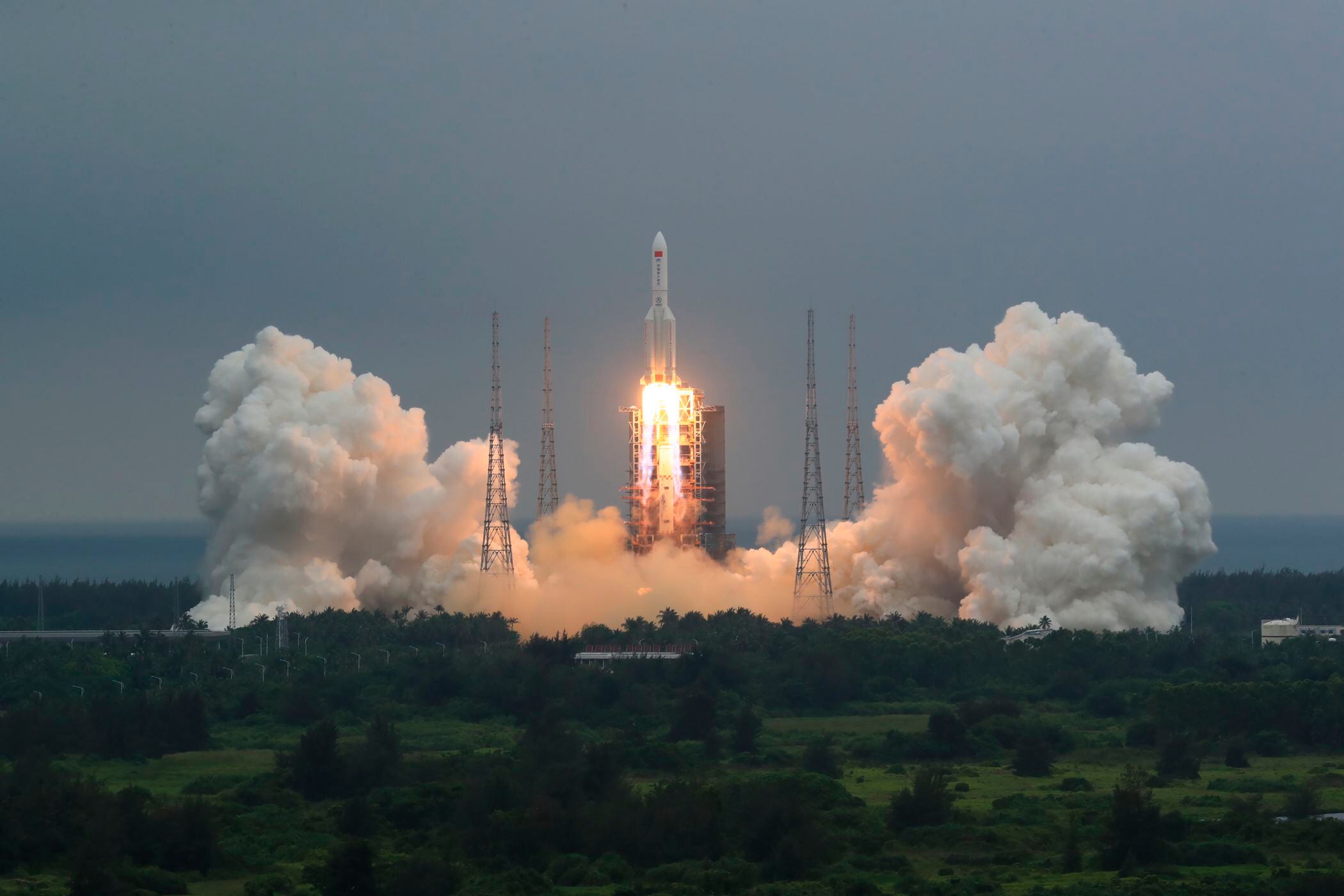
The largest section of the rocket that launched the main module of China’s first permanent space station into orbit is expected to plunge back to Earth as early as Saturday at an unknown location.
The number of Americans seeking unemployment aid fell last week to 498,000, the lowest point since the viral pandemic struck 14 months ago
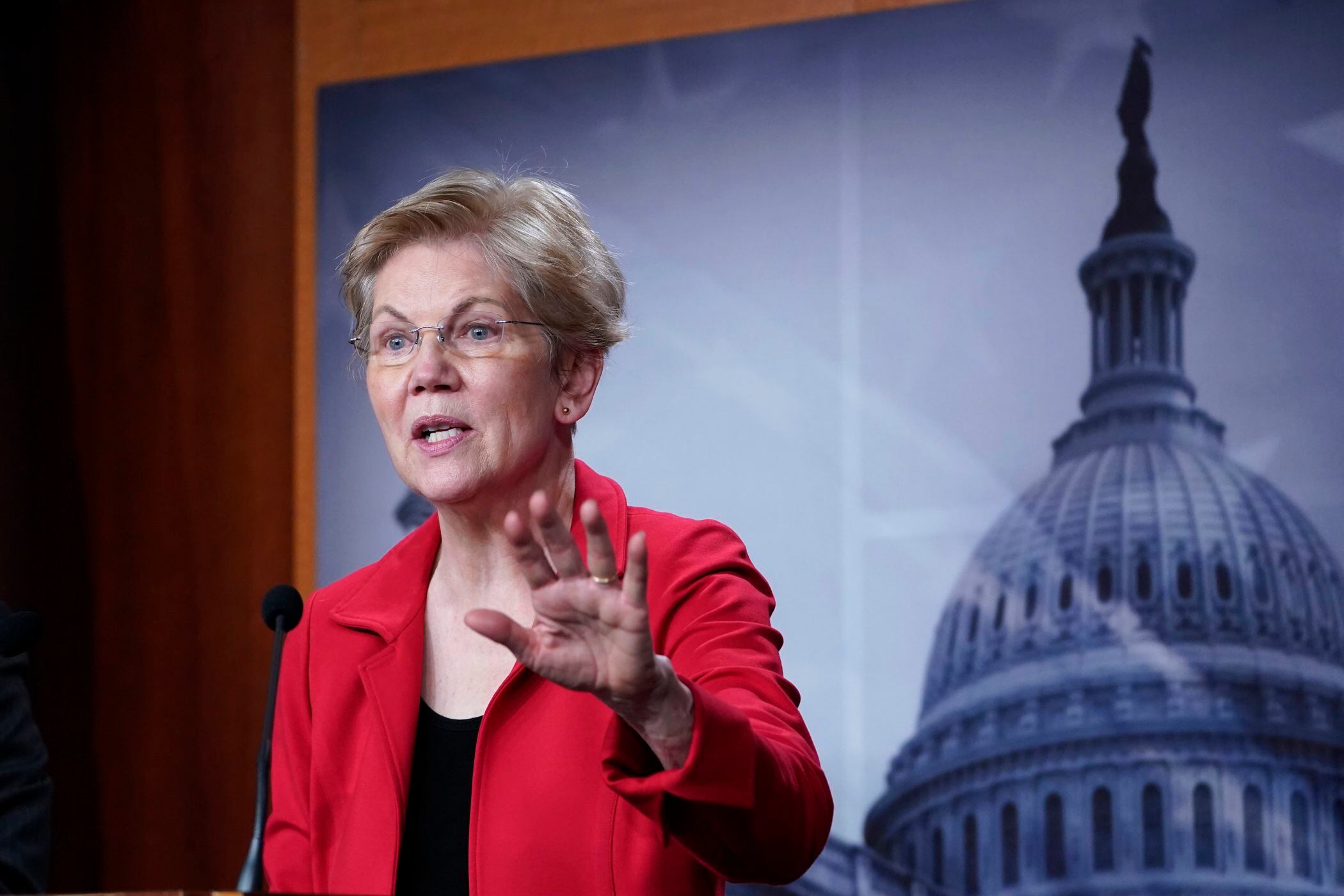
Sen. Elizabeth Warren (D-Mass.), who stopped by Cheddar to discuss her new memoir "Persist," touched on topics ranging from Facebook's ban of former President Trump to dismissing worries over inflation.
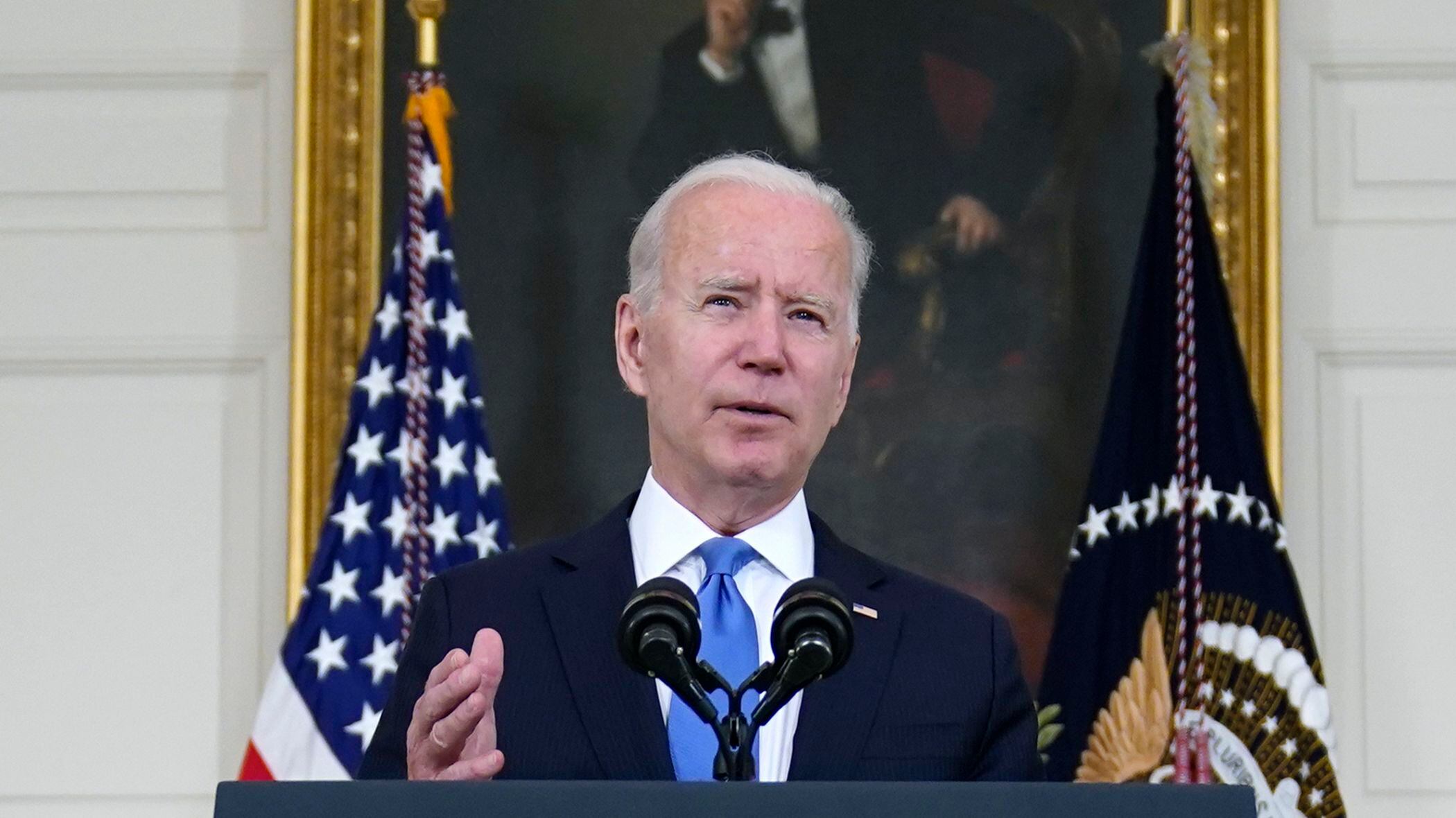
President Joe Biden has made a Cinco de Mayo taco and enchilada run to highlight his administration’s $28.6 billion program to help eateries that lost business because of the coronavirus pandemic.
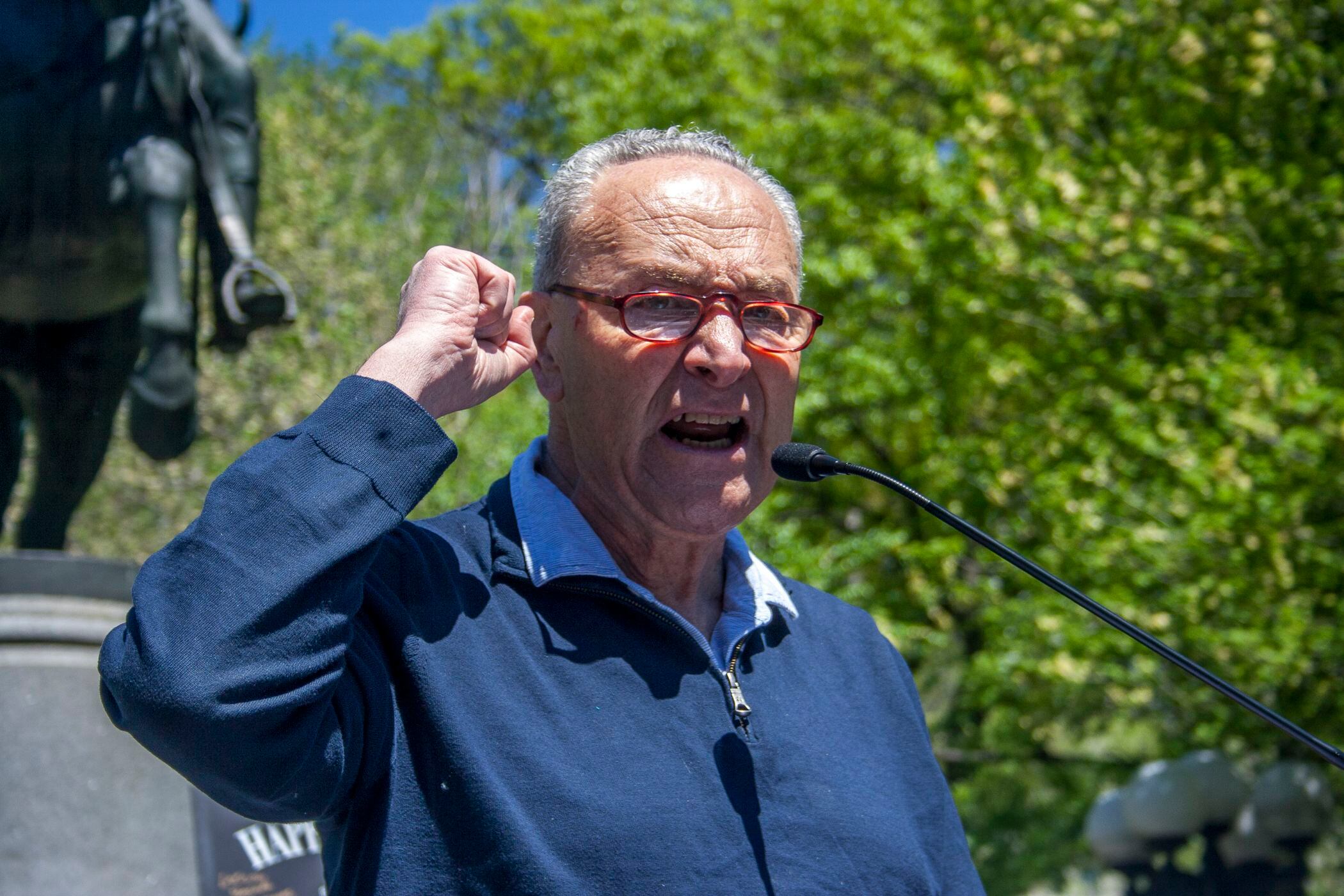
Sen. Chuck Schumer (D-N.Y.) joined the NYC Cannabis Parade, the first since the Empire State legalized marijuana. The senator promised to continue to fight for "fair, just, and full legalization" on a federal level.
Former President Donald Trump won’t return to Facebook. The social network’s quasi-independent Oversight Board has voted to permanently ban his account after it was suspended four months ago for inciting violence that led to the deadly Jan. 6 Capitol riot.
President Joe Biden has set a new vaccination goal to deliver at least one dose to 70% of American adults by July Fourth.
Load More