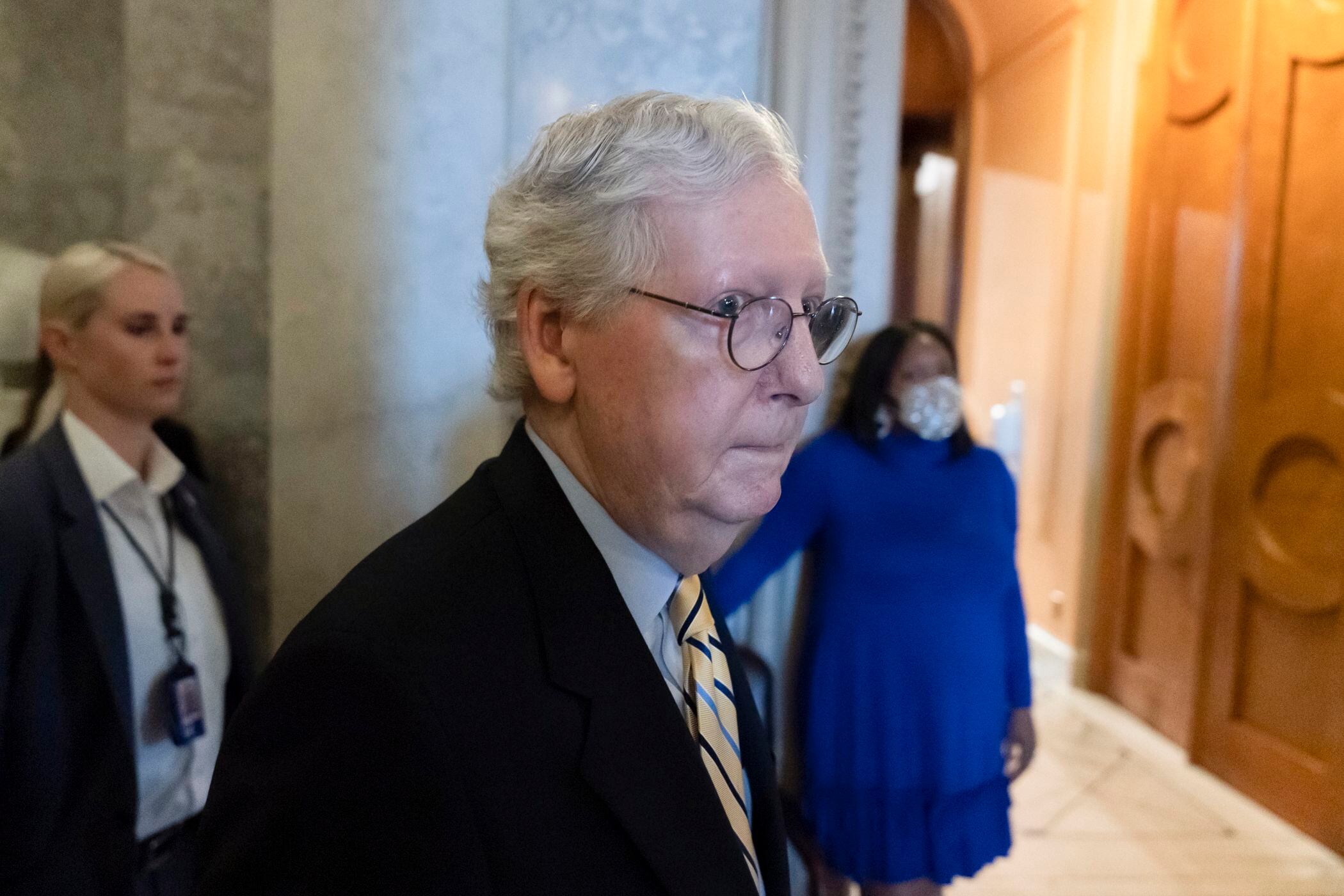
Within the hallways of the U.S. Capitol, there is growing confidence by GOP Senators that Senate Majority Leader Mitch McConnell can whip his caucus to block a vote on witnesses Friday.
While returning to the chamber after a short break Thursday, Senator Tim Scott (R-S.C.) told Cheddar he's "feeling good" about tomorrow's expected vote.
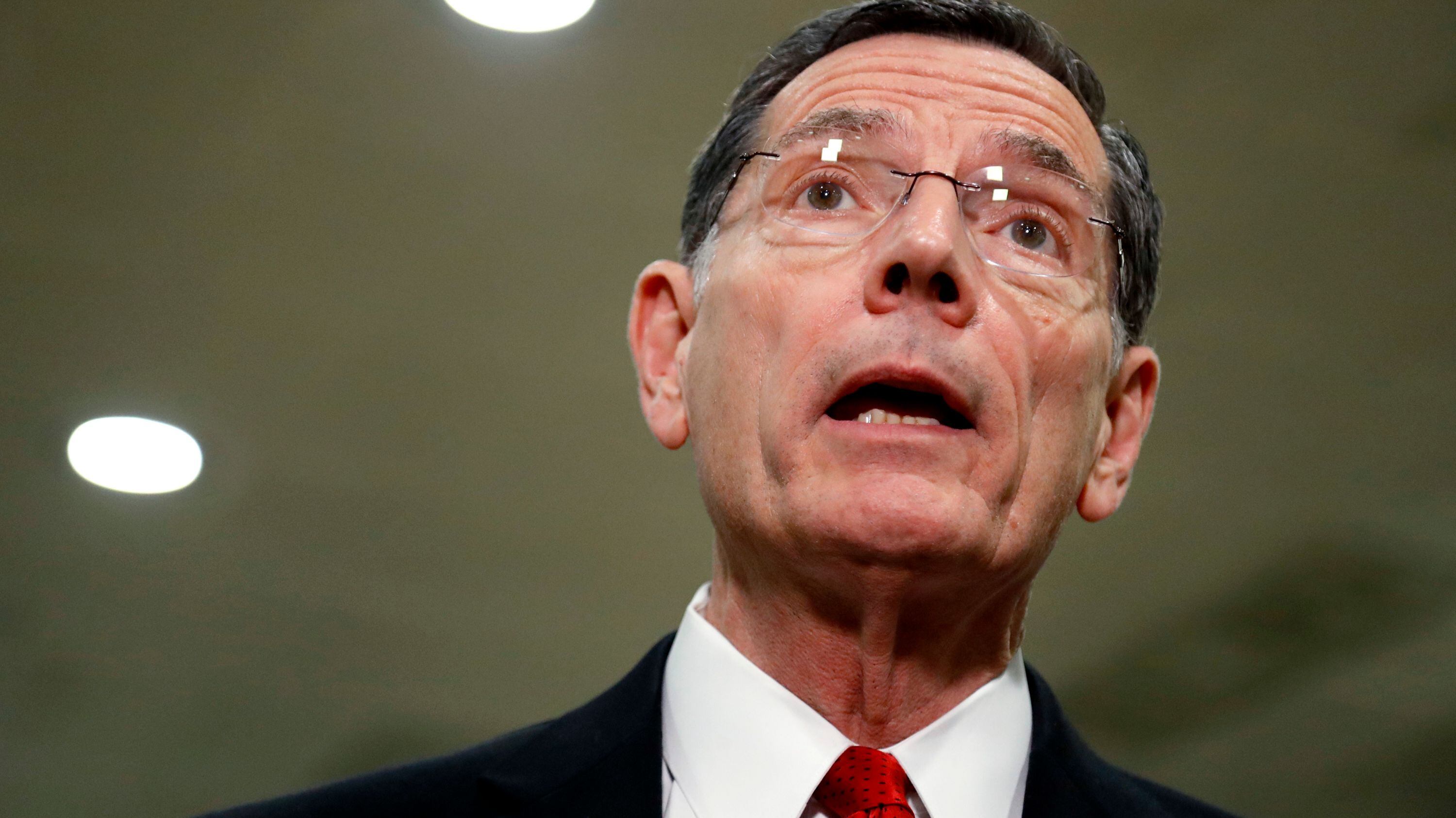
Senator John Barrasso (R-Wyo.) told reporters during the break that Republicans have the "momentum" to move to end the trial tomorrow without witnesses. "If we're able to say no [to witnesses] and go right to final judgment, we'd move in that direction and stay here until that work is decided and completed Friday evening. That's where all the momentum is now."
Still up for debate is what, exactly, happens, if the Republicans vote to end the debate on witnesses quickly.
Meanwhile, back in the chamber, lead impeachment manager Adam Schiff said witness depositions could be limited to just one week and said that the trial should not be rushed just because the State of the Union is Tuesday.
After the break, Senators asked two bipartisan questions, both of which were from senators who may still be undecided on the issue of whether to allow witnesses. First, Senators Joe Manchin (D-W.Va.), Susan Collins (R-Maine), Lisa Murkowski (R-Alaska), and Kyrsten Sinema (D-Ariz.) asked the defense team if the president would assure them that private citizens would not be directed to conduct foreign policy unless formally designated by the president and the State Department.
Murkowski and Senator Brian Schatz (D-Hawaii) submitted the second bipartisan question, asking if any action a president takes is inherently political and where the line is between permissible political actions and impeachable political actions.
In President Bill Clinton's impeachment trial, there was only one bipartisan question asked, which Sen. Collins had signed onto at the time.
The Democrats’ expansive elections and voting bill is all but certain to be rejected in a key Senate test vote.
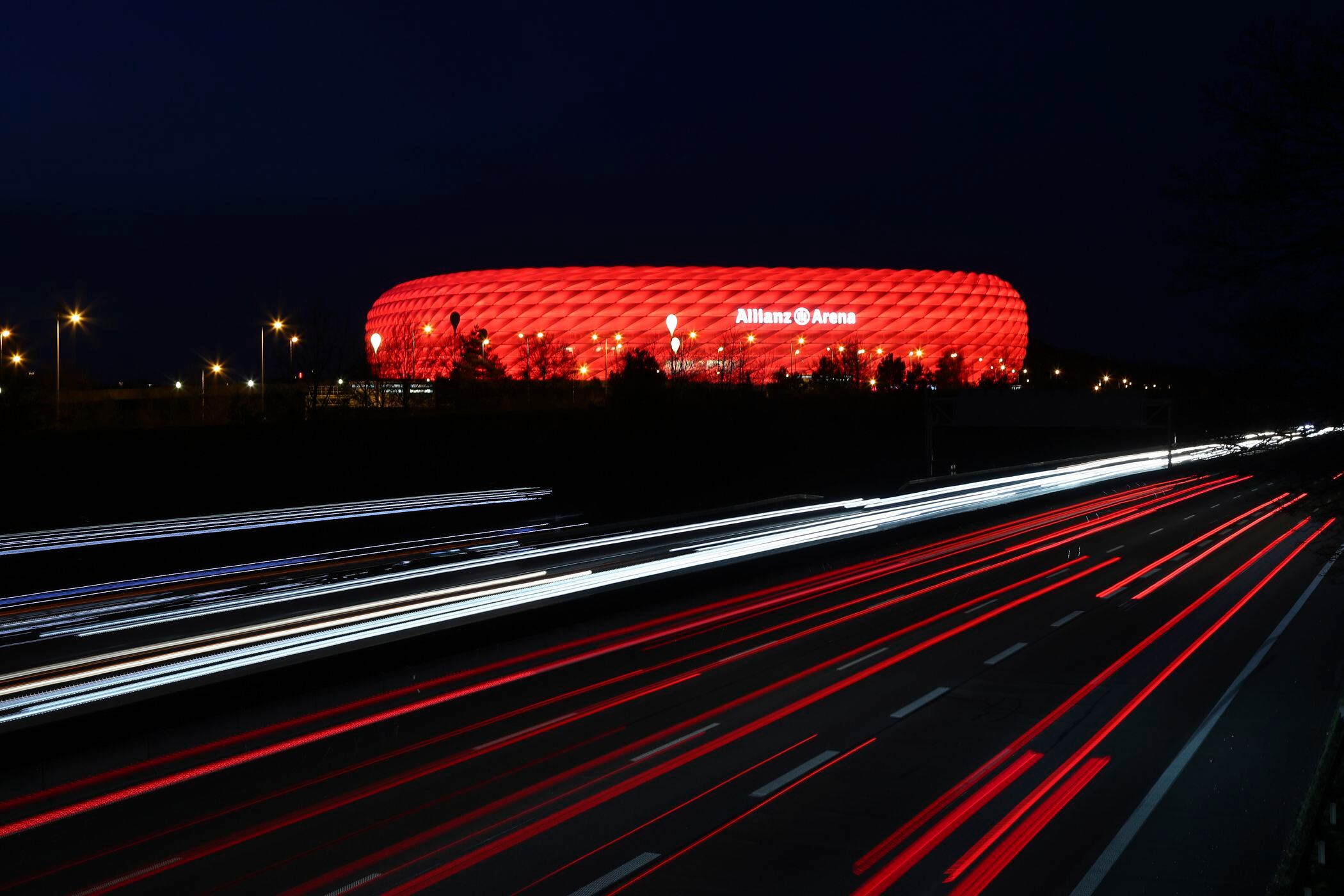
German soccer clubs are banding together to display rainbow colors during the country’s match against Hungary at the European Championship after UEFA rejected host city Munich’s plan to do the same.
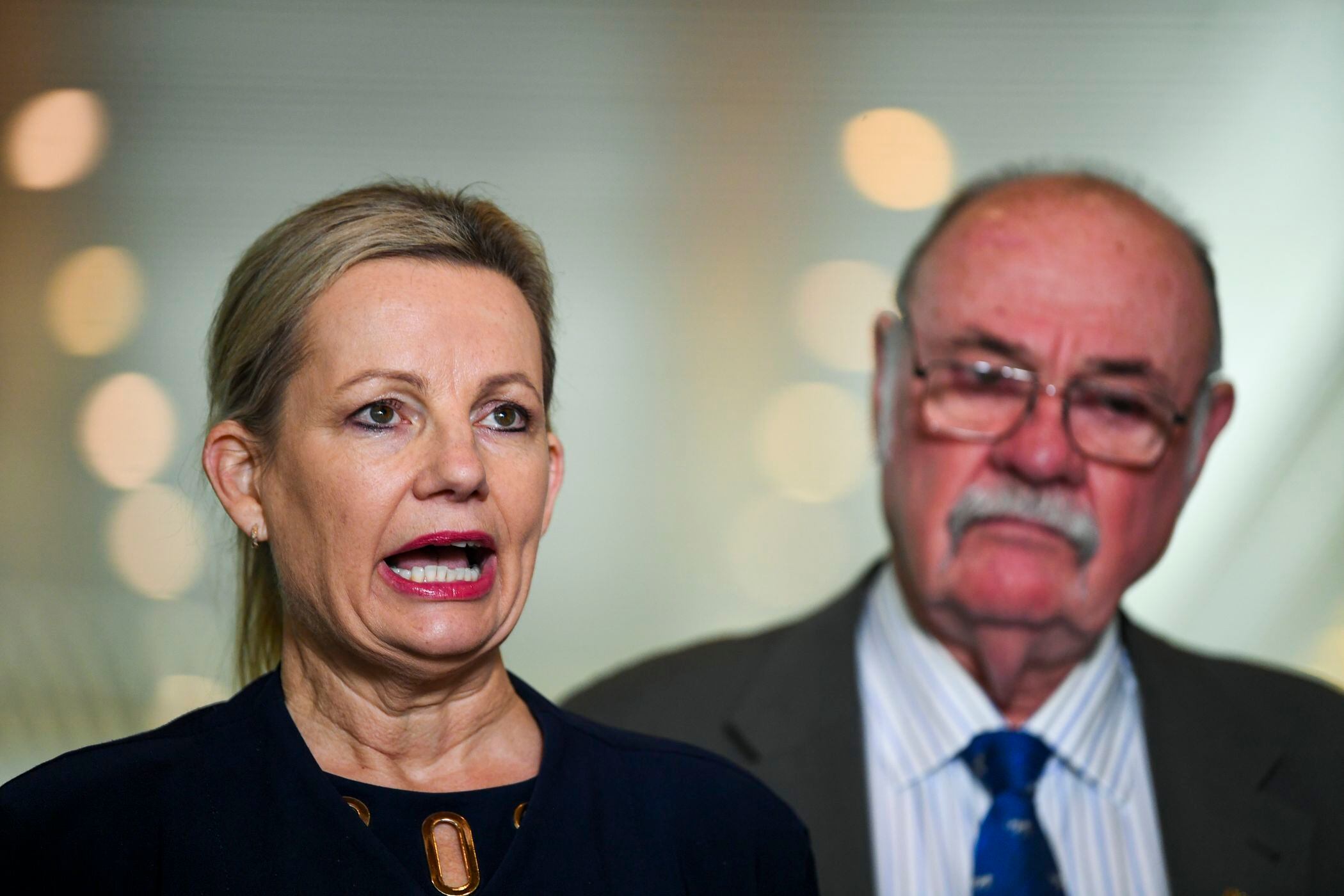
Australia says it will fight against plans to downgrade the Great Barrier Reef’s World Heritage status due to climate change, while environmentalists are applauding the U.N. World Heritage Committee’s proposal.
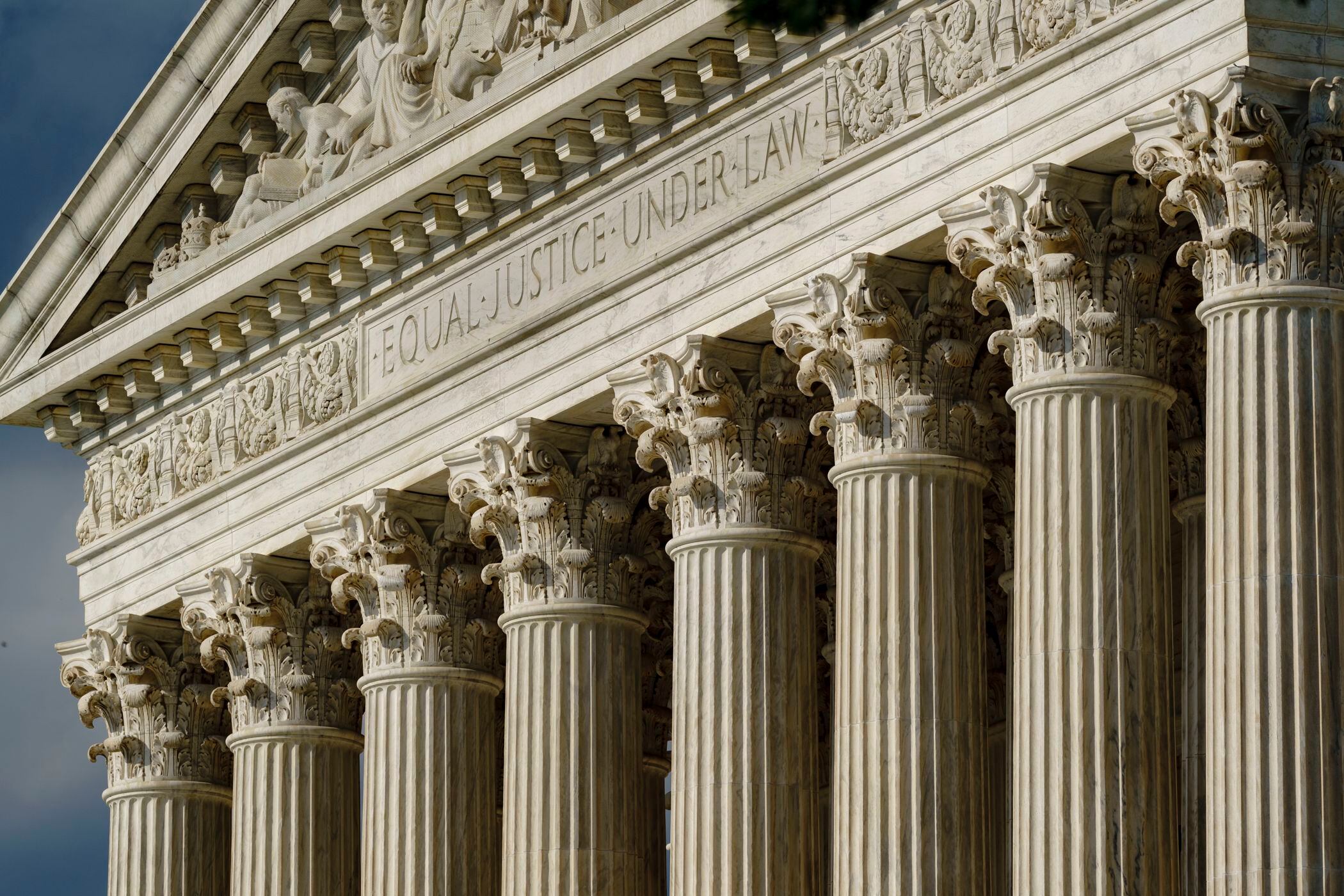
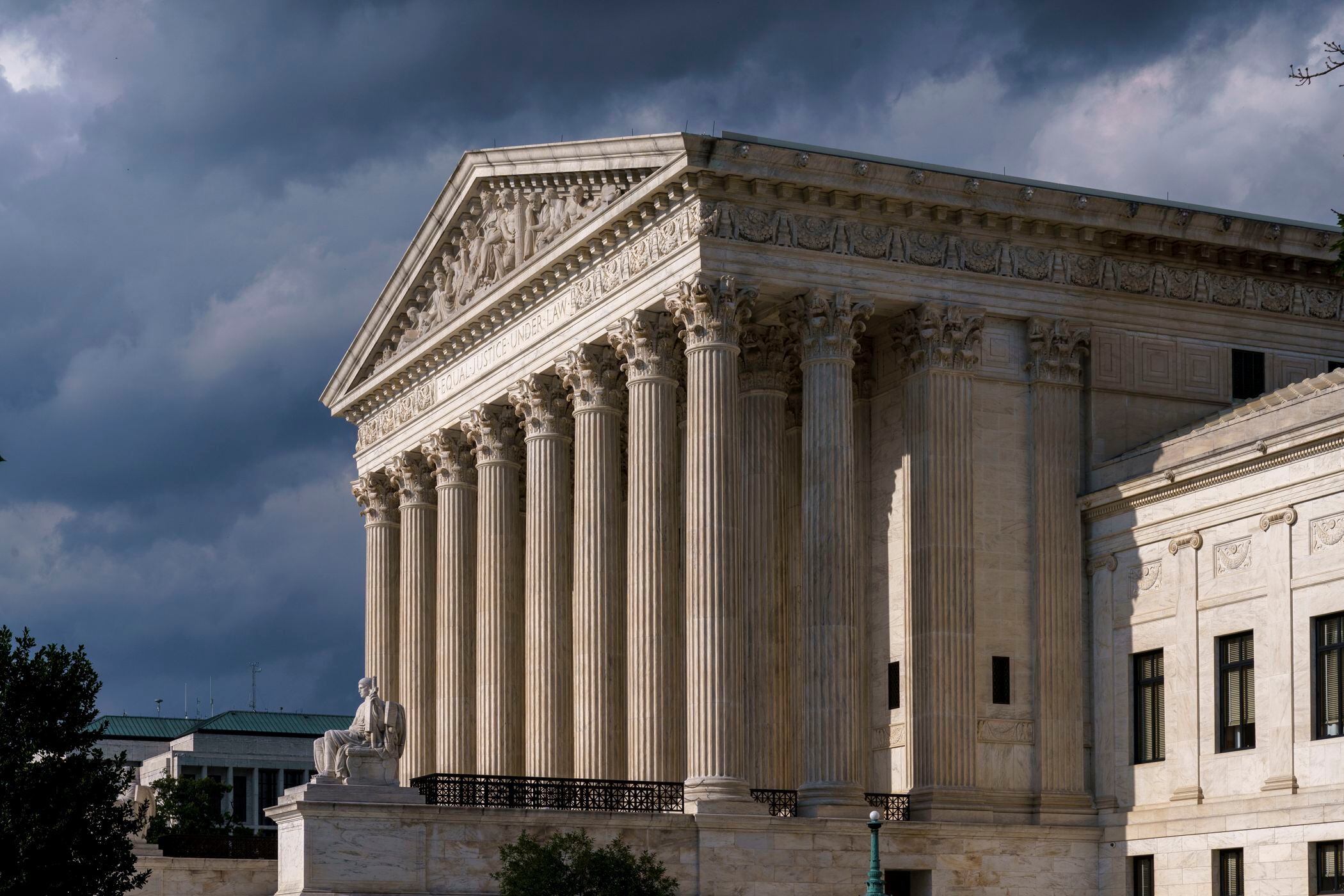
he Supreme Court has decided unanimously that the NCAA cannot enforce rules limiting education-related benefits that colleges offer to student athletes — things like computers and paid internships.
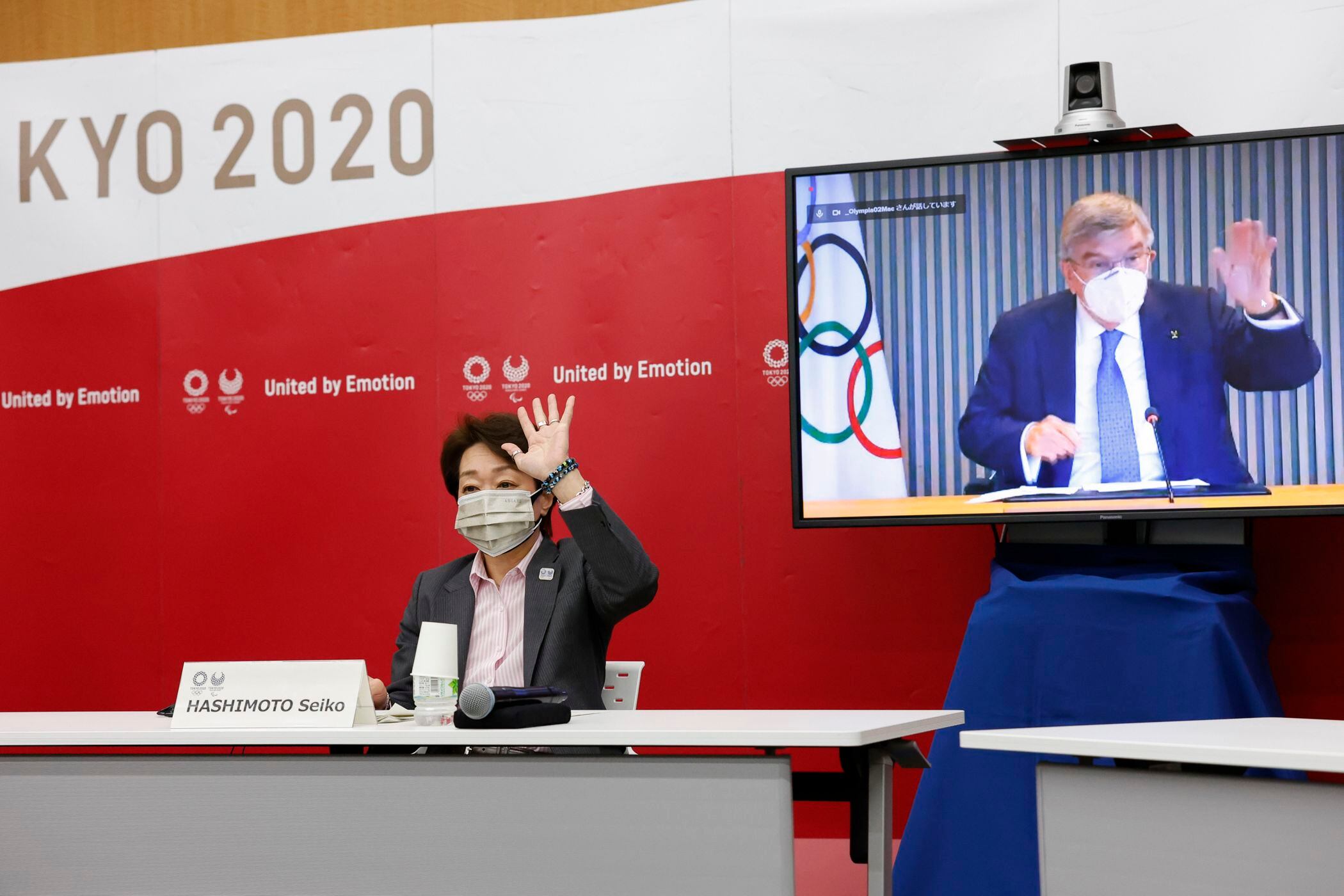
A sharply limited number of fans will be allowed to attend the Tokyo Olympics. The decision announced Monday comes as organizers try to save some of the spirit of the Games where even cheering has been banned.
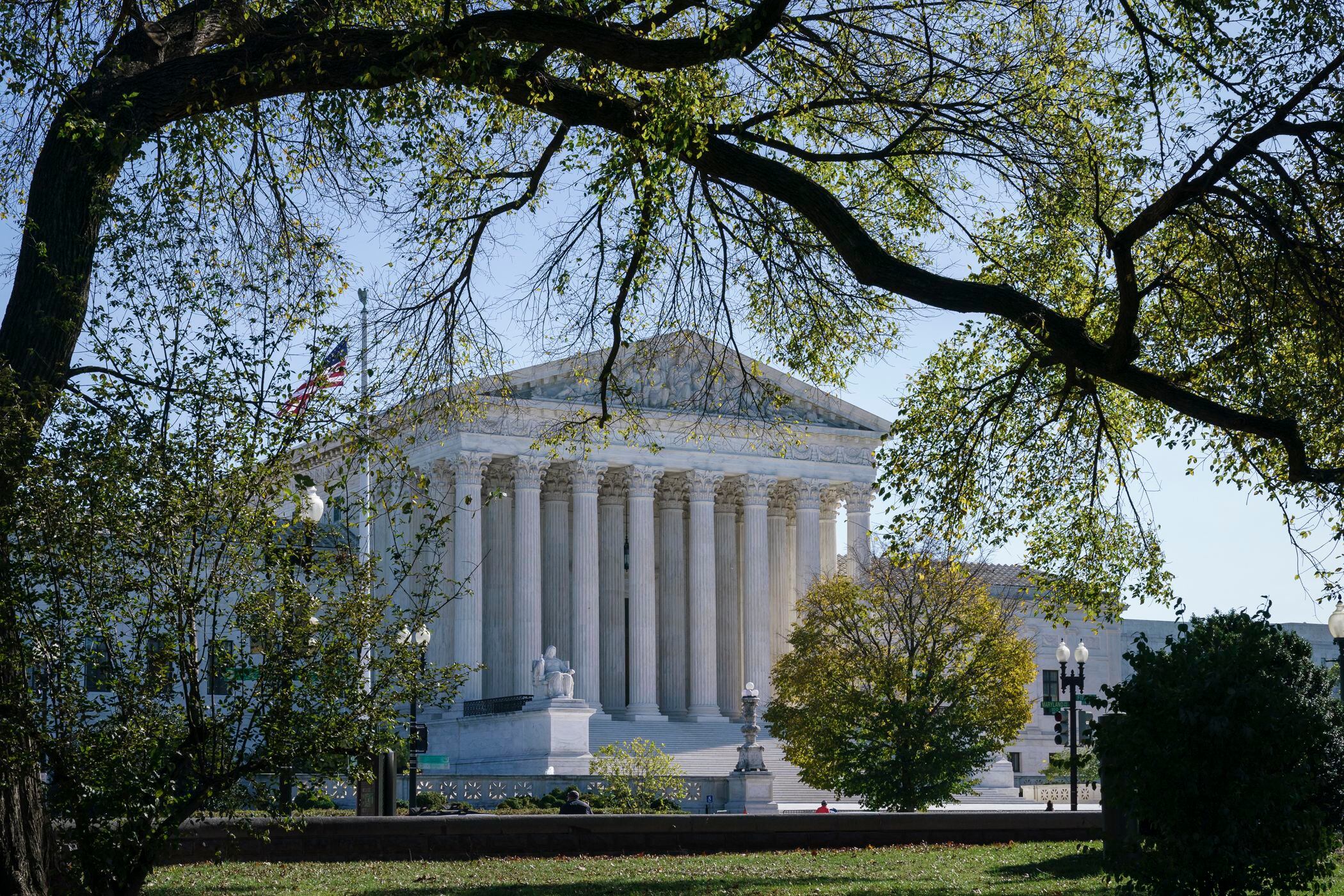
The Supreme Court has dismissed a challenge to the Obama era health care law, preserving insurance coverage for millions of Americans.
The Supreme Court has ruled that the city of Philadelphia violated the Constitution by limiting its relationship with a Catholic foster care agency over that group's refusal to certify same-sex couples as foster parents.
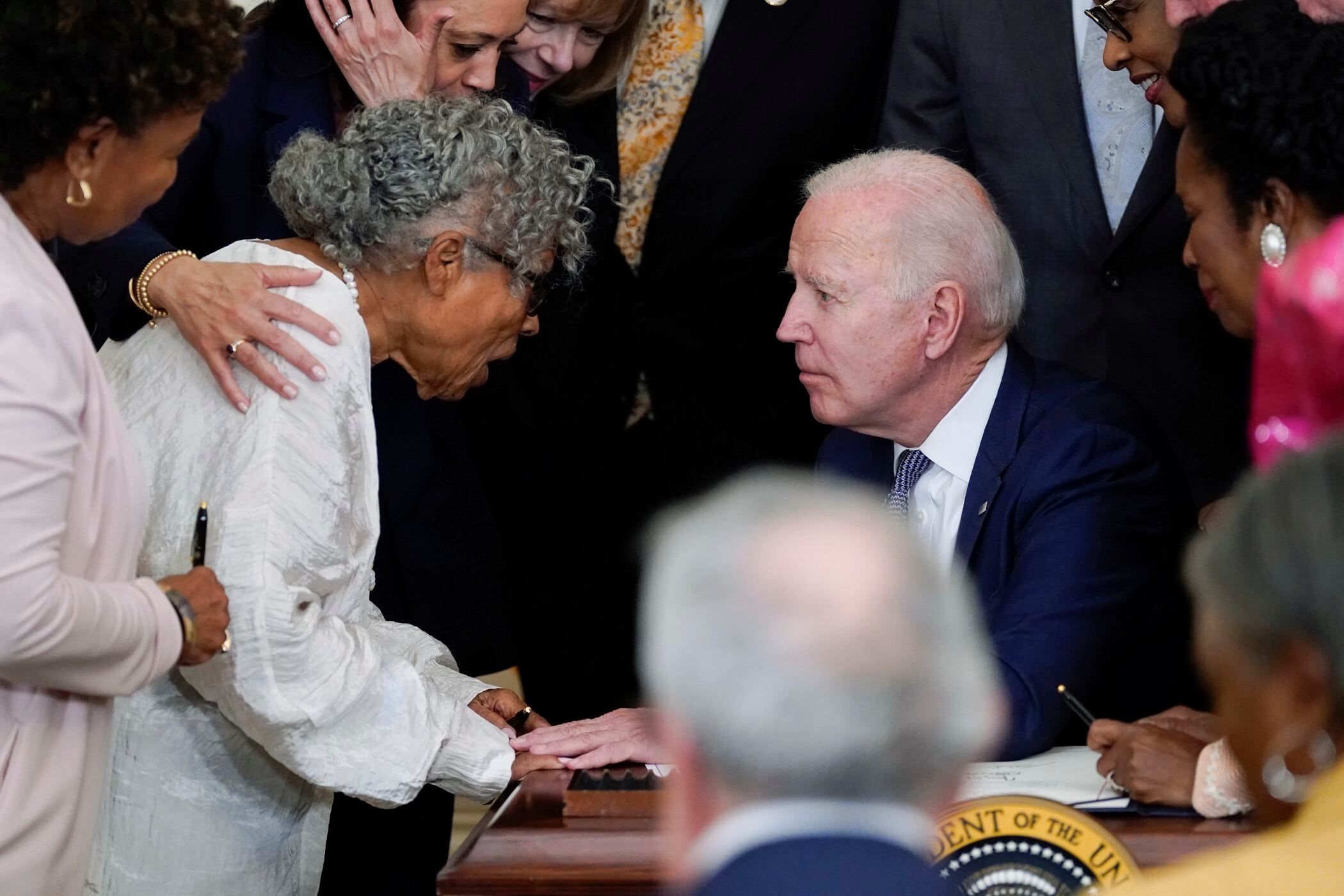
President Joe Biden has signed legislation Thursday establishing a new federal holiday commemorating the end of slavery, saying he believes it will go down as one of the greatest honors he has as president.
The number of Americans applying for unemployment benefits rose last week for the first time since April despite widespread evidence that the economy and the job market are rebounding steadily from the pandemic recession.
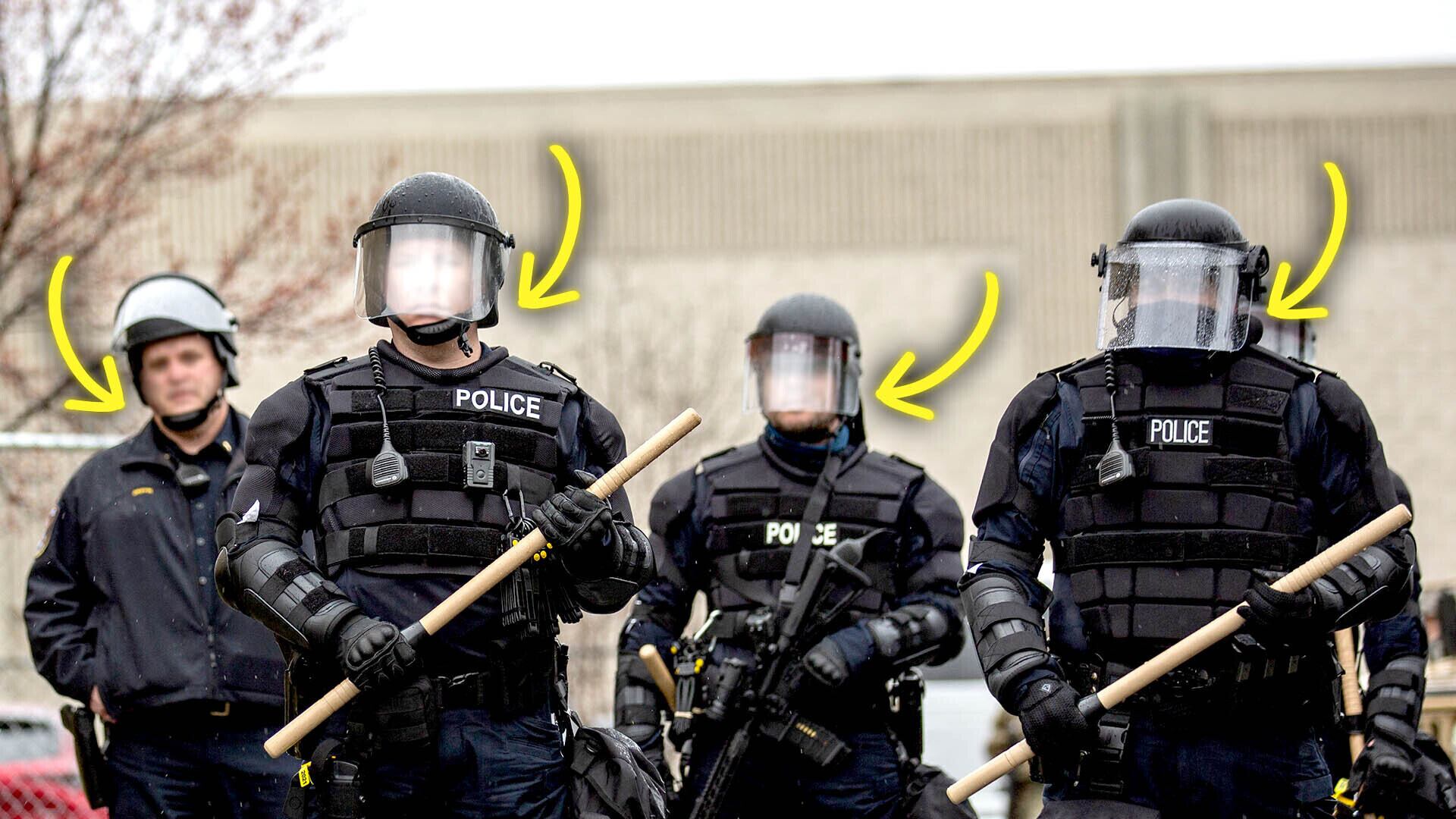
How much do you think cops make? A few hundred thousand per year? It sounds extreme, but this is the case in many cities across the country thanks to a slew of financial perks in ironclad union contracts.