Within the hallways of the U.S. Capitol, there is growing confidence by GOP Senators that Senate Majority Leader Mitch McConnell can whip his caucus to block a vote on witnesses Friday.
While returning to the chamber after a short break Thursday, Senator Tim Scott (R-S.C.) told Cheddar he's "feeling good" about tomorrow's expected vote.
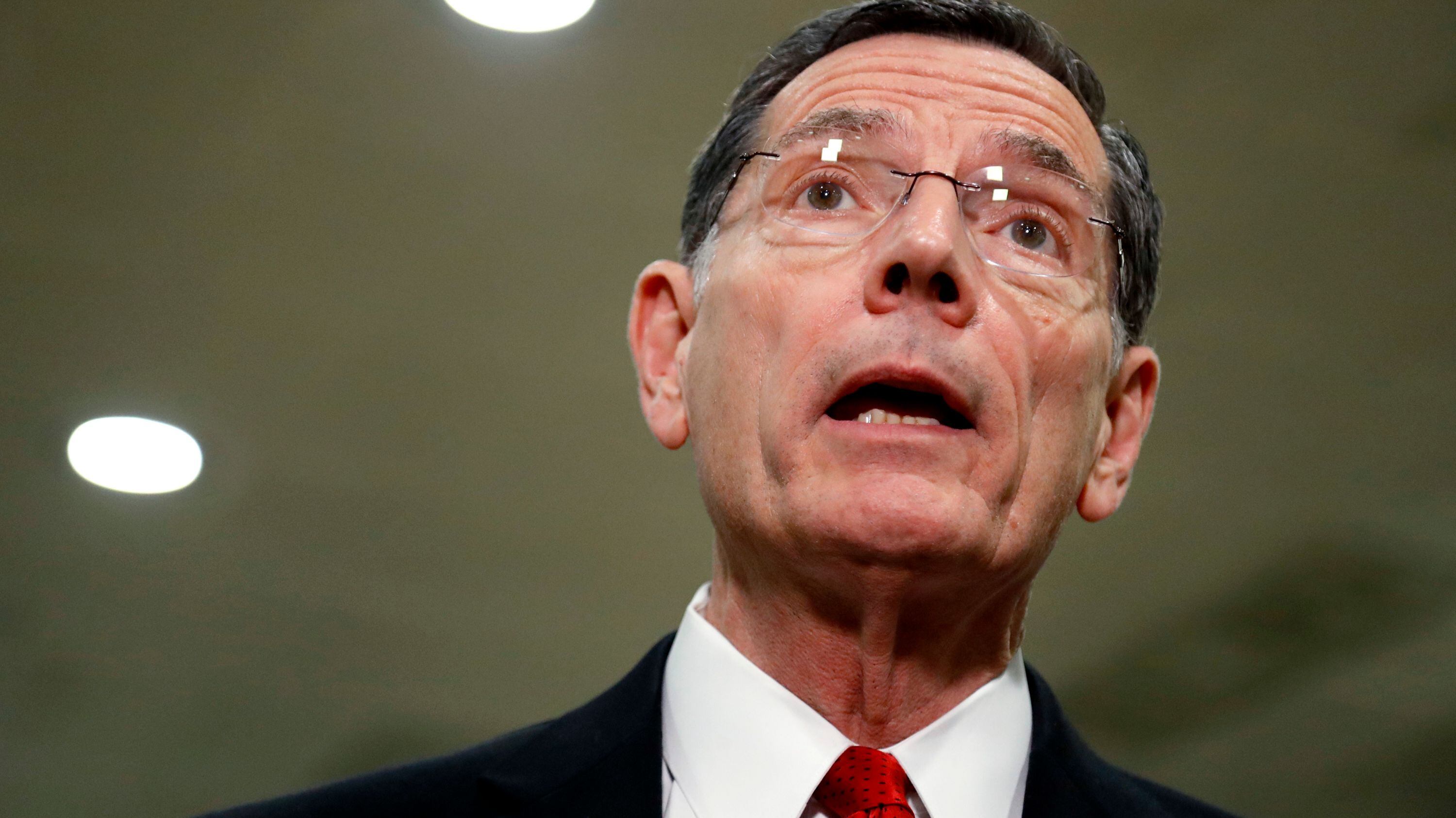
Senator John Barrasso (R-Wyo.) told reporters during the break that Republicans have the "momentum" to move to end the trial tomorrow without witnesses. "If we're able to say no [to witnesses] and go right to final judgment, we'd move in that direction and stay here until that work is decided and completed Friday evening. That's where all the momentum is now."
Still up for debate is what, exactly, happens, if the Republicans vote to end the debate on witnesses quickly.
Meanwhile, back in the chamber, lead impeachment manager Adam Schiff said witness depositions could be limited to just one week and said that the trial should not be rushed just because the State of the Union is Tuesday.
After the break, Senators asked two bipartisan questions, both of which were from senators who may still be undecided on the issue of whether to allow witnesses. First, Senators Joe Manchin (D-W.Va.), Susan Collins (R-Maine), Lisa Murkowski (R-Alaska), and Kyrsten Sinema (D-Ariz.) asked the defense team if the president would assure them that private citizens would not be directed to conduct foreign policy unless formally designated by the president and the State Department.
Murkowski and Senator Brian Schatz (D-Hawaii) submitted the second bipartisan question, asking if any action a president takes is inherently political and where the line is between permissible political actions and impeachable political actions.
In President Bill Clinton's impeachment trial, there was only one bipartisan question asked, which Sen. Collins had signed onto at the time.
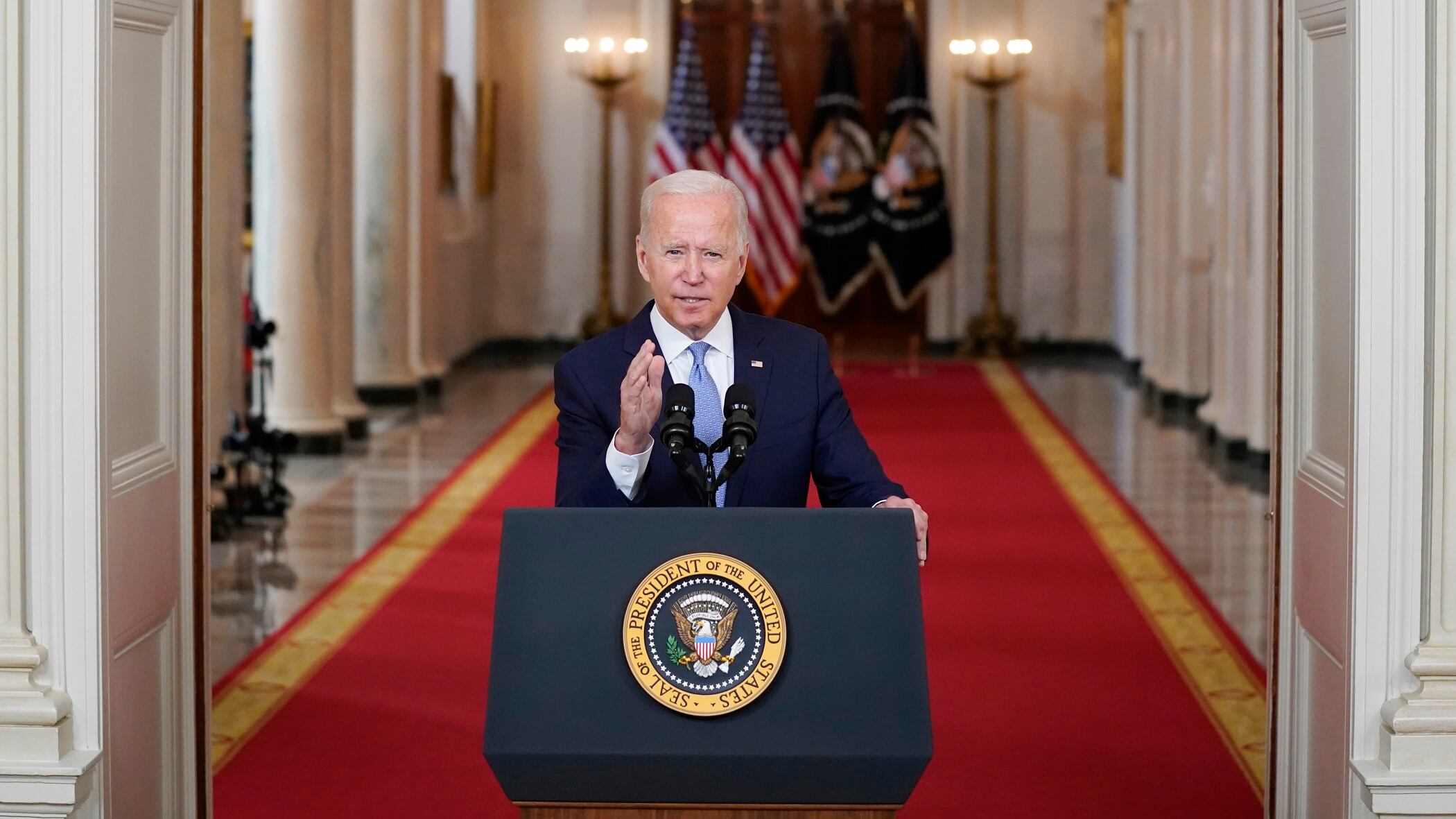
Addressing the nation, President Joe Biden is defending the way the U.S. ended its 20-year “forever war” in Afghanistan.
In his opening remarks for the Jackson Hole Economic Symposium, Federal Reserve Chair Jerome Powell signaled that the central bank could begin tapering its $120 billion in monthly asset purchases this year.
California Governor Gavin Newsom is facing a recall election in about two weeks. Newsom was elected governor in 2018 with nearly 62% of the vote after working as lieutenant governor for eight years. However, his popularity took a hit after his handling of Covid-19 pandemic, although the White House is refusing to cite this as the direct reason for the September 14th recall election. There are 46 candidates running to be Newsom's replacement, and some are saying that California could end up electing a republican governor.
Jeremy White, California politics reporter and co-writer of daily California Playbook Newsletter at Politico, joined Cheddar Politics to discuss more about the election and its possible outcomes.
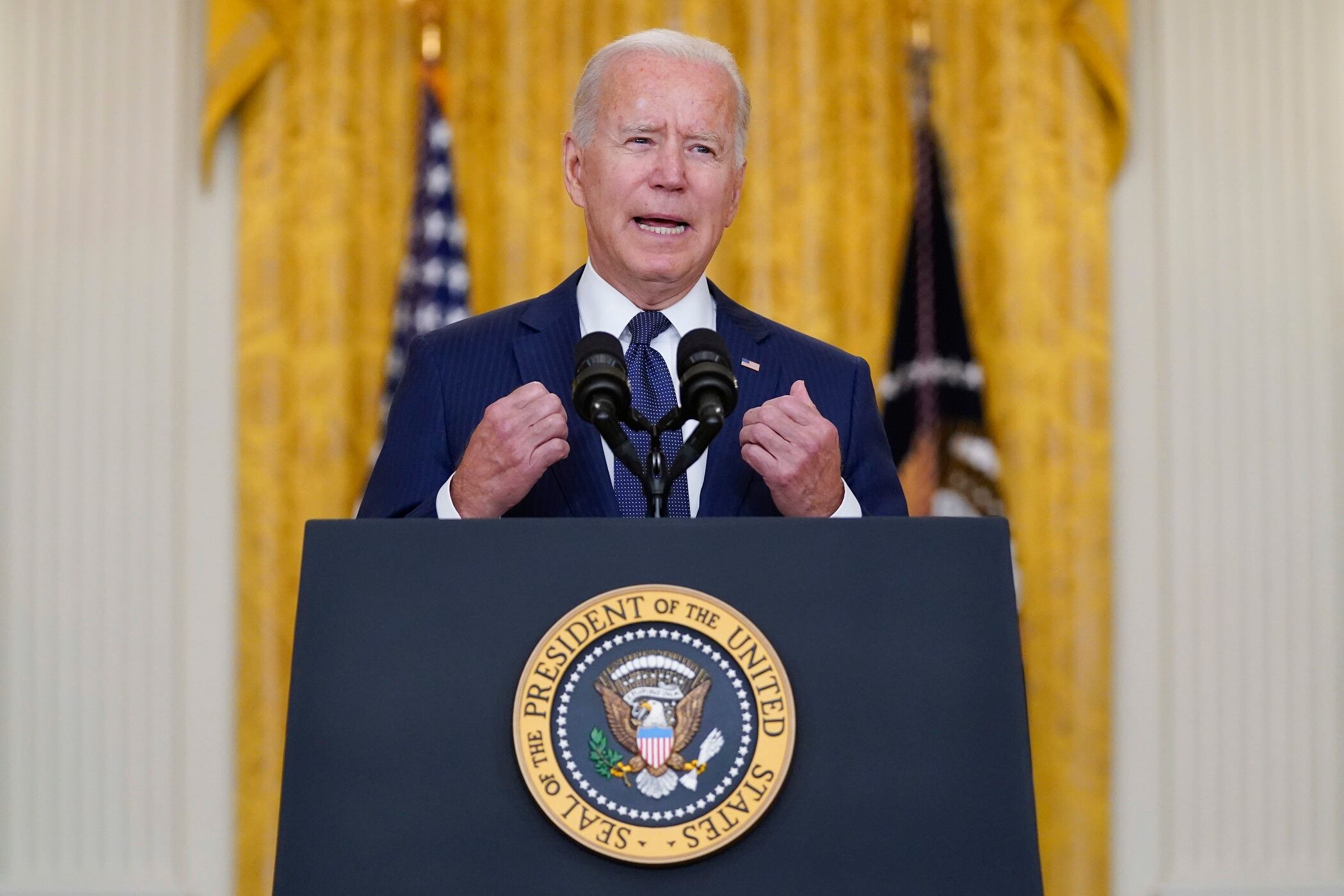
President Joe Biden says the United States will complete it's evacuation of Americans and others from Kabul, despite the attack that killed 12 U.S. service members and many Afghan civilians.
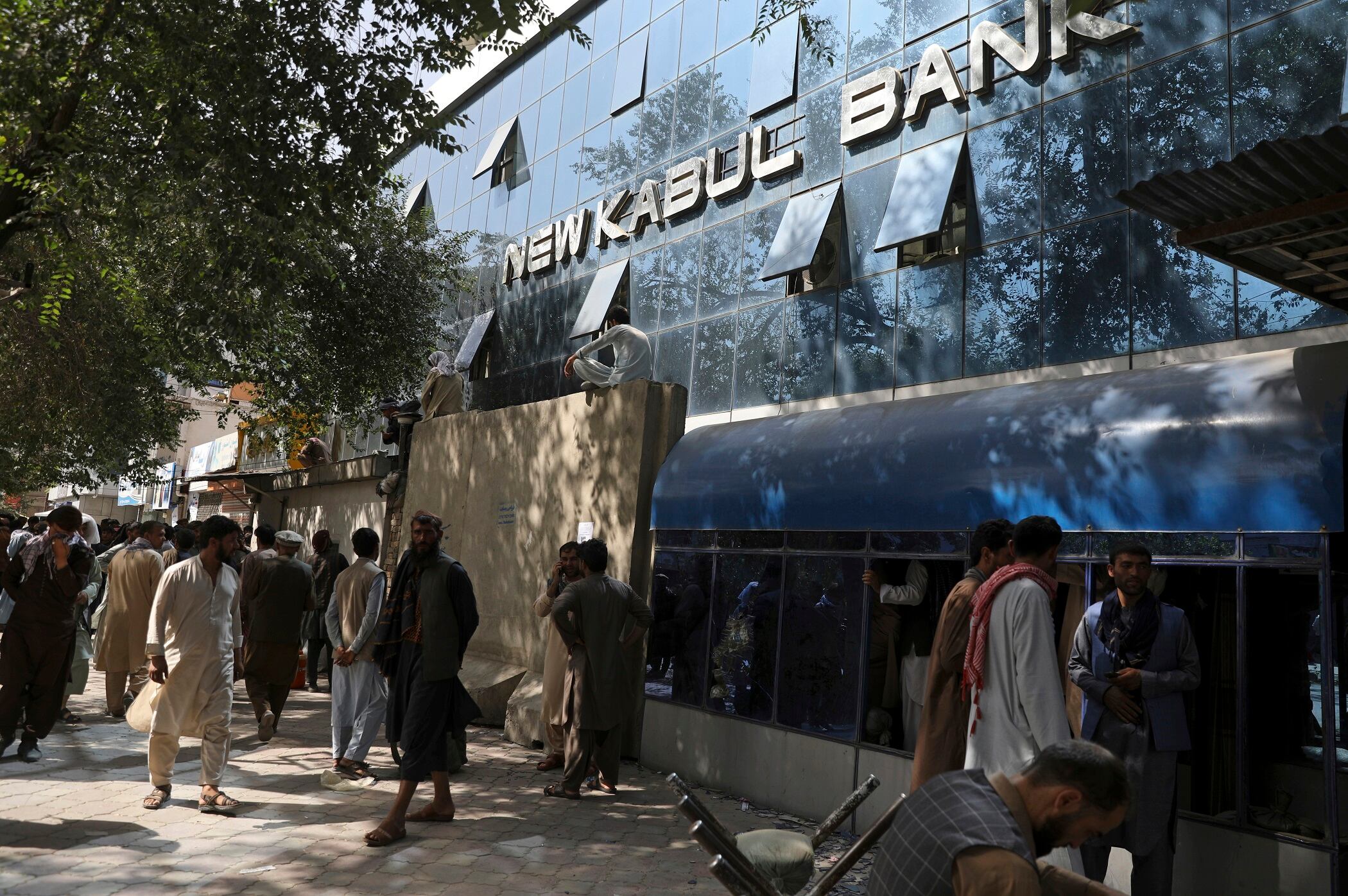
Crypto-enthusiasts are taking to social media to urge regular Afghans to adopt bitcoin in the face of considerable economic uncertainty.
The U.S. economy grew at a 6.6% annual rate last quarter, slightly faster than previously estimated, the government said Thursday in a report that pointed to a sustained consumer-led rebound from the pandemic recession.
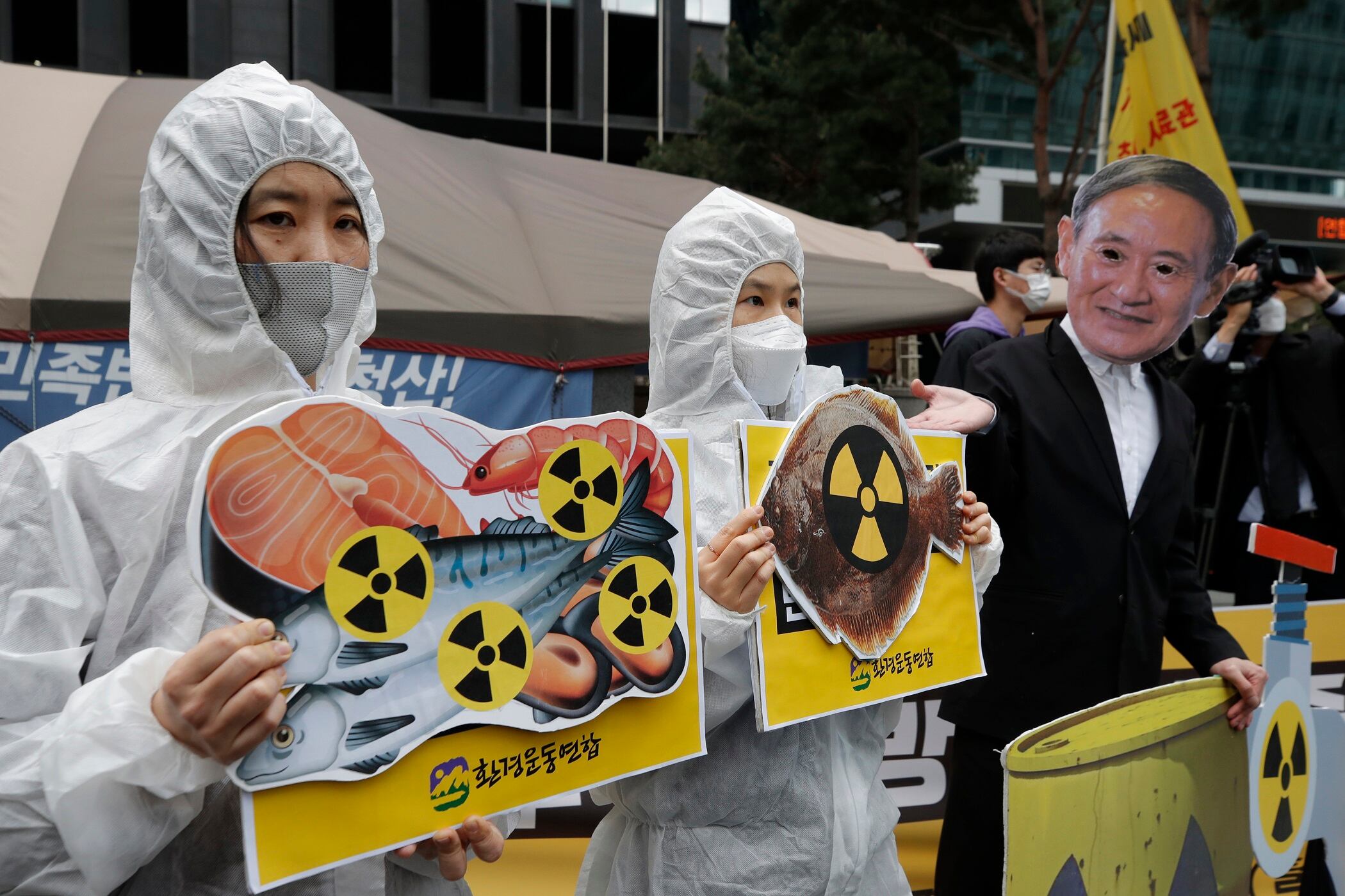
The operator of the wrecked Fukushima nuclear power plant says it plans to build an undersea tunnel so that massive amounts of treated but still radioactive water can be released into the ocean about 1 kilometer (0.6 mile) away from the plant to avoid interference with local fishing.
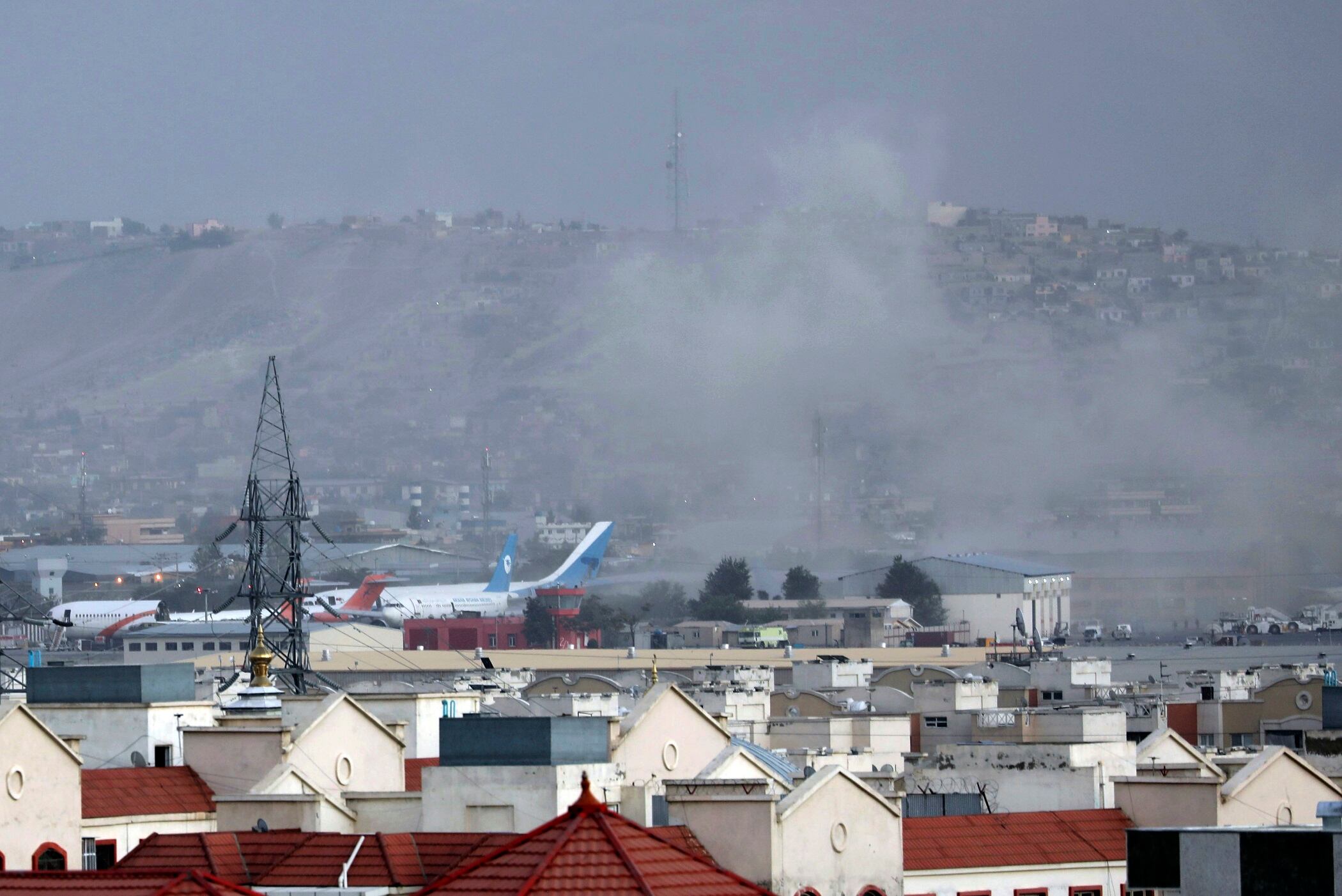
Two suicide bombers and gunmen have targeted crowds of Afghans flocking to Kabul’s airport, in the waning days of a massive airlift that has drawn thousands of people seeking to flee the Taliban takeover of Afghanistan.
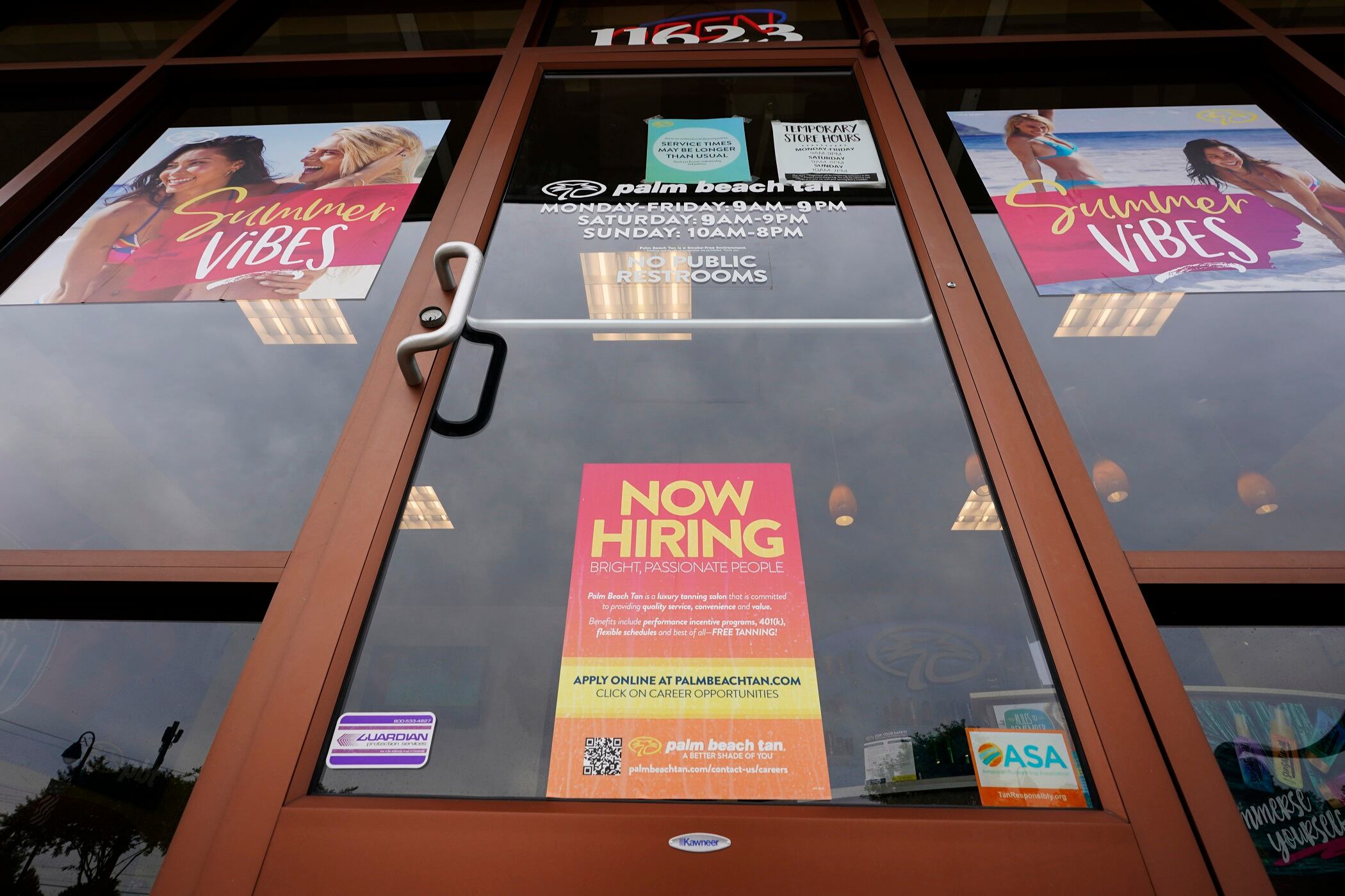
The number of Americans applying for unemployment benefits rose for the first time in five weeks even though the economy and job market have been recovering briskly from the coronavirus pandemic.
Secretary of State Blinken said Wednesday that as many as 1,500 Americans may be awaiting evacuation from Afghanistan.