Within the hallways of the U.S. Capitol, there is growing confidence by GOP Senators that Senate Majority Leader Mitch McConnell can whip his caucus to block a vote on witnesses Friday.
While returning to the chamber after a short break Thursday, Senator Tim Scott (R-S.C.) told Cheddar he's "feeling good" about tomorrow's expected vote.
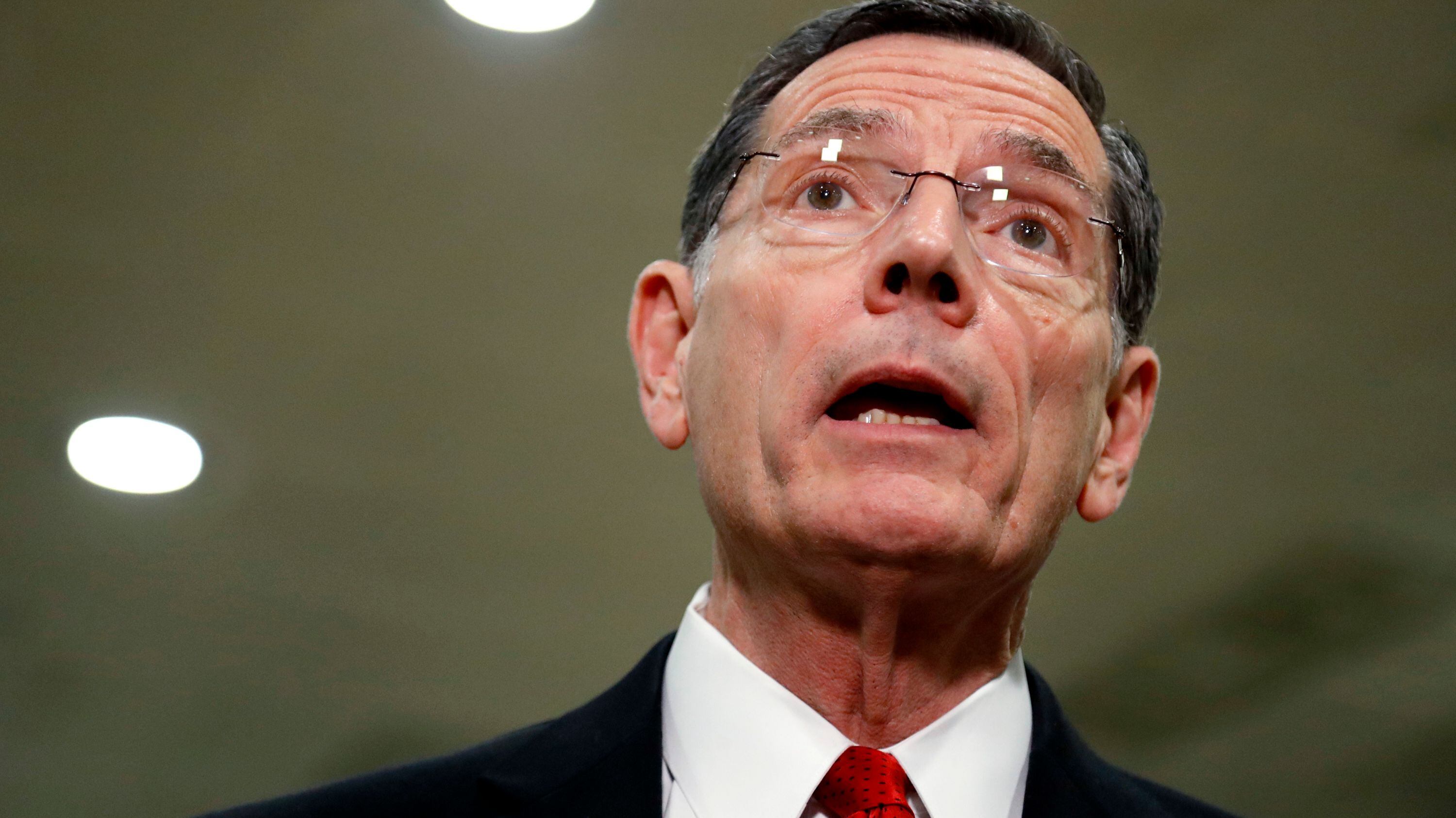
Senator John Barrasso (R-Wyo.) told reporters during the break that Republicans have the "momentum" to move to end the trial tomorrow without witnesses. "If we're able to say no [to witnesses] and go right to final judgment, we'd move in that direction and stay here until that work is decided and completed Friday evening. That's where all the momentum is now."
Still up for debate is what, exactly, happens, if the Republicans vote to end the debate on witnesses quickly.
Meanwhile, back in the chamber, lead impeachment manager Adam Schiff said witness depositions could be limited to just one week and said that the trial should not be rushed just because the State of the Union is Tuesday.
After the break, Senators asked two bipartisan questions, both of which were from senators who may still be undecided on the issue of whether to allow witnesses. First, Senators Joe Manchin (D-W.Va.), Susan Collins (R-Maine), Lisa Murkowski (R-Alaska), and Kyrsten Sinema (D-Ariz.) asked the defense team if the president would assure them that private citizens would not be directed to conduct foreign policy unless formally designated by the president and the State Department.
Murkowski and Senator Brian Schatz (D-Hawaii) submitted the second bipartisan question, asking if any action a president takes is inherently political and where the line is between permissible political actions and impeachable political actions.
In President Bill Clinton's impeachment trial, there was only one bipartisan question asked, which Sen. Collins had signed onto at the time.
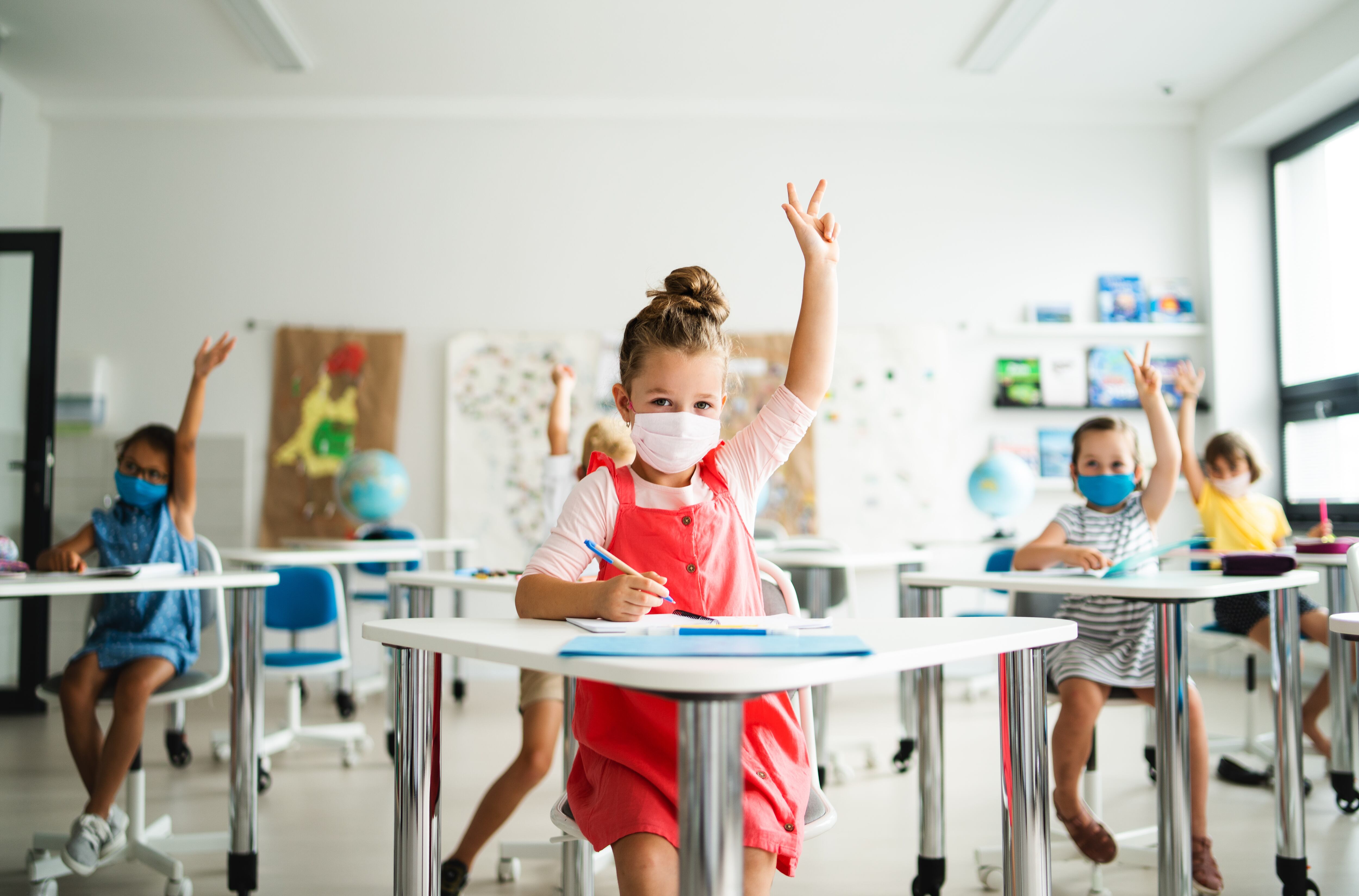
Cheddar News' Michelle Castillo spoke to former Kipp alumni and Kipp Affirm Middle School principal Dominique Mejia about the precautions it is taking to keep everyone healthy and why it was so important to return back to in-person instruction.
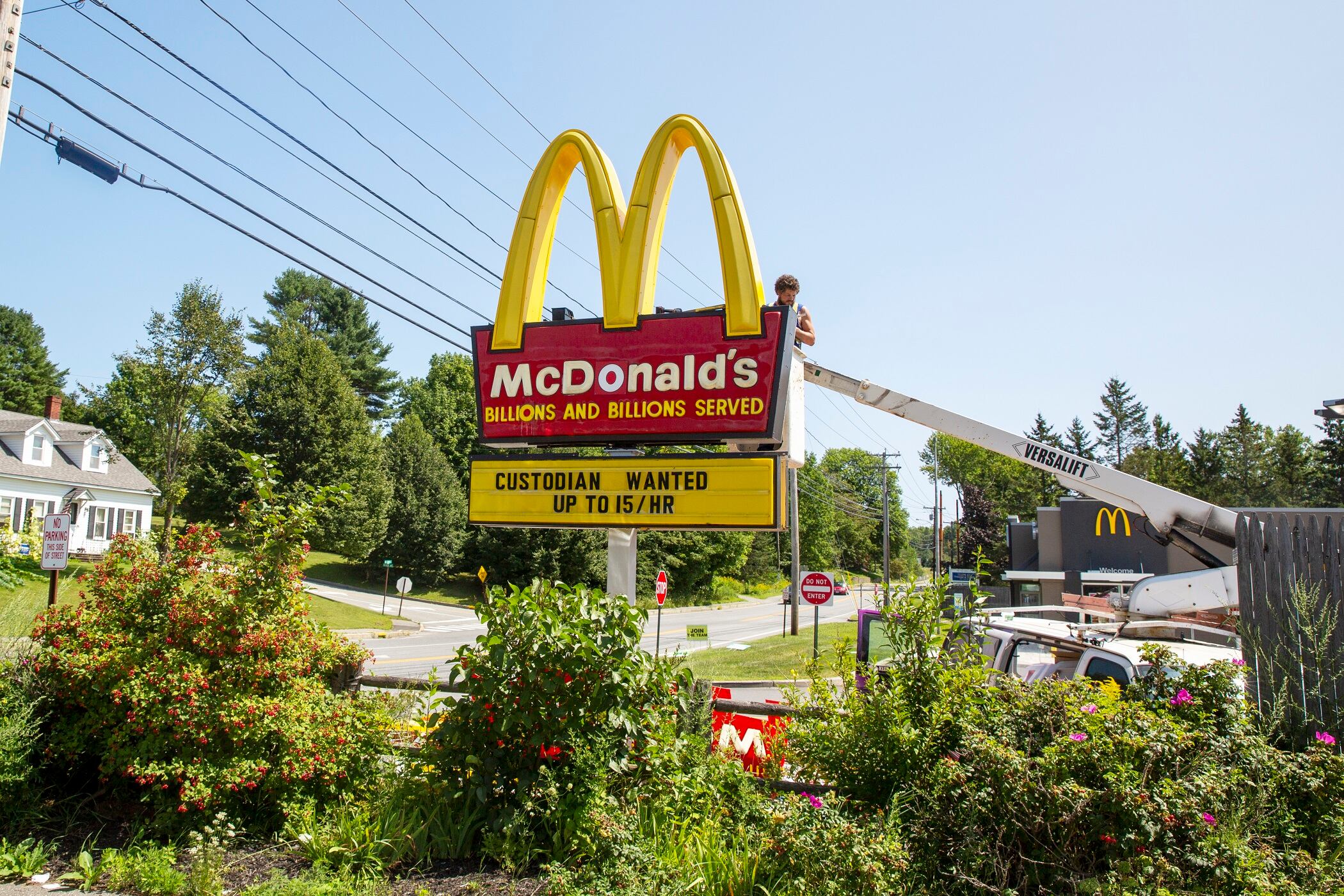
America’s employers added just 235,000 jobs in August, a modest gain after two months of robust hiring at a time when the delta variant’s spread has discouraged some people from flying, shopping and eating out.
The number of Americans seeking unemployment benefits fell last week to 340,000, a pandemic low, another sign that the job market is steadily rebounding from the economic collapse caused by the coronavirus pandemic.
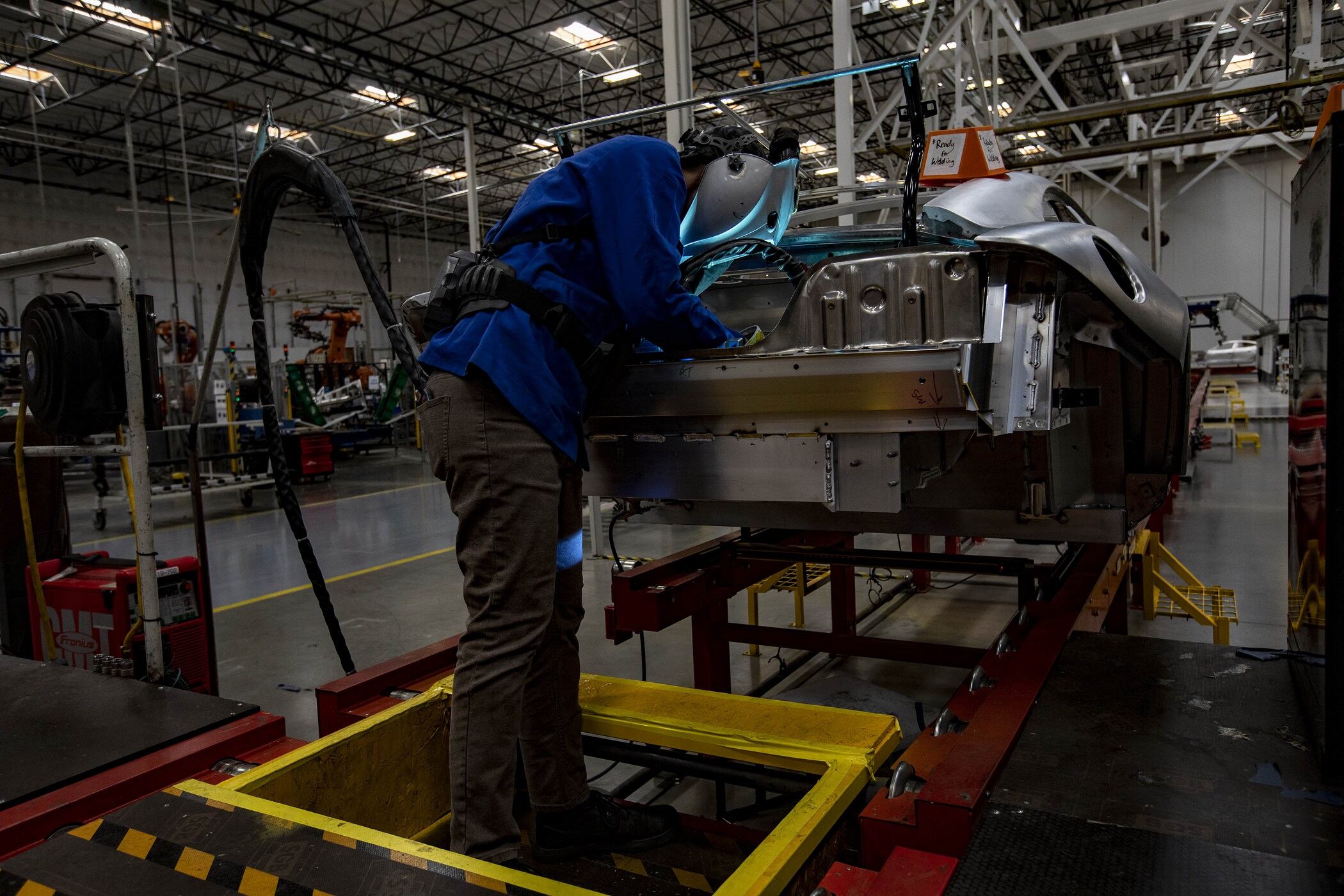
A group of Democratic senators quietly put forth a bill that could reshape domestic manufacturing in the United States.
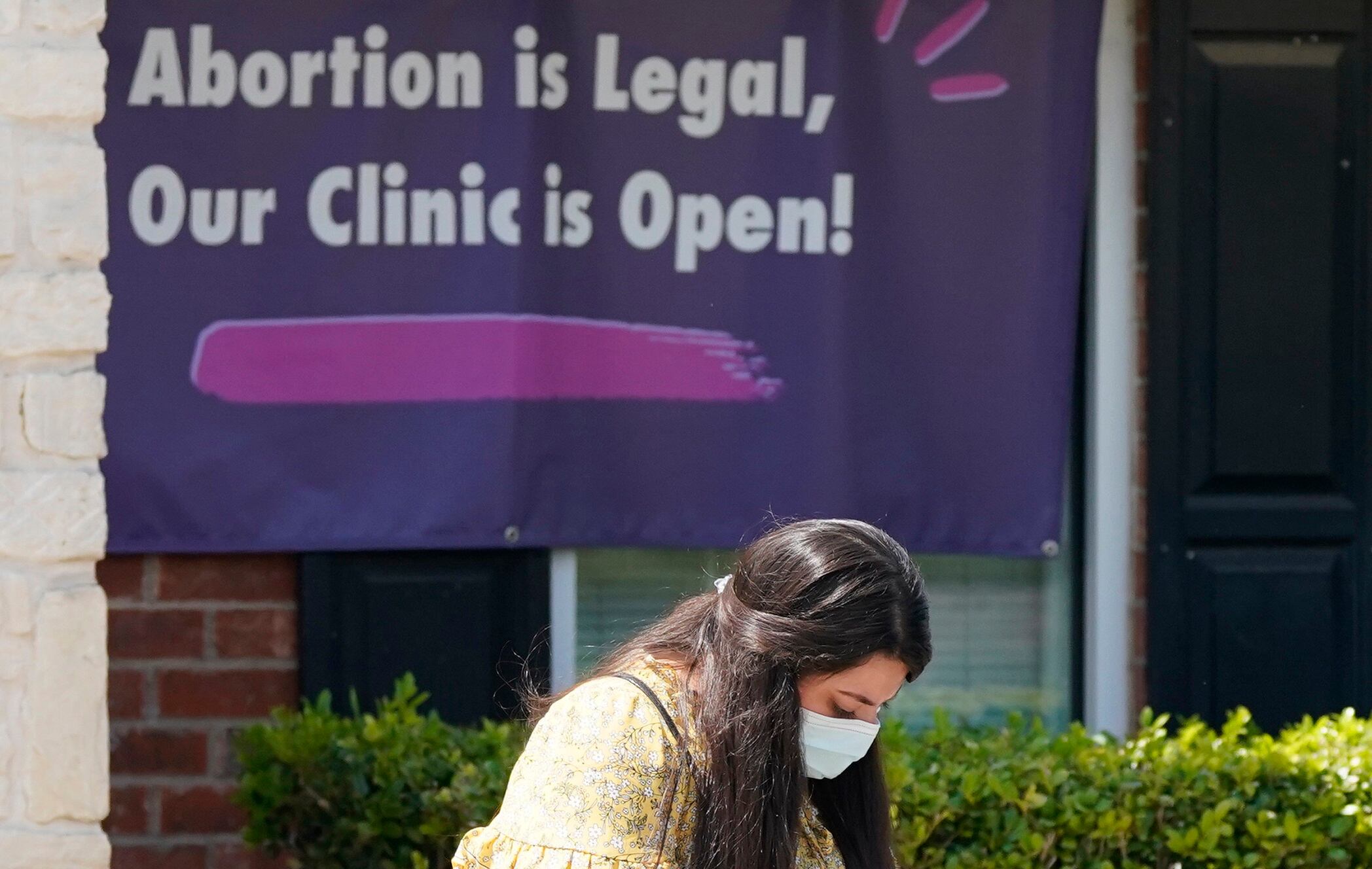
The nation’s most far-reaching curb on abortions has taken effect in Texas, with the Supreme Court silent so far on an emergency appeal to put the law on hold.
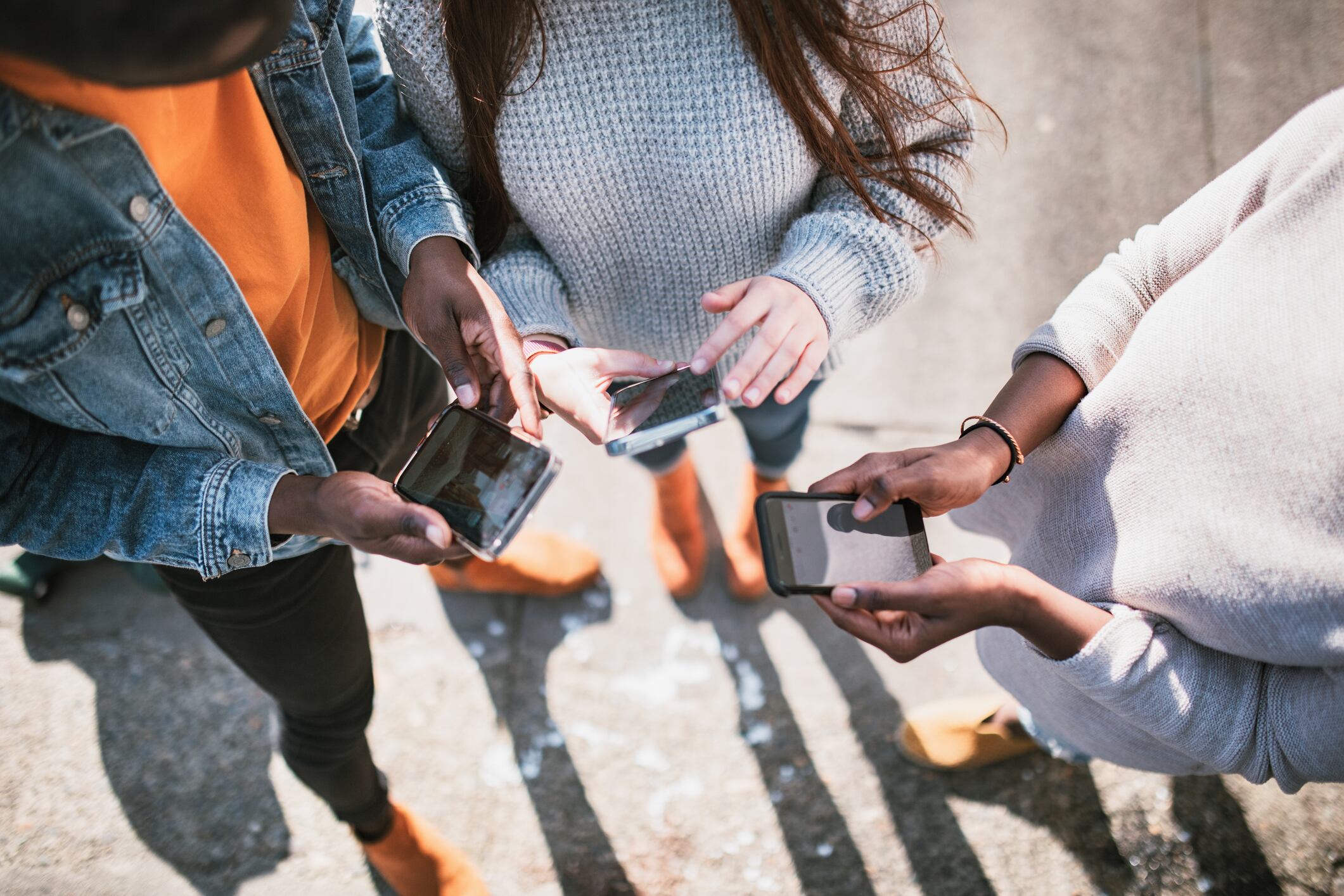
Cheddar asked its Gen Z and Millennial-aged Facebook and Instagram users about several topics including how they use social media, buying cryptocurrency, and the future job market.
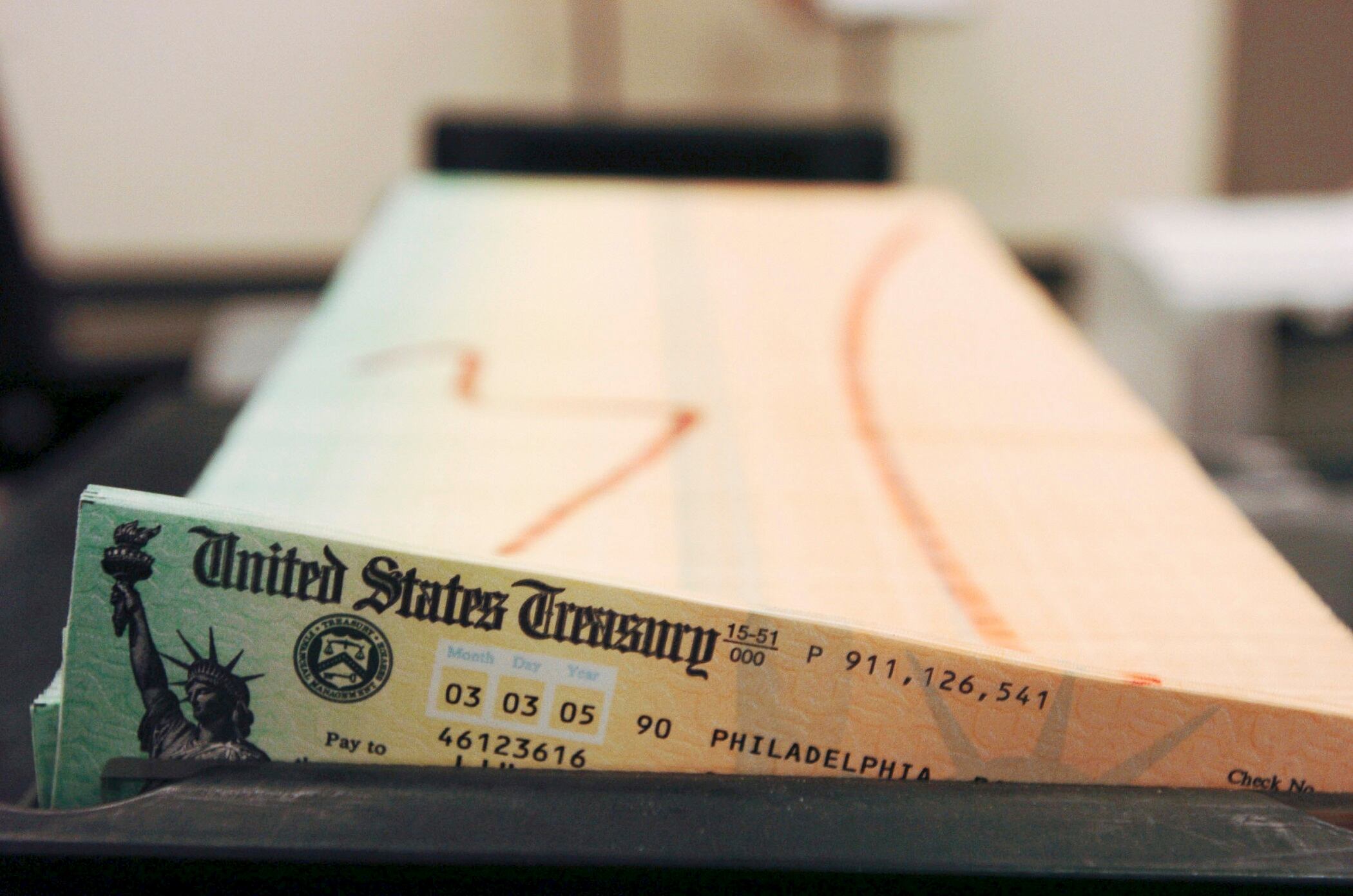
Social Security and Medicare, the government’s two biggest benefit programs, remain under intense financial pressure with the retirement of millions of baby boomers and a devastating pandemic putting increased pressures on the two programs’ finances.
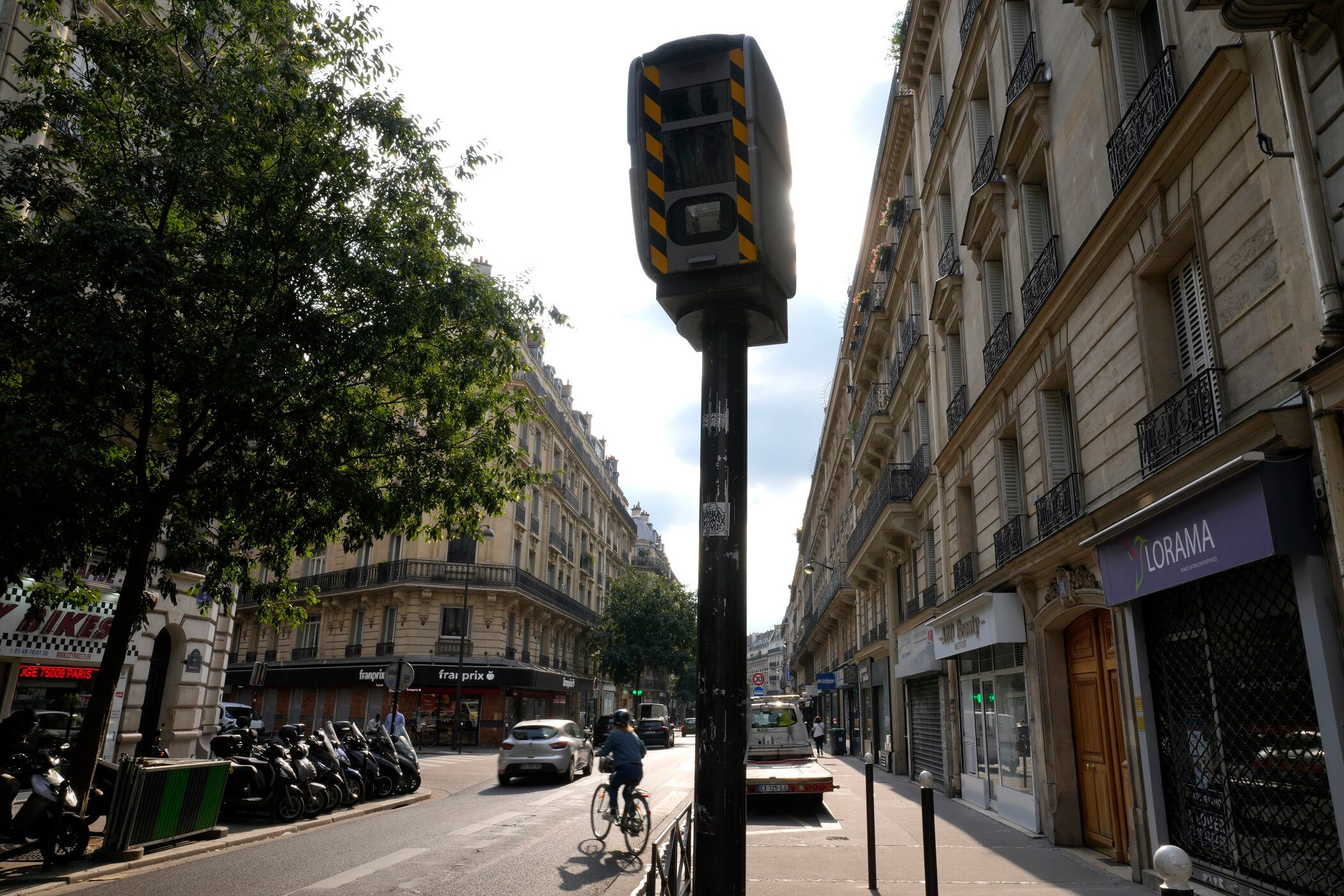
The speed limit for most of Paris is now 30 kilometers per hour (less than 19 miles per hour). The new rule takes effect Monday almost everywhere in the city except for a few wide avenues like the Champs-Elysees and the bypass circling the capital.
Cheddar's Chloe Aiello reports on Queens residents who mostly are voicing support for keeping the Open Streets program in New York City even after the pandemic.
Brazil, the country with the most freshwater resources in the world, has lost 15% of its surface water over the last three decades.