Within the hallways of the U.S. Capitol, there is growing confidence by GOP Senators that Senate Majority Leader Mitch McConnell can whip his caucus to block a vote on witnesses Friday.
While returning to the chamber after a short break Thursday, Senator Tim Scott (R-S.C.) told Cheddar he's "feeling good" about tomorrow's expected vote.
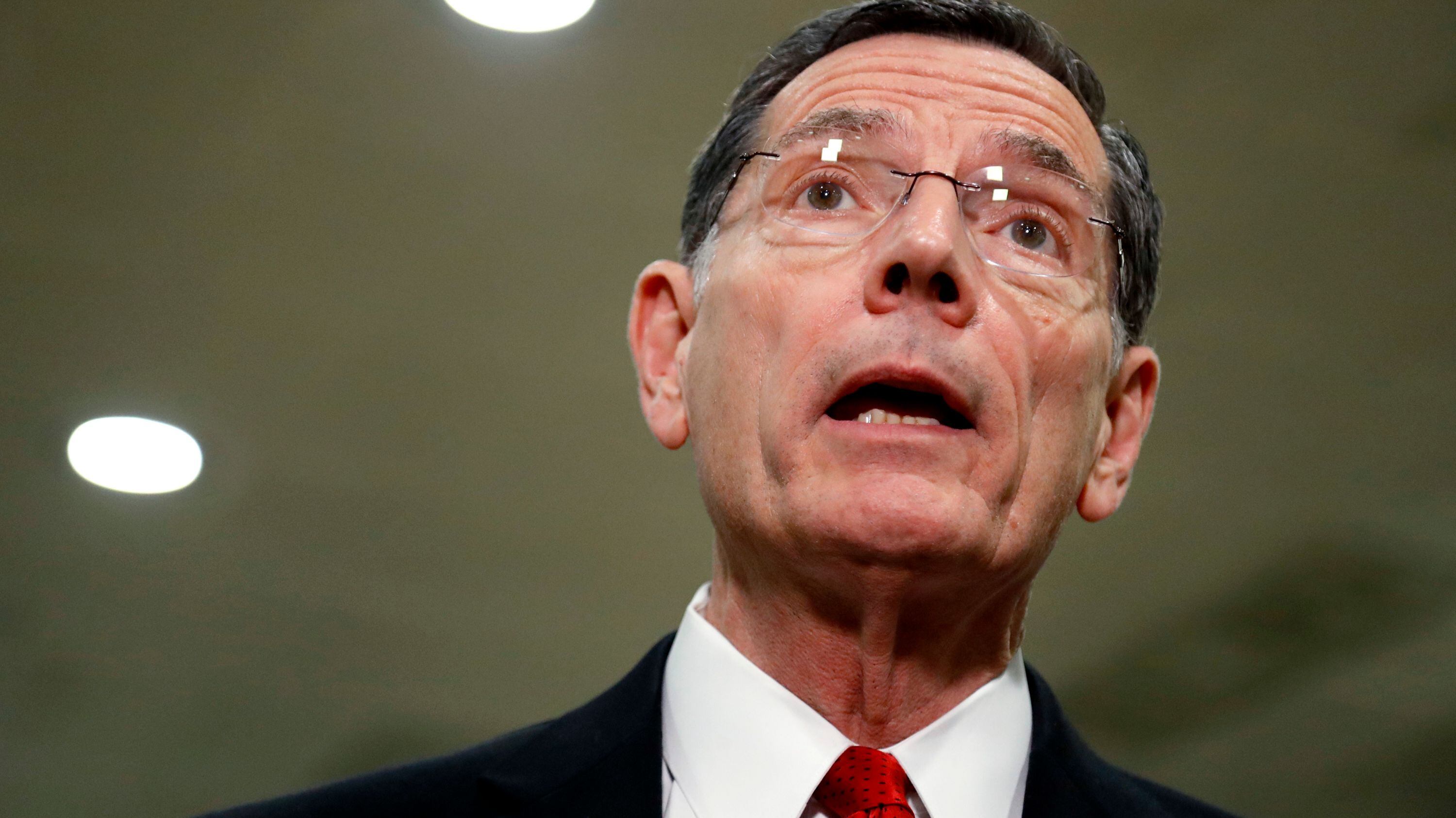
Senator John Barrasso (R-Wyo.) told reporters during the break that Republicans have the "momentum" to move to end the trial tomorrow without witnesses. "If we're able to say no [to witnesses] and go right to final judgment, we'd move in that direction and stay here until that work is decided and completed Friday evening. That's where all the momentum is now."
Still up for debate is what, exactly, happens, if the Republicans vote to end the debate on witnesses quickly.
Meanwhile, back in the chamber, lead impeachment manager Adam Schiff said witness depositions could be limited to just one week and said that the trial should not be rushed just because the State of the Union is Tuesday.
After the break, Senators asked two bipartisan questions, both of which were from senators who may still be undecided on the issue of whether to allow witnesses. First, Senators Joe Manchin (D-W.Va.), Susan Collins (R-Maine), Lisa Murkowski (R-Alaska), and Kyrsten Sinema (D-Ariz.) asked the defense team if the president would assure them that private citizens would not be directed to conduct foreign policy unless formally designated by the president and the State Department.
Murkowski and Senator Brian Schatz (D-Hawaii) submitted the second bipartisan question, asking if any action a president takes is inherently political and where the line is between permissible political actions and impeachable political actions.
In President Bill Clinton's impeachment trial, there was only one bipartisan question asked, which Sen. Collins had signed onto at the time.
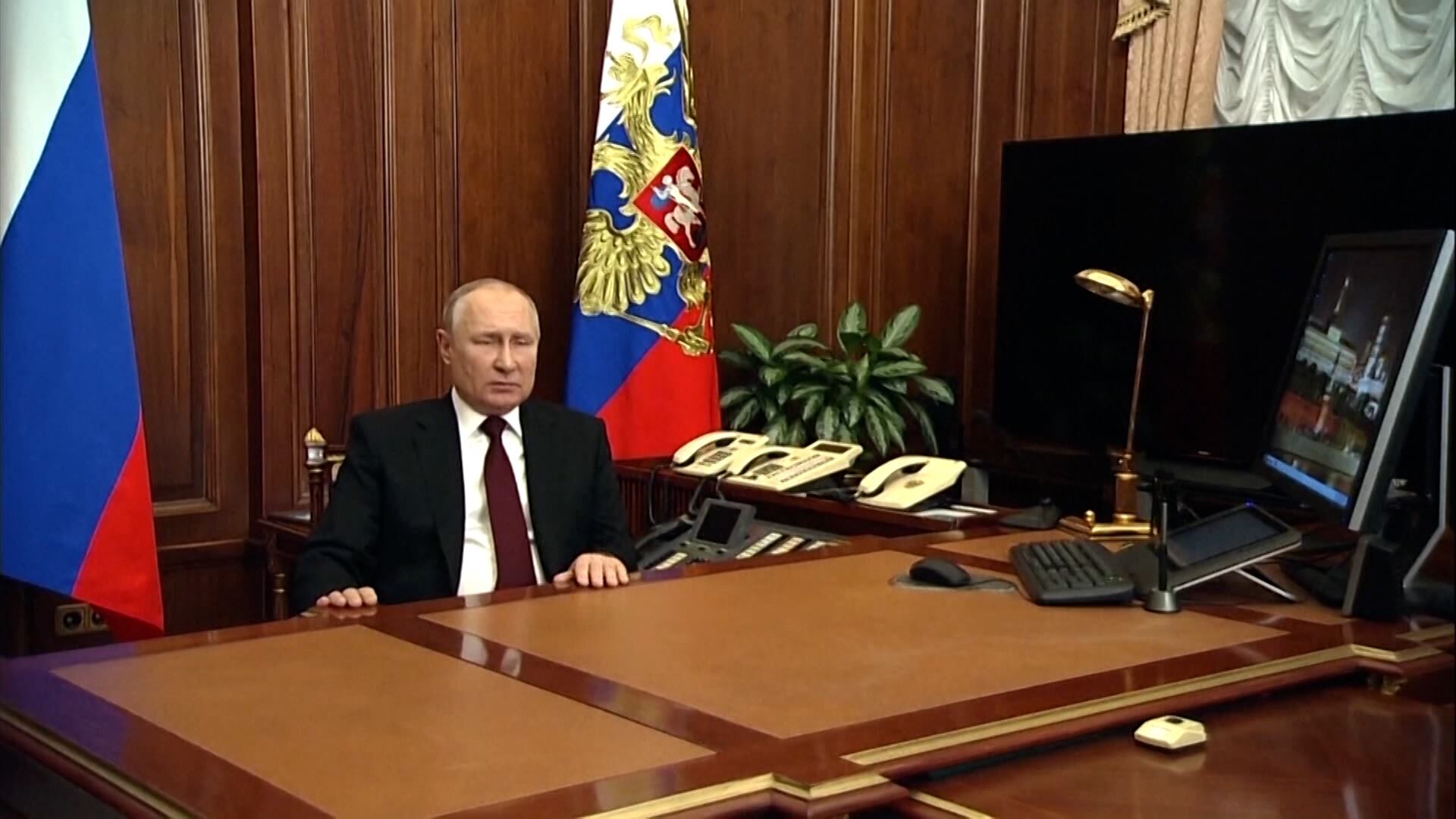
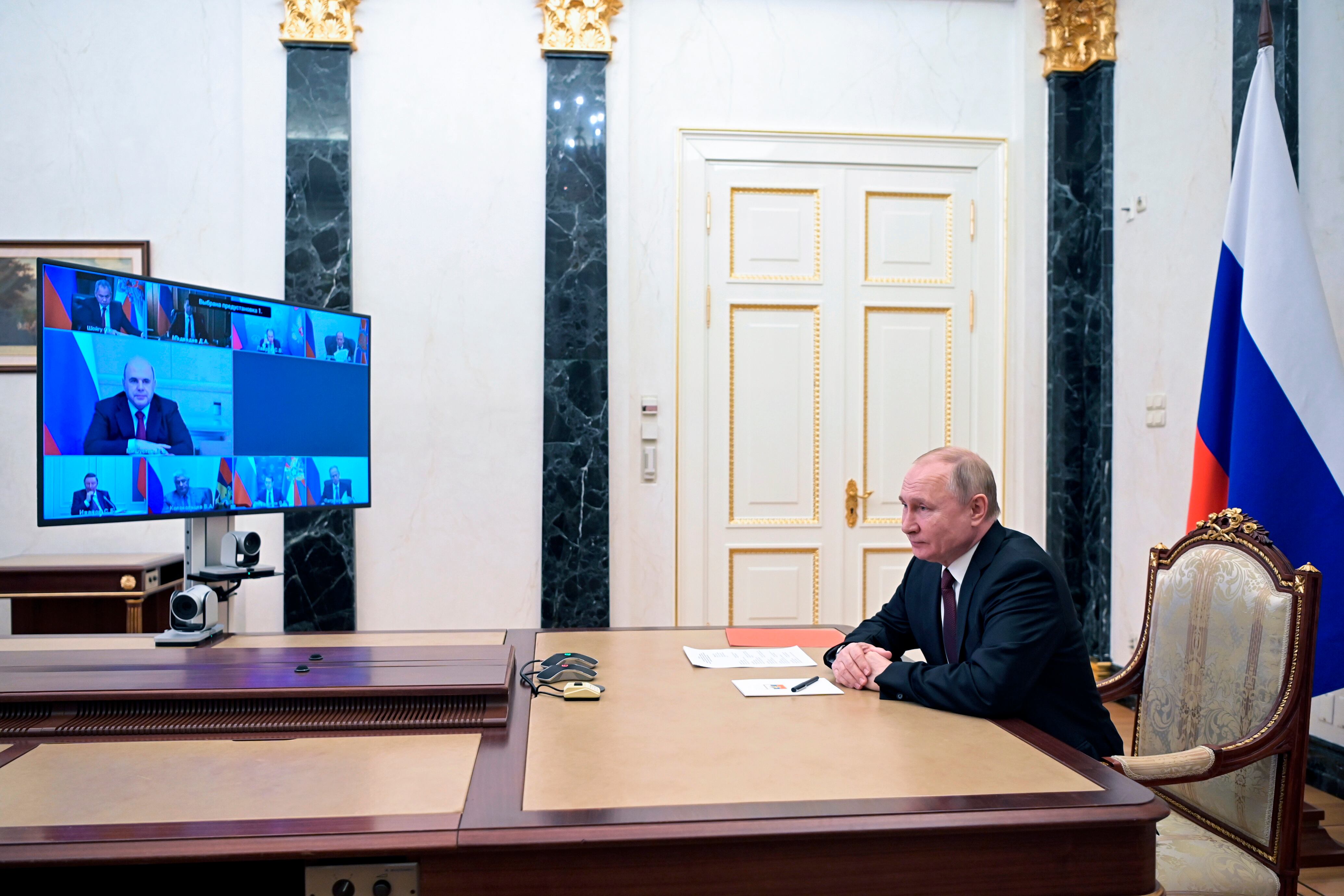
Officials from Ukraine and Russia have begun meeting along the Belarus border to discuss a potential end to the ongoing invasion, even as the fighting continues to drag on. Rep. Al Green (D-Texas 9th District) joined Cheddar's Opening Bell to discuss the conflict between Russia and Ukraine, what to expect from President Joe Biden's State of The Union Address, and the nomination of Ketanji Brown Jackson for the Supreme Court. "I'm still hopeful, and I hope that Mr. Putin will understand that he has united the world against him," Green said of the new round of peace talks.
Within hours of Russia's first attack on Ukraine, President Joe Biden addressed the nation by stating that the White House will impose wider sanctions on Russian banks. These sanctions could result in damage to the Russian economy. Host of "Oh My World" on Youtube and Former Spokesperson for the U. S. Mission to the U. N. Hagar Chemali, joined Cheddar to discuss more.
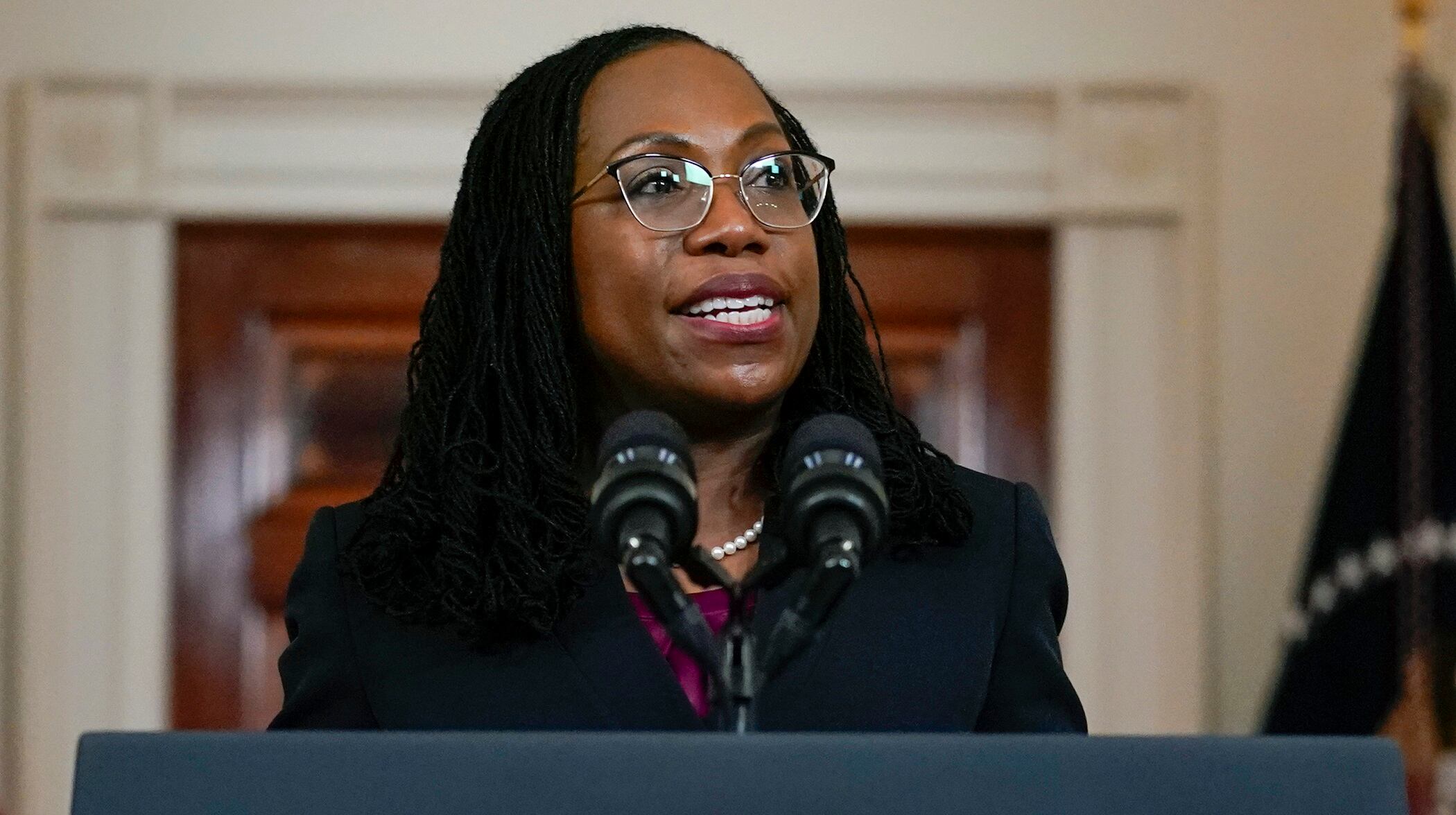
As we celebrate Black History Month, Cheddar is highlighting prominent Black Americans who are carving their own historic paths and trailblazing in their fields. Today we feature Ketanji Brown Jackson, the first Black woman SCOTUS nominee.
Russia's invasion of Ukraine went hand in hand with cyberattacks against Ukrainian government websites and financial institutions. Cheddar News speaks with cybersecurity expert Karim Hijazi, CEO of Prevaillon, on why the Russian cyberwarfare is concerning to other nations.
Florida legislation being called the 'Don't Say Gay' bill would restrict some discussion of sexual orientation and gender identity in classrooms with young students. Jon Harris Maurer, public policy director at Equality Florida, joins Cheddar News to discuss.
President Joe Biden promised during his campaign to focus on stable and ally-focused foreign policy, and the Russia-Ukraine crisis seems like an opportunity for him to focus on that tactic after last year's chaotic Afghanistan withdrawal. So far, Biden and western allies have banned together to sanction Russian banks, billionaires, and even President Vladimir Putin himself. Meanwhile, Biden has not deployed U.S. troops to intervene directly in Ukraine. Jack Detsch, national security reporter at Foreign Policy, joins Closing Bell to discuss why Biden is focusing on a sanctions-based, ally-focused strategy, what impact sanctions could have on Russia's economy, and more.
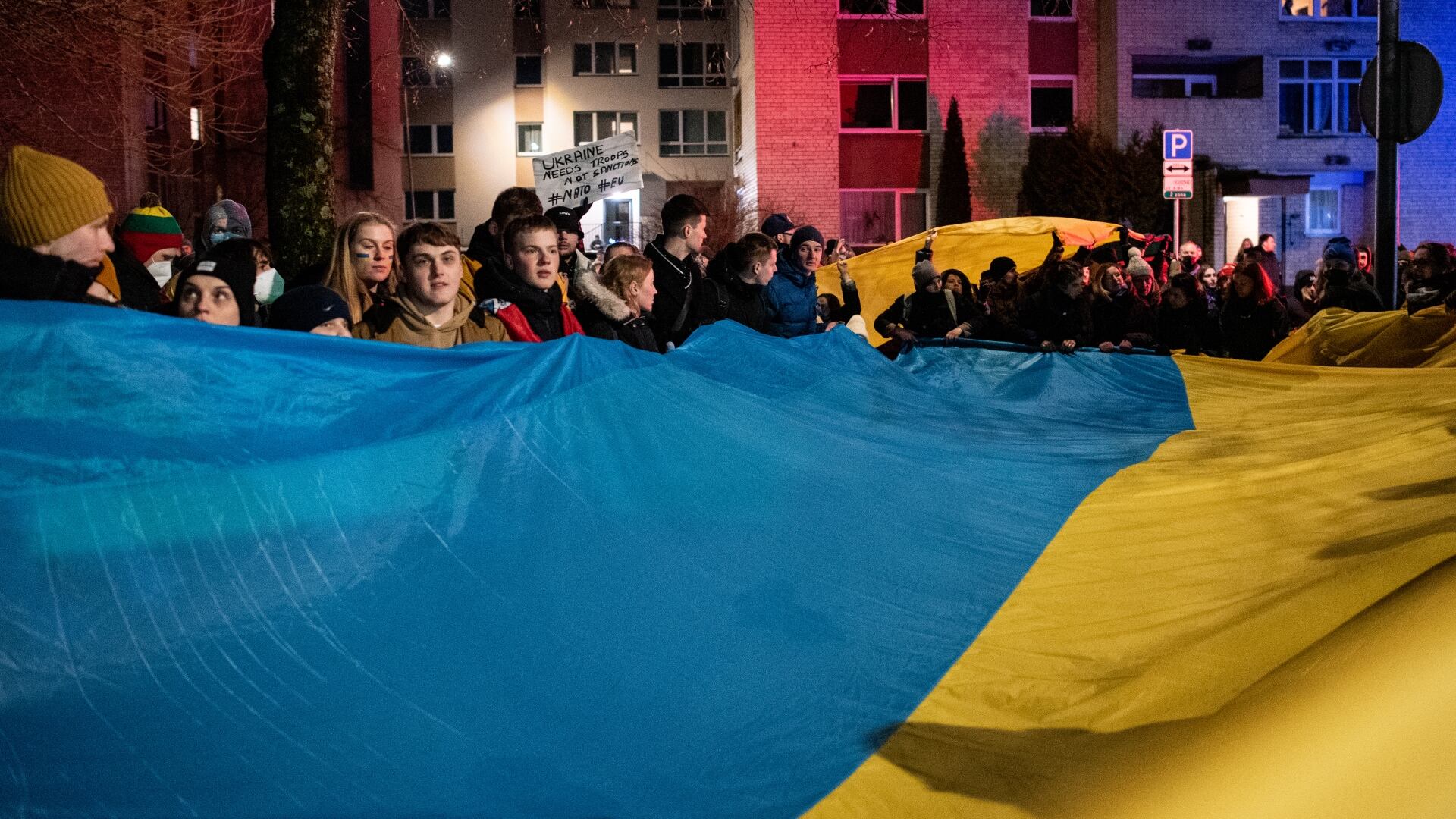
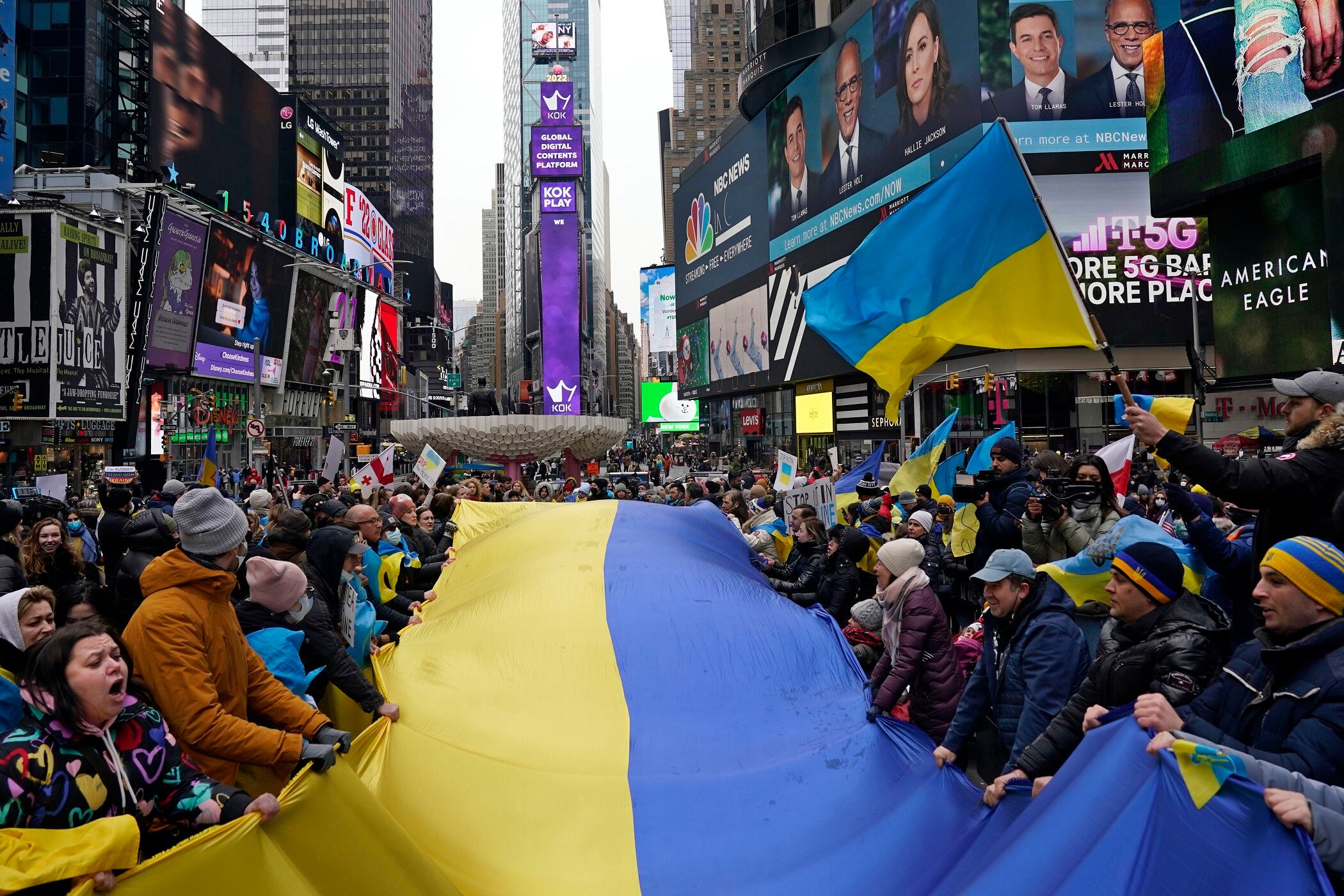
As Russia continues its attack on Ukraine, protests are popping up in major cities across the U.S., including across the street from the United Nations in New York City.. Chloe Aiello reports.