Within the hallways of the U.S. Capitol, there is growing confidence by GOP Senators that Senate Majority Leader Mitch McConnell can whip his caucus to block a vote on witnesses Friday.
While returning to the chamber after a short break Thursday, Senator Tim Scott (R-S.C.) told Cheddar he's "feeling good" about tomorrow's expected vote.
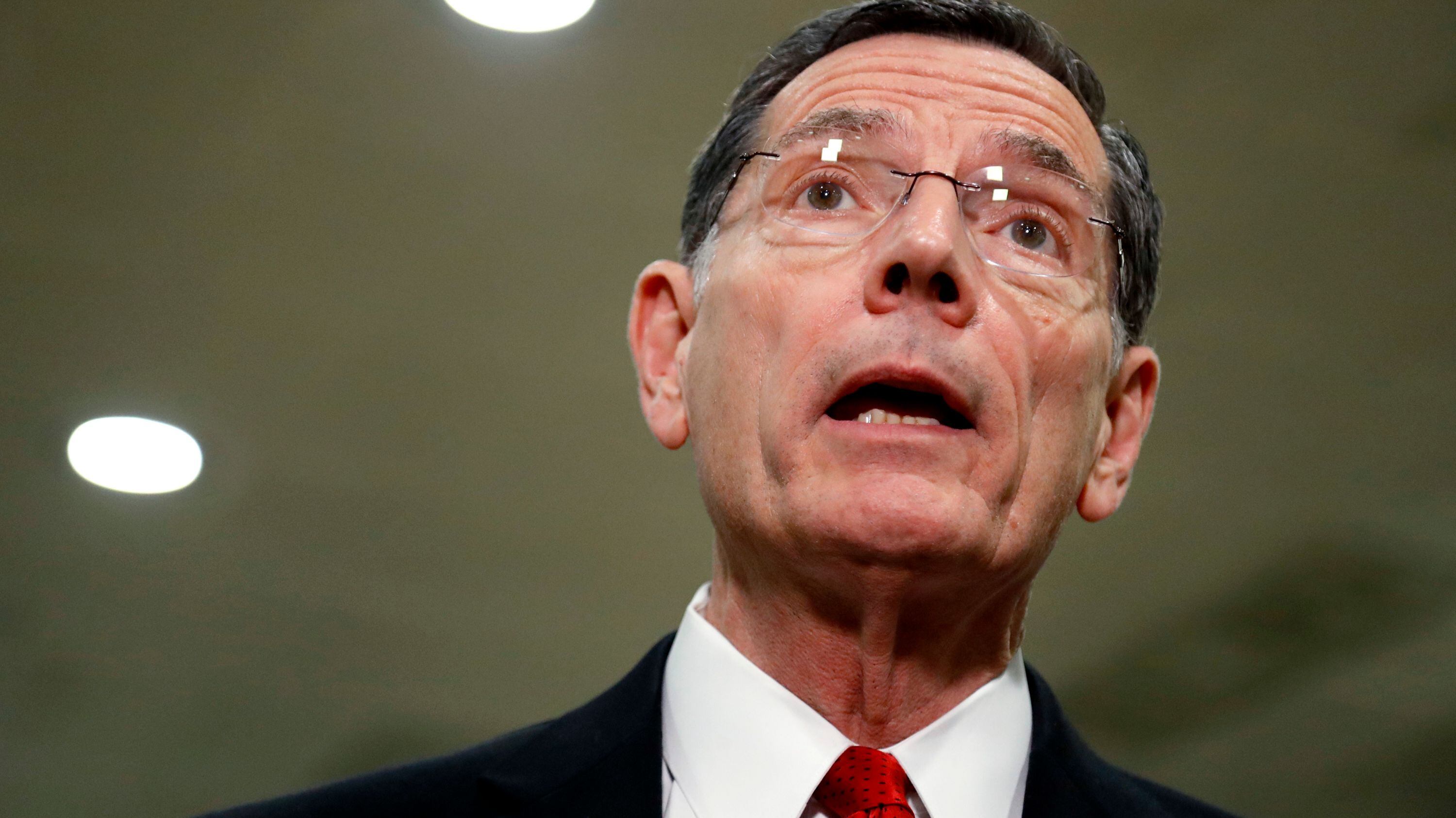
Senator John Barrasso (R-Wyo.) told reporters during the break that Republicans have the "momentum" to move to end the trial tomorrow without witnesses. "If we're able to say no [to witnesses] and go right to final judgment, we'd move in that direction and stay here until that work is decided and completed Friday evening. That's where all the momentum is now."
Still up for debate is what, exactly, happens, if the Republicans vote to end the debate on witnesses quickly.
Meanwhile, back in the chamber, lead impeachment manager Adam Schiff said witness depositions could be limited to just one week and said that the trial should not be rushed just because the State of the Union is Tuesday.
After the break, Senators asked two bipartisan questions, both of which were from senators who may still be undecided on the issue of whether to allow witnesses. First, Senators Joe Manchin (D-W.Va.), Susan Collins (R-Maine), Lisa Murkowski (R-Alaska), and Kyrsten Sinema (D-Ariz.) asked the defense team if the president would assure them that private citizens would not be directed to conduct foreign policy unless formally designated by the president and the State Department.
Murkowski and Senator Brian Schatz (D-Hawaii) submitted the second bipartisan question, asking if any action a president takes is inherently political and where the line is between permissible political actions and impeachable political actions.
In President Bill Clinton's impeachment trial, there was only one bipartisan question asked, which Sen. Collins had signed onto at the time.
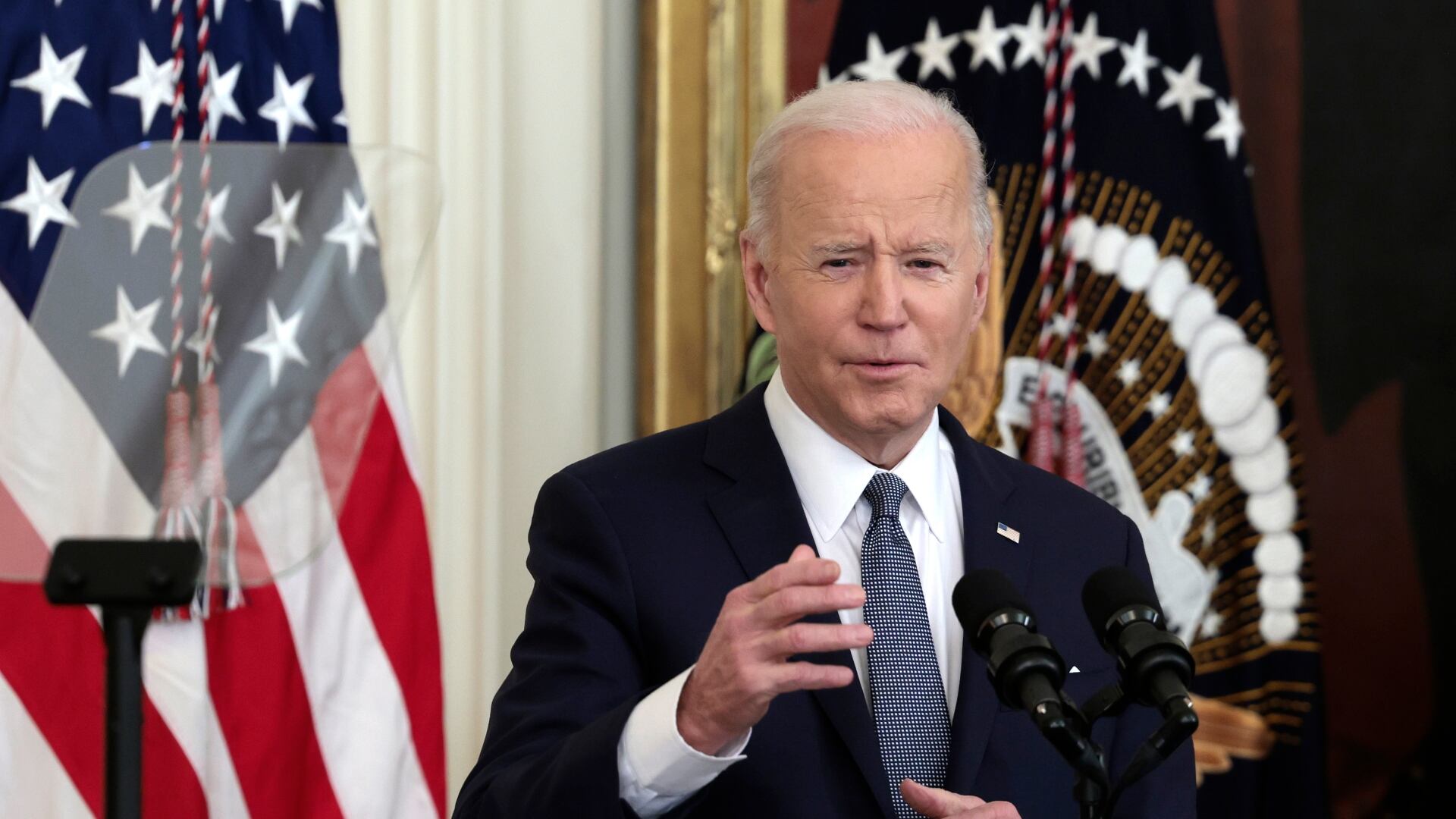
Francesca Chambers, White House correspondent for McClatchy, joins Cheddar News to discuss all the topics President Biden has to juggle in his State of the Union address.
World Central Kitchen is Ukraine helping to feed people remaining in the country or fleeing from the Russian forces. Nate Mook, CEO for the non-profit, joined Cheddar New to discuss the efforts being made to help those in need in a very tenuous situation and how the invasion disrupted the lives of Ukrainian people."We met a young woman from Kyiv who had crossed into Poland, she had a great job, she just moved into a new apartment. She was really excited about decorating her apartment. You know, things that we all do on a day-to-day basis, and she had to just abandon her life," he said.
Bina Venkataraman, Boston Globe Editorial Page Editor & former White House disaster policy adviser joins Cheddar News to discuss the current state of the pandemic as well as Biden's handling of the crisis
Michael Li senior counsel for the Brennan Center's Democracy Program joins Cheddar News to discuss gerrymandering and how it's impacting American politics
As half a million Ukrainians fled when Russia invaded its neighbor, some civilians chose to stay in harm's way. Igor Gamaniuk, a 17-year-old Ukrainian college student, joined Cheddar News to talk about his decision to remain in his beloved country and volunteer to support soldiers with food, clothing, and supplies. "Right now people are pretty calm in my town. We are trying not to panic. But we have to be cautious because every day and every night the siren could sound and we have to move away from the window or go to the nearest shelter," Gamaniuk explained.