Within the hallways of the U.S. Capitol, there is growing confidence by GOP Senators that Senate Majority Leader Mitch McConnell can whip his caucus to block a vote on witnesses Friday.
While returning to the chamber after a short break Thursday, Senator Tim Scott (R-S.C.) told Cheddar he's "feeling good" about tomorrow's expected vote.
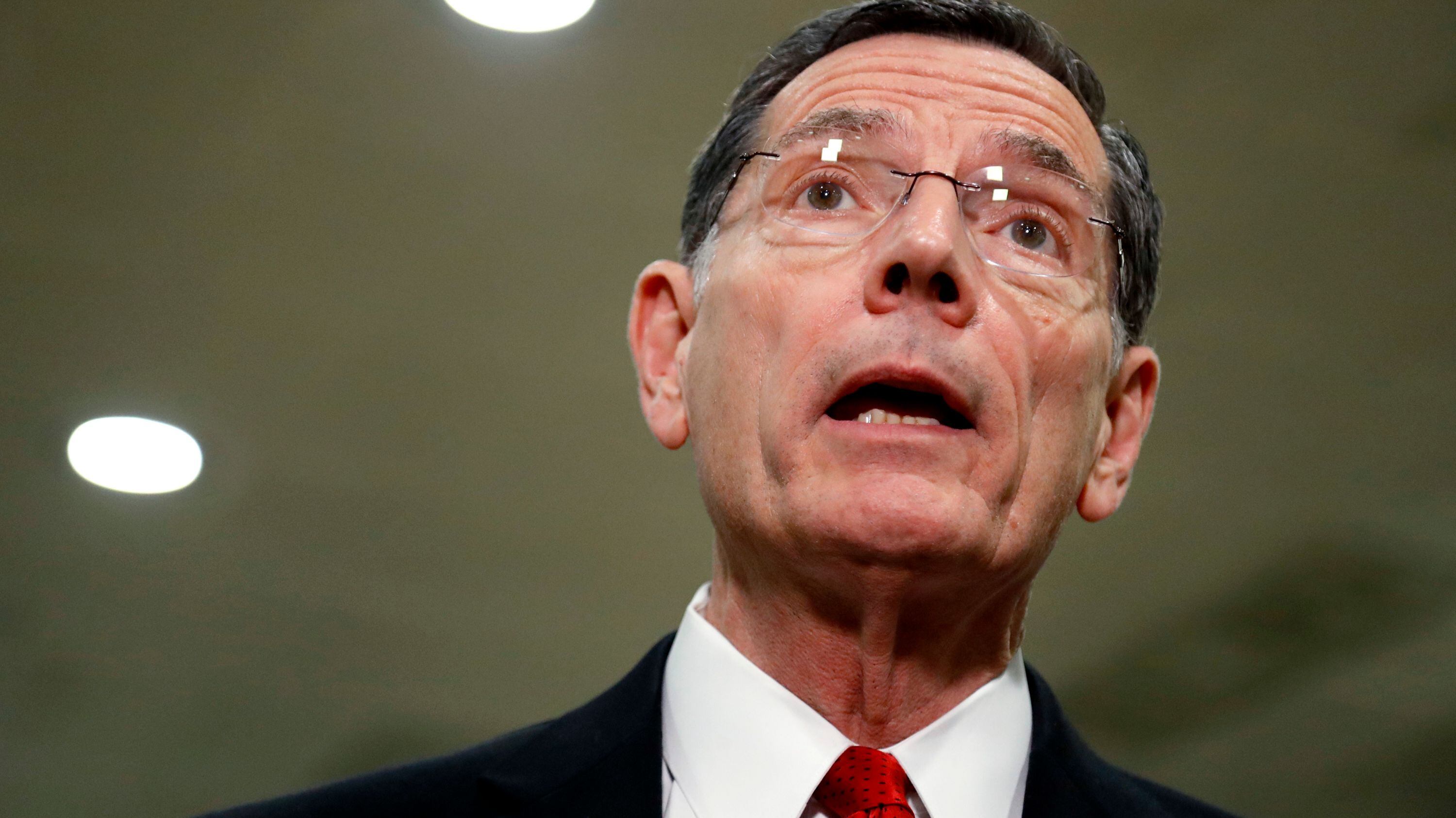
Senator John Barrasso (R-Wyo.) told reporters during the break that Republicans have the "momentum" to move to end the trial tomorrow without witnesses. "If we're able to say no [to witnesses] and go right to final judgment, we'd move in that direction and stay here until that work is decided and completed Friday evening. That's where all the momentum is now."
Still up for debate is what, exactly, happens, if the Republicans vote to end the debate on witnesses quickly.
Meanwhile, back in the chamber, lead impeachment manager Adam Schiff said witness depositions could be limited to just one week and said that the trial should not be rushed just because the State of the Union is Tuesday.
After the break, Senators asked two bipartisan questions, both of which were from senators who may still be undecided on the issue of whether to allow witnesses. First, Senators Joe Manchin (D-W.Va.), Susan Collins (R-Maine), Lisa Murkowski (R-Alaska), and Kyrsten Sinema (D-Ariz.) asked the defense team if the president would assure them that private citizens would not be directed to conduct foreign policy unless formally designated by the president and the State Department.
Murkowski and Senator Brian Schatz (D-Hawaii) submitted the second bipartisan question, asking if any action a president takes is inherently political and where the line is between permissible political actions and impeachable political actions.
In President Bill Clinton's impeachment trial, there was only one bipartisan question asked, which Sen. Collins had signed onto at the time.
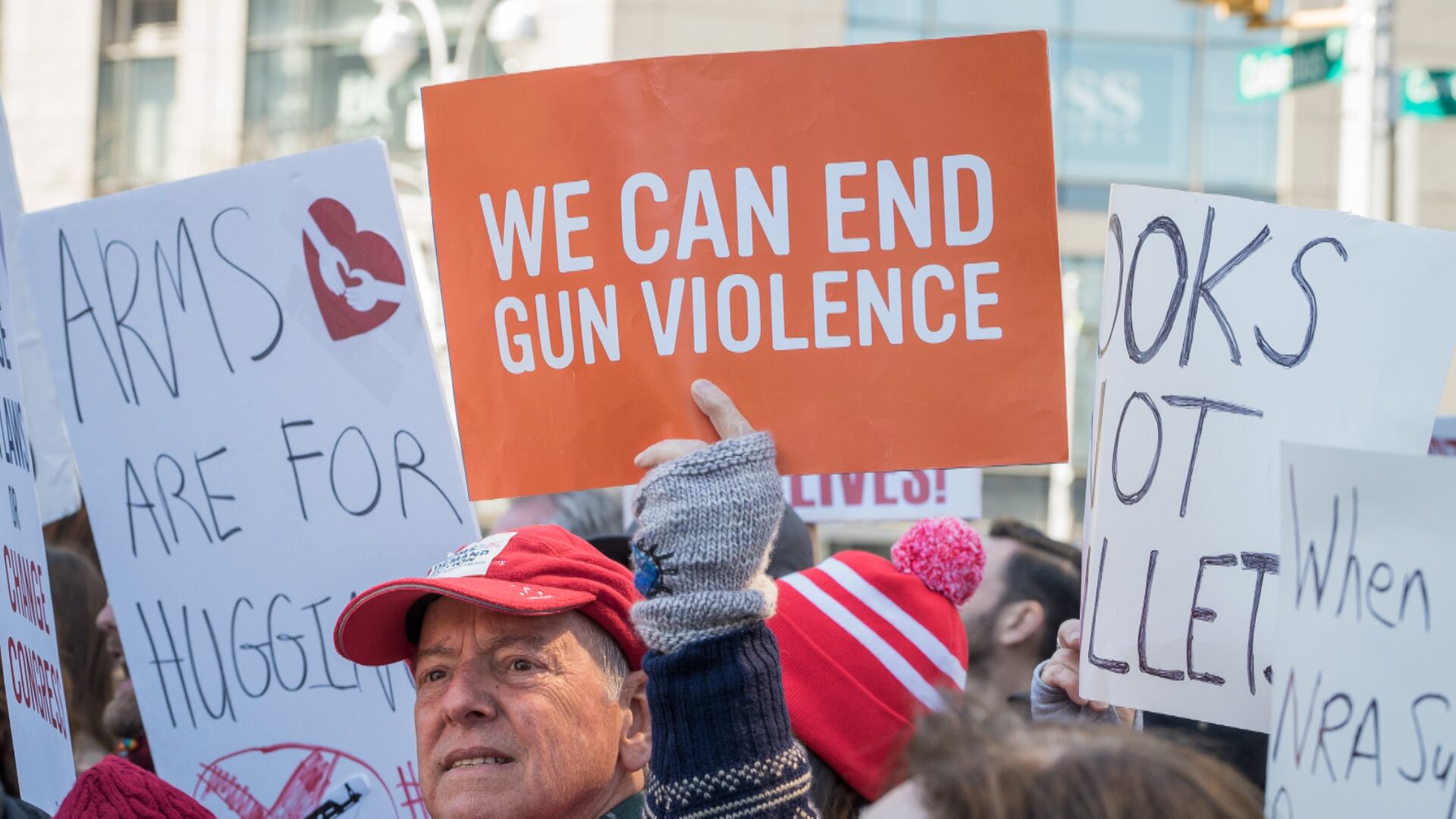
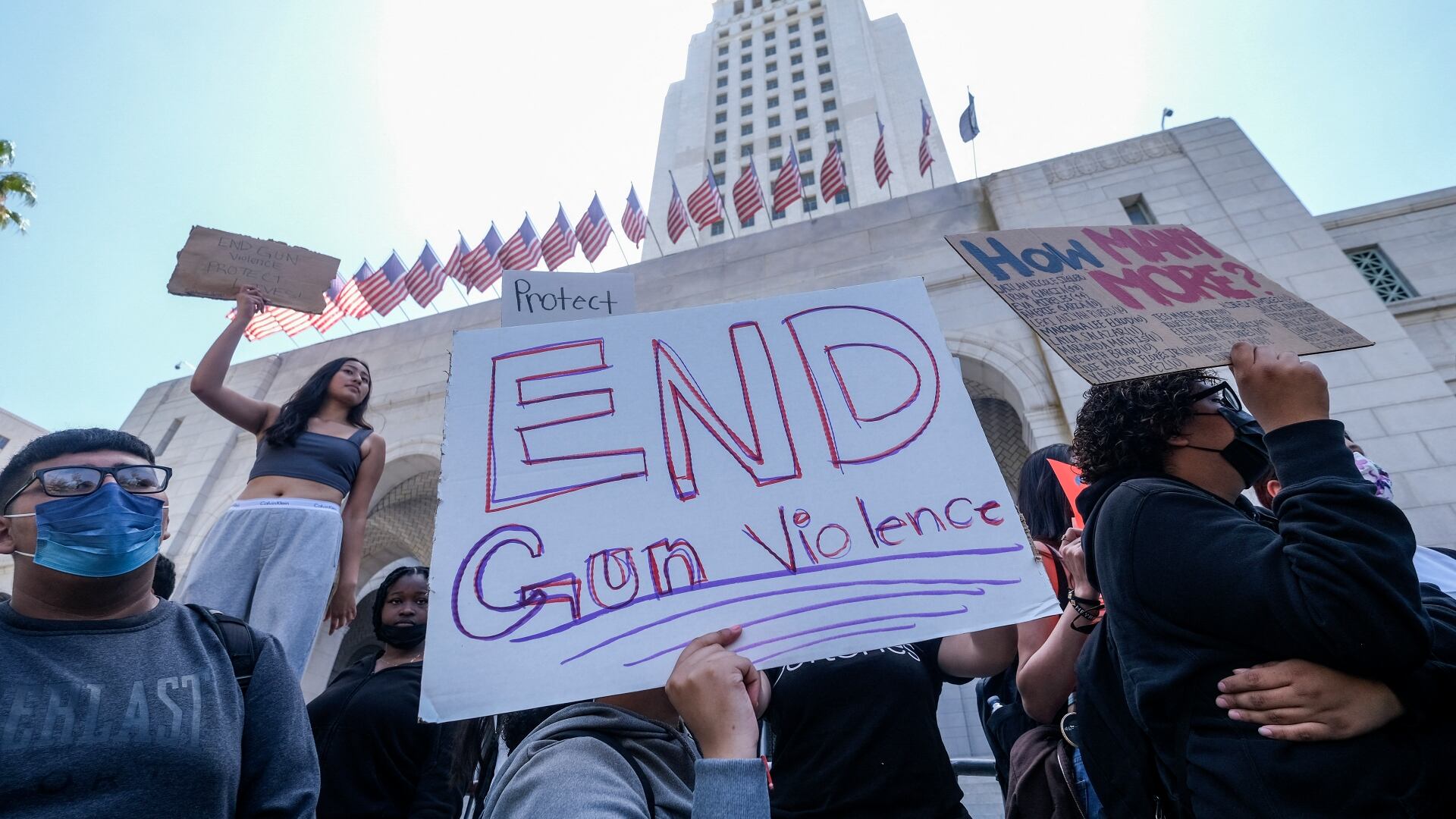
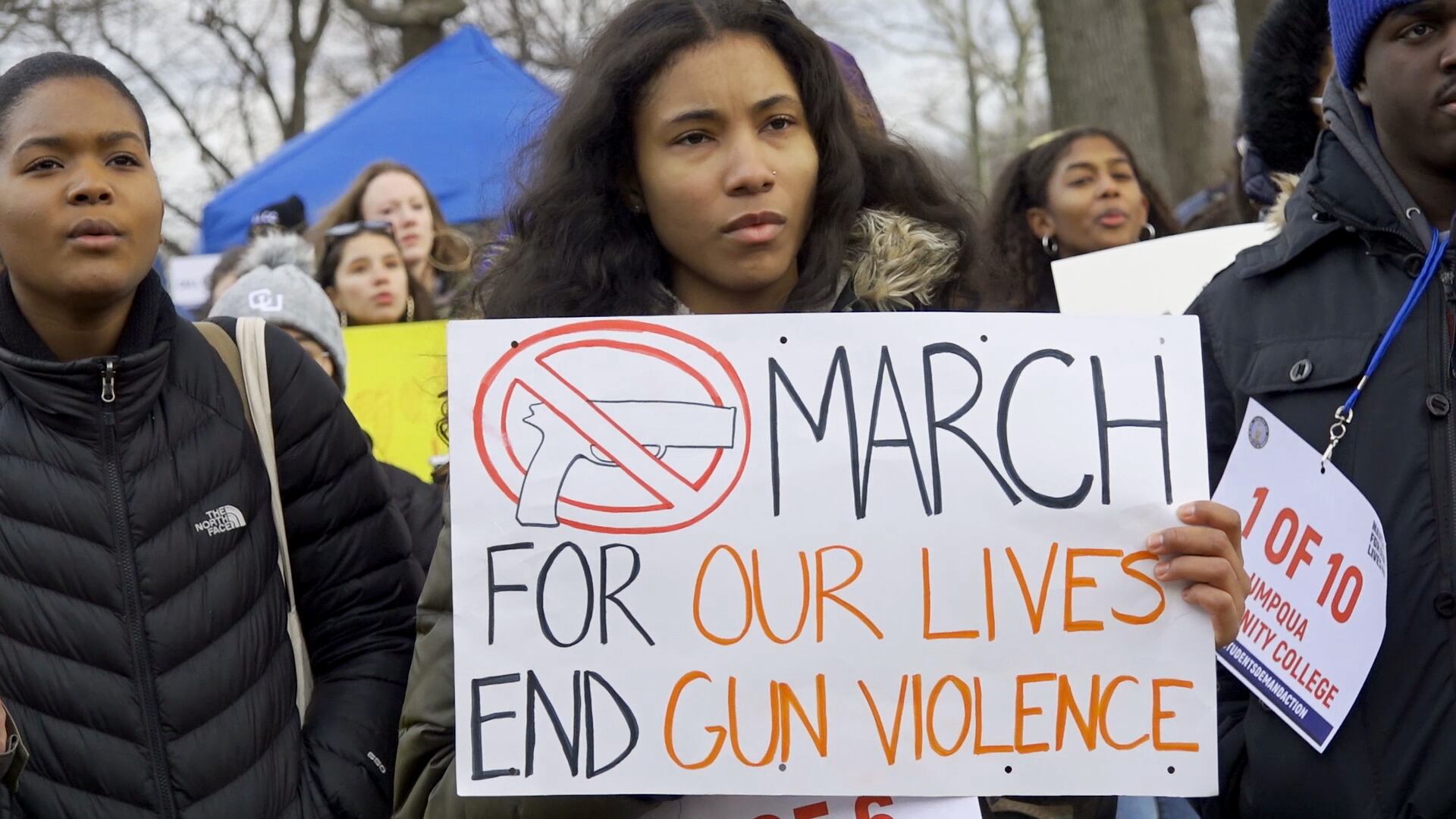
While the United States struggles with mass shootings, other countries have had success with gun regulations - often after their own mass shootings. On this Gun Awareness Day, Cheddar's Shannon LaNier reports on steps some other countries have taken to stop gun violence.
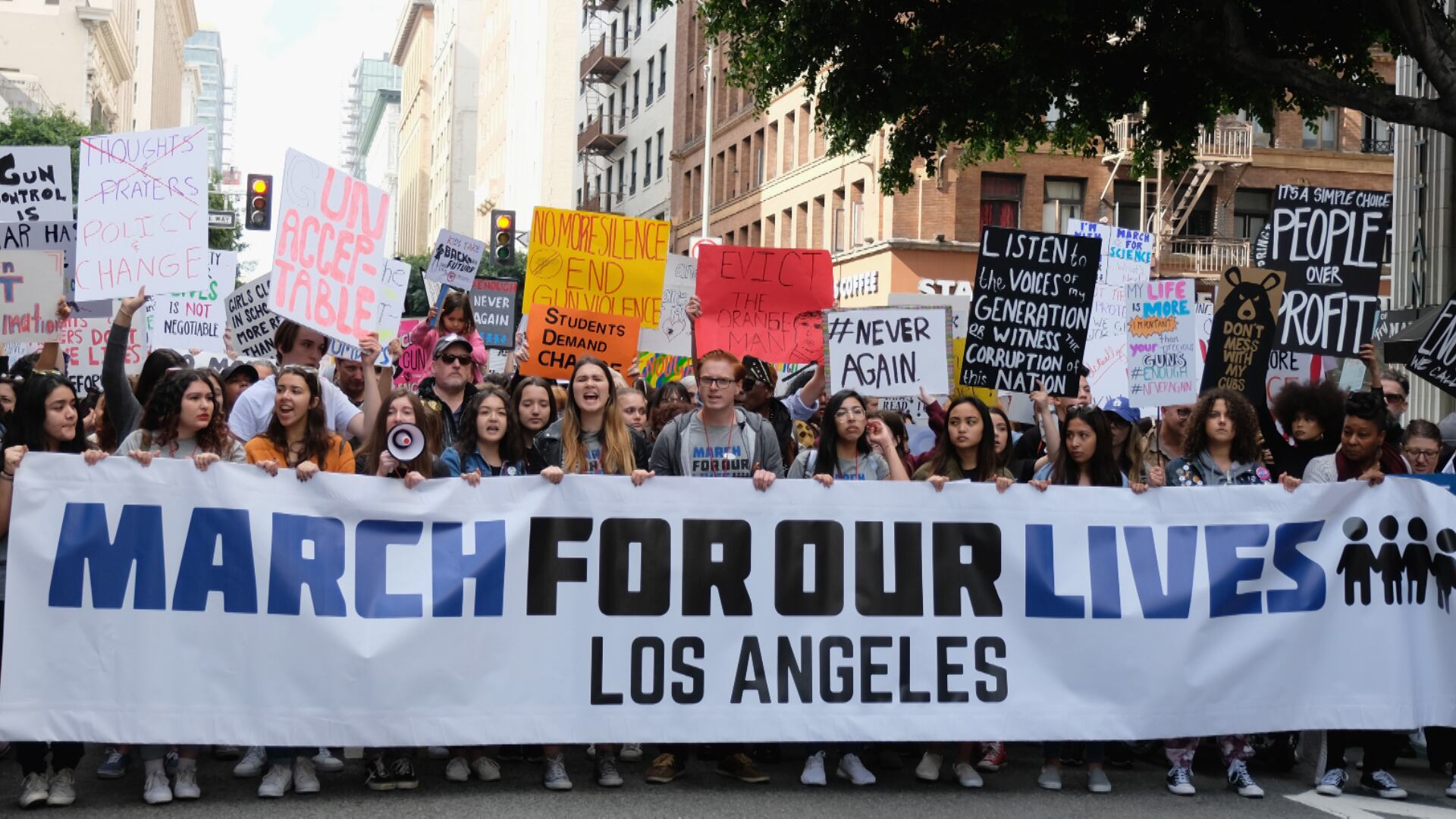
Join Cheddar News as we break down the Need 2 Know headlines this morning including Gun Violence Awareness Day, how to prevent mass shootings, and the president's comments on gun control.
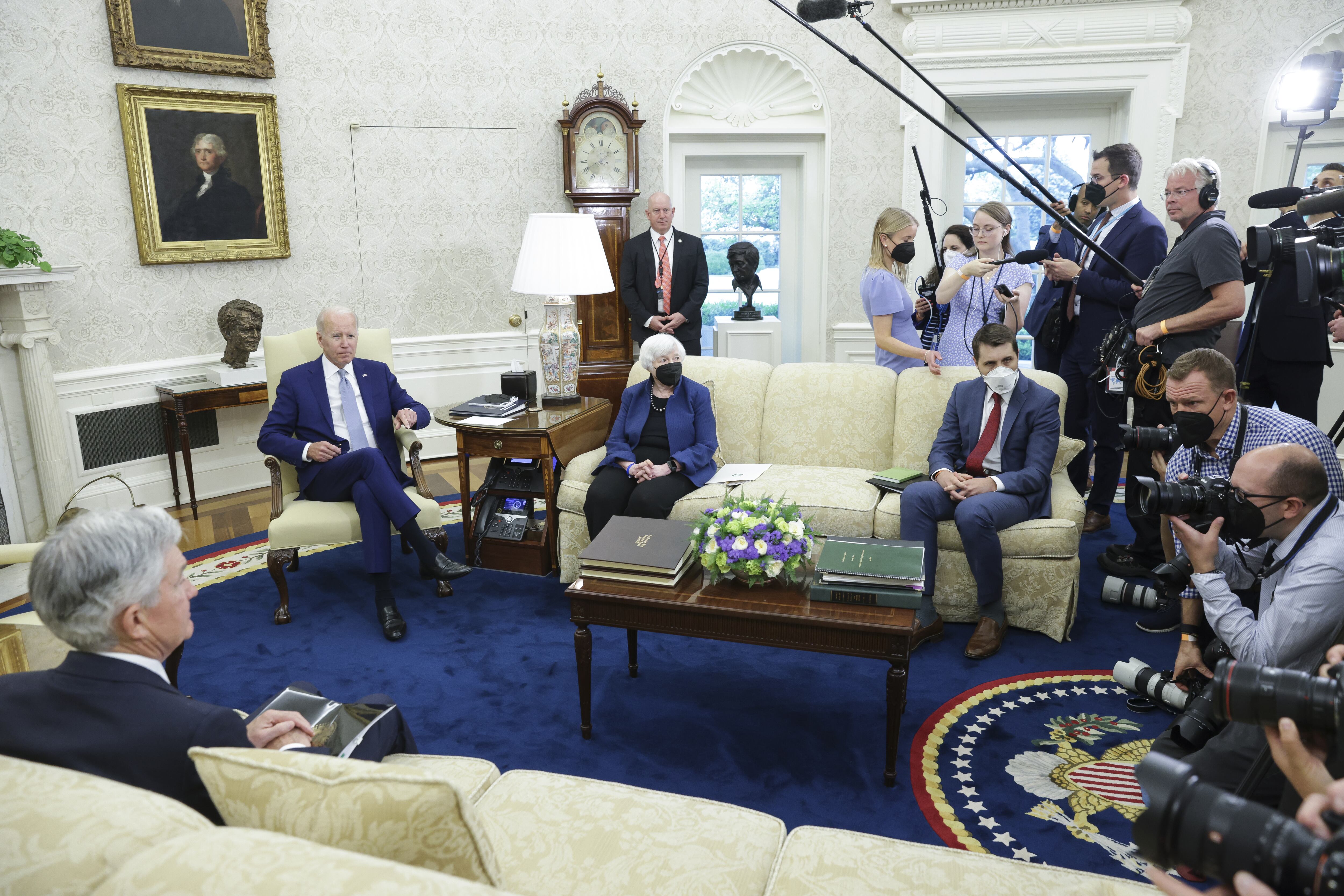
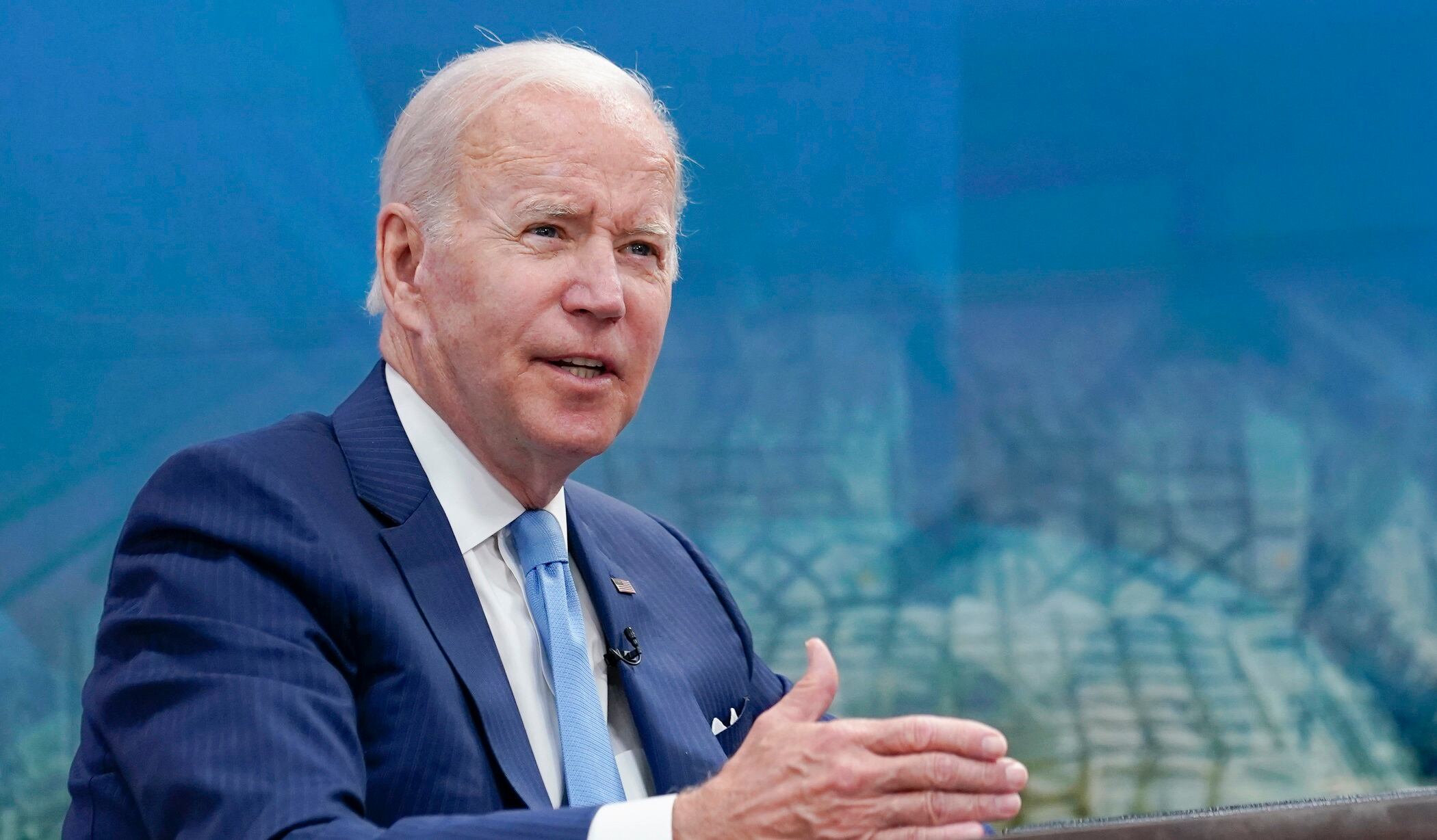
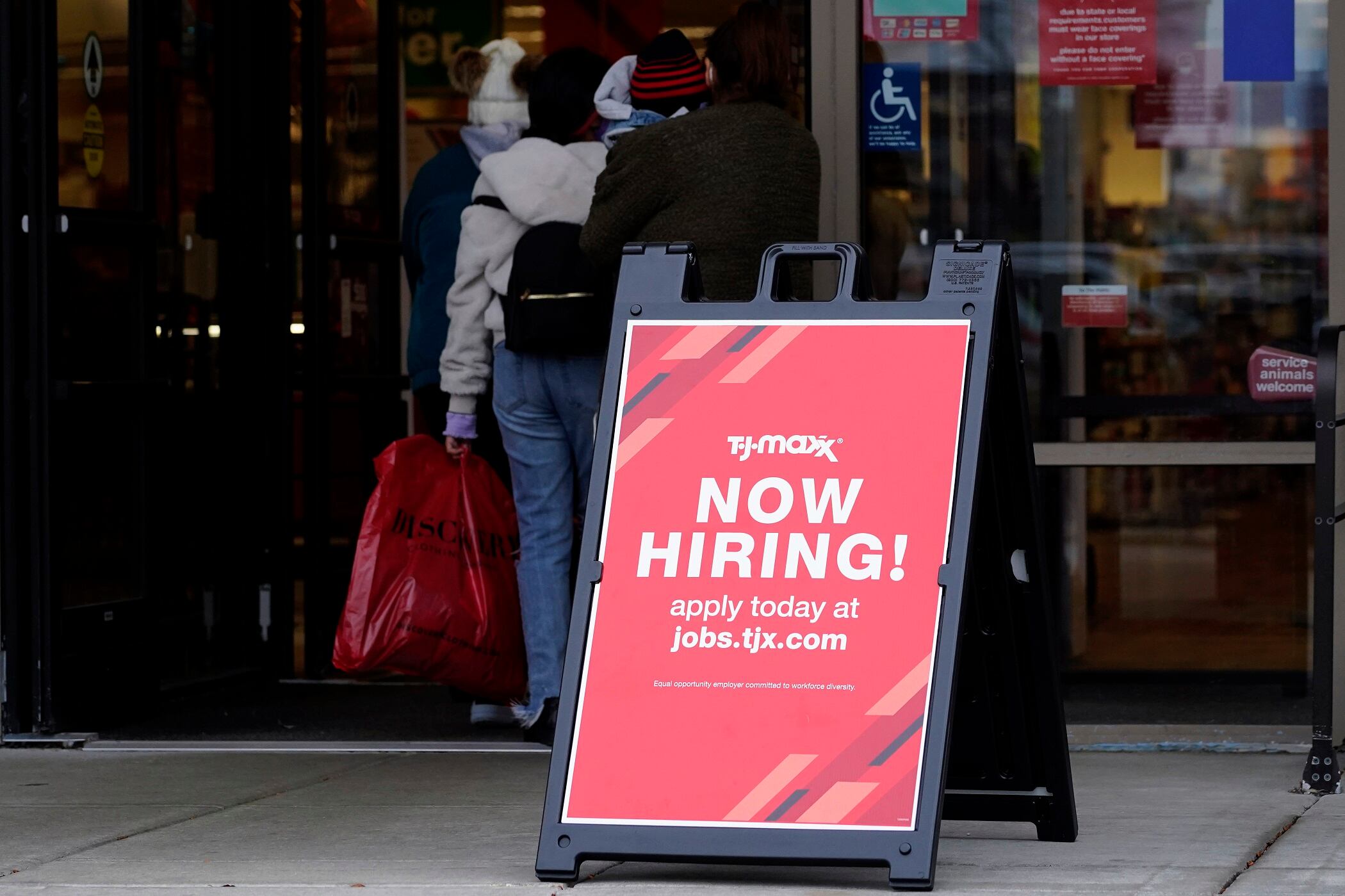
President Biden and Federal Reserve chair Jerome Powell meet at the White House today for the first time since Powell's renomination to the position. The President and the Fed Chair discussed the economy and historically high inflation, as new data shows inflation may be cooling slightly. Morning Consult economic analyst Jesse Wheeler joins Cheddar News' Closing Bell to discuss how the Biden administration at the U.S. central bank can work together to combat soaring prices for American consumers.
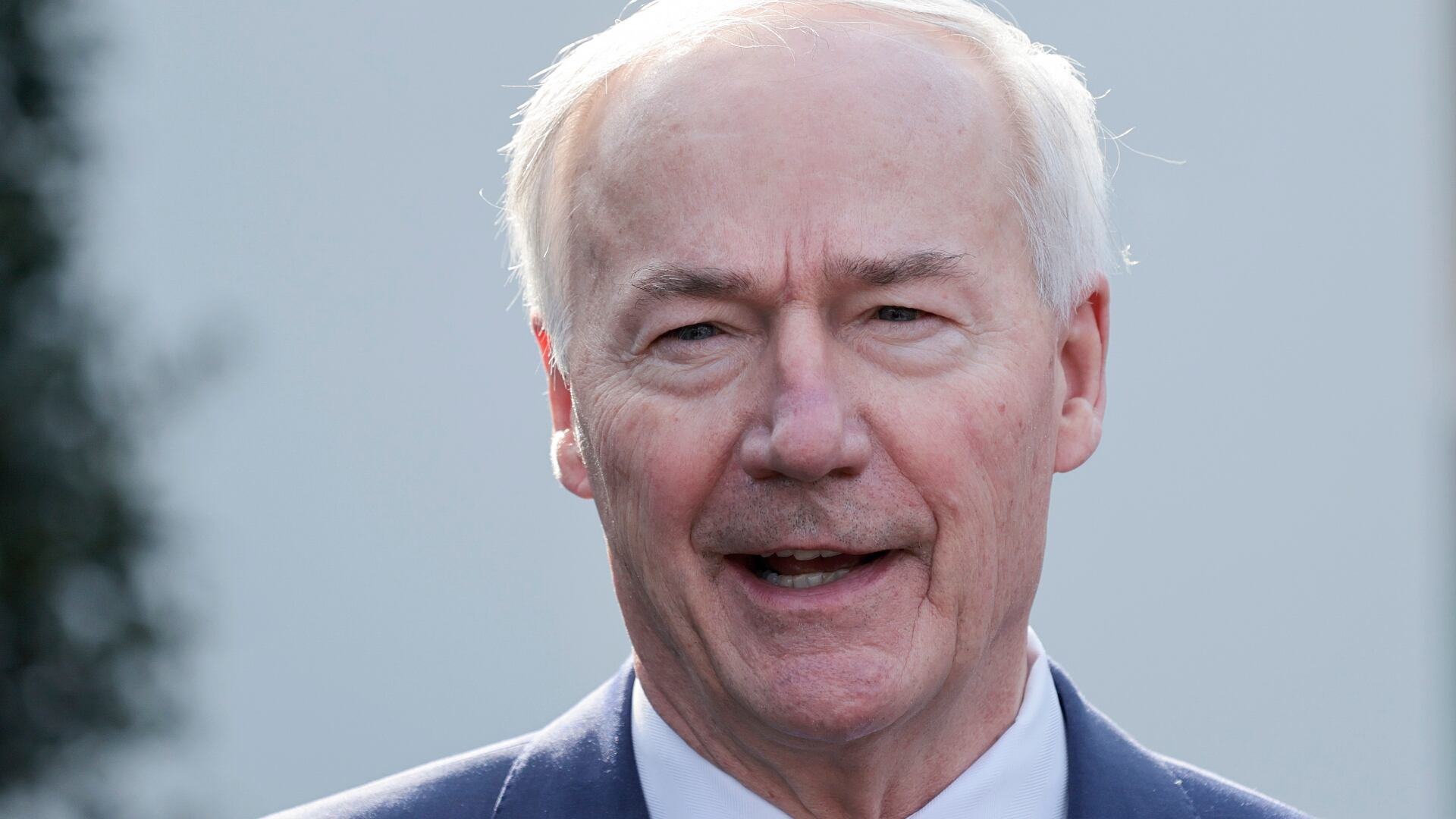
In the second part of Cheddar's talk with Governor Asa Hutchinson, the Republican from Arkansas discussed his state's abortion trigger law and the overturning of Roe v. Wade, the Texas law that would prevent social media platform moderation currently being held up by the U.S. Supreme Court, and rumors of his 2024 presidential run. "I did go to New Hampshire. I am testing the waters out there, so no decision at this point. But we're looking at it," he said, noting that if former President Donald Trump runs, it would not affect his own decision.
Cheddar Politics looks at the ongoing efforts to pass meaningful gun safety laws in both Chambers of Congress following multiple mass shootings. Lisa Hagen, senior political reporter for U.S. News and World Report, helps break down why Senators are hopeful that a modest bipartisan gun safety package might be able to overcome a filibuster.
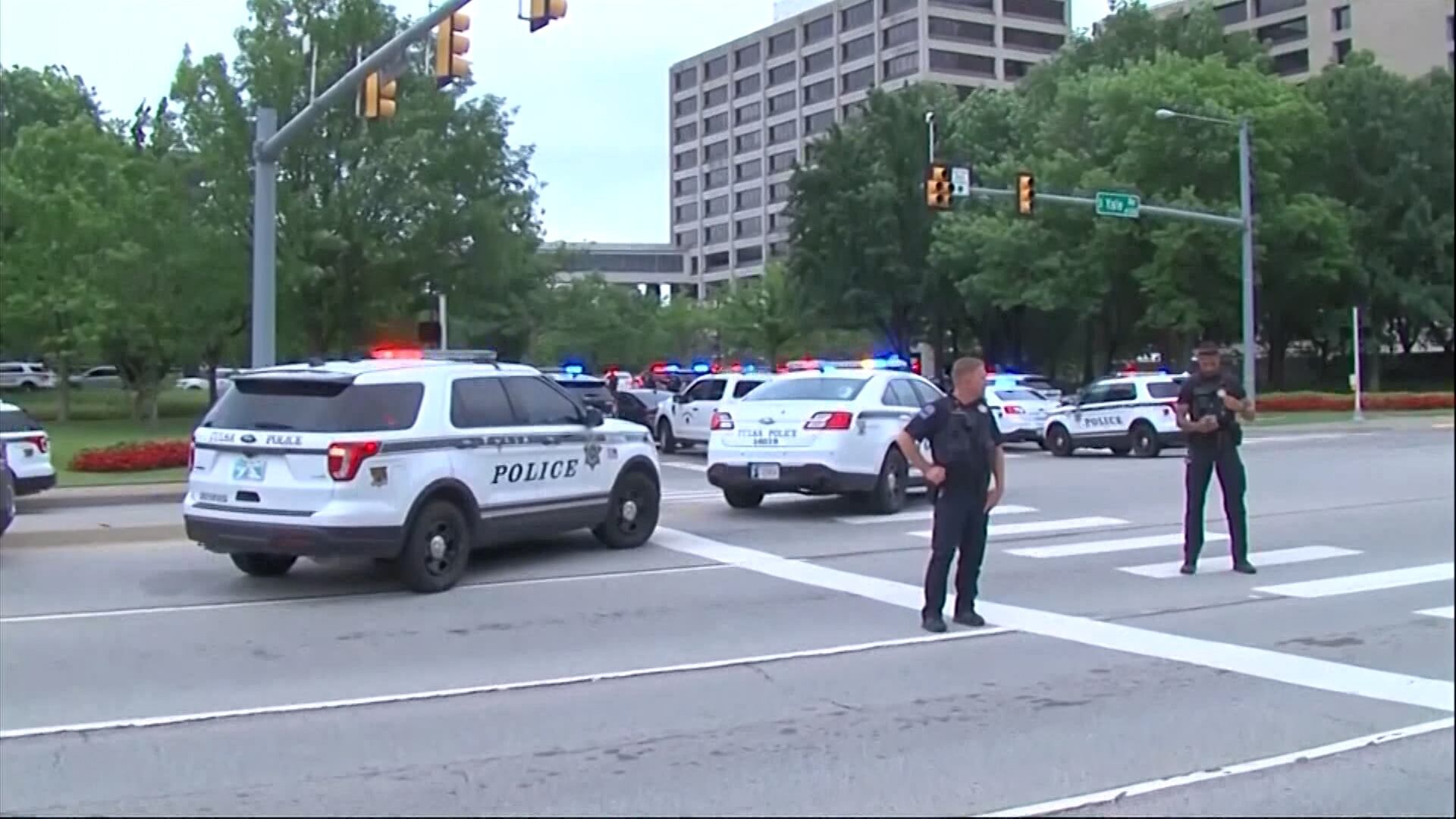
Join Cheddar News as we break down the top headlines this morning including updates on the Tulsa medical center shooting, Johnny Depp V. Amber Heard verdict, and Democrats push for gun control reform.
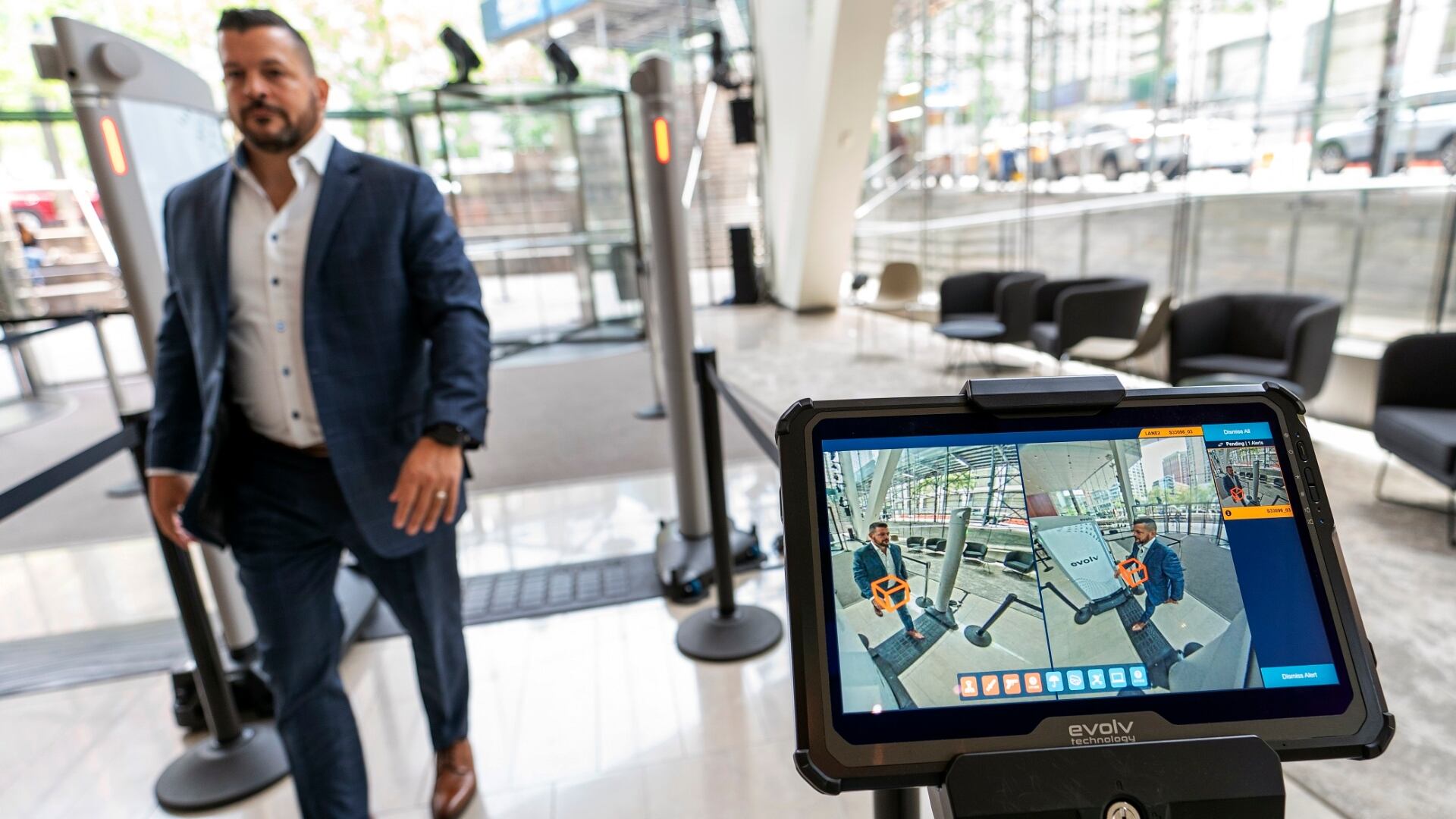
After two subway shootings in two months and the more recent mass shootings in Uvalde, Texas, and Buffalo, New York, Mayor Eric Adams is calling for gun detection scanners to be installed in New York City subways. The tech would be similar to that used in sporting arenas, however, experts note multiple difficulties with such a setup including the need for nearby human operators.
Catching you up on what you need to know on Wednesday, June 1, 2022, House lawmakers hold an emergency hearing on gun control measures in the wake of the Uvalde shooting, the Supreme Court temporarily blocks Texas' law stopping social media moderation, and the James Webb Space Telescope gets a new mission.