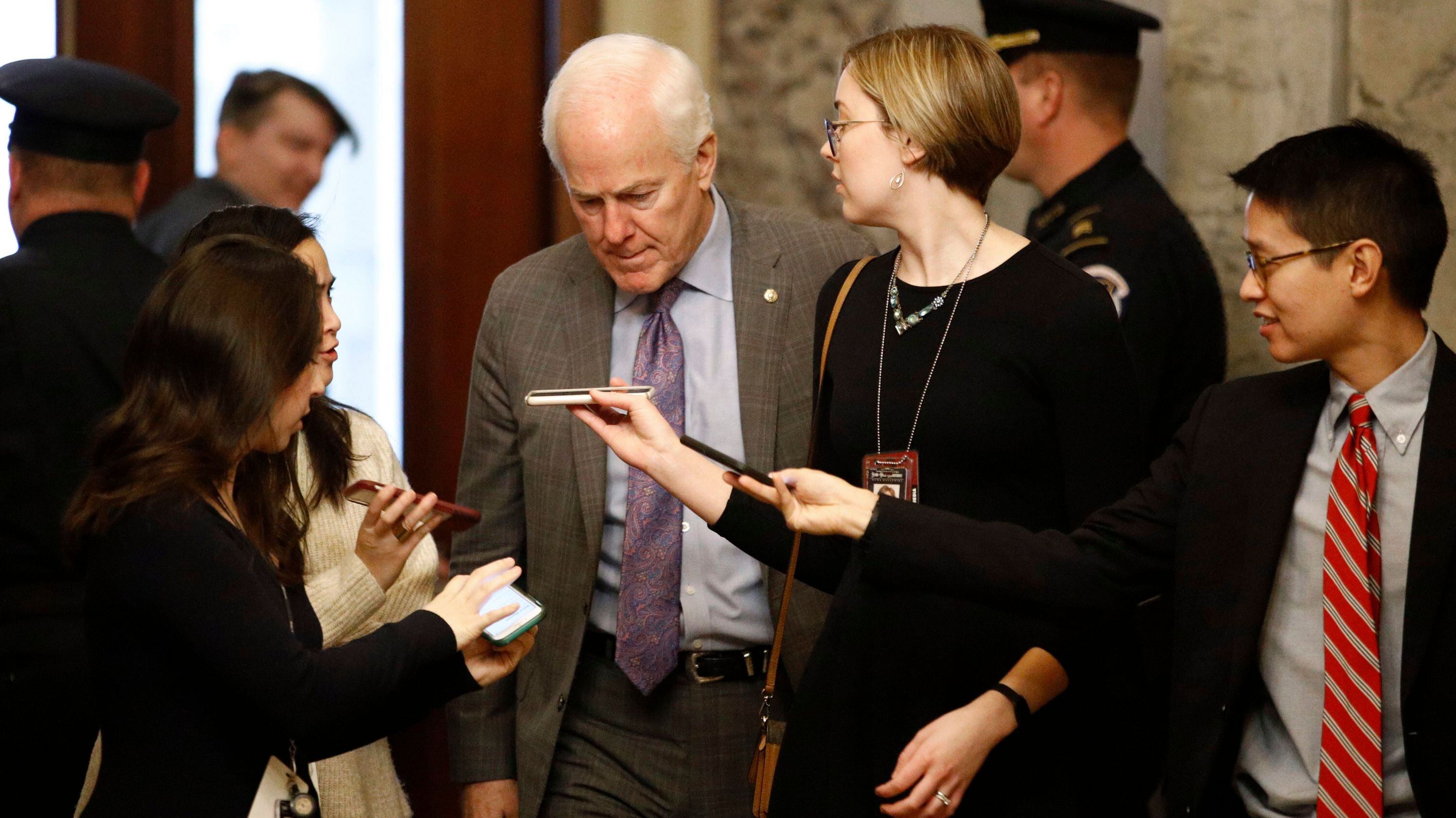
As day six of the impeachment trial headed into the evening hours, Republican Senator John Cornyn of Texas told Cheddar his experience as a judge and lawyer tells him "in every trial, there are sort of twists and turns, things we can't expect to be answered instantaneously, but will be answered by the time the trial will come to an end."
"I expect to give both sides an opportunity to put this in context. We don't even know what this book says," he said, referencing a book written by ex-national security advisor John Bolton. So far, President Trump's lawyers had yet to bring up Bolton's book in today's session, the manuscript of which was leaked over the weekend and left Republican senators reportedly "blindsided."
Sen. Cornyn added that though he believes The New York Times is biased against the Trump administration, he "frankly would like to see the book itself, but I'm sure the parties will have a chance to answer that." Bolton denied that he, his publisher, or his literary agent coordinated with the Times.
The president's defense team, which had 22 hours left in the trial schedule at the start of today's session, focused on what they described as the threat of the increased use of impeachment, questions of due process, and the ability of the president to withhold information from Congress through executive privilege. Across the way, the White House reportedly prepared for a split in the party that could lead to a request for testimony from Bolton.
Republicans did not bring Bolton up in the first five hours of the day. Defense lawyer Jane Raskin did spend time on the president's personal lawyer Rudy Giuliani and warned senators not to be "distracted" by how Democrats portrayed his involvement.
Executive privilege was brought up continuously throughout the afternoon as defense lawyers underscored the president's reasoning for barring aides from testifying in the name of "immunity."
At times, Senators appeared inattentive through the early portions of the day's sessions. Democratic Senators Bernie Sanders of Vermont and Cory Booker of New Jersey had their hands clasped under their chins for much of the time.
Some remained engaged throughout the session, such as Senator Amy Klobuchar of Minnesota, who, at one point, asked her neighbor Senator Chris Coons of Connecticut for what looked like a pocket copy of the U.S. Constitution, which she read from as the former independent counsel who investigated President Bill Clinton, Ken Starr, read from the preamble of the document. Most senators at the center of the debate for adding witnesses took down pages of notes, like Republican Senators Lisa Murkowski of Alaska and Susan Collins of Maine.
As the day wore on, the White House defense team focused on Hunter Biden, whose work in Ukraine was central to Trump's fateful July phone call with Ukraine President Volodymyr Zelensky.
But the reverberations from the John Bolton manuscript remained the day's main storyline with two Republican Senators, Mitt Romney and Susan Collins, saying that the disclosures could spur other Republicans to seek new evidence and hear witnesses, like Bolton.
If that happens, the fast acquittal that Donald Trump was hoping for will be much slower to arrive, and the president could face the prospect of delivering the State of the Union address with the threat of a trial still hanging over his head.
As Russia continues to invade Ukraine, its tech outsourcing sector is at risk. Over the past few years, the country has become a popular outsourcing destination for American and European tech companies, but now the future of that industry is uncertain. Isabelle Bousquette, enterprise technology reporter, for The Wall Street Journal, discusses what repercussions the crisis might have on the industry, and what companies are doing to mitigate possible disruptions.
In a nearly 3,700 page UN report, climate scientists outline the imminent dangers caused by climate change, saying fossil fuels are 'choking humanity.' The report calls some of the impacts of global warming 'irreversible,' warning of extreme consequences in the near future. Kristie L. Ebi, Professor of Global Health and Environmental and Occupational Health Sciences, University of Washington joined Cheddar's Opening Bell to discuss.
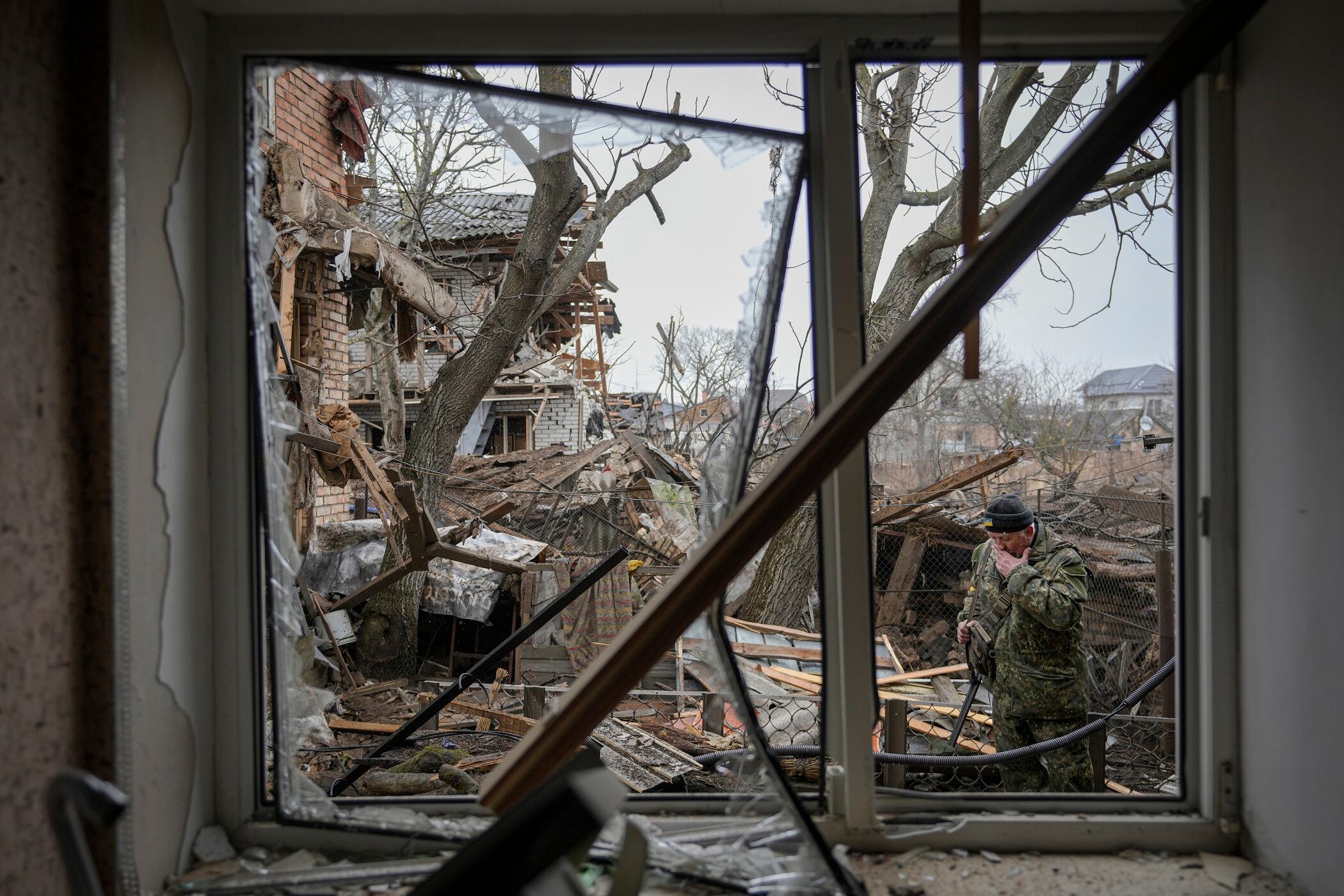
Ukrainian President Volodymyr Zelenskyy has signed an application for Ukraine's membership in the European Union, pleading with the bloc to accept this request. It comes as Russian forces push further into Ukraine, forcing at least half a million refugees to flee. Benjamin Schmitt, Postdoctoral Research Fellow at Harvard University and Senior Fellow at the Center for European Policy Analysis, breaks down the latest in Ukraine.
A growing wave of major U.S. companies have taken steps to cut ties with Russia or offer support to Ukraine, as tensions escalate in the region. Exxon, Apple and Boeing are just the latest companies to make the move, following the likes of Google, Meta and BP who have all announced plans to exit the region in response to the conflict. Courtney Vinopal, Breaking News Reporter, Quartz joined Cheddar's Opening Bell for more.
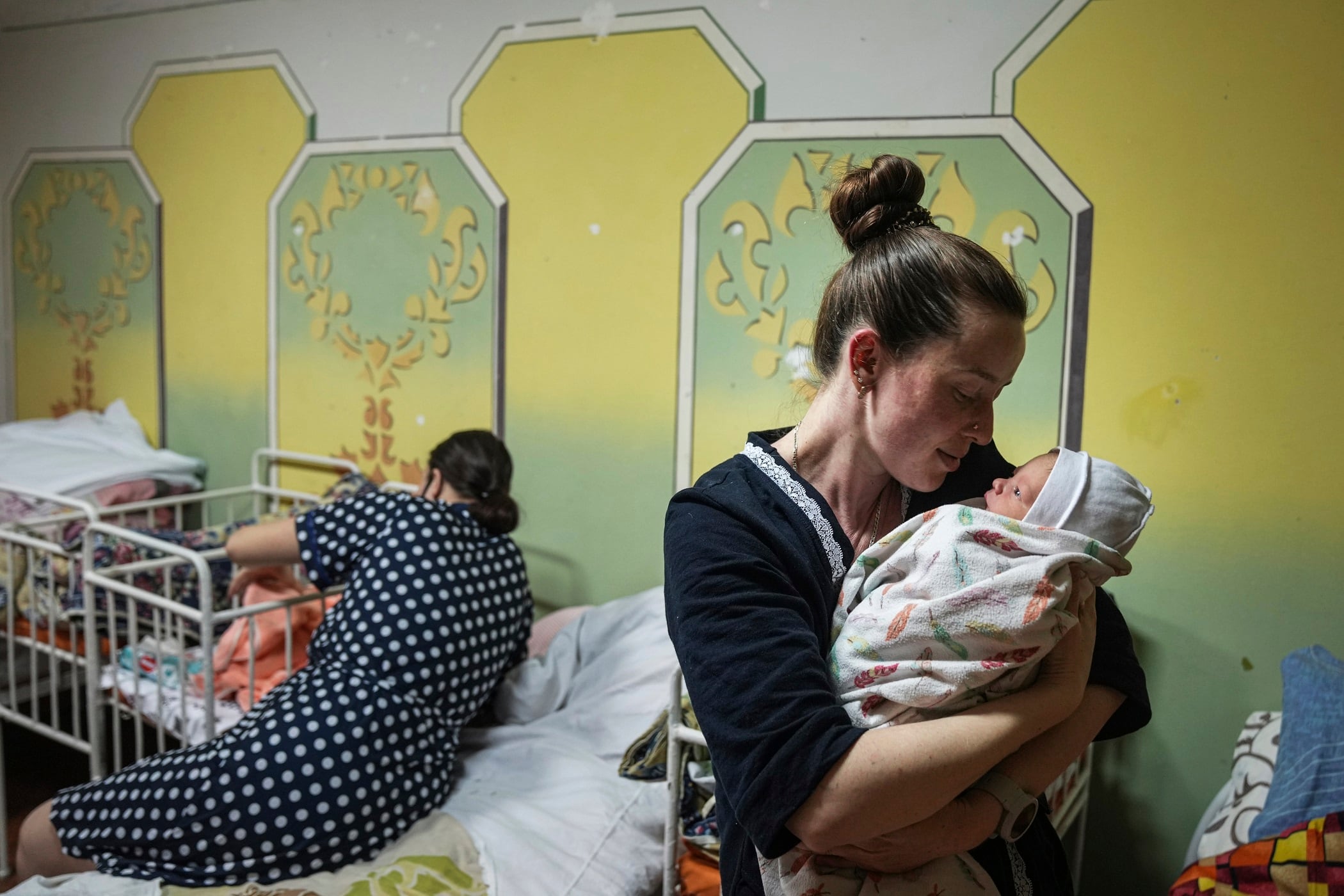
A hospital basement in Ukraine’s coastal city of Mariupol has transformed into a bomb shelter and maternity ward amid shelling during Russia’s invasion.
World leaders are currently dealing with a handful of pressing issues, including Russia's invasion of Ukraine, inflation, and not to mention the COVID-19 pandemic; but it could be argued that the most pressing issue is one that has experienced its fair share of neglect in the past -- climate change. As tensions escalate between Russia and Ukraine, there is fear the focus on climate will once again be pushed aside. However, the White House appears to be making some effort to prevent that from happening. The White House Office of Science and Technology held a first-of-its-kind roundtable discussion with some of the nation's leading climate scientists on Thursday. Michael Mann, Director of the Earth System Science Center at Pennsylvania State University, and author of the book 'The New Climate War' joins Cheddar News' Closing Bell to discuss his experience as one of the climate scientists at the White House event.
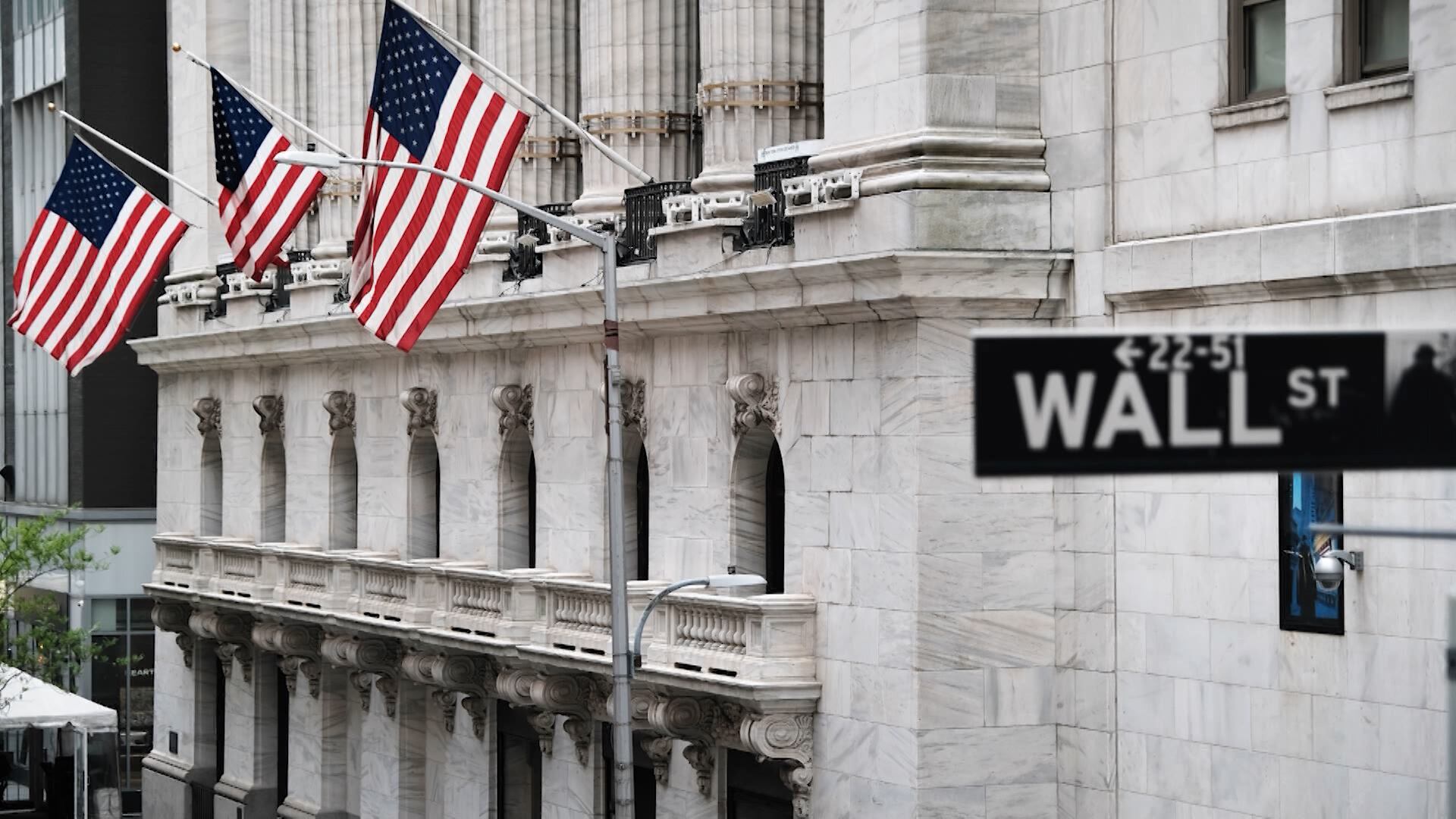
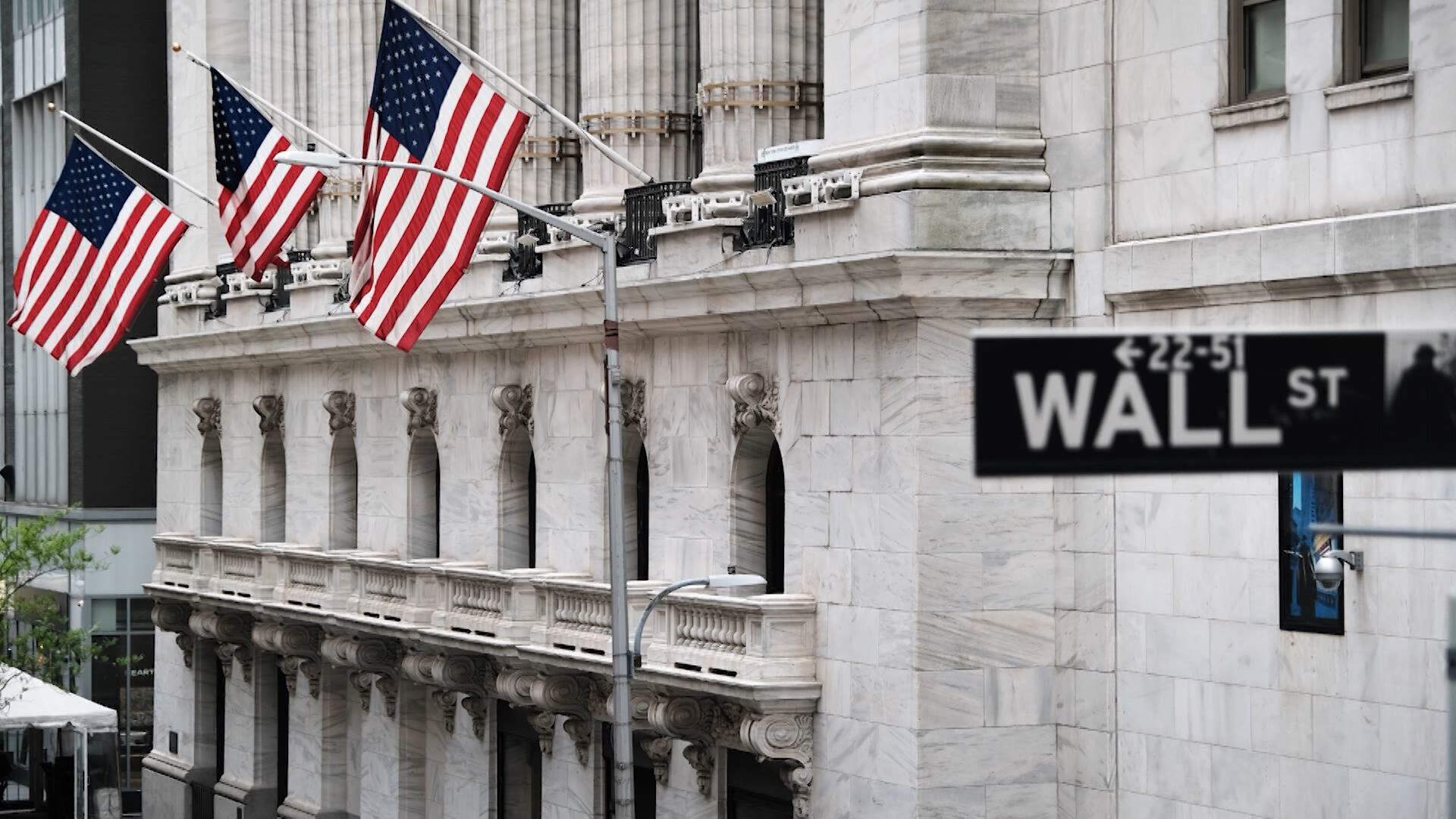
Scott Clemons, Partner and Chief Investment Strategist at Brown Brothers Harriman, joins Cheddar News' Closing Bell, where he discusses the factors leading to the sell-off on Wall Street today and explains why uncertainty is worse than bad news for the investors.
U.S. stocks rebounded to end higher on Thursday after President Biden announced new sanctions against Russia following the country's attack on Ukraine. The Dow was down 859 points at its lowest point of the session, before ultimately finishing the day in the green. Melissa Armo, founder and owner of the Stock Swoosh, joins Cheddar News' Closing Bell to discuss.
People of African and Middle Eastern descent fleeing from Russia’s invasion of Ukraine are facing the double trauma of racism at the borders. Professor of law and migration studies at the University of San Francisco, Bill Hing, joined Cheddar News Wrap to discuss what some are describing as a double standard for other refugees escaping the war. "Those that are from the Middle East and from Africa who just happen to be in Ukraine, for example on a student visa, they are not going to be able to get into Poland or another area of the Schengen area because they are not natural Ukrainian," he said.