As the Senate trial on the impeachment of President Donald Trump got underway Tuesday, Democrats and Republicans began by facing off first on procedural matters. Democrats angled to admit new witnesses and documents during the Senate trial, while Republicans seem to be largely willing to follow the rules of the Clinton impeachment which allowed Senators to decide that issue later on.
A CNN poll out this weekend noted 69 percent of Americans want Senators to allow new witness testimony.
"I wish the Democrats would have subpoenaed witnesses. They didn't do that," said GOP National Spokesperson Liz Harrington. "They didn't do their job."
Although she said Democrats should have subpoenaed witnesses like the whistleblower and former National Security Adviser John Bolton, the House did notably issue subpoenas to officials like Energy Secretary Rick Perry, acting White House Chief of Staff Mick Mulvaney and Secretary of State Mike Pompeo, who all denied them. Bolton's attorney reportedly threatened to fight a subpoena initially, but he recently said he will testify if subpoenaed for the Senate trial.
A CNN poll also found that 51 percent of people say Trump should be convicted and removed from office, although Harrington noted, "We've seen plenty of polling that supports the position that American voters should decide who our president is, not partisans in the House of Representatives."
She also called the impeachment inquiry an attempt by Democrats to get a president they don't like out of office, a common argument from Trump's supporters. The Democratic case, she said, is not "about evidence or facts or witnesses."
After Senate Majority Leader Mitch McConnell released a four-page set of ground rules for the trial Monday night, Minority Leader Chuck Schumer said they seemed "designed by President Trump, for President Trump."
"It appears Leader McConnell decided to go along with the president's desire to cover up," said Schumer.
McConnell has said he is taking cues from the rules set forth in the 1999 Clinton impeachment trial. However, in that case, all witnesses had already been deposed and Clinton had provided the House with relevant documents before the Senate trial had begun in earnest. This time, Trump used executive privilege to block key witnesses from testifying and refused to turn over requested documents to the House.
Some progress was made Tuesday as Democrats and Republicans tried to come to an agreement on rules. McConnell agreed to extend the amount of time both sides have to present their cases from two days to three and agreed to allow evidence from the House hearings to be automatically entered into the record.
However, Senate Republicans struck down Schumer's amendment to subpoena documents the White House refused to turn over during the House investigation.
Trump is accused of withholding $400 million in aid from Ukraine in order to pressure the country's president to publicly announce that the Ukrainian government would launch investigations into political rival former Vice President Joe Biden and his son Hunter and attempting to obstruct the investigation into the matter. He was impeached by the House of Representatives last month.
Michael Avenatti, who represents the adult film star, says the recent FBI raid of President Trump's lawyer Michael Cohen is a telling sign that charges will soon follow.
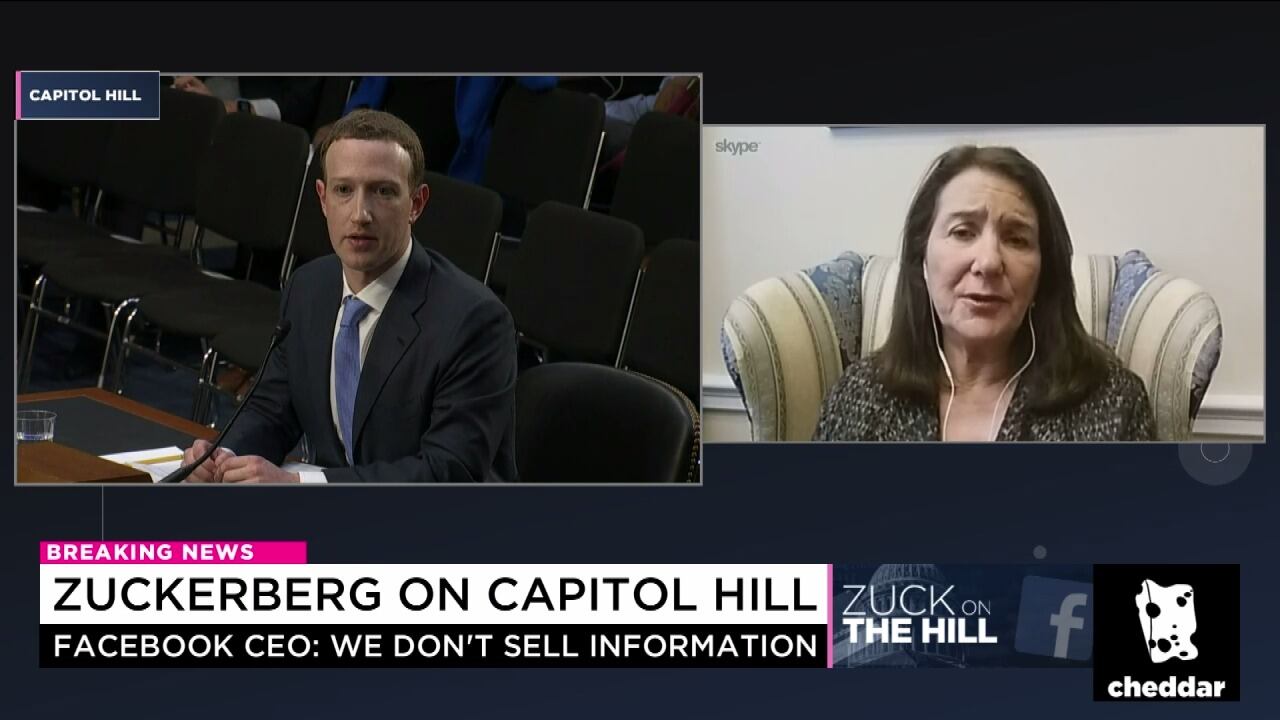
Facebook CEO Mark Zuckerberg testified on Capitol Hill Tuesday about the massive data scandal at the social media giant. Rep. Diana DeGette (D-CO) shares her reaction, and what she plans to ask Zuckerberg when he speaks to the House of Representatives Wednesday.
During both of Facebook CEO Mark Zuckerberg's testimonies on the Cambridge Analytica scandal, lawmakers hinted at the potential for basing regulation off European laws. But the First Amendment might make that difficult, says the New Yorker's Andrew Marantz.
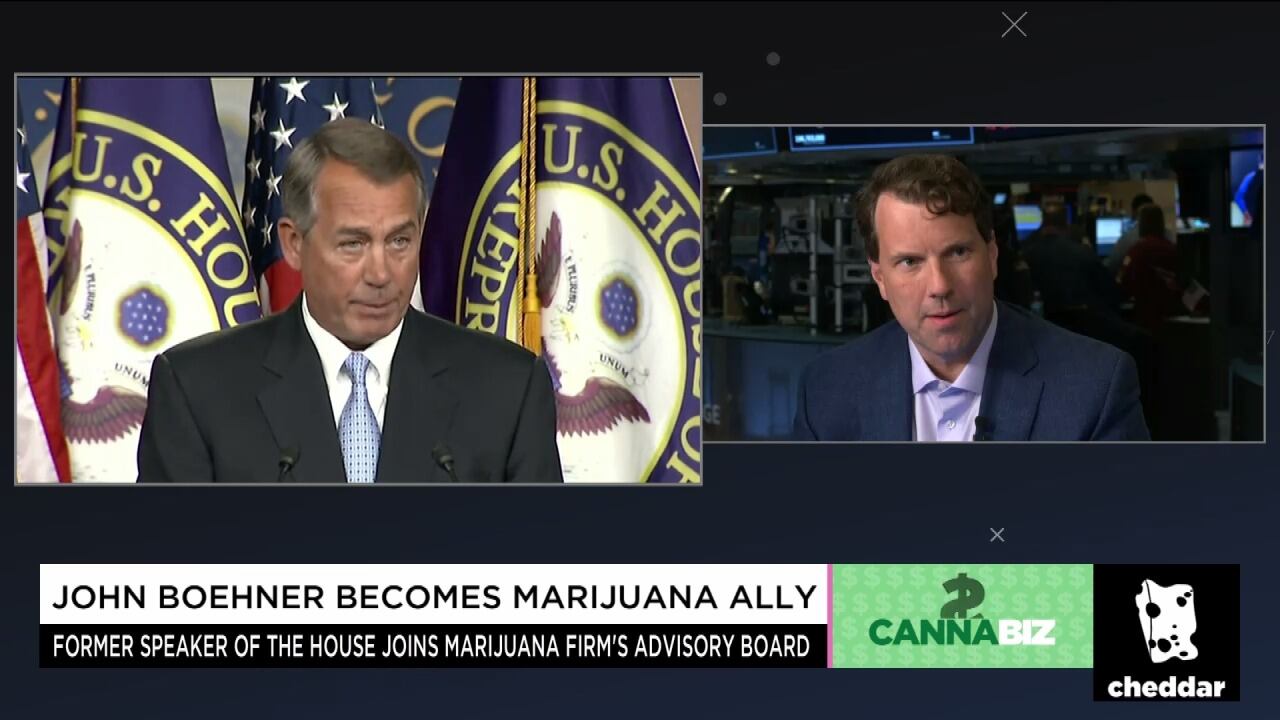
The former House Speaker, who has long been a firm opponent of legalizing marijuana, said Wednesday he'd be joining the board of Acreage Holdings, a company that cultivates and dispenses the drug in 11 states. The President of Acreage told Cheddar that helping veterans was what convinced Boehner to flip.
The congressman, who represents Arizona's 7th District, says sending troops to do the border is expensive and doesn't improve security.
Rep. Ruben Gallego (D-AZ) says Ryan's decision not to seek re-election indicates that Republicans face a tough fight in the midterm elections. "He knows he's going to be a minority leader next year." Ryan made the surprise announcement Wednesday, saying he took the speaker position "reluctantly" in the first place.
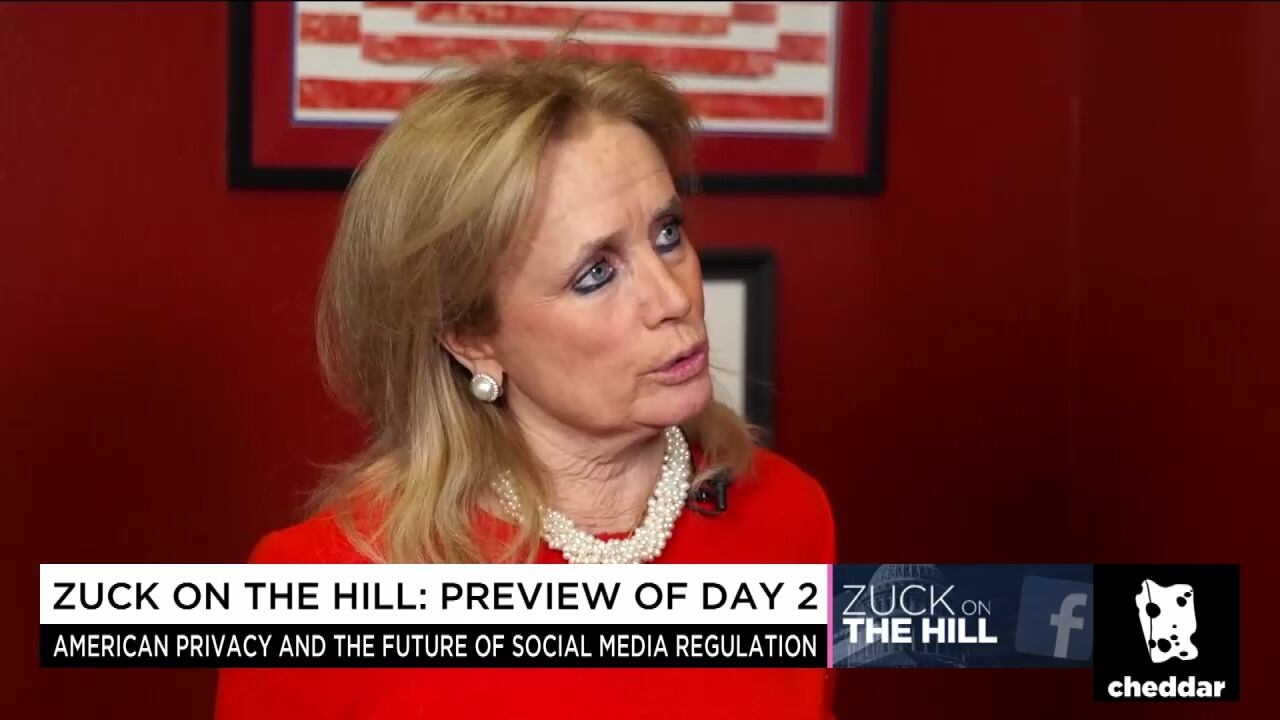
Facebook CEO Mark Zuckerberg returns to Capitol Hill for a second day of questioning. Today, Zuckerberg testifies before the House Committee on Energy and Commerce. Ahead of the hearing, we spoke to Congressman Debbie Dingell (D-MI) about what she wants to hear from the Facebook CEO. Dingell is concerned about the privacy of Americans who use the social networking site and speculates about what a regulated Facebook would look like.
In other Washington news, House Speaker Paul Ryan (R-WI) announced today that he will not seek re-election this November. Ryan held a press conference to elaborate on his decision. He said he thinks he's done his part and looks forward to spending more time with his family.
Also, Joanna Coles stops by to talk about her new book, "Love Rules." She says her book can help readers find real love in the age of Tinder and Bumble. Coales, who sits on the board of directors for Snap, discusses what it's like to be a woman on the board of a Silicon Valley tech giant.
The Congresswoman admitted that changes won't come in time for the midterm elections in November. But the question is no longer whether social media be regulated but what that regulation should look like, says Dingell. She says European laws serve as good models. Facebook CEO Mark Zuckerberg faces a House committee Wednesday for a second round of questioning on the Cambridge Analytica scandal.
Congresswoman Diana DeGette, who is on the House committee that will question Mark Zuckerberg tomorrow, says perhaps harsher penalties will force companies to do more before breaches occur.
The shoe designer, who co-founded Jimmy Choo before becoming COO at her own eponymous brand, says talking to peers about what you're earning is the only way to find out if you're being undervalued.