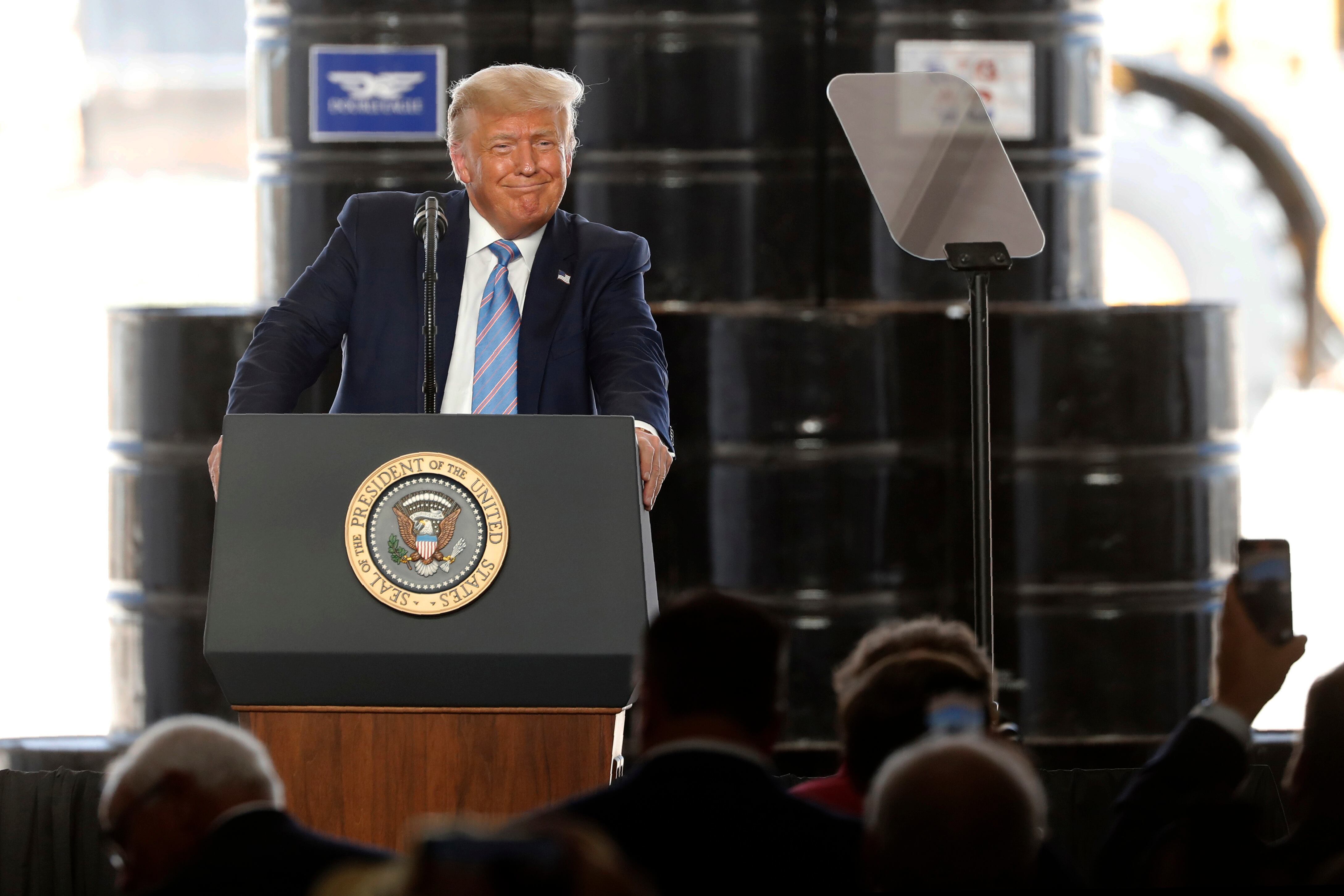
As the Senate trial on the impeachment of President Donald Trump got underway Tuesday, Democrats and Republicans began by facing off first on procedural matters. Democrats angled to admit new witnesses and documents during the Senate trial, while Republicans seem to be largely willing to follow the rules of the Clinton impeachment which allowed Senators to decide that issue later on.
A CNN poll out this weekend noted 69 percent of Americans want Senators to allow new witness testimony.
"I wish the Democrats would have subpoenaed witnesses. They didn't do that," said GOP National Spokesperson Liz Harrington. "They didn't do their job."
Although she said Democrats should have subpoenaed witnesses like the whistleblower and former National Security Adviser John Bolton, the House did notably issue subpoenas to officials like Energy Secretary Rick Perry, acting White House Chief of Staff Mick Mulvaney and Secretary of State Mike Pompeo, who all denied them. Bolton's attorney reportedly threatened to fight a subpoena initially, but he recently said he will testify if subpoenaed for the Senate trial.
A CNN poll also found that 51 percent of people say Trump should be convicted and removed from office, although Harrington noted, "We've seen plenty of polling that supports the position that American voters should decide who our president is, not partisans in the House of Representatives."
She also called the impeachment inquiry an attempt by Democrats to get a president they don't like out of office, a common argument from Trump's supporters. The Democratic case, she said, is not "about evidence or facts or witnesses."
After Senate Majority Leader Mitch McConnell released a four-page set of ground rules for the trial Monday night, Minority Leader Chuck Schumer said they seemed "designed by President Trump, for President Trump."
"It appears Leader McConnell decided to go along with the president's desire to cover up," said Schumer.
McConnell has said he is taking cues from the rules set forth in the 1999 Clinton impeachment trial. However, in that case, all witnesses had already been deposed and Clinton had provided the House with relevant documents before the Senate trial had begun in earnest. This time, Trump used executive privilege to block key witnesses from testifying and refused to turn over requested documents to the House.
Some progress was made Tuesday as Democrats and Republicans tried to come to an agreement on rules. McConnell agreed to extend the amount of time both sides have to present their cases from two days to three and agreed to allow evidence from the House hearings to be automatically entered into the record.
However, Senate Republicans struck down Schumer's amendment to subpoena documents the White House refused to turn over during the House investigation.
Trump is accused of withholding $400 million in aid from Ukraine in order to pressure the country's president to publicly announce that the Ukrainian government would launch investigations into political rival former Vice President Joe Biden and his son Hunter and attempting to obstruct the investigation into the matter. He was impeached by the House of Representatives last month.