Although Mark Sanford has been a vocal critic of President Trump's excessive spending and demeanor, the former Republican Congressman from South Carolina so far hasn't pressed his former Capitol Hill colleagues to call for articles of impeachment. Rather, in an interview with Cheddar over the weekend, Sanford brought up the idea of "censure" instead.
"If you can't kill the king, don't shoot at him," Sanford said. "I have a problem with some of the components of Trump-ism, and if you want to — in essence — end it, it has to be ended at the electoral voting booth."
On September 8, Sanford announced he, too, would run for President, saying the Republican party has lost its way. Sanford served in Congress from 1995 to 2001 and again in 2013 to 2019, with a stint as governor in between (during which he disappeared for several days with his mistress).
Sanford has stated the reason he lost his seat in last year's midterm election is because he publicly disagreed with Trump.
Although Sanford does not have a vote on any articles of impeachment, his situation as a GOP rival to President Trump during an impeachment inquiry is unique. He told Cheddar the public focus on the inquiry could put a snag in his presidential bid. "The giant sucking sound that we'll hear this fall is impeachment."
"I think you are going to see a real circling of the wagons at times," Sanford added. "That'll make it more difficult, not just for me to my message out, but frankly for a lot of others."
But despite the trouble he predicts for his campaign, Sanford thinks lawmakers need to act on the reports they have received regarding the potentially problematic use of White House power to try to get Ukraine to investigate political rival, Joe Biden, and his son Hunter.
"What you don't want is for the House to move forward with articles, the Senate to do nothing, and then what the President says: 'See, I'm absolved of all guilt, what was going on in Ukraine was totally proven false,'" Sanford said.
Sanford says he is in line with former colleague House Majority Whip Jim Clyburn.
"Let's tap the breaks here," Sanford says of Clyburn. "Let's go through the process, see what we find, and then we're going to figure [out what to do] as to whether we should or shouldn't go forward with impeachment."
2021 saw markets continue to be impacted by the onslaught of the coronavirus pandemic -most recently in the form of the Omicron variant- in addition to the global supply chain shortage, and increased inflation. But it wasn't all bad news, as crypto soared throughout the year, and meme stocks continued to have a moment. With the year coming to a close, investors are keeping an eye out to see if they should expect more of the same in the new year. Chris Vecchio, Senior Analyst, at DailyFX tells us what market trends to be on the watch for in 2022.
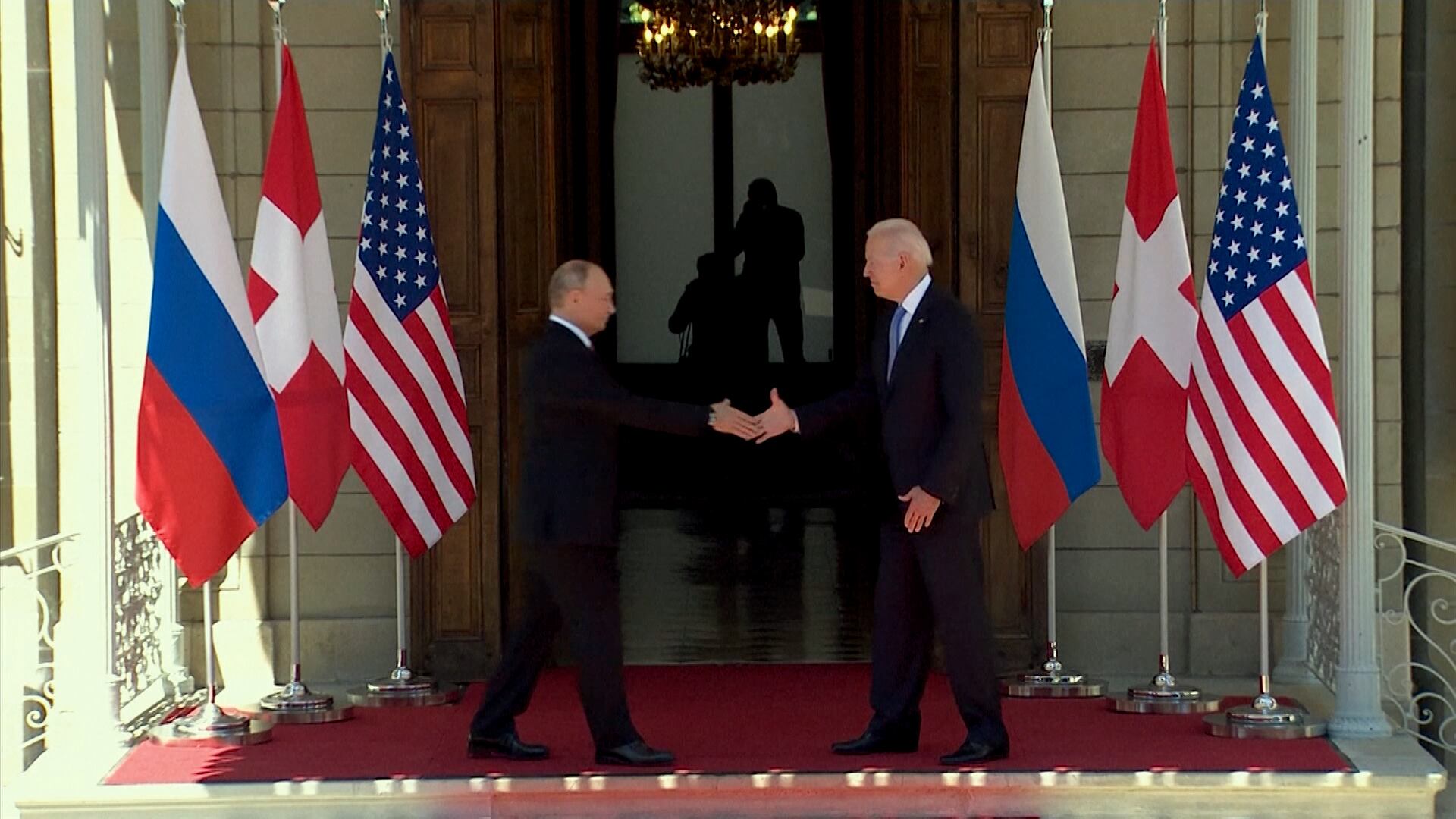
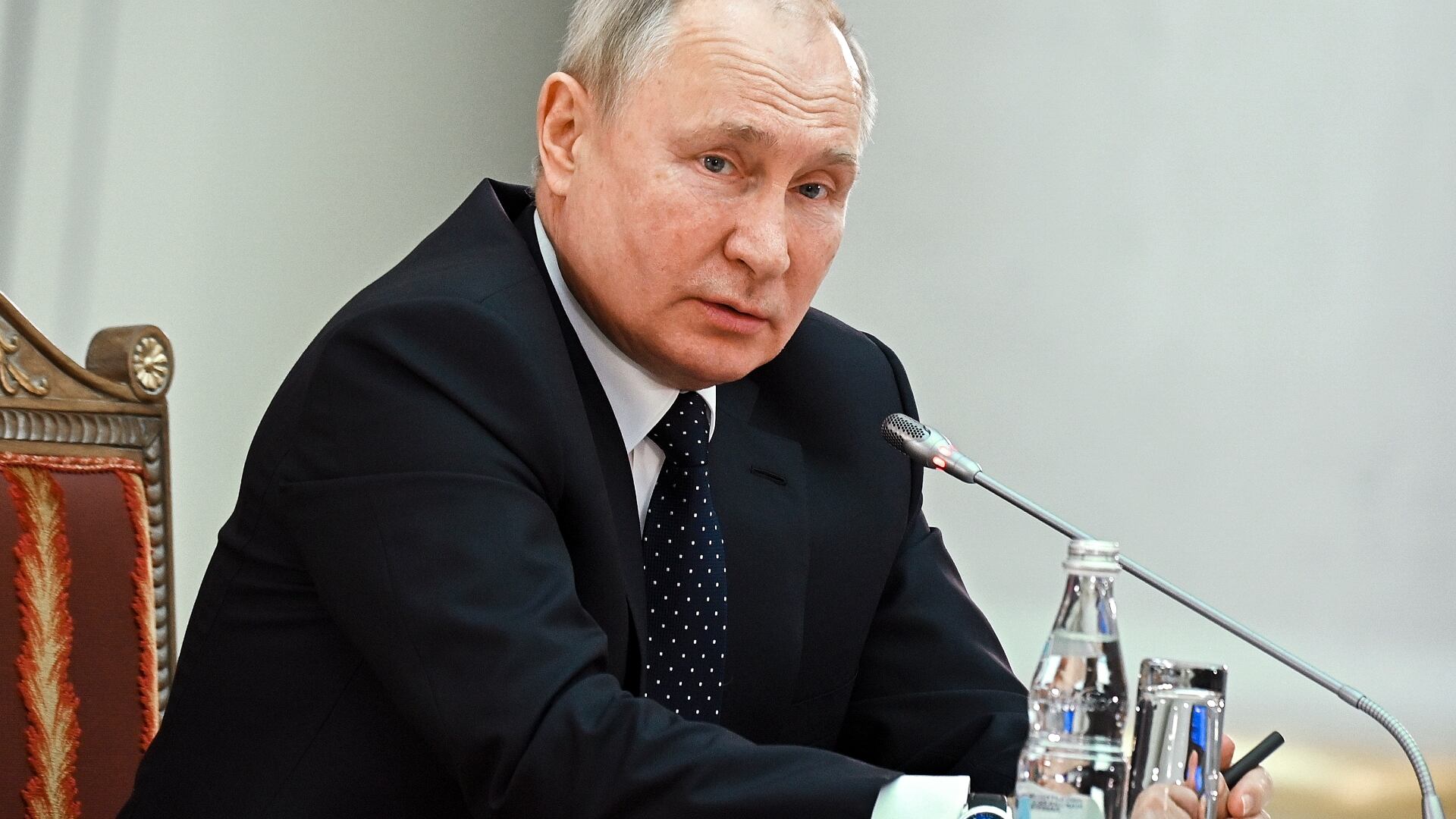
Matt Hayden, vice president of govtech solutions at Exiger and a former assistant secretary of cyber at Department of Homeland Security, joined Cheddar to discuss the surprise phone call initiated by Russian President Vladimir Putin to President Joe Biden, ahead of January security talks about the rising tensions over Ukraine. "We're hoping to hear that we're able to talk about the aggression and the leadup of the Ukrainian militarization," Hayden said. "But we're also looking to hear is how the Kremlin leveraged their talking points to try to test their negotiation stance with the United States leading into this January 10th meeting."
The No Surprises Act begins implementation on January 1, 2022. The legislation is meant to curb the practice of unexpected billing for care from providers the patient was unaware were out-of-network from their insurance. Patricia Kelmar, director of health care campaigns for U.S. PIRG joined Cheddar to describe the hundreds, sometimes thousands, of dollars charged to unsuspecting patients and how things will change under the new law. "If we are picking an in-network doctor and an in-network hospital, we should not see those added costs from anesthesiologists, radiologists, scrub-in surgeons," she said. "The other area it protects you is in air ambulances — not ground ambulances, unfortunately — but the helicopters or the airplanes you might need to transport you in an emergency situation."
President Joe Biden and Russian President Vladmir Putin are expected to have another conversation surrounding escalating tensions between Russia and Ukraine. Ariel Cohen, senior fellow at the Atlantic Council, joined Cheddar's Ken Buffa to discuss the ongoing tensions and why Putin's request for a conversation with Biden comes now. "This is very serious. This is the worst security crisis we had since the collapse of the Soviet Union," Cohen told Cheddar.
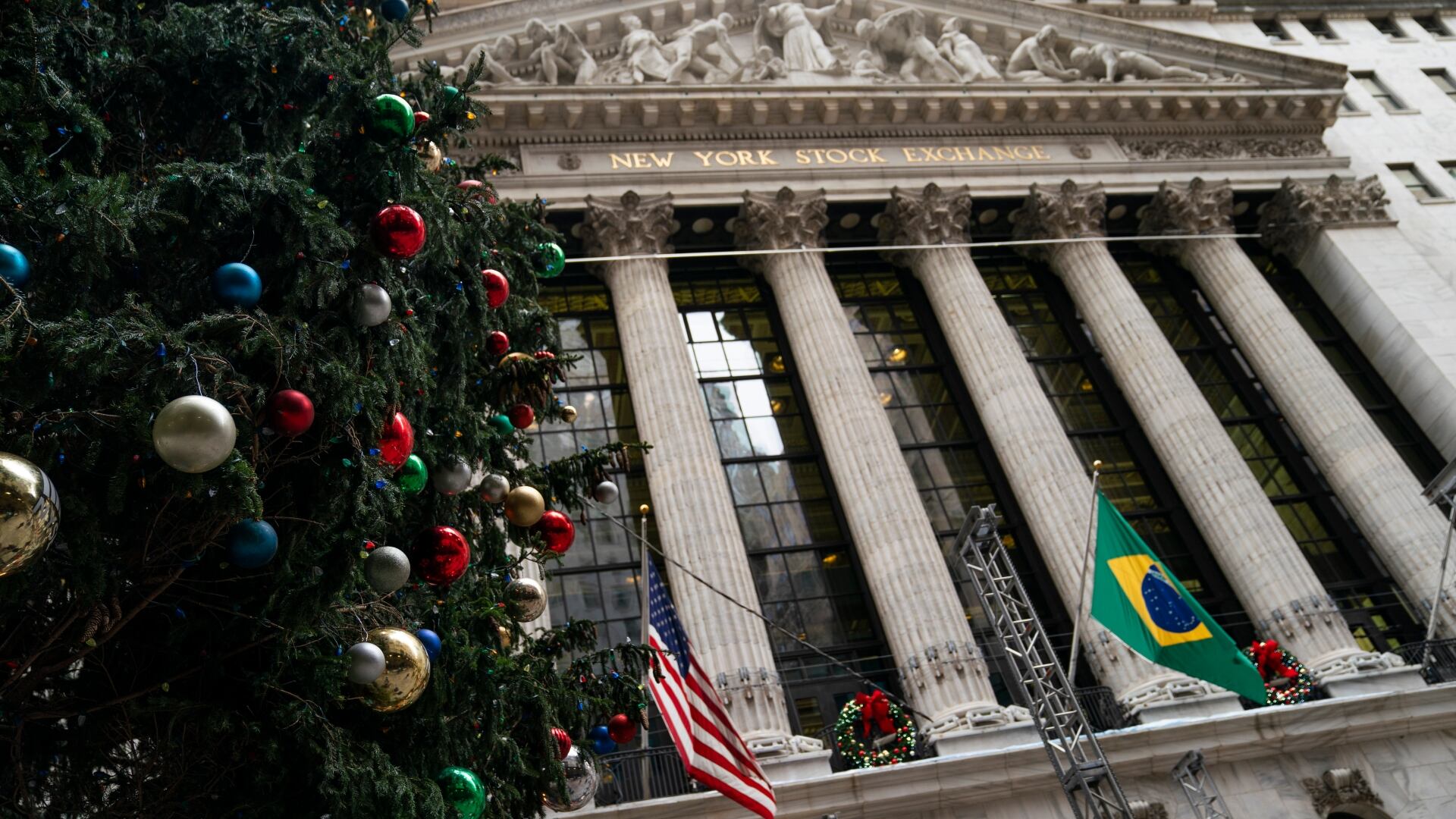
Stocks closed mixed on Wednesday, but two indexes - the Dow and the S&P 500 - ended the session with a new record. Akshata Bailkeri, Equity Analyst at Bruderman Asset Management, joins Cheddar News' Closing Bell, where she says there is a consensus for robust consumer spreading in 2022, especially as the Omicron variant is proving to be milder than other COVID-19 strains.