GOP Faces Existential Problem: How to Court Millennials Who Dislike Trump
*By Carlo Versano*
Millennials now comprise the largest voting bloc in the country, and the [majority](http://www.pewsocialtrends.org/2019/01/17/generation-z-looks-a-lot-like-millennials-on-key-social-and-political-issues/) of them do not approve of the sitting president.
That poses a problem for the GOP as it seeks to broaden its tent in anticipation of a future when Donald Trump is not on the ballot.
Trump's political calculus to appeal to his base ー an older, whiter, more conservative demographic ー is coming at the expense of his popularity among millennials, said Kristen Soltis Anderson, a Republican pollster and author of "The Selfie Vote: Where Millennials Are Leading America."
But Republicans' struggles to court younger voters predate Trump, and stem from the party being misaligned with younger generations on many cultural or social issues, Anderson said.
For millennials, who may already have been predisposed to favor more socially liberal candidates, the financial crisis became the defining moment that shaped their political ideologies, and many who lived through that event are now more open to the idea of big government and its role as problem-solver and regulator. That is in direct conflict with the long-held message of the GOP: the private sector solves the country's problems and creates wealth.
The irony, as Anderson noted, is that Trump could have been a president behind whom millennials could rally. His background as a non-ideological figure who once held some socially liberal views and came to Washington to shake things up may very well have scored him points with millennial voters, she said. "That kind of disruption could have been appealing to young people."
Instead, Trump took the opposite tack, making a hard right into divisive tribalism that does not appeal to such a diverse generation.
"Millennials like that America has become more diverse," Anderson said. "They're not afraid of social change."
To be fair, Trump's political strategy speaks to a larger problem for Republicans and Democrats alike in wooing moderate voters: the two-party primary system is built in such a way that any successful candidate has to play to the party's base in order to secure the nomination. That base is typically older and more set in its ways ー not leaving a lot of room for a message that would resonate with younger generations.
Anderson believes the GOP still has an opportunity to build a brand as the savvy, tech-forward party making government more efficient and accountable in an era when the internet has made speed, efficiency, and accountability qualities that voters value. But it is not a message that the Trump administration appears interested in advancing.
"That may be a Republican Party of days gone by," she said.
For full interview [click here](https://cheddar.com/videos/how-the-gop-could-win-over-millennial-voters-ahead-of-2020).
Jill and Carlo are a bit delayed today on account of Carlo's internet not working. Better late than never, they discuss what we know about the suspect in the Christmas parade crash, closing arguments in the Arbery killing trial, and more.
Stocks began the week closing at session lows on a day when bond yields rose and President Biden decided to stick with Jerome Powell as Fed Chair. Bryan Lee, Chief Investment Officer at Blue Zone Wealth Advisors, joins Cheddar News' Closing Bell, where he breaks down the day's activity and discusses what the Fed now needs to do going forward.
President Joe Biden announced Monday he is re-nominating Federal Reserve Chairman Jerome Powell after weeks of speculation that he would choose Democrat and Fed Governor Lael Brainard to fill the role. Biden could be looking for continuity as the U.S. continues to grapple with COVID-19 and high inflation, and investors could be on the same page: markets and treasuries ticked up after the White House made the announcement. MarketWatch Senior Reporter Greg Robb joins Cheddar News' Closing Bell to discuss Powell's re-nomination, what we can expect from the Fed's December meeting, whether it will speed up its taper timeline, and more.
President Joe Biden named Jerome Powell, initially appointed by President Trump, to keep his seat as the chair of the Federal Reserve on Monday amid the ongoing challenges of the pandemic, inflation, and unemployment. David Beckworth, a former international economist for the Treasury Department and a senior fellow with the Mercatus Center, joined Cheddar to discuss what he sees as the practicality of Biden's decision. "What Powell brings to the table is he's built up political capital with Republicans and Democrats," he said. "It's easy for him to get the job done. I think in one way he was the path of least resistance for the president."
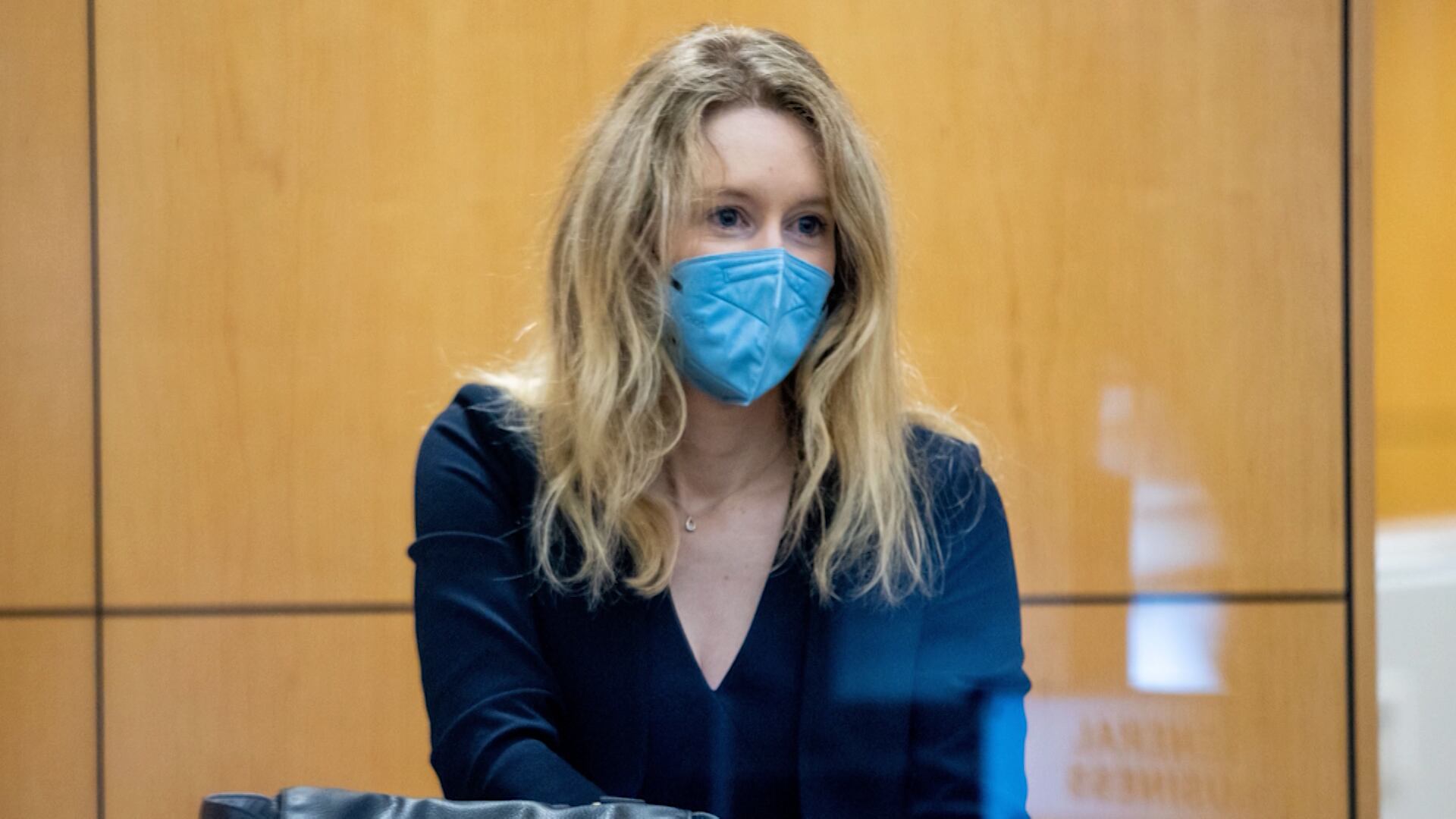
In a surprise turn of events, Elizabeth Holmes took the stand in her own defense on Friday and is expected to continue her testimony later today. Holmes, who founded a blood testing start-up Theranos back in 2003, faces 11 counts of wire fraud as well as conspiracy to commit wire fraud. Aron Solomon, Chief Legal Analyst, Esquire Digital joined Cheddar's Opening Bell to discuss.
Jill and Carlo cover the developing story out of suburban Milwaukee, where a speeding SUV careened through a Christmas parade. Looters get more brazen in San Francisco, the missing Chinese tennis star resurfaces, and more.
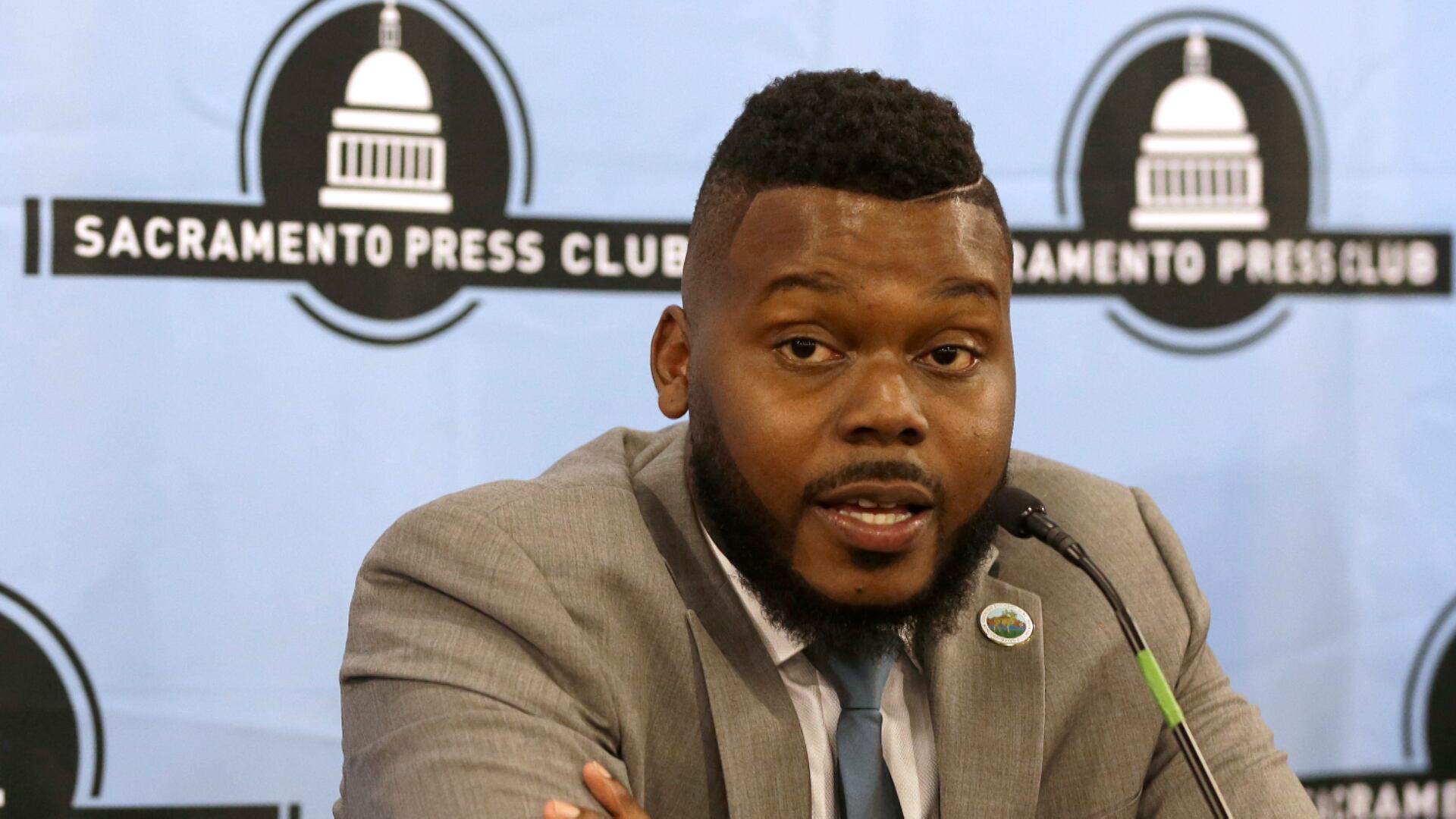
Michael Tubbs, former Mayor of Stockton, California and author of 'The Deeper the Roots,' joined Cheddar Movers to talk all about his new memoir, and his ongoing fight to make meaningful change in his community.