*By Jacqueline Corba*
Google's navigation app Waze expanded its carpool service on Wednesday to reach commuters across the U.S.
"We want to help everyone reduce traffic," the company's head of carpool, Josh Fried, told Cheddar Rides.
Only 8 percent of commuters are carpooling, according to Waze data. Fried said if the company can boost that figure to double digits, it will be able to make a dent in traffic congestion.
In the past, Waze has only been available in [13 U.S. states](https://cheddar.com/videos/how-to-make-money-on-your-commute) in addition to markets in Brazil and Israel. Now the service will be available anywhere in the U.S.
The nationwide launch comes just 6 months after a relaunch of the app, which was initiated after the company realized the importance of an interpersonal connection, Fried said.
"It's not blind-matching anymore," he said. "It's really about making connections for commuters that live near where you live or work near where you work."
Waze's carpool service offers riders an affordable trip and reimburse drivers for gas.
For the launch, Waze was able to rely on the deep pockets of parent company Google, a unit of Alphabet ($GOOGL).
Fried said 1.3 million of Waze navigation app users have, as of this week, opted in for adding the carpool app to their devices.
For full interview [click here](https://cheddar.com/videos/googles-waze-takes-carpooling-service-nationwide).
Caraway CEO, Jordan Nathan, joins Cheddar to discuss how one bad accident turned into a successful business venture and how it will help you in the kitchen.
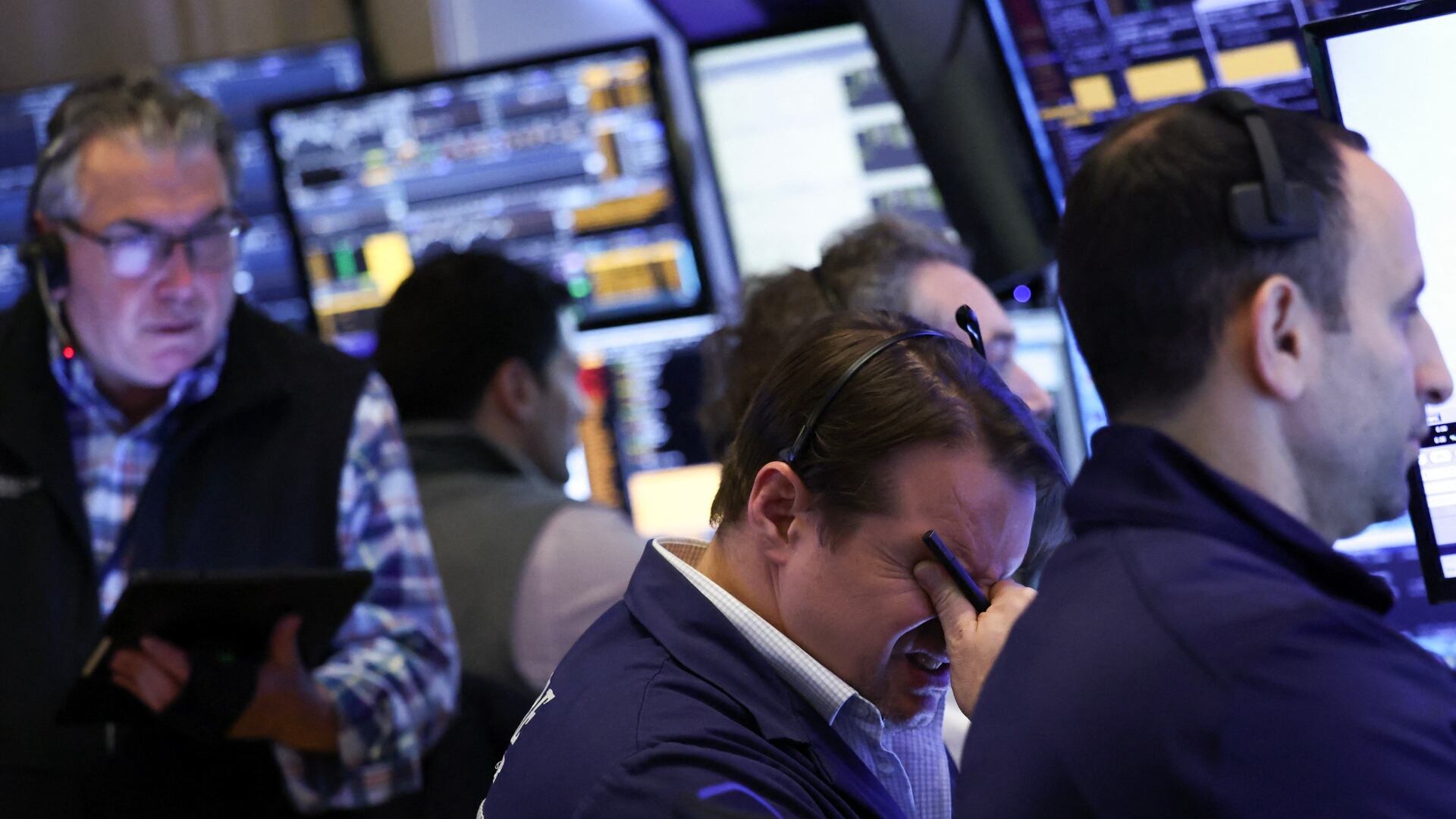
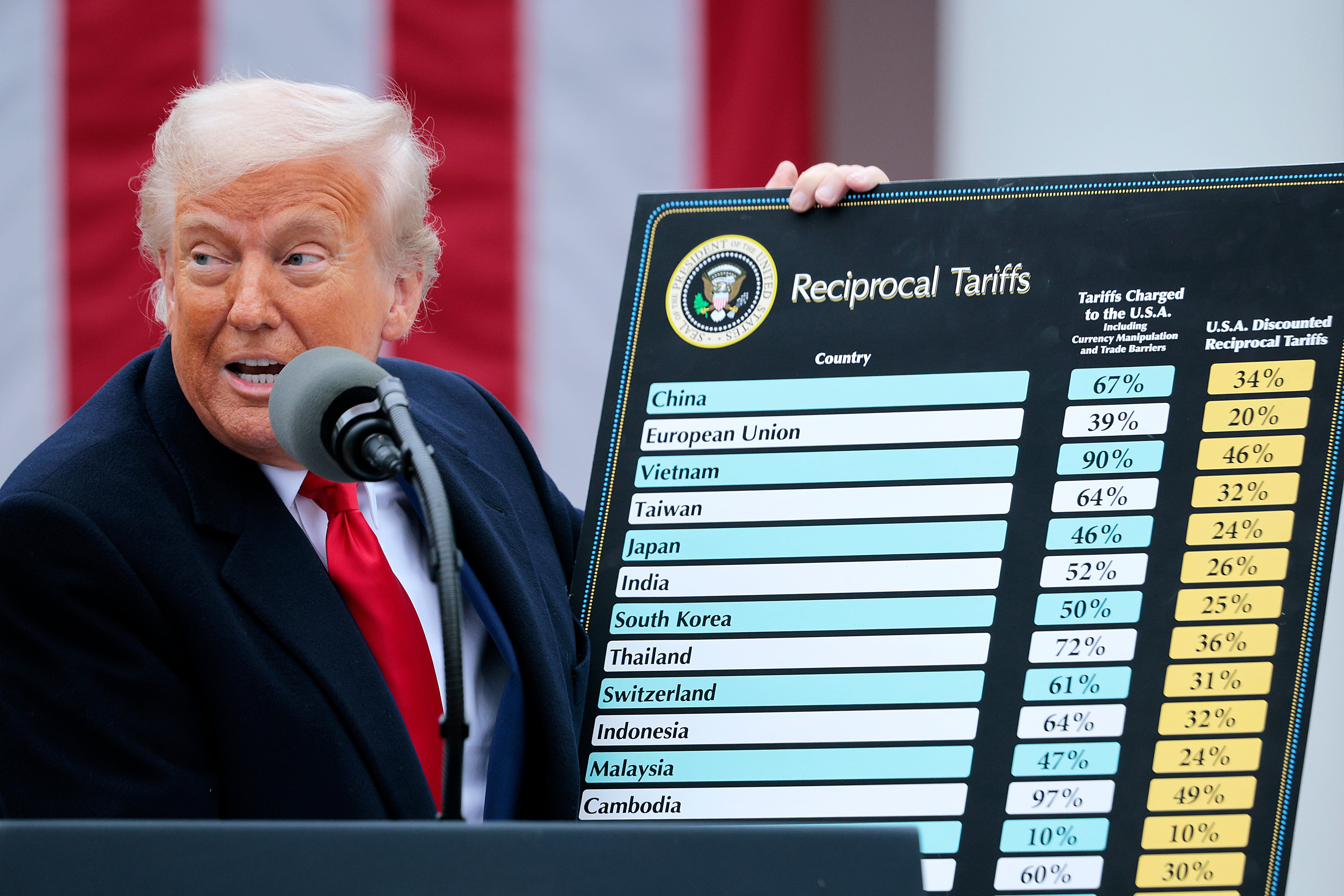
Chelsey Dulaney, reporter from The Wall Street Journal, takes us inside her piece about American Exceptionalism Trade and explains how it will affect consumers.
Sunset Magazine Editor-In-Chief, Hugh Garvey, talks the latest issue on the LA fires' threat to the California dream and the importance of the recovery efforts.
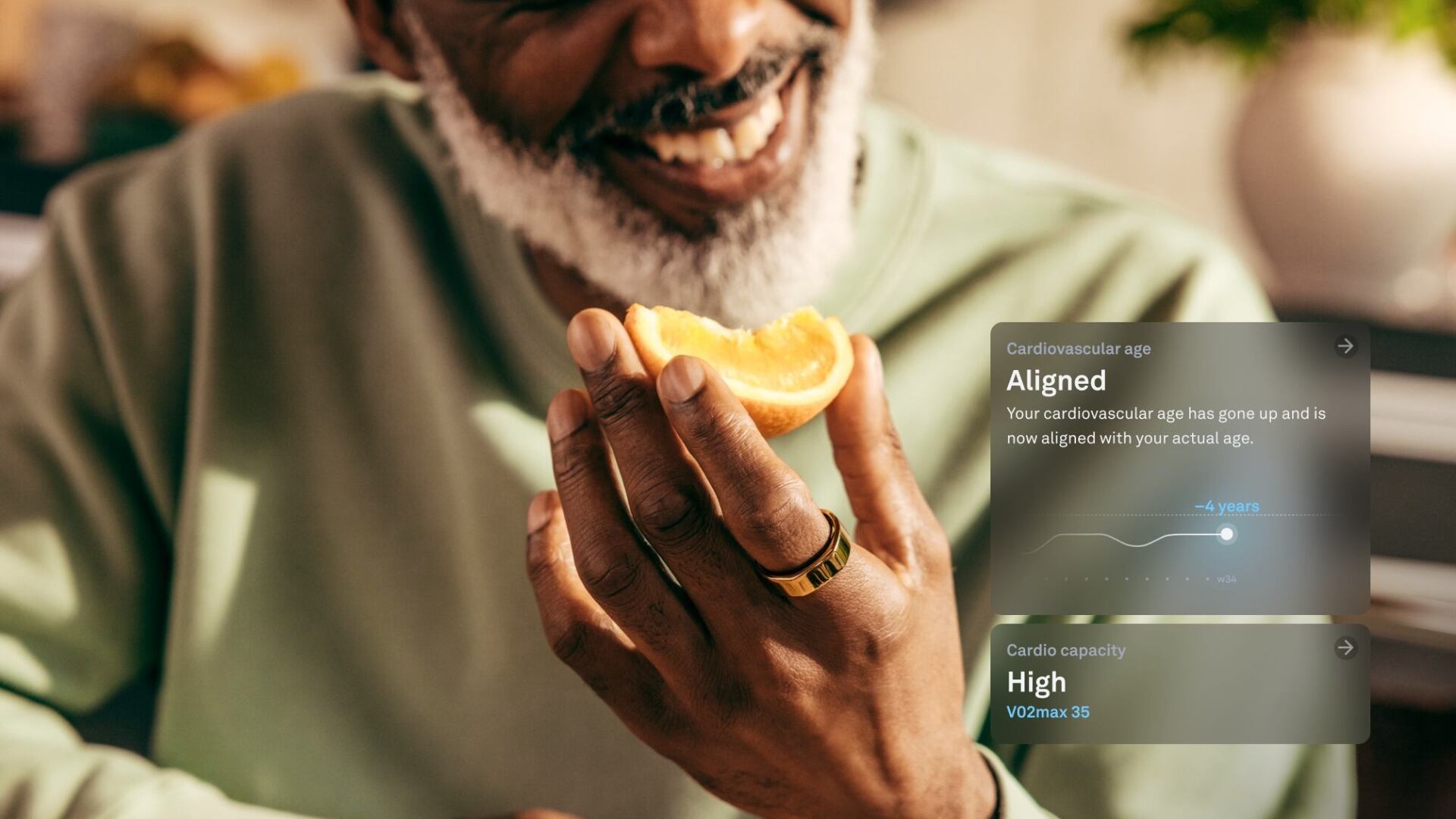
Oura Ring CEO Tom Hale joins Cheddar to take us inside the comprehensive health tracking device, explains how it works and how it can save your life. Watch!
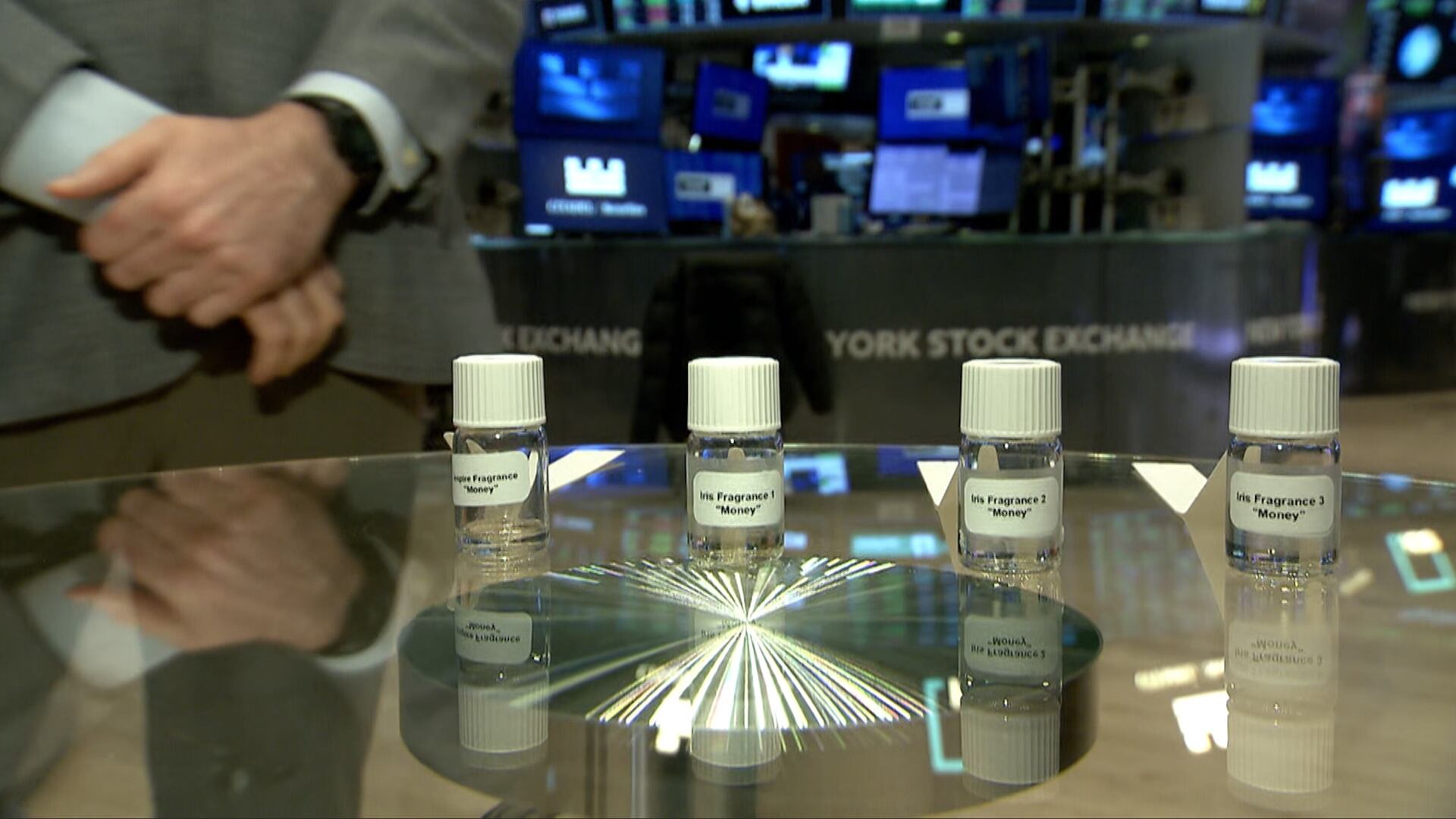
NASCAR star Bubba Wallace joins Steve Quirk, Chief Brokerage Officer at Robinhood, on the floor of the NYSE to discuss their latest partnership. Watch!
Adam Bierman, author of 'Weed Empire,' talks about the cannabis business in America and how he battled the Department of Justice and investment banks. Watch!