This March 19, 2018 file photo shows the Google app on an iPad in Baltimore. Google says it won't develop new ways to follow individual users across the internet after it phases out existing ad tracking technology from Chrome browsers in an upcoming overhaul aimed at tightening up privacy. (AP Photo/Patrick Semansky, File)
Google says it won't develop new ways to follow individual users across the internet after it phases out existing ad tracking technology from Chrome browsers in an upcoming overhaul aimed at tightening up privacy.
The digital giant has been working on proposals to remove from Chrome so-called third-party cookies, which are snippets of code used by a website's advertisers to record browsing history in order to show users personalized ads.
Third-party cookies have been a longstanding source of privacy concerns, so Google proposes instead grouping together web users with similar interests and keeping web histories private on user devices.
In a blog post, David Temkin, Google's director of product management for ads privacy and trust, said the company continues to get questions on whether it will join others in the ad tech industry that plan to replace third-party cookies with alternative user-level identifiers.
“Today, we’re making explicit that once third-party cookies are phased out, we will not build alternate identifiers to track individuals as they browse across the web, nor will we use them in our products," Temkin said.
Google plans to roll out the changes by next year. However, Google's proposals have drawn criticism from players in the online ad industry as well as scrutiny from U.K. regulators over concerns that it will add to the tech giant's already dominant power in online advertising.
Chrome is the world’s dominant web browser, and many rival browsers like Microsoft’s Edge are based on Google’s Chromium technology. Google will still be able to track users itself through data collected from its services like Search, Maps, and YouTube.
Nearly 40% of Americans choose travel over financial stability, funding trips on credit and sacrificing other budget line items to take a vacation — because live fast or die trying.
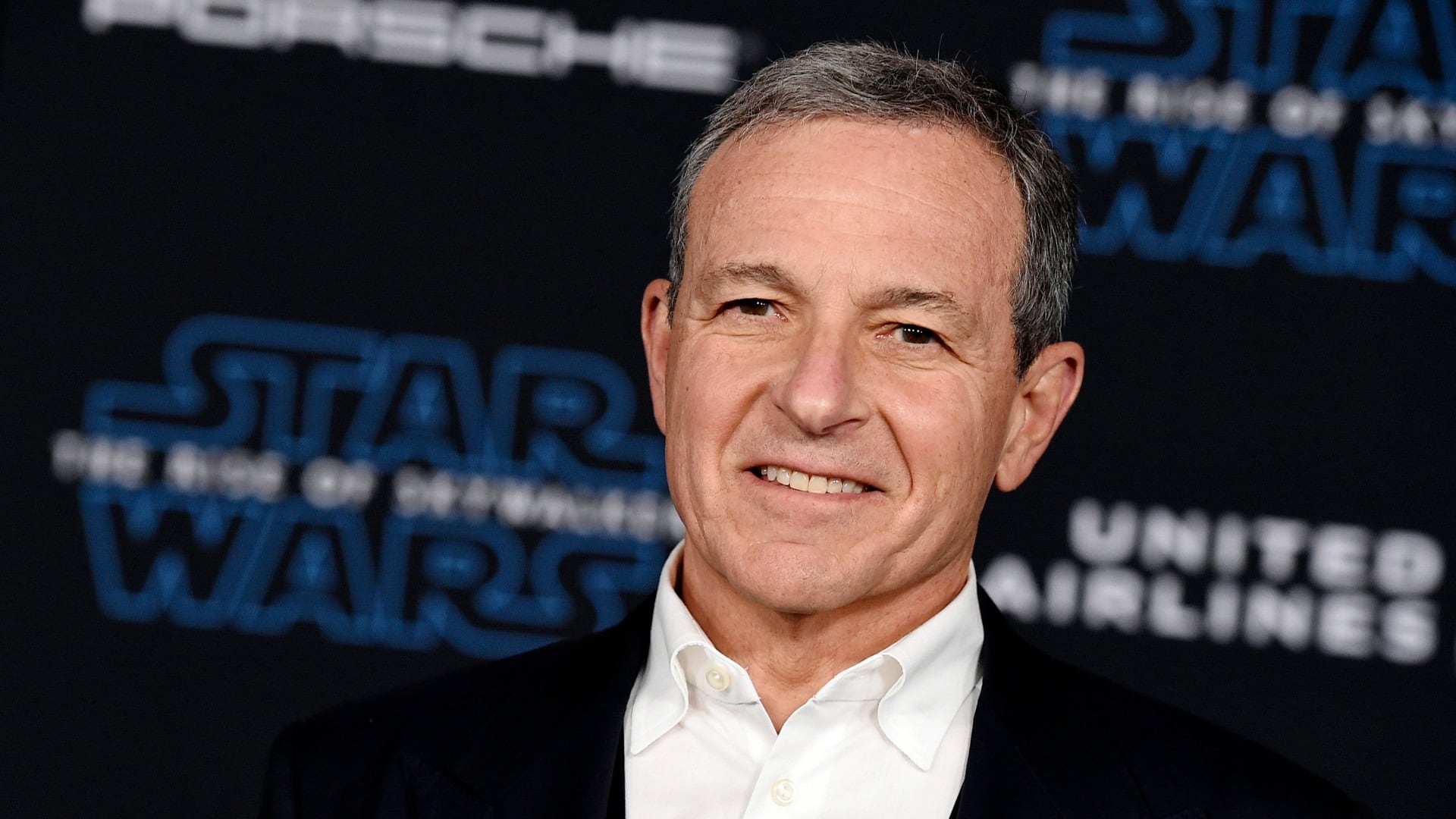
Disney shareholders have rallied behind longtime CEO Robert Iger. They voted Wednesday to rebuff activist investor Nelson Peltz and his ally, former Disney chief financial officer Jay Rasulo.
Student loan borrowers have the ability to earn retirement funds pegged to their payments – and the company Summer might be bringing it to your workplace.
It might not be what investors want to hear… but bringing down inflation could mean interest rates stay higher for (even) longer. But it's not all downside.
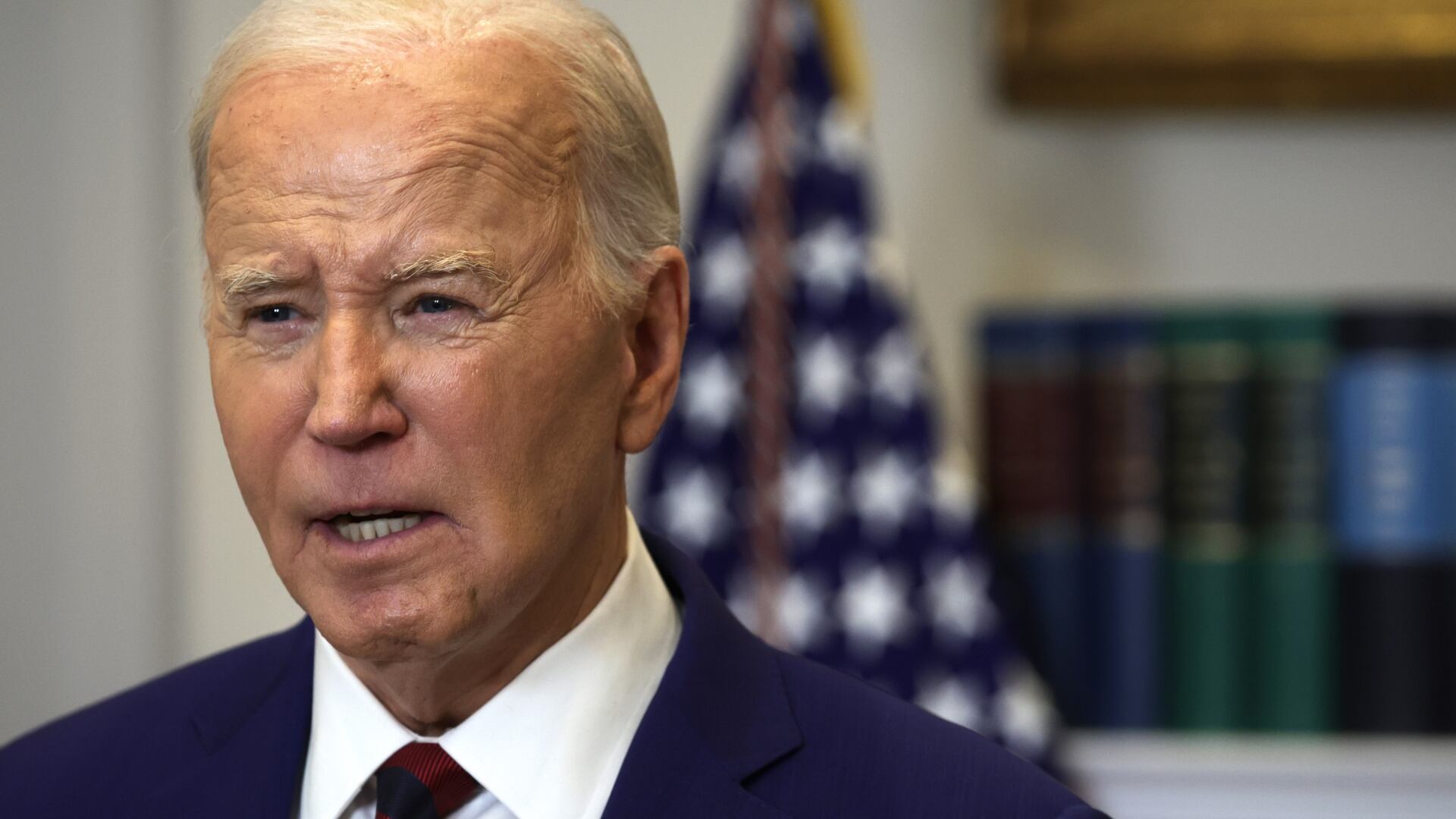
President Joe Biden and Chinese President Xi Jinping have discussed Taiwan, artificial intelligence and security issues in a call meant to demonstrate a return to regular leader-to-leader dialogue between the two powers.
April is Earth month, and while the green revolution might feel far away, the founder of climate VC Siam Capital says it’s on it’s way, and, even better: it won't cost you more.
From snow in April to heatwaves in December, it’s hard to plan a trip in a climate change world. Startup Sensible Weather thinks weather-based travel reimbursements are the solution.