The power of A.I. can reach deeper than just recommending which show to binge on Netflix. It can also be used to analyze millions of images to predict things like income, political leanings, and buying habits. Steve Lohr, Technology and Economics Reporter at The New York Times, joined us to discuss artificial intelligence's full potential when it comes to predictive analytics.
Lohr's recent piece in The New York Times highlights a Stanford study that used 50 million images from Google Street View to give a glimpse of A.I.'s ability to gather data. He explains that researchers identified 22 million cars to draw conclusions about information such as which political candidate a particular zip code favored. The project took just 2 weeks to classify all the cars. In his piece, Lohr points out that without the help of AI, it would take human experts over 15 years to accomplish that task.
This type of data collection raises concerns over privacy and issues of data access. He says most of predictive analysis has been used for commercial purposes and selling products. The use of data becomes scary when it becomes integrated into decisions such as hiring, he says, because the mistakes become more costly.
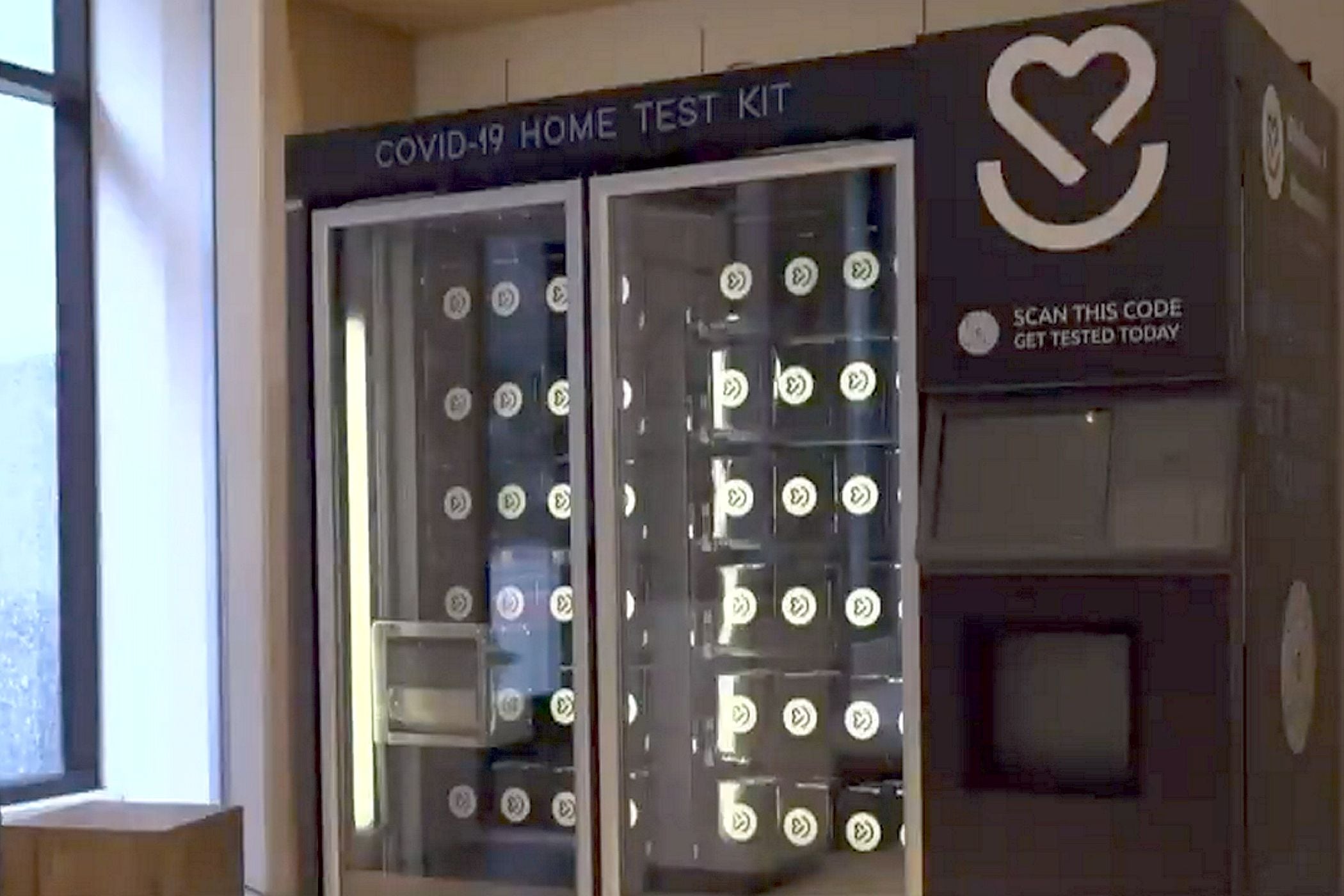
Wellness 4 Humanity is testing out COVID-19 related vending machines. Items include tests kits and PPE. Cheddar's Chloe Aiello reports.
The Google-owned company received accreditation for brand safety from the Media Rating Council, a non-profit organization created in the 1960s to help self-regulate the media industries.
Shop's general manager Carl Rivera spoke with Cheddar about increasing its reach for both consumers and merchants on the social media networks.
In the 1920s, an army of real estate boosters set out to redefine Florida from an economic backwater to a ritzy vacation destination, sparking a land boom — and bust — the likes of which America had never seen before.
From Wall Street to Silicon Valley, these are the top stories that moved markets and had investors, business leaders, and entrepreneurs talking this week on Cheddar.
Cyprus-based Nexters, maker of the mobile game "Hero Wars", has gone public in a deal with Russian media mogul Ivan Tavrin's blank-check company, Kismet Acquisition One.
As consumer wearables gain purchase, the use of wearables in the workplace, a category broadly referred to as enterprise wearables, has struggled to make lift-off.
It took just one tweet from Rihanna to anger the Indian government and supporters of Prime Minister Narendra Modi’s party.
Brian Murphy, ReliaQuest CEO, spoke with Cheddar about what his firm faces in securing Super Bowl LV in Tampa Bay, Florida.
Co-founder and CEO Sharat Sharan spoke with Cheddar about how the webinar platform delivers digital engagement and data leading to its successful IPO.