The power of A.I. can reach deeper than just recommending which show to binge on Netflix. It can also be used to analyze millions of images to predict things like income, political leanings, and buying habits. Steve Lohr, Technology and Economics Reporter at The New York Times, joined us to discuss artificial intelligence's full potential when it comes to predictive analytics.
Lohr's recent piece in The New York Times highlights a Stanford study that used 50 million images from Google Street View to give a glimpse of A.I.'s ability to gather data. He explains that researchers identified 22 million cars to draw conclusions about information such as which political candidate a particular zip code favored. The project took just 2 weeks to classify all the cars. In his piece, Lohr points out that without the help of AI, it would take human experts over 15 years to accomplish that task.
This type of data collection raises concerns over privacy and issues of data access. He says most of predictive analysis has been used for commercial purposes and selling products. The use of data becomes scary when it becomes integrated into decisions such as hiring, he says, because the mistakes become more costly.
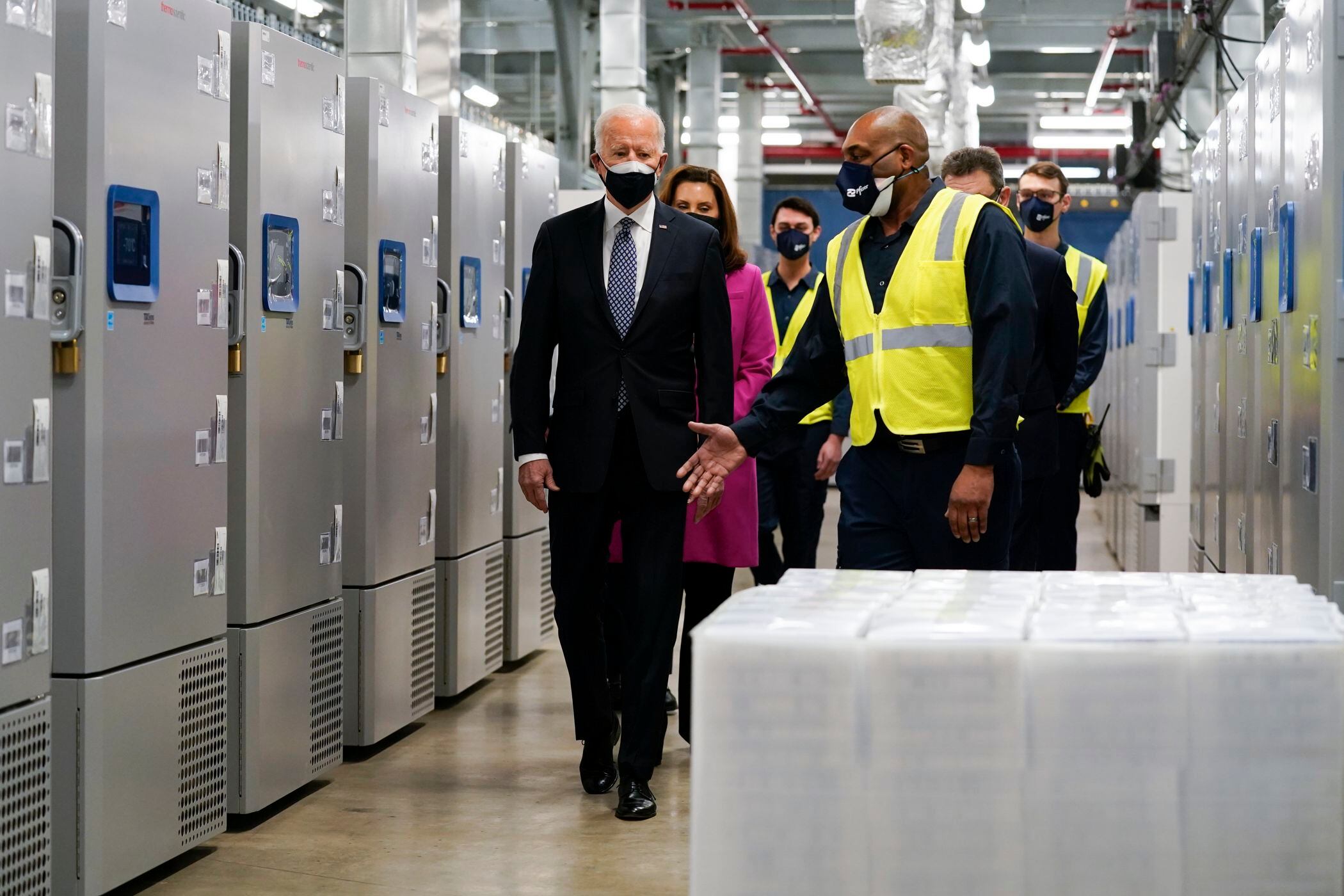
President Joe Biden toured a state-of-the-art coronavirus vaccine plant Friday as extreme winter weather across broad swaths of the U.S. handed his vaccination campaign its first major setback.
From Wall Street to Silicon Valley, these are the top stories that moved markets and had investors, business leaders, and entrepreneurs talking this week on Cheddar.
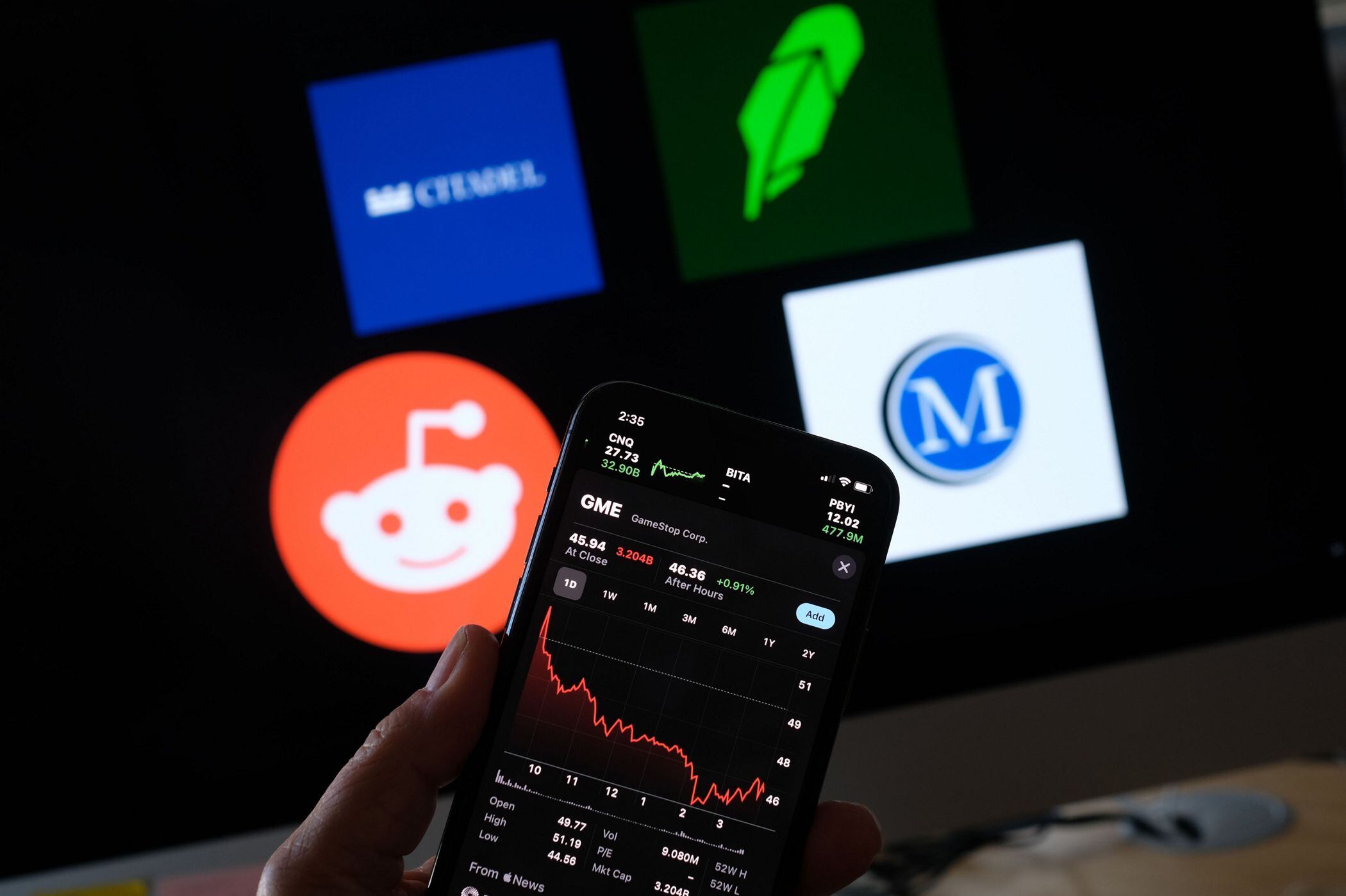
Cheddar has pulled together a rough timeline of the GameStop tale, from its inauspicious beginnings to becoming one of the biggest stories out of Wall Street since the crash of the housing market.
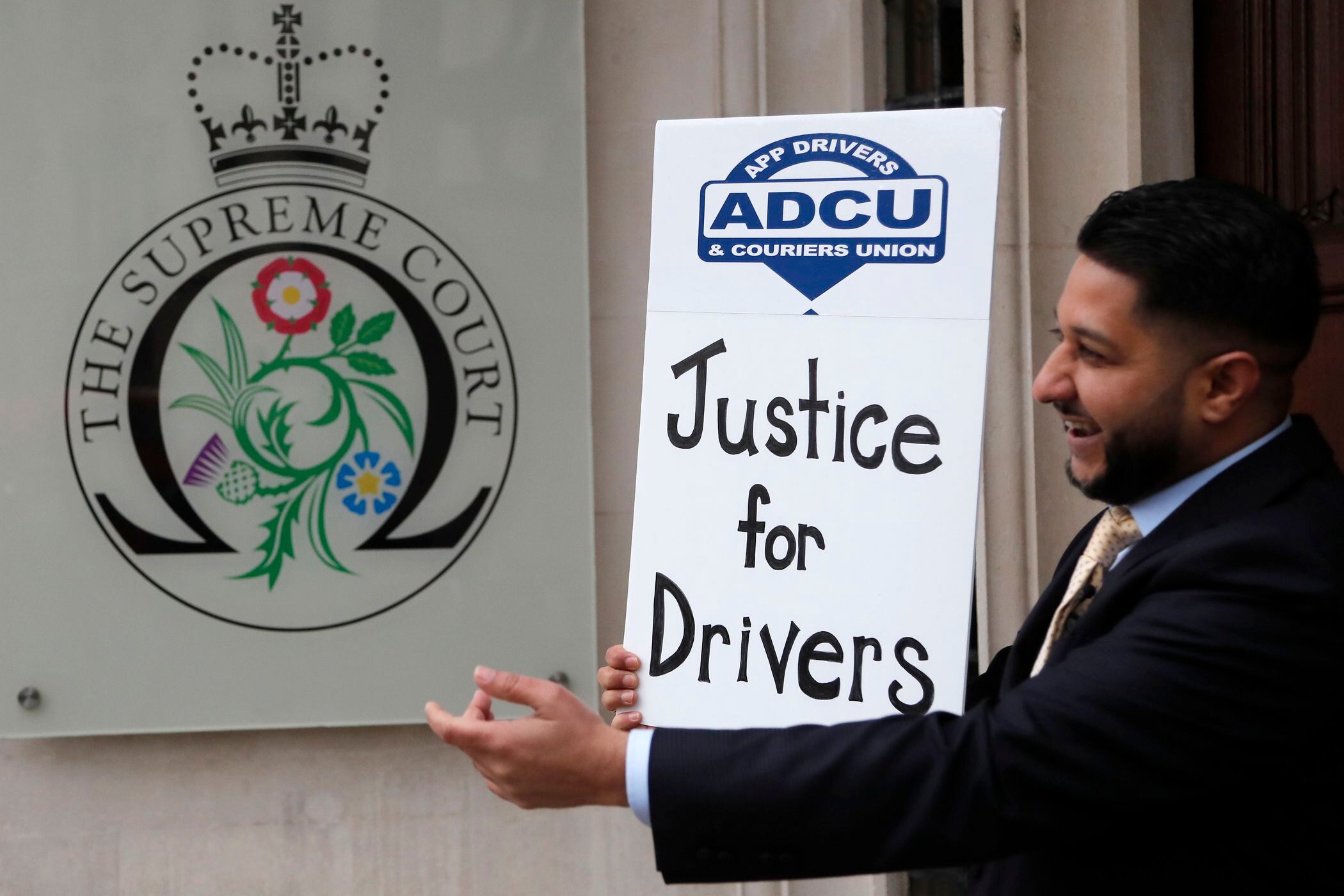
The UK Supreme Court has ruled that Uber drivers should be classed as “workers” and not self-employed.
Notable names like Bob Dylan and Volvo are all users of this top-tier cloud storage service, well-priced for content creators of any status.
A NASA rover has landed on Mars in an epic quest to bring back rocks that could answer whether life ever existed on the red planet.
In 1856, a chemistry student named William Henry Perkin accidentally created a strange substance with a rich purple hue. That accident turned out to be the world’s first synthetic dye.
Cheddar looks at the players in the GameStop stock saga taking part in the House Committee on Financial Services hearing.
This course bundle features 19 expert-led prep courses covering everything from IT basics to cloud, security and more.
TomoCredit founder Kristy Kim talked to Cheddar about the fintech startup looking to help "credit invisible" customers build their FICO scores,