The power of A.I. can reach deeper than just recommending which show to binge on Netflix. It can also be used to analyze millions of images to predict things like income, political leanings, and buying habits. Steve Lohr, Technology and Economics Reporter at The New York Times, joined us to discuss artificial intelligence's full potential when it comes to predictive analytics.
Lohr's recent piece in The New York Times highlights a Stanford study that used 50 million images from Google Street View to give a glimpse of A.I.'s ability to gather data. He explains that researchers identified 22 million cars to draw conclusions about information such as which political candidate a particular zip code favored. The project took just 2 weeks to classify all the cars. In his piece, Lohr points out that without the help of AI, it would take human experts over 15 years to accomplish that task.
This type of data collection raises concerns over privacy and issues of data access. He says most of predictive analysis has been used for commercial purposes and selling products. The use of data becomes scary when it becomes integrated into decisions such as hiring, he says, because the mistakes become more costly.
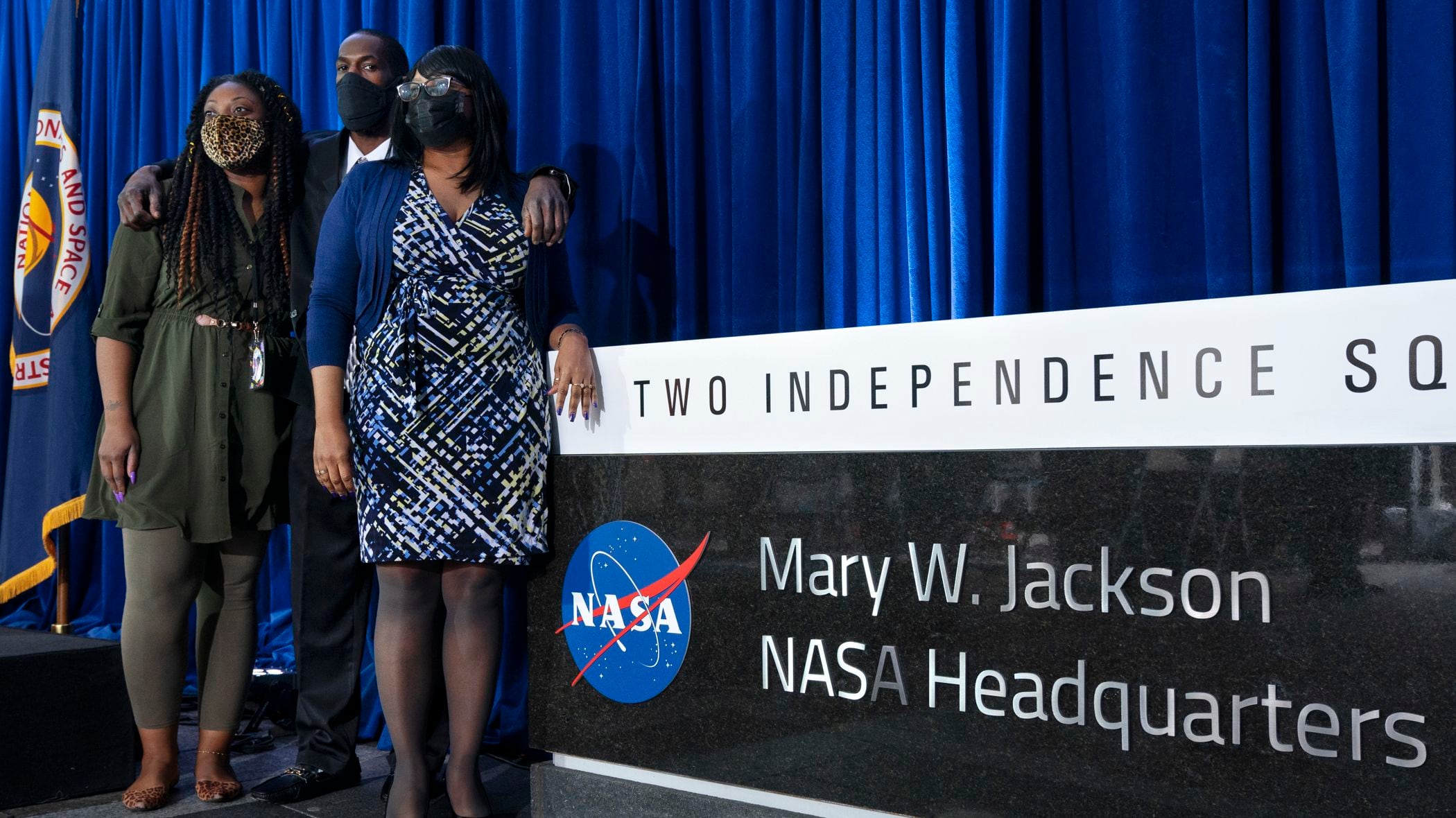
NASA on Friday is named its Washington headquarters after Mary W. Jackson, the space agency's first African American female engineer whose story was portrayed in the popular film "Hidden Figures."
Prabir Adarkar, DoorDash CFO, talked to Cheddar about the delivery service's long-term plans as food businesses and restaurants might be seeing the pandemic's end on the horizon.
Twitter CFO Ned Segal joined Cheddar to discuss how a new subscription model for content creators on the platform might translate into future revenues, alongside the platform's other strategies.
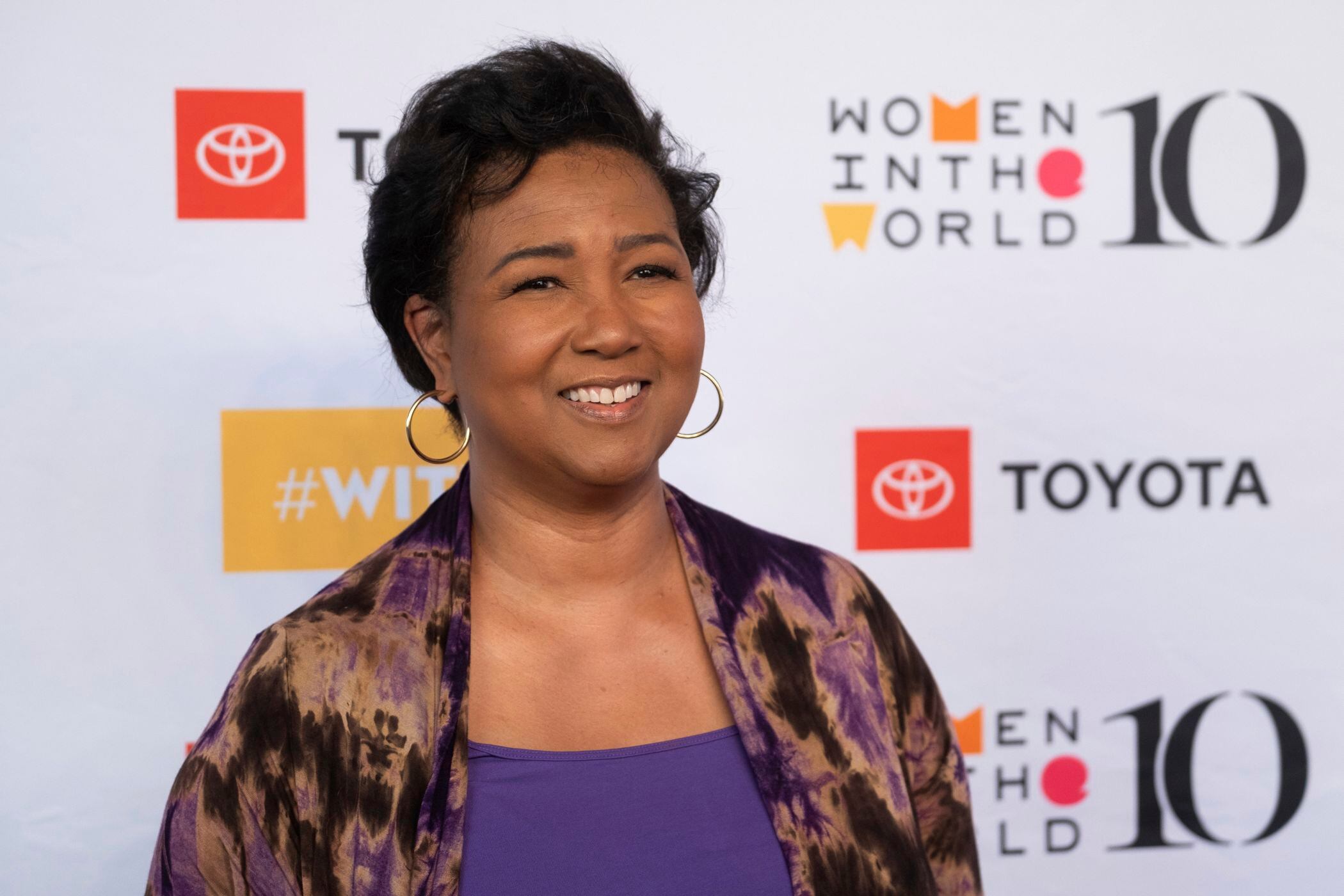
Dr. Mae Jemison, the first Black woman in space, spoke with Cheddar about how space provides the perspective of an interconnected global community.
Andy Purdy, chief security officer for the company's U.S. division, refuted reports that Huawei would be manufacturing electric cars of its own.
A designer named Robert Propst dreamed up what he called “The Action Office” as a groovy 1960s workplace utopia. This is how it all went so wrong.
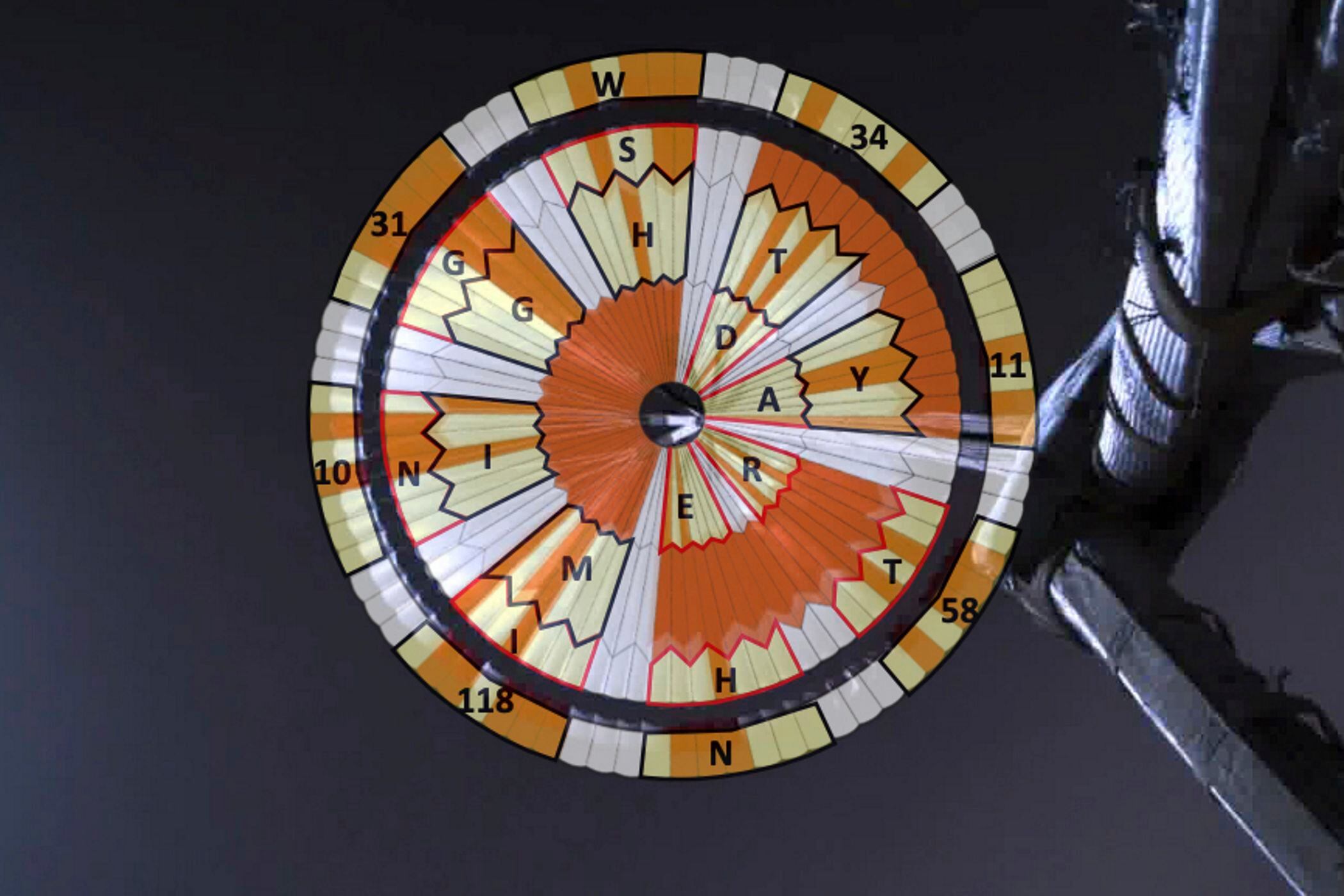
The huge parachute used by NASA's Perseverance rover to land on Mars contained a secret message.
With platforms like Starz, Netflix, and Amazon paving the way, there are indications that 2021 could be a turning point in diversifying television, in front of and behind the camera.
KoBold Metals announced a partnership with Stanford University to improve mineral mining efficiency while also receiving investments from major players in the climate space such as Breakthrough Energy Ventures overseen by Bill Gates and Jeff Bezos.
The U.S. Postal Service says it has chosen Oshkosh Defense to build its next-generation mail-delivery vehicle.